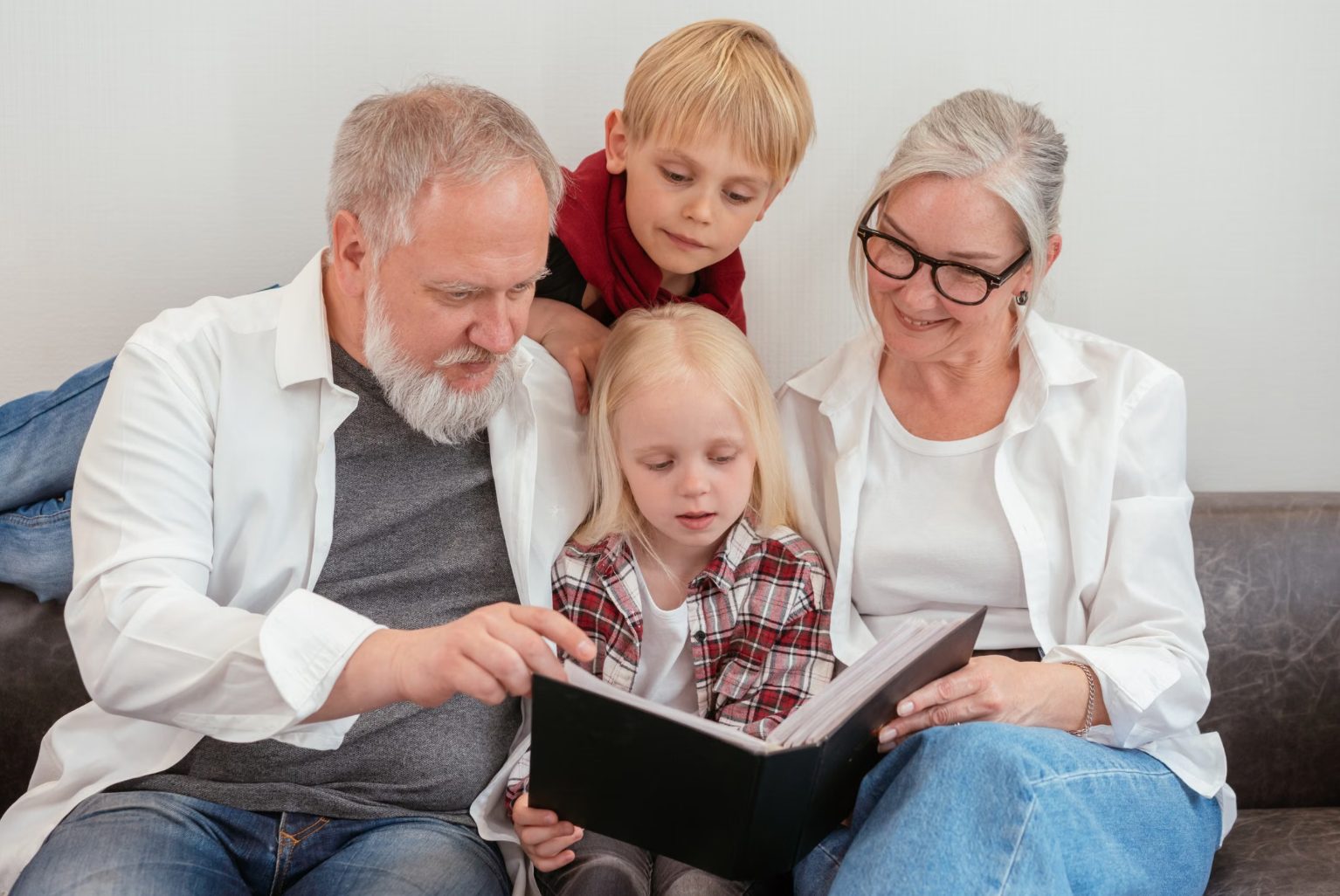
Remember when grandparents were simply Grandma and Grandpa? Those familiar names aren’t disappearing, but they’re getting some serious competition from Gigi, Mimi, Pops, and even Grandude. Across America, families are embracing creative grandparent nicknames that reflect personality, cultural heritage, and changing attitudes toward aging. Some grandparents choose their names before the baby arrives, while others let their grandchildren decide. Either way, the traditional family vocabulary is getting a makeover.
Gigi And Mimi Are Giving Grandma Competition
Grandma might have some competition at the next family reunion. Modern grandparent nicknames like Gigi, Mimi, Bibi, and Momo appeal to grandparents seeking something playful and personal. A Preply survey of 1,500 Americans identified Gigi and Mimi among the most searched-for contemporary grandmother nicknames. These shorter names are easy to repeat, making them practical options for families with young children. However, popularity doesn’t guarantee acceptance, especially when a toddler invents something entirely different.
Papa And Pops Are Reinventing Grandpa
Grandfathers are also getting creative with their titles. Papa, Pops, Poppy, G-Pa, and Grandude offer alternatives to traditional grandparent nicknames. According to the Preply survey, Papa was the leading alternative grandfather name in 13 states, while Pop-pop topped the list in seven. These findings show that naming preferences vary considerably depending on geography and family traditions. A grandfather who enjoys motorcycles might embrace Grandude, while another prefers the familiar warmth of Papa.
Nana Remains Surprisingly Popular
Not every grandparent wants a trendy identity. Nana remains one of America’s most recognizable grandparent nicknames, combining familiarity with affection. Research highlighted by The Bump found Nana leading alternative grandmother names in 12 states, particularly across New England and the Midwest. Grammy, Granny, and Gran also remain popular choices, demonstrating that traditional variations still have staying power. For families juggling several generations, these recognizable names can make relationships easier to explain.
Cultural Traditions Are Shaping Family Names
Some grandparent nicknames carry generations of cultural history rather than following modern trends. Italian families might use Nonna and Nonno, while German families often prefer Oma and Opa. Spanish-speaking households commonly use Abuela and Abuelo, and Filipino families may choose Lola and Lolo. Greek families may use Yiayia, while Jewish families sometimes embrace Bubbe and Zayde. Preserving these names offers children an everyday connection to their family’s language, traditions, and ancestry.
Some Grandparents Simply Don’t Feel Old Enough
Becoming a grandparent doesn’t automatically mean someone identifies with traditional images of aging. Today’s grandparents may still be working, traveling, exercising, and raising teenagers when their first grandchild arrives. Choosing Gigi instead of Grandma can reflect personal preference rather than embarrassment about growing older. Research published in The Gerontologist explores how family labels communicate identity and expectations, particularly when grandparents assume caregiving responsibilities. The important distinction is that a nickname expresses identity without determining someone’s actual responsibilities.
Grandparents Are Doing More Than Choosing Cute Names
Behind the changing vocabulary is a significant transformation in family life. A 2026 AARP study found that 69% of grandparents provide childcare, averaging more than 500 hours annually among those providing care. The research also estimated that grandparents contribute over $903 billion annually through unpaid caregiving and financial assistance. For a family receiving 10 hours of free childcare weekly, that support represents 520 hours annually that might otherwise require paid arrangements. Whatever their nickname, grandparents should discuss schedules, expenses, and boundaries before informal babysitting becomes an overwhelming obligation.
Choosing A Name Can Create Unexpected Family Drama
Selecting grandparent nicknames isn’t always as simple as picking something adorable. Problems can arise when both grandmothers want Gigi or a grandfather chooses Papa despite parental objections. A practical approach is to discuss preferences before the baby arrives and consider names already established by older grandchildren. Guidance from Parents recommends choosing names everyone can accept while avoiding confusing similarities with parental titles. Families can also add first names, creating combinations like Nana Linda or Papa Joe without turning the decision into a competition.
The Real Meaning Behind A Grandparent’s Name
Ultimately, grandparent nicknames reveal something bigger than changing language or generational fashion. Whether someone answers to Grandma, Gigi, Nonna, or Grandude, the name represents a relationship built through shared experiences. Families should prioritize respect, cultural meaning, and practicality rather than chasing whatever nickname happens to be fashionable. After all, children are more likely to remember bedtime stories, family traditions, and meaningful conversations than how trendy a name sounded.
What do your grandchildren call you, or what did you call your grandparents, and would you embrace a modern nickname or stick with tradition? Share your thoughts in the comments.
What to Read Next
10 “Grandpa” Names Parents Are Putting on Birth Certificates Again
Should Grandparents Be Expected to Help Pay for Kids’ Activities?
8 Things Grandparents Buy Kids That Parents Secretly Wish They Wouldn’t

Evan Morgan has been a full-time freelance writer and editor for 10+ years. When not working, he enjoys catching the latest true crime documentary or getting lost in a good book.
