• Home
  • About Us
  • Toolkit
  • Archives
  • Advertise
  • Privacy Policy

Kids Ain't Cheap

But They Sure Are Worth It

  • Parenting
    • Baby Stuff
    • Books and Reading
      • Aesops Fables
      • Comic Books
    • Education
    • Family Time
    • Green Living
    • Growing Up
    • Healthy Living & Eating
    • Holidays
    • Parenting
    • Random Musings
    • Shopping
    • Stuff to Do
  • Money
  • Product Reviews
    • Books and Magazines
    • Discount Sites
    • Furniture
    • House Keeping
    • Reviews News
    • Toys and Games
  • Contact Us
  • Our Editorial Commitment
  • Search

Whatever Happened to Grandma and Grandpa? Meet the New Grandparent Nicknames

October 14, 2026 | Leave a Comment

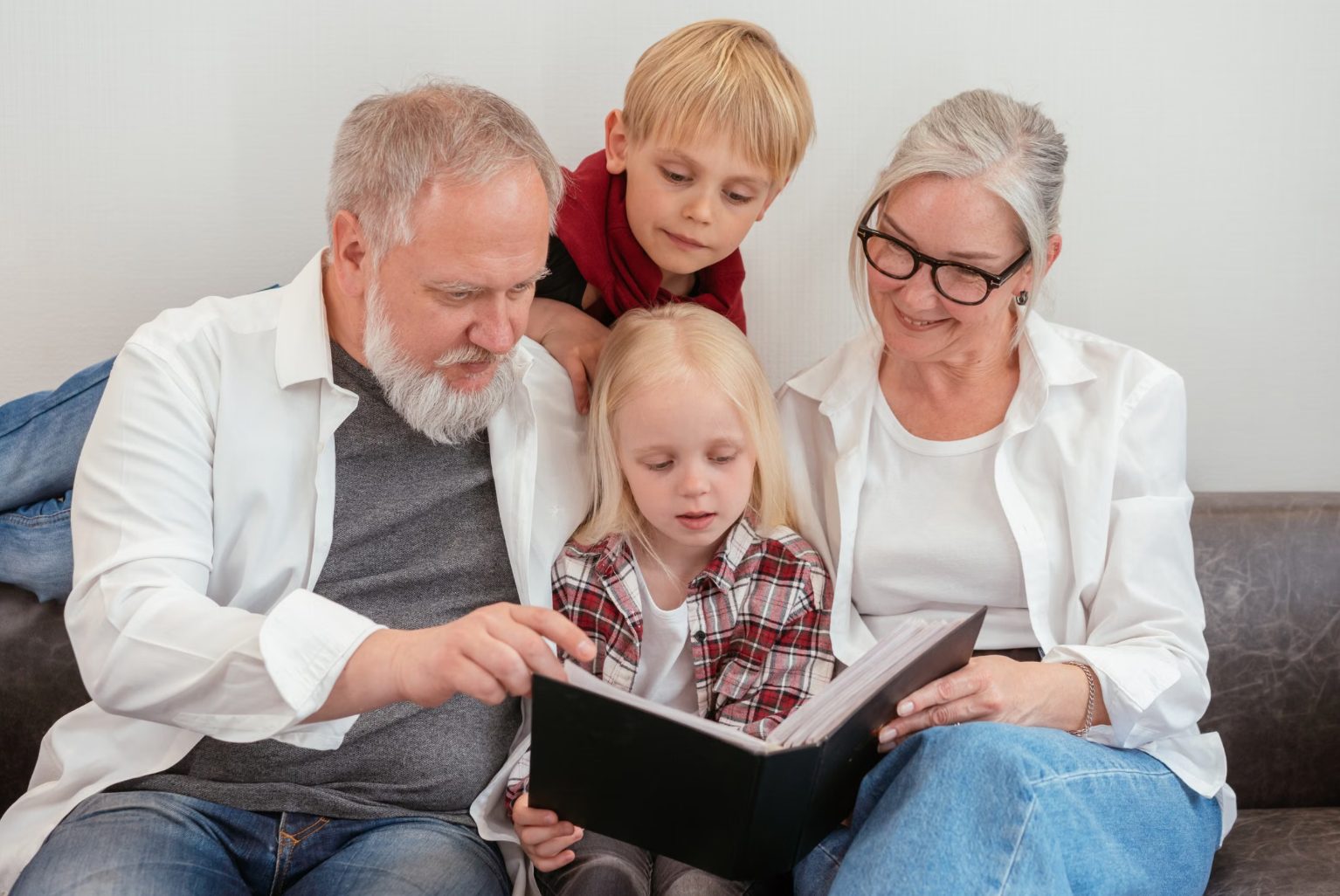
Grandparents And Grandkids
From Gigi and Mimi to Pops and Grandude, today’s grandparents are embracing personalized nicknames that reflect their personalities and family traditions. Despite the changing names, the love and connection between grandparents and grandchildren remains timeless. (Pexels).

Remember when grandparents were simply Grandma and Grandpa? Those familiar names aren’t disappearing, but they’re getting some serious competition from Gigi, Mimi, Pops, and even Grandude. Across America, families are embracing creative grandparent nicknames that reflect personality, cultural heritage, and changing attitudes toward aging. Some grandparents choose their names before the baby arrives, while others let their grandchildren decide. Either way, the traditional family vocabulary is getting a makeover.

Gigi And Mimi Are Giving Grandma Competition

Grandma might have some competition at the next family reunion. Modern grandparent nicknames like Gigi, Mimi, Bibi, and Momo appeal to grandparents seeking something playful and personal. A Preply survey of 1,500 Americans identified Gigi and Mimi among the most searched-for contemporary grandmother nicknames. These shorter names are easy to repeat, making them practical options for families with young children. However, popularity doesn’t guarantee acceptance, especially when a toddler invents something entirely different.

Papa And Pops Are Reinventing Grandpa

Grandfathers are also getting creative with their titles. Papa, Pops, Poppy, G-Pa, and Grandude offer alternatives to traditional grandparent nicknames. According to the Preply survey, Papa was the leading alternative grandfather name in 13 states, while Pop-pop topped the list in seven. These findings show that naming preferences vary considerably depending on geography and family traditions. A grandfather who enjoys motorcycles might embrace Grandude, while another prefers the familiar warmth of Papa.

Nana Remains Surprisingly Popular

Not every grandparent wants a trendy identity. Nana remains one of America’s most recognizable grandparent nicknames, combining familiarity with affection. Research highlighted by The Bump found Nana leading alternative grandmother names in 12 states, particularly across New England and the Midwest. Grammy, Granny, and Gran also remain popular choices, demonstrating that traditional variations still have staying power. For families juggling several generations, these recognizable names can make relationships easier to explain.

Cultural Traditions Are Shaping Family Names

Some grandparent nicknames carry generations of cultural history rather than following modern trends. Italian families might use Nonna and Nonno, while German families often prefer Oma and Opa. Spanish-speaking households commonly use Abuela and Abuelo, and Filipino families may choose Lola and Lolo. Greek families may use Yiayia, while Jewish families sometimes embrace Bubbe and Zayde. Preserving these names offers children an everyday connection to their family’s language, traditions, and ancestry.

Some Grandparents Simply Don’t Feel Old Enough

Becoming a grandparent doesn’t automatically mean someone identifies with traditional images of aging. Today’s grandparents may still be working, traveling, exercising, and raising teenagers when their first grandchild arrives. Choosing Gigi instead of Grandma can reflect personal preference rather than embarrassment about growing older. Research published in The Gerontologist explores how family labels communicate identity and expectations, particularly when grandparents assume caregiving responsibilities. The important distinction is that a nickname expresses identity without determining someone’s actual responsibilities.

Grandparents Are Doing More Than Choosing Cute Names

Behind the changing vocabulary is a significant transformation in family life. A 2026 AARP study found that 69% of grandparents provide childcare, averaging more than 500 hours annually among those providing care. The research also estimated that grandparents contribute over $903 billion annually through unpaid caregiving and financial assistance. For a family receiving 10 hours of free childcare weekly, that support represents 520 hours annually that might otherwise require paid arrangements. Whatever their nickname, grandparents should discuss schedules, expenses, and boundaries before informal babysitting becomes an overwhelming obligation.

Choosing A Name Can Create Unexpected Family Drama

Selecting grandparent nicknames isn’t always as simple as picking something adorable. Problems can arise when both grandmothers want Gigi or a grandfather chooses Papa despite parental objections. A practical approach is to discuss preferences before the baby arrives and consider names already established by older grandchildren. Guidance from Parents recommends choosing names everyone can accept while avoiding confusing similarities with parental titles. Families can also add first names, creating combinations like Nana Linda or Papa Joe without turning the decision into a competition.

The Real Meaning Behind A Grandparent’s Name

Ultimately, grandparent nicknames reveal something bigger than changing language or generational fashion. Whether someone answers to Grandma, Gigi, Nonna, or Grandude, the name represents a relationship built through shared experiences. Families should prioritize respect, cultural meaning, and practicality rather than chasing whatever nickname happens to be fashionable. After all, children are more likely to remember bedtime stories, family traditions, and meaningful conversations than how trendy a name sounded.

What do your grandchildren call you, or what did you call your grandparents, and would you embrace a modern nickname or stick with tradition? Share your thoughts in the comments.

What to Read Next

10 “Grandpa” Names Parents Are Putting on Birth Certificates Again

Should Grandparents Be Expected to Help Pay for Kids’ Activities?

8 Things Grandparents Buy Kids That Parents Secretly Wish They Wouldn’t

Evan Morgan

Evan Morgan has been a full-time freelance writer and editor for 10+ years. When not working, he enjoys catching the latest true crime documentary or getting lost in a good book.
Filed Under: Family Tagged With: baby names, family relationships, family traditions, Gigi, grandparent nicknames, grandparenting, grandparents, Mimi, modern families, Nana, Papa, Parenting

Why Grandparents Shouldn’t Babysit Their Grandkids Every Week – The Unspoken Issue

April 30, 2025 | Leave a Comment

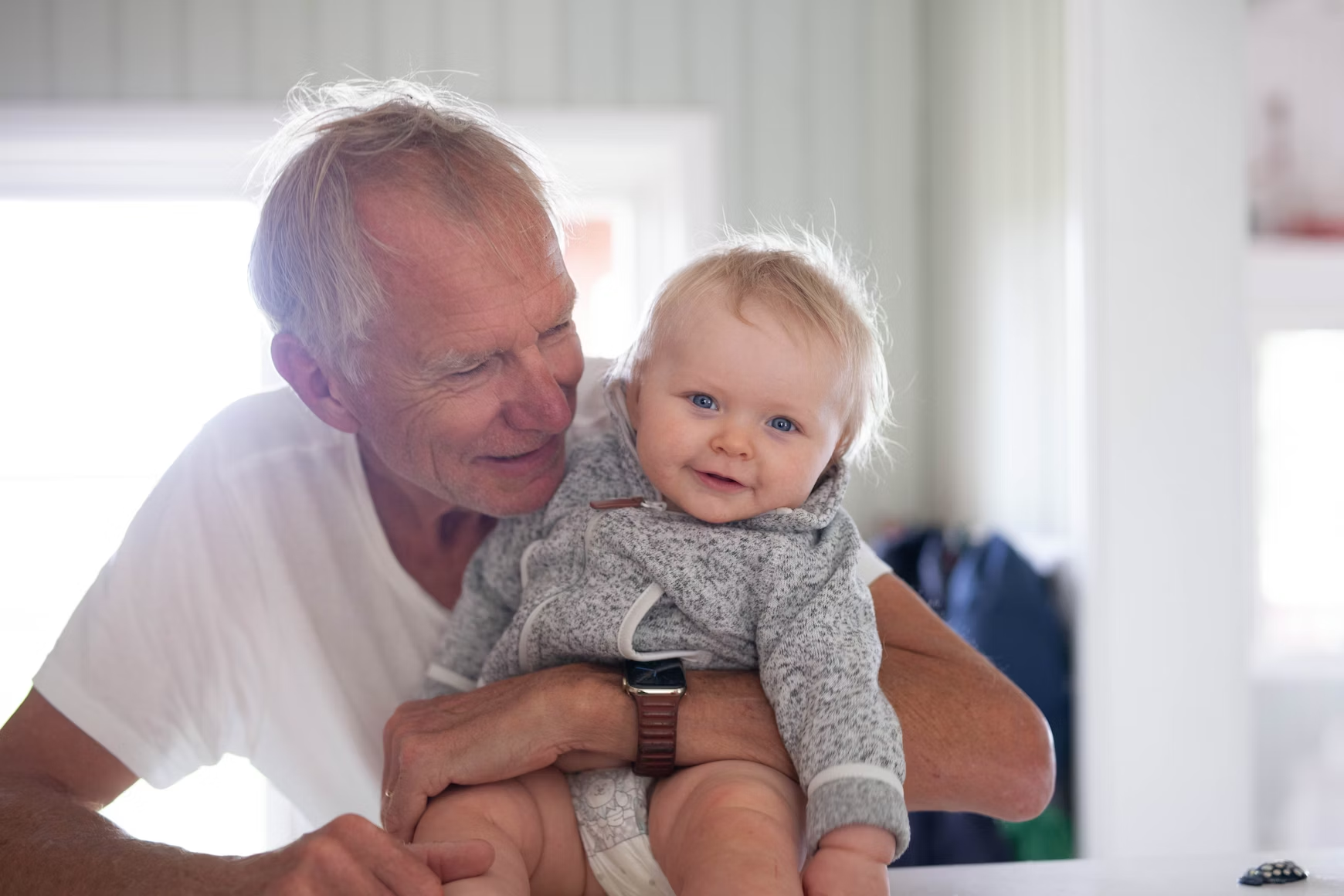
Smiling grandfather holding a happy baby indoors.
Image Source: Unsplash

There’s no denying it—grandparents are the unsung heroes of many families. They step in when schedules get messy, offer decades of wisdom, and bring extra joy to any ordinary afternoon. Yet even the deepest love has limits. When grandparents babysitting becomes a weekly—or worse, daily—expectation, the arrangement can carry serious, often unspoken consequences.

Working parents may fall into a well-intentioned routine without realizing the long-term impact on everyone involved. Below, you’ll find five critical reasons to rethink how often grandparents watch the grandkids, followed by practical tips for creating a healthier balance.

1. Weekly Babysitting May Increase the Risk of Dementia

Taking care of a grandkid shouldn’t be a full-time job. That defeats the purpose!

While occasional grandkid time uplifts mood and keeps elders socially engaged, too much caregiving has drawbacks. Mental fatigue accumulates when grandparents juggle feedings, nap schedules, and constant vigilance.

In contrast, interacting with grandchildren once or twice a week (2-5 hours per week) appears to boost brain health by stimulating memory without overwhelming it. Like physical exercise, cognitive workouts need recovery time—moderation is key.

2. Physical Limitations Can Put Children at Risk

Childcare is physically demanding: lifting toddlers, chasing runaway toys, and kneeling to change diapers all require agility and strength. Many grandparents manage chronic conditions such as arthritis or reduced bone density that make quick movements painful—or dangerous.

A slip while carrying a toddler or an inability to react swiftly during a choking incident can create serious safety hazards. Respecting these limitations isn’t a sign of distrust. It’s an act of protection for both generations. Ensuring safe play areas, providing lightweight gear, and limiting duties to low-risk activities preserves everyone’s well-being.

3. Conflicts Over Parenting Boundaries Are Real

Screen-time rules, sugar limits, and discipline philosophies differ widely across generations. When grandparents babysit regularly, small disagreements can snowball into boundary battles, leaving parents feeling undermined and grandparents feeling unappreciated. Even the most loving family can struggle if communication lags behind the caregiving schedule. Establishing clear guidelines—yet allowing grandparents some flexibility—helps preserve respect on both sides. Remember, disagreements aren’t just about rules. They can also stem from fatigue or feeling taken for granted.

4. Frequent Caregiving Can Lead to Grandparent Burnout

Behind many cheerful grandparent smiles is a quiet exhaustion they hesitate to admit. Weekly or daily childcare demands hours of physical labor and emotional patience, all on top of the grandparent’s own medical appointments, hobbies, and social commitments. Over time, that consistent effort breeds burnout—marked by irritability, chronic fatigue, and even resentment.

Once burnout sets in, grandparents may withdraw not only from childcare but from broader family interactions, eroding precious relationships. Encouraging honest check-ins and offering regular breaks helps keep joy at the center of grandparent-grandchild bonds. That’s where it should be, after all!

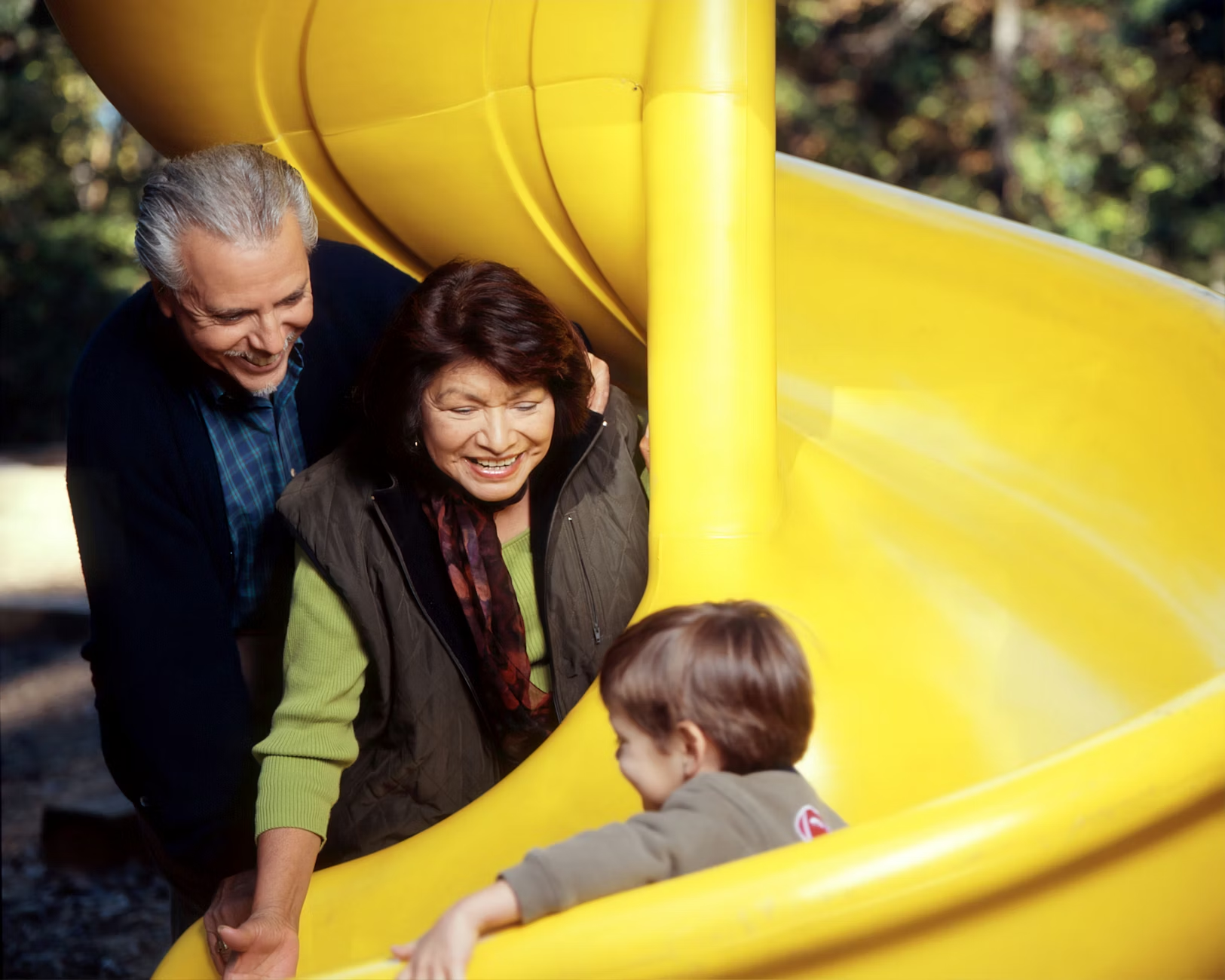
Smiling grandparents helping a young child at the bottom of a yellow slide.
Image Source: Unsplash

5. Caregiving Shifts Their Role From Grandparent to Co-Parent

The magic of grandparenting lies in storytelling, baking secret-family-recipe cookies, and giving extra hugs—not enforcing bedtime routines after a long workday. When grandparents are asked to fill childcare gaps too often, they morph into co-parents, responsible for discipline and rule enforcement.

This role confusion can blur emotional boundaries. Children may begin to see Grandma as just another authority figure instead of the special visitor who brings wonder and warmth. Protecting the grandparent role means reserving it for moments of connection. “Grandparenting” shouldn’t be a constant obligation.

Rethink the Load: What Grandparents—and Kids—Truly Need

Moving from convenience to sustainability benefits every family member. A thriving child needs caregivers who are fully present, not exhausted. Grandparents need time to nurture their own health, friendships, and interests. Consider these strategies:

  1. Shift to occasional care. Instead of every Wednesday evening, aim for once-a-month date-night babysitting or special weekend sleepovers.
  2. Share the load. Rotate among extended family, trusted friends, or part-time sitters so no one person carries the entire burden.
  3. Offer gratitude and choice. Ask, “What schedule works for you this month?” rather than assuming availability. Genuine appreciation goes a long way.
  4. Provide logistical support. Supply lightweight strollers, pre-prepped meals, or a paid house-cleaning service to lighten physical strain.
  5. Check in regularly. A gentle, “How are you feeling about childcare lately?” can open the door to honest dialogue before burnout appears.

By crafting time-limited roles, voicing thanks often, and honoring physical and cognitive limits, families can find a rhythm that lets everyone flourish. The best gift you give your child isn’t daily grandparent supervision—it’s a grandparent who’s healthy, happy, and eager for magical moments when they do visit.

Do your parents or in-laws help with childcare? How do you balance their love and availability without over-relying on them? Share your thoughts in the comments—we’d love to learn how your family navigates this meaningful, and sometimes tricky, dynamic.

Read More

  • 8 Babysitter Safety Tips Every Parent Wishes They Knew Sooner
  • How to Prepare the Babysitter For Your Trip Away Without Kids!

Samantha Warren
Samantha

Samantha Warren is a holistic marketing strategist with 8+ years of experience partnering with startups, Fortune 500 companies, and everything in between. With an entrepreneurial mindset, she excels at shaping brand narratives through data-driven, creative content. When she’s not working, Samantha loves to travel and draws inspiration from her trips to Thailand, Spain, Costa Rica, and beyond.

Filed Under: Parenting Tagged With: being a grandparent, burnout, grandparent, grandparenting, grandparents, Parenting, parenting advice

  • Facebook
  • Pinterest
  • RSS
  • Twitter

Basic Principles Of Good Parenting

Here some basic principles for good parenting:

  1. What You Do Matters: Your kids are watching you. So, be purposeful about what you want to accomplish.
  2. You Can’t be Too Loving: Don’t replace love with material possessions, lowered expectations or leniency.
  3. Be Involved Your Kids Life: Arrange your priorities to focus on what your kid’s needs. Be there mentally and physically.
  4. Adapt Your Parenting: Children grow quickly, so keep pace with your child’s development.
  5. Establish and Set Rules: The rules you set for children will establish the rules they set for themselves later.  Avoid harsh discipline and be consistent.
  6. Explain Your Decisions: What is obvious to you may not be evident to your child. They don’t have the experience you do.
  7. Be Respectful To Your Child: How you treat your child is how they will treat others.  Be polite, respectful and make an effort to pay attention.
Best Parenting Blogs

Most Popular

Baby

9 Baby Names That Sound Rare Without Being Hard to Spell

Evan Morgan
Baby

9 Unusual Baby Names That Sound Like They Belong to Future CEOs

Evan Morgan
Target Store

Choking Incident Prompts Recall of 49,000 Target Gigglescape “Under the Sea” Popping Toys

Evan Morgan
Frustrated Girl

Why Some Students on the Spectrum Are Labeled With ODD

Evan Morgan
Coke Bottles

12 Things Kids Took to School in the ’70s That Would Never Be Allowed Today

Evan Morgan

All content on Kids Ain’t Cheap is for entertainment purposes only. By reading this blog, you agree that Kids Ain’t Cheap is not responsible for any actions taken after reading this blog. For the full disclaimer, see our privacy policy.

Please note that Kids Ain’t Cheap has financial relationships with some of the merchants mentioned here. Kids Ain’t Cheap is funded by banner advertising, commission sales and search optimization consulting.

Copyright © 2006–2026 | District Media | All Rights Reserved | Privacy Policy

Copyright © 2026 Runway Pro Theme by Viva la Violette