
• Home
  • About Us
  • Toolkit
  • Archives
  • Advertise
  • Privacy Policy

Kids Ain't Cheap

But They Sure Are Worth It

  • Parenting
    • Baby Stuff
    • Books and Reading
      • Aesops Fables
      • Comic Books
    • Education
    • Family Time
    • Green Living
    • Growing Up
    • Healthy Living & Eating
    • Holidays
    • Parenting
    • Random Musings
    • Shopping
    • Stuff to Do
  • Money
  • Product Reviews
    • Books and Magazines
    • Discount Sites
    • Furniture
    • House Keeping
    • Reviews News
    • Toys and Games
  • Contact Us
  • Our Editorial Commitment
  • Search

6 Budgeting Hacks from Depression Era Grandmothers

March 5, 2026 | Leave a Comment

budgeting hacks
Image source: shutterstock.com

In a world of digital apps and automated transfers, we have lost touch with the gritty, effective wisdom of the past. Honestly, our grandmothers knew more about stretching a dollar than any modern finance guru ever will. They lived through a time when every penny was a lifeline, and “waste not, want not” was a survival strategy. This hidden system of extreme frugality is the ultimate weapon against today’s rising inflation and economic uncertainty. You do not need a fancy spreadsheet to get your finances in order; you need to look back at the habits that kept families fed during the Great Depression. Here are the timeless hacks that will change how you look at your bank account.

1. The Power of the Cash Envelope

Before credit cards, people only spent what they physically had in their hands. Using cash for your daily expenses like groceries and gas creates an immediate psychological barrier to overspending. When the envelope is empty, the spending stops—period. This simple act of physical accounting prevents the “invisible” leak of digital transactions that drain our accounts. You will be surprised how much more carefully you shop when you have to count out the bills. Modern budgeters call this cash stuffing, and it remains the most effective way to see exactly where your money goes every week. It is a discipline that turns into freedom.

2. Eating from the Back of the Pantry

Depression-era cooks never let a single ingredient go to waste, turning scraps into hearty meals. We have become accustomed to “re-stocking” before we have even finished what we already own. By committing to a “pantry week” once a month, you can save hundreds on your grocery bill. Use the rice, beans, and canned goods you have hidden in the back before buying anything new. This habit reduces food waste and forces you to get creative with what you have. According to the EPA, the average family of four loses nearly $3,000 a year to uneaten food. You are literally eating your way to a better budget.

3. The Art of the “Make Do and Mend”

We live in a disposable culture where it is easier to buy a new shirt than to sew on a button. Our grandmothers knew that maintaining what you own is the secret to long-term wealth. Learning basic repair skills can save you thousands over the course of a lifetime. This mindset stems from the historic Make Do and Mend campaign, which encouraged families to revitalize old clothes rather than buy new ones. Whether it is mending a hem or fixing a leaky faucet, doing it yourself keeps your money in your pocket. This mindset shifts you from a consumer to a caretaker of your belongings.

4. Growing Your Own Vitamin Bank

A small garden is more than just a hobby; it is a hedge against rising food prices. Even a few pots of herbs or a tomato plant on the balcony can significantly lower your produce costs. During the Great Depression and WWII, Victory Gardens were essential for family survival, eventually producing 40% of the nation’s vegetables. Starting small allows you to learn the skill without a massive initial investment. Fresh, home-grown food is better for your health and your wallet than anything you can buy at the store. Every harvest is a win for your budget.

5. Practicing the 24-Hour Rule

Impulse buying was a luxury that didn’t exist for most people eighty years ago. They had to weigh every purchase against the actual hours of labor it cost to earn that money. By waiting 24 hours before any non-essential purchase, you allow the “want” to fade and the “need” to be evaluated. This psychological cooling-off period ensures that your rational mind, rather than a temporary impulse, makes the final decision. Often, the urge to buy disappears entirely once you step away from the screen. Patience is a budgeting superpower.

6. Finding Joy in Free Community

Entertainment does not have to be a line item in your budget every single weekend. Depression-era families relied on potlucks, public parks, and libraries for their social lives. We have been conditioned to believe that “going out” must involve spending money at a restaurant or theater. Transitioning to free local activities allows you to save for big goals without sacrificing your social life. Public libraries today offer far more than just books; they provide free workshops, movies, and even “libraries of things” where you can borrow tools or equipment for free.

Timeless Wisdom for Modern Times

The habits of our grandmothers are more relevant today than ever before as we navigate an uncertain economy. You have the power to break free from the cycle of debt by embracing these simple, proven strategies. It is not about deprivation; it is about intentionality and respect for the money you work hard to earn. These hacks provide a roadmap to security that no app can match. By looking to the past, you are securing a much brighter financial future for your family.

Which of these old-school hacks are you going to try first? Leave a comment below!

What to Read Next…

  • Budgeting Tips for Parents in the Month After the Big Holiday Bills Arrive
  • 10 Mistakes Parents Make When Talking About Money With Kids
  • Why Meal-Planning During the Holidays Can Save You More Than Just Money
Latrice Perez

Latrice is a dedicated professional with a rich background in social work, complemented by an Associate Degree in the field. Her journey has been uniquely shaped by the rewarding experience of being a stay-at-home mom to her two children, aged 13 and 5. This role has not only been a testament to her commitment to family but has also provided her with invaluable life lessons and insights.  As a mother, Latrice has embraced the opportunity to educate her children on essential life skills, with a special focus on financial literacy.
Filed Under: Money and Finances Tagged With: budgeting hacks, debt free, Family Finance, financial wisdom, frugal living, Great Depression, inflation tips, Money Saving Tips, old school budgeting, Saving Money

The “Inflation Menu”: 6 Depression-Era Dinners Making a Comeback in 2026

February 11, 2026 | Leave a Comment

The
Image Source: Shutterstock.com

Something fascinating is happening in kitchens across the country right now. As grocery prices continue to stretch household budgets, people aren’t just hunting for coupons or swapping brands — they’re reaching back nearly a century for inspiration. Depression-era meals, once born out of pure necessity, are suddenly finding their way back onto modern dinner tables.

It’s not because people want to relive the hardships of the 1930s. It’s because these dishes are simple, filling, and surprisingly comforting in a world that feels increasingly complicated. Many of these recipes rely on pantry staples, stretch ingredients farther than you’d think possible, and deliver a kind of nostalgic charm that feels oddly refreshing in 2026.

1. The Humble Yet Mighty “Hoover Stew”

Hoover Stew earned its name during the Great Depression, when families needed to feed several people with whatever they had on hand. Traditionally, it combined macaroni, canned tomatoes, hot dogs, and sometimes beans or corn. It wasn’t glamorous, but it was cheap, filling, and easy to scale up.

In 2026, this dish is resurfacing because it checks every box for a budget-conscious household. Pasta remains one of the most affordable staples, canned tomatoes are shelf-stable and versatile, and hot dogs are still one of the least expensive proteins available. People are customizing it with vegetables, spices, or different types of sausage to make it feel more modern without losing its original spirit.

2. The Return of Potato Pancakes as a Dinner Staple

Potato pancakes have roots in several cultures, but during the Depression they became a go-to dinner because potatoes were cheap, filling, and available even when other ingredients were scarce. Families grated potatoes, mixed them with a little flour and egg, and fried them into crisp, golden patties that could stretch a meal further than you’d expect.

Today, they’re making a comeback because potatoes remain one of the most budget-friendly foods in the grocery store. People are rediscovering how versatile they are, especially when paired with simple toppings like applesauce, sour cream, or sautéed onions. Some home cooks are even turning leftover mashed potatoes into patties to avoid waste.

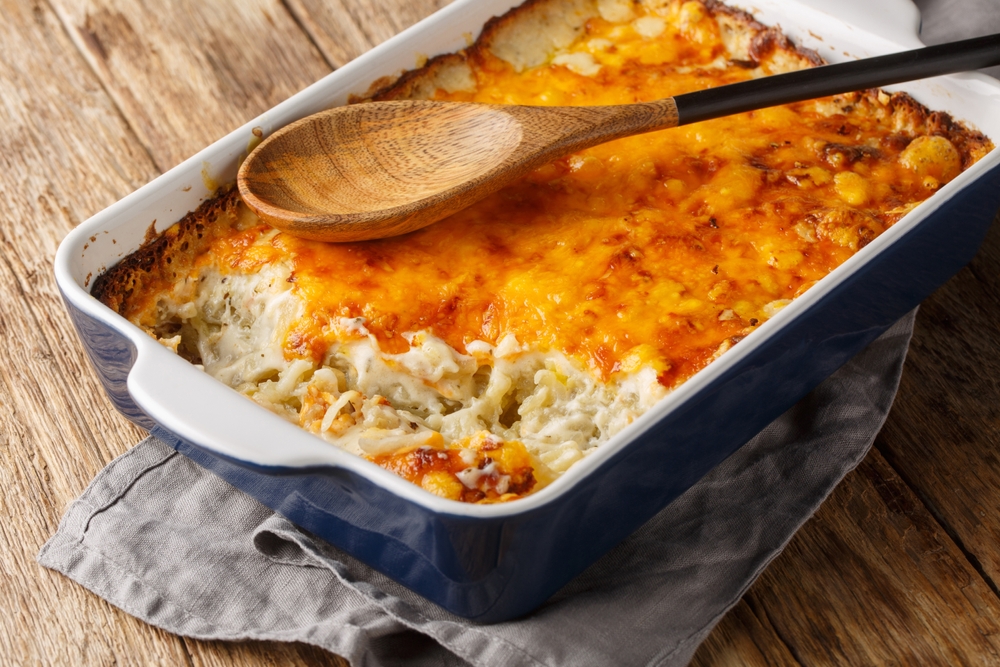
3. The Revival of “Poor Man’s Casserole”

Casseroles were a Depression-era hero because they stretched small amounts of meat with inexpensive fillers like potatoes, rice, or noodles. One of the most common versions was a layered dish of potatoes, onions, and ground beef, baked slowly until everything melded together. It wasn’t fancy, but it was hearty and reliable.

In 2026, casseroles are back in rotation because they’re efficient, comforting, and perfect for meal prepping. Many families are adapting the classic version by adding vegetables, swapping in turkey or plant-based proteins, or seasoning it more boldly than cooks did in the 1930s. The appeal is the same, though: one dish, minimal effort, maximum leftovers.

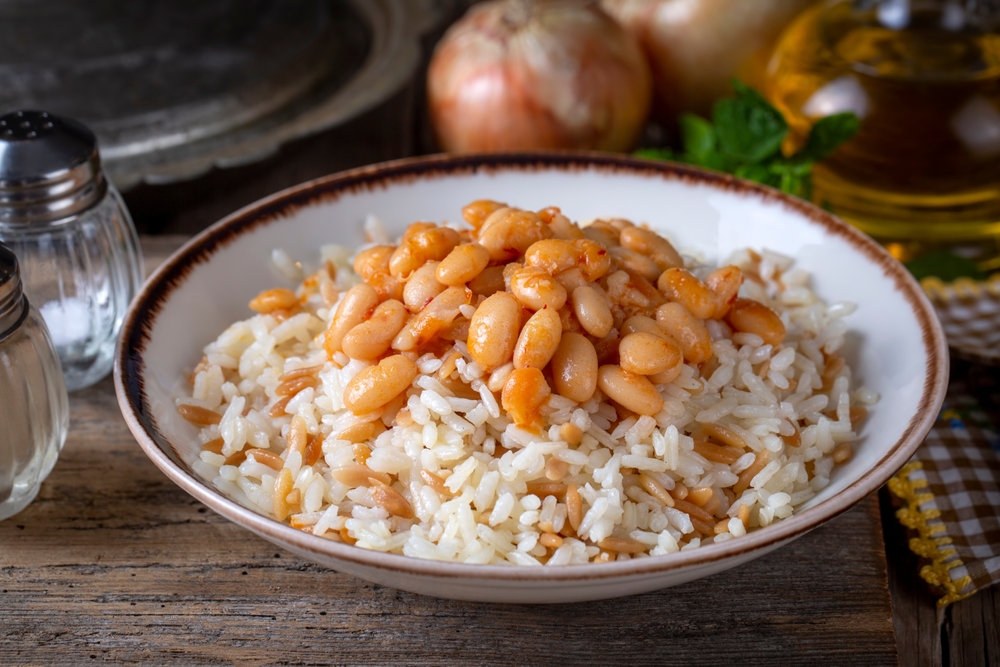
4. The Comeback of Beans and Rice as a Full Dinner

Beans and rice have been staples around the world for centuries, and during the Depression they became a lifeline for families who needed affordable, nutritious meals. Beans provided protein and fiber, rice added bulk, and together they created a complete meal that could be seasoned in countless ways.

In 2026, this combination is gaining popularity again because it’s one of the most cost-effective dinners you can make. Dry beans and bulk rice remain inexpensive, and the dish adapts easily to different cuisines. People are adding spices, vegetables, and sauces to create variations inspired by Latin American, Southern, Caribbean, and Asian cooking.

The
Image Source: Shutterstock.com

5. The Reappearance of “Mock” Dishes

During the Depression, families created “mock” versions of foods they couldn’t afford. Mock apple pie, for example, used crackers instead of apples, relying on spices and sugar to mimic the flavor. Mock chicken legs were made from ground meat shaped around sticks. These dishes were creative solutions to limited resources.

While not all mock dishes are returning, the concept absolutely is. In 2026, people are making “mock” meals by substituting expensive ingredients with cheaper alternatives. Lentils are standing in for ground beef, mushrooms are replacing pricier cuts of meat, and canned fruit is being used in place of fresh produce when prices spike.

6. The Revival of Simple Vegetable Soups

Vegetable soups were a Depression-era staple because they allowed families to use every scrap of produce they had. Carrot tops, celery leaves, potato peels — nothing went to waste. A pot of soup could feed several people and stretch ingredients farther than almost any other method.

In 2026, vegetable soups are returning because they’re economical, nutritious, and perfect for using up ingredients before they spoil. People are simmering leftover vegetables with broth, herbs, and inexpensive grains like barley or rice to create meals that feel both comforting and practical.

Why Old Recipes Still Matter in a New Era

These Depression-era dinners aren’t coming back because people want to relive the past. They’re returning because they offer something we still need today: meals that are affordable, adaptable, and rooted in resourcefulness. In a time when grocery bills feel unpredictable, these dishes remind us that good food doesn’t have to be complicated or expensive.

Which Depression-era dish would you try — or avoid — in 2026? Give us your culinary thoughts in the comments section.

You May Also Like…

Virginia Baby Food Ban: 5 Specific Brands Just Prohibited Under New Safety Laws

Virginia Law: The “Baby Food Protection Act” Just Banned These Brands from Shelves

9 Traditional Family Routines That Help Kids Feel Secure

8 Subtle Signs Someone Is Watching You at the Grocery Store

Large Family Grocery List: 12 Must-Have Items to Keep Everyone Fed and Happy

Brandon Marcus
Brandon Marcus
Brandon Marcus is a writer who has been sharing the written word since a very young age. His interests include sports, history, pop culture, and so much more. When he isn’t writing, he spends his time jogging, drinking coffee, or attempting to read a long book he may never complete.

Filed Under: Shopping Tagged With: 2026 trends, budget meals, comfort food, cooking on a budget, family dinners, food culture, food history, frugal cooking, Great Depression, grocery prices, inflation

  • Facebook
  • Pinterest
  • RSS
  • Twitter

Basic Principles Of Good Parenting

Here some basic principles for good parenting:

  1. What You Do Matters: Your kids are watching you. So, be purposeful about what you want to accomplish.
  2. You Can’t be Too Loving: Don’t replace love with material possessions, lowered expectations or leniency.
  3. Be Involved Your Kids Life: Arrange your priorities to focus on what your kid’s needs. Be there mentally and physically.
  4. Adapt Your Parenting: Children grow quickly, so keep pace with your child’s development.
  5. Establish and Set Rules: The rules you set for children will establish the rules they set for themselves later.  Avoid harsh discipline and be consistent.
  6. Explain Your Decisions: What is obvious to you may not be evident to your child. They don’t have the experience you do.
  7. Be Respectful To Your Child: How you treat your child is how they will treat others.  Be polite, respectful and make an effort to pay attention.
Best Parenting Blogs

Most Popular

Baby

9 Unusual Baby Names That Sound Like They Belong to Future CEOs

Evan Morgan
Baby

10 Baby Names That Were Once Considered “Grandparent Names” but Feel Cool Again

Evan Morgan
Target Store

Choking Incident Prompts Recall of 49,000 Target Gigglescape “Under the Sea” Popping Toys

Evan Morgan
Frustrated Girl

Why Some Students on the Spectrum Are Labeled With ODD

Evan Morgan
Coke Bottles

12 Things Kids Took to School in the ’70s That Would Never Be Allowed Today

Evan Morgan

All content on Kids Ain’t Cheap is for entertainment purposes only. By reading this blog, you agree that Kids Ain’t Cheap is not responsible for any actions taken after reading this blog. For the full disclaimer, see our privacy policy.

Please note that Kids Ain’t Cheap has financial relationships with some of the merchants mentioned here. Kids Ain’t Cheap is funded by banner advertising, commission sales and search optimization consulting.

Copyright © 2006–2026 | District Media | All Rights Reserved | Privacy Policy

Copyright © 2026 Runway Pro Theme by Viva la Violette