Extracurricular activities can be an amazing part of childhood—building confidence, teaching discipline, and keeping kids engaged. But not every after-school hobby is harmless. Some extracurricular activities that could give your child lifelong medical problems come with hidden physical tolls that may not show up until years later. From overuse injuries to chronic pain, the risks are real when intense training or repetitive motions go unchecked. Before you sign another permission slip, take a closer look at these seven activities that could leave a lasting mark on your child’s health.
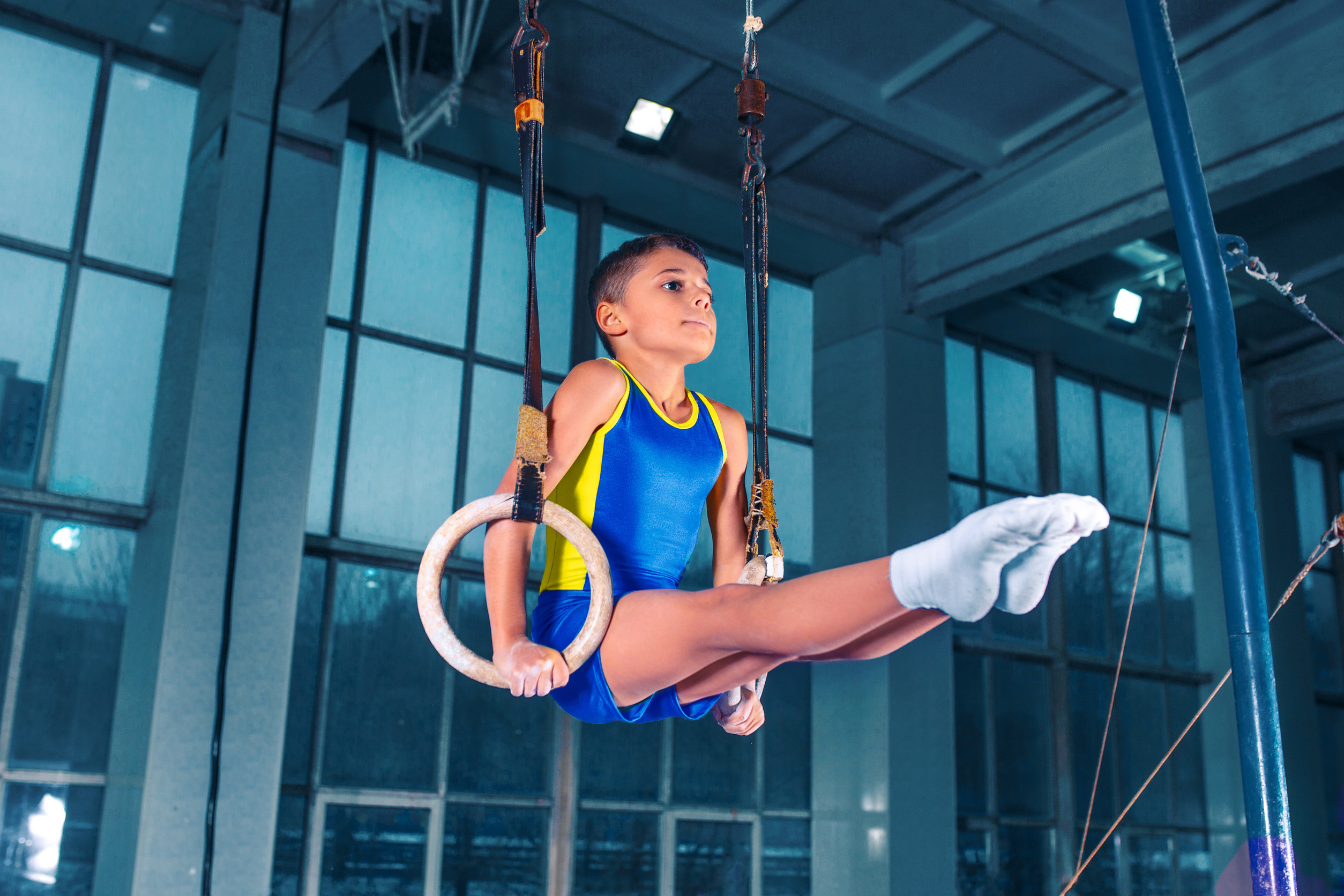
1. Gymnastics
Gymnastics often looks graceful and effortless, but it places extreme stress on growing bones and joints. Children in competitive programs may train for hours daily, performing flips, landings, and stretches that push the limits of flexibility and strength. Common injuries include wrist fractures, spinal issues, and long-term joint instability. The repetitive impact and pressure can contribute to lifelong back pain and early arthritis. If your child loves gymnastics, be sure to work with coaches who emphasize safety, rest, and proper form.
2. Football
It’s no secret that football is one of the riskiest extracurricular activities that could give your child lifelong medical problems. The physical contact, especially repeated head impacts, raises serious concerns about concussions and chronic traumatic encephalopathy (CTE). Even kids in peewee leagues can experience long-term brain or joint damage if injuries are downplayed or poorly managed. Knees and shoulders also take a beating in this sport, sometimes requiring surgery before high school is even over. Proper protective gear, medical supervision, and honest conversations about injury history are essential.
3. Cheerleading
What many people still consider a “sideline sport” is actually one of the most dangerous youth activities in terms of injury rate. From stunts and tumbling to pyramids and jumps, cheerleading often demands high-risk movements with little margin for error. Falls from lifts or failed landings can result in fractures, concussions, and spinal trauma. Over time, repetitive joint strain can cause chronic pain or instability, particularly in wrists and knees. If your child is in cheer, advocate for certified coaches and well-padded practice spaces.
4. Dance
Ballet and other dance disciplines may not involve helmets or tackling, but they come with their own serious risks. Constant strain on the feet, hips, and lower back can lead to tendonitis, stress fractures, and joint issues that linger well into adulthood. Young dancers are especially vulnerable to developing chronic injuries when they’re pushed to “work through the pain.” It’s one of the more silent extracurricular activities that could give your child lifelong medical problems. Supporting your child’s passion means also encouraging breaks, cross-training, and healthy boundaries with competition.
5. Baseball and Softball
Pitching and batting require complex, repetitive motions that put specific parts of the body under immense strain. Shoulder and elbow injuries—especially in pitchers—can develop in children as young as 8 or 9 and become lifelong limitations. Little League elbow, rotator cuff tears, and ulnar collateral ligament (UCL) damage are all linked to excessive pitching without proper rest. Even fielders and batters can suffer from knee and hip problems due to repetitive movement. Avoiding year-round play and following pitch count guidelines can help protect growing bodies.
6. Wrestling
While wrestling promotes strength and endurance, it also puts kids in vulnerable positions where injury is common. Intense grappling and takedowns can lead to dislocations, neck strains, and long-term joint issues—especially in the shoulders, spine, and knees. One wrong move or awkward fall can have serious consequences, from nerve damage to broken bones. Wrestlers also face pressure to cut weight rapidly, which can lead to dehydration, organ strain, and disordered eating patterns. Education, conditioning, and weight monitoring must be prioritized to protect young athletes.
7. Tennis
It may seem like a low-contact sport, but tennis has a high rate of overuse injuries, especially in youth players who start early and train heavily. Repetitive swinging motions put constant stress on the elbows, shoulders, and wrists, often resulting in conditions like tennis elbow and rotator cuff tears. The stop-and-go motion also strains the knees and ankles. Many kids push through pain until it becomes chronic. Alternating training with rest days and building overall strength can help prevent long-term damage.
Protecting Their Passion Without Sacrificing Their Health
It’s not about scaring parents away from sports or dance—many of these activities offer huge physical and emotional benefits. But knowing which extracurricular activities could give your child lifelong medical problems helps you ask better questions, choose safer programs, and advocate for your child’s long-term health. Encourage rest, listen to pain complaints, and focus on technique and safety over medals and trophies. Their future body will thank you.
Have you ever been surprised by an injury linked to your child’s favorite activity? How are you balancing passion and protection? Share your story in the comments below.
Read More:
Why Your Kid’s Extracurriculars Are Wrecking Your Finances
Teaching Your Son to Play Safely—Or Say No to Tackle Sports

Catherine is a tech-savvy writer who has focused on the personal finance space for more than eight years. She has a Bachelor’s in Information Technology and enjoys showcasing how tech can simplify everyday personal finance tasks like budgeting, spending tracking, and planning for the future. Additionally, she’s explored the ins and outs of the world of side hustles and loves to share what she’s learned along the way. When she’s not working, you can find her relaxing at home in the Pacific Northwest with her two cats or enjoying a cup of coffee at her neighborhood cafe.
