• Home
  • About Us
  • Toolkit
  • Archives
  • Advertise
  • Privacy Policy

Kids Ain't Cheap

But They Sure Are Worth It

  • Parenting
    • Baby Stuff
    • Books and Reading
      • Aesops Fables
      • Comic Books
    • Education
    • Family Time
    • Green Living
    • Growing Up
    • Healthy Living & Eating
    • Holidays
    • Parenting
    • Random Musings
    • Shopping
    • Stuff to Do
  • Money
  • Product Reviews
    • Books and Magazines
    • Discount Sites
    • Furniture
    • House Keeping
    • Reviews News
    • Toys and Games
  • Contact Us
  • Our Editorial Commitment
  • Search

7 Sports That Are Increasing Injury Rates in Kids Under 10

August 18, 2025 | Leave a Comment

7 Sports That Are Increasing Injury Rates in Kids Under 10
Image source: 123rf.com

Sports can be a wonderful way for kids to stay active, build friendships, and develop skills, but not all athletic activities are equally safe for younger children. In fact, research shows that certain sports are responsible for increasing injury rates in kids under 10, often due to high-impact movements, contact, or repetitive strain. While no parent wants to keep their child from playing, being aware of the risks can help you take preventive measures. By understanding which sports pose higher injury risks, you can encourage safe participation and minimize harm. Here are seven sports worth watching closely.

1. Soccer

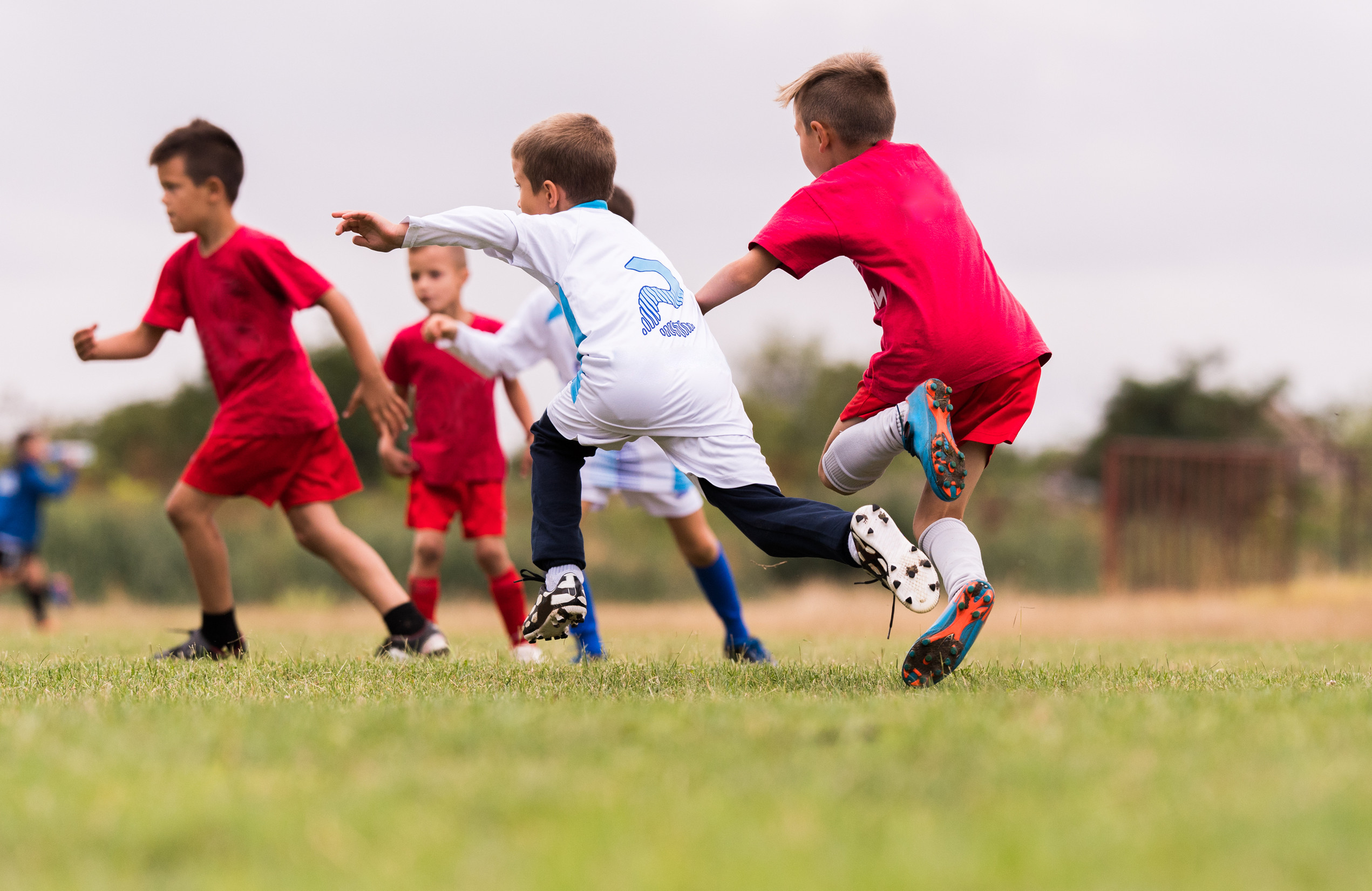
Soccer is a fast-paced game that encourages teamwork, but it also comes with frequent collisions, awkward falls, and overuse injuries. Kids under 10 are still developing balance and coordination, making them more prone to sprains and fractures. The repetitive kicking and sudden direction changes put stress on growing muscles and joints. Head injuries from accidental contact with the ball or other players are also a concern. To lower the risks, proper footwear, size-appropriate balls, and safe coaching techniques are essential.

2. Basketball

Basketball might seem less risky than contact sports, but it contributes to increasing injury rates due to rapid movements and frequent jumps. Young players often sprain ankles when landing awkwardly or colliding with others under the hoop. The hard playing surface can also lead to knee and wrist injuries during falls. Repetitive shooting and dribbling motions may cause strain in the wrists and elbows over time. Ensuring proper warm-ups and teaching correct landing techniques can make a big difference.

3. Gymnastics

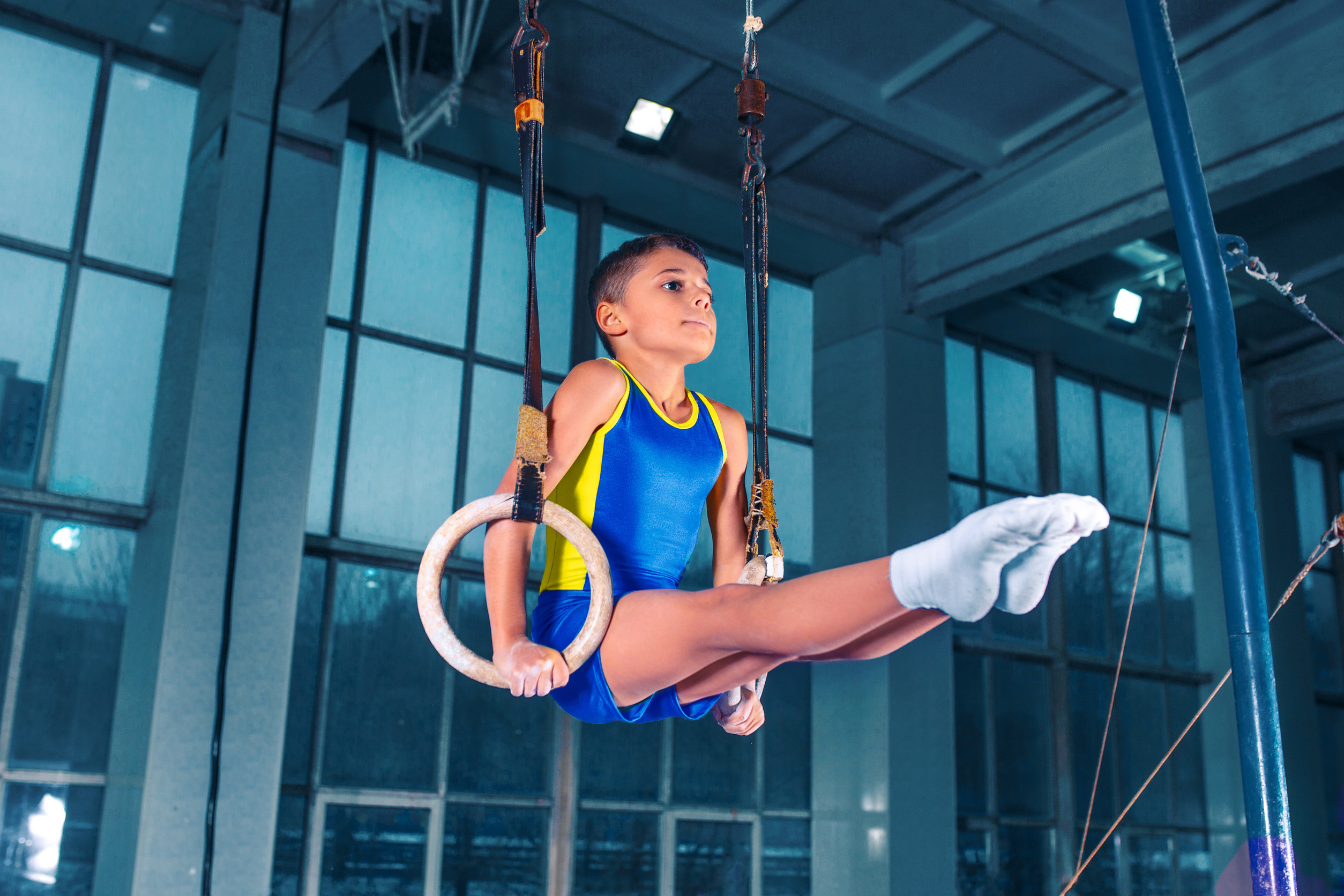
Gymnastics is excellent for flexibility and strength, but it has one of the highest injury rates among youth sports. The flips, vaults, and balance beam routines put immense pressure on bones, muscles, and joints that are still developing. Falls from height can cause serious fractures, while repetitive training increases the risk of overuse injuries. Even with mats and spotting coaches, mistakes can happen quickly. Parents should ensure their child’s gym follows strict safety protocols and limits excessive repetition.

4. Football

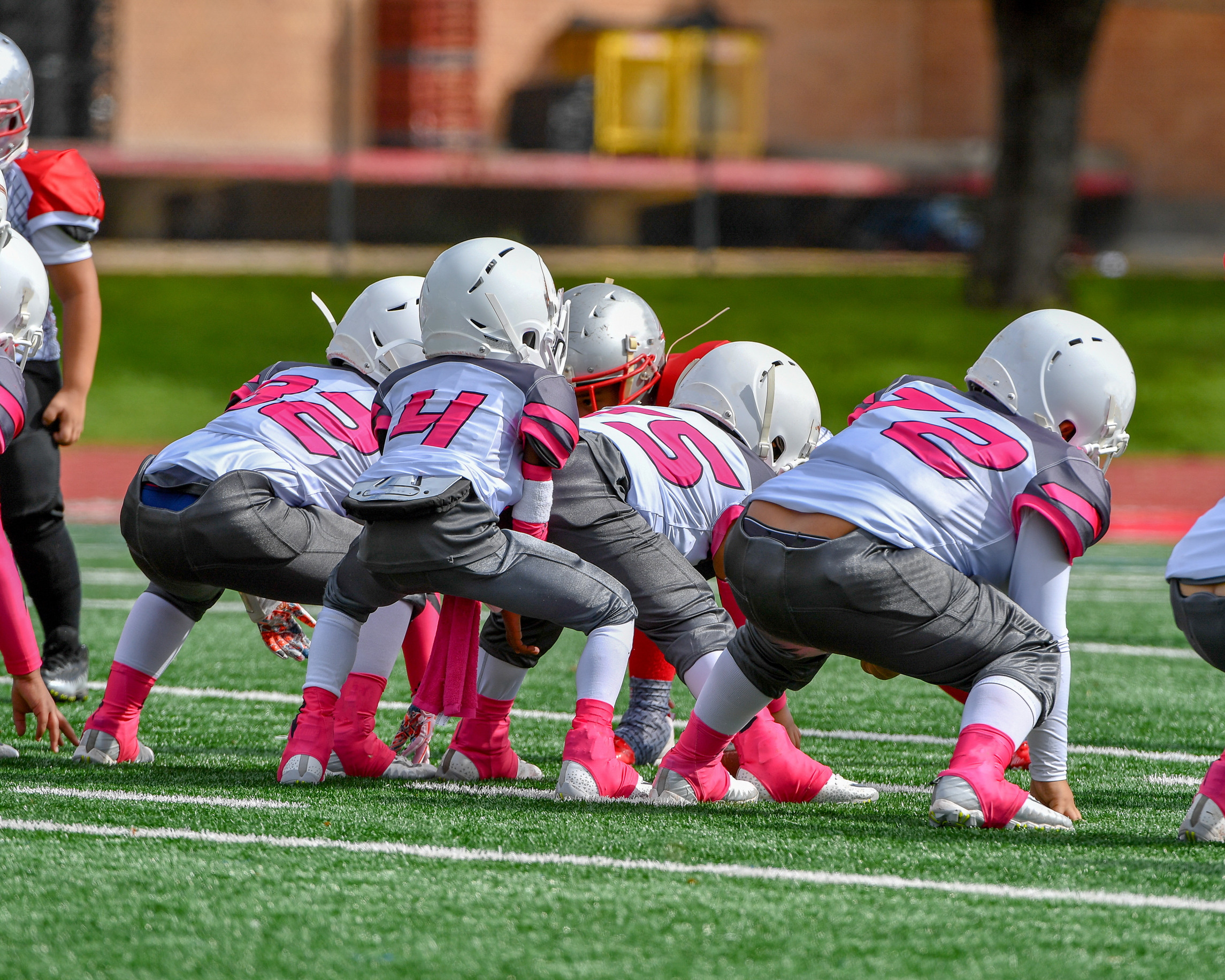
Football is a leading contributor to increasing injury rates in kids under 10 due to its high-contact nature. Tackling, blocking, and pileups can lead to concussions, fractures, and ligament injuries. Young players may lack the strength and technique to protect themselves properly during play. While flag football is a safer alternative, even non-tackle formats can involve collisions that result in injury. Quality protective gear and strict enforcement of safety rules are key to reducing risks.

5. Baseball and Softball

Baseball and softball injuries often stem from repetitive throwing motions or being struck by the ball. Pitching in particular can cause elbow and shoulder strain in young players whose growth plates are still open. Sliding into bases can lead to sprains, cuts, or even broken bones. While these sports may seem slower paced, the speed of a thrown or batted ball poses a real danger. Limiting pitch counts and using softer balls for younger players can help prevent injuries.

6. Ice Hockey

Ice hockey combines speed, sharp turns, and frequent player contact, making it one of the riskiest sports for young children. Falls on the hard ice can lead to concussions or fractures, even with helmets and pads. Skating at high speeds increases the likelihood of collisions with other players or the boards. The use of sticks adds another injury risk, particularly for facial injuries. Ensuring proper skill development before competitive play is essential for safety.

7. Cheerleading

Cheerleading has evolved into an athletic sport that includes stunts, tumbling, and high-flying routines. While exciting, these activities can cause falls from significant heights and lead to serious head, neck, or back injuries. Younger children may lack the core strength needed to perform safely at advanced levels. Overuse injuries from repetitive jumps and lifts are also common. Proper supervision, spotters, and safety mats are vital to keeping cheerleading as safe as possible.

Balancing Fun with Safety

No parent wants to limit their child’s opportunity to enjoy sports, but being aware of activities tied to increasing injury rates can help you take preventive steps. The goal is not to avoid these sports entirely but to approach them with the right safety measures, coaching, and protective gear. Talking openly with coaches, monitoring your child’s physical condition, and encouraging rest days all contribute to injury prevention. By combining awareness with proactive care, kids can enjoy the benefits of sports while staying healthy.

Which sports do you think need the most safety improvements for young kids? Share your thoughts in the comments.

Read More:

5 Dangerous Games That Kids Are Playing When No Adults Are Around

7 Popular Lunch Snacks That Were Quietly Recalled

Catherine Reed
Catherine Reed

Catherine is a tech-savvy writer who has focused on the personal finance space for more than eight years. She has a Bachelor’s in Information Technology and enjoys showcasing how tech can simplify everyday personal finance tasks like budgeting, spending tracking, and planning for the future. Additionally, she’s explored the ins and outs of the world of side hustles and loves to share what she’s learned along the way. When she’s not working, you can find her relaxing at home in the Pacific Northwest with her two cats or enjoying a cup of coffee at her neighborhood cafe.
Filed Under: Parenting Tagged With: child safety, injury prevention, kids under 10, Parenting, Physical Activity, sports injuries, youth sports

7 Extracurricular Activities That Could Give Your Child Lifelong Medical Problems

June 5, 2025 | Leave a Comment

7 Extracurricular Activities That Could Give Your Child Lifelong Medical Problems

Extracurricular activities can be an amazing part of childhood—building confidence, teaching discipline, and keeping kids engaged. But not every after-school hobby is harmless. Some extracurricular activities that could give your child lifelong medical problems come with hidden physical tolls that may not show up until years later. From overuse injuries to chronic pain, the risks are real when intense training or repetitive motions go unchecked. Before you sign another permission slip, take a closer look at these seven activities that could leave a lasting mark on your child’s health.

1. Gymnastics

Gymnastics often looks graceful and effortless, but it places extreme stress on growing bones and joints. Children in competitive programs may train for hours daily, performing flips, landings, and stretches that push the limits of flexibility and strength. Common injuries include wrist fractures, spinal issues, and long-term joint instability. The repetitive impact and pressure can contribute to lifelong back pain and early arthritis. If your child loves gymnastics, be sure to work with coaches who emphasize safety, rest, and proper form.

2. Football

It’s no secret that football is one of the riskiest extracurricular activities that could give your child lifelong medical problems. The physical contact, especially repeated head impacts, raises serious concerns about concussions and chronic traumatic encephalopathy (CTE). Even kids in peewee leagues can experience long-term brain or joint damage if injuries are downplayed or poorly managed. Knees and shoulders also take a beating in this sport, sometimes requiring surgery before high school is even over. Proper protective gear, medical supervision, and honest conversations about injury history are essential.

3. Cheerleading

What many people still consider a “sideline sport” is actually one of the most dangerous youth activities in terms of injury rate. From stunts and tumbling to pyramids and jumps, cheerleading often demands high-risk movements with little margin for error. Falls from lifts or failed landings can result in fractures, concussions, and spinal trauma. Over time, repetitive joint strain can cause chronic pain or instability, particularly in wrists and knees. If your child is in cheer, advocate for certified coaches and well-padded practice spaces.

4. Dance

Ballet and other dance disciplines may not involve helmets or tackling, but they come with their own serious risks. Constant strain on the feet, hips, and lower back can lead to tendonitis, stress fractures, and joint issues that linger well into adulthood. Young dancers are especially vulnerable to developing chronic injuries when they’re pushed to “work through the pain.” It’s one of the more silent extracurricular activities that could give your child lifelong medical problems. Supporting your child’s passion means also encouraging breaks, cross-training, and healthy boundaries with competition.

5. Baseball and Softball

Pitching and batting require complex, repetitive motions that put specific parts of the body under immense strain. Shoulder and elbow injuries—especially in pitchers—can develop in children as young as 8 or 9 and become lifelong limitations. Little League elbow, rotator cuff tears, and ulnar collateral ligament (UCL) damage are all linked to excessive pitching without proper rest. Even fielders and batters can suffer from knee and hip problems due to repetitive movement. Avoiding year-round play and following pitch count guidelines can help protect growing bodies.

6. Wrestling

While wrestling promotes strength and endurance, it also puts kids in vulnerable positions where injury is common. Intense grappling and takedowns can lead to dislocations, neck strains, and long-term joint issues—especially in the shoulders, spine, and knees. One wrong move or awkward fall can have serious consequences, from nerve damage to broken bones. Wrestlers also face pressure to cut weight rapidly, which can lead to dehydration, organ strain, and disordered eating patterns. Education, conditioning, and weight monitoring must be prioritized to protect young athletes.

7. Tennis

It may seem like a low-contact sport, but tennis has a high rate of overuse injuries, especially in youth players who start early and train heavily. Repetitive swinging motions put constant stress on the elbows, shoulders, and wrists, often resulting in conditions like tennis elbow and rotator cuff tears. The stop-and-go motion also strains the knees and ankles. Many kids push through pain until it becomes chronic. Alternating training with rest days and building overall strength can help prevent long-term damage.

Protecting Their Passion Without Sacrificing Their Health

It’s not about scaring parents away from sports or dance—many of these activities offer huge physical and emotional benefits. But knowing which extracurricular activities could give your child lifelong medical problems helps you ask better questions, choose safer programs, and advocate for your child’s long-term health. Encourage rest, listen to pain complaints, and focus on technique and safety over medals and trophies. Their future body will thank you.

Have you ever been surprised by an injury linked to your child’s favorite activity? How are you balancing passion and protection? Share your story in the comments below.

Read More:

Why Your Kid’s Extracurriculars Are Wrecking Your Finances

Teaching Your Son to Play Safely—Or Say No to Tackle Sports

Catherine Reed
Catherine Reed

Catherine is a tech-savvy writer who has focused on the personal finance space for more than eight years. She has a Bachelor’s in Information Technology and enjoys showcasing how tech can simplify everyday personal finance tasks like budgeting, spending tracking, and planning for the future. Additionally, she’s explored the ins and outs of the world of side hustles and loves to share what she’s learned along the way. When she’s not working, you can find her relaxing at home in the Pacific Northwest with her two cats or enjoying a cup of coffee at her neighborhood cafe.

Filed Under: Safety Tagged With: child health awareness, child safety, extracurricular activities, gymnastics injury, medical risks in kids, parenting tips, sports injuries, youth athletics

Teaching Your Son to Play Safely—Or Say No to Tackle Sports

May 31, 2025 | Leave a Comment

Teaching Your Son to Play Safely Or Say No to Tackle Sports

The pressure to let boys join tackle sports starts young, often before they fully understand the risks. With cultural messages praising toughness, grit, and competitive spirit, many parents feel caught between wanting their son to fit in and protecting him from potential harm. Concussions, broken bones, and long-term brain injuries are very real concerns, and so is the social pushback when a parent says no. Whether you’re considering youth football, rugby, or other contact-heavy sports, it’s worth having the hard conversations early. Teaching your son to play safely—or to walk away—could be one of the most important decisions you make.

1. Understand What Tackle Sports Actually Involve

Before making a decision, learn the physical expectations and injury statistics of any tackle sport your child is interested in. Youth football, for example, involves repeated body contact, aggressive collisions, and intense drills that may not align with a young child’s physical development. While some leagues implement safety protocols, there’s still a risk of concussions and long-term joint strain. Don’t assume your child is physically or mentally prepared just because peers are signing up. Being informed helps you approach the conversation with confidence and facts.

2. Talk Openly About Safety Versus Popularity

One of the hardest parts of saying no to tackle sports is feeling like you’re taking away a rite of passage. Some kids want to join because “everyone else is,” not because they truly love the sport. Explain that while popularity matters in the moment, safety has lifelong consequences. Tell your son that your job as a parent is to protect his brain, body, and future, even when it’s not the most popular choice. When framed with love and honesty, kids often understand more than we give them credit for.

3. If You Say Yes, Prioritize Safety Education

If you do allow your child to play, make safety your top priority from day one. Choose leagues that ban head-first contact, enforce age-appropriate drills, and offer frequent safety training. Ask about coach certifications, emergency response plans, and concussion protocols. Teaching proper technique, stretching routines, and hydration habits can help reduce injury risk. Let your child know they have the right to speak up if they ever feel unsafe on the field—no matter who’s watching.

4. Don’t Let “Toughness” Silence Their Concerns

One of the toxic messages often baked into tackle sports is that showing pain or fear is a weakness. Boys may hide injuries or keep playing when something feels wrong to avoid looking “soft.” Teach your son that real strength means listening to his body, knowing his limits, and speaking up. If he comes to you with a concern, take it seriously, even if it seems minor. Creating an environment where honesty is valued over toughness makes all the difference.

5. Offer Non-Contact Alternatives That Still Build Confidence

Plenty of non-contact sports offer physical activity, teamwork, and character-building, without the injury risk. Track, swimming, basketball, martial arts, and flag football are just a few great options. Encourage your son to try different activities until he finds one that lights him up. Choosing not to participate in tackle sports doesn’t mean missing out on growth. It means finding a path that aligns with his health, strengths, and interests.

6. Be Ready for Pushback—From Other Adults

Sometimes, the most vocal critics of your decision won’t be your child but other parents, coaches, or family members. You might hear things like, “You’re being overprotective” or “He needs to toughen up.” Stick to your values and remember that no one else has to deal with the long-term effects of a serious injury but your child—and you. You don’t owe anyone an explanation, but being prepared with facts can help shut down the noise. Parenting isn’t about winning popularity contests—it’s about making informed, loving choices.

7. Let Your Son Be Part of the Conversation

Even if the final decision rests with you, involve your child in the process. Ask what interests him about tackle sports and what his fears might be. Share your concerns in a calm, respectful tone, and invite him to help research safe leagues or alternatives. When your son feels included in the discussion, he’s more likely to respect the outcome. This turns a potential argument into an opportunity for connection and trust-building.

Protecting the Brain and the Bond

Tackle sports aren’t just about the game—they’re about shaping how kids view risk, masculinity, and their own health. Teaching your son to play safely—or to say no entirely—sends a powerful message: that his body and future matter more than any scoreboard. It’s okay to challenge the status quo if it means raising a son who knows his worth and listens to his instincts. You’re not just keeping him safe—you’re teaching him to value himself.

Have you wrestled with whether or not to let your child play tackle sports? What helped you decide? Share your thoughts in the comments below!

Read More:

3 Sports That Cost Very Little To Participate In But Kids Love

Why Your Kid’s Extracurriculars Are Wrecking Your Finances

Catherine Reed
Catherine Reed

Catherine is a tech-savvy writer who has focused on the personal finance space for more than eight years. She has a Bachelor’s in Information Technology and enjoys showcasing how tech can simplify everyday personal finance tasks like budgeting, spending tracking, and planning for the future. Additionally, she’s explored the ins and outs of the world of side hustles and loves to share what she’s learned along the way. When she’s not working, you can find her relaxing at home in the Pacific Northwest with her two cats or enjoying a cup of coffee at her neighborhood cafe.

Filed Under: Safety Tagged With: child safety, parenting boys, parenting decisions, raising boys, safe sports options, sports injuries, tackle sports, youth football

6 Times It’s Not Safe To Let Your Child Play Contact Sports

March 28, 2025 | Leave a Comment

Childrens are playing soccer on grand arena in sunlights
Image Source: 123rf.com

Contact sports can be thrilling, character-building, and great for physical health—but they also come with real risks. As a parent, you might be torn between encouraging your child’s athletic interests and protecting them from serious injuries. Not every situation is safe, even if your kid is eager to join in. Knowing when to hit pause could spare your child from long-term consequences. Let’s break down the moments when it’s simply not worth the risk.

1. After a Recent Concussion

If your child has recently suffered a concussion, letting them jump back into contact sports is incredibly risky. Even if they seem fine, the brain needs time to heal—and a second injury can lead to long-term cognitive problems. Doctors recommend full rest and a gradual return to activity, not a rush back to the field. Unfortunately, many kids underplay their symptoms just to get back in the game. Parents must step in and prioritize health over pressure to perform.

2. When the Coach Dismisses Safety Protocols

Some coaches are so focused on winning that they ignore safety basics like proper gear, technique, or concussion protocol. If you see a pattern of ignoring injuries or brushing off complaints, that’s a red flag. A coach’s attitude directly influences how safe the environment is. If they aren’t serious about safety, your child shouldn’t be under their supervision. It’s okay to pull your child out and demand better.

3. When Proper Equipment Isn’t Used or Maintained

Gear like helmets, pads, and mouthguards exist for a reason. If your child’s school or team is using old, worn-down equipment—or skipping it altogether—that’s a huge problem. Even top athletes can’t protect themselves without the right tools. Don’t rely on trust alone; inspect the equipment yourself and ask questions. A well-funded team isn’t always a safe one if corners are being cut.

4. If Your Child Has a Preexisting Medical Condition

Doctor and happy smiling child boy patient at home medical inspection. Medicine, healthcare concepts.
Image Source: 123rf.com

Kids with heart issues, joint problems, or neurological conditions may be at higher risk during contact sports. Before signing up, talk to a pediatrician and get a full physical exam. Some conditions can be managed with the right care, but others are incompatible with intense physical contact. Ignoring a medical condition could lead to severe complications—or worse. Always err on the side of caution.

5. When They’re Too Young for the Sport’s Physical Demands

Age matters more than you think. Young children may not have the coordination, muscle development, or judgment to handle the physicality of contact sports. Many injuries happen because kids are simply too small or too slow to protect themselves. Even if a league allows it, that doesn’t mean it’s safe for your child. Wait until they’re ready both physically and emotionally.

6. If Your Child Expresses Fear or Discomfort

Sometimes, your child’s gut feeling is the most important signal. If they express fear, anxiety, or hesitation about playing, don’t brush it off as nerves. Pressure from peers or adults can cause kids to stay in situations they aren’t comfortable with. Listening to your child builds trust and may prevent injury. Forcing a child to play through fear isn’t just unfair—it’s unsafe.

Safety Isn’t Optional

Contact sports can be a rewarding part of childhood, but only when played in the right circumstances. Ignoring safety signs, medical warnings, or your child’s concerns can lead to long-term damage that no trophy is worth. As a parent, your job isn’t just to cheer from the sidelines—it’s to step in when things don’t feel right. Safety isn’t an overreaction; it’s part of being an informed, proactive parent. And when in doubt, protection should always come before performance.

Have you ever pulled your child from a sport due to safety concerns? What helped you make the call? Share your story in the comments—we’d love to hear from you.

Read More:

How to Find Good Deals on Kids Sports Equipment

6 Affordable Sports Activities for Children

Tamila McDonald
Tamila McDonald

Tamila McDonald is a U.S. Army veteran with 20 years of service, including five years as a military financial advisor. After retiring from the Army, she spent eight years as an AFCPE-certified personal financial advisor for wounded warriors and their families. Now she writes about personal finance and benefits programs for numerous financial websites.

Filed Under: Parenting Tagged With: athletic safety, child safety, concussion in kids, contact sports, kids and sports, parenting choices, sports injuries, youth sports

  • Facebook
  • Pinterest
  • RSS
  • Twitter

Basic Principles Of Good Parenting

Here some basic principles for good parenting:

  1. What You Do Matters: Your kids are watching you. So, be purposeful about what you want to accomplish.
  2. You Can’t be Too Loving: Don’t replace love with material possessions, lowered expectations or leniency.
  3. Be Involved Your Kids Life: Arrange your priorities to focus on what your kid’s needs. Be there mentally and physically.
  4. Adapt Your Parenting: Children grow quickly, so keep pace with your child’s development.
  5. Establish and Set Rules: The rules you set for children will establish the rules they set for themselves later.  Avoid harsh discipline and be consistent.
  6. Explain Your Decisions: What is obvious to you may not be evident to your child. They don’t have the experience you do.
  7. Be Respectful To Your Child: How you treat your child is how they will treat others.  Be polite, respectful and make an effort to pay attention.
Best Parenting Blogs

Most Popular

Baby names

Teachers Admit: These 6 Baby Names Create Instant Bias in the Classroom

Latrice Perez
6 Baby Names That Sound Cute Now but Cause Problems Later

6 Baby Names That Sound Cute Now but Cause Problems Later

Brandon Marcus
11 Ways Kids Are Outsmarting Parental Controls 1. Using Alternate Devices One common trick is simply turning to another device. If a child’s main phone or tablet is restricted, they may borrow a sibling’s, friend’s, or even a school laptop. This instantly gives them access to content outside of parental oversight. Parents often focus on one device, forgetting that others in the household can serve as loopholes. Knowing this tactic helps families tighten controls across all electronics. 2. Clearing Browsing Histories Many kids quickly learn that clearing browsing history hides evidence of restricted activity. With just a few clicks, they can erase any trace of websites visited. This makes it harder for parents to notice when rules are being broken. Parents may assume no history means no browsing, but the reality is often the opposite. Kids are outsmarting parental controls by making it seem like nothing happened at all. 3. Using Private Browsing Modes Most browsers offer “incognito” or private browsing features. Kids use this mode to access websites without leaving a record in the history. To parents checking later, everything looks clean and safe. This simple trick is often one of the first ways kids discover how to bypass restrictions. Conversations about private browsing can help close this gap. 4. Guessing or Resetting Passwords Children who are persistent may try to guess passwords to parental control apps or accounts. Others may find ways to reset them through email prompts or security questions. Once inside, they can disable restrictions entirely. Parents may not even realize controls have been altered until much later. Stronger, less predictable passwords can make this more difficult. 5. Using VPNs to Hide Activity Virtual private networks, or VPNs, let kids disguise their online locations. With one downloaded app, they can bypass geographic or parental restrictions. Some children learn about VPNs through friends or even social media. This makes it easy for them to reach content that should be blocked. Parents often underestimate just how simple it is for kids to use these tools. 6. Creating Fake Accounts When parents monitor social media, kids may create hidden accounts. These “finstas” or fake profiles allow them to interact freely without parental oversight. While their main account appears harmless, the secondary one tells a different story. Kids are outsmarting parental controls by playing both sides at once. Checking for duplicate accounts can help parents stay more aware. 7. Exploiting Time Zone Settings Some kids change the time zone on their devices to bypass screen time limits. This trick allows them to gain extra hours of usage undetected. Parents may assume controls are working, but in reality, the child is bending the clock. It’s a clever loophole that highlights just how resourceful kids can be. Monitoring device settings regularly can catch this tactic. 8. Disabling or Uninstalling Apps Parental control apps can be deleted or disabled with surprising ease. Some kids even reinstall them before a parent checks, making it seem like nothing changed. Others may simply restrict permissions to prevent apps from functioning properly. When apps aren’t monitored closely, parents may not notice they’ve been tampered with. This shows the importance of consistent follow-up. 9. Turning to Friends for Access If a child can’t get past restrictions on their own, they may rely on friends. Visiting a friend’s house or borrowing their phone can give them a free pass. Parents often forget that peer environments can override restrictions set at home. This kind of social workaround is especially common with gaming or social media. Open conversations about trust and responsibility are essential. 10. Hiding Apps in Plain Sight Kids sometimes download apps that look innocent but serve as gateways to hidden activity. These apps may disguise themselves as calculators or utilities. In reality, they allow file storage, private messaging, or browser access. Parents glancing at a home screen may overlook them entirely. Learning to recognize these disguised apps can help parents stay informed. 11. Outpacing Parents’ Tech Knowledge Finally, kids often know more about devices than their parents do. Whether through YouTube tutorials, TikTok hacks, or peer groups, they quickly learn advanced workarounds. This knowledge gap means controls can be bypassed before parents even realize the loophole exists. Staying informed and continually learning about new technology is the best defense. Kids are outsmarting parental controls because they adapt faster than most adults. The Real Solution Lies Beyond Restrictions While controls and filters are important, no system is perfect. Kids will always find creative ways around barriers, making communication the strongest safeguard. Setting clear expectations, building trust, and having ongoing conversations about online behavior matter more than apps alone. Parents who combine technology with open dialogue create a safer digital environment. The goal isn’t to win a battle of wits but to build a relationship that keeps kids both safe and honest. Do you think kids are outsmarting parental controls faster than parents can keep up? Share your experiences in the comments below. What to Read Next... 6 Parenting Tech Shortcuts That Can Expose Your Child to Strangers How Much Screen Time Is Too Much—Legally Speaking? Is Your Child’s School Quietly Tracking Their Location Without Your Consent? How Much Screen Time Is Quietly Reshaping Childhood Behavior? Why Some Parents Are Being Investigated Over Homeschooling Records

11 Ways Kids Are Outsmarting Parental Controls

Catherine Reed
Smiling grandfather holding a happy baby indoors.

Why Grandparents Shouldn’t Babysit Their Grandkids Every Week – The Unspoken Issue

Samantha
birthday gifts

7 Birthday Gifts Your Child Should Never Bring to a Party

Latrice Perez

All content on Kids Ain’t Cheap is for entertainment purposes only. By reading this blog, you agree that Kids Ain’t Cheap is not responsible for any actions taken after reading this blog. For the full disclaimer, see our privacy policy.

Please note that Kids Ain’t Cheap has financial relationships with some of the merchants mentioned here. Kids Ain’t Cheap is funded by banner advertising, commission sales and search optimization consulting.

Copyright © 2006–2026 | District Media | All Rights Reserved | Privacy Policy

Copyright © 2026 Runway Pro Theme by Viva la Violette