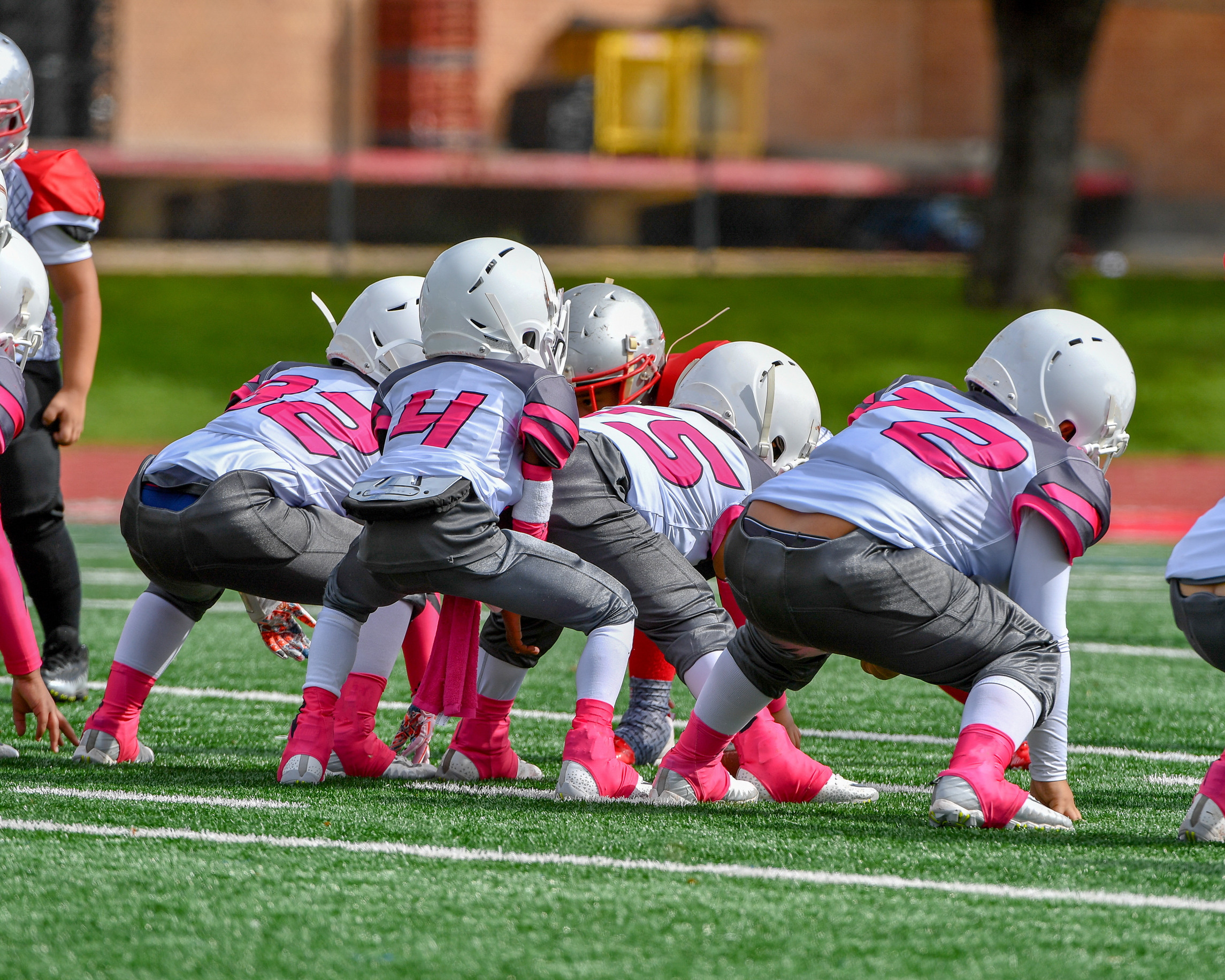
The pressure to let boys join tackle sports starts young, often before they fully understand the risks. With cultural messages praising toughness, grit, and competitive spirit, many parents feel caught between wanting their son to fit in and protecting him from potential harm. Concussions, broken bones, and long-term brain injuries are very real concerns, and so is the social pushback when a parent says no. Whether you’re considering youth football, rugby, or other contact-heavy sports, it’s worth having the hard conversations early. Teaching your son to play safely—or to walk away—could be one of the most important decisions you make.
1. Understand What Tackle Sports Actually Involve
Before making a decision, learn the physical expectations and injury statistics of any tackle sport your child is interested in. Youth football, for example, involves repeated body contact, aggressive collisions, and intense drills that may not align with a young child’s physical development. While some leagues implement safety protocols, there’s still a risk of concussions and long-term joint strain. Don’t assume your child is physically or mentally prepared just because peers are signing up. Being informed helps you approach the conversation with confidence and facts.
2. Talk Openly About Safety Versus Popularity
One of the hardest parts of saying no to tackle sports is feeling like you’re taking away a rite of passage. Some kids want to join because “everyone else is,” not because they truly love the sport. Explain that while popularity matters in the moment, safety has lifelong consequences. Tell your son that your job as a parent is to protect his brain, body, and future, even when it’s not the most popular choice. When framed with love and honesty, kids often understand more than we give them credit for.
3. If You Say Yes, Prioritize Safety Education
If you do allow your child to play, make safety your top priority from day one. Choose leagues that ban head-first contact, enforce age-appropriate drills, and offer frequent safety training. Ask about coach certifications, emergency response plans, and concussion protocols. Teaching proper technique, stretching routines, and hydration habits can help reduce injury risk. Let your child know they have the right to speak up if they ever feel unsafe on the field—no matter who’s watching.
4. Don’t Let “Toughness” Silence Their Concerns
One of the toxic messages often baked into tackle sports is that showing pain or fear is a weakness. Boys may hide injuries or keep playing when something feels wrong to avoid looking “soft.” Teach your son that real strength means listening to his body, knowing his limits, and speaking up. If he comes to you with a concern, take it seriously, even if it seems minor. Creating an environment where honesty is valued over toughness makes all the difference.
5. Offer Non-Contact Alternatives That Still Build Confidence
Plenty of non-contact sports offer physical activity, teamwork, and character-building, without the injury risk. Track, swimming, basketball, martial arts, and flag football are just a few great options. Encourage your son to try different activities until he finds one that lights him up. Choosing not to participate in tackle sports doesn’t mean missing out on growth. It means finding a path that aligns with his health, strengths, and interests.
6. Be Ready for Pushback—From Other Adults
Sometimes, the most vocal critics of your decision won’t be your child but other parents, coaches, or family members. You might hear things like, “You’re being overprotective” or “He needs to toughen up.” Stick to your values and remember that no one else has to deal with the long-term effects of a serious injury but your child—and you. You don’t owe anyone an explanation, but being prepared with facts can help shut down the noise. Parenting isn’t about winning popularity contests—it’s about making informed, loving choices.
7. Let Your Son Be Part of the Conversation
Even if the final decision rests with you, involve your child in the process. Ask what interests him about tackle sports and what his fears might be. Share your concerns in a calm, respectful tone, and invite him to help research safe leagues or alternatives. When your son feels included in the discussion, he’s more likely to respect the outcome. This turns a potential argument into an opportunity for connection and trust-building.
Protecting the Brain and the Bond
Tackle sports aren’t just about the game—they’re about shaping how kids view risk, masculinity, and their own health. Teaching your son to play safely—or to say no entirely—sends a powerful message: that his body and future matter more than any scoreboard. It’s okay to challenge the status quo if it means raising a son who knows his worth and listens to his instincts. You’re not just keeping him safe—you’re teaching him to value himself.
Have you wrestled with whether or not to let your child play tackle sports? What helped you decide? Share your thoughts in the comments below!
Read More:
3 Sports That Cost Very Little To Participate In But Kids Love
Why Your Kid’s Extracurriculars Are Wrecking Your Finances

Catherine is a tech-savvy writer who has focused on the personal finance space for more than eight years. She has a Bachelor’s in Information Technology and enjoys showcasing how tech can simplify everyday personal finance tasks like budgeting, spending tracking, and planning for the future. Additionally, she’s explored the ins and outs of the world of side hustles and loves to share what she’s learned along the way. When she’s not working, you can find her relaxing at home in the Pacific Northwest with her two cats or enjoying a cup of coffee at her neighborhood cafe.
