• Home
  • About Us
  • Toolkit
  • Archives
  • Advertise
  • Privacy Policy

Kids Ain't Cheap

But They Sure Are Worth It

  • Parenting
    • Baby Stuff
    • Books and Reading
      • Aesops Fables
      • Comic Books
    • Education
    • Family Time
    • Green Living
    • Growing Up
    • Healthy Living & Eating
    • Holidays
    • Parenting
    • Random Musings
    • Shopping
    • Stuff to Do
  • Money
  • Product Reviews
    • Books and Magazines
    • Discount Sites
    • Furniture
    • House Keeping
    • Reviews News
    • Toys and Games
  • Contact Us
  • Our Editorial Commitment
  • Search

If You Were Raised in the 80s or 90s, You’ll Relate to These Parenting Shifts

April 14, 2025 | Leave a Comment

Retro childhood items reflecting 80s and 90s parenting
Image Source: Unsplash

If you grew up in the 80s or 90s, there’s a good chance your childhood featured scraped knees, unsupervised bike rides until dusk, and entire afternoons lost in unstructured play. Fast-forward to the current era, and it’s a vastly different world of scheduled activities, child GPS trackers, and endless hand sanitizer.

While many of these shifts in parenting have arisen from good intentions—like boosting safety—they’ve also reshaped how children experience everyday life, and how we as parents manage our role. If you’re now raising kids but were once a “free-range” child, prepare to nod your head (or laugh) at these distinct changes in parenting culture.

1. We Went from “Come Home When the Streetlights Turn On” to Constant Check-Ins

In the 1980s, a hands-off approach allowed kids to roam neighborhoods and local parks with minimal supervision. This independence fostered resilience and self-reliance, aided by the strong sense that the neighborhood collectively watched over children.

By contrast, today’s approach involves more check-ins, phone trackers, and scheduled pickups—an often safety-driven strategy, yet one that might reduce spontaneous exploration. According to this article from Importikaah, modern parents juggle the tension between ensuring safety and giving children the autonomy we once took for granted.

2. Playdates Are Now on the Calendar—with Snacks and Supervision

If you grew up knocking on a neighbor’s door to ask, “Can Jamie come out and play?” you might be surprised how different it is now. Playdates often involve scheduled appointments, coordinated snacks, and watchful eyes. While this structure can ensure safety, it also reduces the organic friendship-building we experienced as kids.

Business Insider notes that this heightened organization and supervision gained traction in the 90s, making social interactions less “figure it out on your own” and more curated. Some might argue that today’s approach, while beneficial in certain ways, can hamper kids’ ability to navigate peer dynamics independently.

3. Parents Used to Hover Less—Now It’s Called Helicoptering

Older generations recall parents who allowed children to solve minor social and academic challenges on their own, often citing “You’ll work it out.” Nowadays, many parents feel compelled to oversee every detail of their child’s schedule, from double-checking homework to intervening in friend disputes.

While involvement isn’t inherently negative, LoveToKnow Parenting highlights how this evolution mirrors a more intense oversight of childhood experiences. The risk is that kids may grow up less prepared to handle adversity. Striking a balance—offering support without micromanaging—can yield resilience similar to that cultivated in the 80s and 90s.
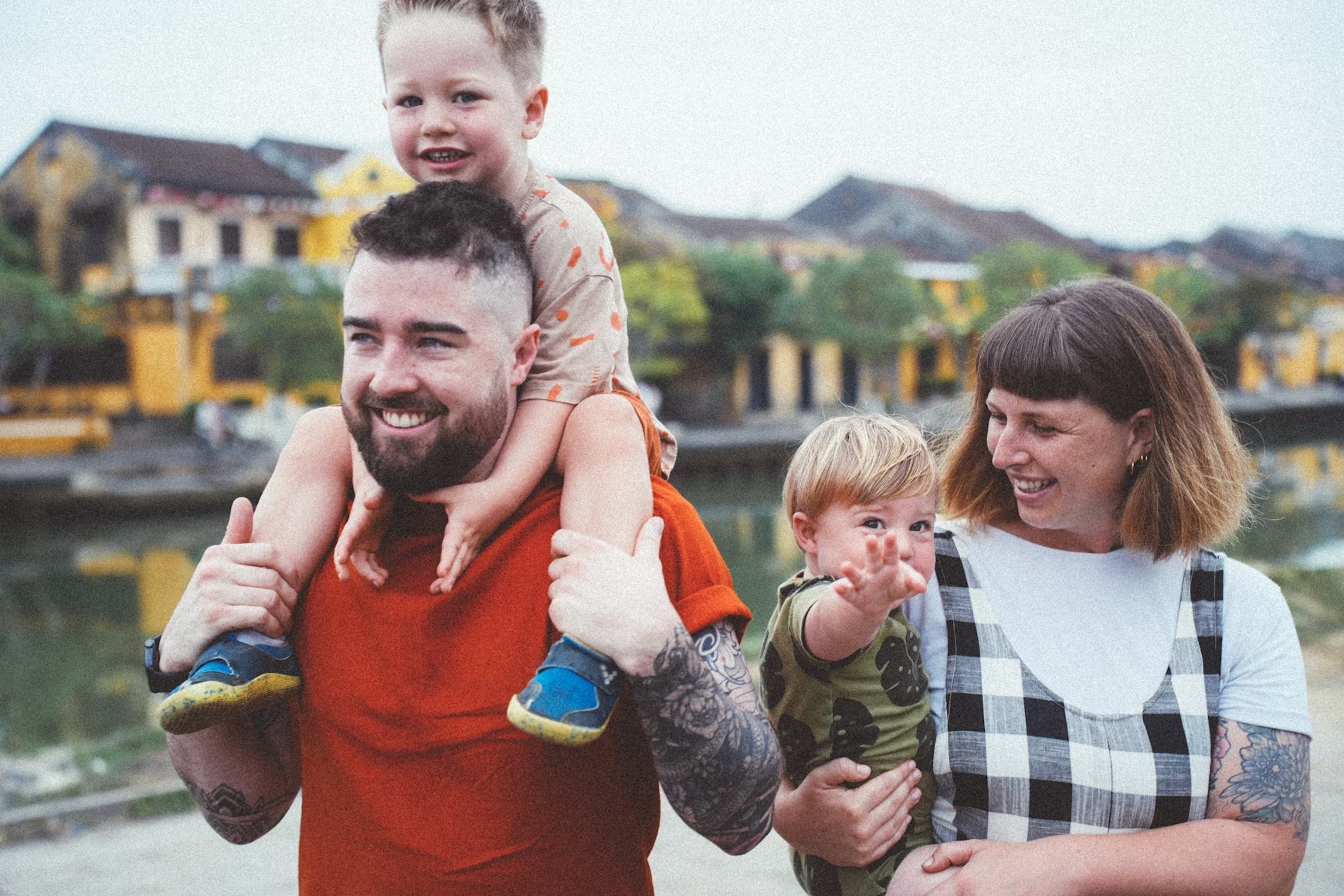
Parent actively engaging with their child
Image Source: Unsplash

4. The Parenting Style Evolved—from Detached to More Engaged

The 80s parenting style could appear more detached at times, but by the 90s, parents began adopting a more authoritative (balanced) approach—warm but firm. This trend accelerated in the 2000s, leading to the “intensive parenting” we see today, where detail-oriented involvement is the norm. While we’re arguably better at emotional support, we also wrestle with over-scheduling and limited free play.

Consciously blending the best of both worlds—a supportive environment plus some structured freedom—might help children develop critical thinking and independence without feeling abandoned.

5. Risk-Taking Used to Be Normal—Now It’s Often Seen as Negligent

If you grew up riding in the back of a station wagon without seatbelts or playing with questionable toys like lawn darts, you know what “risky” looks like. We learned self-reliance and tested boundaries physically in ways that might horrify modern parents.

Today, child safety seats, protective helmets, and strict playground regulations are standard—an improvement in many respects, but they can also limit unstructured, slightly risky play that fosters resilience. Let Grow points out that while safety standards save lives, too much caution may curb children’s development of risk assessment skills.

Navigating Today While Remembering Yesterday

Parenting shifts remind us that every generation blends its own knowledge, concerns, and cultural influences. The digital era brings new tools and anxieties—yet many of us look back on the 80s and 90s with nostalgia for a less complicated, more free-form life.

That doesn’t mean going back to ignoring seatbelts or letting kids run wild; it means thoughtfully merging the best parts of our past—autonomy, curiosity, resilience—with modern safety and emotional awareness. Ultimately, good parenting is about adapting in ways that foster growth, not merely replicating old methods or embracing new ones blindly.

Have you integrated any “old-school” elements into your modern parenting? Share your experiences in the comments—others might find creative inspiration in your fusion of nostalgia and practicality.

Read More

  • Parenting the Second Time Around: 12 Reasons Your Parents Shouldn’t Be Raising Your Kids
  • Parenting Triggers Old Childhood Wounds—Here’s How to Recognize Yours
Samantha Warren
Samantha

Samantha Warren is a holistic marketing strategist with 8+ years of experience partnering with startups, Fortune 500 companies, and everything in between. With an entrepreneurial mindset, she excels at shaping brand narratives through data-driven, creative content. When she’s not working, Samantha loves to travel and draws inspiration from her trips to Thailand, Spain, Costa Rica, and beyond.


Filed Under: Parenting Tagged With: 80s parenting, 90s parenting, helicopter parenting, modern parenting, parenting evolution, parenting shifts, raising kids today

Too Safe? 8 Modern Safety Gear Items Parents Didn’t Grow Up With

April 7, 2025 | Leave a Comment

smiling parent with child
Image Source: Unsplash

Parenting has come a long way since the days of latchkey kids and helmet-free bike rides. In our quest to keep children secure, we’ve introduced a host of modern safety gear that previous generations never imagined—everything from padded edge guards to harness backpacks.

While these innovations can bring peace of mind, they also raise a key question: Are we truly making our kids safer, or are we wrapping them in bubble wrap and stifling their natural growth?

Below, we explore eight popular safety items that didn’t exist when we were kids, weighing the benefits against the possibility that we might be overdoing it.

After all, a certain amount of risk-taking helped many of us learn our limits and discover our strengths. Let’s see where these modern solutions fit in.

1. Baby Knee Pads

Designed to cushion little knees on hard floors, knee pads have become trendy with fun designs and plush materials. While they can help if your baby has specific sensitivities or if you have rough flooring, most experts say bare knees do just fine.

Crawling is a developmental milestone involving strength and coordination—letting babies feel the surface with their skin can be beneficial. If anything, knee pads might alter their natural movement pattern.

2. Toddler Leashes (Safety Harness Backpacks)

Few topics spark debate as quickly as toddler leashes. Proponents praise them for preventing little ones from bolting off in crowded places. Detractors worry they create a false sense of security and take away opportunities to teach boundaries. Parents in the past managed without these harnesses, relying on close supervision and hand-holding. If you do opt for a leash-style backpack, keep in mind it’s a short-term solution—teaching awareness and listening skills still matters most in the long run.

curious baby
Image Source: Unsplash

3. Outlet Covers with Sliding Doors

Gone are the days of simply plugging plastic caps into unused outlets. Modern versions include sliding doors that spring shut when a plug is removed, claiming to be even more tamper-proof. While they can offer an extra layer of security, they also tend to be trickier to install.

Realistically, constant supervision and teaching children about off-limits areas can be just as effective. Use them if they add peace of mind, but don’t let them lull you into ignoring basic safety practices.

4. Padded Edge and Corner Guards

Yes, toddlers trip a lot. Soft foam covers for coffee tables, counters, and other sharp edges have become standard in baby-proofing aisles. They do reduce the impact of minor collisions, but a watchful eye and thoughtful furniture arrangement go a long way, too.

Past generations managed with fewer gadgets, focusing on guiding kids to navigate their environment. If you use padded guards, consider them a supplement—not a replacement—for vigilance.

5. Rear-View Mirrors for Car Seats

These add-on mirrors let you keep an eye on your rear-facing baby while driving, supposedly easing parental anxiety. However, constantly glancing at that mirror could distract you from the road. Previous generations didn’t have them and somehow stayed alert to their babies’ needs. If you’re genuinely worried, pull over to check on your little one rather than taking your eyes off traffic.

6. Anti-Tip Furniture Straps

Unlike some other gear on this list, anti-tip straps address a very real hazard. Dressers, bookshelves, and TVs can topple if kids climb on them. Modern furniture is often tall, lightweight, and less stable, so properly anchoring it to the wall can prevent serious injuries. This is one category where modern innovation clearly does save lives—no downside here.

7. Smart Baby Monitors with Breathing Sensors

Gone are the days of basic audio-only baby monitors. Today’s devices track breathing patterns, heart rate, and even room temperature. While this data can be reassuring, it can also trigger false alarms and heightened parental anxiety. Experts generally agree these monitors don’t necessarily prevent conditions like SIDS. If you find a high-tech monitor useful, great—just don’t let it replace good old-fashioned parental instinct and checking in person.

8. Inflatable Bath Cushions and Tubs

From inflatable inserts to foam mats, modern baths for babies boast extra cushioning and anti-slip features. They claim to reduce the risk of accidents, but your best safety measure is never leaving a child alone in the bath. Many parents from previous generations relied on kitchen sinks or simple plastic tubs with zero padding, supervised with unwavering attention. If an inflatable tub simplifies bath time for you, go for it—but remember that close supervision is what really keeps bath time safe.

Striking the Balance Between Protection and Parenting

All this modern safety gear can be a helpful ally in keeping your children from harm. Yet it’s important to recognize that no product can replace active, attentive parenting. While some of these gadgets provide real peace of mind and address genuine hazards, others might be more about marketing than necessity. Ultimately, trusting your intuition and focusing on hands-on interaction will do more for your child’s well-being than any invention possibly could.

What modern safety gear do you swear by—or skip entirely? Share your thoughts in the comments! Your experience may help other parents decide what truly makes sense for their family.

Read More

  • 6 Dog Breeds That Will Fiercely Protect Your Children
  • Becoming A Mom at 40: 8 Challenges and Rewards You Didn’t Expect

Samantha Warren
Samantha

Samantha Warren is a holistic marketing strategist with 8+ years of experience partnering with startups, Fortune 500 companies, and everything in between. With an entrepreneurial mindset, she excels at shaping brand narratives through data-driven, creative content. When she’s not working, Samantha loves to travel and draws inspiration from her trips to Thailand, Spain, Costa Rica, and beyond.

Filed Under: Parenting Tagged With: child safety, child safety equipment, kids and safety, modern parenting, overprotective parenting, parenting gear, toddler safety tips

8 Expenses for Children That No Parent Should Be Paying

April 4, 2025 | Leave a Comment

Portrait of two young elegant brothers posing in wooden frame, looking at camera, wearing fashionable eyeglasses and bow tie.
Image Source: 123rf.com

Raising kids isn’t cheap—we all know that. But somewhere along the parenting journey, the line between providing and enabling can get blurry. Sometimes, we foot the bill not because it’s necessary, but because it feels easier than teaching a valuable lesson. If you’re paying for everything under the sun just to keep the peace, it may be time to reassess. Let’s dive into the eight expenses that might be hurting more than helping—and what you can do instead.

1. Constant In-App Purchases and Gaming Subscriptions

It’s easy to tap “approve” when your child begs for that $4.99 skin or add-on, but it adds up fast. These small digital purchases can teach kids that gratification is only a credit card swipe away. Instead, set spending limits and make them earn virtual perks through chores or allowances. This builds delayed gratification and financial literacy. Teaching kids to wait or work for things trains them to value money—not just use it.

2. Expensive Trendy Clothing

Trends fade, but money lessons stick around. Buying your child every new drop from popular brands can create entitlement and poor budgeting habits. There’s nothing wrong with style, but there’s value in teaching kids how to mix high-low fashion or shop secondhand. Let them use their own savings if they really want that pricey hoodie. It builds independence and helps them distinguish between wants and needs.

3. Extracurricular Activities They’re Not Committed To

We all want our kids to explore their passions—but not at the cost of endless sign-ups and dropouts. Paying for piano, soccer, karate, and coding class when your child isn’t committed can waste time and money. Encourage your child to stick with one activity for a full season before moving on. This teaches discipline, commitment, and respect for your investment. It also gives them the chance to truly learn and grow.

4. Unlimited Data and Streaming Services

Kids don’t need 24/7 access to every app, streaming platform, and social media site. These recurring costs can become long-term expenses that don’t offer much return. More importantly, unrestricted digital access can hurt attention spans, sleep, and social skills. Offer limited screen time and explain the cost of these services. If they want more, let them contribute to the bill—it’s a powerful lesson in responsibility.

5. Fancy Birthday Parties Every Year

Adorable kids have fun together throw colourful confetti at birthday party. They playing together in different games, spending time in decorated studio. Children and events concept
Image Source: 123rf.com

Throwing a birthday bash with ponies, entertainers, and custom cakes might make for good pictures—but is it really worth it every year? The pressure to “go big or go home” is strong, but kids often remember the love and fun more than the decor. Save the splurges for milestone birthdays and focus on meaningful experiences the rest of the time. Teaching kids that joy doesn’t always have to come with a price tag is a gift in itself. They’ll carry that mindset into adulthood.

6. Daily School Lunches from Outside Restaurants

Grabbing lunch from fast food places every day is costly and often unhealthy. While it may seem like a small treat, it creates a habit that’s hard to break and expectations that are hard to meet. Instead, teach your child how to pack a lunch or get involved in meal prep. This promotes healthier choices and saves money. It also shows them the value of effort and planning.

7. Replacement Fees for Lost or Broken Items

Replacing water bottles, jackets, and headphones every month because they were lost or broken? That’s a pattern worth addressing. Covering these costs every time removes accountability. Instead, encourage your child to take care of their belongings and, if they lose them, have them help cover the cost. This builds mindfulness, responsibility, and problem-solving skills.

8. Their Gas Money Once They Start Driving

While it’s normal to help with driving expenses initially, paying for all their gas long-term can teach the wrong message. Driving is a privilege, not a right, and gas costs are a real-world responsibility. Encourage your teen to get a part-time job or handle small errands to contribute. Even if they just chip in occasionally, it sets expectations for adulthood. It also makes them think twice before making unnecessary trips.

Why It’s Okay to Say No

Setting financial boundaries with your children isn’t mean—it’s wise. When parents constantly pay for everything, kids miss out on essential life lessons. It’s not about withholding; it’s about preparing them for the real world. Learning how to manage money, work for things, and value what they have builds confidence and resilience. By saying “no” sometimes, you’re giving your child something far more valuable: self-sufficiency.

What are some expenses you’ve stopped paying for that taught your kids important lessons? Drop your thoughts in the comments—I’d love to hear how other parents handle this!

Read More:

Parenting the Second Time Around: 12 Reasons Your Parents Shouldn’t Be Raising Your Kids

Parenting Myths Busted: The Outdated Advice You Can Finally Ignore

Latrice Perez

Latrice is a dedicated professional with a rich background in social work, complemented by an Associate Degree in the field. Her journey has been uniquely shaped by the rewarding experience of being a stay-at-home mom to her two children, aged 13 and 5. This role has not only been a testament to her commitment to family but has also provided her with invaluable life lessons and insights.  As a mother, Latrice has embraced the opportunity to educate her children on essential life skills, with a special focus on financial literacy.

Filed Under: Parenting Tagged With: budget tips, child responsibility, financial literacy, kids and money, Life Lessons, modern parenting, Parenting, parenting boundaries

Parenting the Second Time Around: 12 Reasons Your Parents Shouldn’t Be Raising Your Kids

April 4, 2025 | Leave a Comment

Grandparents and grandchildren together in autumn park
Image Source: 123rf.com

While grandparents often play a special role in their grandchildren’s lives, the responsibilities of full-time parenting are entirely different. Though it may seem convenient to rely on your parents for raising your children, doing so can come with complications that affect both generations. As much as grandparents love their grandchildren, they may not be in the best position to handle the demands of modern parenting. Here are twelve reasons why your parents shouldn’t be raising your kids—and why boundaries are essential for everyone involved.

1. They’ve Already Raised Their Own Children

Parenting is an incredibly demanding role, and your parents have already experienced it firsthand. After raising their own kids, they deserve the chance to enjoy their retirement or focus on their personal lives without starting over. Full-time caregiving can be emotionally and physically draining, especially as they age. It’s important to respect their stage of life and not expect them to assume a responsibility they’ve already fulfilled.

2. Parenting Norms Have Evolved

Child-rearing practices have significantly changed over the years, from disciplinary approaches to nutritional guidelines. Grandparents may rely on outdated parenting methods that no longer align with modern standards. These differences can lead to conflicts and confusion for your children. Ensuring your kids are raised according to current best practices requires parents to be actively involved in their upbringing.

3. They May Struggle With the Physical Demands

Raising children involves countless physical tasks, from chasing toddlers to attending school events and handling sleepless nights. As grandparents age, these physical demands become more challenging and can take a toll on their health. Expecting them to meet these demands may be unrealistic and unfair. Your children benefit most when cared for by parents who are physically equipped to handle the challenges of raising them.

4. Their Role Is to Be Grandparents, Not Parents

Grandparents often provide a unique source of love and support, offering a perspective that complements your parenting rather than replacing it. When they take on a parental role, it can blur boundaries and strain family dynamics. Letting grandparents focus on being just that—grandparents—allows them to nurture a special bond with your children without the full responsibility of parenting. This balance benefits everyone involved.

5. It Can Cause Role Confusion for Your Kids

Children thrive on stability and clear family roles. When grandparents act as primary caregivers, it can blur the lines between who is the authority figure and who is the “fun” grandparent. This role confusion may lead to behavioral issues or a lack of respect for boundaries. Providing clarity in family roles ensures your kids have a sense of security and structure.

6. Generational Gaps Can Lead to Misunderstandings

The generational divide between grandparents and grandchildren can create misunderstandings in communication, discipline, and emotional needs. What worked in the past may not resonate with today’s kids, leaving grandparents feeling frustrated or disconnected. These gaps can affect how effectively your children are raised. Active parenting by the child’s parents bridges these gaps with a more current perspective.

7. Financial Strain on Grandparents

Raising children comes with significant financial responsibilities, from providing food and clothing to funding extracurricular activities. Many grandparents are on fixed incomes and may not be in a position to take on these additional expenses. Asking them to take on full-time caregiving can lead to financial strain and stress. Ensuring financial stability for your children is a critical part of parenting that should not fall on your parents.

8. It Can Disrupt Their Retirement Plans

Retirement is a time for grandparents to relax, travel, and enjoy hobbies after decades of hard work. Full-time caregiving interrupts these plans and puts additional pressure on their lifestyle. While they may be willing to help out temporarily, expecting them to commit to raising your children long-term can lead to resentment or exhaustion. Respecting their retirement allows them to maintain their independence and happiness.

9. Health Challenges May Limit Their Abilities

As people age, health challenges such as mobility issues, chronic conditions, or fatigue become more common. These limitations can make it difficult for grandparents to meet the demands of raising children. Providing for your children’s needs requires caregivers who are in good health and able to keep up with their energy levels. Recognizing these limitations is essential for everyone’s well-being.

10. It Can Lead to Family Tensions

Sad girl is annoyed by her retiree parents and sitting back to them indoors
Image Source: 123rf.com

Relying on grandparents to raise your children can create tension and resentment within the family. Conflicts may arise over parenting decisions, boundaries, or unmet expectations. These tensions can strain relationships between parents, grandparents, and children alike. Establishing clear boundaries and respecting each other’s roles helps maintain harmony within the family.

11. Your Children Need You as Their Parent

Children benefit most from the active involvement of their parents in their upbringing. You play a critical role in shaping their values, emotional development, and sense of security. While grandparents can be loving and supportive, they are not a substitute for the guidance and presence of their parents. Taking responsibility for raising your children ensures they receive the best possible foundation in life.

12. They’ve Earned the Right to Say No

Grandparents have already spent years dedicating themselves to raising a family, and they have every right to say no to taking on the responsibility again. Their willingness to help out occasionally does not mean they should feel obligated to take on a full-time parenting role. Respecting their boundaries and autonomy fosters a healthy and supportive relationship.

Parenting Is Your Responsibility

While grandparents are invaluable in their support and love, the responsibility of parenting rests with you. Recognizing their limitations and focusing on your role as a parent ensures your children grow up in a stable and nurturing environment. They deserve the chance to live the life that they’ve worked or planned for. Give them that chance.

What are your thoughts on grandparents raising grandchildren? Share your perspectives and experiences in the comments below!

Read More:

Why My Daughter Still Attends a Traditional School

15 Surprising Changes If 70 Becomes The New Retirement Age In The US

Tamila McDonald
Tamila McDonald

Tamila McDonald is a U.S. Army veteran with 20 years of service, including five years as a military financial advisor. After retiring from the Army, she spent eight years as an AFCPE-certified personal financial advisor for wounded warriors and their families. Now she writes about personal finance and benefits programs for numerous financial websites.

Filed Under: Parenting Tagged With: family dynamics, generational gaps, grandparents and parenting, modern parenting, parenting advice

Parenting Myths Busted: The Outdated Advice You Can Finally Ignore

March 31, 2025 | Leave a Comment

newborn baby wrapped in a blanket sleeping in a basket. concept of childhood, healthcare, IVF. Black and white photo
Image Source: 123rf.com

Parenting comes with a barrage of advice—some of it helpful and some of it downright outdated. Despite the good intentions behind these tips, many of them no longer apply in today’s world. Holding onto outdated advice can create unnecessary stress, confusion, and unrealistic expectations for parents. Let’s take a look at six common parenting myths that you can finally stop worrying about.

1. “Spare the Rod, Spoil the Child”

This old saying implies that physical discipline is the only way to raise respectful kids, but modern research proves otherwise. Studies show that physical punishment can lead to negative outcomes, including increased aggression and emotional instability. Positive reinforcement, communication, and setting clear boundaries are far more effective ways to teach children right from wrong. It’s time to leave this myth behind and embrace compassionate discipline techniques.

2. “Let Babies Cry It Out to Build Resilience”

For years, parents were told to let their babies cry without intervention to toughen them up. However, experts now understand that responding to a baby’s cries helps build trust and emotional security. Babies rely on their caregivers to soothe them, and consistently offering comfort fosters healthy emotional development. Your baby’s tears are a call for connection, not an opportunity to test their resilience.

3. “Kids Should Be Seen and Not Heard”

This outdated belief discourages children from expressing themselves, but modern parenting emphasizes the importance of communication. Encouraging kids to voice their thoughts and emotions helps them develop confidence, problem-solving skills, and emotional intelligence. Instead of silencing your child, give them opportunities to share their ideas and feelings—you’ll be amazed at what you learn from them.

4. “Don’t Hold Your Baby Too Much, or They’ll Be Spoiled”

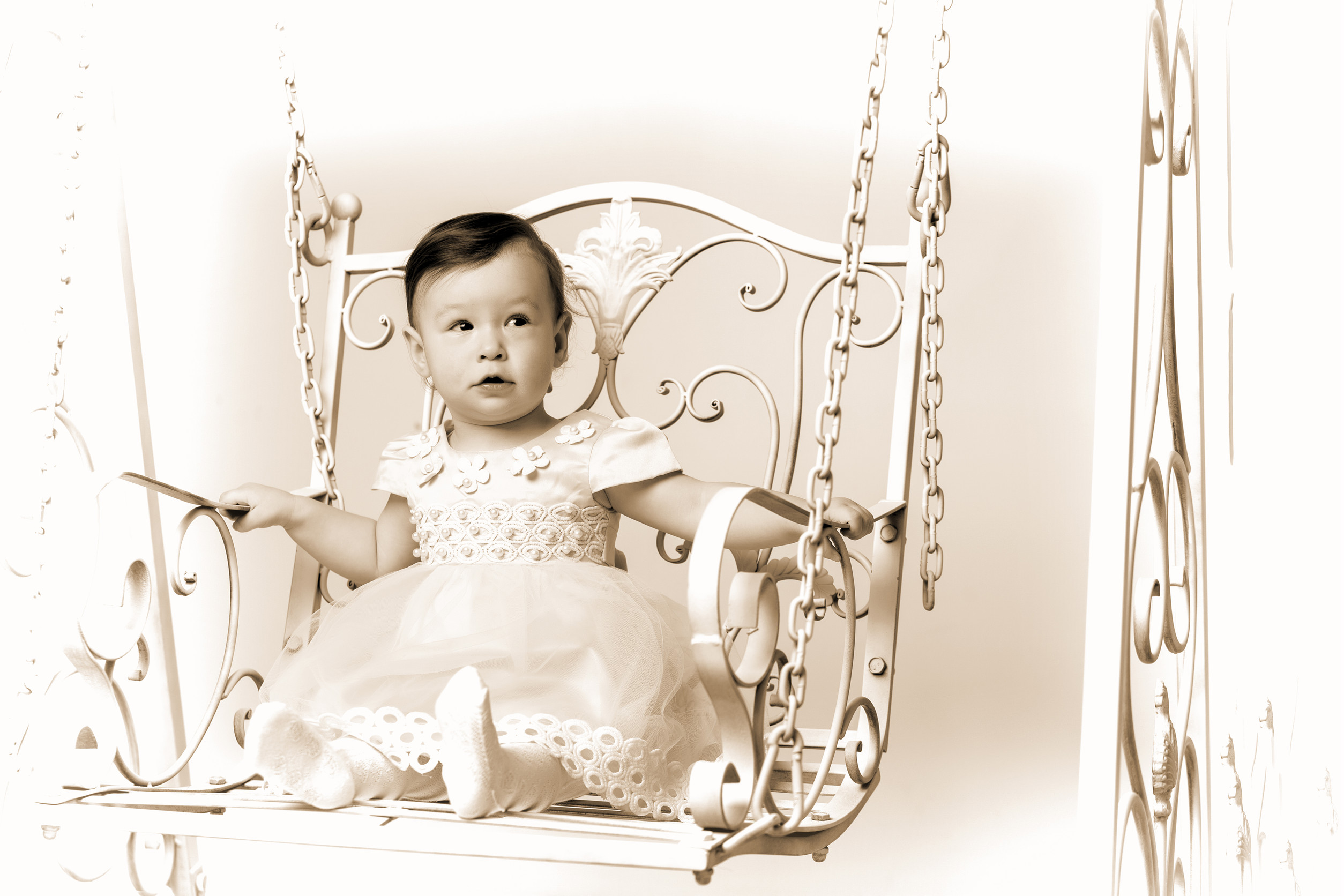
Beautiful little girl swinging in the studio on a swing. Concept of a happy childhood, family well-being.
Image Source: 123rf.com

One of the most persistent parenting myths is that holding a baby too often will “spoil” them. In reality, physical closeness strengthens the bond between parent and child and promotes emotional well-being. Babies thrive on touch and comfort, and meeting their needs helps them feel secure. Spoiling isn’t about holding them—it’s about indulgence without boundaries as they grow older.

5. “You Shouldn’t Be Friends with Your Kids”

While it’s true that parents need to set boundaries, the idea that you can’t have a friendly relationship with your child is outdated. Building a connection based on mutual respect and trust doesn’t diminish authority—it strengthens it. When kids feel understood and supported, they’re more likely to listen and cooperate. Balancing friendship with firm guidance can lead to a healthier parent-child dynamic.

6. “Every Milestone Must Be Met on Time”

Parents often worry when their child doesn’t hit milestones like walking, talking, or potty training at the “expected” time. However, children develop at their own pace, and there’s a wide range of normal. Comparing your child to others or stressing about timelines does more harm than good. Focus on your child’s unique journey and consult a pediatrician if you have genuine concerns—but don’t let arbitrary timelines dictate your parenting.

A New Era of Parenting

Parenting is constantly evolving, and letting go of outdated advice can free you to focus on what truly matters—nurturing your child with love, understanding, and care. By embracing modern approaches backed by research and compassion, you can create an environment that supports your child’s growth and your own confidence as a parent.

Have you ever struggled with outdated parenting advice? What myths do you think we need to stop believing? Share your thoughts in the comments below.

Read More:

10 Clues Your Child Is Too Young To Have Unrestricted Internet Use

11 Reasons Mothers Are Abandoning Their Children And How to Prevent It

Tamila McDonald
Tamila McDonald

Tamila McDonald is a U.S. Army veteran with 20 years of service, including five years as a military financial advisor. After retiring from the Army, she spent eight years as an AFCPE-certified personal financial advisor for wounded warriors and their families. Now she writes about personal finance and benefits programs for numerous financial websites.

Filed Under: Parenting Tagged With: child development, compassionate parenting, modern parenting, outdated advice, parenting myths

Should You Let Your Child Walk to School Alone?

March 27, 2025 | Leave a Comment

education, high school, communication and people concept - group of happy teenage students walking outdoors
Image Source: 123rf.com

Parents today face a tough balancing act between fostering independence and ensuring safety. One of the most debated milestones is whether or not to let a child walk to school alone. Some see it as a rite of passage, while others view it as a risky move in a world full of unknowns. There’s no one-size-fits-all answer—it depends on your child, your neighborhood, and your comfort level. Let’s explore the key factors you should consider before making the decision.

Is Your Child Ready for the Responsibility?

Not every child develops at the same pace when it comes to independence and awareness. Think about whether your child can follow directions, understand traffic signals, and stay alert while walking. If they tend to be easily distracted, they might not be ready for solo walks just yet. You should also assess their decision-making skills—can they handle unexpected situations calmly? If the answer is yes, they may be more prepared than you think.

How Safe Is Your Neighborhood?

The local environment plays a major role in your decision. If you live in a quiet, well-monitored area with crosswalks and friendly neighbors, the risk is lower. However, busy streets, poorly maintained sidewalks, or high-crime zones change the equation completely. Speak with other parents and check local crime reports to get a full picture. Sometimes, perception doesn’t match reality—so don’t assume safety without checking.

What Age Is Considered Appropriate?

There’s no universal age when a child is suddenly “ready” to walk alone. Some states even have legal age guidelines, but most leave it up to parental discretion. Typically, kids aged 9 to 11 may begin walking alone if they’ve demonstrated maturity and you’ve practiced with them. The key is to prepare them through routine walks where you slowly back off supervision. Age matters, but so does mindset and preparation.

Can Technology Help Ease Your Worry?

Smartphone screen displaying a gps concept
Image Source: 123rf.com

In today’s world, you don’t have to be completely hands-off. GPS-enabled watches and phones can help you track your child’s route in real time. Apps like Life360 let you know when they arrive safely. While these tools are no substitute for awareness, they offer peace of mind during the transition. Just be sure you’re using tech to empower—not spy—on your child’s growing independence.

Teach Safety Skills Before You Decide

Before you ever consider letting your child walk alone, they should be trained in basic safety rules. Teach them to make eye contact with drivers before crossing, avoid distractions like phones, and never engage with strangers. Practice common scenarios like what to do if they’re approached or feel unsafe. These lessons build confidence in both you and your child. When they know the right steps, walking alone becomes far less risky.

Trust, But Prepare

Letting your child walk to school alone is a personal decision that depends on readiness, environment, and preparation. It’s less about a magic age and more about confidence and safety training. If your child seems ready, start small and slowly increase independence. This transition can be a great way to build trust and responsibility. Just remember—it’s okay to say no if something doesn’t feel right yet.

Would you feel comfortable letting your child walk alone? Why or why not? Drop your thoughts in the comments below—we’d love to hear your take!

Read More:

12 Things Schools Will Never Be Able to Teach Your Kids About Life

Is Homeschooling Cheaper Than Public School? 10 Surprising Costs to Consider

Latrice Perez

Latrice is a dedicated professional with a rich background in social work, complemented by an Associate Degree in the field. Her journey has been uniquely shaped by the rewarding experience of being a stay-at-home mom to her two children, aged 13 and 5. This role has not only been a testament to her commitment to family but has also provided her with invaluable life lessons and insights.  As a mother, Latrice has embraced the opportunity to educate her children on essential life skills, with a special focus on financial literacy.

Filed Under: Parenting Tagged With: child safety, kids and independence, modern parenting, parenting choices, parenting decisions, school safety, walking to school

8 Controversial Parenting Books That Challenge Traditional Methods

March 24, 2025 | Leave a Comment

Happy mom with a baby in a sling reading a book in the Park. The concept of children's education in family life
Image Source: 123rf.com

Not all parenting books preach the same tired advice. Some flip the script entirely, urging parents to rethink discipline, sleep, communication, and even control. These bold titles don’t just question the norm—they often spark fierce debate. Whether you’re looking for fresh insights or books that push your buttons, these controversial reads will definitely make you think. Here are eight books that stir the pot in the parenting world.

1. “Bringing Up Bébé” by Pamela Druckerman

This bestseller offers an American mom’s perspective on French parenting, and it ruffled plenty of feathers. Druckerman suggests that French parents raise more polite, independent kids without helicoptering. Critics argue she over-romanticizes another culture, while fans praise its balance and structure. The book encourages giving children more autonomy and holding clear boundaries. Whether you agree or not, it forces a conversation on over-parenting.

2. “The Coddling of the American Mind” by Greg Lukianoff and Jonathan Haidt

Although not a traditional parenting book, this one explores how modern parenting and education may be making kids less resilient. The authors argue that shielding children from discomfort can backfire. Their views have been labeled controversial, especially around mental health and free speech. It challenges the idea that safety always equals protection. For parents of teens, it’s a provocative, challenging read.

3. “Battle Hymn of the Tiger Mother” by Amy Chua

Amy Chua’s memoir of extreme parenting sparked global outrage and admiration in equal parts. She details her authoritarian style of high expectations, strict discipline, and relentless academic pressure. Critics call it abusive; others see it as a cultural difference worth exploring. The book raises tough questions about the role of struggle in achievement. It’s not an easy read, but it’s impossible to ignore.

4. “Free-Range Kids” by Lenore Skenazy

Skenazy’s message is clear: stop micromanaging your children. Her advocacy for independence and unstructured play earned her both praise and backlash. The book questions whether modern parents are too fearful, often to their children’s detriment. Skenazy believes kids are more capable than we give them credit for. It’s a refreshing yet controversial take on raising resilient kids.

5. “Parenting Beyond Belief” by Dale McGowan

This book caters to secular parents who want to raise ethical kids without religious teachings. While many find it empowering, others see it as dismissive of faith. It offers guidance on values, critical thinking, and building community outside of religious institutions. For some, it’s liberating; for others, it crosses a line. Regardless of your stance, it’s a bold, honest discussion about morality and parenting.

6. “Unconditional Parenting” by Alfie Kohn

Kohn turns traditional discipline on its head, questioning praise, punishment, and rewards. He argues that most parenting techniques manipulate rather than support children. His critics say this approach lacks structure, while fans say it respects the child’s dignity. The book’s main message is that love and connection—not control—should be the focus. It’s not for everyone, but it will definitely make you reflect.

7. “All Joy and No Fun” by Jennifer Senior

Mother and daughter enjoy spending time together outdoor.Image is intentionally with grain and toned.
Image Source: 123rf.com

Senior explores how parenting changes adults more than children. Rather than giving advice, the book documents the emotional complexity of modern parenting. Some readers found it validating; others felt it was overly negative. It challenges the assumption that parenting is always joyful or rewarding. This realism makes it a standout—and a controversial one at that.

8. “The Nurture Assumption” by Judith Rich Harris

Harris argues that parents matter far less than we think in shaping a child’s personality. Instead, peers and genetics do the heavy lifting. This theory rattles the foundation of many parenting philosophies. Critics say it lets parents off the hook; supporters say it brings much-needed balance. Either way, the book is a thought-provoking look at nature versus nurture.

Books Challenger The Core Of Raising Kids

These books don’t just offer advice—they challenge the very core of how we raise our kids. Whether you agree with them or not, they encourage deeper reflection and open discussion. Some ideas will resonate, while others might make your blood boil. But that’s what makes them valuable. After all, parenting isn’t a one-size-fits-all journey.

Which of these books have you read—or avoided? What’s your take on challenging traditional parenting norms? Share your thoughts in the comments!

Read More:

These 5 Books Will Help You With Effective Communication With Your Kids

8 False Myths About Reading That Could Keep Kids from Books

Tamila McDonald
Tamila McDonald

Tamila McDonald is a U.S. Army veteran with 20 years of service, including five years as a military financial advisor. After retiring from the Army, she spent eight years as an AFCPE-certified personal financial advisor for wounded warriors and their families. Now she writes about personal finance and benefits programs for numerous financial websites.

Filed Under: Books and Reading, Parenting Tagged With: Alfie Kohn, Amy Chua, controversial parenting, discipline alternatives, Free-Range Parenting, modern parenting, parenting advice, parenting books

« Previous Page
  • Facebook
  • Pinterest
  • RSS
  • Twitter

Basic Principles Of Good Parenting

Here some basic principles for good parenting:

  1. What You Do Matters: Your kids are watching you. So, be purposeful about what you want to accomplish.
  2. You Can’t be Too Loving: Don’t replace love with material possessions, lowered expectations or leniency.
  3. Be Involved Your Kids Life: Arrange your priorities to focus on what your kid’s needs. Be there mentally and physically.
  4. Adapt Your Parenting: Children grow quickly, so keep pace with your child’s development.
  5. Establish and Set Rules: The rules you set for children will establish the rules they set for themselves later.  Avoid harsh discipline and be consistent.
  6. Explain Your Decisions: What is obvious to you may not be evident to your child. They don’t have the experience you do.
  7. Be Respectful To Your Child: How you treat your child is how they will treat others.  Be polite, respectful and make an effort to pay attention.
Best Parenting Blogs

Most Popular

Baby

9 Unusual Baby Names That Sound Like They Belong to Future CEOs

Evan Morgan
Baby

10 Baby Names That Were Once Considered “Grandparent Names” but Feel Cool Again

Evan Morgan
Target Store

Choking Incident Prompts Recall of 49,000 Target Gigglescape “Under the Sea” Popping Toys

Evan Morgan
Frustrated Girl

Why Some Students on the Spectrum Are Labeled With ODD

Evan Morgan
Coke Bottles

12 Things Kids Took to School in the ’70s That Would Never Be Allowed Today

Evan Morgan

All content on Kids Ain’t Cheap is for entertainment purposes only. By reading this blog, you agree that Kids Ain’t Cheap is not responsible for any actions taken after reading this blog. For the full disclaimer, see our privacy policy.

Please note that Kids Ain’t Cheap has financial relationships with some of the merchants mentioned here. Kids Ain’t Cheap is funded by banner advertising, commission sales and search optimization consulting.

Copyright © 2006–2026 | District Media | All Rights Reserved | Privacy Policy

Copyright © 2026 Runway Pro Theme by Viva la Violette