
• Home
  • About Us
  • Archives
  • Contact Us
  • Advertise
  • Privacy Policy

Kids Ain't Cheap

But They Sure Are Worth It

  • Home
  • Toolkit
  • Parenting
    • Baby Stuff
    • Books and Reading
      • Aesops Fables
      • Comic Books
    • Education
    • Family Time
    • Green Living
    • Growing Up
    • Healthy Living & Eating
    • Holidays
    • Parenting
    • Random Musings
    • Shopping
    • Stuff to Do
  • Money
  • Product Reviews
    • Books and Magazines
    • Discount Sites
    • Furniture
    • House Keeping
    • Reviews News
    • Toys and Games
  • Search

5 Baby Name Trends That May Be Illegal By Next Year

September 18, 2025 | Leave a Comment

5 Baby Name Trends That May Be Illegal By Next Year

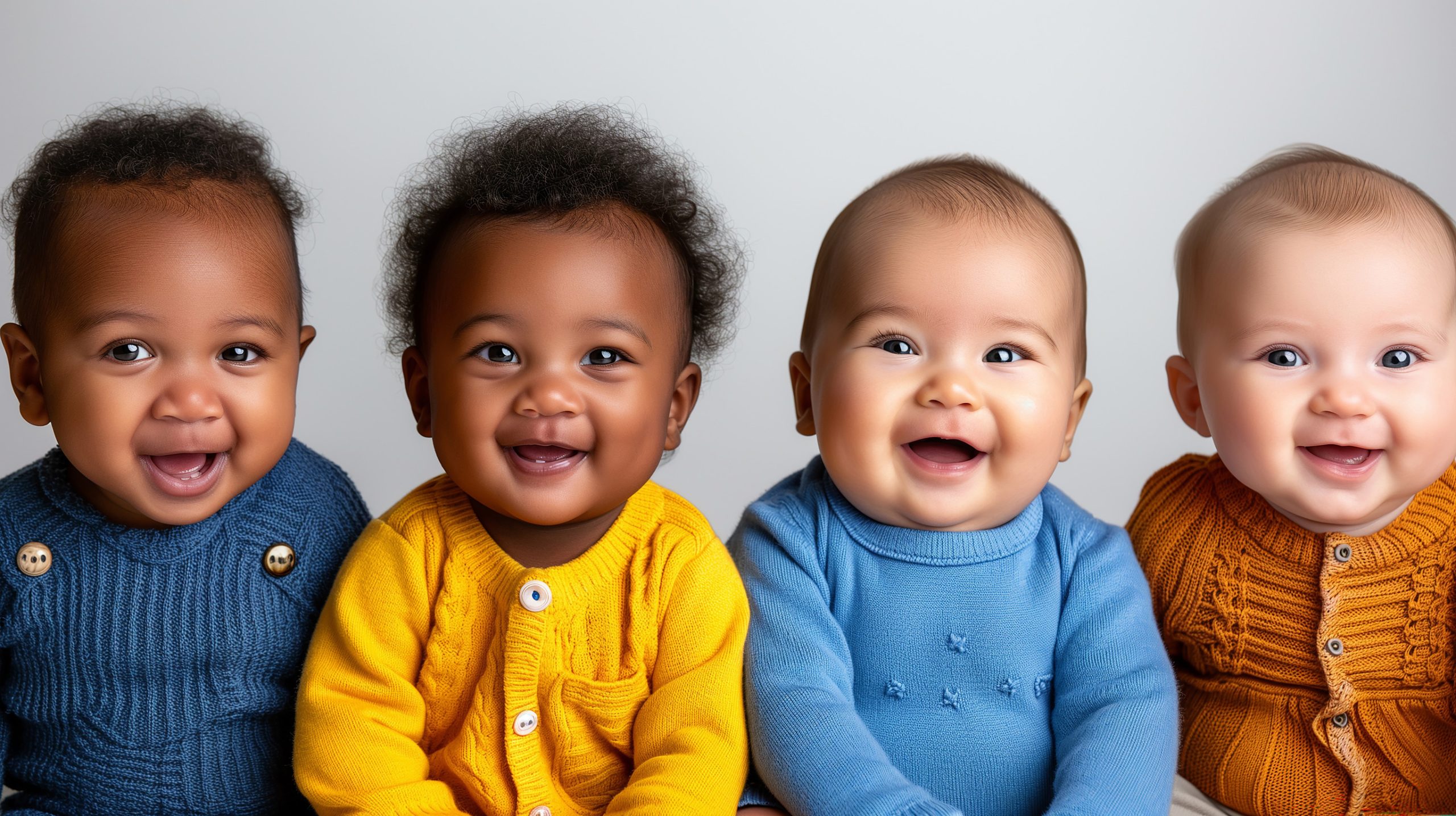
Image source: 123rf.com

Parents often spend months debating the perfect name for their newborn, but few stop to consider whether the choice could land them in legal trouble. Around the world, governments are starting to crack down on certain baby name trends, citing reasons ranging from protecting children from ridicule to maintaining cultural or religious traditions. As these regulations spread, even U.S. states are beginning to take notice and update their naming laws. If you want to avoid a fight at the courthouse, it’s important to know which naming fads could soon be restricted.

1. Baby Name Trends Involving Symbols and Numbers

One of the fastest-growing baby name trends is the use of numbers or symbols in names, such as “Baby#1” or “J\@ke.” While some parents see it as modern and creative, governments often view it as confusing for official records. Many countries already prohibit symbols in names because databases and forms cannot process them correctly. In the U.S., states like California limit special characters, which could expand into stricter bans next year. Parents who lean toward creative spelling should double-check their state’s guidelines before submitting paperwork.

2. Baby Name Trends Borrowing From Brands and Trademarks

Naming a child after a favorite brand may feel trendy, but legal restrictions could be on the horizon. Some states already reject names that infringe on trademarks or could lead to disputes with companies. A baby named “Nike” or “Tesla” might sound bold, but courts may view it as unfair commercial use. With companies increasingly protecting their intellectual property, this trend may face more pushback. Parents should consider whether linking a child’s identity to a corporation is worth the legal and social challenges.

3. Baby Name Trends That Include Offensive or Vulgar Terms

It might sound shocking, but some parents still try to register names containing profanity or offensive language. Courts consistently rule against these baby name trends, arguing they are not in the best interest of the child. In some countries, parents can be fined or forced to choose a different name if they cross the line. As social norms tighten and governments take a stronger stance on protecting children, stricter bans on vulgar names are likely to expand. Parents should remember that a name lasts a lifetime, and legal systems are built to prevent obvious harm.

4. Baby Name Trends Inspired by Political or Religious Extremes

Another controversial area involves naming children after political or religious figures tied to violence or extremism. Governments often view these baby name trends as dangerous because they can incite hostility or stigmatize the child. Courts in Europe, for example, have blocked names linked to dictators or extremist movements. In the U.S., freedom of speech laws complicate restrictions, but state-level bans may still emerge in the interest of protecting minors. Parents tempted to make a bold political statement should consider the potential legal consequences for their child’s future.

5. Baby Name Trends Using Excessively Long or Unpronounceable Names

While creativity is encouraged, excessively long or unpronounceable names are another area where governments may step in. Official documents like passports, licenses, and school records often have character limits, making names longer than traditional lengths impractical. Some states already reject names over a certain number of characters. As more parents embrace elaborate spelling or unusually long names, legal challenges could increase. Keeping a name reasonable in length and pronunciation helps avoid problems for both the family and the child later in life.

Naming Freedom with Boundaries

Baby name trends reflect culture, creativity, and personal identity, but the law sometimes has the final say. Governments are increasingly focused on preventing harm, avoiding legal disputes, and ensuring smooth administration of records. While many parents may find these restrictions frustrating, they highlight the importance of balancing individuality with practicality. Choosing a name is one of the first major decisions parents make and ensuring it stands on solid legal ground can spare families from costly and stressful battles.

Do you think governments should have the power to limit baby name trends, or should parents have complete freedom? Share your thoughts in the comments below.

What to Read Next…

8 Baby Names That Were Recently Flagged by Hospitals for Cultural Sensitivity

How One Baby Name Choice Could Affect College Admissions

Why Some States Are Pushing Back Against Trendy Baby Names

10 Baby Names That Have Been Quietly Banned at the State Level

9 Baby Names You’ve Never Heard Before, But Should Consider

Catherine Reed
Catherine Reed

Catherine is a tech-savvy writer who has focused on the personal finance space for more than eight years. She has a Bachelor’s in Information Technology and enjoys showcasing how tech can simplify everyday personal finance tasks like budgeting, spending tracking, and planning for the future. Additionally, she’s explored the ins and outs of the world of side hustles and loves to share what she’s learned along the way. When she’s not working, you can find her relaxing at home in the Pacific Northwest with her two cats or enjoying a cup of coffee at her neighborhood cafe.
Filed Under: Baby Names Tagged With: baby name trends, child identity, cultural rules, family law, legal issues, naming laws, Parenting, parenting tips

Why Some States Are Pushing Back Against Trendy Baby Names

September 13, 2025 | Leave a Comment

Why Some States Are Pushing Back Against Trendy Baby Names

Image source: 123rf.com

Baby names have always reflected culture, fashion, and even rebellion, but not every state is on board with the ever-changing naming trends. As parents search for unique or modern names, some lawmakers and record-keeping authorities have started setting boundaries. From regulations rooted in practicality to concerns about identity, the debate over trendy baby names is more than just a question of style. Understanding why states push back can help parents avoid frustrations while still giving their child a meaningful and memorable name.

1. Legal Restrictions on Trendy Baby Names

Some states have clear-cut laws that restrict how far parents can go with trendy baby names. For example, names with numbers, special characters, or symbols are often banned because they complicate legal documentation. While parents may want to use creative spellings or unusual marks, states argue these choices interfere with record-keeping systems. In some places, names considered offensive or derogatory may also be rejected to protect the child’s dignity. These restrictions highlight how government agencies balance individuality with practical concerns.

2. Protecting Children From Future Challenges

Another reason states resist trendy baby names is concern over the child’s long-term well-being. Research has shown that unusual or hard-to-pronounce names can sometimes lead to social challenges in school or even unconscious bias in hiring. States that limit overly creative naming styles often believe they are safeguarding children from potential ridicule or discrimination. Parents might see this as government overreach, but officials view it as a preventive measure. By maintaining certain naming standards, they hope to create smoother paths for kids in the future.

3. Technology and System Compatibility Issues

In today’s digital world, trendy baby names can clash with technology. Databases, ID cards, and official documents often cannot accommodate emojis, excessive punctuation, or extended characters. States may reject names that could break systems or cause errors in official identification processes. This is not simply about control but about ensuring that children can easily access healthcare, education, and financial services without complications. A name that seems creative at birth could become a lifelong technical headache if systems cannot recognize it.

4. Preserving Cultural and Linguistic Standards

Some states push back against trendy baby names to preserve cultural or linguistic consistency. Countries like Iceland and Germany, for instance, maintain strict naming laws to protect their languages and traditions. While U.S. states are generally more flexible, certain areas still emphasize readability and cultural respect in names. Officials may reject names that appear nonsensical or stray too far from established conventions. These standards are meant to maintain a shared sense of identity and prevent confusion in official and social contexts.

5. Balancing Creativity With Responsibility

Parents naturally want to express their individuality through trendy baby names, but states often step in to strike a balance. Allowing total freedom could result in names that are impractical or harmful, while overly strict rules could stifle creativity. By drawing lines—such as banning numbers or excessively long names—states encourage parents to think carefully about their choices. This balance ensures that names remain meaningful but also functional in everyday life. The goal is not to erase creativity but to keep it within reasonable boundaries.

6. High-Profile Cases That Spark Debate

Several headline-making cases have shown how far states will go when rejecting trendy baby names. Stories of parents attempting to name their children with titles like “King,” “Lucifer,” or even punctuation symbols often grab national attention. While these cases may seem extreme, they highlight the tension between personal freedom and societal norms. Courts sometimes get involved, leaving judges to determine whether names are in the child’s best interest. These cases serve as reminders that naming is both a personal choice and a public responsibility.

7. Financial and Bureaucratic Complications

When trendy baby names cause issues in legal systems, the financial impact can be significant. Incorrect or inconsistent spelling across documents may delay tax filings, healthcare coverage, or passport applications. Families could face unexpected costs to correct or amend records, creating stress and frustration. States that regulate names often argue they are saving parents from these future complications. By maintaining order in naming practices, they aim to reduce financial and administrative burdens for families.

The Real Cost of Trendy Baby Names

The debate over trendy baby names shows that what seems like a personal decision can quickly become a public issue. States that restrict names are not necessarily trying to limit creativity but are often motivated by concerns about clarity, dignity, and practicality. Parents can still choose names that are unique and meaningful while staying aware of potential legal and social boundaries. Ultimately, the real cost of a name is not just about style but how it shapes a child’s life in everyday situations.

What do you think about states limiting naming choices? Should parents have complete freedom, or do these rules protect children in the long run? Share your thoughts in the comments below.

What to Read Next…

  • 8 Baby Names That Were Recently Flagged by Hospitals for Cultural Sensitivity
  • How One Baby Name Choice Could Affect College Admissions
  • 10 Baby Names That Have Been Quietly Banned at the State Level
  • 9 Baby Names You’ve Never Heard Before, But Should Consider
  • 10 Names That Only Parents From The 80s Would Give A Child
Catherine Reed
Catherine Reed

Catherine is a tech-savvy writer who has focused on the personal finance space for more than eight years. She has a Bachelor’s in Information Technology and enjoys showcasing how tech can simplify everyday personal finance tasks like budgeting, spending tracking, and planning for the future. Additionally, she’s explored the ins and outs of the world of side hustles and loves to share what she’s learned along the way. When she’s not working, you can find her relaxing at home in the Pacific Northwest with her two cats or enjoying a cup of coffee at her neighborhood cafe.

Filed Under: Baby Names Tagged With: baby names, child identity, Family Finance, legal restrictions, naming laws, Parenting, trendy baby names

  • Facebook
  • Pinterest
  • RSS
  • Twitter

Basic Principles Of Good Parenting

Here some basic principles for good parenting:

  1. What You Do Matters: Your kids are watching you. So, be purposeful about what you want to accomplish.
  2. You Can’t be Too Loving: Don’t replace love with material possessions, lowered expectations or leniency.
  3. Be Involved Your Kids Life: Arrange your priorities to focus on what your kid’s needs. Be there mentally and physically.
  4. Adapt Your Parenting: Children grow quickly, so keep pace with your child’s development.
  5. Establish and Set Rules: The rules you set for children will establish the rules they set for themselves later.  Avoid harsh discipline and be consistent.
  6. Explain Your Decisions: What is obvious to you may not be evident to your child. They don’t have the experience you do.
  7. Be Respectful To Your Child: How you treat your child is how they will treat others.  Be polite, respectful and make an effort to pay attention.
Best Parenting Blogs

Copyright © 2025 Runway Pro Theme by Viva la Violette