• Home
  • About Us
  • Toolkit
  • Archives
  • Advertise
  • Privacy Policy

Kids Ain't Cheap

But They Sure Are Worth It

  • Parenting
    • Baby Stuff
    • Books and Reading
      • Aesops Fables
      • Comic Books
    • Education
    • Family Time
    • Green Living
    • Growing Up
    • Healthy Living & Eating
    • Holidays
    • Parenting
    • Random Musings
    • Shopping
    • Stuff to Do
  • Money
  • Product Reviews
    • Books and Magazines
    • Discount Sites
    • Furniture
    • House Keeping
    • Reviews News
    • Toys and Games
  • Contact Us
  • Our Editorial Commitment
  • Search

The ‘2026 Name Filter’: 5 Trendy Baby Names That Are Already Becoming Playground Slang for ‘Slow

January 20, 2026 | Leave a Comment

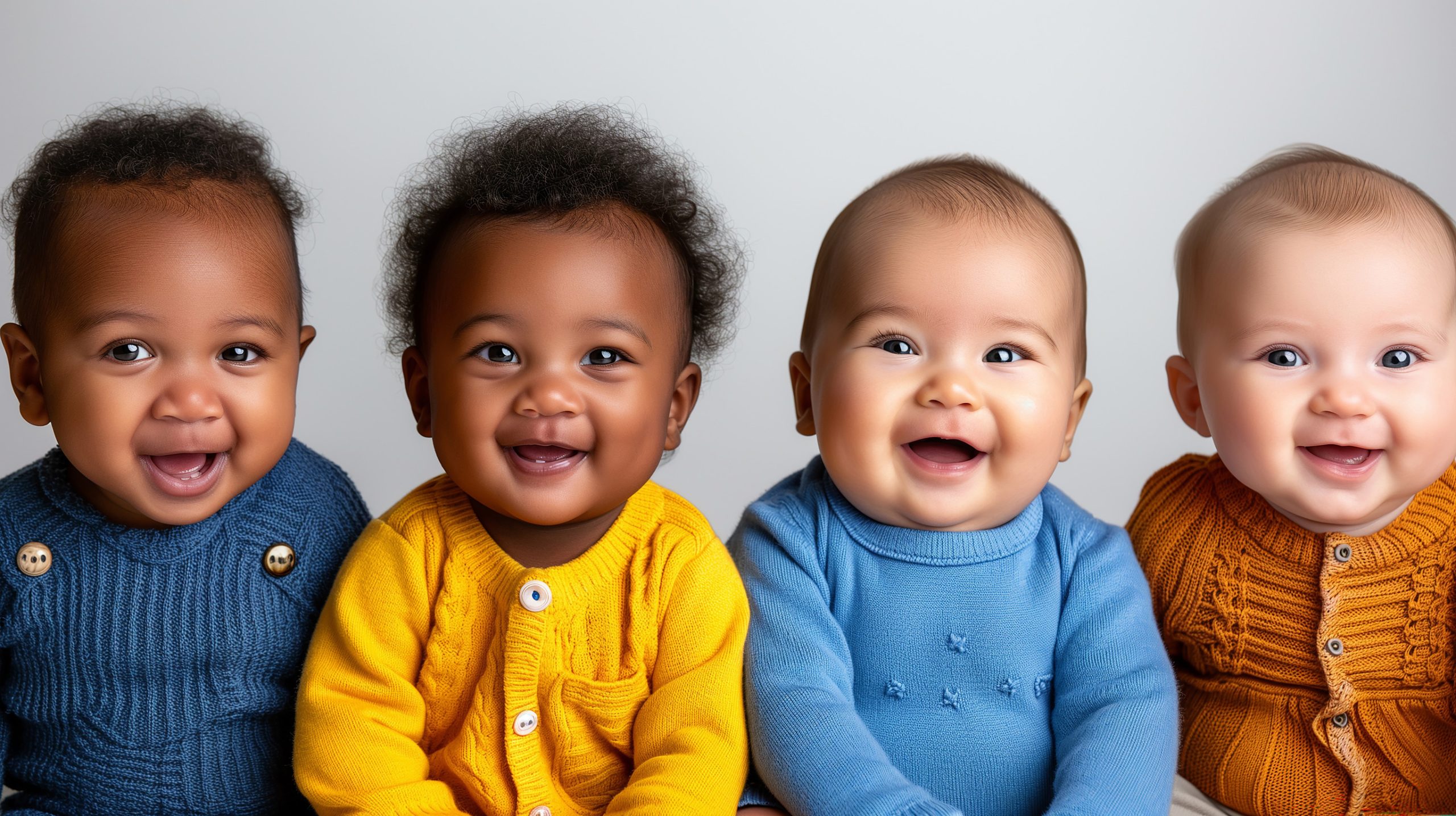
The '2026 Name Filter': 5 Trendy Baby Names That Are Already Becoming Playground Slang for 'Slow
Image Source: Shutterstock.com

Parents in Fayetteville, GA and Volusia County, FL are reporting an unprecedented hidden reality emerging in the 2025-2026 school season.

A quiet rollout of subtle labeling practices in early education has suddenly transformed the social dynamics of classrooms. What started as minor teasing in Fayetteville kindergartens has spread, via digital chatter and informal school networks, to Florida districts, exposing a loophole that legal experts say skirts both Georgia HB 340 and Florida Statute 39 reporting requirements. The playground is no longer just a social arena; it has become a testing ground for reputational damage that begins before the first grade.

What The Data Says

Data obtained from the Georgia Department of Education’s 2026 Behavioral Monitoring Report (HB 268) reveals that children with certain phonetic name patterns are disproportionately referenced in peer teasing logs. School counselors in Marion County, FL, confirm that teasing often labels these students as “slow,” even when academic metrics indicate average or above-average performance. Experts tie the phenomenon to the Authoritative 2.0 movement, which emphasizes friction-maxxing strategies in student socialization to “build resilience,” a euphemism for sanctioned ridicule.

Legally, the implications are murky. O.C.G.A. § 19-7-5 mandates reporting for abuse or neglect—but the teasing tied to name patterns remains uncaptured by current definitions. Florida Statute 39 leaves similar gaps. Parents are discovering that traditional protections do not cover reputational damage stemming from linguistic trends in student peer groups.

The Hidden Surcharge

Parents are sounding the alarm: the cost of ignoring this trend is brutal. Every incident chips away at social capital, erodes parental influence, and forces emergency tutoring or private schooling—burning thousands from already strained budgets. The hidden costs of kids are real: therapy, reputational repair, and extracurricular “rescue programs” compound the financial hit. Parents report dropping six-figure sums simply to counteract the cultural fallout of a poorly chosen baby name.

The Digital Blacklist

Names already trending as playground shorthand for “slow” include: Jaxon, Bentley, Harper, Kayden, and Nevaeh. Each syllable, each trend-informed choice, carries micro-stigma that digital chatter amplifies. Parents ignoring this filter are risking not just embarrassment but the long-term social positioning of their children, which could wreck havoc on their home life.

The '2026 Name Filter': 5 Trendy Baby Names That Are Already Becoming Playground Slang for 'Slow
Image Source: Shutterstock.com

What This Means For Your Child

Every misstep in naming now comes with legal, social, and financial consequences. High-stakes parenting in 2026 demands awareness of linguistic social engineering and playground dynamics.

Which matters more: safeguarding your child’s social security or upholding your freedom to choose a name unpoliced by viral culture? Respond below—your stance may define the next generation of parenting battles.

You May Also Like…

Why Some States Are Pushing Back Against Trendy Baby Names

7 “Harmless” Nicknames That Kids Secretly Hate

10 Baby Names That Have Been Quietly Banned at the State Level

7 Children’s Shows That Experts Say Spike Anxiety Levels

Why Your Teen’s Friend Group Is Secretly Rating Your Home on ‘The Vibe Scale’—and Why It Matters

Brandon Marcus
Brandon Marcus
Brandon Marcus is a writer who has been sharing the written word since a very young age. His interests include sports, history, pop culture, and so much more. When he isn’t writing, he spends his time jogging, drinking coffee, or attempting to read a long book he may never complete.

Filed Under: Baby Names Tagged With: baby names, child names, children names, education, names, playgrounds, school issues, teasing, trendy baby names

Why Some States Are Pushing Back Against Trendy Baby Names

September 13, 2025 | Leave a Comment

Why Some States Are Pushing Back Against Trendy Baby Names
Image source: 123rf.com

Baby names have always reflected culture, fashion, and even rebellion, but not every state is on board with the ever-changing naming trends. As parents search for unique or modern names, some lawmakers and record-keeping authorities have started setting boundaries. From regulations rooted in practicality to concerns about identity, the debate over trendy baby names is more than just a question of style. Understanding why states push back can help parents avoid frustrations while still giving their child a meaningful and memorable name.

1. Legal Restrictions on Trendy Baby Names

Some states have clear-cut laws that restrict how far parents can go with trendy baby names. For example, names with numbers, special characters, or symbols are often banned because they complicate legal documentation. While parents may want to use creative spellings or unusual marks, states argue these choices interfere with record-keeping systems. In some places, names considered offensive or derogatory may also be rejected to protect the child’s dignity. These restrictions highlight how government agencies balance individuality with practical concerns.

2. Protecting Children From Future Challenges

Another reason states resist trendy baby names is concern over the child’s long-term well-being. Research has shown that unusual or hard-to-pronounce names can sometimes lead to social challenges in school or even unconscious bias in hiring. States that limit overly creative naming styles often believe they are safeguarding children from potential ridicule or discrimination. Parents might see this as government overreach, but officials view it as a preventive measure. By maintaining certain naming standards, they hope to create smoother paths for kids in the future.

3. Technology and System Compatibility Issues

In today’s digital world, trendy baby names can clash with technology. Databases, ID cards, and official documents often cannot accommodate emojis, excessive punctuation, or extended characters. States may reject names that could break systems or cause errors in official identification processes. This is not simply about control but about ensuring that children can easily access healthcare, education, and financial services without complications. A name that seems creative at birth could become a lifelong technical headache if systems cannot recognize it.

4. Preserving Cultural and Linguistic Standards

Some states push back against trendy baby names to preserve cultural or linguistic consistency. Countries like Iceland and Germany, for instance, maintain strict naming laws to protect their languages and traditions. While U.S. states are generally more flexible, certain areas still emphasize readability and cultural respect in names. Officials may reject names that appear nonsensical or stray too far from established conventions. These standards are meant to maintain a shared sense of identity and prevent confusion in official and social contexts.

5. Balancing Creativity With Responsibility

Parents naturally want to express their individuality through trendy baby names, but states often step in to strike a balance. Allowing total freedom could result in names that are impractical or harmful, while overly strict rules could stifle creativity. By drawing lines—such as banning numbers or excessively long names—states encourage parents to think carefully about their choices. This balance ensures that names remain meaningful but also functional in everyday life. The goal is not to erase creativity but to keep it within reasonable boundaries.

6. High-Profile Cases That Spark Debate

Several headline-making cases have shown how far states will go when rejecting trendy baby names. Stories of parents attempting to name their children with titles like “King,” “Lucifer,” or even punctuation symbols often grab national attention. While these cases may seem extreme, they highlight the tension between personal freedom and societal norms. Courts sometimes get involved, leaving judges to determine whether names are in the child’s best interest. These cases serve as reminders that naming is both a personal choice and a public responsibility.

7. Financial and Bureaucratic Complications

When trendy baby names cause issues in legal systems, the financial impact can be significant. Incorrect or inconsistent spelling across documents may delay tax filings, healthcare coverage, or passport applications. Families could face unexpected costs to correct or amend records, creating stress and frustration. States that regulate names often argue they are saving parents from these future complications. By maintaining order in naming practices, they aim to reduce financial and administrative burdens for families.

The Real Cost of Trendy Baby Names

The debate over trendy baby names shows that what seems like a personal decision can quickly become a public issue. States that restrict names are not necessarily trying to limit creativity but are often motivated by concerns about clarity, dignity, and practicality. Parents can still choose names that are unique and meaningful while staying aware of potential legal and social boundaries. Ultimately, the real cost of a name is not just about style but how it shapes a child’s life in everyday situations.

What do you think about states limiting naming choices? Should parents have complete freedom, or do these rules protect children in the long run? Share your thoughts in the comments below.

What to Read Next…

  • 8 Baby Names That Were Recently Flagged by Hospitals for Cultural Sensitivity
  • How One Baby Name Choice Could Affect College Admissions
  • 10 Baby Names That Have Been Quietly Banned at the State Level
  • 9 Baby Names You’ve Never Heard Before, But Should Consider
  • 10 Names That Only Parents From The 80s Would Give A Child
Catherine Reed
Catherine Reed

Catherine is a tech-savvy writer who has focused on the personal finance space for more than eight years. She has a Bachelor’s in Information Technology and enjoys showcasing how tech can simplify everyday personal finance tasks like budgeting, spending tracking, and planning for the future. Additionally, she’s explored the ins and outs of the world of side hustles and loves to share what she’s learned along the way. When she’s not working, you can find her relaxing at home in the Pacific Northwest with her two cats or enjoying a cup of coffee at her neighborhood cafe.

Filed Under: Baby Names Tagged With: baby names, child identity, Family Finance, legal restrictions, naming laws, Parenting, trendy baby names

These Baby Names Are Only Given to Instagram-Obsessed Moms

May 27, 2025 | Leave a Comment

These Baby Names Are Only Given to Instagram Obsessed Moms

Choosing a baby name is one of the most personal decisions a parent can make—but in the age of social media, some names seem chosen more for likes than legacy. If you’ve spent any time scrolling through curated nursery tours or baby photo shoots, you’ve probably noticed certain trendy names popping up again and again. While there’s nothing wrong with loving aesthetics, some names feel like they were picked more for fitting an Instagram bio than fitting a child’s future. Let’s take a closer (and slightly tongue-in-cheek) look at the baby names that scream Instagram-obsessed moms.

1. Ophelia Moon

There’s poetic, and then there’s Ophelia Moon. This name shows up in feeds featuring wicker bassinets, macrame wall hangings, and neutral-toned baby clothes. It’s the perfect pick for Instagram-obsessed moms who want something vintage but dreamy, with a dash of literary flair. While undeniably beautiful, it’s also undeniably calculated to look gorgeous in a cursive font overlay. If it sounds like a line from a Lana Del Rey song, it’s probably already trending.

2. Atlas Fox

Strong, mysterious, and just unique enough to stand out—Atlas Fox is the go-to name for moms with curated adventure reels and a hashtag-ready parenting vibe. This name is all about bold vibes and wanderlust energy, typically paired with earthy baby gear and outdoor family photoshoots. Instagram-obsessed moms love a name that sounds like it belongs to a storybook explorer. It’s less about a birth certificate and more about brand alignment. If your diaper bag is from a sustainable brand and your stroller costs more than your car payment, Atlas might be in your baby name list.

3. Sage Wilder

The perfect blend of boho and rustic, Sage Wilder screams modern-day hippie aesthetic with a touch of Instagram polish. Often paired with linen swaddles and wooden teething rings, this name belongs to a child who will never see a plastic toy. Instagram-obsessed moms flock to this name because it’s gender-neutral, nature-inspired, and fits beautifully in a pastel-themed grid. It tells the world, “I drink oat milk and plant trees with my toddler.” Just don’t expect a Sage Wilder to ever wear primary colors.

4. Navy Rae

When minimalism meets modern glam, Navy Rae is born. This name is especially popular with Instagram-obsessed moms who live for crisp white decor, matching family pajamas, and professionally shot bump-to-baby timelines. Navy Rae sounds sharp, stylish, and social media-savvy. It’s designed to stand out in a sea of Sofias and Olivias while still sounding sleek and easy to hashtag. If you’ve seen it printed on a baby onesie next to a latte in a neutral-colored mug, you’re not alone.

5. Arrow Jett

If your vibe is “cool without trying,” Arrow Jett is the kind of name that’ll make followers hit like fast. It’s the choice of Instagram-obsessed moms who are chasing a non-traditional edge and probably refer to their child as a “wild soul.” It usually comes with a wardrobe of tiny leather jackets and Vans sneakers in toddler sizes. Arrow Jett is the baby most likely to have a skate park photoshoot before they can walk. It’s daring, yes, but carefully curated all the same.

6. Wren Ivy

Wren Ivy is the soft-spoken sibling of the trendier names—a sweet, garden-inspired choice beloved by moms who lean into cottagecore with a heavy filter. Think flower crowns, wooden toys, and captions about slow mornings and herbal teas. Instagram-obsessed moms love this name for its delicate sound and visual appeal. It paints a picture of gentle parenting and DIY lavender lotion recipes. Wren Ivy doesn’t cry—she “expresses her emotions mindfully.”

7. Zephyr Blu

This name is like a gust of wind—cool, unpredictable, and very online. Zephyr Blu fits right into the ultra-modern aesthetic, often featured in high-contrast black-and-white nurseries or paired with futuristic baby tech. Instagram-obsessed moms who choose this name are aiming for next-level uniqueness, even if it means sacrificing pronunciation ease. It’s edgy and ephemeral, perfect for a feed that blends modern art with toddler milestones. The name may not have deep cultural roots, but it definitely has aesthetic staying power.

A Name Is Forever, But the Feed Is Just a Phase

Trendy names can be fun, beautiful, and meaningful—but it’s worth remembering that your child is a person, not a brand. Instagram-obsessed moms may find joy in the perfect name for their feed, but the real magic comes from watching that child grow into whoever they’re meant to be. Whether your baby’s name trends or not, they’ll wear it far longer than any filter. Choose what speaks to you, not just your followers.

Have you spotted a name that screams “for the ‘gram”? Or did you choose a baby name inspired by your aesthetic? Share your thoughts in the comments!

Read More:

Short and Sweet: 8 Baby Girl Names You’ll Instantly Love

9 Baby Names You’ve Never Heard Before, But Should Consider

Catherine Reed
Catherine Reed

Catherine is a tech-savvy writer who has focused on the personal finance space for more than eight years. She has a Bachelor’s in Information Technology and enjoys showcasing how tech can simplify everyday personal finance tasks like budgeting, spending tracking, and planning for the future. Additionally, she’s explored the ins and outs of the world of side hustles and loves to share what she’s learned along the way. When she’s not working, you can find her relaxing at home in the Pacific Northwest with her two cats or enjoying a cup of coffee at her neighborhood cafe.

Filed Under: Baby Names Tagged With: aesthetic baby names, baby name trends, baby names, Instagram parenting, modern motherhood, parenting humor, social media moms, trendy baby names

8 Girls Names That May Come Back to Haunt You

May 10, 2025 | Leave a Comment

Girls Names That May Come Back to Haunt You

Trendy, bold, or unique names can feel fun in the moment, but fast-forward ten years, and your child might be stuck with a name that sparks teasing, confusion, or regret. While there’s no such thing as a “wrong” name, some tend to come with extra baggage—whether it’s pop culture overload, tricky spellings, or changing social vibes. Thinking ahead can save your daughter from awkward school roll calls, eye rolls, or constantly explaining herself. If you’re in the baby naming phase, these are a few names that may deserve a second thought before landing on the birth certificate.

1. Khaleesi

When Game of Thrones was at its peak, Khaleesi soared in popularity. The name sounded powerful and original, and fans loved what the character represented—until they didn’t. As the series ended with major controversy, many parents who once adored the name started second-guessing it. Pop culture-based names can feel cutting-edge but come with expiration dates and unexpected twists. A name tied to a TV show can become a long-term regret if the character’s legacy doesn’t hold up.

2. Nevaeh

Nevaeh—“heaven” spelled backward—had a viral rise in the early 2000s, often symbolizing uniqueness and creativity. But its popularity exploded so fast that it quickly became a name people loved to hate. It now shows up on lists of the most polarizing baby names and is often associated with being overdone or “trying too hard.” Kids with the name may face a lifetime of explaining the spelling and pronunciation. It’s a good reminder that being clever isn’t always the same as being timeless.

3. Destiny

Destiny has a beautiful meaning and was widely used in the late ‘90s and early 2000s. However, it has also picked up a reputation for being overly dramatic or connected to certain stereotypes. Some parents have reported that their daughters with this name are unfairly judged or not taken seriously in academic or professional settings. That may not be fair, but perception can impact how a name is received over time. Consider how a name might sound in a job interview or a classroom roll call.

4. Jezebel

Though Jezebel has a cool, edgy ring to it, the name’s historical and biblical baggage can be heavy. It’s often used as a synonym for promiscuity or manipulation, and that stigma still sticks in many circles. While some parents hope to reclaim and redefine it, others find that it invites more judgment than empowerment. A name with that kind of loaded backstory can create unintended hurdles. Before falling in love with a “bold” choice, consider its cultural weight.

5. Addison

Addison was once a fresh twist on traditional names, but has now become ultra-saturated. The nickname “Addie” blends in with several other popular names, from Madison to Adalyn, leading to lots of classroom confusion. It’s also commonly used for boys in some regions, which can be frustrating for a girl who wants her name to feel uniquely hers. The popularity wave may be on the decline, but its legacy as a “trendy name of the 2010s” remains. If you’re seeking something timeless, this one may already feel dated.

6. Stormi

Stormi rose in popularity thanks to celebrity baby buzz, but celebrity trends can fade fast. While it sounds cute and quirky for a toddler, some parents worry it might not translate well into adulthood. It’s also become heavily associated with one specific child, which can make it feel more like a brand than a name. Kids named Stormi may constantly be asked if they were named after a famous baby. Consider whether you’re picking a name because it fits your child or feels viral.

7. Princess

Princess might feel sweet and playful in early childhood, but it can be tough to carry into adolescence and adulthood. Teachers, peers, and even job recruiters may not take it seriously, which can unintentionally limit opportunities. While nicknames like “Angel” or “Precious” fall into a similar category, “Princess” tends to draw the most eye-rolls. It may feel affectionate at first, but it can create unintended stereotypes later. Choosing a name that feels empowering and versatile is a safer long-term bet.

8. Hermione

Literary lovers may adore Hermione, but unless you’re in the U.K., most people will immediately link it to Harry Potter. That’s not necessarily bad—unless your child doesn’t want to be associated with a fictional wizard for life. The name is also hard for many people to pronounce or spell on the first try, which leads to constant corrections. Though Hermione is strong and intelligent, the name is still deeply niche and pop culture-specific. Consider whether your child wants to forge her identity beyond the character.

Choose a Name She’ll Love at Every Age

Names are deeply personal—but they’re also public. What sounds adorable on a baby onesie might feel like a burden at age 14 or an awkward intro in a business meeting. Choosing a name isn’t just about style—it’s about setting your daughter up for confidence, flexibility, and self-expression at every life stage. The goal isn’t to avoid fun or creativity—it’s to think beyond the moment and imagine how the name will feel five, ten, or twenty years from now. A little foresight today can prevent a lot of regret tomorrow.
Have you ever regretted a name you loved at first? What do you think makes a name truly timeless? Share your thoughts in the comments!

Read More:

Baby Names That Scream “Future Ivy League Grad”

Whimsical Baby Girl Names You Haven’t Heard Before

Catherine Reed
Catherine Reed

Catherine is a tech-savvy writer who has focused on the personal finance space for more than eight years. She has a Bachelor’s in Information Technology and enjoys showcasing how tech can simplify everyday personal finance tasks like budgeting, spending tracking, and planning for the future. Additionally, she’s explored the ins and outs of the world of side hustles and loves to share what she’s learned along the way. When she’s not working, you can find her relaxing at home in the Pacific Northwest with her two cats or enjoying a cup of coffee at her neighborhood cafe.

Filed Under: Baby Names Tagged With: baby girl name inspiration, baby girl names, baby name advice, baby name ideas, baby name regret, baby naming mistakes, naming trends, parenting tips, pop culture baby names, trendy baby names

  • Facebook
  • Pinterest
  • RSS
  • Twitter

Basic Principles Of Good Parenting

Here some basic principles for good parenting:

  1. What You Do Matters: Your kids are watching you. So, be purposeful about what you want to accomplish.
  2. You Can’t be Too Loving: Don’t replace love with material possessions, lowered expectations or leniency.
  3. Be Involved Your Kids Life: Arrange your priorities to focus on what your kid’s needs. Be there mentally and physically.
  4. Adapt Your Parenting: Children grow quickly, so keep pace with your child’s development.
  5. Establish and Set Rules: The rules you set for children will establish the rules they set for themselves later.  Avoid harsh discipline and be consistent.
  6. Explain Your Decisions: What is obvious to you may not be evident to your child. They don’t have the experience you do.
  7. Be Respectful To Your Child: How you treat your child is how they will treat others.  Be polite, respectful and make an effort to pay attention.
Best Parenting Blogs

Most Popular

Baby names

Teachers Admit: These 6 Baby Names Create Instant Bias in the Classroom

Latrice Perez
6 Baby Names That Sound Cute Now but Cause Problems Later

6 Baby Names That Sound Cute Now but Cause Problems Later

Brandon Marcus
11 Ways Kids Are Outsmarting Parental Controls 1. Using Alternate Devices One common trick is simply turning to another device. If a child’s main phone or tablet is restricted, they may borrow a sibling’s, friend’s, or even a school laptop. This instantly gives them access to content outside of parental oversight. Parents often focus on one device, forgetting that others in the household can serve as loopholes. Knowing this tactic helps families tighten controls across all electronics. 2. Clearing Browsing Histories Many kids quickly learn that clearing browsing history hides evidence of restricted activity. With just a few clicks, they can erase any trace of websites visited. This makes it harder for parents to notice when rules are being broken. Parents may assume no history means no browsing, but the reality is often the opposite. Kids are outsmarting parental controls by making it seem like nothing happened at all. 3. Using Private Browsing Modes Most browsers offer “incognito” or private browsing features. Kids use this mode to access websites without leaving a record in the history. To parents checking later, everything looks clean and safe. This simple trick is often one of the first ways kids discover how to bypass restrictions. Conversations about private browsing can help close this gap. 4. Guessing or Resetting Passwords Children who are persistent may try to guess passwords to parental control apps or accounts. Others may find ways to reset them through email prompts or security questions. Once inside, they can disable restrictions entirely. Parents may not even realize controls have been altered until much later. Stronger, less predictable passwords can make this more difficult. 5. Using VPNs to Hide Activity Virtual private networks, or VPNs, let kids disguise their online locations. With one downloaded app, they can bypass geographic or parental restrictions. Some children learn about VPNs through friends or even social media. This makes it easy for them to reach content that should be blocked. Parents often underestimate just how simple it is for kids to use these tools. 6. Creating Fake Accounts When parents monitor social media, kids may create hidden accounts. These “finstas” or fake profiles allow them to interact freely without parental oversight. While their main account appears harmless, the secondary one tells a different story. Kids are outsmarting parental controls by playing both sides at once. Checking for duplicate accounts can help parents stay more aware. 7. Exploiting Time Zone Settings Some kids change the time zone on their devices to bypass screen time limits. This trick allows them to gain extra hours of usage undetected. Parents may assume controls are working, but in reality, the child is bending the clock. It’s a clever loophole that highlights just how resourceful kids can be. Monitoring device settings regularly can catch this tactic. 8. Disabling or Uninstalling Apps Parental control apps can be deleted or disabled with surprising ease. Some kids even reinstall them before a parent checks, making it seem like nothing changed. Others may simply restrict permissions to prevent apps from functioning properly. When apps aren’t monitored closely, parents may not notice they’ve been tampered with. This shows the importance of consistent follow-up. 9. Turning to Friends for Access If a child can’t get past restrictions on their own, they may rely on friends. Visiting a friend’s house or borrowing their phone can give them a free pass. Parents often forget that peer environments can override restrictions set at home. This kind of social workaround is especially common with gaming or social media. Open conversations about trust and responsibility are essential. 10. Hiding Apps in Plain Sight Kids sometimes download apps that look innocent but serve as gateways to hidden activity. These apps may disguise themselves as calculators or utilities. In reality, they allow file storage, private messaging, or browser access. Parents glancing at a home screen may overlook them entirely. Learning to recognize these disguised apps can help parents stay informed. 11. Outpacing Parents’ Tech Knowledge Finally, kids often know more about devices than their parents do. Whether through YouTube tutorials, TikTok hacks, or peer groups, they quickly learn advanced workarounds. This knowledge gap means controls can be bypassed before parents even realize the loophole exists. Staying informed and continually learning about new technology is the best defense. Kids are outsmarting parental controls because they adapt faster than most adults. The Real Solution Lies Beyond Restrictions While controls and filters are important, no system is perfect. Kids will always find creative ways around barriers, making communication the strongest safeguard. Setting clear expectations, building trust, and having ongoing conversations about online behavior matter more than apps alone. Parents who combine technology with open dialogue create a safer digital environment. The goal isn’t to win a battle of wits but to build a relationship that keeps kids both safe and honest. Do you think kids are outsmarting parental controls faster than parents can keep up? Share your experiences in the comments below. What to Read Next... 6 Parenting Tech Shortcuts That Can Expose Your Child to Strangers How Much Screen Time Is Too Much—Legally Speaking? Is Your Child’s School Quietly Tracking Their Location Without Your Consent? How Much Screen Time Is Quietly Reshaping Childhood Behavior? Why Some Parents Are Being Investigated Over Homeschooling Records

11 Ways Kids Are Outsmarting Parental Controls

Catherine Reed
Smiling grandfather holding a happy baby indoors.

Why Grandparents Shouldn’t Babysit Their Grandkids Every Week – The Unspoken Issue

Samantha
birthday gifts

7 Birthday Gifts Your Child Should Never Bring to a Party

Latrice Perez

All content on Kids Ain’t Cheap is for entertainment purposes only. By reading this blog, you agree that Kids Ain’t Cheap is not responsible for any actions taken after reading this blog. For the full disclaimer, see our privacy policy.

Please note that Kids Ain’t Cheap has financial relationships with some of the merchants mentioned here. Kids Ain’t Cheap is funded by banner advertising, commission sales and search optimization consulting.

Copyright © 2006–2026 | District Media | All Rights Reserved | Privacy Policy

Copyright © 2026 Runway Pro Theme by Viva la Violette