• Home
  • About Us
  • Toolkit
  • Archives
  • Advertise
  • Privacy Policy

Kids Ain't Cheap

But They Sure Are Worth It

  • Parenting
    • Baby Stuff
    • Books and Reading
      • Aesops Fables
      • Comic Books
    • Education
    • Family Time
    • Green Living
    • Growing Up
    • Healthy Living & Eating
    • Holidays
    • Parenting
    • Random Musings
    • Shopping
    • Stuff to Do
  • Money
  • Product Reviews
    • Books and Magazines
    • Discount Sites
    • Furniture
    • House Keeping
    • Reviews News
    • Toys and Games
  • Contact Us
  • Our Editorial Commitment
  • Search

Boomer Confession: “We Never Paid for These 5 Things Parents Buy Today”

February 12, 2026 | Leave a Comment

Boomer Confession:
Image Source: Shutterstock.com

There’s a strange magic that happens when generations compare notes. Suddenly, the everyday stuff you take for granted becomes a cultural mystery, and normal life starts looking like a sociology experiment. Parenting, especially, has gone through a quiet revolution that didn’t come with headlines or parades, just credit card statements and calendar overload. What once felt simple now feels structured, scheduled, monetized, and professionalized.

This isn’t about shaming parents or romanticizing the past; it’s about recognizing how wildly the definition of “normal” has shifted, and how many things that now feel essential simply didn’t exist as paid expenses for previous generations.

1. The After-School Activity Economy

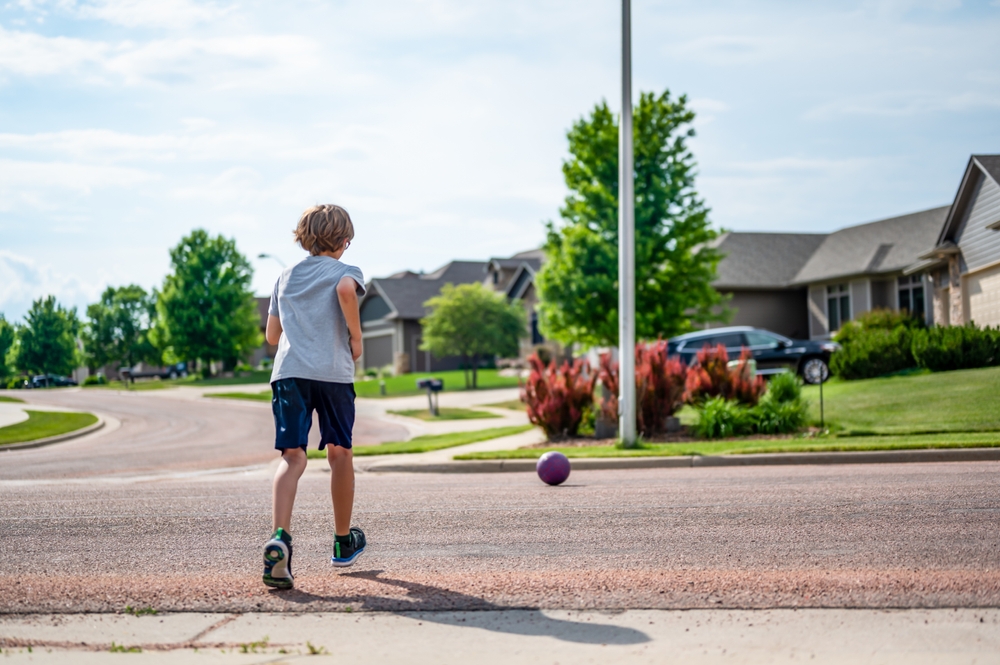
For many Boomer kids, after school meant bikes, backyards, pickup games, and whatever chaos the neighborhood naturally produced. There were sports teams and music lessons, sure, but they were often community-based, low-cost, and low-pressure. Today’s kids live in a world of structured enrichment, where every interest has a registration fee, a uniform, a subscription, and a schedule portal. Dance academies, travel sports leagues, STEM camps, coding bootcamps, and private coaching sessions now feel less like extras and more like expectations.

Parents aren’t just buying activities; they’re buying perceived opportunity, future readiness, and competitive advantage. It’s not that these programs are bad, because many are fantastic and genuinely enriching. The shift is that childhood has become curated rather than organic, and fun has quietly become a financial category. If it isn’t supervised, certified, and scheduled, it can feel like it doesn’t “count” anymore, which is a massive cultural change from the free-range childhood model of earlier generations.

2. Professional Childcare as a Standard Expense

Boomer families often relied on informal childcare systems: neighbors, siblings, extended family, or one parent staying home. Paid childcare existed, but it wasn’t the default model for most households. Today, professional childcare is practically a structural requirement for working families. Daycare, nannies, after-school programs, and babysitting services are not luxuries; they’re logistical necessities tied directly to modern work culture.

This isn’t just a financial change, it’s a social one. Parenting has shifted from a community-supported model to a service-based model. Care is now outsourced to professionals, licensed providers, and institutions, which adds safety, structure, and expertise, but also significant cost. Families aren’t failing at childcare; they’re navigating a system that simply doesn’t function the way it used to.

3. Academic Support as an Industry

Tutors, test prep services, learning apps, homework coaches, and educational consultants were not part of the average Boomer household vocabulary. If you struggled in school, you struggled, and maybe a teacher noticed. Today, academic performance is surrounded by a massive support industry designed to optimize outcomes at every stage. Parents can now buy reading specialists, math intervention programs, college admissions consultants, and exam prep subscriptions starting in elementary school.

Education has become less about access and more about optimization. It’s no longer enough to attend school; families now feel pressure to enhance school. The system isn’t broken because parents care too much; it’s because success pathways have become hyper-competitive and increasingly specialized. Learning support has shifted from being a school responsibility to a household investment strategy, which fundamentally changes how families experience education.

Boomer Confession:
Image Source: Shutterstock.com

4. Children’s Entertainment as a Subscription Model

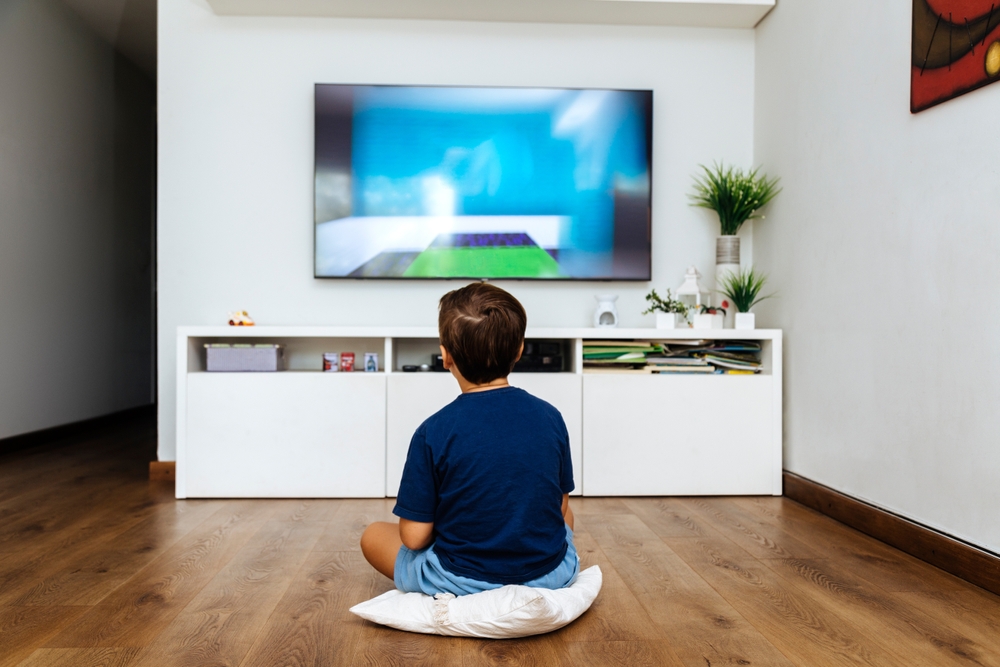
Boomer kids had Saturday morning cartoons, a few TV channels, library cards, and maybe a movie night if the family budget allowed. Entertainment wasn’t personalized, curated, or algorithm-driven. Today’s kids live inside a subscription ecosystem. Streaming platforms, educational apps, gaming services, audiobooks, kid-specific content libraries, and interactive learning platforms are all part of daily life.

What changed isn’t just technology, it’s the expectation of constant stimulation. Entertainment is now customized, portable, and always available, which subtly shifts parenting dynamics. Screens aren’t just distractions; they’re tools, babysitters, teachers, and sometimes sanity-savers. Parents aren’t buying content because they’re lazy; they’re buying time, flexibility, and mental bandwidth in a world that never slows down.

5. Parenting Advice as a Product

Boomer parents relied on instinct, family traditions, community norms, and maybe a few parenting books. Today’s parents navigate a massive industry built around guidance, coaching, courses, influencers, and expert-driven content. Sleep consultants, parenting coaches, discipline programs, child development apps, and curated parenting frameworks are now standard offerings.

Modern parents aren’t less confident; they’re more overwhelmed with information. The volume of advice available creates pressure to do everything “right,” even when there’s no universal definition of right. Parenting has become a performance metric instead of a lived experience. Families aren’t just raising kids anymore; they’re managing systems, strategies, and psychological frameworks designed to produce optimal outcomes.

The Real Shift No One Talks About

The biggest difference isn’t the money, it’s the mindset. Parenting has shifted from survival and support to optimization and preparation. Boomers raised kids to function in the world. Modern parents feel pressure to prepare kids to compete in it. That changes everything, from spending habits to emotional labor to daily stress levels.

If there’s one powerful takeaway, it’s that modern parenting isn’t softer, weaker, or more indulgent. It’s more complex, more structured, and more psychologically loaded. Families are navigating systems that didn’t exist before, expectations that didn’t exist before, and pressures that didn’t exist before.

So what’s one thing today’s parents pay for that genuinely surprised you when you noticed it? Make sure that you share all your thoughts in the comments section below.

You May Also Like…

7 Boomer-Era Family Traditions That Lower Household Stress

Are Millennial Parents Overreacting To Boomer Advice On Screen Time?

7 Parenting Expenses That Quietly Drain Budgets After the Holidays

Are Boomer vs. Millennial Bedtime Styles Causing Sibling Trauma?

10 Unspoken Rules Every Multigenerational Household Has

Brandon Marcus
Brandon Marcus
Brandon Marcus is a writer who has been sharing the written word since a very young age. His interests include sports, history, pop culture, and so much more. When he isn’t writing, he spends his time jogging, drinking coffee, or attempting to read a long book he may never complete.

Filed Under: Parenting Tagged With: boomer perspective, cultural change, Family Budgeting, family expenses, generational differences, lifestyle trends, modern parenting, Nostalgia, parenting culture, parenting evolution, raising kids today

8 Once-Normal ’70s Kids Hobbies That Helicopter Parenting Quietly Killed

February 11, 2026 | Leave a Comment

These Are 8 Once-Normal ’70s Kids Hobbies That Helicopter Parenting Quietly Killed
Image Source: Shutterstock.com

Kids grew up in a different world in the 1970s. It was a decade where childhood felt expansive, unfiltered, and wonderfully unscripted. Kids roamed neighborhoods with a freedom that would make today’s parents break into a cold sweat, and hobbies weren’t curated by adults — they were invented on the fly, fueled by imagination, boredom, and whatever materials happened to be lying around.

Fast-forward to today, and childhood looks very different. Modern parenting leans heavily toward structure, supervision, and safety, often with the best intentions. But in the process, many once-normal hobbies quietly disappeared, not because kids stopped liking them, but because the world around them changed.

1. The Art of Roaming the Neighborhood Until Sunset

In the 1970s, roaming the neighborhood wasn’t just a hobby — it was practically a lifestyle. Kids hopped on their bikes, wandered through empty lots, explored wooded areas, and checked in with friends without ever sending a text or asking permission. The unwritten rule was simple: be home by dinner.

Today, this kind of free-range wandering has largely disappeared. Parents are more cautious about safety, traffic, and supervision, and neighborhoods themselves have changed. Many families prefer structured playdates or organized activities, which means kids rarely get the chance to explore independently.

2. Building Homemade Ramps and Backyard Obstacle Courses

’70s kids were masters of DIY adventure. With a few planks, some bricks, and a questionable sense of physics, they built ramps for bikes and skateboards that would never pass a modern safety inspection. These homemade setups offered hours of entertainment and a crash course in trial-and-error engineering.

Helicopter parenting didn’t just tone this down — it practically erased it. Today’s parents are understandably more concerned about injuries, liability, and the sturdiness of anything their kids launch themselves off of. Store-bought equipment has replaced improvised creations, and supervised sports often take the place of backyard experimentation.

3. Collecting and Trading Found Treasures

Kids in the ’70s collected everything: rocks, bottle caps, stickers, marbles, and anything else that caught their eye. These collections weren’t curated by adults or tied to a brand — they were personal, quirky, and often traded like priceless artifacts among friends.

Modern kids still collect things, but the hobby has shifted toward structured, commercialized items. Trading cards, branded toys, and digital collectibles dominate the landscape, leaving less room for the spontaneous joy of discovering something interesting on the ground and deciding it’s worth keeping.

4. Playing Pickup Games Without Adult Referees

Pickup games were a cornerstone of ’70s childhood. Whether it was baseball, kickball, or street hockey, kids organized the teams, set the rules, and settled disputes themselves. The games were messy, loud, and wonderfully democratic.

Today, youth sports are far more structured. Adults coach, supervise, and often manage every detail, leaving little room for spontaneous neighborhood games. While organized sports offer great benefits, they don’t always teach the same conflict-resolution skills that came from kids running their own games.

If you want to bring this back, encourage kids to gather friends for a casual game with no adults calling the shots. It’s a refreshing change of pace.

5. Creating Elaborate Forts Out of Anything Available

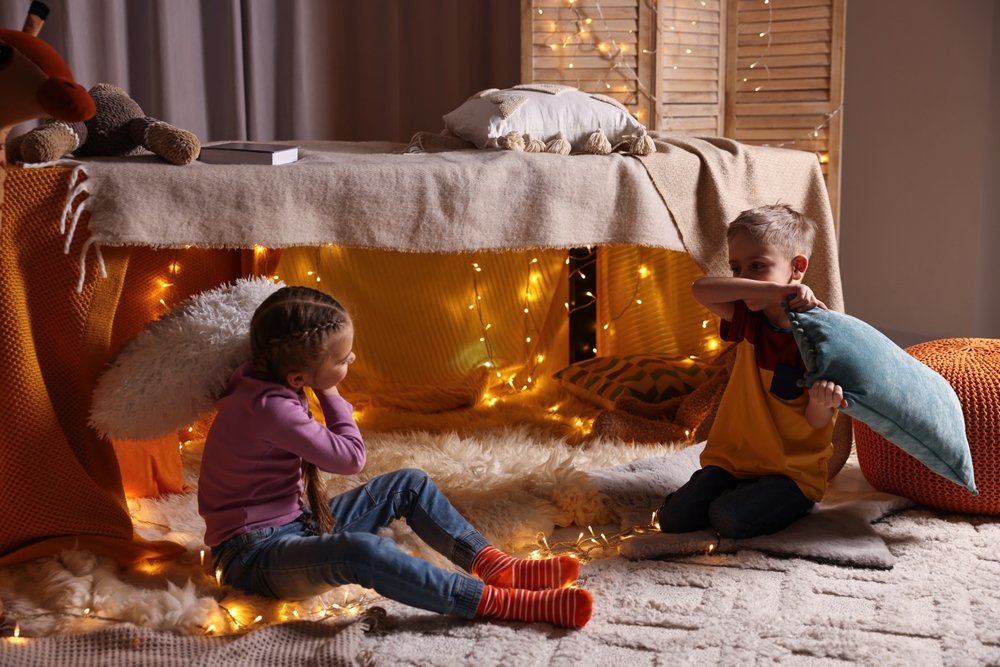
Forts were a universal ’70s hobby. Kids built them out of blankets, cardboard boxes, scrap wood, or anything else they could drag into the yard. These forts became clubhouses, hideouts, and imaginary worlds that shifted with the day’s storyline.

Helicopter parenting didn’t eliminate fort-building entirely, but it did limit the materials and freedom kids once had. Many parents prefer safer, pre-made play structures, and fewer kids have access to the kind of open spaces that once inspired these creations.

A great way to revive this hobby is to set aside a “fort day” with safe materials and let kids take the lead. The creativity that emerges is always worth it.

These Are 8 Once-Normal ’70s Kids Hobbies That Helicopter Parenting Quietly Killed
Image Source: Shutterstock.com

6. Roller Skating Everywhere Without Protective Gear

Roller skating was a huge part of ’70s kid culture. Sidewalks, driveways, and neighborhood streets became makeshift rinks, and kids skated for hours without helmets, wrist guards, or knee pads. It wasn’t reckless — it was simply the norm at the time.

Today, safety gear is standard, and many parents prefer supervised skating areas over neighborhood streets. While the shift toward safety is undeniably positive, it also means the spontaneous, everyday skating sessions of the past are less common.

7. Inventing Games With Zero Adult Input

One of the most underrated ’70s hobbies was inventing games on the spot. Kids created rules, changed them mid-game, and adapted to whatever space or materials they had. These games were endlessly creative and required no equipment beyond imagination.

Today’s kids often have access to more toys, more screens, and more structured activities, which leaves less room for spontaneous invention. Helicopter parenting also means adults are more involved in shaping how kids play, even unintentionally.

8. The Lost Art of Hanging Out With No Plan

In the ’70s, “hanging out” was a legitimate hobby. Kids lounged on porches, sat on curbs, or sprawled in the grass talking about nothing in particular. It was slow, simple, and surprisingly important for social development.

Today, kids’ schedules are often packed with activities, and downtime is frequently filled with screens. The casual, unplanned hangout has become rare, replaced by structured playdates or digital communication.

If you want to bring this back, build in screen-free downtime and let kids decide how to use it. Sometimes the best memories come from doing absolutely nothing.

Why These Lost Hobbies Still Matter

These once-normal ’70s hobbies didn’t vanish because kids stopped enjoying them. They faded as parenting culture shifted toward caution, structure, and constant supervision. But the spirit behind them — independence, creativity, and unstructured fun — is still worth preserving.

Reintroducing even a few of these activities can help kids build confidence, imagination, and resilience. And who knows? You might even rediscover a little of your own childhood in the process.

Which ’70s hobby would you bring back for today’s kids? Share your parenting plans in the comments section for others to hear.

You May Also Like…

7 Parenting Expenses That Quietly Drain Budgets After the Holidays

7 Old-School Parenting Habits That Still Save Families Money

8 Parenting Rules That Were Invented by Social Media—Not Experts

9 Traditional Family Routines That Help Kids Feel Secure

7 Boomer-Era Family Traditions That Lower Household Stress

Brandon Marcus
Brandon Marcus
Brandon Marcus is a writer who has been sharing the written word since a very young age. His interests include sports, history, pop culture, and so much more. When he isn’t writing, he spends his time jogging, drinking coffee, or attempting to read a long book he may never complete.

Filed Under: Parenting Tagged With: 1970s childhood, childhood freedom, family life, generational differences, helicopter parenting, kids hobbies, Nostalgia, Outdoor Play, parenting culture, parenting trends, retro activities

6 Emotional Triggers Hiding in Classic Children’s Books

October 16, 2025 | Leave a Comment

6 Emotional Triggers Hiding in Classic Children's Books
Image source: shutterstock.com

Many of the stories that shaped our childhoods were far more complex than they seemed. Beneath the comforting illustrations and simple morals, classic children’s books often contain emotional triggers that linger long after the final page. These stories shaped how generations of children understood love, loss, fear, and self-worth—sometimes in ways that weren’t fully recognized until adulthood. Exploring these hidden messages helps parents and readers alike better understand why some tales still evoke strong feelings decades later. Here are six powerful examples of how emotional triggers are quietly woven into the world’s most beloved children’s classics.

1. The Fear of Abandonment in The Velveteen Rabbit

One of the most striking emotional triggers in The Velveteen Rabbit comes from its depiction of loneliness and the longing to be loved. The story follows a toy rabbit’s desire to become “real,” a metaphor for a child’s wish to feel truly seen and accepted. When the rabbit is discarded due to illness and replaced by newer toys, it captures the painful realization of being left behind. Children unconsciously connect to this fear of abandonment, especially during moments when affection feels conditional. The story’s ultimate message of transformation through love is beautiful, but it also stirs deep feelings of insecurity and hope intertwined.

2. The Burden of Perfection in Madeline

At first glance, Madeline appears cheerful and carefree, celebrating the bravery of a spirited little girl living in Paris. Yet the emotional triggers in this story lie in the subtle pressure to be the “brave one” even in frightening circumstances. Madeline’s courage during illness and danger can send the unintended message that emotions like fear or vulnerability should be hidden. For sensitive readers, this can create internal tension between the desire to be strong and the need to feel safe expressing weakness. It’s a timeless reminder that even confidence can come with emotional costs when children feel they must always perform strength.

3. Loss and Grief in Charlotte’s Web

Perhaps one of the most powerful emotional triggers in children’s literature comes from the gentle heartbreak of Charlotte’s Web. The friendship between Wilbur and Charlotte explores themes of mortality and the inevitability of change. When Charlotte dies, young readers are often faced with their first literary experience of grief, softened by the hope of legacy and continuity. The emotional depth of this story helps children process loss but also leaves a lasting imprint of sadness tied to love and friendship. It’s no coincidence that many adults still remember exactly where they were when they first cried over Charlotte’s final words.

4. Fear of Growing Up in Peter Pan

On the surface, Peter Pan celebrates eternal youth and the magic of childhood. But beneath the adventure lies one of literature’s most haunting emotional triggers: the fear of growing up and being forgotten. Peter’s refusal to age and Wendy’s eventual decision to leave Neverland highlight the bittersweet divide between imagination and reality. For children, this conflict mirrors the anxiety of losing innocence as responsibilities emerge. For adults rereading it, the story evokes nostalgia and the realization that childhood’s simplicity can never truly be reclaimed.

5. Emotional Rejection in The Giving Tree

The Giving Tree remains one of the most debated stories because of its emotional complexity. It presents unconditional love through the tree’s endless sacrifices, but for many, it also reveals the pain of one-sided relationships. The emotional triggers here lie in the imbalance between giving and receiving—something readers internalize as either selflessness or loss of identity. As the boy grows older and continues to take without gratitude, readers confront feelings of guilt, dependence, and emotional exhaustion. The book’s ending leaves adults questioning whether love should always mean giving everything, even to the point of self-destruction.

6. Isolation and Acceptance in Where the Wild Things Are

Max’s journey to the land of the Wild Things captures more than just imagination—it reflects the emotional triggers tied to misbehavior, isolation, and reconciliation. After being sent to his room, Max’s fantasy world allows him to process anger and defiance in a safe space. Yet when he returns home to find his supper waiting, the story touches on the unconditional love that forgives mistakes. For children, it’s both comforting and unsettling to realize that anger doesn’t erase belonging. For parents, it’s a tender reminder of how children test boundaries to feel secure in love’s return.

Why Revisiting These Stories Still Matters

Recognizing the emotional triggers in these timeless tales doesn’t mean avoiding them—it means reading them with greater awareness. Classic children’s books often serve as a mirror for real emotions that young readers struggle to name. By revisiting them through an adult lens, parents and educators can use these stories as gentle starting points for conversations about feelings, empathy, and resilience. These books endure not only because they entertain but because they give children safe ways to explore life’s hardest truths. Understanding the emotions beneath the pages makes those lessons even more powerful across generations.

Which of these emotional triggers do you remember feeling as a child—or noticing now as a parent? Share your reflections in the comments below!

What to Read Next…

9 Children’s Books That Quietly Reinforce Harmful Stereotypes

12 Magical Books Every Child Should Read

6 Books Every Parent Should Read About Raising Children

These 5 Books Will Help You With Effective Communication With Your Kids

Top 10 Financial Literacy Books for Kids to Teach Money Skills Early

Catherine Reed
Catherine Reed

Catherine is a tech-savvy writer who has focused on the personal finance space for more than eight years. She has a Bachelor’s in Information Technology and enjoys showcasing how tech can simplify everyday personal finance tasks like budgeting, spending tracking, and planning for the future. Additionally, she’s explored the ins and outs of the world of side hustles and loves to share what she’s learned along the way. When she’s not working, you can find her relaxing at home in the Pacific Northwest with her two cats or enjoying a cup of coffee at her neighborhood cafe.

Filed Under: Parenting Tagged With: childhood development, children’s literature, classic books, emotional awareness, family reading, Nostalgia, Parenting

8 Kids’ Birthday Traditions That Are Quietly Fading Away

October 16, 2025 | Leave a Comment

8 Kids’ Birthday Traditions That Are Quietly Fading Away
Image source: shutterstock.com

Birthday parties used to be simpler—homemade cakes, neighborhood friends, and a few rounds of musical chairs were all it took to make a child’s day feel magical. But as times have changed, so have the ways families celebrate. Technology, rising costs, and shifting social norms have all played a role in transforming how birthdays look today. Some beloved kids’ birthday traditions are slowly disappearing, replaced by digital trends or minimalist celebrations. Here are eight classic customs that are quietly fading from childhood memories.

1. Handwritten Invitations and Thank-You Notes

Once a staple of every celebration, handwritten invitations and thank-you cards were thoughtful gestures that made each party feel personal. Today, e-vites and text messages have replaced those stationery moments. Many parents find it easier to create a group chat or use social media event pages rather than mailing invitations. While convenient, this shift removes a valuable lesson in gratitude and effort that writing by hand once offered. Kids now miss out on the small joy of sending and receiving physical notes that felt like keepsakes.

2. Homemade Birthday Cakes

There was a time when parents proudly baked and decorated cakes at home, often staying up late to perfect the frosting. Now, store-bought or custom-ordered cakes dominate the table, often featuring licensed characters and elaborate designs. The convenience of bakeries and online ordering has made the homemade touch less common. While these professional creations are impressive, they can also make birthdays feel more commercial and less intimate. The tradition of baking together as a family—complete with messy counters and shared laughter—has become rare.

3. Classic Party Games

Games like Pin the Tail on the Donkey, Musical Chairs, and Duck Duck Goose once defined kids’ birthday traditions. These simple, interactive activities kept children laughing for hours with minimal setup or expense. But in many modern parties, they’ve been replaced by bounce houses, video games, or organized entertainment companies. Parents often feel pressure to “outdo” previous years, leading to less spontaneity. What’s lost is the charm of imagination and connection those old-fashioned games encouraged.

4. Opening Gifts in Front of Guests

Not long ago, it was common for the birthday child to sit in a circle and open gifts while friends watched with excitement. Today, many parents avoid this tradition to prevent comparisons or awkwardness among guests. Gifts are often opened later in private, sometimes after the party ends. While this shift reduces potential embarrassment or hurt feelings, it also removes an opportunity for gratitude and shared joy. The moment of surprise and laughter around each unwrapped gift has quietly faded away.

5. Party Bags Filled with Trinkets

Every guest once left with a small party bag filled with candy, stickers, and plastic toys—a token of appreciation for attending. However, these goody bags have become less common as parents grow more conscious of waste and clutter. The move toward eco-friendly or minimalist lifestyles means fewer disposable party favors. Some families now replace them with one shared activity or small books as gifts. It’s a practical change, but for many, it marks the end of a nostalgic kids’ birthday tradition.

6. Neighborhood and Backyard Parties

Before the rise of event venues and themed play centers, most celebrations happened in backyards or living rooms. Parents organized games, grilled food, and invited local friends—no reservations or entertainment packages required. But as families’ lives became busier and spaces smaller, many turned to rented venues for convenience. While these locations simplify logistics, they can’t always replicate the warmth of homegrown community gatherings. The sound of kids running across the lawn or chasing bubbles is becoming increasingly rare.

7. Blowing Out Candles Together

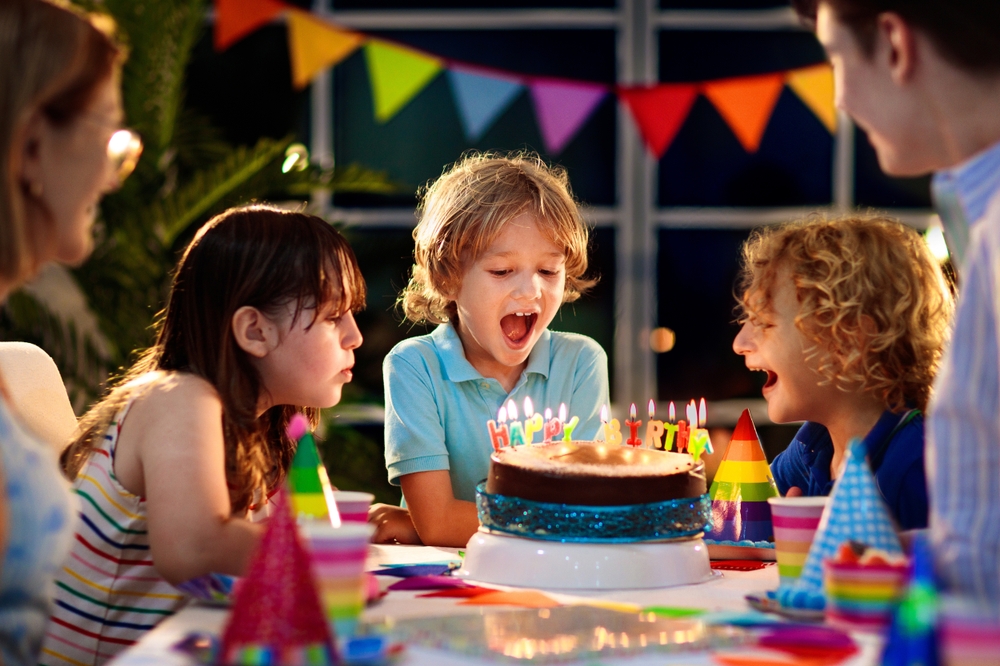
Few kids’ birthday traditions were more iconic than making a wish and blowing out candles as everyone sang along. But concerns about hygiene—especially since the pandemic—have made this moment less common. Many parents now opt for individual cupcakes or skip the blow altogether. While understandable, the shift has made a once-universal ritual feel outdated. The image of a glowing cake surrounded by excited friends has quietly dimmed.

8. Birthday Photo Albums

Long before smartphones, parents carefully filled photo albums with prints from disposable cameras or Polaroids. Each page told a story—from the cake smash to the group shot of friends. Today, birthdays live in the cloud, often disappearing into endless phone galleries or fleeting social media stories. While digital photos are more convenient, they rarely carry the same sentimental value. The physical album, once a cherished keepsake, has become a relic of the past.

Why Some Traditions Should Make a Comeback

Though change is inevitable, not all progress means improvement. Some of these fading kids’ birthday traditions fostered gratitude, creativity, and connection—values that technology and convenience sometimes overlook. Reintroducing even one or two of these customs can help children appreciate the simple joy of celebrating with loved ones. It’s not about rejecting modern trends but finding balance between nostalgia and practicality. Maybe the next time a birthday rolls around, it’s worth bringing back a handwritten invitation or homemade cake just to see the smiles it creates.

Which of these kids’ birthday traditions do you miss the most—or still keep alive in your family? Share your memories in the comments below!

What to Read Next…

7 Birthday Party Expectations That Have Gotten Out of Control

9 Common First Birthday Gifts That Parents Secretly Return

6 Birthday Party Expense Hacks Exposed: Slash Costs With These Unexpected Secrets!

8 Options Every Child Should Have For Their Birthday Activities

5 Over-the-Top Birthday Gifts Your Kids Don’t Need But Will Love Anyway

Catherine Reed
Catherine Reed

Catherine is a tech-savvy writer who has focused on the personal finance space for more than eight years. She has a Bachelor’s in Information Technology and enjoys showcasing how tech can simplify everyday personal finance tasks like budgeting, spending tracking, and planning for the future. Additionally, she’s explored the ins and outs of the world of side hustles and loves to share what she’s learned along the way. When she’s not working, you can find her relaxing at home in the Pacific Northwest with her two cats or enjoying a cup of coffee at her neighborhood cafe.

Filed Under: holidays Tagged With: birthdays, celebrations, family life, kids’ traditions, modern parenting, Nostalgia, Parenting

“It’s Not a Phase, Mom!” – 10 Teen Trends We Secretly Miss

June 19, 2025 | Leave a Comment

Its Not a Phase Mom 10 Teen Trends We Secretly Miss
123rf.com

We rolled our eyes at the time, swore we’d never dress that way again, and insisted we were totally over it—but deep down, there’s a soft spot in our hearts for those unforgettable teenage trends. Whether it was the fashion, the music, or the slang, those moments helped shape who we were and how we connected with friends. Now, watching our own kids go through their “phases,” we can’t help but feel a little nostalgic. Because let’s be honest—some of those cringeworthy trends were actually pretty fun. So here’s a look back at ten teen trends we secretly miss, even if we’ll never admit it out loud at the dinner table.

1. Dressing in Head-to-Toe Black

Ah, the moody teenager uniform. Black jeans, black eyeliner, black nail polish—and maybe a chain wallet for extra drama. It was less about fashion and more about identity. Dressing in all black made us feel deep, mysterious, and like no one else could possibly understand our complex souls. Secretly, it was comforting to feel so sure of who we were, even if it was just for that one semester.

2. Creating the Ultimate Mixtape

Before Spotify playlists, there was the painstakingly curated mixtape. Burning CDs or recording cassettes took serious effort and meant something special. We’d agonize over the song order, write out the tracklist in glitter gel pen, and gift it like a treasure. Music was how we expressed feelings we didn’t know how to say. And honestly, getting a mixtape from a crush? Peak romance.

3. Obsessing Over That One Band

Whether it was *NSYNC, My Chemical Romance, or Nirvana, we all had that band we would have defended with our lives. Posters on every wall, lyrics scribbled in notebooks, and enough band merch to fill a drawer. That deep fandom gave us a sense of belonging. And while we moved on from the haircuts, the songs still bring back big feelings.

4. Writing Cryptic Away Messages

AIM away messages were our early version of subtweeting. “I’m fine. Don’t ask.” or “You’ll miss me when I’m gone” let everyone know we were feeling dramatic—but also kind of poetic. We didn’t know it at the time, but we were practicing self-expression in real time. And checking someone’s away message? That was basically stalking, 2004-style.

5. Plastering Lockers with Magazine Cutouts

Back when Tiger Beat and Seventeen reigned supreme, our lockers were shrines to teen idols. Justin Timberlake, Buffy, and Avril Lavigne stared back at us in pixelated glory. Every sticker and cutout told the world who we were that week. It was DIY self-branding before Instagram existed. And every time the bell rang, we got a boost from our personalized pop culture wall.

6. Matching With Your BFF (On Purpose)

Remember those “best friend” necklaces or color-coordinated outfits with your bestie? It might sound cheesy now, but at the time, it was the ultimate show of loyalty. Whether you both rocked flared jeans and butterfly clips or had matching screen names, it felt like the whole world knew you were a duo. Friendship looked a little extra—and we kind of loved it that way.

7. Spending Hours on Your “Top 8”

MySpace drama was no joke. Choosing who made it into your Top 8 was a political move that could make or break a friendship. We took our digital profiles very seriously, with custom layouts and embedded songs to show off our vibes. It sounds silly now, but curating that space taught us early lessons in social signaling and personal identity. And secretly, we still kind of wish Facebook let us rank our friends.

8. Writing in Code in Your Diary

Journaling was never just journaling. We’d write entire pages in abbreviations, song lyrics, and inside jokes no one else could possibly understand. It was therapy with glitter pens. We poured our hearts into those diaries, confident they held the secrets of our teenage souls. Losing one felt like the end of the world—because it kind of was.

9. Layering Every Accessory at Once

More was more. Bracelets up to our elbows, chokers, belts we didn’t need, and sparkly barrettes we wore all at once. It was chaotic, expressive, and gloriously over-the-top. We weren’t trying to look cool—we were trying to look like ourselves. And looking back, that confidence in going all-in was kind of admirable.

10. Living for Friday Night at the Mall

Before cell phones tracked our every move, the mall was our weekend haven. We didn’t even need to buy anything—we just wandered, people-watched, and grabbed pretzels with our crew. It was our version of freedom, a mini social universe where we made memories. And even now, passing by a Claire’s or an old photo booth brings back that buzz.

The Nostalgia We Didn’t Know We Needed

Trends may come and go, but the emotions behind them stick with us. These teen trends we secretly miss weren’t just quirky phases—they were milestones in figuring out who we were. They helped us explore identity, friendship, and self-expression in messy, creative, and heartfelt ways. And while we might roll our eyes at what today’s teens are into, deep down we remember what it felt like to be in their shoes.

Which teen trend from your past do you secretly miss the most? Share your nostalgic favorites in the comments!

Read More:

Yes, I Love My Kids—But I Miss Who I Was Before I Became a Parent

9 Warning Signs Parents Often Miss Until It’s Too Late

Catherine Reed
Catherine Reed

Catherine is a tech-savvy writer who has focused on the personal finance space for more than eight years. She has a Bachelor’s in Information Technology and enjoys showcasing how tech can simplify everyday personal finance tasks like budgeting, spending tracking, and planning for the future. Additionally, she’s explored the ins and outs of the world of side hustles and loves to share what she’s learned along the way. When she’s not working, you can find her relaxing at home in the Pacific Northwest with her two cats or enjoying a cup of coffee at her neighborhood cafe.

Filed Under: Lifestyle Tagged With: 2000s culture, childhood memories, growing up, Nostalgia, parenting humor, parenting teens, pop culture, teen fashion, teen trends, tween years

10 Cool Toys in the 60’s

June 10, 2024 | Leave a Comment

10 Cool Toys in the 60's

The 1960s was a transformative decade, marked by cultural revolutions and technological advancements that shaped modern society. Among the most influential trends were the toys that captured children’s imaginations everywhere. These toys weren’t just playthings but symbols of innovation and creativity. Exploring the cool toys from the 60s provides a nostalgic glimpse into an era that continues to influence today’s toy industry.

1. Twister

Twister, launched by Milton Bradley in 1966, quickly became a party game sensation. It involved players placing their hands and feet on colored circles, creating a fun and often hilarious tangle of limbs. The game promoted physical activity and social interaction, making it a hit at gatherings. Twister’s enduring popularity lies in its simplicity and the endless laughter it generates.

2. G.I. Joe

G.I. Joe, launched in 1964, was more than just a doll; it was the first action figure. This toy represented bravery and adventure, quickly becoming a favorite among boys. Its interchangeable uniforms and accessories provided endless scenarios for imaginative play. G.I. Joe’s legacy continues as it evolves with new generations.

3. Mouse Trap

Introduced by Ideal Toy Company in 1963, Mouse Trap was one of the first mass-market, three-dimensional board games. The game involved building a complex Rube Goldberg-style contraption to catch a mouse, providing a unique blend of strategy and engineering. Children enjoyed the hands-on aspect of constructing the elaborate trap and the suspense of seeing if it would work. Mouse Trap’s innovative design and interactive gameplay made it a beloved classic that continues entertaining families.

4. Hot Wheels

Hot Wheels

Mattel launched Hot Wheels in 1968, revolutionizing the toy car market. These die-cast cars and customizable tracks provided endless hours of racing excitement. The attention to detail and vibrant designs made Hot Wheels a favorite among young car enthusiasts. Today, Hot Wheels remain a staple in toy collections worldwide.

5. Easy-Bake Oven

Introduced by Kenner in 1963, the Easy-Bake Oven allowed children to bake mini cakes using a light bulb for heat. This innovative toy encouraged kids to explore the world of cooking safely. It was not only fun but also educational, teaching basic baking skills. The Easy-Bake Oven’s enduring popularity showcases its timeless appeal.

6. Rock ‘Em Sock ‘Em Robots

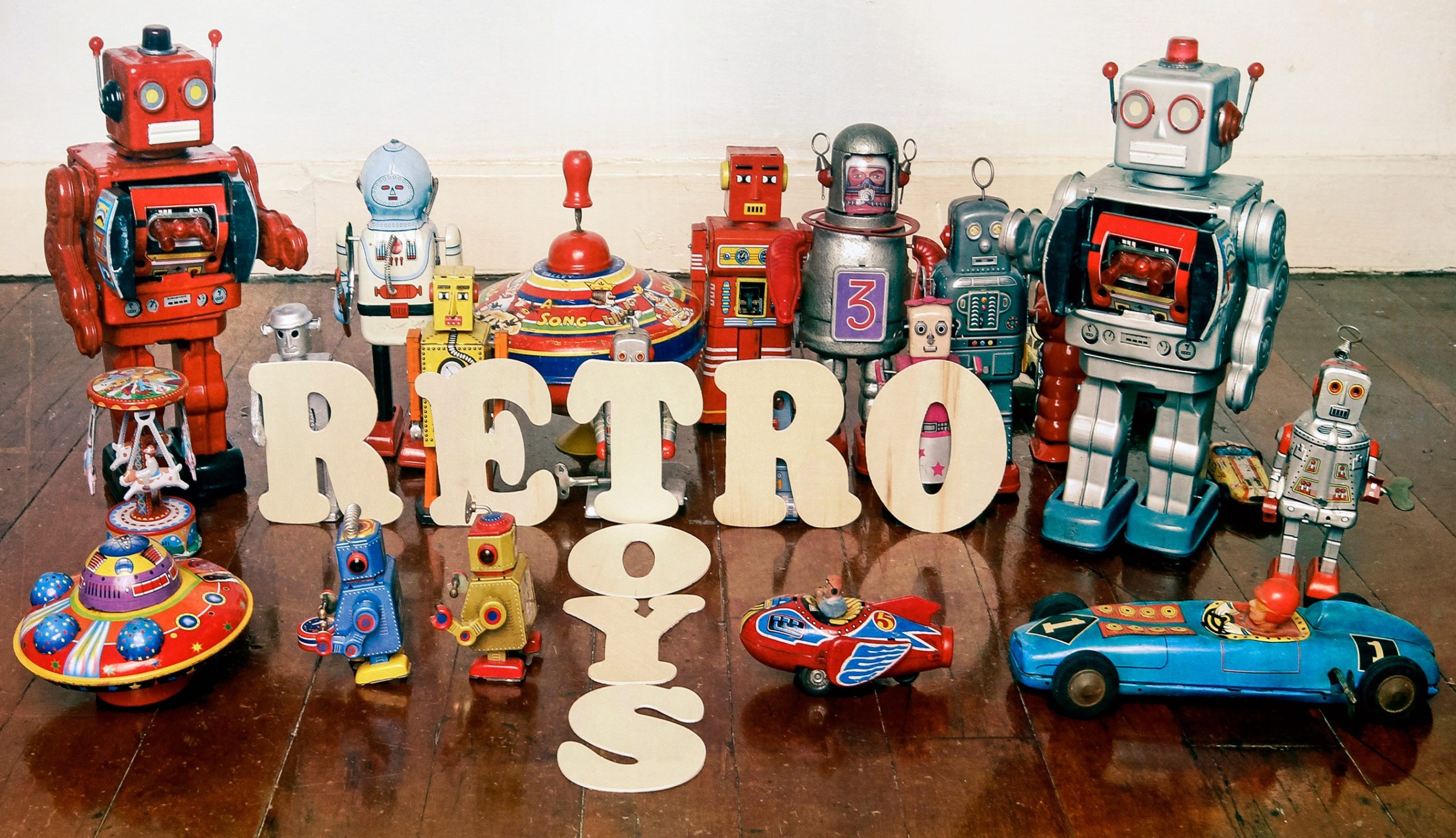
Released by Marx in 1964, Rock ‘Em Sock ‘Em Robots featured two battling robots in a boxing ring. Players controlled the robots’ punches, aiming to knock the opponent’s head off. This toy was a hit due to its interactive and competitive nature. It remains a nostalgic favorite, symbolizing the fun of classic mechanical toys.

7. Operation

Operation, released by Milton Bradley in 1965, offered children a fun and challenging game of skill and precision. Players used tweezers to remove various ailments, like the “funny bone” and “wishbone,” from the patient without touching the edges and setting off the buzzer. The game required steady hands and concentration, making it both entertaining and educational. Operation remains a popular game known for its unique blend of humor and hand-eye coordination challenges.

8. Spirograph

Spirograph

The Spirograph, introduced in 1965, combined art and mathematics to create mesmerizing geometric patterns. This drawing toy used interlocking gears and wheels to produce intricate designs. It captivated children and adults alike, fostering a love for creative and analytical thinking. The Spirograph continues to inspire budding artists and mathematicians.

9. Lite-Brite

Launched by Hasbro in 1967, Lite-Brite allowed children to create illuminated pictures using colored pegs and a lightbox. This toy combined creativity with the magic of light, captivating young imaginations. It encouraged artistic expression and offered a unique way to create glowing art. Lite-Brite remains a cherished toy, continuing to light up playrooms.

10. Super Ball

Introduced by Wham-O in 1965, the Super Ball became an instant hit with its high-bouncing capability. Made from a synthetic rubber called Zectron, this small ball could bounce up to six times higher than a regular rubber ball. Its unpredictable bounces and durability made it a favorite among kids and even adults. The Super Ball’s simplicity and unique performance captured the playful spirit of the 60s, leaving a lasting legacy in toy history.

Appreciating These Cool Toys in the 60’s

Appreciating These Cool Toys in the 60's

The toys of the 1960s were more than just entertainment; they were a reflection of the times, capturing the spirit of innovation and creativity that defined the decade. These cool toys not only brought joy to countless children but also left a lasting impact on the toy industry. Their legacy continues to influence the design and development of modern toys, reminding us of the timeless appeal of imaginative play. As we look back, these toys offer a nostalgic journey through a pivotal era in history.

Read More:

The Top 10 Cool Toys in the 50’s

8 Best Cool Toys for Teaching Financial Literacy

Catherine Reed
Catherine Reed

Catherine is a tech-savvy writer who has focused on the personal finance space for more than eight years. She has a Bachelor’s in Information Technology and enjoys showcasing how tech can simplify everyday personal finance tasks like budgeting, spending tracking, and planning for the future. Additionally, she’s explored the ins and outs of the world of side hustles and loves to share what she’s learned along the way. When she’s not working, you can find her relaxing at home in the Pacific Northwest with her two cats or enjoying a cup of coffee at her neighborhood cafe.

Filed Under: Shopping Tagged With: 1960s, cool toys, fun, generations, Nostalgia, Play, Toys

12 Classic Items That Older Generations Wish Were Still Here

June 7, 2024 | Leave a Comment

classic items
123rf

Ever feel like some things from the past should make a comeback? Older generations often reminisce about the good ol’ days when certain items were staples of everyday life. Let’s take a nostalgic journey through 12 classic items that many wish were still around today.

1. Rotary Phones

Rotary Phones
123rf

Remember the satisfying click-click-click of a rotary phone dial? These phones were built to last and had a certain charm that modern smartphones just don’t have. The physical act of dialing a number was almost meditative. Plus, the heavy receiver had a reassuring weight to it. It was a time when phone calls felt more personal and less rushed.

2. Vinyl Records

Vinyl Records
123rf

Sure, digital music is convenient, but vinyl records offer a rich, warm sound that’s hard to replicate. There’s something magical about the crackle as the needle hits the groove. For many, collecting records was a beloved hobby, with album covers that doubled as art. The ritual of placing the record on the turntable and dropping the needle was a sensory experience. It made listening to music an event, not just background noise.

3. Handwritten Letters

Handwritten Letters
123rf

In the age of emails and instant messaging, the art of handwritten letters is almost lost. Receiving a letter in the mail was like getting a little gift; it showed someone took the time to sit down and write to you. The personal touch of someone’s handwriting added a layer of intimacy. Letters were keepsakes, often saved and cherished for years. They conveyed emotions and stories in a way that digital communication often fails to capture.

4. Polaroid Cameras

Polaroid Cameras
123rf

Instant photography is all the rage again, but Polaroid cameras were the original instant photo magic. The excitement of watching a photo develop right before your eyes was unparalleled. Each picture was unique, with its own quirks and imperfections. Unlike digital photos, Polaroids had a tangible quality that made memories feel more real. They were great for capturing spontaneous moments and creating lasting memories on the spot.

5. Typewriters

Typewriters
123rf

There’s a certain romance associated with typewriters. The clacking of keys and the ding of the carriage return were music to the ears of many writers. Typing on a typewriter required a deliberate effort, making the writing process more intentional. Each page produced felt like a small accomplishment. Plus, typewriters had a distinct, timeless aesthetic that computers simply lacked.

6. Drive-In Theaters

Drive-In Theaters
123rf

Who wouldn’t love to bring back the charm of drive-in theaters? Watching a movie from the comfort of your car under the stars was a unique experience. It was a social event where people gathered with friends and family for a night out. The atmosphere was laid-back, with kids playing outside while adults enjoyed the film. It made movie-watching an adventure, far removed from the standard multiplex experience.

7. Record Players

Record Players
123rf

While vinyl records are making a comeback, the classic record player is a cherished piece of equipment from the past. The act of placing a needle on a record and hearing that initial crackle brings back fond memories. Record players were often the centerpiece of living rooms, where families gathered to enjoy music together. They encouraged a deeper appreciation of albums as a whole, not just individual songs. The tactile experience of handling records added to the joy of listening.

8. Analog Clocks

Analog Clocks
123rf

In a world dominated by digital displays, there’s something comforting about the steady tick-tock of an analog clock. These clocks were often beautifully crafted pieces of art that adorned walls and mantels. Reading an analog clock requires a bit more thought, which can be a grounding experience. The rhythmic ticking provided a soothing background sound, marking the passage of time in a gentle way. They remind us of a slower, more deliberate pace of life.

9. Classic Cars

Classic Cars
123rf

Modern cars may be more efficient, but they often lack the character of classic cars. The sleek lines, chrome details, and unique designs of vintage automobiles are sorely missed. Driving a classic car was an experience, with manual transmissions and a connection to the road that’s hard to find today. These cars had personality, each with its own quirks and charms. They were not just modes of transportation but expressions of style and individuality.

10. Soda Fountains

Soda Fountains
123rf

There was a time when soda fountains were the heart of social gatherings. These charming spots served up fizzy drinks, ice cream floats, and a sense of community. The experience of sitting at a counter and watching a soda jerk mix your drink was special. It was a place where friends met, dates happened, and memories were made. The atmosphere was friendly and inviting, unlike the impersonal nature of modern fast-food joints.

11. Printed Encyclopedias

Printed Encyclopedias
123rf

Before the internet, printed encyclopedias were the go-to source for information. Having a set of encyclopedias at home was a mark of curiosity and a love for learning. These books were meticulously researched and beautifully illustrated. Flipping through the pages was a tactile and immersive experience, often leading to unexpected discoveries. They encouraged a depth of exploration that quick online searches can’t replicate.

12. Personal Diaries

Personal Diaries
123rf

In the digital age, journaling apps and blogs have largely replaced personal diaries. But there’s something irreplaceable about putting pen to paper. Diaries were private spaces for reflection, creativity, and emotional expression. They were cherished keepsakes, often looked back on years later to relive memories and see personal growth. The physical act of writing helped to process thoughts and feelings in a profound way.

A Nostalgic Longing

A Nostalgic Longing
123rf

While technological advances have brought many conveniences, there’s a certain nostalgia for these classic items that shaped lives in meaningful ways. They remind us of simpler times, where experiences were more tactile, personal, and often shared. Perhaps revisiting some of these items could bring a bit of that charm and warmth back into our modern lives. So, dust off that old record player, write a letter, or take a stroll with an analog watch—you might just find a piece of the past that enriches your present.

Read More:

12 Household Items ’70s Moms Swore by That We Can’t Imagine Using Today

18 Home Appliances Millennials Are Replacing With Smarter Gadgets

Vanessa Bermudez
Vanessa Bermudez
Vanessa Bermudez is a content writer with over eight years of experience crafting compelling content across a diverse range of niches. Throughout her career, she has tackled an array of subjects, from technology and finance to entertainment and lifestyle. In her spare time, she enjoys spending time with her husband and two kids. She’s also a proud fur mom to four gentle giant dogs.

Filed Under: Lifestyle Tagged With: Classic Items, Nostalgia, Old-School Cool, Retro Vibes, Vintage Treasures

Valentine’s Day Nostalgia

February 4, 2011 | Leave a Comment

Valentine's Dy
Photo on Mysie.com

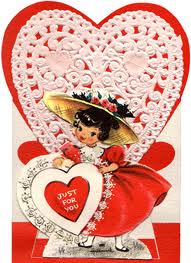
I am so excited about Valentine’s Day! My husband and I usually do a date night –  sushi, typically – and while that’s always fun, and I really enjoy getting some alone time with my hubby; I’m looking forward to Valentine’s Day for a different reason this year.

At first, I couldn’t really figure out why I’m so jazzed about Valentine’s Day this year. I’m not crazy about hearts, I prefer jelly beans to chocolate, and my husband and I don’t make a big deal out of the holiday. However, I began to realize that I have really fond memories, of the Valentines parties we  had  in grade school. Since this is the boys’ first year in preschool, that means it’s the first year they get to do a Valentine’s party and card exchange.

Valentine’s Day as a kid

I keep thinking about how much I enjoyed Valentine’s Day as a kid. I have mentioned before that I am not crafty and that it was even worse when I was young. I always colored outside the lines and my drawings were hard to decipher. One time our teacher gave us each a big piece of paper and said we could make anything we wanted, I tried making a paper purse; which just ended up being a messy blob of paper, glue and tissues. The teacher later told me she meant we could draw whatever we wanted to. Ohhhhhhhhhhhhhhhhhh! Well, why didn’t she say that?

When it came to Valentine’s Day though, I really tried to do my best and make my Valentine’s mailbox the best that it could be! I was sure to put just the right amount of glitter, hearts and paper doilies on it. I also carefully wrote my name, so it would be easy for my classmates to locate.

I loved when it was time to go around placing our cards and goodies into each other’s bags. After that we would sit down and go through them. That’s when I had to see if, 1) the boy I had a crush on gave me a card and 2) analyze what the card was trying to tell me. Did he like me, like-like me, or should I just drown my sorrows in some Tang and forget about him because the card said “I don’t want to be your Valentine.” Lucky for me, there aren’t any Valentine’s cards like that (at least not in the packages that kids give out), so I always came out hopeful.

Anyway, my boys aren’t at that age yet but N. carefully selected his Spider-man Valentine’s with lollipops for his class and A. chose Scooby-Doo with pencils. They keep asking me when they can take their cards to school and have their party. I guess I’m not the only one who is excited. I’ll let you know how it goes.

Are you doing anything for Valentine’s Day? What is your favorite Valentine’s Day memory?

Brian
Brian

Brian is the founder of Kids Ain’t Cheap and is now sharing his journey through parenthood.

 
Email • Google + • Facebook • Twitter

Filed Under: Holidays Tagged With: memories, Nostalgia, school, Valentines, Valentines Day, Will you be my valentine

  • Facebook
  • Pinterest
  • RSS
  • Twitter

Basic Principles Of Good Parenting

Here some basic principles for good parenting:

  1. What You Do Matters: Your kids are watching you. So, be purposeful about what you want to accomplish.
  2. You Can’t be Too Loving: Don’t replace love with material possessions, lowered expectations or leniency.
  3. Be Involved Your Kids Life: Arrange your priorities to focus on what your kid’s needs. Be there mentally and physically.
  4. Adapt Your Parenting: Children grow quickly, so keep pace with your child’s development.
  5. Establish and Set Rules: The rules you set for children will establish the rules they set for themselves later.  Avoid harsh discipline and be consistent.
  6. Explain Your Decisions: What is obvious to you may not be evident to your child. They don’t have the experience you do.
  7. Be Respectful To Your Child: How you treat your child is how they will treat others.  Be polite, respectful and make an effort to pay attention.
Best Parenting Blogs

Most Popular

11 Ways Kids Are Outsmarting Parental Controls 1. Using Alternate Devices One common trick is simply turning to another device. If a child’s main phone or tablet is restricted, they may borrow a sibling’s, friend’s, or even a school laptop. This instantly gives them access to content outside of parental oversight. Parents often focus on one device, forgetting that others in the household can serve as loopholes. Knowing this tactic helps families tighten controls across all electronics. 2. Clearing Browsing Histories Many kids quickly learn that clearing browsing history hides evidence of restricted activity. With just a few clicks, they can erase any trace of websites visited. This makes it harder for parents to notice when rules are being broken. Parents may assume no history means no browsing, but the reality is often the opposite. Kids are outsmarting parental controls by making it seem like nothing happened at all. 3. Using Private Browsing Modes Most browsers offer “incognito” or private browsing features. Kids use this mode to access websites without leaving a record in the history. To parents checking later, everything looks clean and safe. This simple trick is often one of the first ways kids discover how to bypass restrictions. Conversations about private browsing can help close this gap. 4. Guessing or Resetting Passwords Children who are persistent may try to guess passwords to parental control apps or accounts. Others may find ways to reset them through email prompts or security questions. Once inside, they can disable restrictions entirely. Parents may not even realize controls have been altered until much later. Stronger, less predictable passwords can make this more difficult. 5. Using VPNs to Hide Activity Virtual private networks, or VPNs, let kids disguise their online locations. With one downloaded app, they can bypass geographic or parental restrictions. Some children learn about VPNs through friends or even social media. This makes it easy for them to reach content that should be blocked. Parents often underestimate just how simple it is for kids to use these tools. 6. Creating Fake Accounts When parents monitor social media, kids may create hidden accounts. These “finstas” or fake profiles allow them to interact freely without parental oversight. While their main account appears harmless, the secondary one tells a different story. Kids are outsmarting parental controls by playing both sides at once. Checking for duplicate accounts can help parents stay more aware. 7. Exploiting Time Zone Settings Some kids change the time zone on their devices to bypass screen time limits. This trick allows them to gain extra hours of usage undetected. Parents may assume controls are working, but in reality, the child is bending the clock. It’s a clever loophole that highlights just how resourceful kids can be. Monitoring device settings regularly can catch this tactic. 8. Disabling or Uninstalling Apps Parental control apps can be deleted or disabled with surprising ease. Some kids even reinstall them before a parent checks, making it seem like nothing changed. Others may simply restrict permissions to prevent apps from functioning properly. When apps aren’t monitored closely, parents may not notice they’ve been tampered with. This shows the importance of consistent follow-up. 9. Turning to Friends for Access If a child can’t get past restrictions on their own, they may rely on friends. Visiting a friend’s house or borrowing their phone can give them a free pass. Parents often forget that peer environments can override restrictions set at home. This kind of social workaround is especially common with gaming or social media. Open conversations about trust and responsibility are essential. 10. Hiding Apps in Plain Sight Kids sometimes download apps that look innocent but serve as gateways to hidden activity. These apps may disguise themselves as calculators or utilities. In reality, they allow file storage, private messaging, or browser access. Parents glancing at a home screen may overlook them entirely. Learning to recognize these disguised apps can help parents stay informed. 11. Outpacing Parents’ Tech Knowledge Finally, kids often know more about devices than their parents do. Whether through YouTube tutorials, TikTok hacks, or peer groups, they quickly learn advanced workarounds. This knowledge gap means controls can be bypassed before parents even realize the loophole exists. Staying informed and continually learning about new technology is the best defense. Kids are outsmarting parental controls because they adapt faster than most adults. The Real Solution Lies Beyond Restrictions While controls and filters are important, no system is perfect. Kids will always find creative ways around barriers, making communication the strongest safeguard. Setting clear expectations, building trust, and having ongoing conversations about online behavior matter more than apps alone. Parents who combine technology with open dialogue create a safer digital environment. The goal isn’t to win a battle of wits but to build a relationship that keeps kids both safe and honest. Do you think kids are outsmarting parental controls faster than parents can keep up? Share your experiences in the comments below. What to Read Next... 6 Parenting Tech Shortcuts That Can Expose Your Child to Strangers How Much Screen Time Is Too Much—Legally Speaking? Is Your Child’s School Quietly Tracking Their Location Without Your Consent? How Much Screen Time Is Quietly Reshaping Childhood Behavior? Why Some Parents Are Being Investigated Over Homeschooling Records

11 Ways Kids Are Outsmarting Parental Controls

Catherine Reed
Smiling grandfather holding a happy baby indoors.

Why Grandparents Shouldn’t Babysit Their Grandkids Every Week – The Unspoken Issue

Samantha
Girl getting makeup done, referencing psychologist-approved age.

Wearing Makeup: Here Is the Age That Psychologists Agree It’s Okay for Girls to Wear Makeup

Samantha
birthday gifts

7 Birthday Gifts Your Child Should Never Bring to a Party

Latrice Perez

Babysitting Without Cash: 10 Ways to Barter Your Way Out of Childcare Costs

Ashleigh Clyde

All content on Kids Ain’t Cheap is for entertainment purposes only. By reading this blog, you agree that Kids Ain’t Cheap is not responsible for any actions taken after reading this blog. For the full disclaimer, see our privacy policy.

Please note that Kids Ain’t Cheap has financial relationships with some of the merchants mentioned here. Kids Ain’t Cheap is funded by banner advertising, commission sales and search optimization consulting.

Copyright © 2006–2026 | District Media | All Rights Reserved | Privacy Policy

Copyright © 2026 Runway Pro Theme by Viva la Violette