
• Home
  • About Us
  • Toolkit
  • Archives
  • Advertise
  • Privacy Policy

Kids Ain't Cheap

But They Sure Are Worth It

  • Parenting
    • Baby Stuff
    • Books and Reading
      • Aesops Fables
      • Comic Books
    • Education
    • Family Time
    • Green Living
    • Growing Up
    • Healthy Living & Eating
    • Holidays
    • Parenting
    • Random Musings
    • Shopping
    • Stuff to Do
  • Money
  • Product Reviews
    • Books and Magazines
    • Discount Sites
    • Furniture
    • House Keeping
    • Reviews News
    • Toys and Games
  • Contact Us
  • Our Editorial Commitment
  • Search

Some Parents Are Spending Nearly $1,000 Getting One Child Back to School

September 8, 2026 | Leave a Comment

Two paper money bands labeled $1,000 on a pile of cash
From new clothes and shoes to backpacks, supplies, and electronics, getting one child ready for school can quickly become a major household expense. Some one-child families may see their total back-to-school bill approach $1,000. (Pexels).

Back-to-school shopping used to mean pencils, notebooks, a backpack, and maybe a new pair of sneakers. In 2026, however, a complete shopping trip can easily include clothing, electronics, sports equipment, lunch gear, and other expenses that push the bill toward four figures. PwC reports that U.S. families expect average back-to-school spending of $922 this year, while families in some regions expect to spend even more. For a household preparing just one child for school, that kind of budget can effectively mean spending nearly $1,000 on one student. It is a reminder that the real cost of returning to school now stretches far beyond the traditional classroom supply list.

Back-To-School Spending Is Approaching Four Figures

PwC’s 2026 consumer poll found that families expect to spend an average of $922 during the back-to-school season, and 47% expect to spend more than last year. That figure is a household average, not a universal per-child cost, so families with multiple students should not assume they will spend $922 on every child. Still, regional figures show how easily a family’s total can cross $1,000: PwC data reported by Axios puts expected spending at $1,076 in the Northeast, $960 in the West, $954 in the Midwest, and $832 in the South. For a one-child household, replacing clothes, shoes, a backpack, headphones, and perhaps a laptop can make a four-figure bill realistic. The size of the final tab depends heavily on what a child already owns and what the school actually requires.

Other Surveys Show Why The Numbers Vary

Not every 2026 survey produces a figure close to $1,000, which is important context for parents worried that they are somehow underspending. Deloitte estimates average back-to-school spending at $557 per K-12 student, while JLL puts planned spending at $489 per child, up 11.7% from its previous survey. KPMG, using another methodology and set of purchasing categories, estimates $252 per child, demonstrating how dramatically survey definitions can change the headline number. Deloitte also found that parents plan to spend 22% more on clothing and accessories but 16% less on technology this year. Taken together, the surveys suggest there is no single “correct” back-to-school budget because families, grade levels, shopping lists, and survey methodologies differ.

Kids Are Having More Influence Over The Cart

One reason back-to-school spending can creep upward is that children increasingly participate in buying decisions. PwC found that 61% of parents plan to allow their children to add products directly to online shopping carts, while nearly one-third say their children ask for name-brand or trend-driven products. A basic backpack may satisfy the school’s requirements, for example, while a child may prefer a fashionable version promoted on social media that costs considerably more. Parents can acknowledge those preferences without treating every requested upgrade as essential. Before shopping, separating the list into “required,” “replace if needed,” and “want” categories can prevent a few impulse purchases from blowing up the budget.

A $1,000 Bill Does Not Have To Be Inevitable

Parents who want to control back-to-school spending should start at home before opening a shopping app or visiting a store. Check last year’s backpack, calculator, headphones, binders, sports gear, and clothing to determine what can realistically survive another semester. Deloitte found that most shoppers are using at least one cost-saving tactic, while 31% qualify as “hyper-value seekers” who use four or more savings strategies. Another practical strategy is to purchase true necessities first and wait on uncertain items until teachers clarify what students will actually use. Saving even $15 across six purchases leaves $90 available for an unexpected fee, replacement pair of shoes, or classroom request later in the semester.

Protect The Household Budget From School-Year Pressure

A high back-to-school spending total becomes a bigger problem when families use debt they cannot comfortably repay. Before agreeing to expensive shoes, upgraded electronics, or multiple new outfits, parents can set a firm dollar limit and explain which purchases must fit inside it. Consider a family with $600 available: spending $400 on essentials first leaves $200 that can be divided among clothing upgrades, preferred brands, or later school expenses. Parents should also remember that extracurricular fees, field trips, yearbooks, uniforms, and replacement supplies may arrive after the first-day shopping is finished. Leaving some money unspent in August or September can therefore be more useful than exhausting the entire school budget before classes begin.

The Most Useful Number Is Your Own

The headline that some families are approaching $1,000 in back-to-school spending may sound alarming, but national averages should be treated as reference points rather than spending targets. A parent who reuses a laptop and backpack could spend hundreds less than someone outfitting a child who has outgrown nearly everything. The smartest budget begins with the school’s actual requirements, the items already at home, and what the household can afford without sacrificing more important bills. With several 2026 surveys showing families carefully balancing prices and priorities, shopping strategically is becoming as important as shopping early.

Has getting one child ready for school ever pushed your family close to $1,000, and which expense surprised you most? Share your experience in the comments.

What to Read Next

8 Ways Kids Can Quietly Blow the Family Budget Once School Starts

8 School Expenses That Can Hit Families After the First Day

September Is Becoming a Second Back-to-School Shopping Season

Evan Morgan

Evan Morgan has been a full-time freelance writer and editor for 10+ years. When not working, he enjoys catching the latest true crime documentary or getting lost in a good book.


Filed Under: Personal Finance Tagged With: Back To School Shopping, back-to-school spending, Family Budget, household expenses, Parenting, Saving Money, school shopping, school supplies

8 Ways Kids Can Quietly Blow the Family Budget Once School Starts

September 7, 2026 | Leave a Comment

Child in a striped shirt browsing cartoons on a tablet
School expenses do not end after back-to-school shopping. Snacks, activities, clothing, fundraisers, and other recurring costs can quietly add hundreds of dollars to the family budget. (Pexels).

Back-to-school shopping gets most of the attention, but the spending rarely stops once classes begin. In fact, the family school budget can take a bigger hit after the backpacks are packed and the first-day photos are posted. PwC’s 2026 Back-to-School Survey found parents expect another $635 per household each month in recurring school-related expenses, including fees, meals, and snacks. Those smaller expenses can be particularly troublesome because they arrive separately and may never look like a major financial decision. Knowing where the money tends to disappear can help parents set limits before September spending becomes a yearlong problem.

1. The Constant Snack And Drink Requests

A few dollars for a sports drink or after-school snack seems harmless. Repeat that purchase several times a week, however, and the family school budget starts leaking money. PwC found parents anticipate spending an average of $235 monthly on school-related meals and snacks. Parents can give older children a weekly snack allowance instead of approving purchases individually. Once that money is gone, waiting until the next week creates a practical budgeting lesson.

2. The Extracurricular Activity Snowball

Joining soccer, dance, band, or robotics can involve far more than registration fees. Uniforms, equipment, transportation, meals, competitions, and team merchandise can quickly follow. A 2026 GMA/Ipsos poll found parents expect to spend an average of $337 per child on after-school activities. KPMG also found seven in 10 parents planned to protect spending on sports despite rising household costs. Before enrolling, parents should ask for an estimated all-in seasonal cost rather than considering only the initial fee.

3. The Daily Lunch Upgrade

School lunch can become surprisingly expensive when children regularly add snacks, drinks, or extra items. Packed lunches are not automatically cheaper, either, especially when they rely heavily on individually packaged foods. One recent comparison cited an estimated $6.33 average cost for a packed lunch. Parents should compare actual cafeteria and grocery costs instead of assuming one option always saves money. Planning lunches weekly also makes the family school budget easier to predict.

4. The Clothing Requests That Never End

August shopping does not necessarily satisfy a child’s clothing wish list. New trends, changing weather, growth spurts, and seeing classmates’ outfits can quickly generate additional requests. Deloitte says 2026 parents planned to increase back-to-school clothing and accessory spending by 22%. A useful strategy is separating genuine replacements from purchases primarily driven by trends. Setting a seasonal clothing allowance can also make expectations clear before the next expensive pair of sneakers appears.

5. The School Fundraiser Parade

Cookie dough this week can become a fun run, teacher wish list, and spirit-night purchase next month. Saying no can feel uncomfortable when children believe everyone else is participating. NerdWallet reports parents expect to spend $531, on average, on broader school-community costs such as fundraising and classroom support. Parents can create one annual donation amount and choose causes together with their children. That protects the family school budget without requiring families to reject every worthwhile request.

6. The Forgotten Field Trip Fees

A $15 museum trip may be manageable, but bigger outings can require substantially more money. Admission, transportation, meals, souvenirs, and special clothing may all appear on separate notices. PwC found families expect significant recurring school expenses, including costs associated with field trips and other fees. Parents can review the school calendar early and establish a small monthly fund for upcoming activities. Saving $20 monthly is easier than unexpectedly finding $100 the night a permission slip is due.

7. The Digital Purchase Creep

Technology spending does not necessarily end when families buy a laptop or calculator. Apps, software, online subscriptions, accessories, replacement chargers, and headphones can continue throughout the year. Children may also request digital tools because classmates are using them, not because teachers require them. Parents should verify whether a purchase is required before entering payment information. Keeping recurring subscriptions on one family account also makes forgotten charges easier to spot.

8. The Pressure To Fit In

One of the hardest expenses to control has nothing to do with school requirements. Children naturally notice what friends wear, carry, buy, and do after school. NerdWallet found 43% of parents surveyed would consider debt for back-to-school purchases that help their child fit in. Parents can acknowledge social pressure while explaining the difference between affordability and availability. Protecting the family school budget sometimes means saying, “We could buy that, but we’re choosing not to.”

Small Purchases Can Become A Big School-Year Bill

Families do not need to eliminate activities, treats, or occasional splurges to stay financially responsible. The bigger goal is recognizing recurring expenses before they quietly become permanent obligations. Deloitte estimates parents planned to spend $557 per child on initial back-to-school purchases in 2026, showing how substantial the starting costs already are. Adding a separate monthly category for school-year expenses can keep the family school budget realistic long after August.

Which seemingly small school expense has surprised your family the most, and how do you control it? Share your experience in the comments.

What to Read Next

Your Kid’s Backpack May Say More About Your Budget Than You Think

7 Back-to-School Expenses Parents Forget to Budget for Until September

Back-to-School Expenses Parents Forget to Put in the Budget

Evan Morgan

Evan Morgan has been a full-time freelance writer and editor for 10+ years. When not working, he enjoys catching the latest true crime documentary or getting lost in a good book.

Filed Under: Parenting Tagged With: back-to-school costs, back-to-school spending, Family Budget, household budget, kids and money, Parenting, Saving Money, school expenses

10 Vintage Baby Names That Sound Surprisingly Modern Again

September 7, 2026 | Leave a Comment

Laughing baby girl in a yellow sweater with colorful hair clips
Vintage baby names such as Hazel, Theodore, Clara, Leo, and Ruby are finding new life with today’s parents. Recent rankings show that several classics are once again among America’s popular choices. (Pexels).

Baby-name trends have a funny way of circling back, and names once associated with grandparents are appearing on birth announcements again. In 2026, parents are increasingly discovering that vintage baby names can feel stylish rather than dated, especially when they are short, recognizable, and easy to spell. Recent birth-name rankings show several old-fashioned favorites sitting comfortably alongside newer choices. The result is a naming trend that proves something does not have to be new to sound fresh.

1. Hazel Feels Naturally Current

Hazel combines Victorian charm with the nature-inspired style modern parents love. The name ranked No. 21 among U.S. girls born in 2025, according to data reported by The Bump. Its connection to the hazel tree gives it an earthy quality without sounding unusual. Parents can also use the playful nickname Haze. Among vintage baby names, Hazel has already made the leap from old-fashioned to mainstream.

2. Theodore Has Become A Modern Favorite

Theodore proves a century-old name can compete with today’s biggest choices. It ranked No. 4 among U.S. boys born in 2025, unchanged from the previous year. The nicknames Theo and Teddy give parents two distinctly different options. That flexibility works well as a child moves from preschool into adulthood. Theodore feels traditional on paper but remarkably contemporary in everyday conversation.

3. Clara Has Rediscovered Its Shine

Clara has the polished simplicity many parents now seek. The Latin-rooted name means “clear,” “bright,” or “shining,” and ranked No. 63 for girls in 2025. That represented a 15-place rise from 2024. Clara also works nicely for families wanting something familiar without choosing a top-10 name. It is one of those vintage baby names that barely sounds vintage anymore.

4. Leo Packs History Into Three Letters

Short names have obvious practical advantages, from school forms to introductions. Leo delivers that simplicity while carrying generations of history. It ranked No. 19 for boys in 2025, rising five positions from 2024. The name is connected to the Latin word for “lion,” giving its compact sound extra strength. Leo could easily fit a toddler today or a professional decades from now.

5. Ruby Has Color And Character

Ruby feels cheerful, energetic, and surprisingly difficult to date. The gemstone-inspired name ranked No. 64 among girls in 2025. Parents drawn to vintage baby names may appreciate that Ruby is recognizable without sounding overly formal. Nicknames such as Rue can make it feel even more contemporary. Its combination of history, color, and simplicity helps explain its lasting appeal.

6. Arthur Sounds Distinguished Without Feeling Stuffy

Arthur once sounded firmly connected to history books and legendary kings. Now its traditional character can actually make it stand out among more recently invented names. Arthur ranked No. 87 among boys born in 2025, climbing 18 positions. Art and Artie provide casual nickname possibilities if the full version feels formal. Parents should also test how Arthur sounds with their surname before deciding.

7. Alice Has Quiet Staying Power

Alice has survived countless naming trends without losing its identity. In 2025, it ranked No. 65 among U.S. girls. Its two syllables make it straightforward to pronounce and pair with many middle names. Families can also choose nicknames including Allie or Ali. Alice demonstrates why some vintage baby names never truly disappear.

8. Mabel Is Moving Up Again

Mabel may be the name here most likely to surprise people. Once strongly associated with an earlier generation, it climbed 21 places to No. 201 among girls in 2025. Its meaning, “lovable,” adds warmth to an already friendly-sounding choice. Mae also works naturally as a nickname. Mabel remains uncommon enough to feel distinctive without being difficult to pronounce.

9. Vera Offers Simple Elegance

Vera has just four letters, which helps it fit today’s preference for streamlined names. The name can carry meanings connected with “faith” and “truth.” It rose 21 positions to No. 205 among girls in 2025. Parents should consider pronunciation, since Vera can be heard as either “VEER-ah” or “VAIR-ah.” That small consideration aside, Vera feels sophisticated without becoming fussy.

10. Evelyn Bridges Generations Easily

Few names illustrate the vintage revival better than Evelyn. Although generations of Americans have used it, Evelyn ranked among the 10 most popular girls’ names nationally for 2025. Nicknames like Evie can give the traditional full name a playful modern edge. Evelyn also demonstrates that “vintage” does not necessarily mean uncommon. Sometimes an old favorite simply becomes a favorite all over again.

Yesterday’s Names Can Become Tomorrow’s Favorites

The resurgence of vintage baby names shows that parents do not need to invent something new to find a distinctive choice. Hazel, Theodore, Clara, Leo, and the others balance history with sounds that fit comfortably into 2026. Before deciding, say the full name aloud, test likely nicknames, and consider how it may sound at different ages. Popularity rankings can provide useful context, but personal meaning and family fit matter more than chasing a trend.

Which vintage name deserves another comeback, and would you actually choose it for a baby? Share your pick in the comments.

What to Read Next

11 Baby Names That Feel Perfect for a September Baby

9 Baby Names That Sound Expensive Even Though Naming Your Baby Is Still Free

The Rise of “Aggressive” Baby Names Is Raising Eyebrows — Here’s What Parents Are Choosing

Evan Morgan

Evan Morgan has been a full-time freelance writer and editor for 10+ years. When not working, he enjoys catching the latest true crime documentary or getting lost in a good book.

Filed Under: Parenting Tagged With: baby name trends, baby names, classic baby names, Family, old-fashioned baby names, Parenting, popular baby names, Pregnancy, unique baby names, vintage baby names

8 School Expenses That Can Hit Families After the First Day

September 6, 2026 | Leave a Comment

Young Boy Eating Lunch
Back-to-school spending does not stop after the first day, as lunches, activities, field trips, technology, and fundraisers can add to family budgets. Planning for these later costs can help parents avoid financial surprises. (Pexels).

The first day of school may feel like the finish line for family spending, but it is often just the beginning. After backpacks, clothes, and supply lists are handled, additional school expenses can start appearing through emails, permission slips, apps, and activity forms. That matters in 2026, when NerdWallet found back-to-school shoppers expect to spend an average of $611 on initial expenses, while 51% of parents surveyed said they feel overwhelmed by financial requests from schools. Knowing which costs could arrive later gives families a chance to budget before another payment request lands.

1. School Lunches Can Become A Weekly Expense

Cafeteria meals can turn into one of the most consistent school expenses once classes begin. School Nutrition Association data for 2025-26 put typical paid lunches at $3 for elementary students, $3.20 for middle schoolers, and $3.25 for high schoolers. At $3.25 per meal, five lunches a week cost $16.25 before snacks or extras. Families should compare cafeteria prices with what they actually spend packing lunches rather than assuming homemade is automatically cheaper. Deloitte estimated the average 2026 cafeteria lunch at $3.15, while several common packed-lunch combinations cost considerably more.

2. Field Trips May Require More Than Permission

A field-trip form can arrive weeks after parents finish back-to-school shopping. Depending on the destination, families may be asked to cover admission, transportation, meals, or special activities. A $15 museum visit might be manageable, but multiple trips involving several children can quickly change the monthly budget. Parents should check the school calendar early and ask teachers whether larger trips are planned later in the semester. If paying is difficult, ask privately whether financial assistance or alternative arrangements are available.

3. Sports Can Carry A Bigger Price Tag

Joining a school team can bring school expenses well beyond the basic participation fee. Uniform pieces, shoes, equipment, travel, meals, camps, and team purchases can all appear after tryouts. A Michigan High School Athletic Association survey found the median maximum annual participation charge among schools collecting fees was $150 per student-athlete in 2024-25. Before committing, parents can ask coaches for an estimate covering the entire season rather than only the initial fee. Also ask whether used equipment, payment plans, or fee assistance are available.

4. Clubs And Activities Can Add Up Quietly

Drama, robotics, music, student organizations, and other extracurriculars may carry costs that are not obvious during registration. A child might need a club shirt, instrument accessories, competition entry, transportation, or money for events. Individually, a $20 or $30 request may not seem significant, but several activities can create a surprisingly large bill. NerdWallet’s 2026 survey found 37% of parents expected their children to miss at least one school activity because of cost. Families can set an extracurricular budget and let older children help decide which activities matter most.

5. Technology Costs Do Not Always End With The Device

Even when schools provide laptops or tablets, technology-related school expenses may continue throughout the year. Students could need headphones, chargers, protective cases, software, printing supplies, or replacement accessories. Lost or damaged school-issued equipment may also lead to charges depending on the school’s policies and circumstances. Before buying replacements, parents should confirm the required specifications so they do not spend money on incompatible accessories. Labeling chargers, cases, and headphones can also reduce the chances of paying for the same item twice.

6. School Photos And Yearbooks Arrive Later

Picture day can produce another optional expense once the school year is underway. Families may encounter individual portraits, class photos, sports pictures, graduation packages, and yearbooks at different times. These purchases are easy to make emotionally, especially when parents worry about missing a childhood keepsake. Decide beforehand which memories matter enough to buy rather than automatically ordering every package offered. Setting aside even $5 or $10 monthly can make these predictable school expenses easier to handle.

7. Fundraisers And Classroom Requests Keep Coming

Fundraisers often appear throughout the year for classrooms, teams, parent organizations, and special programs. Families might be asked to buy wrapping paper, sponsor a fun run, contribute supplies, or donate directly. NerdWallet found parents surveyed in 2026 planned to spend an average of $531 on broader school-community costs such as fundraisers, classroom wish lists, and school support. Parents should remember that supporting a school does not require saying yes to every financial request. Choose a yearly giving limit and consider volunteering when another donation does not fit the budget.

8. Replacement Supplies Can Sneak Into The Budget

The pencils and notebooks purchased in August may not survive until spring. Children lose water bottles, outgrow clothing, break headphones, and use up classroom supplies, creating school expenses throughout the year. A former teacher interviewed by Business Insider in 2026 recommended reusing items such as calculators and headphones when they remain serviceable instead of automatically replacing them. Families can keep a small supply reserve at home and buy basics during clearance sales. Reusing backpacks, binders, calculators, and other durable items can also reduce repeat spending.

The First-Day Budget Should Last All Year

The smartest school budget accounts for what happens after the first bell rings. Meals, activities, trips, technology, photos, fundraisers, and replacement supplies can turn small requests into meaningful annual school expenses. Keep a dedicated school category in the household budget and review upcoming calendars before each month begins. When a fee is difficult to manage, ask the school about waivers, assistance, borrowing options, or lower-cost alternatives before assuming your child must miss out.

Which unexpected school expense has surprised your family the most, and how do you handle it? Share your experience in the comments.

What to Read Next

Your Teen Works 15 Hours a Week: What Expenses Should Become Their Responsibility?

Back-to-School Expenses Parents Forget to Put in the Budget

9 Back-to-School Expenses Parents May Be Able to Get Covered

Evan Morgan

Evan Morgan has been a full-time freelance writer and editor for 10+ years. When not working, he enjoys catching the latest true crime documentary or getting lost in a good book.

Filed Under: Parenting Tagged With: back-to-school costs, education costs, Family Budget, Parenting, Saving Money, school expenses, school fees, student activities

September Is Becoming a Second Back-to-School Shopping Season

September 6, 2026 | Leave a Comment

Back to school written in white chalk on a blackboard
For many families, back-to-school spending does not end when classes begin. September brings another round of purchases as students discover the supplies, clothing and extras they actually need. (Pexels).

Back-to-school shopping used to feel like a July-and-August sprint, but for many families, the spending does not stop when the first bell rings. Once students actually enter classrooms, parents can discover that the original supply list was only a starting point, with teachers requesting additional materials, clothing needs becoming clearer and extracurricular expenses arriving. That is helping turn September back-to-school shopping into what feels like a second purchasing season. In 2026, families are also being more deliberate about when they buy because household budgets remain under pressure. Instead of purchasing everything before school begins, many parents are waiting to see what their children genuinely need.

Families Are Buying Closer To The First Day

The timing of back-to-school purchases has shifted noticeably in 2026. Deloitte found that only 48% of planned K-12 back-to-school spending was expected to occur by the end of July, down from 61% in 2025, while another 31% was expected in early August. The National Retail Federation also reported that 47% of shoppers planned to buy only essentials for the start of school and replenish supplies as necessary during the year. That behavior creates a natural opening for September back-to-school shopping once families know which notebooks, clothes, electronics or classroom items are truly necessary. For budget-conscious parents, postponing uncertain purchases can prevent money from being wasted on items that never leave the backpack.

The Real School List Often Appears After Classes Begin

A supply list downloaded in July cannot always predict what an individual teacher will request once classes are underway. A middle school student might discover that one teacher requires a specific binder, another wants headphones and an extracurricular activity calls for separate clothing or equipment. Credit Karma’s 2026 research found that 52% of parents spent more than $250 on additional school-related requests or expenses after school had begun during the previous school year. That helps explain why September back-to-school shopping can feel less optional than parents initially expected. Families can prepare by reserving part of their school budget instead of spending every available dollar before the first day.

Higher Prices Are Encouraging More Selective Shopping

Economic pressure is another reason families are stretching purchases over a longer period. Deloitte estimates 2026 K-12 spending at roughly $30.4 billion, or $557 per student among surveyed parents, while inflation-adjusted planned spending fell 6% from the previous year. Its research also found that 71% of parents would switch brands when their preferred option was too expensive and 60% planned to shop at more affordable retailers. NerdWallet similarly found that 62% of back-to-school shoppers planned to seek sales in 2026, compared with 52% in 2025. Waiting until September can therefore be a budgeting strategy rather than evidence that a family simply forgot something.

September Purchases Can Quickly Become A Debt Problem

The danger is treating September back-to-school shopping as a second opportunity to splurge rather than an extension of the original budget. Credit Karma found that 57% of surveyed parents entered the 2026 back-to-school season carrying credit card debt, while 45% planned to take on debt to cover school shopping. Social pressure can make matters worse, particularly when children request trendy clothes, shoes or accessories after seeing what classmates are wearing. Parents can reduce that pressure by separating required purchases from wants and setting a firm dollar amount for September expenses. A $40 classroom requirement deserves different consideration from a $150 pair of sneakers requested mainly because friends have them.

A September Shopping Fund Can Prevent Surprises

One practical approach is to deliberately hold back 10% to 20% of the family’s planned school-shopping budget until classes have been underway for several weeks. A family budgeting $600, for example, could reserve $60 to $120 for unexpected supplies, replacement clothing, club fees or other legitimate needs. Before buying, parents should also check what is already at home, compare prices and ask whether an item is required immediately. KPMG reported that nearly 80% of parents expecting increased back-to-school spending in 2026 attributed it to higher prices for the same essentials and technology rather than simply purchasing more products. A dedicated reserve makes September back-to-school shopping easier to absorb without automatically reaching for a credit card.

The School Shopping Season No Longer Ends In August

For many households, the smarter way to view back-to-school spending is as a process rather than one enormous shopping trip. September back-to-school shopping gives families an opportunity to fill genuine gaps after students have tested their clothes, supplies and technology in real classrooms. Waiting can also help parents distinguish necessities from products that merely looked important during the excitement of preseason shopping. The key is planning for the second wave before it arrives so additional purchases do not undermine groceries, bills, emergency savings or other household priorities.

Has your family found that the real back-to-school shopping begins after classes start, and what unexpected expense surprised you most this year? Share your experience in the comments.

What to Read Next

Why “Back to School” Shopping Feels Like a Mortgage Payment Now

5 Ideas For Back To School Photos

5 Smart Ways to Save on Back to School Supplies

Evan Morgan

Evan Morgan has been a full-time freelance writer and editor for 10+ years. When not working, he enjoys catching the latest true crime documentary or getting lost in a good book.

Filed Under: Parenting Tagged With: Back To School Shopping, back-to-school costs, Family Budget, Parenting, personal finance, Saving Money, school expenses, school supplies, September shopping

Your Kid’s Backpack May Say More About Your Budget Than You Think

September 5, 2026 | Leave a Comment

Young Girl Wearing Backpack
A child choosing a backpack can put durability, trends, peer pressure, and the family budget into one purchasing decision. Setting a spending limit before shopping can help parents balance wants with practical needs. (Pexels).

A backpack may look like just another school supply, but the one hanging from your child’s shoulders can reveal plenty about how your family approaches money. From a $25 basic bag to a trendy $100-plus brand-name option, parents are balancing durability, social pressure, personal style, and household finances. That balancing act matters in 2026, when families are still watching everyday expenses while trying to give their children a confident start at school. Your back-to-school budget can quickly get tested when a practical purchase becomes something your child sees as part of their identity. Understanding what is driving the choice can help parents spend more intentionally without making kids feel embarrassed about money.

The Backpack Has Become More Than A School Supply

For many children, backpacks function as accessories as much as tools for carrying books, laptops, and lunch. A 2026 PwC survey found that children’s preferences influence 58% of parents’ back-to-school purchasing decisions, while 61% of parents plan to let their children add products directly to online shopping carts. That means a child asking for a particular backpack may have encountered it through classmates, social media, influencers, or online shopping before mentioning it at home. Parents can consequently find themselves choosing between a functional bag and one carrying a brand name their child believes matters socially. The challenge is recognizing that those feelings can be genuine without allowing them to dictate the entire back-to-school budget.

Families Are Already Spending Hundreds Per Child

Back-to-school shopping represents a meaningful expense even before backpacks enter the conversation. Deloitte’s 2026 survey found that K-12 parents expect to spend an average of $557 per child, with total spending estimated at $30.4 billion. NerdWallet, using a different survey and definition of back-to-school shoppers, found an estimated average spend of $611, illustrating how totals can vary depending on which families and expenses are counted. For a household with three school-age children, even Deloitte’s figure would translate to more than $1,600 if spending followed the survey average. A $90 backpack may therefore seem manageable by itself but feel very different once shoes, clothes, notebooks, activity fees, and other necessities hit the same back-to-school budget.

A Higher Price Does Not Automatically Mean Overspending

Buying an expensive backpack is not necessarily a sign that a family is careless with money. A parent might spend $80 on a sturdy bag expecting it to last three school years rather than buying a $30 replacement every August. Consumer Reports recommends considering construction, comfort, size, wide padded shoulder straps, and useful safety features when selecting a school backpack, rather than judging one solely by appearance. In that situation, paying more upfront could make financial sense if the backpack genuinely holds up to daily use. The important distinction is whether you are paying for useful quality and durability or simply paying a premium because a particular logo is popular this semester.

Social Pressure Can Quietly Stretch The Budget

Parents are not imagining the pressure surrounding trendy school gear. A 2026 K12 survey of more than 1,000 American parents reported that trends are moving quickly and that social media exposure is influencing what children want for school. That can create a difficult moment when your child insists that “everyone has one” while you are trying to keep the back-to-school budget intact. Instead of immediately saying yes or dismissing the request, ask what specifically makes that backpack important and compare it with less expensive alternatives together. Giving children a voice while maintaining a firm spending limit teaches them that preferences matter, but every preference has to coexist with financial reality.

Set A Backpack Budget Before You Shop

One of the easiest ways to avoid an emotional purchase is to decide what you can afford before entering a store or opening a shopping app. For example, tell your child that the family will contribute up to $50 toward a backpack, then let them compare options within that amount. If an older child wants an $85 version, you might discuss whether they can use birthday money or earnings to cover the $35 difference, assuming that approach fits your family’s rules. This turns shopping into a practical lesson about trade-offs instead of a confrontation over what the household can or cannot afford. It also protects your back-to-school budget from the gradual “just one more thing” spending that can make an ordinary shopping trip unexpectedly expensive.

Let The Backpack Start A Bigger Money Conversation

Your child’s backpack does not prove whether your family is wealthy, struggling, frugal, or extravagant, and parents should be cautious about judging other households based on brands alone. What it can do is open a surprisingly useful conversation about needs, wants, quality, peer pressure, and the limits of a back-to-school budget. Parents do not have to disclose every detail of household finances to explain that money spent in one category leaves less available somewhere else. Helping children understand that trade-off may be more valuable than either automatically buying the trendy bag or rejecting it without discussion.

When your child asks for an expensive backpack, do you see an unnecessary splurge, a worthwhile investment, or an opportunity to teach them about money? Share your approach in the comments.

What to Read Next

7 Things Parents Should Stop Buying New Every School Year

Are ;Leash Backpacks for Toddlers a Safety Necessity or Overkill?

Why “Back to School” Shopping Feels Like a Mortgage Payment Now

Evan Morgan

Evan Morgan has been a full-time freelance writer and editor for 10+ years. When not working, he enjoys catching the latest true crime documentary or getting lost in a good book.

Filed Under: Parenting Tagged With: Back To School Shopping, back-to-school budget, backpacks, budgeting, family finances, kids and money, Parenting, Saving Money, school shopping

11 Baby Names That Feel Perfect for a September Baby

September 5, 2026 | Leave a Comment

Happy baby girl in pink pajamas lying on a white bed
September offers baby-name inspiration from its blue sapphire birthstone, aster and morning glory flowers, and the transition into fall. Names such as Sapphire, Aster, Autumn, Rowan, and Sage turn those seasonal details into meaningful choices. (Pexels).

September has a special kind of charm: summer is winding down, fall is approaching, and the month brings its own colors, flowers, and traditions. For parents expecting a September arrival, those seasonal details can provide plenty of naming inspiration. The best September baby names do not have to scream “autumn” to feel connected to the month. Some draw inspiration from September’s sapphire birthstone, its birth flowers, or the changing season itself. Here are 11 September baby names worth adding to your shortlist.

1. Sapphire

Sapphire makes a bold choice for parents who want an unmistakable September connection. The Gemological Institute of America identifies sapphire as September’s traditional birthstone. Although blue is its most familiar color, sapphires naturally occur in several colors. The gemstone has historically been associated with sincerity, truth, faithfulness, and nobility. As September baby names go, Sapphire is distinctive without needing an elaborate backstory.

2. Aster

Aster offers a subtler way to honor a September birthday. The Old Farmer’s Almanac identifies the aster as one of September’s two birth flowers. Its name comes from the Greek word for “star,” reflecting the flower’s star-like appearance. That connection gives Aster both a botanical and celestial quality. Parents considering floral September baby names may appreciate that it feels less expected than Rose or Lily.

3. Gloria

Gloria provides a clever nod to September’s other birth flower, the morning glory. Morning glories are known for opening their trumpet-shaped blooms in the morning. The name Gloria itself comes with a long history and a familiar, traditional sound. It could work especially well for parents who like recognizable names that are not overly trendy. The September connection is meaningful without being immediately obvious.

4. Autumn

Few September baby names capture the season as directly as Autumn. In the Northern Hemisphere, astronomical fall begins with the September equinox. In 2026, that equinox occurs on September 22, making Autumn particularly fitting for babies arriving late in the month. Parents should remember that September is springtime in the Southern Hemisphere, so the seasonal association depends on geography. For many U.S. families, however, Autumn instantly evokes September’s transition into cooler days.

5. Hazel

Hazel brings to mind the warm browns and golden tones associated with early fall. It is also a familiar nature name, making it approachable for families who want something earthy without sounding unusual. Picture a September nursery decorated with leaves, wood tones, and cozy textures, and Hazel fits naturally. Unlike names tied strictly to a birthstone or flower, its seasonal connection is more atmospheric. That versatility could help it age comfortably from childhood into adulthood.

6. Rowan

Rowan is another nature-inspired option that suits September beautifully. The rowan tree produces clusters of vivid berries that add color to landscapes as the seasons change. The name has a crisp sound that works well beside both traditional and modern sibling names. It also avoids locking a child into an obviously seasonal identity. For parents searching for September baby names with an outdoorsy feel, Rowan deserves consideration.

7. Skye

Skye captures one of September’s simplest pleasures: looking upward on a clear early-fall day. Its spelling also connects it with Scotland’s Isle of Skye, giving the name an established geographic association. Short names can be practical because they are generally easy to spell, say, and pair with longer surnames. Skye also works without requiring anyone to understand its September inspiration. That makes it a flexible option rather than a seasonal novelty.

8. Goldie

Goldie channels the warm golden light many people associate with September afternoons. The name feels cheerful, vintage, and playful without literally meaning “fall baby.” It could be particularly appealing to parents drawn to revived old-fashioned names. Before deciding, try saying the full first, middle, and last name aloud several times. A charming seasonal idea still needs to work comfortably in everyday life.

9. Forrest

Forrest gives parents another way to celebrate September’s connection with nature. The spelling distinguishes it from the everyday word “forest” while preserving the woodland association. It can evoke hiking trails, changing landscapes, and weekends spent outdoors as temperatures begin easing. Parents may also appreciate that it sounds established rather than invented for a particular season. Among nature-oriented September baby names, Forrest has an especially grounded quality.

10. Sterling

Sterling feels polished, cool, and strong, making it an interesting alternative to literal gemstone names. Its silvery association pairs nicely with September’s jewel-toned palette and sapphire blues. The name also has enough familiarity that most people will immediately know how to pronounce it. Parents drawn to sophisticated names might prefer Sterling over something explicitly seasonal. It offers a September mood rather than a direct September reference.

11. Sage

Sage combines a nature connection with a short, modern sound. The herb remains green into the changing season in many gardens, while its culinary associations fit naturally with fall cooking. “Sage” can also describe someone considered wise, adding another layer of meaning. Because the name is not restricted to one month, a child does not have to spend a lifetime explaining a seasonal reference. That practicality makes Sage an appealing finale to this list of September baby names.

A September Name Should Still Feel Right Years From Now

Seasonal inspiration can make choosing a baby name more personal, but it should not outweigh everyday practicality. Test your favorites with the child’s surname, initials, possible nicknames, and sibling names before deciding. Sapphire and Aster offer unmistakable September connections, while Hazel, Rowan, and Sage take a subtler approach. The strongest September baby names are ultimately the ones parents can imagine using on the first day of kindergarten, at graduation, and well into adulthood.

Which September-inspired name would you actually choose for a baby, and is there another that belongs on this list? Share your pick in the comments.

What to Read Next

9 Baby Names That Sound Expensive Even Though Naming Your Baby Is Still Free

She Gave Birth in Front of a Court Witness: DNA Still Said the Baby Wasn’t Hers

The Rise of “Aggressive” Baby Names Is Raising Eyebrows — Here’s What Parents Are Choosing

Evan Morgan

Evan Morgan has been a full-time freelance writer and editor for 10+ years. When not working, he enjoys catching the latest true crime documentary or getting lost in a good book.

Filed Under: Parenting Tagged With: autumn baby names, baby names, fall baby names, nature baby names, Newborns, Parenting, Pregnancy, September babies, September baby names, unique baby names

7 Back-to-School Expenses Parents Forget to Budget for Until September

September 4, 2026 | Leave a Comment

Parent walking a child with a colorful backpack toward a school building
Back-to-school spending does not stop once children enter the classroom. Activity fees, child care, fundraisers, field trips, and replacement supplies can create an unexpected second wave of September expenses. (Pexels).

You bought the backpack, checked off the supply list, and somehow survived the clothing and shoe shopping, so the back-to-school budget should be finished, right? Unfortunately, September has a habit of producing a second round of bills that many families never saw coming. Deloitte’s 2026 Back-to-School Survey found that parents planned to spend an average of $557 per child, yet the purchases made before the first bell do not represent every cost families encounter. Planning for overlooked back-to-school expenses can prevent a $20 fee here and a $75 payment there from quietly wrecking the monthly budget.

1. Classroom Requests That Arrive After School Starts

Teachers often cannot identify every classroom need until students are actually sitting at their desks. September may bring requests for extra notebooks, headphones, calculators, tissues, wipes, art materials, or supplies for a particular project. NerdWallet’s 2026 survey found that 51% of parents of K-12 or college students felt overwhelmed by financial requests from their children’s schools. Instead of treating every new request as an emergency purchase, consider keeping $25 to $50 per child in a separate school-expense category. Parents should also remember that optional classroom donations are different from items their child is actually required to have.

2. Clubs, Sports, And Extracurricular Activities

The soccer cleats bought in August may be only the beginning once practices and clubs get underway. Registration charges, uniforms, equipment, transportation, team meals, performance clothing, and competition fees can turn extracurricular activities into significant back-to-school expenses. NerdWallet reported in 2026 that 37% of parents expected their children to miss at least one school activity during the coming year because of cost. Before committing, ask the coach or activity leader for an estimate of the full season’s expenses rather than focusing only on the initial registration fee. Families facing a tight budget can also ask whether used equipment, payment plans, scholarships, or fee waivers are available.

3. School Pictures And Yearbooks

Picture day can arrive surprisingly early, and those photo packages are rarely included on the original school-supply list. Parents may then face another purchase when yearbook orders, senior photos, or special class pictures appear later. Individually, these expenses might seem manageable, but several children can quickly multiply the total. Decide beforehand whether your family actually wants printed packages or whether a smaller package or digital option provides better value. Adding even $50 to your back-to-school expenses fund can make these sentimental purchases easier to handle without reaching for a credit card.

4. Field Trips And Special School Events

A permission slip can double as an unexpected invoice when field trips begin appearing on the calendar. Depending on the activity, families might need to cover admission, transportation, meals, special clothing, or spending money. Bigger trips for older students can cost considerably more and may require deposits months before the event. Ask the school for a tentative annual calendar so you can identify expensive activities before payment deadlines arrive. When money is tight, contact the school privately because financial assistance or alternative arrangements may sometimes be available.

5. Fundraisers And School Donations

September can feel like open season for fundraising, from wrapping paper and fun runs to restaurant nights and classroom wish lists. NerdWallet’s 2026 research found parents expected to spend an average of $531 on broader school-community costs such as fundraising, classroom crowdfunding, teacher wish lists, and school support. That figure demonstrates why these overlooked back-to-school expenses deserve their own budget rather than being treated as insignificant extras. Set a household limit for donations and fundraisers at the beginning of the year, and explain it to older children so everyone understands the boundaries. Supporting a school does not require saying yes to every financial request, and volunteering time can sometimes be a practical alternative.

6. After-School Care And Schedule Gaps

The school day and the workday rarely end at exactly the same time, creating another expense that can catch working parents off guard. Families may need after-school programs, babysitters, transportation, or occasional care when clubs and practices change the normal pickup schedule. Care.com reported that the average posted rate for an after-school sitter caring for one child was about $21 an hour in its 2025 Cost of Care data. Even occasional coverage can therefore become one of the largest back-to-school expenses in a family’s September budget. Compare school-based programs, community organizations, caregiver arrangements, and trusted carpools early rather than scrambling for the first available solution.

7. Replacement Supplies And Clothing

Children have an impressive ability to lose water bottles, damage lunchboxes, outgrow shoes, and make pencils disappear within weeks. That means some August purchases may already need replacing before fall is fully underway. Deloitte found that parents planned to spend 22% more on clothing and accessories during the 2026 back-to-school season while reducing planned technology spending. Keep receipts when possible, label reusable belongings, and check what you already own before automatically purchasing replacements. A modest monthly replacement allowance can keep these predictable surprises from becoming budget emergencies.

Make September Part Of Your School Budget

The smartest back-to-school budget does not end on the first day of class because school-related spending continues long after the initial shopping trip. Building a small cushion for activities, classroom requests, child care, fundraisers, and replacements makes those later bills much easier to absorb. If money is limited, prioritize required expenses first and ask schools about assistance before taking on debt for optional costs. Reviewing September spending can also help you create a more realistic school budget for next year instead of repeating the same surprises.

Which back-to-school expense catches your family off guard most often, and what would you add to this list? Share your experience in the comments.

What to Read Next

One Parent Cuts Back Work to Care for a Child: What Does That Really Cost the Family?

Why “Back to School” Shopping Feels Like a Mortgage Payment Now

5 Ideas For Back To School Photos

Evan Morgan

Evan Morgan has been a full-time freelance writer and editor for 10+ years. When not working, he enjoys catching the latest true crime documentary or getting lost in a good book.
Filed Under: Parenting Tagged With: back-to-school budget, back-to-school expenses, budgeting, family finances, Parenting, Saving Money, school costs, school supplies

Why Are So Many Parents Giving Their Babies “Old Money” Names?

September 4, 2026 | Leave a Comment

Baby in blue overalls holding an adult's hand outdoors on a blanket
Classic names such as Charlotte, Theodore, Henry, and Evelyn are thriving as parents embrace the “old money” baby-name aesthetic. The trend blends nostalgia, family history, and a desire for names that can age well. (Pexels).

Baby names such as Theodore, Charlotte, Henry, Evelyn, Arthur, and Eleanor can sound as though they belong on a century-old family tree, yet they are increasingly at home in modern nurseries. Parents scrolling through social media are encountering an entire aesthetic built around old money baby names, complete with images of country estates, loafers, pearls, and Ivy League style. Behind the trend, however, is something more practical than pretending there is a trust fund waiting for the baby. Many parents simply want a name that feels established, recognizable, and unlikely to sound dated five years from now. That desire is helping classic names compete with the inventive spellings and ultra-modern choices that dominated plenty of baby-name conversations in previous years.

The Popularity Charts Back Up The Vintage Revival

The latest U.S. baby-name rankings show just how strongly traditional names are performing. For babies born in 2025, Charlotte ranked No. 2 for girls, while Theodore ranked No. 4 and Henry No. 5 for boys, according to the latest national data released in May 2026. Oliver, Amelia, James, William, and Evelyn also landed among the 10 most popular names for their respective sexes. Not every parent would call these old money baby names, but their long histories and polished sound place them squarely within the broader classic-name aesthetic. In other words, this is more than a niche trend living on someone’s social media feed.

Social Media Turned A Naming Style Into An Aesthetic

TikTok, Instagram, and Pinterest have made it easier to package baby names into recognizable lifestyles, from “coastal grandmother” to “old money.” Search for old money baby names and you are likely to encounter choices such as Blair, Sloane, Sterling, Graham, Florence, Beatrice, and Conrad alongside carefully curated images of understated luxury. The label can make an ordinary traditional name suddenly feel aspirational, even when it has no genuine connection to inherited wealth. Social media also accelerates trends because prospective parents can discover hundreds of themed name lists in a single evening. A couple debating between an unusual modern name and something like Arthur may suddenly see the older choice as distinctive rather than outdated.

Parents Want Names That Feel Timeless

One attraction of old money baby names is that many work reasonably well at every stage of life. Theodore can become Teddy for a toddler, Theo for a teenager, and Theodore again on a résumé, while Josephine offers options such as Josie or Jo. That flexibility can reassure parents who worry about choosing something adorable for a newborn that may feel awkward on a 40-year-old professional. Vintage-name experts have observed that names often return after enough generations have passed for them to feel fresh again, with roughly century-old styles frequently receiving renewed attention. Today’s great-grandparent name can therefore become tomorrow’s fashionable preschool name.

Family History Is Becoming Fashionable Again

For some families, the appeal has little to do with wealth and everything to do with heritage. A parent might discover Eleanor on a great-grandmother’s birth certificate or realize that Frederick has appeared in the family for four generations. Using the name can preserve a meaningful connection while conveniently fitting today’s taste for old money baby names. Surnames used as first names can serve a similar purpose, particularly when families want to preserve a maternal family name across generations. That personal history usually carries more lasting significance than selecting a name solely because an influencer declared it fashionable.

The Trend Comes With One Important Catch

Calling names “old money” can create the impression that certain choices automatically communicate education, status, or sophistication, but a name cannot guarantee any of those things. Many supposedly elite names are simply traditional names that have been used across income levels, countries, and cultures for generations. Parents should also check current popularity before assuming an antique-sounding choice will be unusual, because a child named Theodore or Charlotte could easily meet classmates with the same name. It is worth saying the full name aloud, testing likely nicknames, checking initials, and researching meanings or cultural associations before completing the birth certificate. The best old money baby names are ultimately the ones families genuinely love, not the ones that most convincingly imitate an aesthetic.

A Classic Name Can Outlast A Passing Trend

The current fascination with old money baby names says something interesting about what many parents want: individuality without sacrificing familiarity. Classic choices offer history, recognizable spelling, nickname possibilities, and a sense that the name has already survived several generations of changing fashions. Social media may have supplied the “old money” label, but names such as Henry, Charlotte, Theodore, and Evelyn did not need TikTok to establish their staying power. Parents should choose based on family meaning, sound, practicality, and genuine affection rather than trying to signal a particular social class.

Would you give your baby an old-fashioned “old money” name, or does the trend feel too carefully curated for your taste? Share your pick—and your reasoning—in the comments.

What to Read Next

9 Baby Names That Sound Expensive Even Though Naming Your Baby Is Still Free

The Rise of “Aggressive” Baby Names Is Raising Eyebrows — Here’s What Parents Are Choosing

Teachers Admit: These 6 Baby Names Create Instant Bias in the Classroom

Evan Morgan

Evan Morgan has been a full-time freelance writer and editor for 10+ years. When not working, he enjoys catching the latest true crime documentary or getting lost in a good book.

Filed Under: Parenting Tagged With: baby name trends, baby names, classic baby names, Family, old money baby names, Parenting, Pregnancy, social media trends, vintage baby names

7 Things Parents Should Stop Buying New Every School Year

September 3, 2026 | Leave a Comment

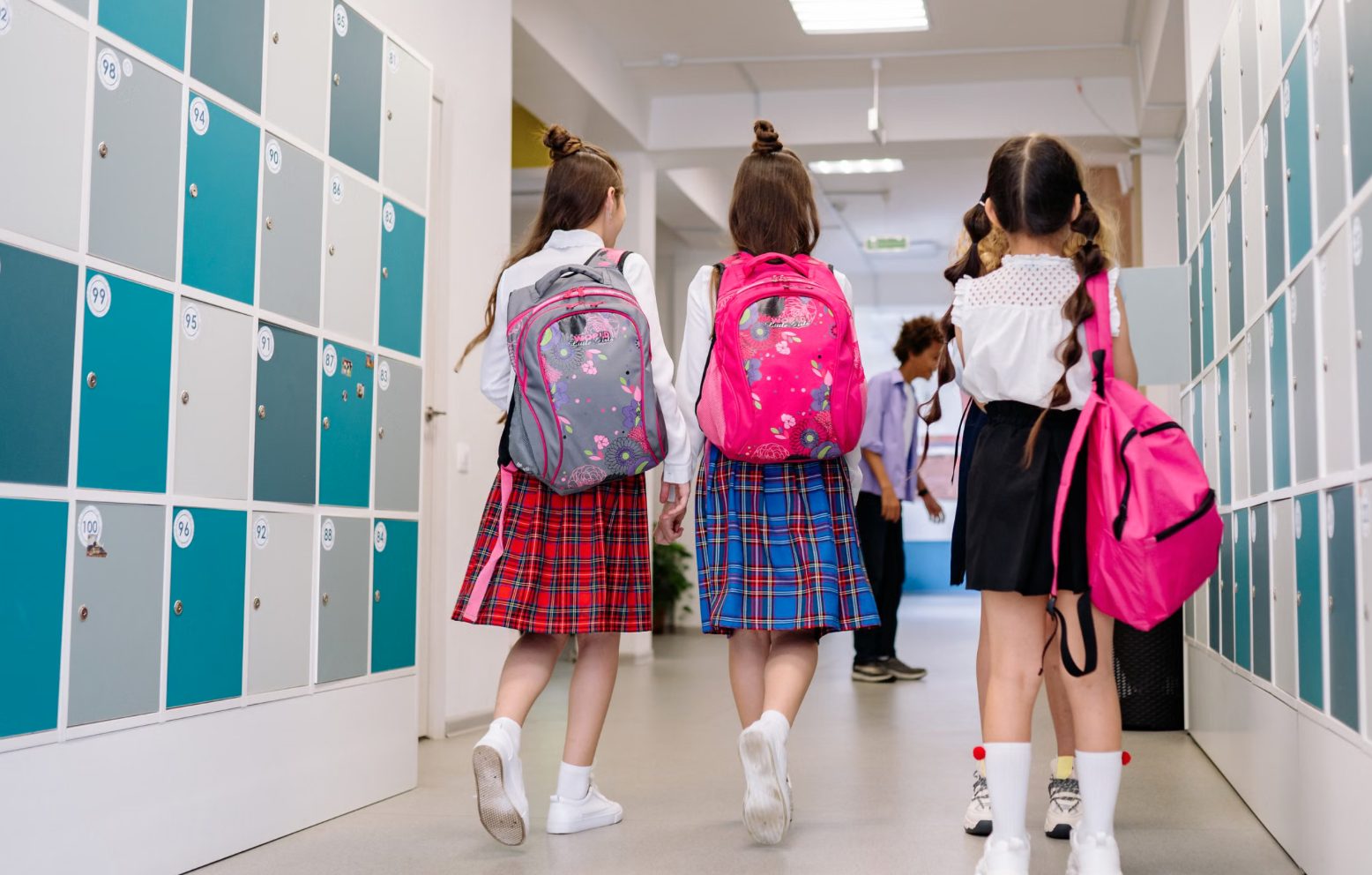
Schoolgirls in plaid uniforms walking down a hallway with backpacks
Before back-to-school shopping, parents can inspect backpacks, lunch containers, clothing and school supplies they already own. Reusing functional items can help families cut unnecessary expenses. (Pexels).

Back-to-school shopping can make even a careful parent feel like their wallet has sprung a leak. In 2026, families with K-12 students are expected to spend an average of $863.86 on clothing, shoes, school supplies, and electronics, according to the National Retail Federation. But a new school year does not automatically mean everything your child owns needs to be replaced. Before filling your cart, take inventory of what still works and consider making “buy new only when necessary” your new back-to-school rule.

1. Backpacks

A sturdy backpack can often survive several school years, particularly if the zippers, straps, and seams are still in good condition. Before buying a replacement, empty last year’s bag, wash or wipe it according to its care instructions, and inspect the high-stress areas for damage. If your child complains that the backpack looks old, remember that appearance alone does not make it unusable. A backpack that comfortably holds school supplies and fits properly can continue doing its job for another year. Reusing it can also teach children that “new” and “necessary” are not the same thing.

2. Lunch Boxes And Reusable Containers

Parents do not necessarily need to replace lunch boxes and reusable food containers every August simply because a new school year begins. If the lunch bag can be thoroughly cleaned and the containers remain intact, there may be plenty of life left in them. Check for cracked plastic, broken seals, damaged insulation or lingering odors that cleaning cannot remove before deciding. The same principle applies to reusable water bottles, which can be kept when they remain safe, functional, and easy to clean. Reusing these everyday items can reduce both shopping costs and household waste.

3. Binders And Folders

Binders are another classic example of something parents may replace unnecessarily. If a binder still closes securely, holds paper properly, and has functioning rings, it may only need a quick cleaning before returning to school. Folders can also be reused when they are not torn, excessively bent or covered with old information that could cause confusion. Instead of buying a complete new set, let your child identify which supplies are genuinely worn out. This small inventory can turn last year’s leftovers into instant savings.

4. Basic School Supplies

Pens, pencils, rulers, scissors, pencil cases, and other basic supplies do not magically expire when summer vacation begins. The Environmental Protection Agency recommends checking existing school materials before shopping because many supplies can be reused or recycled. A quick household “school supply sweep” might uncover unopened notebooks, several perfectly good pencils, and enough folders to eliminate part of the shopping list. Even small savings matter when you are buying for multiple children, especially as some school supplies have become more expensive. Forbes Advisor recently reported increases in items including notebooks, index cards, notebook paper, and scissors.

5. Clothes That Still Fit

A new grade level does not require an entirely new wardrobe if last year’s clothes still fit and remain wearable. Start by pulling everything from closets and drawers, then separate items into keep, repair, donate, and replace piles. A child who needs three new shirts does not necessarily need ten, particularly when clean, comfortable clothes already exist at home. This approach also creates an opportunity to buy better-quality replacement pieces rather than rushing into a large shopping spree. If children have outgrown clothing, donating usable pieces or passing them to younger siblings can extend their value instead of sending them straight to the trash.

6. Shoes That Aren’t Worn Out

Shoes deserve a little more scrutiny than shirts because worn soles, poor fit, or damaged support can affect comfort and safety. However, if last year’s shoes still fit properly, have adequate tread, and show no significant structural damage, there may be no reason to replace them simply because school is starting. Have your child try them on with the socks they normally wear and check for tightness around the toes and heel. Children can grow quickly, so this is one category where replacing an item because it no longer fits is completely reasonable. The goal is not to avoid spending money at all, but to spend it where the need is real.

7. Electronics That Still Work

A new school year can create pressure to upgrade headphones, tablets, calculators, or computers, but functioning technology does not automatically become obsolete in September. First, check the school’s actual requirements and whether the device your child already owns meets them. If the battery, software, storage, and physical condition remain adequate, an upgrade may simply be an expensive want rather than a school necessity. This matters because electronics are one of the biggest K-12 back-to-school spending categories, with the NRF estimating $293.11 per shopper in 2026. Spending that money only when an actual need exists can leave more room in the family budget for unavoidable expenses.

Make “Use What You Have” The New Back-To-School Habit

The smartest back-to-school shopping strategy may be surprisingly simple: shop your home before shopping the store. NerdWallet’s 2026 survey found that 62% of back-to-school shoppers planned to shop sales, while 21% planned to seek free school supplies and 19% planned to buy at least some clothing secondhand. Reusing what you already own does not mean your child has to miss out; it means distinguishing between something that needs replacing and something that merely feels new. Before buying, make three lists: what you already have, what needs replacing and what can wait until later.

Which school item do you plan to reuse this year, and what money-saving strategy has worked best for your family? Share your thoughts in the comments.

What to Read Next

The $20 School Fundraiser Question: How Many Times Are Parents Expected to Say Yes?

Why “Back to School” Shopping Feels Like a Mortgage Payment Now

5 Ideas For Back To School Photos

Evan Morgan

Evan Morgan has been a full-time freelance writer and editor for 10+ years. When not working, he enjoys catching the latest true crime documentary or getting lost in a good book.

Filed Under: Parenting Tagged With: Back To School Shopping, back-to-school tips, budgeting, family finances, frugal living, Parenting, parenting tips, Saving Money, school supplies

9 Baby Names That Sound Expensive Even Though Naming Your Baby Is Still Free

September 3, 2026 | Leave a Comment

Baby in a floral headwrap lying on a blanket outdoors
Selecting a baby name with timeless elegance gives your child a lifelong touch of sophistication without breaking your family budget. (Pexels).

Choosing a name for your newborn child is one of the very first major decisions you will make as a new parent. While costs for diapers, nursery furniture, and childcare continue to rise, picking luxury baby names remains entirely free of charge for every family. Many parents today actively seek out options that project understated luxury, sophistication, and timeless elegance without feeling overly flashy or pretentious. A well-chosen moniker can give your child a sophisticated edge that serves them beautifully from the playground straight into the executive boardroom. Let us explore nine stunning options that deliver high-end charm without taking a single dollar out of your savings account.

1. Alistair

Alistair is a classic Scottish variation of Alexander that instantly evokes images of historic estates and tailored suits. Parents often love how this choice balances deep literary heritage with an effortlessly cool, modern aesthetic. Recent demographic trends show a steady rise in parents seeking old-world European choices that carry an undeniable air of distinction. It offers a sophisticated alternative to more common traditional choices while remaining easy to spell and pronounce across different regions. Giving your son this refined title ensures he carries a polished presence into every room he enters throughout his life.

2. Aurelia

Aurelia stems directly from the Latin word for golden, giving it an intrinsic connection to warmth, brilliance, and timeless wealth. This choice has gained significant momentum among modern families who appreciate rich historical roots combined with soft, melodic vowels. Historical records link the name to ancient Roman nobility, adding an authentic sense of heritage that modern trendy names simply cannot replicate. It sounds delicate yet commanding, making it a stellar option for parents seeking true elegance for their daughter. Choosing this golden choice gives your child a glowing identity that feels both high-end and deeply classic.

3. Julian

Julian carries an undeniable atmosphere of quiet luxury that manages to feel completely effortless rather than overly formal or trendy. Its popularity across European country estates and Ivy League campuses gives it an established reputation for cultured refinement. Parents often appreciate that it provides a gentle, polished cadence while maintaining a strong, enduring masculine structure. Social science research indicates that soft yet strong masculine options frequently leave positive, memorable impressions in professional environments. Selecting this choice guarantees your son grows up with a versatile handle that never goes out of style.

4. Genevieve

Genevieve rolls off the tongue with a distinctly Parisian flair that instantly feels elevated, romantic, and inherently aristocratic. With roots tied to French royalty and saintly histories, it offers a rich background that appeals to history-loving parents. The rhythm of its three syllables brings a musical quality to roll calls and formal introductions alike. Many families choose to balance its grandeur with charming, approachable everyday nicknames like Evie or Ginny. It remains one of the most reliable options for parents wanting to grant their daughter immediate cultural sophistication.

5. Sterling

Sterling directly references high-grade silver, making its association with value, purity, and prestige completely explicit yet tastefulness intact. It carries a sleek, mid-century charm that feels both classic and surprisingly modern for a boy or a girl. Parents who prefer structured, crisp-sounding options often gravitate toward its strong consonant endings and clean rhythm. Unlike flashier modern trend picks, it retains a grounded, dignified atmosphere that ages remarkably well over several decades. Choosing this option endows your child with an aura of quality and strength that costs absolutely nothing to bestow.

6. Evander

Evander is an ancient Greek origin choice meaning good man, carrying a regal weight that feels distinctly legendary and upper-crust. It serves as a striking alternative to more predictable selections like Oliver or Alexander while maintaining a familiar structural cadence. Parents looking for distinct luxury baby names frequently land on this option because it feels rare without seeming bizarre or difficult to navigate. The natural nickname Van adds an understated, casual coolness to an otherwise majestic and distinguished full title. It offers a rare balance of athletic strength and high-society charm for any growing boy.

7. Rosalind

Rosalind captures the lush elegance of Shakespearean drama while maintaining a grounded, botanical sweetness that feels fresh today. It evokes images of sprawling English gardens, historic libraries, and vintage estate jewelry without feeling dusty or forgotten. Parents appreciate that it feels far more exclusive than popular alternatives while retaining a warm, approachable charm. The subtle combination of floral symbolism and dramatic heritage gives it an undeniable layer of intellectual luxury. Bestowing this vintage treasure ensures your daughter stands out with grace, intelligence, and poise in any setting.

8. Caspian

Caspian carries a breathtaking, aristocratic quality inspired by vast seas and classic fantasy literature that captures the imagination instantly. It strikes a perfect balance between adventurous outdoor spirit and high-class European royalty that modern parents thoroughly adore. Geographic and literary ties give this option a sweeping narrative depth that standard traditional choices often lack completely. Despite its dramatic flair, it integrates seamlessly into modern classrooms alongside other trending vintage revivals. Giving your son this coastal choice offers him a bold, sophisticated identity with limitless horizons ahead.

9. Florence

Florence brings to mind the artistic brilliance of the Italian Renaissance alongside a rich heritage of high-fashion and classical culture. Its soft phonetic beats create a gentle yet confident sound that feels both vintage and thoroughly fashionable today. Many parents choose it to honor family heritage while giving their child an international, cultured edge from day one. Studies in social perception suggest that place-based options with deep historical ties carry higher perceived prestige over time. This charming selection ensures your child possesses a timeless, cultured handle that stands apart from temporary fashion trends.

Investing In A Prestigious Future Without Spending A Dime

Selecting the ideal name for your child is a powerful reminder that true elegance does not require a massive financial investment. These nine luxury baby names prove that you can grant your baby a life of distinction and timeless charm completely free of charge. By prioritizing rich history, strong linguistic structure, and melodic sound, you provide your newborn with a lifelong gift of confidence. Ultimately, the warmth, love, and character you foster in your home will define their future far more than any label ever could. Take your time, explore the options together, and choose the option that resonates most deeply with your family values.

What is your absolute favorite high-end name from this list, or do you have another sophisticated choice you plan to use? Share your thoughts and top picks in the comments section below to join the conversation.

What to Read Next

The Rise of “Aggressive” Baby Names Is Raising Eyebrows — Here’s What Parents Are Choosing

Teachers Admit: These 6 Baby Names Create Instant Bias in the Classroom

6 Baby Names Inspired by Vintage TV and Movies

Evan Morgan

Evan Morgan has been a full-time freelance writer and editor for 10+ years. When not working, he enjoys catching the latest true crime documentary or getting lost in a good book.

Filed Under: Lifestyle Tagged With: baby names, Family Finance, Lifestyle, luxury baby names, Parenting

How Much Should Parents Keep In an Emergency Fund When Their Child Has Extra Care Needs?

September 2, 2026 | Leave a Comment

Hand placing a rolled stack of twenty-dollar bills into a glass jar
</strong> Parents caring for a child with extra care needs may benefit from building an emergency fund around several months of essential household and caregiving expenses. A larger cash cushion can provide flexibility when income changes or unexpected care costs arise. (Pexels).

Raising a child who needs additional medical, therapeutic, educational, or daily-care support can change what a financial emergency looks like. A broken transmission or lost paycheck is difficult for any household, but the problem gets more complicated when therapy, medication, specialized child care, medical equipment, or other essential support can’t simply be put on hold.

That’s why the familiar advice to save three to six months of expenses doesn’t tell the whole story for every caregiving family. The better question is: How much would your family need to keep essential household expenses and essential care going if something disrupted your income or caregiving arrangement?

There isn’t one dollar amount that works for every family. But parents can build a much more useful emergency-fund target by accounting for costs that a standard household budget may overlook.

Start With Three to Six Months, But Use the Right Monthly Number

Three to six months of essential expenses can still be a useful starting point, but parents shouldn’t calculate that amount using only mortgage payments, groceries, utilities, and other ordinary bills. The Consumer Financial Protection Bureau says the appropriate emergency-savings amount depends on your situation and the types of unexpected expenses you’ve experienced, and even a smaller reserve can provide some financial security. The financial consequences of coming up short can also linger because families without sufficient savings may turn to credit cards or loans, potentially making the original expense more costly through interest and fees. Start by totaling the expenses your household truly couldn’t stop paying during an income disruption, including housing, food, insurance, transportation, minimum debt obligations, and essential care. If those expenses total $6,000 a month, for example, three months of reserves would be $18,000 and six months would be $36,000.

Add The Care Expenses Your Family Can’t Simply Pause

A traditional household budget may significantly understate how much money your family actually needs to function. Depending on your child’s circumstances, essential expenses could include therapy, prescriptions, medical copays, specialized child care, transportation to appointments, medical supplies, respite care, or equipment. Care.com’s 2026 Cost of Care Survey found that parents surveyed reported spending 20% or more of annual household income on child care on average, while 31% said they were dipping into savings to cover care costs; those figures cover parents generally rather than specifically families of children with disabilities, but they illustrate how heavily care can already weigh on household finances. Sean Lacey, general manager of child care for Care.com, noted that when care consumes such a large portion of household income, it can shape both career decisions and long-term financial stability. If your ordinary essential expenses are $4,800 a month but another $1,200 of essential care expenses can’t stop during an emergency, build your savings calculation around $6,000, not $4,800.

Add One Caregiving Emergency Your Regular Budget Doesn’t Capture

Even six months of ordinary expenses may overlook one of a caregiving household’s biggest financial vulnerabilities: replacing support a parent normally provides without receiving a paycheck for it. Imagine that one parent routinely handles transportation, appointments, medication, supervision, feeding, mobility assistance, or other specialized needs and suddenly becomes ill or hospitalized. The family may have to pay someone else, miss work, travel unexpectedly, or arrange specialized care on short notice, creating expenses that aren’t visible in the normal monthly budget. A useful formula is essential household expenses + essential recurring care expenses, multiplied by your chosen number of months, plus one realistic care-specific emergency. A family with $6,000 in essential monthly costs might therefore target $18,000 to $36,000 for three to six months of expenses and then add, for example, another $4,000 for its most realistic caregiving disruption, creating a working target of roughly $22,000 to $40,000.

Try The 72-Hour Care Test Before Choosing Your Number

One way to identify that extra risk is to imagine the primary caregiver becoming unavailable tomorrow morning. Who could safely take over for the next 72 hours, what skills would that person need, and how much would the arrangement cost? Then extend the scenario to two weeks: Would another parent have to take unpaid leave, reduce work hours, pay for specialized supervision, travel, or arrange services that aren’t currently part of the budget? Finally, ask what one month would look like and whether insurance, employer benefits, relatives, government programs, or other resources would cover any of the expense. The amount your family would have to pay itself can help determine whether three months of ordinary expenses really provides the protection you thought it did.

Don’t Use Emergency Savings for Expenses You Know Are Coming

Parents should also separate genuine emergencies from expensive but predictable parts of their child’s care. If an insurance deductible resets every January, a specialist requires an annual trip, or certain equipment needs replacement every few years, those costs shouldn’t automatically drain the emergency fund whenever they occur. Consider creating separate sinking funds for predictable expenses such as deductibles, planned equipment purchases, recurring travel, annual programs, or known medical costs. Reserve emergency savings for events you can’t reasonably schedule, such as job loss, urgent equipment failure, unexpected medical travel, a major car repair, or sudden loss of a caregiving arrangement. Separating the two helps prevent a family from believing it has six months of emergency savings when part of that money is already committed to expenses arriving later in the year.

Don’t Expect Cash Savings To Protect Against Every Risk

Building a larger emergency fund doesn’t mean parents should attempt to save enough cash to cover every catastrophe their family could ever face. Different financial tools solve different problems: emergency savings provide accessible cash for short-term shocks, health insurance helps manage major medical expenses, and disability or life insurance on a parent may address risks that would be impractical to cover entirely with cash. Families may also need an emergency care plan identifying who could step in, where important medical and care information is stored, and whom that person should contact. This exercise may reveal that a family’s greatest vulnerability isn’t having $5,000 too little in savings but having no realistic backup if the person providing most of the child’s care suddenly becomes unavailable. The goal is to determine which risks should be covered with cash, insurance, benefits, and planning rather than asking one savings account to solve everything.

Keep Your Emergency Fund Separate From Your Child’s Long-Term Money

Money intended to keep the household running during a job loss isn’t necessarily the same money being saved for a child’s disability-related expenses or long-term support. Families with an eligible child may consider an Achieving a Better Life Experience, or ABLE, account, which can be used for qualified disability expenses such as housing, transportation, health care, assistive technology, education, and employment support. An important eligibility change took effect in 2026: the disability or blindness generally must now have begun before age 46, up from the previous age-26 threshold, and the general annual ABLE contribution limit for 2026 is $20,000, although certain employed beneficiaries can contribute additional amounts when requirements are met. Social Security also generally excludes up to $100,000 held in a qualified ABLE account when determining resources for Supplemental Security Income purposes. An ABLE account can therefore play an important role in a family’s broader plan, but because distributions are for the beneficiary’s qualified disability expenses, parents shouldn’t automatically treat the child’s ABLE balance as a substitute for the household’s own emergency savings.

Be Careful About Whose Name Long-Term Savings Are In

Account ownership can become especially important when a child receives or may eventually rely on means-tested government benefits. Money held in an eligible ABLE account receives special treatment under SSI rules, while other assets held directly by a beneficiary may be treated differently when eligibility is determined. Families considering special needs trusts, ABLE accounts, beneficiary designations, or significant assets intended for a child’s future should therefore consider getting advice from professionals familiar with disability and benefits planning. The purpose isn’t to make ordinary saving unnecessarily complicated but to avoid solving today’s financial problem in a way that creates an unintended benefits problem later. Think of the household emergency fund, the child’s qualified disability savings, and long-term estate or special-needs planning as separate financial buckets with different jobs.

Don’t Sacrifice Your Entire Retirement Plan To Reach A Cash Target

A family that calculates a $30,000 or $40,000 emergency-fund target may understandably feel pressure to direct every available dollar toward cash savings. But a bigger emergency fund shouldn’t automatically mean abandoning retirement contributions indefinitely, particularly when doing so means losing an employer match or falling years behind on long-term saving. Parents who fail to build their own retirement resources can create another financial vulnerability later in life and potentially become more dependent on the same family members they’re trying to protect. Instead, determine which financial risks need immediate attention, build emergency savings in stages, and balance that goal against retirement, insurance, debt, and other priorities. A financial planner familiar with families that include a person with a disability can also help coordinate those goals when the tradeoffs become complicated.

Build Your Emergency Fund In Stages If The Final Number Feels Impossible

Discovering that your ideal emergency fund is $30,000 doesn’t mean you’ve failed if you currently have $800. The CFPB emphasizes that even a small amount of emergency savings can provide some financial security, so families can create milestones instead of treating the final target as all-or-nothing. Your first goal might be enough to cover one realistic emergency—perhaps $2,000 or $5,000 depending on your circumstances—followed by one month of essential expenses and eventually three months. Families with less predictable income, fewer backup caregivers, limited paid leave, or substantial unavoidable care expenses may then decide to work toward six months plus a separate reserve for their biggest care-related risk. Every milestone increases the distance between an unexpected expense and the need to borrow money at a potentially high interest rate.

Your Emergency Fund Should Reflect The Family You Actually Have

There is no rule saying every family with a child who has extra care needs must keep six months of expenses—or $40,000—in a savings account. A two-income household with strong insurance, substantial paid leave, nearby family support, and reliable backup care may need a different cushion than a single-income household in which one parent provides most of the child’s daily support. Instead of chasing a universal number, calculate the expenses your family couldn’t stop, identify what would happen if your primary caregiving arrangement suddenly disappeared, and determine which risks are already covered by insurance or other resources. Revisit the calculation whenever income, insurance, your child’s care needs, or your family’s support network changes. The best emergency-fund target isn’t the biggest number you can imagine; it’s enough accessible money to give your particular family time and choices when something unexpectedly goes wrong.

If your family provides additional care for a child, which expense would be hardest to cover if your income or caregiving arrangement suddenly changed? Share the financial challenge you’ve found hardest to plan for in the comments.

What to Read Next

7 Things Parents Should Never Drain Their Emergency Fund to Buy for Their Kids

Why Your Family Absolutely Needs an Emergency Fund

Why You Need an Emergency Fund Before Buying a House

Evan Morgan

Evan Morgan has been a full-time freelance writer and editor for 10+ years. When not working, he enjoys catching the latest true crime documentary or getting lost in a good book.

Filed Under: Parenting Tagged With: caregiving costs, disability planning, Emergency Fund, emergency savings, family finances, financial planning, Parenting, special needs parenting

« Previous Page
Next Page »
  • Facebook
  • Pinterest
  • RSS
  • Twitter

Basic Principles Of Good Parenting

Here some basic principles for good parenting:

  1. What You Do Matters: Your kids are watching you. So, be purposeful about what you want to accomplish.
  2. You Can’t be Too Loving: Don’t replace love with material possessions, lowered expectations or leniency.
  3. Be Involved Your Kids Life: Arrange your priorities to focus on what your kid’s needs. Be there mentally and physically.
  4. Adapt Your Parenting: Children grow quickly, so keep pace with your child’s development.
  5. Establish and Set Rules: The rules you set for children will establish the rules they set for themselves later.  Avoid harsh discipline and be consistent.
  6. Explain Your Decisions: What is obvious to you may not be evident to your child. They don’t have the experience you do.
  7. Be Respectful To Your Child: How you treat your child is how they will treat others.  Be polite, respectful and make an effort to pay attention.
Best Parenting Blogs

Most Popular

Baby Girl

12 “Grandma” Baby Names That Are Suddenly Cool Again

Evan Morgan
Baby

9 Baby Names That Sound Rare Without Being Hard to Spell

Evan Morgan
Target Store

Choking Incident Prompts Recall of 49,000 Target Gigglescape “Under the Sea” Popping Toys

Evan Morgan
Frustrated Girl

Why Some Students on the Spectrum Are Labeled With ODD

Evan Morgan
Coke Bottles

12 Things Kids Took to School in the ’70s That Would Never Be Allowed Today

Evan Morgan

All content on Kids Ain’t Cheap is for entertainment purposes only. By reading this blog, you agree that Kids Ain’t Cheap is not responsible for any actions taken after reading this blog. For the full disclaimer, see our privacy policy.

Please note that Kids Ain’t Cheap has financial relationships with some of the merchants mentioned here. Kids Ain’t Cheap is funded by banner advertising, commission sales and search optimization consulting.

Copyright © 2006–2026 | District Media | All Rights Reserved | Privacy Policy

Copyright © 2026 Runway Pro Theme by Viva la Violette