
• Home
  • About Us
  • Toolkit
  • Archives
  • Advertise
  • Privacy Policy

Kids Ain't Cheap

But They Sure Are Worth It

  • Parenting
    • Baby Stuff
    • Books and Reading
      • Aesops Fables
      • Comic Books
    • Education
    • Family Time
    • Green Living
    • Growing Up
    • Healthy Living & Eating
    • Holidays
    • Parenting
    • Random Musings
    • Shopping
    • Stuff to Do
  • Money
  • Product Reviews
    • Books and Magazines
    • Discount Sites
    • Furniture
    • House Keeping
    • Reviews News
    • Toys and Games
  • Contact Us
  • Our Editorial Commitment
  • Search

10 Baby Names Parents Love but Grandparents May Need Time to Get Used To

September 14, 2026 | Leave a Comment

Baby in a bear-ear hat and gingham outfit lying on a bed
Today’s parents are embracing nature names, surnames and unexpected classics such as Juniper, Wren, Atlas and Stevie. Many choices that sound unusual to grandparents are already appearing regularly in U.S. baby-name data. (Pexels).

Baby naming has changed dramatically from the days when every classroom seemed to have several Jennifers, Michaels, or Jessicas. Today’s parents have a much wider naming pool, embracing nature, surnames, mythology, gender-neutral choices, and names once considered too unconventional. In fact, recent U.S. naming data shows plenty of distinctive choices gaining real traction alongside classics such as Olivia, Liam, Charlotte, and Noah. That can create an amusing generational divide when grandparents first hear the modern baby names their children adore. Here are 10 choices that might initially raise an eyebrow but could quickly become Grandma and Grandpa’s favorites.

1. Juniper Is Moving Into The Mainstream

Juniper may sound more like an evergreen shrub to some grandparents than a baby name. Yet this nature-inspired choice reached No. 100 among U.S. girls born in 2025. That makes Juniper far more mainstream than its quirky image might suggest. Parents may also appreciate easy nicknames such as June, Juni, or Junie. After hearing “Junie” at enough family gatherings, grandparents may wonder why Juniper ever seemed unusual.

2. Wren Packs Plenty Into One Syllable

Short, nature-inspired modern baby names have become increasingly attractive to parents, and Wren fits perfectly. The English bird name ranked No. 231 for U.S. girls in 2025. Its crisp sound also makes it easy to spell and pronounce. A grandparent accustomed to Wendy or Renee might initially find Wren surprisingly brief. Still, its simplicity could ultimately be exactly what wins them over.

3. Atlas Brings Mythology To The Playground

Atlas once sounded more like something stored beside an encyclopedia than called across a playground. Today, the mythological name has established a genuine foothold among American families. Nameberry’s analysis of 2025 data placed Atlas among the 100 most-heard boys’ names when spelling variants were grouped. Parents may love its adventurous, strong image without choosing another traditional masculine name. Grandparents might need one introduction before Atlas starts sounding completely natural.

4. Banks Turns A Surname Into A First Name

Using surnames as first names is hardly new, but Banks pushes the tradition in a contemporary direction. The name ranked No. 310 for U.S. boys in 2025. Its single syllable gives it the polished, compact style many parents currently favor. Some grandparents may immediately associate “banks” with financial institutions rather than babies. Once attached to an actual grandson, however, that association can fade remarkably quickly.

5. Stevie Gives An Old Nickname New Life

Grandparents certainly know Steve and Steven, but Stevie on a baby girl may surprise them. The name ranked No. 203 for U.S. girls in 2025. It reflects parents’ growing comfort with playful nicknames and traditionally masculine choices for girls. Music fans may also find the name familiar through singer-songwriter Stevie Nicks. This is one of those modern baby names that sounds less unconventional the more often you hear it.

6. Cove Brings The Coast Home

Nature names are expanding well beyond familiar choices such as Rose, Lily, and Willow. Cove belongs to a newer wave inspired by landscapes and outdoor scenery. Nameberry specifically identified landscape names as a notable recent naming trend, including Cove, Coast, Creek, Prairie, and Reef. Grandparents might initially wonder whether Cove sounds too much like a destination. Parents, meanwhile, may hear something peaceful, uncomplicated, and refreshingly different.

7. Elowen Offers An Alternative To Familiar Classics

Elowen has the flowing sound of Eleanor or Evelyn without feeling quite as familiar. Nameberry has highlighted Elowen among elaborate, feminine choices attracting modern parents. That combination can appeal to families seeking something recognizable in style but less expected in practice. A grandparent may need help remembering the name after the first announcement. Before long, though, Elowen can sound every bit as established as yesterday’s classics.

8. Koda Has A Friendly Modern Sound

Koda is short, approachable, and representative of the increasingly diverse pool of modern baby names. It also illustrates why grandparents’ expectations may differ so sharply from those of younger parents. Names that barely appeared on older generation birth announcements can now feel perfectly usable. The practical advantage is that Koda is straightforward to say and remember. Even a skeptical grandparent probably will not need many repetitions to master it.

9. Rhodes Makes Geography Feel Personal

Place and surname-inspired names have opened another naming lane for today’s parents. Rhodes has a polished sound that can feel both traditional and unexpected. It also offers parents something distinctive without requiring an elaborate spelling. Grandparents may associate Rhodes with a surname or the Greek island before imagining a newborn. That familiarity can actually make the adjustment easier once the name belongs to someone they love.

10. Wrenley Takes A Trend One Step Further

If Wren feels modern, Wrenley may feel even more contemporary to older relatives. Yet variations of Wrenley have become noticeable enough to appear in recent analyses of U.S. naming patterns. Nameberry’s 2025 Playground Analysis identified Wrenley as a major mover after grouping alternate spellings. Its appeal combines the nature feel of Wren with the familiar rhythm of names such as Finley and Kinley. Grandparents may hesitate initially, but today’s unusual name can easily become tomorrow’s classroom staple.

The Name Usually Grows With The Child

The debate over modern baby names is ultimately less about right and wrong than changing generational taste. Names that once sounded unusual can become familiar surprisingly quickly, while yesterday’s favorites can suddenly feel dated. Parents should consider pronunciation, spelling, family significance, and how a name might work from childhood through adulthood rather than choosing solely because it is trendy. Grandparents can help most by giving an unfamiliar choice some time before passing judgment.

Which of these 10 names would surprise your family most, and which one could you eventually learn to love? Share your pick in the comments.

What to Read Next

9 Unusual Baby Names That Sound Like They Belong to Future CEOs

10 Baby Names That Were Once Considered “Grandparent Names” but Feel Cool Again

9 Baby Names Inspired by Fall Without Naming Your Child Autumn

Evan Morgan

Evan Morgan has been a full-time freelance writer and editor for 10+ years. When not working, he enjoys catching the latest true crime documentary or getting lost in a good book.


Filed Under: Parenting Tagged With: baby names, Family, grandparents, modern baby names, Parenting, parenting trends, Pregnancy, trending baby names, unique baby names

Is $20 Still Enough for the Tooth Fairy?

September 13, 2026 | Leave a Comment

Stack Of 20 Dollar Bills
</strong> The average Tooth Fairy payout rose to $5.84 per tooth in 2026, making a $20 surprise far more generous than the national average. Families can keep the tradition magical without feeling pressured to compete with bigger payouts. (Pexels).

Twenty dollars under a pillow might not buy what it once did at the grocery store, but there’s at least one place where it’s still a small fortune: the Tooth Fairy market. The average payout for a lost tooth rose 17% in 2026, according to the latest national survey, but parents are still leaving nowhere near $20 for the typical tooth. In fact, a $20 bill is more than three times the current national average. That’s good news for parents who hear that a classmate’s Tooth Fairy supposedly leaves $20, $50, or some other eye-popping amount. Before adjusting your household’s going rate for inflation—or playground peer pressure—here’s what parents are actually paying and how quickly a seemingly small tradition can add up.

The Going Rate for a Tooth Is Now $5.84

The Delta Dental 2026 Original Tooth Fairy Poll found that the average value of a lost tooth increased from $5.01 in 2025 to $5.84 in 2026, a 17% jump. That ended two consecutive years of declining Tooth Fairy payouts. The survey was conducted among 1,000 parents of children ages 6 to 12, so $5.84 shouldn’t be interpreted as a rule families are expected to follow. Plenty of Tooth Fairies presumably leave $1, $5, $10, gifts, or whatever makes sense for the household. But the national figure provides a useful answer to the original question: $20 is still extremely generous. It’s roughly 3.4 times the current average payout for one lost tooth.

The First Tooth Apparently Deserves a Bonus

Not every tooth is worth the same amount in the Tooth Fairy economy. Delta Dental found that the average first tooth payout reached $7.17 in 2026, up from $6.24 last year and about 23% higher than the average ordinary tooth. More than one-third of parents—38%—said their Tooth Fairy leaves extra for the first tooth compared with later ones. That gives parents who like the idea of a $20 surprise an easy compromise. Instead of establishing $20 as the going rate for every tooth, make the first one a milestone: $20 for tooth No. 1 and a smaller, sustainable amount for the rest. The child still gets the thrill of discovering a $20 bill under the pillow without accidentally negotiating a $400 childhood dental contract.

Twenty Dollars a Tooth Eventually Becomes $400

Children typically lose 20 primary, or baby, teeth as their permanent teeth come in. At $20 each, that works out to: $20 × 20 teeth = $400 per child. For three children, the eventual Tooth Fairy obligation could theoretically reach $1,200.

Of course, nobody is funding all 20 teeth on the same Tuesday night, and $20 every few months may fit comfortably into some household budgets. The more useful question is whether parents want to establish an amount they’re willing to repeat when the next tooth starts wiggling. By comparison, paying the current $5.84 national average for 20 teeth would total about $116.80 per child. And there’s no requirement to hit that average, either.

Your Zip Code May Affect the Tooth Fairy’s Wallet

Like housing, groceries, and gasoline, Tooth Fairy prices apparently vary depending on where you live. Delta Dental found the Northeast had the country’s highest average payout in 2026 at $6.45 per tooth, followed by the West at $5.99 and the South at $5.89. The Midwest had the lowest average at $5.27. Even there, however, Tooth Fairy generosity jumped dramatically: the Midwest’s average rose 52% from the previous year. The Northeast climbed 41%. Those regional differences are another reason not to worry too much about what another parent says is the “normal” amount. There isn’t one universally accepted Tooth Fairy rate—and even the national average changes substantially from year to year.

Tooth Fairy Inflation Has Been Remarkable

Parents who remember finding a dollar under their own pillows aren’t imagining how dramatically things have changed. Delta Dental began tracking Tooth Fairy payouts in 1998, when the average lost tooth brought just $1.30. By 2026, that had reached $5.84—an increase of 349%.

Interestingly, Delta Dental has historically compared its Tooth Fairy Index with movements in the S&P 500. The relationship hasn’t always held, but in the latest survey period the average tooth payout increased 17% while the S&P 500 rose about 16%. Parents probably shouldn’t start valuing incisors according to their investment portfolios, but it’s a fun illustration of just how much this tiny childhood transaction has changed over the past 28 years.

Cash Isn’t the Only Thing Appearing Under Pillows

Parents who don’t want to keep raising the cash payout have plenty of company. Delta Dental found that 32% of children received a physical gift from the Tooth Fairy in 2026, up substantially from 19% in 2025. That opens up inexpensive possibilities: a small book, unusual coin, craft, handwritten note, certificate, sticker, or another little surprise.

Greenlight suggests personalized Tooth Fairy notes, miniature letters and certificates as ways to make the experience memorable with or without cash. And the experience itself seems to matter. Half of parents in Delta Dental’s survey said Tooth Fairy visits give their children something to be excited about, while 42% said the tradition makes their child feel special and 39% said it creates a memorable bonding moment. A $2 bill accompanied by a tiny handwritten letter might therefore generate more excitement than parents expect.

That $5 Can Become a Child’s First Money Lesson

Tooth Fairy money can also be some of the first cash a child considers truly their own. The National Foundation for Credit Counseling recommends using the tradition to introduce basic concepts including recognizing currency, spending, saving, and setting goals. You don’t have to turn a magical childhood tradition into a personal-finance seminar before breakfast.

If the Tooth Fairy leaves $5, simply ask what the child wants to do with it. They might spend part, save part toward a toy, or combine several future Tooth Fairy visits to reach a larger goal. For younger children, even learning that one $5 bill is worth more than several smaller coins can be a useful introduction to how money works.

Don’t Let the Playground Set Your Tooth Fairy Budget

Eventually, many children discover that Tooth Fairies apparently operate under wildly different compensation packages. One friend gets $2. Another gets $10. Someone inevitably claims to have received $50. Parents don’t have to compete with any of them. Choose an amount that fits your budget and a tradition you’re comfortable repeating. Maybe that’s $5 for each tooth, $10 for the first one, an occasional special gift, or a shiny dollar coin and handwritten note.

And if your Tooth Fairy leaves $20? The latest numbers suggest your child is doing extremely well in the lost-tooth market.

How much does the Tooth Fairy leave at your house—and have your kids ever complained that a friend’s Tooth Fairy pays better? Share your going rate in the comments.

What to Read Next

12 Heart-Melting Things Kids Do That We Never Want to Forget

8 Awkward Milestones That No One Warns Parents About

7 Childhood Milestones That Come With Surprise Costs

Evan Morgan

Evan Morgan has been a full-time freelance writer and editor for 10+ years. When not working, he enjoys catching the latest true crime documentary or getting lost in a good book.
Filed Under: Parenting Tagged With: Family Budget, family finances, financial literacy, kids and money, Parenting, Saving Money, Tooth Fairy, Tooth Fairy payout

7 Kids’ Birthday Party Expenses That Have Gotten Completely Out of Hand

September 13, 2026 | Leave a Comment

Girl looking at a birthday cake with lit candles
From elaborate venues and custom cakes to balloon displays and overflowing goodie bags, children’s birthday celebrations can quickly cost hundreds of dollars. Setting a budget before choosing extras can keep the focus on fun instead of financial pressure. (Pexels).

A child’s birthday used to mean cake, balloons, pizza, and a handful of friends running around the backyard, but today, some celebrations look more like professionally produced events. Parents can easily encounter hundreds of dollars in venue fees before adding food, decorations, entertainment, and favors, while some elaborate parties climb past $1,000. Care.com notes that popular activity-space parties can run roughly $250 to $500 before every extra is included. As kids’ birthday party costs rise, families may be wondering which expenses are actually making the day better and which ones have simply gotten out of hand.

1. Elaborate Party Venues

Indoor playgrounds, trampoline parks, sports facilities, and specialty venues make parties convenient, but that convenience can carry a serious price tag. Current listings show how quickly kids’ birthday party costs can escalate, with some facility packages starting around $500 and larger private events reaching $850 or more. The package may cover activities and basic supplies, yet food, extra guests, upgraded rooms, and longer party times can push the bill higher. A family inviting 20 children could therefore spend several hundred dollars before buying the birthday cake. Parents should compare the complete price, including required deposits and add-ons, rather than focusing only on the advertised starting rate.

2. Professional-Level Decorations

A few balloons and a colorful tablecloth apparently are no longer enough for some parties, especially when social media is providing endless inspiration. Balloon arches, personalized backdrops, elaborate centerpieces, themed signs, and professionally styled dessert tables can transform an ordinary room into a miniature event venue. The problem is that children may spend five minutes admiring decorations before racing off to play with their friends. Parents can recreate much of the atmosphere by choosing two or three high-impact decorations and skipping the coordinated extras. When controlling kids’ birthday party costs, decorations are one of the easiest categories to scale back without reducing the fun.

3. Over-The-Top Birthday Cakes

The humble sheet cake now competes with towering custom creations featuring fondant characters, intricate designs, and multiple tiers. Specialty cakes can become particularly expensive when parents request extensive customization, while cupcakes, cookies, and other desserts add another layer to the food budget. Food prices remain substantially higher than they were before the pandemic, with NerdWallet reporting that food prices were about 34.6% above 2019 levels as of 2026. A supermarket cake, homemade dessert, or smaller custom cake paired with inexpensive cupcakes can still create a memorable candle-blowing moment. Unless elaborate cake design is especially meaningful to your child, spending heavily on something that disappears within minutes deserves reconsideration.

4. Entertainment That Rivals A Festival

Magicians and face painters have been joined by character performers, mobile petting zoos, elaborate inflatables, gaming trucks, and other premium entertainment options. One activity can be manageable, but stacking multiple attractions quickly turns a two-hour children’s gathering into an expensive production. Parents may feel pressure to provide constant entertainment, even though younger guests are often perfectly happy with music, playground equipment, crafts, or a scavenger hunt. Care.com recommends inexpensive alternatives such as simple games and activities that can double as party favors. Picking one standout activity instead of several can dramatically reduce kids’ birthday party costs while still giving children something exciting to remember.

5. Goodie Bags Packed With Gifts

Party favors were once a few pieces of candy and a tiny toy, but some goodie bags now resemble full birthday presents. Personalized cups, toys, craft kits, accessories, and themed merchandise multiplied by 15 or 20 guests can quietly become a major expense. There is also the practical problem of parents taking home another collection of inexpensive plastic items their children may quickly forget. Consider one useful item, a take-home craft, or treats collected from a piñata instead of assembling elaborate gift bags. Guests came to celebrate the birthday child, and hosts should not feel obligated to send everyone home with a substantial present.

6. Food For An Oversized Guest List

The guest list can turn an affordable party into an expensive one faster than almost anything else. Inviting an entire class may mean feeding 20 or 30 children, plus siblings and parents who remain during the celebration. Restaurant and catered food costs can multiply quickly, particularly when hosts add adult meals, drinks, snacks, and desserts. Scheduling a party between traditional meal times can reduce expectations for a full lunch or dinner while still allowing you to serve cake and light snacks. A smaller guest list also gives the birthday child more time to interact with the friends they genuinely wanted there.

7. Personalized Everything

Custom invitations, banners, shirts, water bottles, napkins, labels, cake toppers, and favor bags can make a birthday theme look impressively coordinated. Unfortunately, personalization can also turn inexpensive party supplies into premium purchases that are useful for only a few hours. Digital invitations are a particularly easy place to save because families can avoid printing and postage while making RSVPs easier to manage. Parents.com also recommends digital invitations and shopping strategically rather than paying party-store markups when planning celebrations on a budget. Cutting unnecessary customization helps control kids’ birthday party costs without making the celebration feel generic or thoughtless.

Memories Matter More Than The Party Price Tag

There is nothing wrong with spending generously on a birthday when the expense comfortably fits the family budget and genuinely matters to the child. The problem begins when parents feel they must compete with social-media parties, other families, or unrealistic expectations and stretch their finances to keep up. Bankrate reported in 2025 that 31% of U.S. adults were willing to take on debt for discretionary purchases, a useful reminder that optional spending deserves boundaries. Setting a total budget first, then letting your child choose one or two priorities, can keep kids’ birthday party costs from overshadowing the reason everyone gathered.

Have children’s birthday parties become unnecessarily expensive, or are today’s bigger celebrations worth the money—what would you cut first, and why? Share your thoughts in the comments.

What to Read Next

Your Child Got Birthday Money — Should You Let Them Spend All of It?

The $500 Birthday Party Question: When Did Kids’ Birthdays Get So Expensive?

6 Birthday Gift Hacks That Won’t Break Your 2026 Budget

Evan Morgan

Evan Morgan has been a full-time freelance writer and editor for 10+ years. When not working, he enjoys catching the latest true crime documentary or getting lost in a good book.
Filed Under: Parenting Tagged With: birthday party costs, Family Budget, family finances, Kids, kids birthday parties, Parenting, party planning, Saving Money

Back-to-School Peer Pressure Isn’t Just Affecting Kids—It’s Costing Parents Money

September 12, 2026 | Leave a Comment

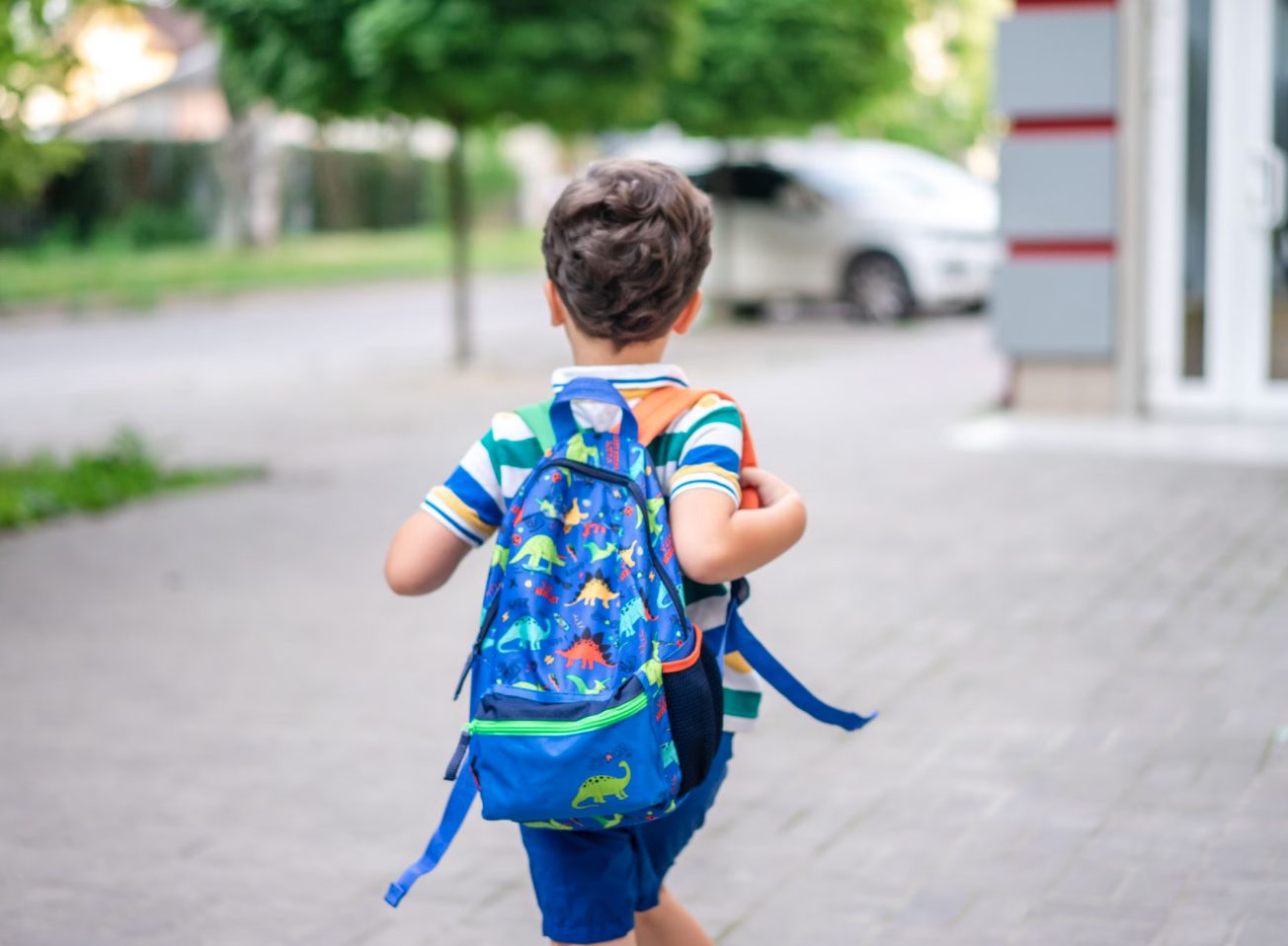
Boy Going To School
</strong> Back-to-school peer pressure can turn ordinary supplies, clothing and shoes into costly brand-driven purchases. Setting a firm family budget before shopping can help parents control spending while still giving kids some choice. (Pexels).

The $30 backpack works perfectly well, but your child wants the $80 one because “everyone has it.” The basic sneakers fit, but suddenly a particular brand feels essential before the first day of school. Then come the trendy water bottle, name-brand hoodie and accessories showing up repeatedly on social media. Parents may remember what it felt like to desperately want something because other kids had it. The difference is that they’re now standing on the expensive side of that conversation.

Back-to-school peer pressure isn’t only affecting children. New 2026 surveys suggest parents themselves feel pressure to keep up, while children’s preferences can substantially influence what ultimately lands in the shopping cart. That matters when families are already spending hundreds of dollars per child to prepare for another school year—and some parents say they’re willing to take on debt to help their children fit in.

Kids Have Considerable Influence Over What Parents Buy

Children aren’t simply receiving whatever Mom or Dad chooses anymore. PwC’s 2026 back-to-school survey found that 61% of parents plan to let their children add items directly to online shopping carts. Deloitte found an even broader influence: 59% of surveyed parents said their children often entice them to spend more on back-to-school purchases. And many kids aren’t asking vaguely for “new shoes.”

Deloitte found 45% of parents said their child has a specific must-have back-to-school item, while 57% said their child influences them to splurge on that item. A child asking for one $40 upgrade may not wreck the budget. But upgrading the backpack, shoes, clothes, lunch gear and electronics because specific versions feel socially important can turn an ordinary shopping list into hundreds of dollars of additional spending.

Some Parents Would Actually Go Into Debt to Help Kids Fit In

The strongest evidence that peer pressure has financial consequences comes from NerdWallet’s 2026 back-to-school survey. It found that 43% of parents would be willing to go into debt for back-to-school items that help their child fit in. Another 45% said they would consider debt to pay for extracurricular activities their child wants.

At the same time, 19% of back-to-school shoppers expect to incur credit-card debt from their school shopping this year. That creates a difficult emotional calculation for parents. Saying no to an $80 pair of sneakers because the family can’t comfortably afford them is financially straightforward, but it can feel considerably harder when a child says they’re worried about being teased or excluded because everyone else wears that brand.

Parents don’t have to dismiss those concerns to recognize that credit-card interest can turn an already expensive item into an even more expensive one.

Parents Feel Their Own Version of Peer Pressure

Children aren’t the only ones comparing themselves with people around them. NerdWallet found that 21% of 2026 back-to-school shoppers feel pressure to keep up with what other parents are spending.

It’s easy to see how that happens. One family posts first-day pictures featuring new outfits and premium backpacks; another mentions buying a new laptop; someone else signs their child up for an expensive activity. Suddenly, what your own family planned to spend can start feeling inadequate.

But another parent’s shopping cart tells you almost nothing about that household’s finances. You don’t know whether those purchases came from surplus income, months of saving, a grandparent’s gift, a credit card that won’t be paid off this month, or money pulled away from another priority. Comparing purchases without knowing the financial circumstances behind them can encourage a family to imitate spending it can’t comfortably afford.

Social Media Can Turn a Want Into a “Need”

Today’s back-to-school trends don’t begin and end in the school hallway. Children can encounter the same shoes, clothing, beauty products, backpacks and accessories through influencers, short-form videos, group chats and targeted advertising long before classes begin. Repeated exposure can make an optional product start to feel like something everyone owns.

That’s why one useful question isn’t simply, “Why do you want this?” Ask, “Where did you hear about it?”

If the answer is TikTok, YouTube, an influencer or a friend, talk about what specifically makes that version better. Is it more durable? More comfortable? Does it have a useful feature? Or is most of the appeal coming from the logo and the people seen using it?

The goal isn’t to ridicule trends. It’s to help children distinguish genuine product value from the social value they’re assigning to a brand.

Decide Where You’re Willing to Splurge Before You Shop

Not every trendy purchase needs an automatic no. In fact, deliberately choosing one splurge can be much easier on a budget than making a dozen smaller exceptions while shopping.

Suppose you’ve budgeted $500 for one child’s back-to-school purchases. You might decide beforehand that $100 is available for discretionary upgrades while the remaining $400 covers actual necessities. If your child chooses $90 branded sneakers when a $50 alternative is available, count the extra $40 against that discretionary amount. They now have $60 left for other upgrades.

That turns “No, because I said so” into a visible financial trade-off: you can have this, but choosing it means giving up something else.

Only 36% of back-to-school shoppers told NerdWallet they planned to set a firm budget this year, making that kind of advance planning especially worthwhile.

The Bigger Back-to-School Budget Is Already Under Pressure

Parents are making these decisions during an expensive shopping season. Deloitte’s 2026 Back-to-School Survey estimates K-12 parents will spend an average of $557 per student, with total spending reaching approximately $30.4 billion. PwC’s differently structured survey puts expected household spending at $922, illustrating why figures from different studies shouldn’t be treated as directly comparable.

More revealing than either headline number is what families say they’re doing with their budgets.

Deloitte found parents plan to spend 22% more on clothing and accessories while cutting technology spending 16%. Half of surveyed parents also said they plan to cut spending elsewhere—including categories such as dining out and entertainment—to make room for back-to-school expenses. That means a back-to-school splurge doesn’t necessarily exist in isolation. For some households, spending an extra $100 on trendy clothes may mean $100 less available somewhere else.

Try the “Upgrade Difference” Rule

One practical way to handle expensive brand requests is to separate what the family needs to provide from what the child wants to upgrade.

Imagine your child needs sneakers and you’re comfortable spending $60 for a good-quality pair. They want a particular $110 pair instead. The family could pay the planned $60 while the remaining $50 comes from the child’s allowance, savings, birthday money or discretionary back-to-school budget. The same approach can work with backpacks, headphones, jackets and other items where a perfectly functional version costs substantially less than the requested brand.

It doesn’t work for every household or every age, but it teaches an important principle: wanting the premium version doesn’t necessarily mean someone else has to absorb the premium price.

Don’t Let “Fitting In” Become a Recurring Credit-Card Bill

There are situations where spending a little more may genuinely matter to a child.

A parent might reasonably decide that one particular pair of shoes or first-day outfit will give a nervous middle-schooler some extra confidence. Household budgeting doesn’t require automatically choosing the cheapest possible option every time. The financial problem begins when fear of a child being left out repeatedly overrides what the household can afford.

Kids’ preferences are already powerful: Deloitte found that nearly six in 10 parents say their children often entice them to spend more. Meanwhile, 57% of surveyed parents expect economic conditions to worsen over the next six months, and 24% are concerned about making upcoming payments.

A useful boundary might therefore be: we can splurge on something important to you, but we’re not borrowing money to imitate somebody else’s shopping cart.

Your Family’s Budget Doesn’t Have to Match Anyone Else’s

Back-to-school peer pressure is real, and telling a child “brands don’t matter” may not make their social concerns disappear. Parents can acknowledge that fitting in matters to children while still explaining that every household has financial limits. Decide what you can comfortably spend, identify where you’re willing to splurge, and make trade-offs visible when a child wants an upgrade. Most importantly, don’t use another family’s purchases as evidence of what your own family should be able to afford. The backpack eventually wears out, the trendy water bottle gets replaced, and today’s must-have sneakers eventually become too small. Debt taken on to purchase them can last considerably longer.

What’s the back-to-school item you’ve felt the most pressure to buy so your child could fit in—and did you ultimately buy it? Share your experience in the comments.

What to Read Next

Some Parents Are Spending Nearly $1,000 Getting One Child Back to School

Why “Back to School” Shopping Feels Like a Mortgage Payment Now

5 Smart Ways to Save on Back to School Supplies

Evan Morgan

Evan Morgan has been a full-time freelance writer and editor for 10+ years. When not working, he enjoys catching the latest true crime documentary or getting lost in a good book.

Filed Under: Parenting Tagged With: Back To School Shopping, back-to-school peer pressure, budgeting, family finances, kids and money, Parenting, personal finance, Saving Money, school expenses, Social Media

9 Unusual Baby Names That Sound Like They Belong to Future CEOs

September 12, 2026 | Leave a Comment

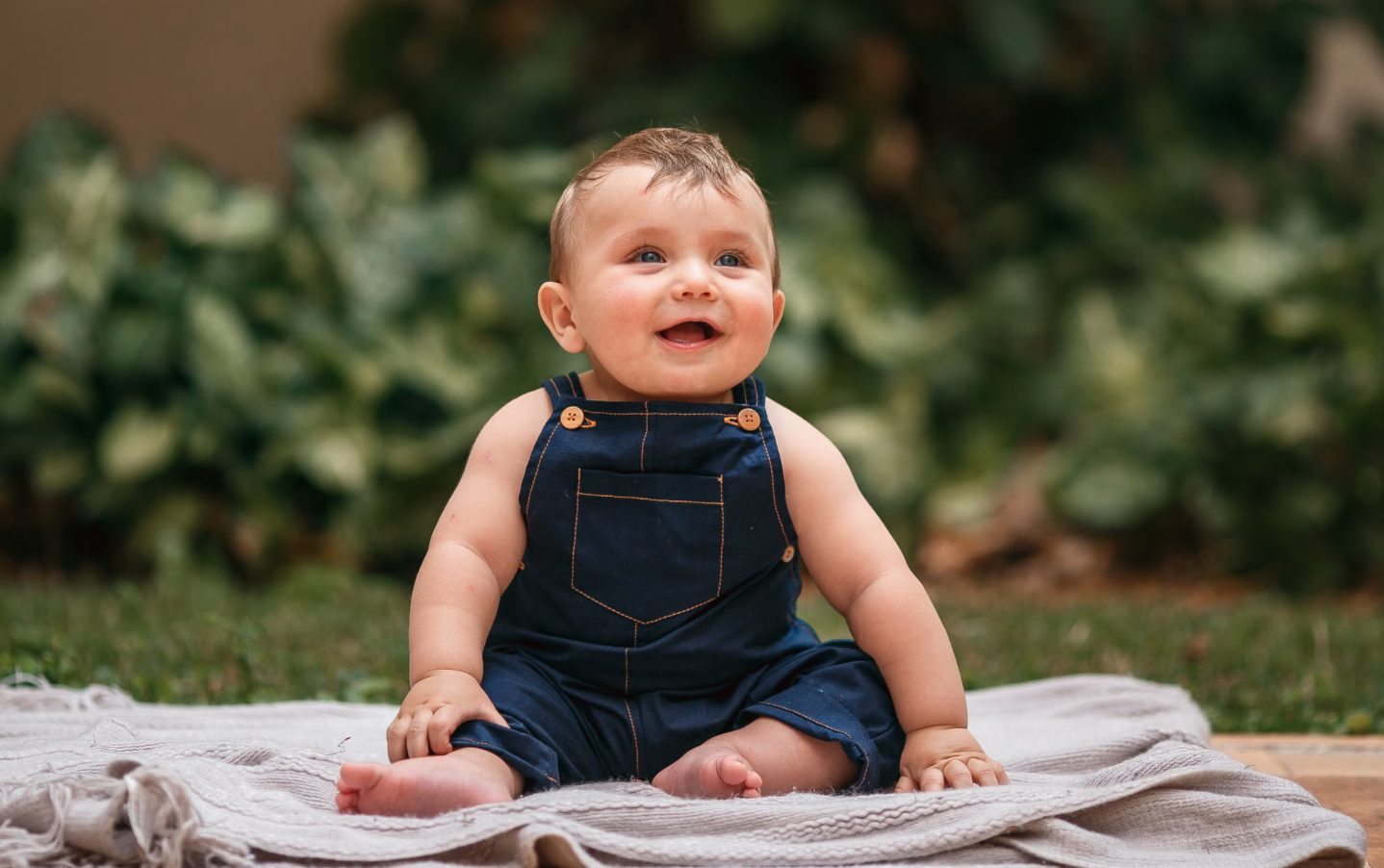
Laughing baby in denim overalls sitting on a blanket in a garden
Parents searching for unusual baby names are increasingly looking beyond familiar favorites for distinctive choices with history and personality. Names such as Magnus, Olympia, Auden, and Caspian can feel equally at home in childhood and adulthood. (Pexels).

Choosing a baby name can feel surprisingly high-stakes when parents imagine that name appearing on everything from a kindergarten cubby to a corporate office door. In 2026, unusual baby names continue to attract attention as families look beyond familiar choices and toward names with individuality, history, and presence. Nameberry reports that ancient civilizations, imaginative worlds, and nostalgic influences are among the forces shaping current naming trends. Meanwhile, Olivia and Liam remain dominant mainstream choices, leaving plenty of room for parents who want something less expected. These nine names have the kind of memorable sound that could someday look perfectly natural beneath the words “Chief Executive Officer.”

1. Alistair Has Boardroom Energy

Alistair feels traditional without sounding like every other name on the playground. Nameberry currently includes it among unusual baby names attracting attention, giving it a useful balance between distinctive and recognizable. It also sounds polished when paired with both short and long surnames. Picture “Alistair Bennett, Founder and CEO” at the top of a company biography, and the appeal becomes obvious. Parents should still say the complete name aloud several times to make sure the combination flows naturally.

2. Olympia Makes A Powerful Introduction

Olympia is dramatic, memorable, and difficult to overlook. Its ancient associations fit neatly with the renewed interest in names inspired by historical civilizations. The name also demonstrates how unusual baby names can feel substantial rather than merely quirky. Olympia could suit a future entrepreneur, attorney, designer, scientist, or executive equally well. Parents drawn to it should consider whether they also like everyday nickname possibilities such as Oly or Pia.

3. Magnus Sounds Ready To Lead

Magnus is compact, commanding, and rooted in history. Parents looking for something uncommon may appreciate that it feels established instead of invented. The name appears on contemporary offbeat-name lists, showing that old-fashioned choices can find new audiences. On a résumé or business card, Magnus has a clean sound that is easy to remember. That practicality matters because an unusual name does not need complicated spelling to stand apart.

4. Vale Is Short And Memorable

Vale proves that unusual baby names do not have to be long or elaborate. Its single syllable gives it the streamlined quality many modern parents appreciate. Nameberry identifies Vale among distinctive choices associated with the broader unusual-name landscape. It also passes an important practical test: most people can see it and make a reasonable attempt at pronunciation. That simplicity could help Vale transition comfortably from preschool introductions to professional networking.

5. Auden Blends Creativity With Authority

Auden has a literary flavor without sounding overly formal. It is uncommon enough to catch attention while remaining straightforward to spell and pronounce. For parents imagining a child growing into a creative founder or technology executive, that combination can be appealing. The Bump includes Auden among uncommon baby-name choices alongside names such as Everest and Ulysses. Before committing, parents can test it in casual, academic, and professional situations to see whether it feels versatile.

6. Lumi Feels Bright And Modern

Lumi is one of those names that sounds almost futuristic while remaining approachable. Nameberry lists it among unusual names currently attracting interest. Its brevity also fits a broader preference for names that feel streamlined and distinctive. “Lumi Chen, CEO” or “Lumi Rodriguez, Founder” demonstrates how naturally the name can move into adulthood. As with any culturally rooted name, parents should research its background and meaning rather than choosing solely because it sounds fashionable.

7. Everest Aims High

Few names create an immediate mental image as effectively as Everest. The geographical association gives it a built-in sense of scale, ambition, and adventure. The Bump currently includes Everest among uncommon names, making it a recognizable example of parents looking beyond traditional choices. It certainly sounds at home attached to an ambitious founder launching a new company. Still, parents should choose it because they genuinely love the name, not because they expect a name to determine achievement.

8. Hartwell Feels Distinguished

Hartwell has the polished quality of a surname transformed into a first name. The Bump includes Hartwell among its rare baby-name selections, making it an intriguing alternative to more familiar surname-style choices. It offers convenient nickname possibilities, including Hart, while retaining a formal full version. That flexibility could serve a child well across different stages of life. Among unusual baby names, Hartwell particularly suits parents who prefer something distinctive without chasing an obviously trendy spelling.

9. Caspian Has Global Appeal

Caspian combines literary, geographical, and adventurous associations in one memorable package. The name feels grand, but its familiar sounds prevent it from becoming difficult to say. The Bump includes Caspian among uncommon choices currently available to parents seeking alternatives to mainstream favorites. Imagine Caspian introducing himself during a college interview, investor meeting, or conference years from now, and the name still works. That ability to grow with a person is worth considering when making a permanent naming decision.

The Best Name Still Has To Fit The Child

Ultimately, no baby name can predict whether someone becomes a CEO, entrepreneur, teacher, artist, or anything else. Research has also documented that names can trigger bias during hiring, which is an important reminder that judging ability from a name is unfair. The best unusual baby names balance individuality with something parents believe their child can comfortably carry through adulthood. Try writing the full name, saying it aloud, testing the initials, and imagining it in both everyday and professional settings before deciding.

Which of these nine future-CEO names would you actually give a child, and which one would you immediately cross off the list—leave a comment and share your pick.

What to Read Next

10 Baby Names That Were Once Considered “Grandparent Names” but Feel Cool Again

9 Baby Names Inspired by Fall Without Naming Your Child Autumn

10 Vintage Baby Names That Sound Surprisingly Modern Again

Evan Morgan

Evan Morgan has been a full-time freelance writer and editor for 10+ years. When not working, he enjoys catching the latest true crime documentary or getting lost in a good book.

Filed Under: Parenting Tagged With: 2026 baby names, baby name trends, baby names, future parents, Parenting, uncommon baby names, unique baby names, unusual baby names

Would You Let Your Child Add Whatever They Want to Your Online Shopping Cart?

September 11, 2026 | Leave a Comment

Family gathered around a laptop shopping online together
</strong> Allowing children to add items to an online cart can teach them about budgets, needs versus wants, and the consequences of impulse purchases. Setting a spending limit keeps parents in control while giving kids valuable financial practice. (Pexels).

Hand your child your phone and tell them, “Put whatever you want in the cart.”

What happens next might tell you more about their relationship with money than another lecture about saving ever could. Maybe they add $8 snacks, a $40 hoodie, $75 sneakers an influencer wore, and a collectible they were desperate to own last week but have barely mentioned since. Nothing has been purchased yet, so there’s little financial risk in seeing what they choose. But before checkout, that virtual cart can become a surprisingly useful lesson about prices, advertising, wants versus needs, and what happens when the total exceeds the family’s budget.

That’s increasingly relevant when parents themselves are struggling with pressure to spend. NerdWallet’s 2026 back-to-school survey found that 25% of shoppers expect most of their purchases to be non-necessities requested by their children, while 19% expect to take on credit-card debt for back-to-school shopping.

Give Them a Budget Before You Give Them the Cart

“Choose whatever you want” teaches a very different lesson from “You have $50—decide how you want to spend it.” Suppose your child wants a $35 sweatshirt, $20 headphones, and a $15 game. Suddenly, the $50 limit requires an actual decision: keep the sweatshirt and game, find cheaper headphones, give something up, or contribute some of their own money.

That’s much closer to how adult budgeting actually works.

Fidelity recommends using everyday exchanges involving money as learning opportunities and specifically cautions against shielding children from what things cost. Its guidance also encourages parents to help children understand wants versus needs and incorporate them into budgeting decisions. Instead of immediately saying yes or no to each item, ask, “If you can only choose two, which two matter most?”

Kids May Have More Influence on the Family Budget Than Parents Realize

Children don’t need access to a credit card to affect how much a household spends. NerdWallet found that 25% of 2026 back-to-school shoppers expect the majority of their purchases to be non-necessities their children requested. The same survey found 43% of parents would be willing to take on debt for back-to-school purchases that help their child fit in socially, while 45% would consider debt for extracurricular activities their children want. Those findings point to a financial pressure that goes beyond ordinary nagging for a toy.

Parents may be balancing a desire to set financial limits against worries that their child will feel excluded because classmates have certain shoes, electronics, clothing, activities, or other products. Letting a child build a cart can actually expose some of that pressure and give parents an opening to ask why a particular item feels important. “Everyone at school has it” may lead to a much more valuable conversation than simply clicking “remove.”

Teach Kids to Recognize When They’re Being Sold Something

Children’s wish lists don’t develop in a vacuum. They encounter products through traditional ads, influencers, unboxing videos, games, social-media feeds, sponsored posts, and recommendations woven directly into entertainment. The Federal Trade Commission has warned that children and teens don’t always recognize advertising when it’s blended into surrounding content, such as an influencer featuring a product or an advertisement embedded in a game.

That’s an opportunity for parents to teach a skill that matters well beyond childhood: Who wants me to buy this, and why?

When your child adds something trendy, ask where they heard about it. If the answer is TikTok, YouTube, a streamer, or an influencer, look at the content together and discuss whether it’s advertising, a genuine recommendation, or something in between. Common Sense Media recommends helping kids question why an advertisement was created, what message it sends, and what information it leaves out.

Make Them Comparison Shop Before Checkout

Finding something you want isn’t the same as finding a good deal. If your child adds a $40 water bottle, challenge them to find three comparable alternatives. Compare price, size, reviews, shipping costs, return policies, and whether the cheaper product actually meets the same need. You can even offer an incentive: If you find a comparable version for $25 instead of $40, you can keep $5 of the $15 savings.

Now the child has a reason to comparison shop instead of assuming the first product an algorithm shows them is the best choice. This also introduces an important adult financial concept: spending less doesn’t always mean buying the cheapest item. A $25 backpack that lasts three years can be a better value than a $15 backpack that needs replacing before the school year ends.

Put Nonessential Purchases Through a 24-Hour Test

Online shopping removes much of the friction that once existed between wanting something and buying it. Greenlight’s 2025 Family Trends Report found spending at TikTok Shop among its families increased more than 50% year over year, with an average spend of $20.09. The company now specifically advises families to discuss impulse buying, fake urgency, one-click purchasing, and the blurred line between social-media content and commerce.

One simple defense is to create a household rule: nonessential purchases stay in the cart for 24 hours. Don’t remind your child what’s waiting there. When you return the next day, ask whether they still want each item badly enough to spend part of their budget on it. Something that seemed essential during an exciting video may look considerably less important after the emotional pull has faded.

Don’t Let a Shopping Lesson Become an Unauthorized Purchase

Giving children freedom to browse shouldn’t mean giving them unrestricted access to the household’s money.

Review saved payment methods, one-click purchasing, app-store settings, subscriptions, in-app purchases, and parental controls before handing over a device. This isn’t a theoretical concern: the Federal Trade Commission previously required Fortnite maker Epic Games to pay $245 million to settle allegations that design practices led consumers to incur unwanted charges and allowed children to make purchases without parental involvement.

The lesson shouldn’t be “here’s Mom’s credit card—try not to spend too much.”

Younger children can make wish lists while a parent controls checkout. Older children might receive a defined allowance or spending limit and gradually gain more independence as they demonstrate that they can compare prices, recognize advertising, stay within a budget, and accept that sometimes the answer is no.

Sometimes a $12 Mistake Is Worth More Than a Lecture

Imagine your child has $30 of their own money and desperately wants a $12 gadget you suspect will disappoint them. If the purchase is safe, age-appropriate, doesn’t involve a subscription, and won’t create a significant financial problem, letting them buy it may sometimes teach more than stopping them. The gadget arrives. It’s smaller than expected, poorly made, or simply boring after two days.

Now the child has $18 instead of $30 and firsthand experience with buyer’s remorse.

Parents don’t need to deliberately encourage bad decisions, but rescuing children from every small financial mistake can prevent them from experiencing consequences while the stakes are still low. Learning that an impulsive $12 purchase was disappointing at age 12 is considerably cheaper than learning the same lesson through a $1,200 credit-card balance at age 22.

Try the Cart Challenge

The next time you’re placing a household order, consider turning the cart into a small experiment. Give your child a realistic spending limit and let them choose several nonessential items without commenting on each choice. Before checkout, have them identify each item as a need or want, explain why they chose it, find at least one competing price, and remove enough items to stay within the budget. Then leave the remaining nonessential purchases in the cart overnight.

The point isn’t whether your child ultimately chooses the item you would have chosen. It’s whether they begin connecting the seemingly effortless act of tapping “add to cart” with the very real money that disappears when someone eventually taps “place order.”

Would you give your child $50 and let them decide exactly what stays in the cart, or would you still want final say over every purchase? Share your approach in the comments.

What to Read Next

Stop Buying Your Kids Things Just Because You Didn’t Have Them Growing Up

8 Things Parents Should Stop Buying Once Their Kids Are Old Enough to Earn Money

The Grandparent Spending Problem: What to Do When They Keep Buying Your Kids Everything

Evan Morgan

Evan Morgan has been a full-time freelance writer and editor for 10+ years. When not working, he enjoys catching the latest true crime documentary or getting lost in a good book.

Filed Under: Parenting Tagged With: budgeting, digital parenting, family finances, financial literacy, kids and money, online shopping, Parenting, Saving Money

8 Things Parents Can Buy Once Instead of Replacing Every School Year

September 11, 2026 | Leave a Comment

Packed lunchboxes with snacks next to notebooks and pencils
Choosing durable backpacks, lunch boxes, water bottles, and other reusable school gear can reduce repeat purchases. A smarter upfront buy may last through several school years. (Pexels).

Back-to-school shopping can feel like an annual subscription parents never signed up for. Folders split, lunch boxes disappear, and backpacks look exhausted by spring. But some durable school supplies can survive several grades when families choose sturdy materials and practical designs. Spending more upfront can reduce repeat purchases, waste, and the August scramble.

1. A Well-Made Backpack

A sturdy backpack is one of the easiest durable school supplies to justify because it gets used almost daily. Look for reinforced seams, strong zippers, a padded back, and two wide, adjustable straps instead of a short-lived character trend. Consumer Reports recommends a pack that is sturdy but lightweight and no wider than the child’s body. A simple design may age better as a child’s tastes change. Before buying, check locker rules and make sure the loaded bag remains comfortable.

2. A Stainless-Steel Water Bottle

A quality stainless-steel bottle can last for years if it is washed regularly and replacement lids are available. Insulated models resist everyday bumps while keeping drinks cold for hours. Choose a size your child can comfortably carry, because an oversized bottle adds unnecessary backpack weight. A wide mouth simplifies cleaning, while a simple lid means fewer tiny parts to lose. Label it clearly, since the biggest threat to a long-lasting bottle may be the lost-and-found bin.

3. A Durable Lunch Box

Cheap lunch bags often fail at the zipper, lining, or seams, making a durable lunch box a smarter purchase. Good Housekeeping’s testing considers durability, cleaning, seal quality, weight, and temperature performance. For perishables, insulation matters too; one tested freezable bag kept contents below 40°F for 5.5 hours. Stainless-steel containers can last well, although they are heavier and may not suit younger children. Pick a style your child can open independently and clean it promptly.

4. A Reusable Bento Container

Reusable bento containers replace the yearly parade of sandwich bags and flimsy disposable tubs. Models with removable dividers can adapt as appetites change, making them practical durable school supplies. Stainless steel offers toughness, while quality plastic may be lighter for younger students. Before buying, check whether seals, latches, and replacement parts are sold separately. A $30 container lasting several school years can make more sense than repeatedly buying disposable packaging.

5. A Basic Scientific Calculator

Once math classes require a calculator, parents can often buy one dependable model instead of replacing bargain versions. Check the school or teacher’s approved list first, because permitted functions vary by course and exam. Choose a recognizable model with a protective case and readily available batteries. Write the student’s name inside the case rather than permanently decorating the calculator. If a younger sibling can eventually inherit it, the cost per school year falls further.

6. A Sturdy Pencil Case

A washable zippered pencil case can outlast plastic school boxes that crack when dropped or overstuffed. Look for durable fabric, a substantial zipper, and enough space for supplies your child actually carries. Avoid oversized cases that invite children to haul unnecessary markers, scissors, and pens. A neutral pattern can remain appealing longer than a design tied to one character or trend. Among durable school supplies, this small purchase can quietly eliminate an annual replacement.

7. A Reliable Pair Of Headphones

Many schools use laptops or tablets for lessons, testing, and videos, so dependable headphones can become a multi-year tool. Over-ear models with a sturdy headband and replaceable cable, when available, may be easier to maintain than ultra-cheap pairs. For younger children, fit and comfortable volume levels matter more than flashy features. Confirm whether the school device uses a 3.5mm jack, USB-C, or another connection before buying. Store headphones in a protective pouch so cords and hinges are not crushed under books.

8. A Quality Geometry And Measuring Set

Rulers, protractors, compasses, and triangles do not become obsolete when the school calendar changes. A compact set made from sturdy materials can last through multiple math courses if every piece returns to its case. Choose easy-to-read markings and a compass that locks firmly rather than slipping during use. This is another place where buying durable school supplies once can beat replacing broken bargain pieces every September. Check the teacher’s list first, however, because some classes specify particular tools or measurement units.

Make The School List Work Harder

Buying for longevity does not mean purchasing the most expensive version of everything. It means identifying high-use items, choosing durable school supplies with replaceable parts, and skipping features children will quickly outgrow. Inspect last year’s gear before shopping, because a wash, new lid, or replacement zipper pull may be all an item needs. Over several grades, those decisions can reduce household spending and clutter.

Which school item does your family keep replacing, and what would convince you to buy a longer-lasting version instead? Share your experience in the comments.

What to Read Next

Why “Back to School” Shopping Feels Like a Mortgage Payment Now

Sensory-Friendly School Supplies: What Helps and What Can Be Skipped

Teachers Beg Parents: Stop Buying These 7 Expensive School Supplies

Evan Morgan

Evan Morgan has been a full-time freelance writer and editor for 10+ years. When not working, he enjoys catching the latest true crime documentary or getting lost in a good book.

Filed Under: Parenting Tagged With: Back To School Shopping, durable school supplies, Family Budget, Kids, Parenting, Saving Money, school shopping, school supplies

Your Child May Not Need Everything Teachers Ask for on Day One

September 10, 2026 | Leave a Comment

Boy standing at a chalkboard with math formulas in class
Before filling the shopping cart, parents can check which school supplies their child already owns and ask teachers which items are truly needed on day one. Buying essentials first and filling gaps later can help reduce unnecessary back-to-school spending. (Pexels).

The school supply list says three boxes of tissues, four dry-erase markers, two specialty folders, headphones, disinfecting wipes and a particular brand of colored pencils. Does your child really need every one of those items sitting in their backpack on the first morning?

Not necessarily.

In fact, nearly half of back-to-school shoppers are already taking a more gradual approach in 2026. The National Retail Federation found that 47% plan to buy only what’s essential for the beginning of the school year and replenish supplies as needed. That strategy makes sense when families with children in elementary through high school expect to spend an average of $863.86 on back-to-school purchases this year. Before treating the teacher’s list like a one-trip shopping mandate, figure out what your child actually needs now, what you already own and what can safely wait.

Start With a 15-Minute Supply Hunt at Home

The cheapest school supply is usually the one you’ve already paid for.

Before shopping, empty last year’s backpack and check desks, junk drawers, closets and craft supplies for scissors, rulers, pencil boxes, folders, unopened notebook paper, glue sticks, and other reusable items. A half-used package of pencils doesn’t become worthless because a new school year begins, and sturdy supplies such as scissors and rulers can often last for several grades.

Then compare what you find with the new list and cross items off before opening a retailer’s website. This matters because the National Retail Federation estimates K-12 families will spend an average of $146.45 specifically on school supplies in 2026. Saving $20 or $30 by reusing what you own may not sound dramatic, but that’s money available for the expenses that inevitably appear after school begins.

Ask Which Supplies Are Actually Needed Right Away

A supply appearing on a teacher’s list doesn’t always mean your child will use it during the first week. Consumer Reports specifically recommends asking teachers which items students need immediately and purchasing the rest later. That can be particularly useful when a list includes specialty notebooks, binders, art materials, backup supplies, or items intended for later units.

A quick email can settle the question: “We’re getting supplies together. Which items are essential for the first week, and is anything on the list okay to purchase later?” This isn’t about challenging a teacher over a $2 notebook. It’s about avoiding a cart full of “just in case” purchases when several of those items might sit untouched for months.

Back-to-School Shopping Is Already an $864 Expense for Many Families

School supplies are only one piece of the back-to-school bill. NRF’s 2026 survey found K-12 households plan to spend an average of $863.86 overall, including $293.11 on electronics, $250.29 on clothing and accessories, $174.01 on shoes, and $146.45 on school supplies. Across the country, NRF expects K-12 back-to-school spending to reach a record $43.3 billion this year.

Deloitte’s 2026 Back-to-School Survey uses different categories and methodology but reaches a similar conclusion about household caution. Parents surveyed expect to spend $557 per child, while 57% say they expect economic conditions to worsen over the next six months. Virtually everyone is looking for ways to stretch those dollars: Deloitte found most shoppers use at least one cost-saving tactic, while 31% use four or more.

Put Every Supply Into One of Four Categories

Instead of looking at the list as one giant shopping assignment, grab a pen and mark every item with one of four labels.

  • DAY ONE: Pencils, notebooks, or other supplies the teacher confirms your child needs immediately.
  • ALREADY OWN: Scissors, rulers, pencil cases, headphones, or other items from previous years that remain usable.
  • BUY LATER: Extra notebooks, replacement pencils, backup markers and supplies that won’t be needed immediately.
  • ASK FIRST: Anything unusually expensive, highly specific, or unclear.

That simple exercise creates an actual purchasing plan instead of allowing a long list to dictate how much you spend in one afternoon.

Waiting Can Give You More Time to Find a Deal

Buying later isn’t only about avoiding unnecessary purchases. It can also give you more time to compare prices. NRF found that among 2026 shoppers who hadn’t yet purchased at least half of their back-to-school items, 46% were waiting for the best deals before finishing their shopping. Another 23% said they were spreading purchases out specifically to manage their budgets.

Retailers don’t stop selling pencils and notebooks when the first bell rings, either. If a teacher says your child won’t need a particular binder until October, there may be little benefit in rushing out to buy it at whatever price you encounter today. Keeping a digital photo of the supply list on your phone also makes it easy to watch for sales while you’re already shopping.

Don’t Use This Strategy for Everything

There is an important line between strategic waiting and sending a child to school unprepared. If a teacher says students need headphones for classroom technology on the first day, that’s not something to postpone simply because you’re hoping for a sale. The same applies to required writing materials, calculators, art supplies, or organizational tools students need to participate in lessons.

Families struggling to afford required supplies should also ask the school what assistance is available rather than quietly sending a child without what they need. Some schools, districts, parent organizations, charities, and community programs provide donated supplies or other back-to-school assistance, and asking early may provide more options than waiting until a child is already missing materials.

Save Part of the Budget for What Comes Next

One reason not to exhaust the school budget before classes begin is that the supply list rarely represents the last expense of the year. Sports registration, club dues, field trips, school pictures, replacement water bottles, project materials, uniforms, and activity equipment can all appear after the initial shopping trip. Even ordinary growth can wreck a carefully planned budget when the shoes purchased in August suddenly don’t fit several months later.

Consider setting aside part of your back-to-school budget as a “school-year reserve” instead of spending every available dollar before day one. For example, a family with a $600 back-to-school budget might intentionally hold $75 or $100 back for later expenses. If nothing unexpected happens, that money remains yours rather than becoming another package of markers sitting unopened in a closet.

Prepared Doesn’t Have to Mean Brand-New

There’s a psychological side to back-to-school shopping that’s easy to overlook: a new school year can make everything feel as though it should be new. But your child’s education isn’t improved because last year’s perfectly functional scissors were replaced with an identical pair.

Start with what the teacher says is genuinely necessary, reuse durable supplies that still work and delay purchases that aren’t immediately needed. That’s essentially what millions of other families are already planning to do, with 47% of NRF respondents saying they’ll purchase the essentials first and replenish supplies later. The goal isn’t to spend as little as humanly possible. It’s to make sure the money you do spend goes toward things your child will actually use.

What’s the strangest or most expensive item you’ve ever seen on a school supply list? Share it in the comments.

What to Read Next

Some Parents Are Spending Nearly $1,000 Getting One Child Back to School

Sensory-Friendly School Supplies: What Helps and What Can Be Skipped

Teachers Beg Parents: Stop Buying These 7 Expensive School Supplies

Evan Morgan

Evan Morgan has been a full-time freelance writer and editor for 10+ years. When not working, he enjoys catching the latest true crime documentary or getting lost in a good book.

Filed Under: Parenting Tagged With: Back to School, Back To School Shopping, education, Family Budget, Parenting, Saving Money, school supplies, school supply list, students, teachers

10 Baby Names That Were Once Considered “Grandparent Names” but Feel Cool Again

September 10, 2026 | Leave a Comment

Baby in a white onesie crawling on a mustard couch
Once associated with grandparents and great-grandparents, names such as Theodore, Evelyn, Henry and Alice are finding new life with today’s parents. The revival shows how quickly an old-fashioned name can become fashionable again. (Pexels).

Baby-name trends have a funny way of circling back, and names that once sounded like they belonged at a grandparents’ reunion are appearing on birth announcements again. In fact, vintage baby names have moved firmly into the mainstream, with Theodore, Henry and Evelyn among America’s top names for babies born in 2025. Parents seem increasingly drawn to names that feel familiar without sounding tied to one fleeting trend. A century-old name can also offer something many modern parents want: history, recognizable spelling and plenty of personality. Here are 10 former “grandparent names” that suddenly sound surprisingly cool again.

1. Theodore Has Gone From Stately To Stylish

Theodore once sounded like the name of a distinguished older gentleman, but modern parents have thoroughly reclaimed it. The name ranked No. 4 among U.S. boys born in 2025, according to the latest national baby-name figures. Part of its appeal may be its flexibility, since parents can shorten it to Theo, Teddy or Ted. That makes Theodore work equally well on a preschool cubby, college application or future business card. Among vintage baby names, few demonstrate the old-to-new transformation quite as clearly.

2. Evelyn Feels Elegant Without Feeling Fussy

Evelyn has the polished sound of a name you might discover on an old family tree, yet it fits comfortably in a modern classroom. It ranked No. 8 for girls nationally in 2025, showing just how far this classic has returned. Parents who worry that an older name will feel dated may find Evelyn offers a useful middle ground. Nicknames such as Evie and Eve can make it feel lighter and more playful during childhood. The result is a traditional name that sounds graceful rather than dusty.

3. Arthur Is Ready For Another Generation

Arthur carries plenty of history, from legendary King Arthur to generations of real-life grandfathers and great-grandfathers. Today, that history can actually be an advantage for parents searching for vintage baby names with substance. The name is straightforward to spell and pronounce, while Art and Artie provide easy nickname options. Imagine a toddler named Artie at daycare and the supposedly old-fashioned choice suddenly sounds much younger. Arthur also has a sturdy quality that avoids feeling overly trendy.

4. Alice Sounds Fresh And Effortless Again

Alice is another classic that spent years sounding more grandmotherly than fashionable. Now its simplicity works in its favor, particularly as parents rediscover short, recognizable vintage baby names. It has literary associations, including Lewis Carroll’s “Alice’s Adventures in Wonderland,” without requiring an explanation every time someone hears it. Parents considering Alice can also pair it easily with contemporary or traditional middle names. That versatility helps an unmistakably old name feel remarkably current.

5. Mabel Has Rediscovered Its Charm

Mabel may once have brought to mind a great-aunt’s handwritten recipe cards, but that cozy image is becoming part of the attraction. The name means “lovable” and was a top-30 girls’ name in the United States during the late 19th and early 20th centuries, according to The Bump. After decades outside the spotlight, Mabel has been steadily climbing again. Its two syllables make it simple to say, while its uncommon sound helps it stand apart from more heavily used classics. For parents wanting warmth without choosing something invented or difficult to spell, Mabel deserves another look.

6. Henry Barely Feels Old-Fashioned Anymore

Henry illustrates how completely a “grandpa name” can return to everyday use. It reached No. 5 among boys born in the United States in 2025. That popularity means parents should not assume every vintage choice will automatically be unusual. Henry has centuries of history, but its crisp sound and easy spelling keep it accessible. If you love vintage baby names but also want something instantly familiar, Henry checks both boxes.

7. Eleanor Has Become Sophisticated Again

Eleanor can evoke history and formality, yet modern nicknames give parents plenty of room to personalize it. Ellie, Elle, Nora and Nell can each create a noticeably different feel. That flexibility matters when parents love a traditional full name but want something relaxed for everyday life. Eleanor also appears among the popular vintage choices highlighted by current baby-name experts. It is a good reminder that a formal name does not have to produce a formal childhood.

8. Walter Has An Unexpectedly Cool Edge

Walter may still remind some people of an older relative, which is precisely why it can feel distinctive among younger children. Unlike newly created names, nobody has to wonder how Walter is pronounced or spelled. Walt also provides a compact nickname with a surprisingly modern sound. Parents should consider saying the full name aloud with their surname, since rhythm can transform how an older choice feels. In the right combination, Walter can sound less like Grandpa and more like a confident revival.

9. Clara Combines Vintage Style With Simplicity

Clara has the elegance people often want from vintage baby names without being complicated or overly ornate. Its long history gives it substance, while two clear syllables keep it approachable. The name also works well for families who like classics such as Alice, Lucy and Eleanor but want another option. Before committing, parents can test it in everyday phrases such as “Clara, dinner’s ready” or imagine it printed on a graduation announcement. A name that works naturally at both ages usually has staying power.

10. Otis Has Turned Quirky Into Cool

Otis once seemed firmly planted in another generation, but its compact sound now gives it an appealing retro quality. It is distinctive without requiring an unusual spelling, an increasingly attractive combination for parents trying to balance originality and practicality. The name also shares the short, punchy style of choices such as Milo, Theo and Leo. Because Otis remains less conventional than Henry or Theodore, families should decide whether they genuinely love it rather than choosing it simply because vintage is fashionable. The best revived name is still one that feels right after the trend moves on.

Yesterday’s Names Could Be Tomorrow’s Favorites

The comeback of these names shows that “old-fashioned” is often just another stage in the naming cycle. Current lists are filled with classics that previous generations might have associated with their parents or grandparents. When choosing among vintage baby names, consider pronunciation, initials, possible nicknames and how the full name sounds with your surname. Family history can make an older choice especially meaningful, but parents do not need a family connection to appreciate a timeless name.

Which supposedly old-fashioned baby name do you think deserves the next big comeback, and would you actually give it to your child? Share your pick in the comments.

What to Read Next

9 Baby Names Inspired by Fall Without Naming Your Child Autumn

10 Vintage Baby Names That Sound Surprisingly Modern Again

Why Are So Many Parents Giving Their Babies “Old Money” Names?

Evan Morgan

Evan Morgan has been a full-time freelance writer and editor for 10+ years. When not working, he enjoys catching the latest true crime documentary or getting lost in a good book.

Filed Under: Parenting Tagged With: baby names, classic baby names, Family, grandparents, naming trends, old-fashioned baby names, Parenting, popular baby names, Pregnancy, vintage baby names

7 School Purchases That Are Usually Cheaper After Classes Begin

September 9, 2026 | Leave a Comment

Stack of spiral-bound notebooks against a blue background
Waiting until classes begin can help families avoid unnecessary school purchases and take advantage of later-season deals. Clothing, supplies, dorm accessories and some technology may be worth postponing. (Pexels).

Back-to-school shopping can feel like a race to buy everything before the first bell, but rushing may cost families more than necessary. In 2026, families with K-12 students expect to spend an average of $863.86 on school-related purchases, according to the National Retail Federation. Nearly half of shoppers who had not finished buying their supplies in early July said they were waiting for better deals. That makes patience a practical strategy for finding back-to-school savings, especially on items students do not need immediately. If your child can get through the first few weeks with the essentials, these seven purchases may be worth postponing.

1. Fall Clothing And Accessories

Buying an entire fall wardrobe before classes begin can mean paying when seasonal demand is strongest. Consumer Reports has previously recommended holding off on much of the fall apparel shopping because retailers may cut prices in September. Waiting also lets kids see what they actually enjoy wearing once their school routine begins. A practical compromise is buying a few first-week outfits, then filling wardrobe gaps as promotions appear. This approach creates back-to-school savings while reducing the risk of buying clothes that remain untouched in the closet.

2. Backpacks And Lunch Bags

A backpack is essential if your child does not already have a usable one, but replacing a perfectly functional bag before school starts is another matter. Retailers devote considerable shelf space to backpacks and lunch bags during peak shopping season, and leftover seasonal merchandise can become more attractive when stores need that space for fall inventory. Waiting also gives students time to determine whether they need extra compartments, laptop protection or a larger lunch bag. Keep using last year’s gear for several weeks if it remains comfortable and structurally sound. Just don’t delay if worn straps, broken zippers or poor fit make the existing backpack impractical.

3. Extra Notebooks, Binders And Folders

Those giant stacks of notebooks and folders look useful in August, but students may not need nearly as many as parents expect. The NRF reports that 47% of 2026 shoppers plan to buy only essentials initially and replenish supplies throughout the year. That strategy can prevent waste when teachers have specific requirements for binder sizes, notebook types or folder colors. Buy what’s explicitly listed, then watch for clearance prices on extras after the initial rush. Small purchases add up, making basic supplies an easy place to find back-to-school savings.

4. Dorm Room Decorations

College students can easily overspend trying to create a picture-perfect dorm before they have spent a single night there. Waiting a week or two reveals what actually fits, what a roommate already brought and which decorative items are genuinely wanted. That matters because 2026 back-to-college spending is expected to reach a record $103.5 billion, with shoppers budgeting an average of $194 for dorm or apartment furnishings. Consumer Reports also notes that back-to-school sales on dorm essentials can continue through the season rather than disappearing immediately. Start with bedding and necessities, then add rugs, organizers, lamps or decorative storage when you know the room’s real needs.

5. Shoes For The Entire Semester

Children need properly fitting shoes, but buying several pairs before school begins may unnecessarily lock families into August prices and sizes. Growing children can change sizes surprisingly quickly, while teenagers may reconsider which styles they want after seeing what works with their school routine. Instead of purchasing athletic shoes, casual shoes and backups simultaneously, consider buying the essential pair first. In 2026, K-12 families expect to spend an average of $174.01 on shoes, so avoiding even one unnecessary pair can protect the household budget. Spreading purchases across the semester also creates more opportunities for back-to-school savings.

6. Printers And Nonessential Tech

Electronics consume a major share of school budgets, but not every device must be purchased before classes begin. The NRF says K-12 shoppers expect to spend an average of $293.11 on electronics in 2026, while some schools provide devices directly to students. Waiting can reveal whether a student truly needs a home printer, tablet, headphones or another accessory. Consumer Reports says technology discounts can fluctuate throughout the back-to-school period, and later seasonal sales can provide additional opportunities. Before spending hundreds of dollars, check the school’s technology requirements and confirm what equipment is already provided.

7. Backup Supplies For Later In The Year

Families often buy extra pencils, markers, paper and classroom supplies because they assume everything will eventually be needed. Stocking up makes sense when the price is exceptionally low, but otherwise those extras can tie up money and create clutter. Once classes begin, parents have a clearer picture of which supplies their children use quickly and which barely leave the backpack. Keep a short replenishment list and compare unit prices instead of assuming a large multipack automatically offers the best value. This targeted approach can produce back-to-school savings without sacrificing anything a student genuinely needs.

Patience Can Be Part Of Your School Shopping Strategy

The goal isn’t to postpone every purchase, because students should start school with the essentials their teachers require. Instead, separate immediate needs from items that can comfortably wait several weeks. Current shopping behavior supports that strategy: NRF found that shoppers had completed only 44% of their lists on average by early August 2026, showing that plenty of families were still purchasing as classes approached. Delaying selected purchases can help families compare prices, understand actual classroom needs and avoid paying for things children never use.

Which school purchase have you learned to wait on, and where have you found your best bargains? Share your experience in the comments.

What to Read Next

8 School Expenses That Can Hit Families After the First Day

7 Back-to-School Expenses Parents Forget to Budget for Until September

Youth Sports Cost Families $1,016 a Year on Average — 8 Expenses New Parents Don’t Expect

Evan Morgan

Evan Morgan has been a full-time freelance writer and editor for 10+ years. When not working, he enjoys catching the latest true crime documentary or getting lost in a good book.

Filed Under: Personal Finance Tagged With: Back To School Shopping, back-to-school savings, Family Budget, Money Saving Tips, Parenting, school shopping, school supplies, student expenses

Should Grandparents Be Expected to Help Pay for Kids’ Activities?

September 9, 2026 | Leave a Comment

Grandparents smiling with their adult daughter and young granddaughter
Kids’ sports, camps and lessons can cost families thousands of dollars a year, making grandparents’ financial help tempting. Clear boundaries can keep that generosity from becoming an expectation. (Pexels).

Soccer registration is $400. The uniform is another $150. Then come tournament fees, hotels, gas, team photos and the inevitable new pair of cleats halfway through the season.

For parents already juggling groceries, housing, childcare and other household expenses, asking Grandma or Grandpa to help may not sound unreasonable—especially when grandparents are financially comfortable and eager to be involved.

But when does a generous gift turn into an expectation?

That’s becoming a more consequential family-finance question as organized children’s activities get more expensive and grandparents provide enormous amounts of financial and caregiving support to younger generations. New AARP research estimates grandparents collectively provide about $172 billion in direct financial assistance to grandchildren every year, on top of hundreds of billions of dollars worth of unpaid care.

There’s nothing wrong with a grandparent wanting to pay for soccer, dance or summer camp. The financial danger begins when parents build recurring expenses around money Grandma and Grandpa never actually promised.

Kids’ Activities Are Getting More Expensive

The cost of organized activities makes it easy to understand why parents might welcome another source of financial help. The Aspen Institute’s Project Play found that the average U.S. sports family spent $1,016 on a child’s primary sport in 2024, up 46% from $693 in 2019, with families spending another $475 on average for that child’s additional sports.

Those aren’t merely inconvenient expenses: Project Play has warned that rising costs contribute to significant participation gaps between children from higher- and lower-income households. And registration may only be the beginning when a sport requires specialized equipment, private instruction, tournament travel, hotels or repeated uniform purchases. When one child’s activity begins costing four figures a year, asking whether grandparents might want to contribute becomes understandable—but affordability for the parents doesn’t automatically establish a financial obligation for the grandparents.

Grandparents May Already Be Contributing More Than Anyone Realizes

Before asking grandparents to pick up another bill, families may want to consider the financial value of help they’re already receiving. AARP’s 2026 research found that 90% of grandparents provide financial support to grandchildren, spending an average of $2,654 annually across all their grandchildren, while 69% provide childcare.

When researchers put a value on both forms of support, the numbers became enormous: an estimated $172 billion in direct financial assistance plus $731 billion worth of unpaid care each year. That works out to a roughly $903 billion “grandparent economy,” with support ranging from birthday gifts and camps to clothing, school supplies, childcare, basic necessities and healthcare. A grandparent already providing weekly childcare, school pickups, meals and occasional financial help may therefore be contributing substantially to the household even if they never write a check for soccer registration.

Helping Should Not Become An Expectation

There is a significant difference between a grandparent volunteering to pay for piano lessons and a parent sending a $900 travel-team invoice expecting reimbursement. Grandparents may have mortgages, medical expenses, insurance premiums, long-term care concerns and retirement goals that are not obvious to younger family members. Fidelity’s 2026 retirement research found that 74% of Americans surveyed had a plan for reaching their retirement goals, underscoring the importance many households place on maintaining long-term financial security. A grandparent should not have to weaken that security simply because a child wants an expensive extracurricular opportunity. Grandparents paying for activities works best as voluntary generosity rather than an unwritten family obligation.

Families Can Find A Middle Ground

Financial support does not have to be an all-or-nothing arrangement. A grandparent who cannot comfortably cover a $1,500 sports season might offer $200 toward registration, buy equipment for a birthday or pay for several music lessons instead. Another practical approach is choosing one activity each year that grandparents want to support, creating a predictable boundary for both generations. Parents can also ask whether grandparents would rather contribute time by driving children to practices, attending performances or helping with childcare, support that can be valuable without requiring another check. When discussing grandparents paying for activities, specific limits can prevent a generous gesture from quietly turning into a recurring financial commitment.

Parents And Grandparents Need An Honest Conversation

Money becomes especially uncomfortable when family members make assumptions instead of discussing expectations directly. Parents can start by explaining the activity, its total cost and why it matters to the child, then asking whether the grandparent would be interested in contributing rather than implying that help is required. Grandparents should feel equally comfortable saying, “I can contribute $300 this year,” or declining altogether without being made to feel less supportive. Fidelity’s 2025 Family and Finance Study emphasized that ongoing family conversations about money and responsibilities can create greater clarity, a principle that applies to smaller financial decisions as well as major estate planning. Clear communication around grandparents paying for activities can protect relationships while ensuring everyone understands who is responsible for future bills.

Ask One Question Before Saying Yes

A useful question for grandparents isn’t simply, “Can I afford the $800?” but “Can I afford for the family to expect this $800 again next year?” Paying one season of travel soccer from surplus cash is different from creating a recurring commitment that continues for several grandchildren over many years. Grandparents should consider whether the gift competes with retirement contributions, emergency savings, debt repayment, medical expenses, insurance premiums or money they may eventually need for long-term care. They should also think about fairness if several grandchildren participate in activities with dramatically different price tags, because paying $2,000 for one child’s travel team can create expectations elsewhere in the family. If the answer is yes only because the grandparent would need to carry a credit-card balance, withdraw retirement money unexpectedly or reduce money reserved for their own necessities, the activity probably doesn’t fit their budget.

The Best Support Respects Everyone’s Budget

Grandparents can play an extraordinary role in a child’s life without becoming a second set of parents financially. If they genuinely want to fund soccer, ballet, robotics camp or another experience and can comfortably afford it, their contribution can create memories and opportunities that last far beyond the season. But parents should generally build children’s activities around their own household budget first rather than treating grandparents’ money as guaranteed income. Grandparents paying for activities should be viewed as a gift, not a requirement, and no extracurricular program is worth creating resentment or threatening someone’s retirement security.

Would you expect grandparents to help pay for their grandchildren’s activities, or should those expenses remain entirely the parents’ responsibility? Share your thoughts and experiences in the comments.

What to Read Next

The Grandparent Spending Problem: What to Do When They Keep Buying Your Kids Everything

8 Things Grandparents Buy Kids That Parents Secretly Wish They Wouldn’t

6 Budgeting Hacks from Depression Era Grandmothers

Evan Morgan

Evan Morgan has been a full-time freelance writer and editor for 10+ years. When not working, he enjoys catching the latest true crime documentary or getting lost in a good book.

Filed Under: Parenting Tagged With: extracurricular activities, Family Budgeting, family finances, grandparents, kids activities, Parenting, Retirement, youth sports

9 Baby Names Inspired by Fall Without Naming Your Child Autumn

September 8, 2026 | Leave a Comment

Smiling baby girl in a pink dress and headband lying on a blanket
Fall colors, trees, and seasonal traditions can inspire distinctive baby names without choosing Autumn itself. Hazel, Rowan, Amber, and Aspen are among the options that capture the season more subtly. (Pexels).

Fall has a way of inspiring parents, from crisp weather and changing leaves to warm colors and cozy traditions. But naming a baby Autumn may feel a little too literal for families who want a subtler connection to the season. Fortunately, plenty of fall baby names capture the same feeling without announcing the season outright. Whether you prefer nature, color, or something less expected, these nine options offer plenty of inspiration.

1. Hazel

Hazel is one of those fall baby names that feels seasonal without trying too hard. The name comes from the English word for the hazel tree and can also describe a light brown color. That earthy association fits naturally with fall’s brown, gold, and green palette. Hazel also has a vintage quality that makes it feel established rather than trendy. For parents who want a recognizable nature name with warmth, Hazel checks several boxes.

2. Rowan

Rowan brings to mind a tree known for its clusters of striking red berries, giving the name an immediate connection to fall scenery. The name has Irish roots, while its use in English can also refer directly to the rowan tree. Better still for parents seeking flexibility, Rowan is used for both boys and girls. Picture calling Rowan across a pumpkin patch in October, and the seasonal appeal becomes easy to understand. It is a strong choice for families who want a nature-inspired name that works year-round.

3. Amber

Few colors capture autumn sunlight quite like amber. As a name, Amber refers to both the fossilized resin used as a gemstone and its familiar orange-yellow color. That makes it an easy alternative for parents drawn to fall baby names with a rich color connection. Amber has also been used as a given name since the late 19th century, so it has plenty of history behind it. It offers seasonal warmth without sounding like a theme name.

4. Maple

Maple may be an unexpected baby name, but that is part of its charm. Maple trees provide some of fall’s most recognizable red, orange, and yellow foliage. The name also brings to mind maple syrup, weekend pancakes, and cozy mornings when temperatures begin dropping. Parents should consider whether they are comfortable with an unmistakable word name before choosing it. For those who are, Maple delivers a playful seasonal connection that is difficult to miss.

5. Sienna

Sienna captures autumn through color rather than leaves or trees. The word is associated with an earthy reddish-brown pigment, making it reminiscent of changing foliage, cinnamon, and fall landscapes. It is a particularly useful choice for parents who like fall baby names but prefer something that does not immediately sound seasonal. Sienna also feels familiar enough that pronunciation is unlikely to become a constant explanation. That balance of practicality and seasonal imagery gives it broad appeal.

6. Scarlett

Scarlett evokes the deep reds that appear as leaves change and summer fades. Although the name does not literally mean fall, its strong color association gives it a natural place on an autumn-inspired list. It also works beyond childhood, which matters when parents imagine the name on a résumé as well as a birth announcement. A name can feel seasonal without limiting a child’s identity to the season they were born. Scarlett accomplishes that particularly well.

7. Aspen

Aspen offers another way to bring the outdoors into a child’s name. Aspen trees are famous for leaves that turn brilliant yellow and gold, creating dramatic fall landscapes. The name can also evoke the Colorado mountain destination, giving it an outdoorsy, adventurous character. Parents considering Aspen may appreciate that the seasonal reference is noticeable without being overly obvious. Among modern fall baby names, it has a clean sound that can suit a child well beyond infancy.

8. Sage

Sage works especially well for parents who prefer understated nature names. The word refers to an aromatic herb and also carries associations with wisdom, giving it more than one layer of meaning. Its muted green color fits naturally alongside the earthy shades associated with autumn decorating and landscapes. Sage is also commonly considered gender-neutral, giving parents added flexibility. It is simple, easy to spell, and seasonal without being tied exclusively to fall.

9. October

For parents willing to be bolder, October puts a distinctive spin on seasonal naming. Unlike Autumn, it connects a child to a specific month rather than the entire season. October could be especially meaningful for a baby born during that month or for parents with an important anniversary or family memory then. The nickname Toby may also make the unconventional full name feel more approachable. Still, parents should say October aloud with their surname several times before deciding whether the combination works.

A Fall Connection Can Last All Year

The best fall baby names do more than match pumpkins, leaves, and sweater weather. They should also feel comfortable when your child is 5, 25, or 55, so testing a name aloud in everyday situations can help. Hazel, Rowan, and Sage offer subtle nature connections, while Amber, Sienna, and Scarlett capture the season through color. Maple, Aspen, and October make bolder statements for parents who want something less conventional.

Which fall-inspired name would you actually choose for a baby, and which one would you skip? Share your pick and your reasoning in the comments.

What to Read Next

10 Vintage Baby Names That Sound Surprisingly Modern Again

9 Baby Names That Sound Expensive Even Though Naming Your Baby Is Still Free

11 Baby Names That Feel Perfect for a September Baby

Evan Morgan

Evan Morgan has been a full-time freelance writer and editor for 10+ years. When not working, he enjoys catching the latest true crime documentary or getting lost in a good book.

Filed Under: Parenting Tagged With: autumn baby names, baby names, fall baby names, nature baby names, Parenting, Pregnancy, seasonal baby names, unique baby names

« Previous Page
Next Page »
  • Facebook
  • Pinterest
  • RSS
  • Twitter

Basic Principles Of Good Parenting

Here some basic principles for good parenting:

  1. What You Do Matters: Your kids are watching you. So, be purposeful about what you want to accomplish.
  2. You Can’t be Too Loving: Don’t replace love with material possessions, lowered expectations or leniency.
  3. Be Involved Your Kids Life: Arrange your priorities to focus on what your kid’s needs. Be there mentally and physically.
  4. Adapt Your Parenting: Children grow quickly, so keep pace with your child’s development.
  5. Establish and Set Rules: The rules you set for children will establish the rules they set for themselves later.  Avoid harsh discipline and be consistent.
  6. Explain Your Decisions: What is obvious to you may not be evident to your child. They don’t have the experience you do.
  7. Be Respectful To Your Child: How you treat your child is how they will treat others.  Be polite, respectful and make an effort to pay attention.
Best Parenting Blogs

Most Popular

Baby Girl

12 “Grandma” Baby Names That Are Suddenly Cool Again

Evan Morgan
Baby

9 Baby Names That Sound Rare Without Being Hard to Spell

Evan Morgan
Target Store

Choking Incident Prompts Recall of 49,000 Target Gigglescape “Under the Sea” Popping Toys

Evan Morgan
Frustrated Girl

Why Some Students on the Spectrum Are Labeled With ODD

Evan Morgan
Coke Bottles

12 Things Kids Took to School in the ’70s That Would Never Be Allowed Today

Evan Morgan

All content on Kids Ain’t Cheap is for entertainment purposes only. By reading this blog, you agree that Kids Ain’t Cheap is not responsible for any actions taken after reading this blog. For the full disclaimer, see our privacy policy.

Please note that Kids Ain’t Cheap has financial relationships with some of the merchants mentioned here. Kids Ain’t Cheap is funded by banner advertising, commission sales and search optimization consulting.

Copyright © 2006–2026 | District Media | All Rights Reserved | Privacy Policy

Copyright © 2026 Runway Pro Theme by Viva la Violette