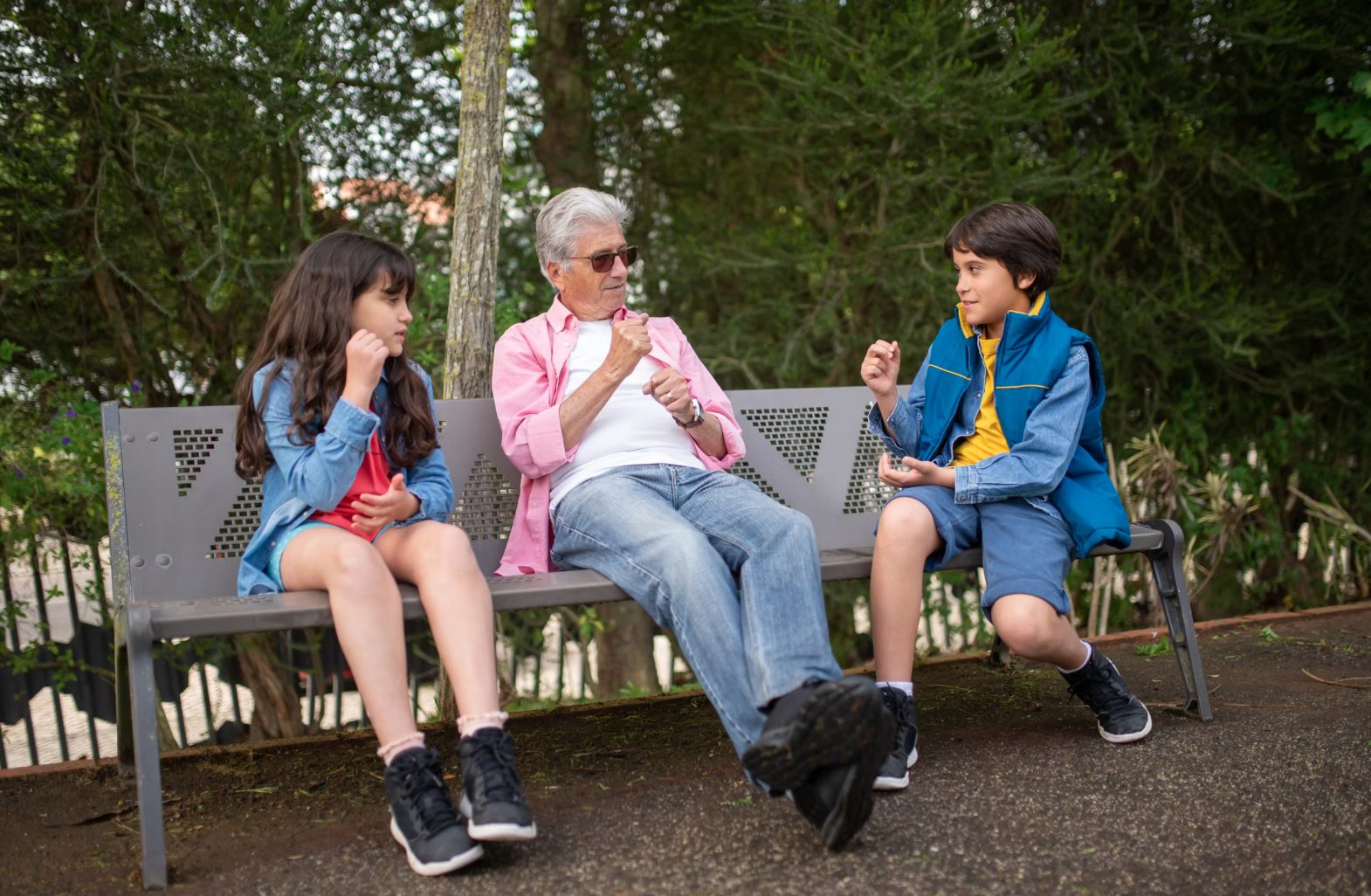
Grandparents often show love through generosity, but there is a point when another toy, outfit, gadget, or surprise stops feeling helpful. For parents, too much grandparent spending can create clutter, undermine household rules, and teach children to expect a purchase every time Grandma or Grandpa visits. This is hardly a small phenomenon: AARP’s 2026 research found that 90% of grandparents provide financial support to grandchildren, spending an average of $2,654 annually across their grandkids. Collectively, grandparents provide an estimated $172 billion in direct financial assistance every year, on top of hundreds of billions of dollars’ worth of unpaid care. The goal is not to discourage that generosity but to make sure it strengthens the family instead of becoming a source of conflict.
First, Decide Whether You Actually Have a Spending Problem
A grandmother who occasionally arrives with a coloring book is different from a grandparent who buys expensive electronics after a parent has specifically said no. Before starting a potentially uncomfortable conversation, identify what is actually bothering you about the spending. Is your house overflowing with toys, are grandparents disregarding your rules, are siblings receiving noticeably different gifts, or is your child beginning to associate visits with getting something? The distinction matters because a little harmless grandparent spoiling may not require the same response as repeated purchases that interfere with parenting decisions. Establishing exactly which behavior needs to change makes it much easier to communicate a reasonable boundary.
Explain the Problem Without Criticizing Their Generosity
Starting with “You buy them too much stuff” can immediately put grandparents on the defensive, so focus instead on what is happening in your household. You might explain that toys are overflowing from the playroom, your child has started asking grandparents for purchases, or expensive gifts are conflicting with lessons you are teaching about money. ZERO TO THREE found that disagreements between parents and grandparents frequently stem from mismatched expectations and recommends discussing boundaries and caregiving approaches openly. Research from the C.S. Mott Children’s Hospital National Poll has similarly found that disagreements with grandparents are common, with 43% of parents reporting at least minor disagreements over parenting choices. A simple “We love how generous you are, but we need your help keeping gifts manageable” acknowledges the good intention while making clear that parents still set the household rules.
Create a Gift Rule Everyone Can Actually Understand
“Please don’t buy so much” is difficult to follow because Grandma’s definition of “too much” may be completely different from yours. Instead, establish a rule that removes the guesswork: one birthday gift and one experience, a $50 limit for ordinary visits, no gifts outside birthdays and holidays, or approval from a parent before any purchase over a certain amount. Parents could also create a shared wish list containing toys, books, clothing sizes, activities, and other things the children genuinely need or want. Using approximately the same rules with both sides of the family can help avoid arguments about one set of grandparents receiving more freedom than another. The objective is not controlling every dollar grandparents spend but giving their generosity some guardrails.
Separate “Spoiling” From Undermining a Parent’s Decision
This distinction deserves particular attention because not every unwanted gift is equally serious. If Grandpa slips your daughter an extra cookie, you may decide that is part of the fun of having grandparents; if he buys her a smartphone after you explicitly said she was not ready for one, that is a parenting-boundary issue rather than merely excessive spending. ZERO TO THREE recommends identifying which family rules are essentially “carved in stone” and which ones have room for flexibility when grandparents are involved. Parents can apply the same principle to money by deciding beforehand which purchases are harmless indulgences and which require permission. That gives grandparents some freedom to enjoy their role without allowing expensive gifts to override decisions that belong to Mom and Dad.
Give Grandparents Better Ways to Spend
Simply saying “stop buying things” removes an activity grandparents may genuinely enjoy, so give them alternatives. Suggest zoo trips, baking afternoons, movie outings, museum memberships, books, craft projects, camps, sports fees, or contributions toward activities the child already enjoys. The latest AARP research shows grandparents already provide financial assistance far beyond toys, including clothing, food, school supplies, childcare, camps, travel, and even medical expenses. Grandparents interested in larger financial gifts could also talk with parents about education savings or other long-term goals rather than surprising a child with another expensive gadget. Redirecting generosity lets grandparents continue experiencing the pleasure of giving while parents have more control over what enters the house.
Try the “Something, Somewhere, Someday” Rule
Families overwhelmed by gifts can divide grandparent generosity into three simple categories: something to have, somewhere to go, or something for someday. “Something” might be one birthday toy or outfit, “somewhere” could be tickets to the aquarium or a grandparent-grandchild outing, and “someday” could mean money toward education or another future goal. Grandparents still have several ways to give, but every visit no longer produces another bag of toys for the parents to store. Older children can even participate by choosing whether they would prefer an item, an experience, or money saved toward a larger goal. That turns grandparent generosity into an opportunity to teach children that money can buy more than immediate possessions.
What If Grandma Keeps Ignoring the Rule?
This is the missing section I’d definitely add because setting a boundary does not guarantee someone will follow it. If a grandparent repeatedly ignores an agreed gift limit, parents can calmly establish what happens to unapproved purchases before the next one appears. An excessive toy might stay at Grandma’s house, be returned, be saved for the child’s birthday, or require the child to choose an existing toy to donate before keeping it. The consequence should not be designed to punish the grandparent or embarrass the child; it should simply prevent ignoring the rule from making the rule meaningless. Research on parent-grandparent disagreements has found that unresolved differences can affect family relationships, making consistent communication preferable to allowing resentment to accumulate.
Protect the Grandparents’ Finances Too
Sometimes the biggest concern is not what children are receiving but whether grandparents can actually afford to keep giving it. AARP reported on a 2025 survey in which 17% of grandparents said they felt pressured to contribute more than they could afford, while 11% said they had withdrawn money from savings or retirement accounts to help their grandchildren. Parents who notice expensive gifts arriving despite a grandparent’s tight budget should consider saying explicitly that nobody expects them to compete with the other grandparents or finance experiences they cannot comfortably afford. Grandparents approaching or already living in retirement have their own housing, healthcare, emergency, and long-term-care expenses to consider. No gaming system, vacation, or birthday extravagance is worth compromising Grandma or Grandpa’s future financial security.
Make Memories the Thing Grandkids Expect
The long-term goal is not for grandchildren to think, “Grandma doesn’t buy me things anymore.” It is for them to think, “When Grandma comes over, we do something together.” Create traditions that have little connection to money: Saturday pancakes, planting a garden every spring, baking birthday cakes together, library trips, movie nights, fishing, crafts, or an annual sleepover. AARP’s 2026 study found that 79% of grandparents described the grandparent experience as extremely or very fulfilling, while grandparents who provide care average more than 500 hours annually with their grandchildren. Those numbers are a useful reminder that the grandparent-grandchild relationship is already enormously valuable before anyone walks into a store.
Generosity Works Better When Everyone Knows the Rules
Grandparents should be allowed to enjoy spoiling their grandchildren a little, and parents do not need to police every ice cream cone or surprise book. The problem begins when spending undermines parenting decisions, creates expectations in children, overwhelms the household, causes family resentment, or threatens a grandparent’s own finances. Clear rules, approved wish lists, experience gifts, future-oriented giving, and predictable consequences for major boundary violations can preserve generosity without allowing purchases to control the relationship. Most importantly, children can learn that Grandma and Grandpa’s value comes from the relationship they share, not from what appears in their shopping bags.
Have grandparents ever bought your children more than you were comfortable with, and how did you handle it without damaging the relationship?
What to Read Next
8 Things Grandparents Buy Kids That Parents Secretly Wish They Wouldn’t
6 Budgeting Hacks from Depression Era Grandmothers
8 Reasons Your Kids Prefer Staying with Grandma—And It’s Not Just the Snacks

Evan Morgan has been a full-time freelance writer and editor for 10+ years. When not working, he enjoys catching the latest true crime documentary or getting lost in a good book.
Read More
Every year, families try to figure out the best way to handle their child’s school…

Parents download them with the best intentions, kids love them instantly, and the marketing promises…
Image Source: Unsplash Parents want the very best for their children, yet the modern marketplace…

Parents often spend thousands of dollars each year on daycare, after-school programs, and summer camps,…


Meltdowns are part of toddler life, but some of our well-meaning reactions can make them…

Becoming a parent is exciting, emotional—and expensive. Between adorable onesies, high-tech baby gear, and all…


Leave a Reply