• Home
  • About Us
  • Toolkit
  • Archives
  • Advertise
  • Privacy Policy

Kids Ain't Cheap

But They Sure Are Worth It

  • Parenting
    • Baby Stuff
    • Books and Reading
      • Aesops Fables
      • Comic Books
    • Education
    • Family Time
    • Green Living
    • Growing Up
    • Healthy Living & Eating
    • Holidays
    • Parenting
    • Random Musings
    • Shopping
    • Stuff to Do
  • Money
  • Product Reviews
    • Books and Magazines
    • Discount Sites
    • Furniture
    • House Keeping
    • Reviews News
    • Toys and Games
  • Contact Us
  • Our Editorial Commitment
  • Search

Grandma Gave One Kid $1,000 and the Other $100: Should Parents Step In?

October 5, 2026 | Leave a Comment

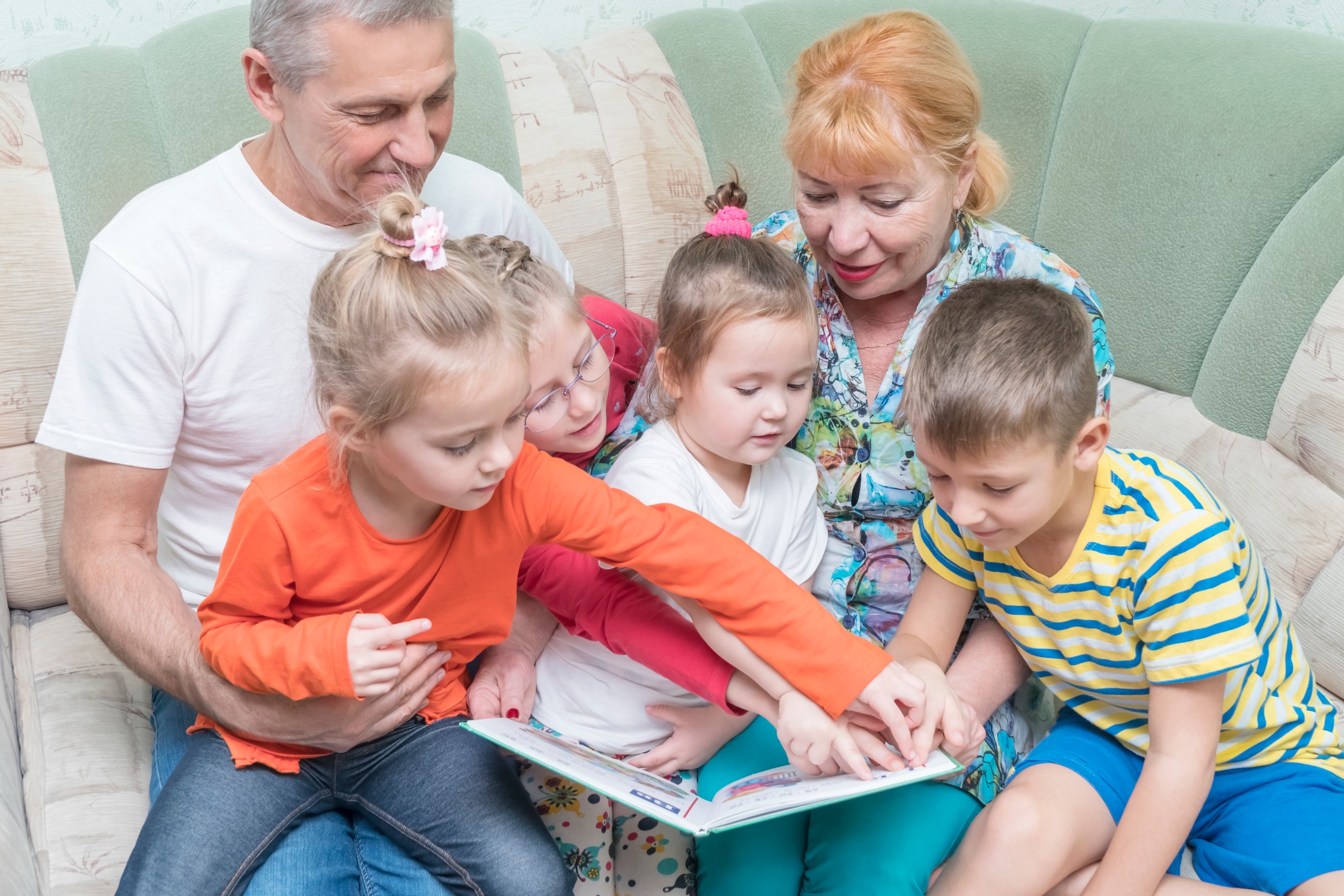
Grandma And Granddaughter
A $1,000 gift for one grandchild and $100 for another can raise questions that go far beyond money. Understanding the reason for unequal gifts can help parents decide when to step in. (Pexels).

Grandma hands one grandchild an envelope containing $1,000 and the other gets $100, and suddenly what should have been a happy family moment feels painfully awkward. Unequal gifts to grandchildren can raise questions about favoritism, fairness, and whether parents should intervene in a grandparent’s financial choices. The answer is not automatically to demand equal checks, because there may be legitimate reasons behind the difference. But when money starts sending the message that one child matters more than another, parents have good reason to address what is happening.

Unequal Gifts Can Carry More Weight Than The Dollar Amount

Grandparents play a surprisingly large financial role in American families, making unequal gifts to grandchildren more consequential than an occasional birthday surprise. AARP’s 2026 grandparenting research found that 90% of grandparents provide financial support to grandchildren, collectively contributing more than $172 billion annually. Grandparents reported spending an average of $2,654 per year on all their grandchildren combined, while 69% also provide care. Those numbers show that grandparents often function as part of a family’s financial safety net, not simply as occasional gift-givers. When siblings can easily compare $100 with $1,000, however, parents should pay attention to both the money and the message children may take from it.

Fair Does Not Always Have To Mean Equal

Before confronting Grandma, parents should find out why the gifts differ because equal and fair are not always the same thing. Imagine a 17-year-old receives $1,000 specifically for a laptop needed for college while her 10-year-old brother receives $100 for his birthday; the $900 difference has a practical explanation rather than necessarily reflecting favoritism. A grandparent might similarly help one grandchild with tuition, medical expenses, transportation, or another major need while giving smaller discretionary gifts to siblings. AARP reports that 41% of grandparents provide financial assistance for grandchildren’s basic necessities, while 8% help with medical, dental, or mental health expenses. Parents should therefore ask what the gift is for before assuming unequal gifts to grandchildren automatically mean one child is being favored.

When Parents Should Speak Up

Parents have stronger grounds to intervene when unequal gifts to grandchildren repeatedly occur without a reasonable explanation or are openly tied to comparisons between siblings. Saying, “You get $1,000 because you’re the smart one,” for example, creates a problem far beyond the family budget because the gift effectively assigns value to the children themselves. A 2026 study indexed by PubMed examined 221 adult grandchildren from 81 families and found that perceptions of grandmothers’ differential treatment were common. Among granddaughters, perceiving themselves as the grandchild to whom Grandma was most emotionally close was associated with higher depressive symptoms, with qualitative findings pointing to emotional caregiving responsibilities as a possible explanation. The research does not prove that an unequal cash gift causes psychological harm, but it does provide a good reason not to dismiss family favoritism as harmless.

Parents Do Not Have To Match The Difference

One tempting response is for parents to give the child who received $100 another $900, but that can accidentally teach children that every financial difference must immediately be corrected. Instead, acknowledge the child’s feelings, explain any legitimate reason for the difference, and establish clearer expectations with Grandma before the next birthday or holiday. There is also a tax detail families may misunderstand: Fidelity reports that the annual federal gift-tax exclusion remains $19,000 per donor, per recipient in 2026, so neither a $1,000 nor a $100 gift approaches that amount. A married couple electing to split gifts could generally give $38,000 to one recipient in 2026 before beginning to use their lifetime federal gift and estate tax exclusion. That does not make a lopsided gift emotionally wise, but it shows why parents should separate questions about family fairness from questions about gift-tax rules.

Set Family Ground Rules Before The Next Envelope Appears

Parents cannot dictate how another adult spends every dollar, but they can set reasonable boundaries around how their children are treated. If unequal gifts to grandchildren are likely to continue, parents might ask that substantial gifts be discussed beforehand or given privately when they address genuinely different needs. Families can also distinguish “celebration money,” where roughly comparable gifts may prevent unnecessary hurt, from “need-based help,” where different amounts are easier to explain. Avoid making the child who received more surrender part of the gift, because that places responsibility for an adult decision on the siblings. The goal should be transparency and respect rather than maintaining a lifetime spreadsheet in which every grandchild must receive precisely the same dollar amount.

Protect The Relationship, Not Just The Balance Sheet

A $900 difference is worth discussing, but the bigger question is what that difference communicates inside the family. Unequal gifts to grandchildren can be reasonable when they reflect different ages, expenses, milestones, or genuine needs, yet repeated unexplained favoritism deserves parental attention. Talk privately with Grandma, establish expectations before future gifts, and give children an age-appropriate explanation rather than allowing resentment to supply its own story. Parents should protect sibling relationships without turning every financial decision into a mathematical equality test.

If one grandchild in your family received $1,000 while another received $100, would you let Grandma decide how to spend her money or ask her to treat the children more equally? Share your thoughts in the comments.

What to Read Next

10 Baby Names Parents Love but Grandparents May Need Time to Get Used To

Should Grandparents Be Expected to Help Pay for Kids’ Activities?

8 Things Grandparents Buy Kids That Parents Secretly Wish They Wouldn’t

Evan Morgan

Evan Morgan has been a full-time freelance writer and editor for 10+ years. When not working, he enjoys catching the latest true crime documentary or getting lost in a good book.

Filed Under: Parenting Tagged With: family finances, family relationships, favoritism, financial planning, grandchildren, grandparents, money gifts, Parenting

The Grandparent Spending Problem: What to Do When They Keep Buying Your Kids Everything

August 23, 2026 | Leave a Comment

Grandparent With Grandkids
Grandparents love showing affection through gifts, but excessive spending can leave parents managing clutter, conflicting expectations, and difficult family conversations. Clear boundaries can keep generosity focused on what children value most: meaningful relationships and time together. (Pexels).

Grandparents often show love through generosity, but there is a point when another toy, outfit, gadget, or surprise stops feeling helpful. For parents, too much grandparent spending can create clutter, undermine household rules, and teach children to expect a purchase every time Grandma or Grandpa visits. This is hardly a small phenomenon: AARP’s 2026 research found that 90% of grandparents provide financial support to grandchildren, spending an average of $2,654 annually across their grandkids. Collectively, grandparents provide an estimated $172 billion in direct financial assistance every year, on top of hundreds of billions of dollars’ worth of unpaid care. The goal is not to discourage that generosity but to make sure it strengthens the family instead of becoming a source of conflict.

First, Decide Whether You Actually Have a Spending Problem

A grandmother who occasionally arrives with a coloring book is different from a grandparent who buys expensive electronics after a parent has specifically said no. Before starting a potentially uncomfortable conversation, identify what is actually bothering you about the spending. Is your house overflowing with toys, are grandparents disregarding your rules, are siblings receiving noticeably different gifts, or is your child beginning to associate visits with getting something? The distinction matters because a little harmless grandparent spoiling may not require the same response as repeated purchases that interfere with parenting decisions. Establishing exactly which behavior needs to change makes it much easier to communicate a reasonable boundary.

Explain the Problem Without Criticizing Their Generosity

Starting with “You buy them too much stuff” can immediately put grandparents on the defensive, so focus instead on what is happening in your household. You might explain that toys are overflowing from the playroom, your child has started asking grandparents for purchases, or expensive gifts are conflicting with lessons you are teaching about money. ZERO TO THREE found that disagreements between parents and grandparents frequently stem from mismatched expectations and recommends discussing boundaries and caregiving approaches openly. Research from the C.S. Mott Children’s Hospital National Poll has similarly found that disagreements with grandparents are common, with 43% of parents reporting at least minor disagreements over parenting choices. A simple “We love how generous you are, but we need your help keeping gifts manageable” acknowledges the good intention while making clear that parents still set the household rules.

Create a Gift Rule Everyone Can Actually Understand

“Please don’t buy so much” is difficult to follow because Grandma’s definition of “too much” may be completely different from yours. Instead, establish a rule that removes the guesswork: one birthday gift and one experience, a $50 limit for ordinary visits, no gifts outside birthdays and holidays, or approval from a parent before any purchase over a certain amount. Parents could also create a shared wish list containing toys, books, clothing sizes, activities, and other things the children genuinely need or want. Using approximately the same rules with both sides of the family can help avoid arguments about one set of grandparents receiving more freedom than another. The objective is not controlling every dollar grandparents spend but giving their generosity some guardrails.

Separate “Spoiling” From Undermining a Parent’s Decision

This distinction deserves particular attention because not every unwanted gift is equally serious. If Grandpa slips your daughter an extra cookie, you may decide that is part of the fun of having grandparents; if he buys her a smartphone after you explicitly said she was not ready for one, that is a parenting-boundary issue rather than merely excessive spending. ZERO TO THREE recommends identifying which family rules are essentially “carved in stone” and which ones have room for flexibility when grandparents are involved. Parents can apply the same principle to money by deciding beforehand which purchases are harmless indulgences and which require permission. That gives grandparents some freedom to enjoy their role without allowing expensive gifts to override decisions that belong to Mom and Dad.

Give Grandparents Better Ways to Spend

Simply saying “stop buying things” removes an activity grandparents may genuinely enjoy, so give them alternatives. Suggest zoo trips, baking afternoons, movie outings, museum memberships, books, craft projects, camps, sports fees, or contributions toward activities the child already enjoys. The latest AARP research shows grandparents already provide financial assistance far beyond toys, including clothing, food, school supplies, childcare, camps, travel, and even medical expenses. Grandparents interested in larger financial gifts could also talk with parents about education savings or other long-term goals rather than surprising a child with another expensive gadget. Redirecting generosity lets grandparents continue experiencing the pleasure of giving while parents have more control over what enters the house.

Try the “Something, Somewhere, Someday” Rule

Families overwhelmed by gifts can divide grandparent generosity into three simple categories: something to have, somewhere to go, or something for someday. “Something” might be one birthday toy or outfit, “somewhere” could be tickets to the aquarium or a grandparent-grandchild outing, and “someday” could mean money toward education or another future goal. Grandparents still have several ways to give, but every visit no longer produces another bag of toys for the parents to store. Older children can even participate by choosing whether they would prefer an item, an experience, or money saved toward a larger goal. That turns grandparent generosity into an opportunity to teach children that money can buy more than immediate possessions.

What If Grandma Keeps Ignoring the Rule?

This is the missing section I’d definitely add because setting a boundary does not guarantee someone will follow it. If a grandparent repeatedly ignores an agreed gift limit, parents can calmly establish what happens to unapproved purchases before the next one appears. An excessive toy might stay at Grandma’s house, be returned, be saved for the child’s birthday, or require the child to choose an existing toy to donate before keeping it. The consequence should not be designed to punish the grandparent or embarrass the child; it should simply prevent ignoring the rule from making the rule meaningless. Research on parent-grandparent disagreements has found that unresolved differences can affect family relationships, making consistent communication preferable to allowing resentment to accumulate.

Protect the Grandparents’ Finances Too

Sometimes the biggest concern is not what children are receiving but whether grandparents can actually afford to keep giving it. AARP reported on a 2025 survey in which 17% of grandparents said they felt pressured to contribute more than they could afford, while 11% said they had withdrawn money from savings or retirement accounts to help their grandchildren. Parents who notice expensive gifts arriving despite a grandparent’s tight budget should consider saying explicitly that nobody expects them to compete with the other grandparents or finance experiences they cannot comfortably afford. Grandparents approaching or already living in retirement have their own housing, healthcare, emergency, and long-term-care expenses to consider. No gaming system, vacation, or birthday extravagance is worth compromising Grandma or Grandpa’s future financial security.

Make Memories the Thing Grandkids Expect

The long-term goal is not for grandchildren to think, “Grandma doesn’t buy me things anymore.” It is for them to think, “When Grandma comes over, we do something together.” Create traditions that have little connection to money: Saturday pancakes, planting a garden every spring, baking birthday cakes together, library trips, movie nights, fishing, crafts, or an annual sleepover. AARP’s 2026 study found that 79% of grandparents described the grandparent experience as extremely or very fulfilling, while grandparents who provide care average more than 500 hours annually with their grandchildren. Those numbers are a useful reminder that the grandparent-grandchild relationship is already enormously valuable before anyone walks into a store.

Generosity Works Better When Everyone Knows the Rules

Grandparents should be allowed to enjoy spoiling their grandchildren a little, and parents do not need to police every ice cream cone or surprise book. The problem begins when spending undermines parenting decisions, creates expectations in children, overwhelms the household, causes family resentment, or threatens a grandparent’s own finances. Clear rules, approved wish lists, experience gifts, future-oriented giving, and predictable consequences for major boundary violations can preserve generosity without allowing purchases to control the relationship. Most importantly, children can learn that Grandma and Grandpa’s value comes from the relationship they share, not from what appears in their shopping bags.

Have grandparents ever bought your children more than you were comfortable with, and how did you handle it without damaging the relationship?

What to Read Next

8 Things Grandparents Buy Kids That Parents Secretly Wish They Wouldn’t

6 Budgeting Hacks from Depression Era Grandmothers

8 Reasons Your Kids Prefer Staying with Grandma—And It’s Not Just the Snacks

Evan Morgan

Evan Morgan has been a full-time freelance writer and editor for 10+ years. When not working, he enjoys catching the latest true crime documentary or getting lost in a good book.

Filed Under: Parenting Tagged With: family finances, family relationships, gift giving, grandchildren, grandparent spending, grandparents, money, Parenting, parenting boundaries, Raising Children

8 Things Grandparents Buy Kids That Parents Secretly Wish They Wouldn’t

August 21, 2026 | Leave a Comment

Puppy
Grandparents may love arriving with exciting presents, but oversized toys, noisy electronics, screens, and other well-intentioned gifts can create unexpected challenges for parents. Asking before buying can help ensure the gift works for both the child and the household. (Pexels).

Grandparents often love showing affection through gifts, and watching a grandchild tear into a new present can be irresistible. But even the most generous gift can create an unexpected headache when it clashes with household rules, available space, or a child’s age. That is why gifts grandparents buy kids can sometimes leave parents smiling politely while wondering where they will put everything. A quick conversation before shopping can keep gift-giving joyful without putting parents in an awkward position.

1. Oversized Toys That Take Over The House

That enormous dollhouse, indoor slide, or ride-on truck may earn an unforgettable reaction, but parents still have to find somewhere to keep it. In a smaller home or apartment, one oversized toy can consume valuable living space. These gifts grandparents buy kids can also become frustrating when children lose interest after a few weeks. Before buying anything bulky, grandparents should ask whether the family has room for it. Better yet, offer to keep the biggest toys at Grandma and Grandpa’s house.

2. Toys That Make Nonstop Noise

Electronic drums, talking animals, toy microphones, and siren-equipped vehicles can delight children while testing everyone else’s patience. Noise is more than an annoyance when a toy is exceptionally loud. The American Academy of Pediatrics warns that prolonged exposure to noise above 70 decibels may begin damaging hearing. Parents may therefore have legitimate reasons for limiting loud toys beyond simply wanting a quieter afternoon. Grandparents can look for toys with adjustable volume or choose quieter alternatives.

3. Another Mountain Of Stuffed Animals

One cuddly bear can become a treasured bedtime companion, but the twentieth stuffed animal may simply join an overflowing pile. Plush toys occupy surprising amounts of storage space, especially when birthdays and holidays keep adding more. Parents may also feel guilty getting rid of gifts associated with grandparents. Instead of automatically buying another stuffed animal, ask whether the child has a favorite character or genuinely wants one. Thoughtful gifts grandparents buy kids do not need to add clutter to every available shelf.

4. Age-Inappropriate Toys

A grandparent may see a sophisticated building set and think a bright three-year-old will grow into it. However, age labels are about safety and developmental abilities, not intelligence, according to The Toy Association. Toys intended for older children can contain small pieces that present choking risks to younger kids. This becomes particularly important in homes where younger siblings can reach an older child’s toys. Checking the manufacturer’s age recommendation takes seconds and can prevent a well-intentioned gift from becoming a problem.

5. Tablets And Other Screen-Based Gifts

A new tablet can make a grandparent an instant hero, but parents may already have carefully established technology boundaries. Giving a connected device without asking can suddenly introduce questions about apps, online access, screen habits, and parental controls. Updated guidance from HealthyChildren.org emphasizes balancing connected technology with quality offline activities. Traditional toys can encourage conversation, creativity, problem-solving, and interaction rather than solitary screen use. Before buying expensive technology, grandparents should make this one of those gifts grandparents buy kids only with parental approval.

6. Toys With Hundreds Of Tiny Pieces

Building sets, craft kits, beads, miniature accessories, and elaborate puzzles can provide hours of entertainment. They can also scatter hundreds of pieces across bedrooms, carpets, and hallways within minutes. The problem becomes more serious when babies or toddlers share the home because small components can present choking hazards. The Toy Association specifically recommends keeping toys containing small parts away from younger children who may put objects in their mouths. Grandparents can still buy creative sets, but choosing age-appropriate versions and including a storage container makes the gift far more parent-friendly.

7. Gifts That Require Expensive Extras

Some presents quietly create future expenses that grandparents may never see. A gaming device may need subscriptions and games, while certain toys require batteries, refills, accessories, or replacement parts. Parents can end up paying considerably more to keep a supposedly free present useful. This is especially frustrating when the family is deliberately controlling discretionary spending. When considering gifts grandparents buy kids, factor in the ongoing cost and consider including essential accessories.

8. Pets Given As Surprises

A puppy, kitten, rabbit, or other animal may produce the biggest reaction of all, but a pet is a family responsibility rather than an ordinary present. Feeding, training, veterinary care, cleaning, exercise, and supervision continue long after the excitement of gift day disappears. Even an older child promising to handle everything cannot realistically assume every responsibility. Parents should always make the final decision about whether their household has the money, time, space, and commitment required for an animal. Grandparents who love the idea can instead offer a zoo trip or another animal-focused experience.

The Best Gift Respects The Whole Family

Grandparents do not have to stop spoiling their grandchildren; a little communication simply makes their generosity easier to appreciate. The best gifts grandparents buy kids fit the child’s interests while respecting the parents’ rules, space, budget, and safety concerns. Experiences can also be wonderful alternatives, including tickets, museum visits, and zoo or aquarium memberships that families can enjoy together. Asking parents for two or three ideas before shopping can preserve the surprise without creating unwanted stress.

Which grandparent gift would you secretly love to ban from your house, and where should families draw the line between generosity and parental boundaries? Share your thoughts in the comments.

What to Read Next

Choking Incident Prompts Recall of 49,000 Target Gigglescape “Under the Sea” Popping Toys

6 Budgeting Hacks from Depression Era Grandmothers

8 Reasons Your Kids Prefer Staying with Grandma—And It’s Not Just the Snacks

Evan Morgan

Evan Morgan has been a full-time freelance writer and editor for 10+ years. When not working, he enjoys catching the latest true crime documentary or getting lost in a good book.

Filed Under: Parenting Tagged With: child safety, Family, family relationships, Gift Ideas, grandchildren, grandparents, Kids, Parenting, Screen Time, Toys

Toxic Grandparents: 12 Things Baby Boomer Grandparents Must Avoid

May 17, 2024 | Leave a Comment

Toxic Grandparents 12 Things Baby Boomer Grandparents Must Avoid

Navigating the role of a grandparent can be delightful yet complex. For Baby Boomer grandparents, adapting to modern parenting styles and expectations requires understanding and tact. The term “toxic grandparents” isn’t about vilifying our elders but rather highlighting behaviors that can strain family dynamics. This guide will outline 12 key things that Baby Boomer grandparents should avoid to foster healthy, supportive relationships with their grandchildren and their parents.

1. Undermining Parental Authority

Undermining Parental Authority

One of the cardinal rules for grandparents is to respect the parenting decisions of the grandchildren’s parents. Offering unsolicited advice or criticizing parenting choices in front of the children can undermine parental authority, creating confusion and conflict. Baby Boomer grandparents need to support and reinforce the parents’ rules and discipline strategies, not contradict them.

2. Favoritism Among Grandchildren

Favoritism Among Grandchildren

Showing favoritism can sow discord among siblings and affect their self-esteem. Grandparents must be mindful of how they distribute their time, attention, and gifts among their grandchildren. Consistent, equitable treatment helps all grandchildren feel valued and loved, which is crucial to developing a positive self-image.

3. Using Guilt as a Tool

Using Guilt as a Tool

Manipulating grandchildren or their parents with guilt, for example, lamenting about not being visited often, can create unnecessary emotional stress. Healthy relationships are based on a mutual desire to spend time together, not on guilt-fueled obligations. Baby Boomer grandparents should foster a welcoming and positive atmosphere that grandchildren and their parents want to be part of.

4. Ignoring Boundaries

Ignoring Boundaries

Overstepping boundaries set by the parents, whether it’s about feeding, bedtime routines, or screen time, can lead to major disagreements. It’s important for grandparents to discuss and understand these boundaries and to follow them closely to maintain harmony within the family.

5. Being Overly Critical

Being Overly Critical

Constant criticism can be harmful to both parents and grandchildren. Whether it’s commenting on parenting styles, children’s behavior, or even trivial things like haircuts, it’s better to keep negative opinions to oneself unless your children or grandkids explicitly seek advice. Encouragement and praise can go a long way in strengthening familial bonds.

6. Refusing to Modernize Parenting Techniques

Refusing to Modernize Parenting Techniques

Baby Boomer grandparents might prefer traditional parenting methods, but it’s essential to respect and adapt to the modern techniques adopted by the grandchildren’s parents. This includes understanding current health, safety, and education guidelines and embracing new practices even if they differ from past norms.

7. Overindulgence

Overindulgence

While it’s natural to want to spoil grandchildren, overindulgence—whether in the form of sweets, gifts, or lenient rules—can interfere with the boundaries set by parents. Moderation is essential, and grandparents should align with the parents’ wishes to maintain consistency in upbringing.

8. Competing with Other Grandparents

Competing with Other Grandparents

Competition among grandparents can be detrimental, especially if it places grandchildren in the middle of a rivalry. Celebrate each grandparent’s unique relationship with the grandchildren without turning it into a contest of affection or generosity.

9. Disregarding Parental Lifestyle Choices

Disregarding Parental Lifestyle Choices

Whether it’s dietary preferences, religious beliefs, or educational choices, dismissing or openly criticizing the parents’ lifestyle choices can create tension. It’s essential to respect these decisions and discuss any concerns directly with the parents rather than question them in front of the children.

10. Neglecting to Listen

Neglecting to Listen

Effective communication involves listening just as much as talking. Grandparents should give their grandchildren and their parents the space to express themselves without jumping to conclusions or interrupting. This builds trust and demonstrates respect for their thoughts and feelings.

11. Inflexibility in Plans and Traditions

Inflexibility in Plans and Traditions

While traditions are important, inflexibility can lead to conflicts, especially during holidays or special occasions. Being open to new ideas and accommodating changes in plans can prevent feelings of resentment and ensure that everyone enjoys family gatherings.

12. Spreading Negativity

Spreading Negativity

Maintaining a positive attitude, even in challenging times, is crucial. Grandparents who complain frequently about personal matters or family issues can affect the overall family atmosphere. Focusing on positivity and resilience is beneficial, which can significantly influence the grandchildren’s outlook on life.

Don’t Become Toxic Grandparents by Embracing These Tips!

Don’t Become Toxic Grandparents by Embracing These Tips!

Avoiding these toxic behaviors can help Baby Boomer grandparents build loving, supportive, and respectful relationships with their grandchildren and their parents. Embracing modern parenting, respecting boundaries, and fostering open communication are all essential strategies. By adapting to these roles, grandparents can ensure their impact on their grandchildren’s lives is as positive and enriching as possible.

Read More:

13 Parenting Guidelines That Don’t Apply to Grandparents

Second-Hand Parenting: 12 Reasons Your Parents Shouldn’t Be Raising Your Kids

Catherine Reed
Catherine Reed

Catherine is a tech-savvy writer who has focused on the personal finance space for more than eight years. She has a Bachelor’s in Information Technology and enjoys showcasing how tech can simplify everyday personal finance tasks like budgeting, spending tracking, and planning for the future. Additionally, she’s explored the ins and outs of the world of side hustles and loves to share what she’s learned along the way. When she’s not working, you can find her relaxing at home in the Pacific Northwest with her two cats or enjoying a cup of coffee at her neighborhood cafe.

Filed Under: Relationships Tagged With: baby boomers, grandchildren, grandkids, grandparents, Parenting, parenting styles, toxic grandparents

  • Facebook
  • Pinterest
  • RSS
  • Twitter

Basic Principles Of Good Parenting

Here some basic principles for good parenting:

  1. What You Do Matters: Your kids are watching you. So, be purposeful about what you want to accomplish.
  2. You Can’t be Too Loving: Don’t replace love with material possessions, lowered expectations or leniency.
  3. Be Involved Your Kids Life: Arrange your priorities to focus on what your kid’s needs. Be there mentally and physically.
  4. Adapt Your Parenting: Children grow quickly, so keep pace with your child’s development.
  5. Establish and Set Rules: The rules you set for children will establish the rules they set for themselves later.  Avoid harsh discipline and be consistent.
  6. Explain Your Decisions: What is obvious to you may not be evident to your child. They don’t have the experience you do.
  7. Be Respectful To Your Child: How you treat your child is how they will treat others.  Be polite, respectful and make an effort to pay attention.
Best Parenting Blogs

Most Popular

Baby

9 Unusual Baby Names That Sound Like They Belong to Future CEOs

Evan Morgan
Baby

10 Baby Names That Were Once Considered “Grandparent Names” but Feel Cool Again

Evan Morgan
Target Store

Choking Incident Prompts Recall of 49,000 Target Gigglescape “Under the Sea” Popping Toys

Evan Morgan
Frustrated Girl

Why Some Students on the Spectrum Are Labeled With ODD

Evan Morgan
Coke Bottles

12 Things Kids Took to School in the ’70s That Would Never Be Allowed Today

Evan Morgan

All content on Kids Ain’t Cheap is for entertainment purposes only. By reading this blog, you agree that Kids Ain’t Cheap is not responsible for any actions taken after reading this blog. For the full disclaimer, see our privacy policy.

Please note that Kids Ain’t Cheap has financial relationships with some of the merchants mentioned here. Kids Ain’t Cheap is funded by banner advertising, commission sales and search optimization consulting.

Copyright © 2006–2026 | District Media | All Rights Reserved | Privacy Policy

Copyright © 2026 Runway Pro Theme by Viva la Violette