• Home
  • About Us
  • Toolkit
  • Archives
  • Advertise
  • Privacy Policy

Kids Ain't Cheap

But They Sure Are Worth It

  • Parenting
    • Baby Stuff
    • Books and Reading
      • Aesops Fables
      • Comic Books
    • Education
    • Family Time
    • Green Living
    • Growing Up
    • Healthy Living & Eating
    • Holidays
    • Parenting
    • Random Musings
    • Shopping
    • Stuff to Do
  • Money
  • Product Reviews
    • Books and Magazines
    • Discount Sites
    • Furniture
    • House Keeping
    • Reviews News
    • Toys and Games
  • Contact Us
  • Our Editorial Commitment
  • Search

6 Things Toxic Grandparents Do Without Even Realizing It

May 24, 2025 | Leave a Comment

6 Things Toxic Grandparents Do Without Even Realizing It

Grandparents can be a treasured source of love, support, and tradition, but sometimes, their actions can cross boundaries in subtle yet harmful ways. What makes it harder is that many of these behaviors come from a place of good intentions, wrapped in generational habits or outdated ideas about parenting. It’s not always screaming matches or dramatic fights that cause tension; it’s the quiet undermining, guilt-tripping, or overstepping that chips away at healthy family dynamics. For parents trying to protect their children’s emotional well-being, it’s important to recognize when a grandparent’s involvement turns toxic. Spotting these behaviors early can help set boundaries that protect both your child and your peace of mind.

1. Undermining Parental Authority

One of the most common toxic behaviors is when grandparents dismiss or override a parent’s rules. This might look like giving a child sweets after the parent said no, letting them stay up late, or making passive-aggressive comments like “Mom’s too strict.” While it might seem harmless on the surface, this behavior tells the child that they don’t have to respect their parents’ decisions. It can lead to confusion, misbehavior, and resentment from both sides. Consistency is key in parenting, and when a grandparent undercuts that, it damages trust.

2. Using Guilt to Control

Guilt is a favorite tool of toxic grandparents, especially when they feel excluded or don’t get their way. They might say things like “I guess I’ll just sit here alone while you all go out,” or “You never visit me anymore—you must not care.” These remarks might seem minor, but they’re emotionally manipulative and place unfair pressure on parents and children alike. Over time, this creates a sense of obligation instead of a genuine connection. Love shouldn’t come with strings, and guilt should never be a currency for affection.

3. Ignoring Boundaries Around Discipline

Some grandparents believe it’s their right—or responsibility- to discipline grandchildren the way they see fit, regardless of the parents’ wishes. They might yell, shame, or use outdated punishments that clash with the family’s values. Even worse, they may dismiss gentle parenting approaches as “soft” or “silly.” This not only undermines the child’s trust but also creates tension between parents and grandparents. Discipline should always be handled with communication and agreement among all caregivers.

4. Playing Favorites

Favoritism among grandchildren can be incredibly damaging, and it’s more common than many want to admit. Whether it’s giving one child more gifts, attention, or praise, playing favorites sets the stage for jealousy and self-esteem issues. Children are incredibly perceptive and will notice even subtle differences in how they’re treated. Toxic grandparents may justify it by saying one child is “easier” or “more like them,” but the impact is the same. Every grandchild deserves to feel equally loved and valued.

5. Disregarding Parental Schedules and Routines

Routine helps children feel safe and balanced, but some grandparents think schedules are flexible suggestions rather than firm expectations. They might allow extra screen time, skip naps, or serve sugary snacks before dinner, then hand the child back in full meltdown mode. While the occasional treat isn’t harmful, consistently disregarding a child’s routine creates chaos for the parents who have to deal with the aftermath. Respecting daily structure shows support, not rebellion.

6. Turning Visits Into Power Plays

Toxic grandparents sometimes treat time with grandchildren as a competition rather than a relationship. They may act hurt if another grandparent gets more time, or try to insert themselves into every family activity without being asked. In extreme cases, they may demand constant updates, drop by unannounced, or expect to be consulted on every parenting decision. This kind of behavior creates stress rather than joy and makes family time feel like a battleground. Healthy grandparent relationships are based on mutual respect, not control.

Respectful Involvement Starts With Healthy Boundaries

Not every grandparent who exhibits one of these behaviors is doing it with bad intentions, but that doesn’t mean the impact isn’t harmful. When grandparents can respect boundaries and support parenting choices, everyone wins. Setting limits doesn’t mean cutting people off—it means protecting your family’s well-being and teaching your child what healthy relationships look like. A good relationship with grandparents is absolutely possible, but only when it’s rooted in trust, not guilt or overreach. Awareness is the first step toward healing and healthy change.

Have you had to set boundaries with a grandparent? What helped—and what didn’t? Share your story in the comments and join the conversation.

Read More:

12 Things Baby Boomer Grandparents Must Avoid

When Grandparents Overstep—And Blow Up Your Parenting Plans

Catherine Reed
Catherine Reed

Catherine is a tech-savvy writer who has focused on the personal finance space for more than eight years. She has a Bachelor’s in Information Technology and enjoys showcasing how tech can simplify everyday personal finance tasks like budgeting, spending tracking, and planning for the future. Additionally, she’s explored the ins and outs of the world of side hustles and loves to share what she’s learned along the way. When she’s not working, you can find her relaxing at home in the Pacific Northwest with her two cats or enjoying a cup of coffee at her neighborhood cafe.


Filed Under: Family Tagged With: family relationships, grandparent behavior, parenting support, setting boundaries, toxic grandparents

5 Subtle Ways Narcissistic Parents Hurt Their Grandkids

May 5, 2025 | Leave a Comment

Image by Benjamin Elliott

We all want our children to grow up surrounded by love. That often means encouraging relationships with extended family, including your own parents. But what if those parents are narcissistic?

Maybe they don’t yell, criticize, or act outwardly cruelly. In fact, they might be charming, generous, or full of praise, especially when other people are watching. But behind closed doors, their behavior can be deeply manipulative and emotionally damaging. And often, the harm they cause to their grandkids is subtle. You might even miss it at first.

Here’s the truth: narcissistic parents rarely change just because they’ve become grandparents. In many cases, their old patterns—control, guilt, attention-seeking, competition, and boundary-blurring—resurface, only now they’re aimed at your children.

Here are five quiet but powerful ways narcissistic grandparents can negatively affect your child’s emotional health and how to draw the line without the family fallout.

1. They Compete for Your Child’s Affection

At first, it may look like love. Gifts, attention, extra treats, special privileges. But underneath the surface is a subtle message: “I can make you happier than your parents can.” This isn’t about spoiling. It’s about control.

Narcissistic grandparents often treat their grandchild’s affection like a trophy. They want to be the “favorite,” and they’ll compete with you—directly or indirectly—to win it. They might override your rules, downplay your authority, or frame you as the “boring” or “mean” parent.

The child doesn’t see this manipulation. They just feel confused about who to trust. Over time, it can damage your bond and create division in your home.

2. They Use Your Kids to Meet Their Own Emotional Needs

Grandkids should never be emotional caretakers, but narcissistic grandparents often blur that line.

They might treat your child like a “mini therapist,” confiding in them about adult problems. Using guilt to get more attention: “I’m so sad you didn’t call me today,” or “I guess I’m not important to you anymore.” They even position themselves as victims to gain sympathy.

This emotional enmeshment isn’t just inappropriate. It’s harmful. It teaches kids that other people’s happiness is their responsibility. It creates anxiety, guilt, and pressure where love should be free.

3. They Undermine Your Parenting Subtly but Constantly

Narcissistic parents often think they know better than you. And they’ll let your kids know it.

“Your mom’s too strict.”
“Your dad doesn’t understand what kids really need.”
“Grandma would never say no to that.”

Sometimes, it’s said with a wink and a smile. But make no mistake; this is sabotage. It erodes your authority and creates a confusing double standard that makes discipline, routines, and boundaries hard to maintain.

It also teaches your child that rules are optional and that their loyalty should shift depending on who gives them what they want.

Image by Johnny Cohen

4. They Make Your Child Responsible for Their Reputation

Narcissistic grandparents care deeply about appearances. They want to be seen as the “fun one,” the “devoted one,” the “best grandparent ever.” So they’ll pressure your child to perform that role.

Smile for the photo. Say thank you even if you didn’t want the gift. Tell everyone how much fun you had, even if you didn’t.

This can force your child into emotional dishonesty. They learn that being polite matters more than being real. That making an adult look good is more important than speaking up. Over time, this pressure can shut kids down emotionally and make them doubt their instincts.

5. They Ignore Boundaries and Expect Access

Narcissistic grandparents often believe that being “family” means they’re entitled to full, unrestricted access to your child. They may drop by unannounced, press you for alone time, or disregard limits on visits, food, media, or discipline.

If you push back? They might call you controlling and ungrateful or accuse you of keeping the grandkids from them. They’ll frame your boundaries as cruelty and themselves as the victim.

This creates stress for you and tension your kids can feel. It also teaches them that boundaries are “mean” instead of healthy.

How to Protect Your Kids (Without Blowing Up the Family)

Dealing with a narcissistic parent is hard. Doing it while raising children adds another layer of emotional complexity. But it is possible to protect your kids, set limits, and preserve your sanity.

Here’s how to start:

  • Name the behavior. You don’t have to diagnose them—but privately, get honest with yourself. Recognize the patterns, even if they come with smiles and hugs.
  • Decide your non-negotiables. What’s most important to you? Respecting rules? Not being emotionally manipulated? Choose a few core boundaries and stick to them.
  • Limit alone time. Don’t feel obligated to allow unsupervised visits if you’re concerned. Supervision can reduce the opportunity for emotional harm.
  • Prepare your kids. As they grow, teach them about emotional safety, honesty, and boundaries. Let them know they can talk to you about anything—no matter who it involves.
  • Give yourself permission. You don’t owe access to someone who continues to harm—even subtly. Protecting your child isn’t overreacting. It’s parenting.

Breaking the Cycle Is Hard But Worth It

You may have spent your whole life navigating your parent’s narcissism. And now, watching it extend to your children is heartbreaking. But here’s the good news: you have more power than you think.

You can break the cycle, set a new example, give your kids the safety, clarity, and love you may not have gotten yourself, even when it’s uncomfortable, even when it causes friction.

Your kids are watching. Let them see what healthy love looks like.

Have you dealt with a narcissistic grandparent in your child’s life? What helped you hold your boundaries?

Read More:

How Parenting Trends Are Changing the Way Kids Grow Up

Teaching Your Child That “Family” Doesn’t Mean “Tolerate Abuse”

Filed Under: Money and Finances, Parenting Tagged With: child mental health, emotional boundaries, family dynamics, generational trauma, narcissism and kids, narcissistic parents, parenting boundaries, protecting your child, toxic family, toxic grandparents

How Grandparents Can Undermine Kids’ Responsibility—And What You Can Do About It

April 23, 2025 | Leave a Comment

Grandparents' impact on kids' responsibility
Image Source: Unsplash

We adore them, yet a single weekend with Grandma can unravel months of consistent parenting.

A second dessert “just this once,” extra screen time after bedtime, or a quick override of your discipline plan may feel harmless, but these well‑meant gestures chip away at a child’s sense of responsibility. If you’ve ever felt torn between gratitude and frustration, you’re not alone.

Below are five common grandparent behaviors that sabotage accountability—and practical ways to rebuild unity.

1. Overruling Parent Rules Sends Mixed Messages

When grandparents ignore house rules—letting a grounded child watch TV or handing over sweets before dinner—kids learn that consequences are negotiable. Repeated exceptions quietly signal that parents don’t have final say, encouraging children to test limits and “shop” for the answer they want.

Fix it: Explain specific scenarios (“When Tim is grounded, please back us up by limiting screens”) and offer alternatives (“A board game is fine after homework”). Reinforcing consistency—without blame—helps everyone stay on the same page.

2. Frequent Spoiling Breeds Entitlement

New toys and treats every visit raise expectations. Children may begin equating love with material gifts, weakening lessons on delayed gratification and earned rewards.

Fix it: Suggest non‑material traditions—library outings, baking days, nature walks—that deliver quality time minus the stuff. Grandparents still feel generous, and kids learn that attention outweighs accumulation.

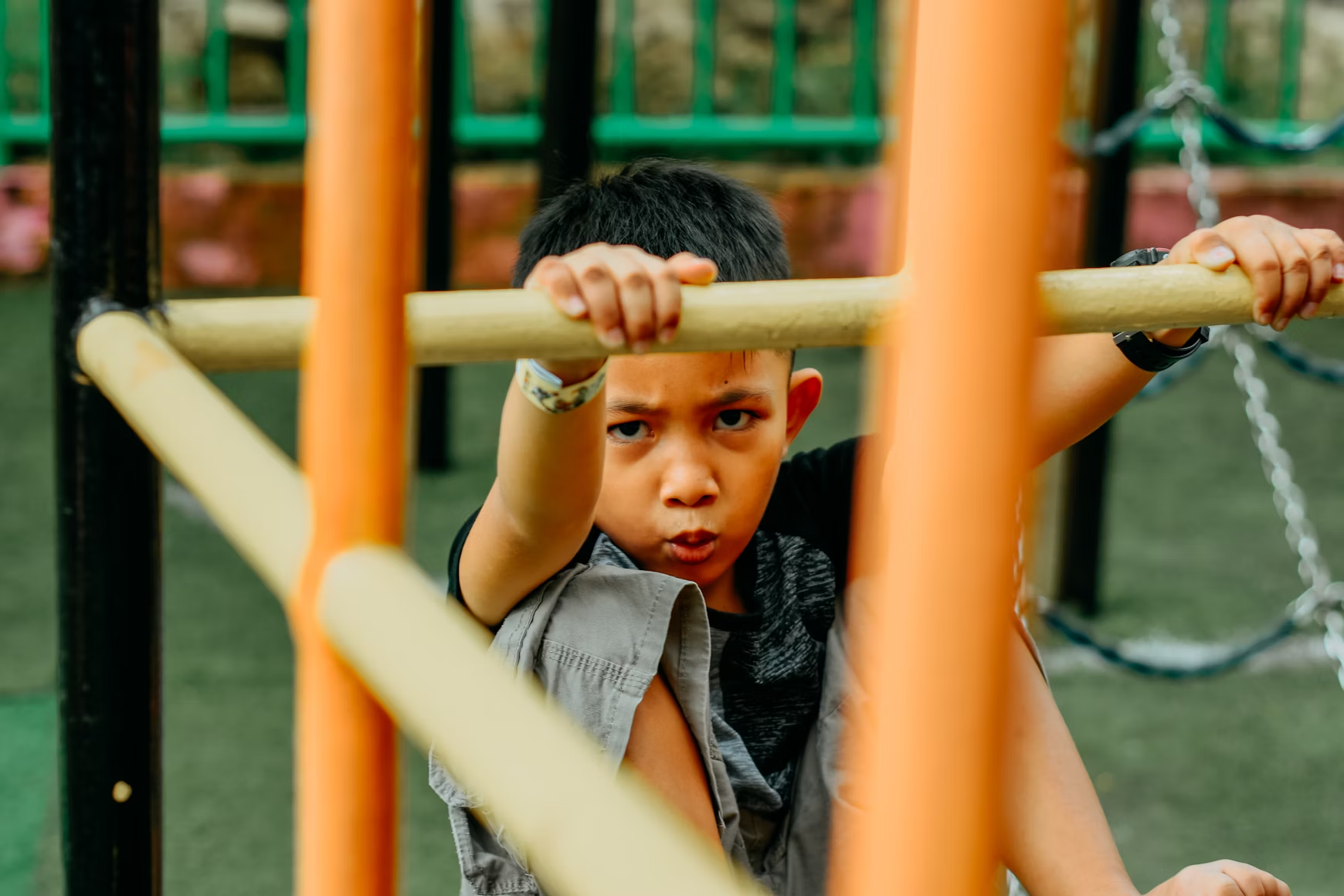
Focused child climbing playground bars, ignoring rules
Image Source: Unsplash

3. Ignoring Discipline Undermines Structure

Kids thrive on predictable boundaries. If grandparents skip chores “because it’s a special day,” children internalize that responsibility is optional when overseen by lenient adults.

Fix it: Share your core discipline framework—bedtimes, chores, tech limits—and why it matters. Invite grandparents to add their own fun privileges after responsibilities are met, keeping structure intact.

4. Good Intentions Can Create Bad Habits

Grandparents may believe they’re helping by rescuing a child from frustration—finishing forgotten homework or cleaning messy rooms. Yet doing tasks for kids robs them of ownership.

Fix it: Encourage a coaching role. For example: “Can you guide Maya through packing her bag instead of doing it for her? She’s learning accountability.” This reframes help as mentorship, not rescue.

5. Disregarding Boundaries Erodes Family Trust

Consistently bypassed limits—whether dietary, bedtime, or screen‑time—spark tension and confusion. Children start to believe rules fluctuate by adult, weakening respect for all caregivers.

Fix it: Hold a calm, private talk outlining non‑negotiables and the bigger picture: unified boundaries protect relationships and foster security. Most grandparents will adjust when they grasp the stakes.

Rebuilding the Bridge

It’s important to approach grandparents with compassion. Here are some tips:

  1. Lead with appreciation. Acknowledge their love and support before addressing concerns.
  2. Be specific. Vague “stop spoiling them” pleas rarely stick; concrete examples do.
  3. Offer alternatives. Replace “no treats” with “one treat plus a backyard game.”
  4. Create a shared motto. Something simple like “Fun and responsibility” keeps everyone focused.
  5. Check in regularly. A quick text update or monthly call preserves clarity and good will.

Remember, most grandparents want to help, not hinder. When expectations are clear and everyone feels respected, their generosity becomes an asset: children get extra love and wisdom and stay anchored to consistent boundaries.

A united family message teaches kids that care and responsibility go hand in hand—whether it’s Mom saying no to a third popsicle or Grandpa echoing the same limit with a wink and a high five.

Have you navigated mixed messages from grandparents? What boundaries work in your home? Share your tips in the comments—your insight could help another family today.

Read More

  • 9 Healthy and Refreshing Kindergarten Lunch Box Ideas
  • How Do You Teach Kids About Consent and Boundaries?
Samantha Warren
Samantha

Samantha Warren is a holistic marketing strategist with 8+ years of experience partnering with startups, Fortune 500 companies, and everything in between. With an entrepreneurial mindset, she excels at shaping brand narratives through data-driven, creative content. When she’s not working, Samantha loves to travel and draws inspiration from her trips to Thailand, Spain, Costa Rica, and beyond.

Filed Under: Parenting Tagged With: boundaries, child responsibility, family dynamics, grandparents and parenting, parenting advice, parenting challenges, relationships, respectful discipline | Parenting, toxic grandparents

Toxic Grandparents: 12 Things Baby Boomer Grandparents Must Avoid

May 17, 2024 | Leave a Comment

Toxic Grandparents 12 Things Baby Boomer Grandparents Must Avoid

Navigating the role of a grandparent can be delightful yet complex. For Baby Boomer grandparents, adapting to modern parenting styles and expectations requires understanding and tact. The term “toxic grandparents” isn’t about vilifying our elders but rather highlighting behaviors that can strain family dynamics. This guide will outline 12 key things that Baby Boomer grandparents should avoid to foster healthy, supportive relationships with their grandchildren and their parents.

1. Undermining Parental Authority

Undermining Parental Authority

One of the cardinal rules for grandparents is to respect the parenting decisions of the grandchildren’s parents. Offering unsolicited advice or criticizing parenting choices in front of the children can undermine parental authority, creating confusion and conflict. Baby Boomer grandparents need to support and reinforce the parents’ rules and discipline strategies, not contradict them.

2. Favoritism Among Grandchildren

Favoritism Among Grandchildren

Showing favoritism can sow discord among siblings and affect their self-esteem. Grandparents must be mindful of how they distribute their time, attention, and gifts among their grandchildren. Consistent, equitable treatment helps all grandchildren feel valued and loved, which is crucial to developing a positive self-image.

3. Using Guilt as a Tool

Using Guilt as a Tool

Manipulating grandchildren or their parents with guilt, for example, lamenting about not being visited often, can create unnecessary emotional stress. Healthy relationships are based on a mutual desire to spend time together, not on guilt-fueled obligations. Baby Boomer grandparents should foster a welcoming and positive atmosphere that grandchildren and their parents want to be part of.

4. Ignoring Boundaries

Ignoring Boundaries

Overstepping boundaries set by the parents, whether it’s about feeding, bedtime routines, or screen time, can lead to major disagreements. It’s important for grandparents to discuss and understand these boundaries and to follow them closely to maintain harmony within the family.

5. Being Overly Critical

Being Overly Critical

Constant criticism can be harmful to both parents and grandchildren. Whether it’s commenting on parenting styles, children’s behavior, or even trivial things like haircuts, it’s better to keep negative opinions to oneself unless your children or grandkids explicitly seek advice. Encouragement and praise can go a long way in strengthening familial bonds.

6. Refusing to Modernize Parenting Techniques

Refusing to Modernize Parenting Techniques

Baby Boomer grandparents might prefer traditional parenting methods, but it’s essential to respect and adapt to the modern techniques adopted by the grandchildren’s parents. This includes understanding current health, safety, and education guidelines and embracing new practices even if they differ from past norms.

7. Overindulgence

Overindulgence

While it’s natural to want to spoil grandchildren, overindulgence—whether in the form of sweets, gifts, or lenient rules—can interfere with the boundaries set by parents. Moderation is essential, and grandparents should align with the parents’ wishes to maintain consistency in upbringing.

8. Competing with Other Grandparents

Competing with Other Grandparents

Competition among grandparents can be detrimental, especially if it places grandchildren in the middle of a rivalry. Celebrate each grandparent’s unique relationship with the grandchildren without turning it into a contest of affection or generosity.

9. Disregarding Parental Lifestyle Choices

Disregarding Parental Lifestyle Choices

Whether it’s dietary preferences, religious beliefs, or educational choices, dismissing or openly criticizing the parents’ lifestyle choices can create tension. It’s essential to respect these decisions and discuss any concerns directly with the parents rather than question them in front of the children.

10. Neglecting to Listen

Neglecting to Listen

Effective communication involves listening just as much as talking. Grandparents should give their grandchildren and their parents the space to express themselves without jumping to conclusions or interrupting. This builds trust and demonstrates respect for their thoughts and feelings.

11. Inflexibility in Plans and Traditions

Inflexibility in Plans and Traditions

While traditions are important, inflexibility can lead to conflicts, especially during holidays or special occasions. Being open to new ideas and accommodating changes in plans can prevent feelings of resentment and ensure that everyone enjoys family gatherings.

12. Spreading Negativity

Spreading Negativity

Maintaining a positive attitude, even in challenging times, is crucial. Grandparents who complain frequently about personal matters or family issues can affect the overall family atmosphere. Focusing on positivity and resilience is beneficial, which can significantly influence the grandchildren’s outlook on life.

Don’t Become Toxic Grandparents by Embracing These Tips!

Don’t Become Toxic Grandparents by Embracing These Tips!

Avoiding these toxic behaviors can help Baby Boomer grandparents build loving, supportive, and respectful relationships with their grandchildren and their parents. Embracing modern parenting, respecting boundaries, and fostering open communication are all essential strategies. By adapting to these roles, grandparents can ensure their impact on their grandchildren’s lives is as positive and enriching as possible.

Read More:

13 Parenting Guidelines That Don’t Apply to Grandparents

Second-Hand Parenting: 12 Reasons Your Parents Shouldn’t Be Raising Your Kids

Catherine Reed
Catherine Reed

Catherine is a tech-savvy writer who has focused on the personal finance space for more than eight years. She has a Bachelor’s in Information Technology and enjoys showcasing how tech can simplify everyday personal finance tasks like budgeting, spending tracking, and planning for the future. Additionally, she’s explored the ins and outs of the world of side hustles and loves to share what she’s learned along the way. When she’s not working, you can find her relaxing at home in the Pacific Northwest with her two cats or enjoying a cup of coffee at her neighborhood cafe.
Filed Under: Relationships Tagged With: baby boomers, grandchildren, grandkids, grandparents, Parenting, parenting styles, toxic grandparents

  • Facebook
  • Pinterest
  • RSS
  • Twitter

Basic Principles Of Good Parenting

Here some basic principles for good parenting:

  1. What You Do Matters: Your kids are watching you. So, be purposeful about what you want to accomplish.
  2. You Can’t be Too Loving: Don’t replace love with material possessions, lowered expectations or leniency.
  3. Be Involved Your Kids Life: Arrange your priorities to focus on what your kid’s needs. Be there mentally and physically.
  4. Adapt Your Parenting: Children grow quickly, so keep pace with your child’s development.
  5. Establish and Set Rules: The rules you set for children will establish the rules they set for themselves later.  Avoid harsh discipline and be consistent.
  6. Explain Your Decisions: What is obvious to you may not be evident to your child. They don’t have the experience you do.
  7. Be Respectful To Your Child: How you treat your child is how they will treat others.  Be polite, respectful and make an effort to pay attention.
Best Parenting Blogs

Most Popular

Baby

9 Unusual Baby Names That Sound Like They Belong to Future CEOs

Evan Morgan
Baby

10 Baby Names That Were Once Considered “Grandparent Names” but Feel Cool Again

Evan Morgan
Target Store

Choking Incident Prompts Recall of 49,000 Target Gigglescape “Under the Sea” Popping Toys

Evan Morgan
Frustrated Girl

Why Some Students on the Spectrum Are Labeled With ODD

Evan Morgan
Coke Bottles

12 Things Kids Took to School in the ’70s That Would Never Be Allowed Today

Evan Morgan

All content on Kids Ain’t Cheap is for entertainment purposes only. By reading this blog, you agree that Kids Ain’t Cheap is not responsible for any actions taken after reading this blog. For the full disclaimer, see our privacy policy.

Please note that Kids Ain’t Cheap has financial relationships with some of the merchants mentioned here. Kids Ain’t Cheap is funded by banner advertising, commission sales and search optimization consulting.

Copyright © 2006–2026 | District Media | All Rights Reserved | Privacy Policy

Copyright © 2026 Runway Pro Theme by Viva la Violette