
• Home
  • About Us
  • Toolkit
  • Archives
  • Advertise
  • Privacy Policy

Kids Ain't Cheap

But They Sure Are Worth It

  • Parenting
    • Baby Stuff
    • Books and Reading
      • Aesops Fables
      • Comic Books
    • Education
    • Family Time
    • Green Living
    • Growing Up
    • Healthy Living & Eating
    • Holidays
    • Parenting
    • Random Musings
    • Shopping
    • Stuff to Do
  • Money
  • Product Reviews
    • Books and Magazines
    • Discount Sites
    • Furniture
    • House Keeping
    • Reviews News
    • Toys and Games
  • Contact Us
  • Our Editorial Commitment
  • Search

How to Spot a “Cool” Parent Who’s Actually Just Checked Out

April 25, 2025 | Leave a Comment

Smiling child with arms outstretched, parents standing behind
Image Source: Unsplash

Pizza for breakfast, TikTok till midnight, homework optional—at first glance, the laid-back parenting vibe feels breezy and progressive. After all, who wants to be the strict rule-enforcer when you could be the parent everyone’s friends rave about? Yet beneath the easygoing facade lurks a hard truth: children need warmth and structure.

Kids read our presence—or absence—almost like Wi-Fi signal bars. They sense when we’re so intent on staying “fun” that we skip the tougher task of noticing their fears, negotiating screen limits, or insisting on homework before YouTube. Over time, that missing signal teaches them to self-soothe with snacks, scrolling, or late-night gaming instead of turning to a trusted adult.

If you sense that carefree vibes have drifted into emotional absence, use the guide below as an honest gut-check.

What’s a “Cool” Parent—And Why That’s Not Always a Compliment

Popular culture often equates looseness with love, yet many “cool” moms or dads slide into the uninvolved parent category: emotionally distant, lightly supervising, and slow to discipline. Research links this hands-off style to weak coping skills, lower grades, and shaky self-esteem.

5 Signs the “Cool” Parent Is Actually Checked Out

1. Minimal Structure or Supervision

Kids crave safe guardrails. Chronic lateness, skipped curfews, or unmonitored screen time may look relaxed, yet inside children feel unstable—and cortisol levels rise when life feels unpredictable.

2. “Yes” Is the Default to Avoid Conflict

Always agreeing seems kind, but it shifts adult responsibility onto kids who are not wired to make big life calls. The short-term harmony often mutates into long-term anxiety because children sense you are dodging the emotional labor of parenting.

3. Missing Emotional Availability

A weekend full of roller coasters and milkshakes does not offset weekday silence. When parents overlook subtle cues—shrugged shoulders, a wavering voice—kids internalize the message that their inner world is invisible.

4. No Follow-Through on Promises or Consequences

Empty threats (“Clean your room or no phone!” followed by a shrug) erode trust and teach that words hold no weight. Over time, children copy the pattern in friendships and school commitments.

5. Popularity Trumps Effectiveness

Acting like a peer can feel bonding, but friendship status blocks tough, necessary guidance. Children need you to be their secure base—someone who will risk a temporary eye-roll to protect their future.

Young child swinging with a playful expression
Image Source: Unsplash

Why Presence Beats Popularity

Freedom without security can stunt emotional health. Balanced parenting—sometimes called authoritative or “lighthouse” parenting—pairs warmth with clear limits. Kids thrive when adults are both fun and firm.

How to Stay Present Without Losing Your Cool

  • Show up consistently. Share one tech-free meal a day or a nightly ten-minute check-in where you ask and answer open-ended questions.
  • Set clear, kind expectations. Explain why sugar limits or curfews exist (“Your brain needs deep sleep to lock in today’s learning”). Follow through every time.
  • Listen more than you lecture. Use reflective phrases—“Sounds like algebra felt overwhelming”—before offering advice.
  • Guide, don’t punish. Swap shame-based punishments for logical consequences: if a bike is left in the rain, the child wipes it down and oils the chain.
  • Model emotional regulation. Narrate your calm-down rituals—deep breathing, counting to ten—so kids see practical tools in action.

When “Cool” Requires a Closer Look

A carefree home with no meltdowns over rules may hide children yearning for real attention. Fun is great—alongside boundaries and emotional presence.

If you notice “cool but detached” parenting in yourself or others, take it as a cue to re-engage. The greatest gift isn’t popularity; it’s meaningful connection.

How do you balance fun with firm in your household? Share your strategies in the comments below—your insight could help another parent today.

Read More

  • Owning a Home Can Be a Great Investment, but Renting Gives You Freedom
  • 5 Apps That Teach Children a Cool Skill

Samantha Warren
Samantha

Samantha Warren is a holistic marketing strategist with 8+ years of experience partnering with startups, Fortune 500 companies, and everything in between. With an entrepreneurial mindset, she excels at shaping brand narratives through data-driven, creative content. When she’s not working, Samantha loves to travel and draws inspiration from her trips to Thailand, Spain, Costa Rica, and beyond.


Filed Under: Parenting Tagged With: child development, cool parenting, discipline struggles | Parenting, emotional availability, parenting styles, permissive parenting, relationships, uninvolved parent

Building Trust: The Key to Helping Children Open Up About Feelings

April 25, 2025 | Leave a Comment

Smiling child hugging an adult outdoors
Image Source: Unsplash

A slammed backpack, a shrug, or a quiet “Nothing” can disguise big feelings that children aren’t sure how to name. In those moments, parents often feel an ache of helplessness: How do I get my child to open up?

True openness doesn’t start during a crisis—it’s cultivated in a hundred small, steady interactions that teach kids: You can trust me with the real stuff. Think of trust as a muscle: the more you exercise it with curiosity, consistency, and respect, the stronger it grows.

Below are five straightforward ways to start building trust with children so they share not just during crises, but in everyday moments.

1. Respect Their Feelings—Even the Inconvenient Ones

Big emotions don’t always fit neatly into the family schedule, and a meltdown during dinner prep can test anyone’s patience. Yet how you respond in that messy moment sets the tone for future sharing.

  • Circle back later. After emotions cool, ask if they want to problem-solve together—demonstrating that their feelings matter and solutions can wait until they’re ready.
  • Pause before you fix. Drop to eye level, soften your expression, and acknowledge the feeling:
    “That math quiz sounds really stressful.”
  • Skip dismissal phrases like “You’re overreacting” or “It’s not a big deal.” They teach kids their inner world is unwelcome.

2. Ask Real Questions, Skip the “Fine” Trap

Generic questions invite generic answers. Craft prompts that require more than a yes-or-no response:

  • Time anchors. “What was the funniest thing that happened before lunch?”
  • Feelings check. “Which part of today stretched you the most?”
  • Rose, bud, thorn. At dinner, everyone shares one good thing, one challenge, and one thing they’re looking forward to.

The goal isn’t interrogation; it’s curiosity. When kids sense genuine interest, honesty follows naturally.

3. Create Predictable Routines and Safe Spaces

Trust blossoms where life feels stable and judgments are rare.

  • A private corner. A bean-bag chair and a journal in a quiet nook give children a physical spot to decompress, reinforcing that the home itself is a safe container for feelings.
  • Micro-rituals. A five-minute bedtime chat, Saturday pancake breakfasts, or an evening walk signal “I’m available.”
  • Clear boundaries. Consistent rules about screen time or curfew reassure kids that expectations—and consequences—are steady, not mood-dependent.

4. Practice Active Listening

Listening is more than staying silent; it’s showing you heard.

  1. Reflect. “So you felt left out when the game started without you.”
  2. Clarify. “Did that make recess feel longer than usual?”
  3. Respond thoughtfully. Offer empathy first, strategies second.
  4. Keep promises. If you say you’ll email the teacher or pick up poster board, follow through. Reliability cements credibility.

Active listening tells children: Your words change what I do.

5. Lean Into Warmth, Authenticity, and Play

Trust grows faster when joy is part of the equation.

  • Join their world. Shoot hoops, build Lego skyscrapers, or learn their favorite video game. Shared laughter lowers defenses.
  • Model vulnerability. Tell an age-appropriate story about a mistake you made and how you handled it. Kids learn that openness isn’t weakness.
  • Use drive time. Car rides remove eye contact pressure; feelings often surface when kids are staring out the window.

Warm presence trumps perfect phrasing—every single time.

Girl with closed eyes listening to music in nature
Image Source: Unsplash

Trust Doesn’t Require Perfection—Just Consistency

You won’t nail every response, and that’s okay. Show up, stay calm, and keep listening. Over time, your child will learn: This is a safe place to be real.

How do you foster openness at home? Share wins—or roadblocks—in the comments. We’re in this together.

Read More

  • 7 Ways to Teach Kids to Trust Their Instincts About Safety
  • A Guide for Building A Child Trust Fund
Samantha Warren
Samantha

Samantha Warren is a holistic marketing strategist with 8+ years of experience partnering with startups, Fortune 500 companies, and everything in between. With an entrepreneurial mindset, she excels at shaping brand narratives through data-driven, creative content. When she’s not working, Samantha loves to travel and draws inspiration from her trips to Thailand, Spain, Costa Rica, and beyond.

Filed Under: Parenting Tagged With: building trust, child communication, emotional development, family relationships, Open Communication, parenting support | Parenting, parenting tips, relationships

Shhh! Your Children Are Listening: Words That Shape Them

April 24, 2025 | Leave a Comment

Child sitting on the floor, surrounded by standing adults
Image Source: Unsplash

We’ve all been there—late for school, coffee still brewing, and out slips a sharp “Why can’t you just listen?” What feels like a fleeting outburst to us can echo in a child’s mind for years. Kids are listening intently, even when they appear tuned out, and our language becomes the inner soundtrack guiding how they see themselves and the world. The power of positive communication with children cannot be overstated; it nurtures healthy brains, resilient hearts, and confident identities.

Below are five key insights into why the words we choose matter—and how small shifts can make an immense difference.

1. Your Words Become Their Inner Voice

The phrases your child hears most often become the default voice in their head. Encouraging language (“You worked hard on that puzzle”) tells them they’re capable and resourceful. Labels like “lazy” or “bad” create self-doubt and shame. Over time, that inner narration guides how they handle mistakes, friendships, and goals. The takeaway: praise effort, describe behavior (not character), and correct calmly.

2. Positive Language Builds Better Brains

Kind, supportive words do more than lift spirits—they literally shape neural pathways. When children hear encouragement, the brain regions tied to learning and problem-solving light up, reinforcing curiosity and emotional balance. Harsh language triggers the brain’s stress response, flooding young systems with cortisol and making clear thinking harder. A calm tone plus constructive feedback helps their developing brains thrive.

3. Kids Believe What You Say—Especially About Themselves

Even when they roll their eyes, children absorb your opinion as fact. Call a child “helpful,” and they’re likelier to lend a hand next time. Say “troublemaker,” and they might lean into that role. It isn’t about sugar-coating reality: you can address misbehavior without attacking identity. Swap “You’re so messy” for “Let’s practice putting toys away together.” One corrects the action; the other wounds self-worth.

4. Serve, Return, and Relate

Language learning isn’t a numbers game; it’s about quality interactions. Short, back-and-forth exchanges—“serve and return”—build vocabulary faster than marathon monologues. Ask open-ended questions (“What was your favorite part of the story?”), listen actively, and respond to their ideas. These moments teach children that conversation is a two-way street and that their thoughts matter.

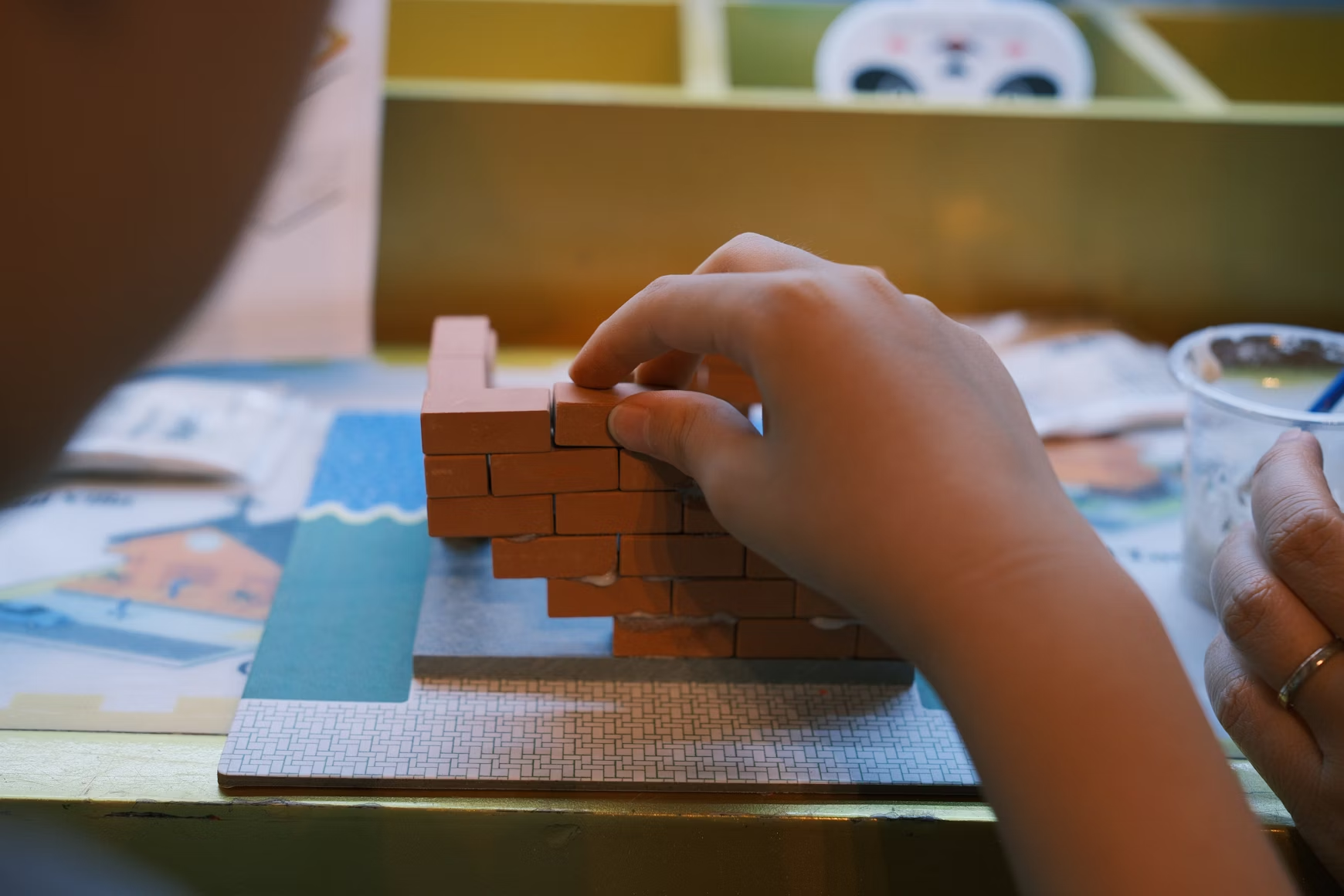
Child building a small brick tower by hand
Image Source: Unsplash

5. Context Is Everything for New Words

Introduce new terms while your child is already curious. Explaining “extinct” while playing with dinosaur toys sticks far better than dropping the word at dinner. Likewise, describe “frustrated” when your child is puzzling over a tricky block tower. Linking language to lived experiences anchors meaning and expands emotional literacy.

A Few Phrases That Work Wonders

Instead of…Try…
“Stop crying; it’s no big deal.”“I see you’re upset. Want to talk about it?”
“Good job, you’re so smart!”“You kept trying even when it was hard—great perseverance.”
“You’re always making a mess.”“Let’s tidy this together. I’ll show you a quick way.”

Small tweaks shift the focus from judgment to guidance, fostering cooperation rather than resistance.

You Don’t Have to Be Perfect—Just Present

Positive communication isn’t about never losing patience; it’s about recognizing the weight of your words and repairing when needed. If a harsh comment slips out, apologize. A genuine “I’m sorry I yelled; let’s try again” models accountability and teaches children mistakes can be mended.

With mindful language, every bedtime story, car-seat chat, and grocery-store pep talk becomes a mini-lesson in confidence, resilience, and empathy. Your words today shape the adults they’ll become tomorrow.

Join the Conversation

Which phrases do you rely on—or avoid—when talking with your kids? Share your experiences in the comments; your insight might spark another parent’s “aha” moment.

Read More

  • How to Raise a Family and Avoid Falling Prey to Excessive Debt
  • The Best and Worst Places to Raise a Family in the U.S.- Our Top 20 Revealed

Samantha Warren
Samantha

Samantha Warren is a holistic marketing strategist with 8+ years of experience partnering with startups, Fortune 500 companies, and everything in between. With an entrepreneurial mindset, she excels at shaping brand narratives through data-driven, creative content. When she’s not working, Samantha loves to travel and draws inspiration from her trips to Thailand, Spain, Costa Rica, and beyond.
Filed Under: Parenting Tagged With: child development, child self-esteem | Parenting, Language Skills, mindful parenting, parent-child communication, parenting advice, Positive Parenting, relationships

How Grandparents Can Undermine Kids’ Responsibility—And What You Can Do About It

April 23, 2025 | Leave a Comment

Grandparents' impact on kids' responsibility
Image Source: Unsplash

We adore them, yet a single weekend with Grandma can unravel months of consistent parenting.

A second dessert “just this once,” extra screen time after bedtime, or a quick override of your discipline plan may feel harmless, but these well‑meant gestures chip away at a child’s sense of responsibility. If you’ve ever felt torn between gratitude and frustration, you’re not alone.

Below are five common grandparent behaviors that sabotage accountability—and practical ways to rebuild unity.

1. Overruling Parent Rules Sends Mixed Messages

When grandparents ignore house rules—letting a grounded child watch TV or handing over sweets before dinner—kids learn that consequences are negotiable. Repeated exceptions quietly signal that parents don’t have final say, encouraging children to test limits and “shop” for the answer they want.

Fix it: Explain specific scenarios (“When Tim is grounded, please back us up by limiting screens”) and offer alternatives (“A board game is fine after homework”). Reinforcing consistency—without blame—helps everyone stay on the same page.

2. Frequent Spoiling Breeds Entitlement

New toys and treats every visit raise expectations. Children may begin equating love with material gifts, weakening lessons on delayed gratification and earned rewards.

Fix it: Suggest non‑material traditions—library outings, baking days, nature walks—that deliver quality time minus the stuff. Grandparents still feel generous, and kids learn that attention outweighs accumulation.

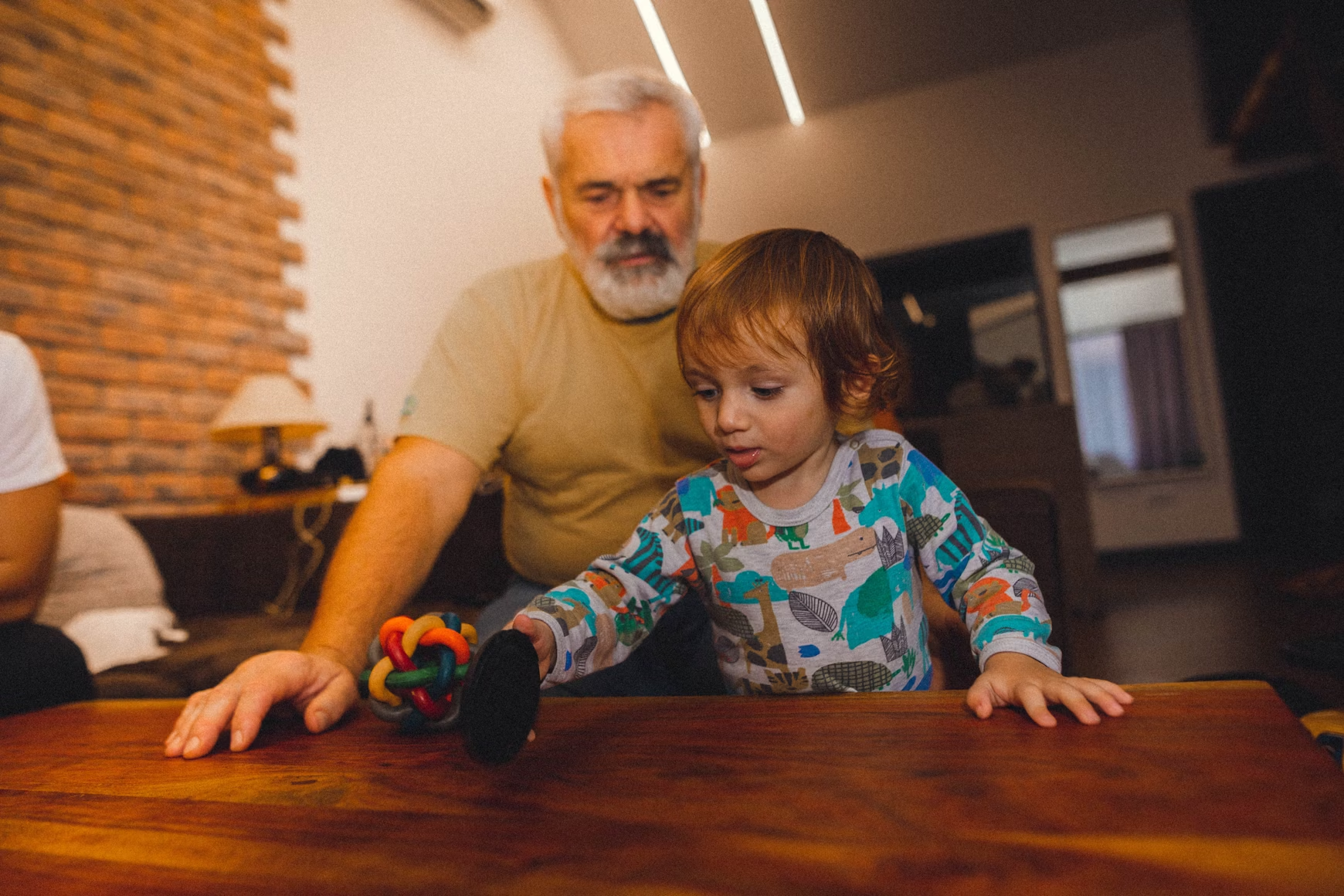
Focused child climbing playground bars, ignoring rules
Image Source: Unsplash

3. Ignoring Discipline Undermines Structure

Kids thrive on predictable boundaries. If grandparents skip chores “because it’s a special day,” children internalize that responsibility is optional when overseen by lenient adults.

Fix it: Share your core discipline framework—bedtimes, chores, tech limits—and why it matters. Invite grandparents to add their own fun privileges after responsibilities are met, keeping structure intact.

4. Good Intentions Can Create Bad Habits

Grandparents may believe they’re helping by rescuing a child from frustration—finishing forgotten homework or cleaning messy rooms. Yet doing tasks for kids robs them of ownership.

Fix it: Encourage a coaching role. For example: “Can you guide Maya through packing her bag instead of doing it for her? She’s learning accountability.” This reframes help as mentorship, not rescue.

5. Disregarding Boundaries Erodes Family Trust

Consistently bypassed limits—whether dietary, bedtime, or screen‑time—spark tension and confusion. Children start to believe rules fluctuate by adult, weakening respect for all caregivers.

Fix it: Hold a calm, private talk outlining non‑negotiables and the bigger picture: unified boundaries protect relationships and foster security. Most grandparents will adjust when they grasp the stakes.

Rebuilding the Bridge

It’s important to approach grandparents with compassion. Here are some tips:

  1. Lead with appreciation. Acknowledge their love and support before addressing concerns.
  2. Be specific. Vague “stop spoiling them” pleas rarely stick; concrete examples do.
  3. Offer alternatives. Replace “no treats” with “one treat plus a backyard game.”
  4. Create a shared motto. Something simple like “Fun and responsibility” keeps everyone focused.
  5. Check in regularly. A quick text update or monthly call preserves clarity and good will.

Remember, most grandparents want to help, not hinder. When expectations are clear and everyone feels respected, their generosity becomes an asset: children get extra love and wisdom and stay anchored to consistent boundaries.

A united family message teaches kids that care and responsibility go hand in hand—whether it’s Mom saying no to a third popsicle or Grandpa echoing the same limit with a wink and a high five.

Have you navigated mixed messages from grandparents? What boundaries work in your home? Share your tips in the comments—your insight could help another family today.

Read More

  • 9 Healthy and Refreshing Kindergarten Lunch Box Ideas
  • How Do You Teach Kids About Consent and Boundaries?
Samantha Warren
Samantha

Samantha Warren is a holistic marketing strategist with 8+ years of experience partnering with startups, Fortune 500 companies, and everything in between. With an entrepreneurial mindset, she excels at shaping brand narratives through data-driven, creative content. When she’s not working, Samantha loves to travel and draws inspiration from her trips to Thailand, Spain, Costa Rica, and beyond.
Filed Under: Parenting Tagged With: boundaries, child responsibility, family dynamics, grandparents and parenting, parenting advice, parenting challenges, relationships, respectful discipline | Parenting, toxic grandparents

Blended Families: 10 Ways to Blend Your Family Without Chaos

April 23, 2025 | Leave a Comment

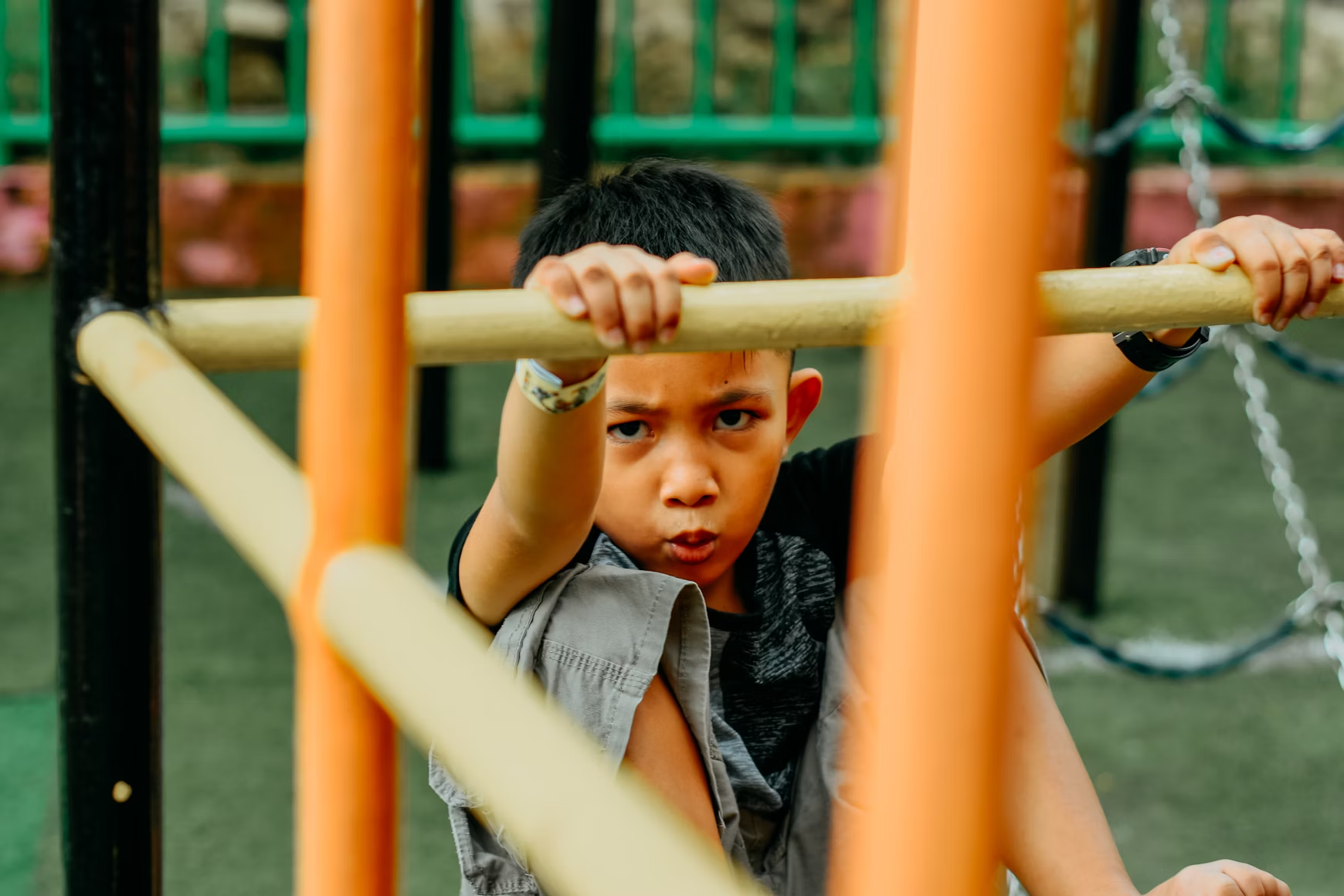
Blended family sharing a meal and bonding outdoors
Image Source: Unsplash

Blending a family sounds sweet in theory—two loving homes becoming one—yet in practice it’s often more like stitching a patchwork quilt than snapping puzzle pieces together.

Step‑siblings share space, parenting styles collide, and emotional baggage gets unpacked (sometimes loudly). The good news: with empathy, patience, and smart structure, blended families can thrive without endless drama.

About 16 percent of U.S. children now live in stepfamilies, so millions are navigating this journey. Whether you’re newly merged or years in, these 10 strategies can ease tension and spark connection.

1. Trade Fairy‑Tale Expectations for Realistic Ones

Hoping everyone will love each other overnight sets you up for disappointment. Instead of picturing instant harmony, picture a slow simmer:

  • Name the goal out loud—“We’re aiming for mutual respect, not instant best‑friend energy.”
  • Celebrate micro‑wins: a shared joke at dinner, a sibling agreeing to share Wi‑Fi, a toddler calling the stepparent to tuck them in.
  • Normalize mixed feelings by reminding kids (and yourself) that discomfort doesn’t mean failure—it means growth in progress.

Think crock‑pot, not microwave, and you’ll notice the flavors of connection deepen over time rather than burn on high heat.

2. Protect Couple Time

Your relationship is the cornerstone of household stability. Schedule small, kid‑free moments—walks, late‑night tea, even a quick check‑in text during the workday—to keep communication strong.

Research summarized by Verywell Family notes that stepfamilies with intentional couple time report fewer conflicts. Guard that bond with intentional rituals:

  • De‑briefs after kid conflicts: process what happened, then brainstorm a united response.
  • Micro‑dates: a ten‑minute morning coffee on the porch before kids wake up.
  • Weekly “state‑of‑us” check‑ins—text threads, voice memos, or calendar invites to air concerns before they snowball.

3. Co‑Create Household Rules

Kids buy into rules they help write. Call a family meeting (pizza bribes welcomed) to decide:

  • Chores—who empties the dishwasher, who walks the dog.
  • Screen‑time limits—what’s fair on school nights vs. weekends.
  • Privacy guidelines—knock before entering bedrooms, ask before borrowing clothes.

Post the agreed list on the fridge and revisit monthly. When a rule gets broken, ask, “Do we need to tweak this?” rather than dictating consequences unilaterally.

4. Honor, Don’t Erase, the Past

A blended family isn’t a reboot; it’s a sequel with beloved backstory. Validate each child’s history by:

  • Displaying keepsakes: photos from the “old” house, trophies, stuffed animals.
  • Inviting storytelling—bedtime memories, holidays at Grandma’s, funny vacations with the other parent.
  • Respecting loyalty binds: remind kids that loving a stepparent doesn’t weaken love for their biological parent.

Acknowledging their roots helps kids graft onto the new family tree without feeling forced to lop off branches.

5. Keep Communication Open—and Age‑Appropriate

Big family meetings can overwhelm shy teens; toddlers can’t unpack feelings on command. Instead, deploy “drive‑time therapy” (chats while eyes face the windshield), bedtime whispers, or dog‑walk downloads. Aim for:

  • Consistency—check‑ins at predictable moments.
  • Curiosity—ask open‑ended questions like, “What felt tricky today?”
  • Listening over lecturing—mirror their words before offering advice.

Short, safe spaces build trust faster than marathon heart‑to‑hearts under a spotlight.

Parent and kids preparing breakfast together in the kitchen
Image Source: Unsplash

6. Create New Traditions Together

Shared rituals weave new memories:

  • Saturday pancake bar with toppings chosen by a different “chef” each week.
  • Movie‑night hosts—rotate who picks the film and snack theme.
  • Blended family birthdays—celebrate “Family Day,” the anniversary of moving in together.

The goal: invent experiences that belong solely to this household, so every member feels ownership of the story you’re writing now.

7. Don’t Rush Sibling Relationships

You can’t schedule chemistry. Encourage kindness and shared activities (board‑game battles, TikTok dance‑offs) but ditch the “best‑friends‑forever” script. When conflict erupts:

  • Coach fair fighting—no insults, take turns, use “I” statements.
  • Separate, then circle back for joint problem‑solving once tempers cool.
  • Model patience—note aloud that closeness often blooms slowly, and that’s okay.

Like plants, sibling bonds flourish on their own timetable—sometimes months, sometimes years.

8. Schedule Individual Time With Each Child

Amid the bustle, personal attention says, “I see you.” Try:

  • 15‑minute “spotlight” slots—read, build LEGO, play a quick video‑game level.
  • Errand buddies—bring one child on the grocery run for spontaneous conversation and treat selection.
  • Rotating dinner sous‑chefs—invite each kid to help prep a favorite recipe.

These pockets of connection reduce jealousy and reinforce that every voice matters.

9. Stay United (Yet Flexible) With Co‑Parents

Kids benefit when adults across households coordinate schedules and discipline. If disagreements flare, model calm problem‑solving rather than tug‑of‑war arguments.

Here are a few strategies:

  • Shared calendar apps for practices, doctor appointments, and holidays.
  • Neutral drop‑off zones (school parking lot, community center) to minimize tension.
  • Conflict scripts—if disagreement flares, state, “Let’s table this until we can talk privately,” then model calm follow‑through.

Remember, “same‑page” doesn’t mean “same‑paragraph.” Flexibility shows children that respectful compromise is possible.

10. Treat Patience as Your Superpower

It can take years for blended families to feel fully cohesive. That sounds daunting—unless you track the tiny victories:

  • A sibling joke that makes everyone laugh.
  • A stepparent invited to the school recital.
  • Kids voluntarily sharing a TikTok video at dinner.

Celebrate milestones, no matter how small, and trust the process. Consistency beats speed every time.

Blending Love, Not Just Logistics

There’s no perfect formula—only real people doing their best. What counts is the willingness to listen, adapt, and nurture relationships over time. With grace and a dash of humor, your patchwork quilt can become a warm, resilient family blanket.

How has your blended family found connection? Share your stories in the comments—your insight could help another parent today.

Read More

  • A Frugal Life: How to Drastically Cut Expenses and Improve Your Finances
  • Can Yelling Ever Be “Justified” Parenting—or Is It Always Damage?
Samantha Warren
Samantha

Samantha Warren is a holistic marketing strategist with 8+ years of experience partnering with startups, Fortune 500 companies, and everything in between. With an entrepreneurial mindset, she excels at shaping brand narratives through data-driven, creative content. When she’s not working, Samantha loves to travel and draws inspiration from her trips to Thailand, Spain, Costa Rica, and beyond.
Filed Under: Parenting Tagged With: blended families, child adjustment, co‑parenting, family bonding | Parenting, family dynamics, new family routines, parenting tips, relationships, step‑parenting, stepchildren

Dating With Children: 8 Ways To Still Be Sensitive To Your Children’s Needs

March 29, 2025 | Leave a Comment

Young white family with their son on the beach on the sand in the summer by the river
Image Source: 123rf.com

Dating as a single parent presents unique challenges that extend far beyond personal happiness. Balancing your desire to find love with ensuring your children feel secure and valued is a delicate task. It requires honest communication, careful planning, and a thoughtful approach. In this article, we provide eight practical strategies for dating while keeping your children’s emotional needs at the forefront. Our goal is to help you create harmony between your personal life and your family’s stability.

Honest Conversations

Begin by having honest, age-appropriate conversations with your children about your dating life. Explain why you’re exploring new relationships and reassure them that your love remains unchanged. Encourage them to share their thoughts and feelings openly. Active listening builds trust and helps them feel included in this transition. This transparency is essential for easing any anxieties they might have.

Prioritizing Stability

Maintaining a consistent routine for your children is critical even when you start dating. Consistent daily schedules provide a sense of security amidst change. Avoid sudden disruptions that might unsettle their familiar world. Gradual changes help them adjust without feeling overwhelmed. Stability reassures your children that, despite new relationships, their core environment remains secure.

Thoughtful Introductions

When the time is right, introduce your new partner to your children carefully and gradually. Ensure that the relationship is serious and has long-term potential before making introductions. Choose neutral, comfortable settings to minimize pressure and allow natural interactions. Allow your children to set the pace and express their comfort level. Thoughtful introductions can foster positive, gradual bonding between your children and your partner.

Establish Balance

Symbolic scales made of stones on the sea background. Concept of harmony and balance. Pros and cons, work - life concept
Image Source: 123rf.com

Establish balance between your dating life and family time. Make sure your children understand which aspects of your personal life remain private. Clear boundaries protect their sense of security and prevent exposure to adult complexities. This separation helps maintain focus on their well-being while you explore new relationships. Consistent boundaries create a balanced and healthy family dynamic.

Being Patient with Reactions

Your children may experience a range of emotions about your dating life, from curiosity to resistance. Give them the space to process these changes without pressure. Patience and empathy are key to easing their transition. Validate their feelings and provide reassurance that your love for them is unwavering. Over time, this supportive approach will help them adapt to the new family dynamics.

Choosing Respectful Partners

Select partners who understand and respect your role as a parent. Look for individuals who are patient and willing to build a relationship with both you and your children. Observing how a potential partner interacts with your kids can provide valuable insights into their suitability. A respectful partner helps create a positive environment for everyone involved. This careful selection process reinforces the stability and emotional well-being of your family.

Monitoring Your Children’s Reactions

Keep a close eye on how your children respond to your dating efforts. Their behavior can provide important clues about their comfort level. Regularly check in with them about their feelings and be ready to adjust your approach as needed. Open dialogue helps address concerns before they escalate. This proactive monitoring ensures that your children continue to feel secure and supported.

Seeking Professional Guidance if Needed

If your children show signs of significant distress, consider seeking help from a family therapist. Professional guidance can offer strategies to ease the transition and address any emotional challenges. Therapy provides a safe space for your children to express their feelings and for you to learn effective coping mechanisms. Investing in professional support demonstrates your commitment to their well-being. This step can be invaluable in navigating complex family dynamics.

Balance Love and Parenting with Sensitivity

Dating as a single parent requires a delicate balance between pursuing personal happiness and safeguarding your children’s emotional needs. By fostering open communication, maintaining stability, and carefully introducing new partners, you can navigate this journey with sensitivity and care. Your children’s well-being should always remain a priority in this journey.

How have you balanced your dating life with your children’s needs? Share your experiences and strategies in the comments below.

Read More:

Here’s How Your Teenage Kids Are Getting Away With Breaking The House Rules

8 Times When The Only Right Answer As A Parent is “Yes”

Tamila McDonald
Tamila McDonald

Tamila McDonald is a U.S. Army veteran with 20 years of service, including five years as a military financial advisor. After retiring from the Army, she spent eight years as an AFCPE-certified personal financial advisor for wounded warriors and their families. Now she writes about personal finance and benefits programs for numerous financial websites.

Filed Under: Parenting Tagged With: dating, family dynamics, parenting advice, relationships, single parenting

How to Handle a One-Sided Friendship

March 28, 2025 | Leave a Comment

asian girls tourist travel holiday.
Image Source: 123rf.com

We’ve all been there—investing time, energy, and love into a friendship that feels more like a solo performance than a duet. One-sided friendships can sneak up on you. At first, it might seem like your friend is just going through a busy season. But over time, it becomes clear: you’re always the one reaching out, showing up, and caring. If your friendships leave you drained and doubting your worth, it’s time to reevaluate and take action.

This guide breaks down how to identify and deal with a one-sided friendship while protecting your mental and emotional health.

1. Understand What a One-Sided Friendship Looks Like

In a healthy friendship, effort goes both ways. You shouldn’t be the only one making plans, texting first, or offering support. A one-sided dynamic feels lopsided—like you’re always pouring into someone who rarely pours back. It can leave you emotionally drained and even questioning your own worth. Recognizing this imbalance is the first step to changing it.

2. Reflect on Why You’re Holding On

Sometimes we cling to friendships out of history, guilt, or hope that the person will change. But ask yourself: is the relationship adding to your life, or taking from it? Do you feel appreciated, or used? Be honest with yourself about what you’re getting from this connection. Reflection doesn’t mean you’re being mean—it means you’re valuing your peace.

3. Have the Courageous Conversation

It might feel scary, but if the friendship matters to you, speak up. A simple, honest conversation can bring clarity: “I’ve noticed I’m the one always reaching out, and I feel a bit unsupported.” Avoid accusations and stick to “I” statements. If your friend truly cares, they’ll listen and want to do better. If not, that tells you everything you need to know.

4. Stop Over-Functioning

When we care, we tend to over-give—sending long texts, checking in constantly, or making all the effort. But when someone consistently doesn’t reciprocate, it’s okay to stop doing the most. Set a small boundary: don’t chase. See if the friendship survives without your constant pushing. Often, that silence will reveal the truth of the connection.

5. Create Distance Without Drama

Two young beautiful girls posing against the backdrop of an abandoned building
Image Source: 123rf.com

You don’t always need a big breakup moment. Sometimes, you can simply step back. Stop texting first, say no more often, or leave some messages unanswered. That space can protect your heart and make room for better friendships. You’re not being rude—you’re choosing your peace over one-sided energy.

6. Fill Your Life with Mutual Relationships

Let go of people who drain you so you can make space for those who fill you. Invest in friendships where the support goes both ways. Seek people who check on you, celebrate you, and make you feel seen. Healthy friendships nourish your mental health instead of weighing it down. You deserve connection, not obligation.

7. Don’t Feel Guilty for Letting Go

If someone makes you feel guilty for pulling away, that’s another red flag. True friends respect your boundaries. Walking away from a one-sided friendship doesn’t make you cold or selfish—it makes you wise. You’re not punishing anyone; you’re honoring your growth. Choose relationships that match your energy.

8. Heal from the Disappointment

Losing a friendship—even a bad one—can still hurt. Give yourself space to grieve what could’ve been. Journal, talk it out, or cry if you need to. Emotional healing takes time, but remember: letting go is a sign of strength. You’re releasing what no longer serves you.

9. Use This Experience to Set New Standards

After a one-sided friendship, you’ll notice your tolerance shift. You’ll be quicker to spot red flags and slower to overextend. That’s growth. Set clear standards for the friendships you want: mutual effort, kindness, honesty. It’s not about being picky—it’s about protecting your peace.

10. Choose You, Every Time

At the end of the day, the best way to handle a one-sided friendship is to choose yourself. Choose to protect your time, energy, and emotions. Be around people who make you feel valued. Let your relationships be a reflection of how you treat yourself—with love, care, and respect. Life is too short to beg for reciprocity.

Don’t Be Afraid to Outgrow People

Sometimes the most powerful thing you can do is walk away from a connection that no longer grows you. You’re not the same person you were when the friendship began—and that’s okay. Growth often requires letting go. And when you do, you make space for friendships that light you up, not dim your shine. Keep evolving—you’re worth it.

Have you ever had to walk away from a one-sided friendship? Let’s talk in the comments—I’d love to hear your story.

Read More:

Can School Be Bad For Your Child?

9 Reasons Your Children Don’t Respect You and How to Fix It

Latrice Perez

Latrice is a dedicated professional with a rich background in social work, complemented by an Associate Degree in the field. Her journey has been uniquely shaped by the rewarding experience of being a stay-at-home mom to her two children, aged 13 and 5. This role has not only been a testament to her commitment to family but has also provided her with invaluable life lessons and insights.  As a mother, Latrice has embraced the opportunity to educate her children on essential life skills, with a special focus on financial literacy.

Filed Under: Money and Finances Tagged With: courageous conversation, friendship, reflecting, relationships

12 Simple Habits That Surprisingly Annoy Others

May 6, 2024 | Leave a Comment

12 Simple Habits That Surprisingly Annoy Others

Certain behaviors can inadvertently annoy others in our daily interactions, whether at work, in social settings, or even at home. While some of these actions may seem harmless or even subconscious, they can significantly impact how people perceive us. Identifying and modifying these simple habits can improve our relationships and create a more pleasant environment for everyone involved. Here are 12 common but often overlooked behaviors that irritate those around us.

1. Not Respecting Personal Space

Not Respecting Personal Space

Invading personal space is one of the most common yet overlooked simple habits that annoy others. Whether it’s standing too close in a queue or hovering over someone while they work, invading personal space makes many people uncomfortable. It’s essential to be mindful of the physical boundaries of others and ensure you’re giving them enough room, especially in professional or crowded public settings.

2. Excessive or Inappropriate Cell Phone Use

Excessive or Inappropriate Cell Phone Use

In today’s connected world, it’s easy to forget how our cell phone habits can impact those around us. Constantly checking messages, taking calls in quiet environments, or scrolling through social media during conversations are behaviors that can come off as disrespectful and dismissive. It’s crucial to be present and attentive, especially during direct interactions with others, to avoid giving the impression that the digital world is more important than the person in front of you.

3. Interrupting During Conversations

Interrupting During Conversations

Interrupting others while they speak is not just rude but also signals that you do not value what they say. This habit can quickly frustrate colleagues and friends alike, leading to poor communication and strained relationships. Practice active listening and allow others to express their thoughts fully before responding.

4. Not Using Headphones in Public Spaces

Not Using Headphones in Public Spaces

Playing music, games, or videos on your device without headphones in public spaces can be incredibly annoying to those around you. It imposes your choice of audio on others who may not share your taste or might prefer a quieter environment. Always use headphones in public to keep your entertainment private and avoid disturbing others.

5. Poor Time Management

Poor Time Management

Being chronically late or mismanaging time affects not only your schedule but also the plans of others. This habit can make you appear disrespectful and unreliable, which might annoy colleagues, friends, and family members who value punctuality. Try to organize your schedule better and always allow extra time for unforeseen delays to avoid keeping others waiting.

6. Overusing Slang or Filler Words

Overusing Slang or Filler Words

Using excessive slang, jargon, or filler words like “um,” “like,” and “you know” in your speech can be grating for listeners and can detract from the clarity and professionalism of your communication. While casual in nature, these crutches can become particularly annoying in professional or formal settings. Focus on speaking clearly and concisely to maintain the attention and respect of your audience.

7. Neglecting Personal Hygiene

Neglecting Personal Hygiene

Ignoring personal hygiene can be off-putting in any social interaction. Whether it’s body odor, bad breath, or unkempt clothing, poor hygiene is a quick way to make a negative impression and annoy others around you. Regular grooming and cleanliness are not just about aesthetics but also about showing respect for those you interact with daily.

8. Misusing Public Amenities

Misusing Public Amenities

Whether it’s leaving a mess in a communal kitchen or hogging equipment at the gym, misusing public amenities shows a lack of consideration for others. This habit can quickly earn the ire of those using these facilities. Always clean up after yourself and use public resources responsibly and considerately.

9. Excessive Complaining

Excessive Complaining

While everyone vents from time to time, constant negativity or complaining can drain the energy of those around you. This habit can make social interactions feel burdensome and overwhelmingly negative. Try to maintain a balance in your conversations and focus on positive topics as much as possible.

10. Talking Over Movies or TV Shows

Talking Over Movies or TV Shows

Talking during a movie or while watching a TV show can be particularly annoying for others trying to focus on the content. Whether it’s asking frequent questions, predicting plot twists aloud, or commenting on every action, this behavior can detract from the experience and frustrate viewers who prefer to watch without interruption. To avoid being a nuisance, save your thoughts for after the show or pause the viewing if you must discuss something important. This consideration ensures everyone can enjoy the entertainment to its fullest.

11. Over-Explaining or Over-Justifying

Over-Explaining or Over-Justifying

Sometimes, in an effort to be thoroughly understood, individuals fall into the habit of over-explaining or justifying their actions excessively. This can be tiresome and frustrating for listeners, who may feel underestimated or caught in unnecessary detail. Be concise and trust that your initial explanation is sufficient unless further clarification is requested.

12. Ignoring Environmental Cues

Ignoring Environmental Cues

Being oblivious to social cues or environmental contexts, such as speaking loudly in a quiet café or discussing inappropriate topics at work, can quickly annoy others. It’s essential to be aware of your surroundings and adjust your behavior accordingly to maintain harmony and respect in various social settings.

Ditch These Simple Habits That Annoy Others to Improve Your Relationships

Ditch These Simple Habits That Annoy Others to Improve Your Relationships

By being mindful of these simple habits and making minor adjustments to our behavior, we can significantly improve how we are perceived by others and enhance our interactions. Recognizing and addressing how our actions might annoy others is crucial to cultivating better relationships and a more considerate community.

Read More:

No Respect? 13 Ways to Recognize Disrespectful Behavior in Kids

From Mean to Queen: 11 Secrets to Being a Happier Calmer Mom

Catherine Reed
Catherine Reed

Catherine is a tech-savvy writer who has focused on the personal finance space for more than eight years. She has a Bachelor’s in Information Technology and enjoys showcasing how tech can simplify everyday personal finance tasks like budgeting, spending tracking, and planning for the future. Additionally, she’s explored the ins and outs of the world of side hustles and loves to share what she’s learned along the way. When she’s not working, you can find her relaxing at home in the Pacific Northwest with her two cats or enjoying a cup of coffee at her neighborhood cafe.

Filed Under: Relationships Tagged With: annoying behaviors, annoying habits, communication, perception, relationships, simple habits, subconscious habits

  • Facebook
  • Pinterest
  • RSS
  • Twitter

Basic Principles Of Good Parenting

Here some basic principles for good parenting:

  1. What You Do Matters: Your kids are watching you. So, be purposeful about what you want to accomplish.
  2. You Can’t be Too Loving: Don’t replace love with material possessions, lowered expectations or leniency.
  3. Be Involved Your Kids Life: Arrange your priorities to focus on what your kid’s needs. Be there mentally and physically.
  4. Adapt Your Parenting: Children grow quickly, so keep pace with your child’s development.
  5. Establish and Set Rules: The rules you set for children will establish the rules they set for themselves later.  Avoid harsh discipline and be consistent.
  6. Explain Your Decisions: What is obvious to you may not be evident to your child. They don’t have the experience you do.
  7. Be Respectful To Your Child: How you treat your child is how they will treat others.  Be polite, respectful and make an effort to pay attention.
Best Parenting Blogs

Most Popular

Baby

9 Unusual Baby Names That Sound Like They Belong to Future CEOs

Evan Morgan
Baby

10 Baby Names That Were Once Considered “Grandparent Names” but Feel Cool Again

Evan Morgan
Target Store

Choking Incident Prompts Recall of 49,000 Target Gigglescape “Under the Sea” Popping Toys

Evan Morgan
Frustrated Girl

Why Some Students on the Spectrum Are Labeled With ODD

Evan Morgan
Coke Bottles

12 Things Kids Took to School in the ’70s That Would Never Be Allowed Today

Evan Morgan

All content on Kids Ain’t Cheap is for entertainment purposes only. By reading this blog, you agree that Kids Ain’t Cheap is not responsible for any actions taken after reading this blog. For the full disclaimer, see our privacy policy.

Please note that Kids Ain’t Cheap has financial relationships with some of the merchants mentioned here. Kids Ain’t Cheap is funded by banner advertising, commission sales and search optimization consulting.

Copyright © 2006–2026 | District Media | All Rights Reserved | Privacy Policy

Copyright © 2026 Runway Pro Theme by Viva la Violette