• Home
  • About Us
  • Toolkit
  • Archives
  • Advertise
  • Privacy Policy

Kids Ain't Cheap

But They Sure Are Worth It

  • Parenting
    • Baby Stuff
    • Books and Reading
      • Aesops Fables
      • Comic Books
    • Education
    • Family Time
    • Green Living
    • Growing Up
    • Healthy Living & Eating
    • Holidays
    • Parenting
    • Random Musings
    • Shopping
    • Stuff to Do
  • Money
  • Product Reviews
    • Books and Magazines
    • Discount Sites
    • Furniture
    • House Keeping
    • Reviews News
    • Toys and Games
  • Contact Us
  • Our Editorial Commitment
  • Search

What Families Lose When Moving From Public School IEPs to Private Voucher Schools

July 2, 2026 | Leave a Comment

Kids In Class
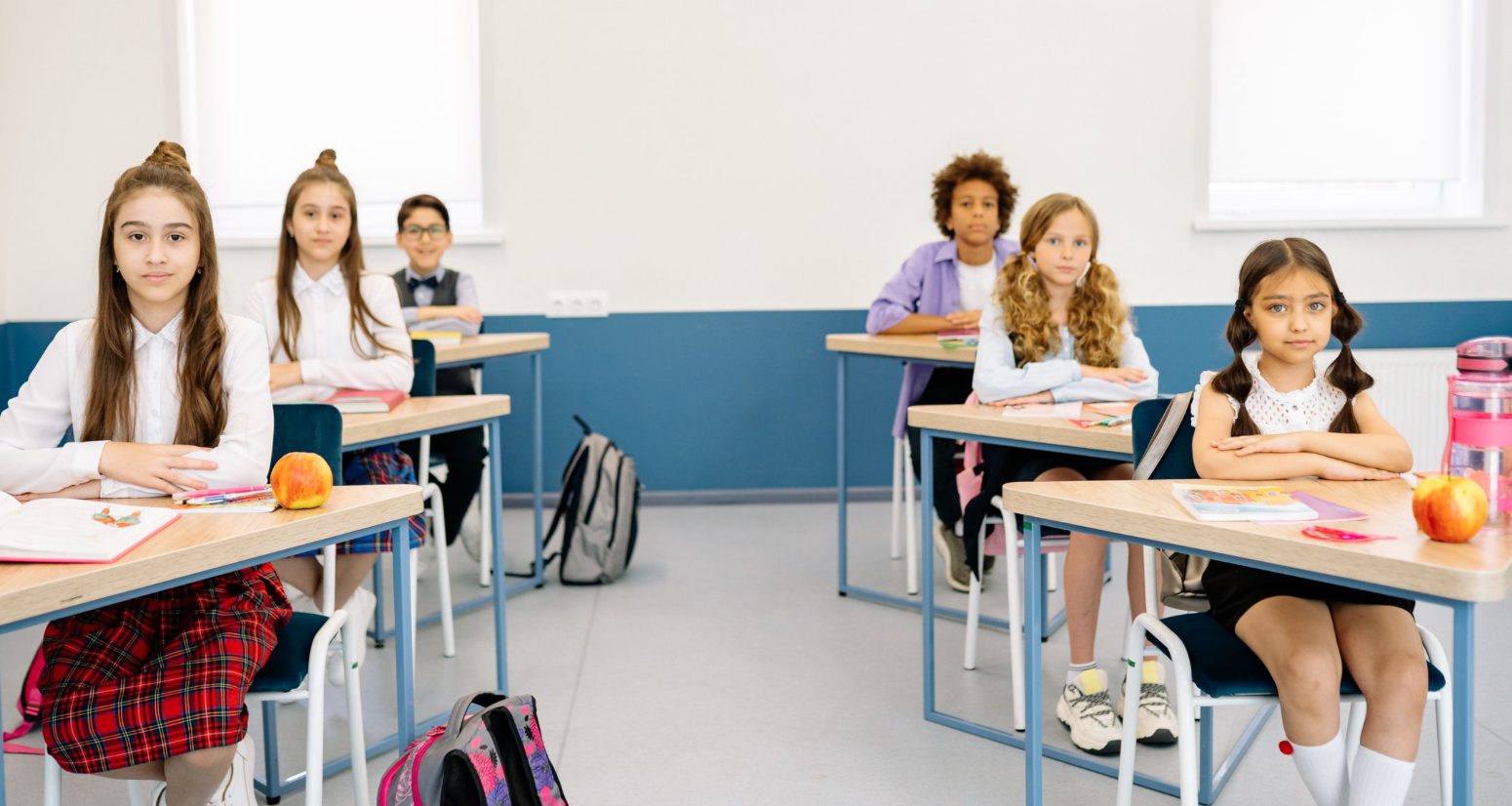
Families should review school records while comparing public school IEP protections with services offered through a private voucher school. Understanding the differences before enrolling can help parents make informed decisions for their child’s education. (Pexels).

For many families, school voucher programs offer the promise of greater educational choice and a learning environment that better fits their child’s needs. That promise can be appealing, especially for parents of children with disabilities who are searching for smaller class sizes or specialized programs. However, one important detail is often overlooked before making the switch from a public school to a private voucher school. In many cases, families give up significant legal protections and services that come with an Individualized Education Program (IEP), making it essential to understand the tradeoffs before enrolling.

Public School IEP Protections Do Not Always Follow Students

An IEP is a legally enforceable document under the Individuals with Disabilities Education Act (IDEA), guaranteeing eligible students specialized instruction and related services in public schools. When parents voluntarily enroll their child in a private school using a voucher or scholarship, that individual entitlement typically changes. Instead of receiving the full range of services outlined in an IEP, students may only qualify for limited “equitable services,” which are determined through consultation rather than guaranteed by the child’s individual needs. That distinction surprises many families because the child’s disability has not changed, but their legal rights often have.

As the U.S. Department of Education explains, children whose parents voluntarily place them in private schools “do not have an individual entitlement to the special education and related services they would receive if they were enrolled in a public school.”

Services May Become More Limited Than Parents Expect

Many parents assume speech therapy, occupational therapy, classroom accommodations, and specialized instruction will continue without interruption after transferring to a private voucher school. Unfortunately, that is not always the case, since private schools participating in voucher programs are generally not required to implement public school IEPs in the same way. Depending on the state and the school’s policies, available services may be fewer, offered less frequently, or unavailable altogether. Some schools provide excellent support through their own resources, while others have limited special education staff. Asking detailed questions before enrollment is one of the most important steps families can take.

Parents May Lose Important Legal Safeguards

Public school families have extensive procedural protections if disagreements arise about services, evaluations, or educational placement. Those safeguards include formal dispute resolution options, due process hearings, and enforceable timelines designed to protect students with disabilities. Once a student voluntarily enrolls in many private voucher schools, those legal remedies may no longer apply in the same way. If promised services are reduced or discontinued, parents often have fewer legal options for resolving disputes. Knowing these differences can help families weigh educational preferences against long-term protections.

Every Private School Offers a Different Level of Support

Private schools are not all alike, and some provide outstanding programs for students with disabilities despite having different legal obligations. A school may employ experienced intervention specialists, maintain small classrooms, and offer individualized attention that benefits certain students. Another private school may have limited staffing and expect parents to arrange outside therapies independently. For example, a child with dyslexia might thrive in a structured reading program at one private school but struggle in another that lacks specialized instruction. Visiting campuses, reviewing support services, and speaking with current families can provide valuable insight before making a decision.

Making an Informed Choice Protects Your Child’s Future

Choosing between a public school IEP and a private voucher school is rarely a simple decision because every child’s needs are unique. Families should request written explanations of available services, ask whether existing accommodations will continue, and understand how evaluations and progress monitoring will be handled. Education experts consistently encourage parents to compare both educational quality and legal protections rather than focusing on school choice alone. A beautiful campus or a smaller classroom does not automatically replace guaranteed special education services. Make sure you are asking questions like:

  • Will my child’s current accommodations continue?
  • Who pays for speech, OT, or PT?
  • Who writes the service plan?
  • What happens if my child’s needs change?
  • Is there a formal dispute process?

Understanding the Tradeoffs Before Making the Switch

Voucher programs can open valuable educational opportunities for some students, particularly when a private school offers specialized instruction that better fits a child’s needs. At the same time, families should recognize that changing schools may also change the legal framework governing special education services. Asking detailed questions, requesting written information, and understanding how services will be delivered can help parents make informed decisions before giving up the protections that accompany a public school IEP. The best choice is the one that matches both a child’s educational needs and the family’s expectations for long-term support.

Have you or someone you know faced the decision between keeping a public school IEP or choosing a private voucher school? Share your experience or perspective in the comments to help other families navigate this important choice.

What to Read Next

All-Gender Restrooms Are Now Required in K-12 Schools – What Parents Should Know

The Code Words Schools Use When Denying Services

How Autism Diagnoses Are Sometimes Downplayed in Schools

Evan Morgan

Evan Morgan has been a full-time freelance writer and editor for 10+ years. When not working, he enjoys catching the latest true crime documentary or getting lost in a good book.
Filed Under: Education Tagged With: disability rights, education policy, IDEA, IEP services, Parents, private schools, public school IEP, school choice, School Vouchers, special education

Texas Special Ed Concerns: Why 2026 Voucher Applications Still Require a Public School Evaluation

March 24, 2026 | Leave a Comment

special ed concerns
Image source: shutterstock.com

Finding the right support for a child with unique learning needs is an emotional and exhausting journey. You might think that moving to a private school through the voucher program would end the endless meetings. Unfortunately, the system has built a bridge that forces you to return to the very place you are leaving.

Many families feel blindsided by the requirement for continued public school oversight during the voucher application process. You are not overreacting to the red tape; instead, the hidden system is maintaining a grip on your child’s records. Specifically, understanding these special ed concerns is vital for ensuring your child doesn’t lose their essential services. Navigating the evaluation requirement is the only way to keep your voucher eligibility intact.

The Mandatory Public School Evaluation Loop

The state has decreed that even private school students must undergo a public school evaluation to verify their disability status. This requirement stems from special ed concerns regarding how the state distributes taxpayer funds to non-public entities. Consequently, you find yourself back in the same district offices that may have failed to provide adequate support in the past. This process can take months, which often delays your child’s transition to a more suitable learning environment.

Surprisingly, state auditors often reject a private school’s independent diagnosis as insufficient for voucher approval. On the other hand, the district must legally complete these assessments within a specific timeframe. For example, a Disability Rights Texas legal guide explains your rights when districts stall these mandatory evaluations. Therefore, you must remain persistent to ensure the paperwork doesn’t gather dust on a bureaucrat’s desk.

Impact on Individualized Service Plans

Moving your child out of the public system often means their previous legal protections do not follow them. These special ed concerns center on the fact that private schools do not have to follow the same federal IDEA mandates. While your voucher funds might cover tuition, they rarely cover the full cost of specialized speech or occupational therapy. Specifically, the state uses the public evaluation to set a funding cap that might not reflect your child’s true needs.

Many parents must bridge a massive financial gap using their own dwindling resources. In addition, research from EdChoice on Texas ESAs highlights how school choice programs often require parents to waive certain federal rights. On the contrary, knowing the specific language of the law can help you advocate for a higher tier of funding. Protecting your child’s progress requires a deep understanding of the fine print in the voucher contract. You are the ultimate defender of your child’s right to an appropriate and fulfilling education.

Addressing Special Ed Concerns

Advocating for your child in 2026 requires a level of persistence that the system often tries to break. You must recognize that the evaluation requirement serves as a hurdle to manage the state’s financial liability. These special ed concerns are valid, but they should not become a permanent barrier to your child’s success. By keeping meticulous records and meeting every district deadline, you maintain the upper hand in the process.

The path to a better education for your child involves paperwork and mandatory meetings you never asked for. However, your dedication serves as the only force that can navigate the system and secure the necessary resources. You have the power to challenge the evaluations and fight for the support your child deserves. Will you let the district’s evaluation process stop your child from accessing the private support they need?

What to Read Next…

  • Texas School Vouchers 2026: The $10,500 ‘Freedom Account’ Rule Parents Should Know
  • Georgia’s SB 497 Could Shift School Medical Notification Rules for Parents
  • Parents Are Stunned by the New Homework Shift Showing Up in Elementary Schools
Latrice Perez

Latrice is a dedicated professional with a rich background in social work, complemented by an Associate Degree in the field. Her journey has been uniquely shaped by the rewarding experience of being a stay-at-home mom to her two children, aged 13 and 5. This role has not only been a testament to her commitment to family but has also provided her with invaluable life lessons and insights.  As a mother, Latrice has embraced the opportunity to educate her children on essential life skills, with a special focus on financial literacy.

Filed Under: Parenting Tagged With: disability rights, Education News, ESA concerns, Latrice Perez, public school evaluation, School Vouchers, Texas education 2026, Texas special ed

Why Private School Tuitions Are driving Families into Debt in 2026

March 3, 2026 | Leave a Comment

private school tuitions
Image source: shutterstock.com

Imagine paying more for your child’s kindergarten than you would for an Ivy League university. For thousands of American families, this unthinkable milestone has become a daily financial reality. As of 2026, the average private school tuition in the United States is closing in on 50,000 dollars a year for day schools. This isn’t just a hurdle for the ultra-wealthy; it is a systemic crisis that is driving even upper-middle-class households into deep, long-term debt. Today, we are pulling back the curtain on the hidden arms race that is inflating costs and why your family’s future might be at risk.

The Hidden Arms Race of Campus Facilities

Honestly, the primary driver behind these skyrocketing costs is a relentless competition for a shrinking pool of students. To stay relevant, private schools are investing millions into upgraded athletic complexes, STEM centers, and wellness facilities. Surprisingly, tuition now covers roughly 73% of a school’s operating budget, meaning you are directly funding these massive capital improvements. This ‘amenity inflation’ forces schools to hike rates by 4% to 5% every single year, far outpacing the standard Consumer Price Index. The latest financial reports show that boarding schools have reached even more staggering heights, often exceeding 75,000 dollars annually.

Furthermore, the cost of attendance extends far beyond the headline tuition figure. Many schools are now adding mandatory technology assessments that range from 300 to 800 dollars per student. Capital improvement fees can easily add another 2,500 dollars to your annual bill. On the other hand, the cost of transportation and specialized academic support often remains hidden until after you’ve signed the contract. These ‘add-ons’ can increase the total cost of attendance by 20% to 35% above the published rate. Here’s the truth: the system is designed to lock you into a lifestyle that your base salary can no longer support.

The Psychology of the ‘Education Debt Trap’

Many parents feel a crushing sense of social pressure to provide a ‘premium’ education, regardless of the financial toll. In 2026, nearly 55% of private school parents report high levels of stress regarding affordability. However, only about 12% of these parents are currently using formal loans for tuition. The real debt is hiding in home equity lines of credit and credit card balances that are being used to cover daily living expenses. Consequently, families are sacrificing their own retirement security to pay for their children’s secondary schooling. This shift creates a ‘generational wealth gap’ that will haunt these households for decades.

To avoid this trap, you must scrutinize the financial aid transparency of any institution you consider. Only nine out of ten parents use financial aid as their primary funding source, yet many are afraid to ask for it. Surprisingly, some states like Florida and Arizona now offer ‘School Choice’ vouchers or Education Savings Accounts that can provide a few thousand dollars in relief. However, these programs rarely cover the full gap for the most expensive schools. You need to look past the branding and evaluate whether the ‘specialized instruction’ is worth the risk of a zero-balance retirement account.

Redefining Value in Education

Providing the best for your child is a noble goal, but it should not come at the expense of your financial survival. By understanding the forces driving tuition hikes, you can make a more balanced decision for your family’s future. Do not let the allure of elite facilities blind you to the long-term debt that accompanies them. Instead, consider whether a high-quality public option supplemented by enrichment might be a more sustainable path. You have the power to define what a ‘good education’ looks like without sacrificing your peace of mind. Stay focused on your long-term goals and remember that your financial stability is the greatest gift you can give your child.

Are you feeling the pinch of private school tuition this year, or have you found a way to make it more affordable? Leave a comment below and share your budgeting secrets.

What to Read Next…

  • Before You Sign Up: 6 “Free” School Programs That Aren’t Actually Free
  • Parents Are Stunned by the New Homework Shift Showing Up in Elementary Schools
  • 7 Things Teachers Wish Parents Would Stop Buying for School Parties
Latrice Perez

Latrice is a dedicated professional with a rich background in social work, complemented by an Associate Degree in the field. Her journey has been uniquely shaped by the rewarding experience of being a stay-at-home mom to her two children, aged 13 and 5. This role has not only been a testament to her commitment to family but has also provided her with invaluable life lessons and insights.  As a mother, Latrice has embraced the opportunity to educate her children on essential life skills, with a special focus on financial literacy.

Filed Under: Money and Finances Tagged With: Education Costs 2026, Education Debt, Family Finance, financial planning, parenting stress, Private School Tuition, Private vs Public School, school choice, School Vouchers, Tuition Hikes

  • Facebook
  • Pinterest
  • RSS
  • Twitter

Basic Principles Of Good Parenting

Here some basic principles for good parenting:

  1. What You Do Matters: Your kids are watching you. So, be purposeful about what you want to accomplish.
  2. You Can’t be Too Loving: Don’t replace love with material possessions, lowered expectations or leniency.
  3. Be Involved Your Kids Life: Arrange your priorities to focus on what your kid’s needs. Be there mentally and physically.
  4. Adapt Your Parenting: Children grow quickly, so keep pace with your child’s development.
  5. Establish and Set Rules: The rules you set for children will establish the rules they set for themselves later.  Avoid harsh discipline and be consistent.
  6. Explain Your Decisions: What is obvious to you may not be evident to your child. They don’t have the experience you do.
  7. Be Respectful To Your Child: How you treat your child is how they will treat others.  Be polite, respectful and make an effort to pay attention.
Best Parenting Blogs

Most Popular

Baby names

Teachers Admit: These 6 Baby Names Create Instant Bias in the Classroom

Latrice Perez
6 Baby Names That Sound Cute Now but Cause Problems Later

6 Baby Names That Sound Cute Now but Cause Problems Later

Brandon Marcus
11 Ways Kids Are Outsmarting Parental Controls 1. Using Alternate Devices One common trick is simply turning to another device. If a child’s main phone or tablet is restricted, they may borrow a sibling’s, friend’s, or even a school laptop. This instantly gives them access to content outside of parental oversight. Parents often focus on one device, forgetting that others in the household can serve as loopholes. Knowing this tactic helps families tighten controls across all electronics. 2. Clearing Browsing Histories Many kids quickly learn that clearing browsing history hides evidence of restricted activity. With just a few clicks, they can erase any trace of websites visited. This makes it harder for parents to notice when rules are being broken. Parents may assume no history means no browsing, but the reality is often the opposite. Kids are outsmarting parental controls by making it seem like nothing happened at all. 3. Using Private Browsing Modes Most browsers offer “incognito” or private browsing features. Kids use this mode to access websites without leaving a record in the history. To parents checking later, everything looks clean and safe. This simple trick is often one of the first ways kids discover how to bypass restrictions. Conversations about private browsing can help close this gap. 4. Guessing or Resetting Passwords Children who are persistent may try to guess passwords to parental control apps or accounts. Others may find ways to reset them through email prompts or security questions. Once inside, they can disable restrictions entirely. Parents may not even realize controls have been altered until much later. Stronger, less predictable passwords can make this more difficult. 5. Using VPNs to Hide Activity Virtual private networks, or VPNs, let kids disguise their online locations. With one downloaded app, they can bypass geographic or parental restrictions. Some children learn about VPNs through friends or even social media. This makes it easy for them to reach content that should be blocked. Parents often underestimate just how simple it is for kids to use these tools. 6. Creating Fake Accounts When parents monitor social media, kids may create hidden accounts. These “finstas” or fake profiles allow them to interact freely without parental oversight. While their main account appears harmless, the secondary one tells a different story. Kids are outsmarting parental controls by playing both sides at once. Checking for duplicate accounts can help parents stay more aware. 7. Exploiting Time Zone Settings Some kids change the time zone on their devices to bypass screen time limits. This trick allows them to gain extra hours of usage undetected. Parents may assume controls are working, but in reality, the child is bending the clock. It’s a clever loophole that highlights just how resourceful kids can be. Monitoring device settings regularly can catch this tactic. 8. Disabling or Uninstalling Apps Parental control apps can be deleted or disabled with surprising ease. Some kids even reinstall them before a parent checks, making it seem like nothing changed. Others may simply restrict permissions to prevent apps from functioning properly. When apps aren’t monitored closely, parents may not notice they’ve been tampered with. This shows the importance of consistent follow-up. 9. Turning to Friends for Access If a child can’t get past restrictions on their own, they may rely on friends. Visiting a friend’s house or borrowing their phone can give them a free pass. Parents often forget that peer environments can override restrictions set at home. This kind of social workaround is especially common with gaming or social media. Open conversations about trust and responsibility are essential. 10. Hiding Apps in Plain Sight Kids sometimes download apps that look innocent but serve as gateways to hidden activity. These apps may disguise themselves as calculators or utilities. In reality, they allow file storage, private messaging, or browser access. Parents glancing at a home screen may overlook them entirely. Learning to recognize these disguised apps can help parents stay informed. 11. Outpacing Parents’ Tech Knowledge Finally, kids often know more about devices than their parents do. Whether through YouTube tutorials, TikTok hacks, or peer groups, they quickly learn advanced workarounds. This knowledge gap means controls can be bypassed before parents even realize the loophole exists. Staying informed and continually learning about new technology is the best defense. Kids are outsmarting parental controls because they adapt faster than most adults. The Real Solution Lies Beyond Restrictions While controls and filters are important, no system is perfect. Kids will always find creative ways around barriers, making communication the strongest safeguard. Setting clear expectations, building trust, and having ongoing conversations about online behavior matter more than apps alone. Parents who combine technology with open dialogue create a safer digital environment. The goal isn’t to win a battle of wits but to build a relationship that keeps kids both safe and honest. Do you think kids are outsmarting parental controls faster than parents can keep up? Share your experiences in the comments below. What to Read Next... 6 Parenting Tech Shortcuts That Can Expose Your Child to Strangers How Much Screen Time Is Too Much—Legally Speaking? Is Your Child’s School Quietly Tracking Their Location Without Your Consent? How Much Screen Time Is Quietly Reshaping Childhood Behavior? Why Some Parents Are Being Investigated Over Homeschooling Records

11 Ways Kids Are Outsmarting Parental Controls

Catherine Reed
Smiling grandfather holding a happy baby indoors.

Why Grandparents Shouldn’t Babysit Their Grandkids Every Week – The Unspoken Issue

Samantha
birthday gifts

7 Birthday Gifts Your Child Should Never Bring to a Party

Latrice Perez

All content on Kids Ain’t Cheap is for entertainment purposes only. By reading this blog, you agree that Kids Ain’t Cheap is not responsible for any actions taken after reading this blog. For the full disclaimer, see our privacy policy.

Please note that Kids Ain’t Cheap has financial relationships with some of the merchants mentioned here. Kids Ain’t Cheap is funded by banner advertising, commission sales and search optimization consulting.

Copyright © 2006–2026 | District Media | All Rights Reserved | Privacy Policy

Copyright © 2026 Runway Pro Theme by Viva la Violette