
• Home
  • About Us
  • Toolkit
  • Archives
  • Advertise
  • Privacy Policy

Kids Ain't Cheap

But They Sure Are Worth It

  • Parenting
    • Baby Stuff
    • Books and Reading
      • Aesops Fables
      • Comic Books
    • Education
    • Family Time
    • Green Living
    • Growing Up
    • Healthy Living & Eating
    • Holidays
    • Parenting
    • Random Musings
    • Shopping
    • Stuff to Do
  • Money
  • Product Reviews
    • Books and Magazines
    • Discount Sites
    • Furniture
    • House Keeping
    • Reviews News
    • Toys and Games
  • Contact Us
  • Our Editorial Commitment
  • Search

Connecticut Parents Face the Highest Private Secondary Bills in the Nation

April 11, 2026 | Leave a Comment

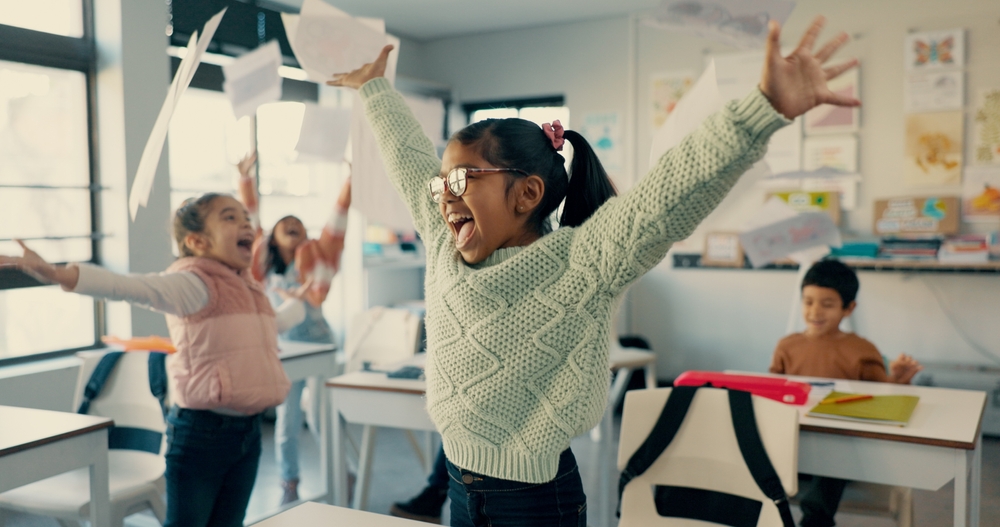
Private School Girls
Image Source: Pexels

Raising a child comes with countless decisions, but few weigh as heavily as education. For families in Connecticut, that decision often carries a particularly steep financial burden. Private secondary school tuition in the state has climbed to the highest levels in the nation, leaving many parents questioning their options. While private education promises smaller class sizes and enriched programs, the rising costs are forcing families to rethink long-term plans. So, what’s driving these soaring expenses—and what can parents realistically do about it?

Why Connecticut Leads in Private School Costs

Connecticut consistently ranks at the top when it comes to private secondary school tuition, and several factors contribute to this trend. The state is home to many prestigious preparatory schools that emphasize academic excellence, extracurricular opportunities, and college readiness. These institutions often invest heavily in faculty, facilities, and advanced programs, which drives up tuition costs significantly. Additionally, the high cost of living in Connecticut naturally translates into higher operational expenses for schools. As a result, parents are often paying a premium for access to what is perceived as a top-tier educational experience.

The Financial Strain on Families

For many families, these rising tuition costs are more than just numbers—they represent real financial stress. Paying tens of thousands of dollars annually for secondary education can strain household budgets, even for higher-income families. Some parents are forced to dip into savings, delay retirement contributions, or take on additional work to afford tuition. Others may feel pressured to choose between private education and other important financial goals, such as college savings or home ownership. Over time, this financial strain can impact not only family stability but also overall quality of life.

Are Private Schools Worth the Investment?

The question many parents grapple with is whether the cost of private education truly delivers long-term value. Private schools often boast strong academic outcomes, higher college placement rates, and personalized attention for students. However, research suggests that student success is influenced by a variety of factors beyond school type, including family support and individual motivation. For some students, public schools or magnet programs may provide comparable opportunities without the financial burden. Ultimately, the “worth” of private education depends on a family’s priorities, resources, and the specific needs of the child.

Exploring Financial Aid and Alternatives

Fortunately, families are not entirely without options when facing high tuition costs. Many private schools offer need-based financial aid, scholarships, or flexible payment plans to help offset expenses. It’s important for parents to research and apply early, as aid can significantly reduce the overall cost. Additionally, some families explore alternatives such as charter schools, magnet programs, or specialized public school tracks that offer rigorous academics. Homeschooling and hybrid education models have also gained popularity as cost-effective alternatives. By exploring all available options, parents can make more informed decisions that align with both their financial and educational goals.

Practical Strategies for Managing Education Costs

Create a detailed education budget that includes tuition, fees, and hidden costs like uniforms and extracurriculars. Start saving early through dedicated education funds to reduce financial pressure later. Apply for scholarships and financial aid programs as early as possible to maximize opportunities. Compare multiple schools to evaluate both cost and value before making a decision. Stay open to alternative education paths that can provide quality learning at a lower cost.

Balancing Aspirations and Affordability

At the heart of this issue lies a balancing act between aspirations and affordability. Connecticut parents are faced with tough choices as they weigh the benefits of private education against its high cost. While the prestige and opportunities offered by private schools are appealing, they are not the only path to success. Families who take the time to evaluate their options and plan strategically can find solutions that work for their unique circumstances. Education is an investment, but it should not come at the expense of long-term financial stability.

What do you think—are private schools worth the high price tag, or are there better alternatives? Have you faced similar financial decisions when it comes to your child’s education? Share your thoughts, experiences, and strategies in the comments below to help other parents navigate this challenging issue.

What to Read Next

Why Private School Tuitions Are driving Families into Debt in 2026

Is Your Child’s Behavior the Reason They Were Rejected From Private School?

6 Reasons Why Sending Your Child to Private School Won’t Change Their Outcome

Evan Morgan

Evan Morgan has been a full-time freelance writer and editor for 10+ years. When not working, he enjoys catching the latest true crime documentary or getting lost in a good book.
Filed Under: Parenting Tagged With: Connecticut families, education costs, financial planning, Parenting, Private School Tuition, school affordability

Why Private School Tuitions Are driving Families into Debt in 2026

March 3, 2026 | Leave a Comment

private school tuitions
Image source: shutterstock.com

Imagine paying more for your child’s kindergarten than you would for an Ivy League university. For thousands of American families, this unthinkable milestone has become a daily financial reality. As of 2026, the average private school tuition in the United States is closing in on 50,000 dollars a year for day schools. This isn’t just a hurdle for the ultra-wealthy; it is a systemic crisis that is driving even upper-middle-class households into deep, long-term debt. Today, we are pulling back the curtain on the hidden arms race that is inflating costs and why your family’s future might be at risk.

The Hidden Arms Race of Campus Facilities

Honestly, the primary driver behind these skyrocketing costs is a relentless competition for a shrinking pool of students. To stay relevant, private schools are investing millions into upgraded athletic complexes, STEM centers, and wellness facilities. Surprisingly, tuition now covers roughly 73% of a school’s operating budget, meaning you are directly funding these massive capital improvements. This ‘amenity inflation’ forces schools to hike rates by 4% to 5% every single year, far outpacing the standard Consumer Price Index. The latest financial reports show that boarding schools have reached even more staggering heights, often exceeding 75,000 dollars annually.

Furthermore, the cost of attendance extends far beyond the headline tuition figure. Many schools are now adding mandatory technology assessments that range from 300 to 800 dollars per student. Capital improvement fees can easily add another 2,500 dollars to your annual bill. On the other hand, the cost of transportation and specialized academic support often remains hidden until after you’ve signed the contract. These ‘add-ons’ can increase the total cost of attendance by 20% to 35% above the published rate. Here’s the truth: the system is designed to lock you into a lifestyle that your base salary can no longer support.

The Psychology of the ‘Education Debt Trap’

Many parents feel a crushing sense of social pressure to provide a ‘premium’ education, regardless of the financial toll. In 2026, nearly 55% of private school parents report high levels of stress regarding affordability. However, only about 12% of these parents are currently using formal loans for tuition. The real debt is hiding in home equity lines of credit and credit card balances that are being used to cover daily living expenses. Consequently, families are sacrificing their own retirement security to pay for their children’s secondary schooling. This shift creates a ‘generational wealth gap’ that will haunt these households for decades.

To avoid this trap, you must scrutinize the financial aid transparency of any institution you consider. Only nine out of ten parents use financial aid as their primary funding source, yet many are afraid to ask for it. Surprisingly, some states like Florida and Arizona now offer ‘School Choice’ vouchers or Education Savings Accounts that can provide a few thousand dollars in relief. However, these programs rarely cover the full gap for the most expensive schools. You need to look past the branding and evaluate whether the ‘specialized instruction’ is worth the risk of a zero-balance retirement account.

Redefining Value in Education

Providing the best for your child is a noble goal, but it should not come at the expense of your financial survival. By understanding the forces driving tuition hikes, you can make a more balanced decision for your family’s future. Do not let the allure of elite facilities blind you to the long-term debt that accompanies them. Instead, consider whether a high-quality public option supplemented by enrichment might be a more sustainable path. You have the power to define what a ‘good education’ looks like without sacrificing your peace of mind. Stay focused on your long-term goals and remember that your financial stability is the greatest gift you can give your child.

Are you feeling the pinch of private school tuition this year, or have you found a way to make it more affordable? Leave a comment below and share your budgeting secrets.

What to Read Next…

  • Before You Sign Up: 6 “Free” School Programs That Aren’t Actually Free
  • Parents Are Stunned by the New Homework Shift Showing Up in Elementary Schools
  • 7 Things Teachers Wish Parents Would Stop Buying for School Parties
Latrice Perez

Latrice is a dedicated professional with a rich background in social work, complemented by an Associate Degree in the field. Her journey has been uniquely shaped by the rewarding experience of being a stay-at-home mom to her two children, aged 13 and 5. This role has not only been a testament to her commitment to family but has also provided her with invaluable life lessons and insights.  As a mother, Latrice has embraced the opportunity to educate her children on essential life skills, with a special focus on financial literacy.

Filed Under: Money and Finances Tagged With: Education Costs 2026, Education Debt, Family Finance, financial planning, parenting stress, Private School Tuition, Private vs Public School, school choice, School Vouchers, Tuition Hikes

  • Facebook
  • Pinterest
  • RSS
  • Twitter

Basic Principles Of Good Parenting

Here some basic principles for good parenting:

  1. What You Do Matters: Your kids are watching you. So, be purposeful about what you want to accomplish.
  2. You Can’t be Too Loving: Don’t replace love with material possessions, lowered expectations or leniency.
  3. Be Involved Your Kids Life: Arrange your priorities to focus on what your kid’s needs. Be there mentally and physically.
  4. Adapt Your Parenting: Children grow quickly, so keep pace with your child’s development.
  5. Establish and Set Rules: The rules you set for children will establish the rules they set for themselves later.  Avoid harsh discipline and be consistent.
  6. Explain Your Decisions: What is obvious to you may not be evident to your child. They don’t have the experience you do.
  7. Be Respectful To Your Child: How you treat your child is how they will treat others.  Be polite, respectful and make an effort to pay attention.
Best Parenting Blogs

Most Popular

Baby

9 Baby Names That Sound Rare Without Being Hard to Spell

Evan Morgan
Baby

9 Unusual Baby Names That Sound Like They Belong to Future CEOs

Evan Morgan
Target Store

Choking Incident Prompts Recall of 49,000 Target Gigglescape “Under the Sea” Popping Toys

Evan Morgan
Frustrated Girl

Why Some Students on the Spectrum Are Labeled With ODD

Evan Morgan
Coke Bottles

12 Things Kids Took to School in the ’70s That Would Never Be Allowed Today

Evan Morgan

All content on Kids Ain’t Cheap is for entertainment purposes only. By reading this blog, you agree that Kids Ain’t Cheap is not responsible for any actions taken after reading this blog. For the full disclaimer, see our privacy policy.

Please note that Kids Ain’t Cheap has financial relationships with some of the merchants mentioned here. Kids Ain’t Cheap is funded by banner advertising, commission sales and search optimization consulting.

Copyright © 2006–2026 | District Media | All Rights Reserved | Privacy Policy

Copyright © 2026 Runway Pro Theme by Viva la Violette