
• Home
  • About Us
  • Toolkit
  • Archives
  • Advertise
  • Privacy Policy

Kids Ain't Cheap

But They Sure Are Worth It

  • Parenting
    • Baby Stuff
    • Books and Reading
      • Aesops Fables
      • Comic Books
    • Education
    • Family Time
    • Green Living
    • Growing Up
    • Healthy Living & Eating
    • Holidays
    • Parenting
    • Random Musings
    • Shopping
    • Stuff to Do
  • Money
  • Product Reviews
    • Books and Magazines
    • Discount Sites
    • Furniture
    • House Keeping
    • Reviews News
    • Toys and Games
  • Contact Us
  • Our Editorial Commitment
  • Search

The Winter Coat Strategy That Helps You Stop Buying Sizes Too Soon

December 30, 2025 | Leave a Comment

The Winter Coat Strategy That Helps You Stop Buying Sizes Too Soon
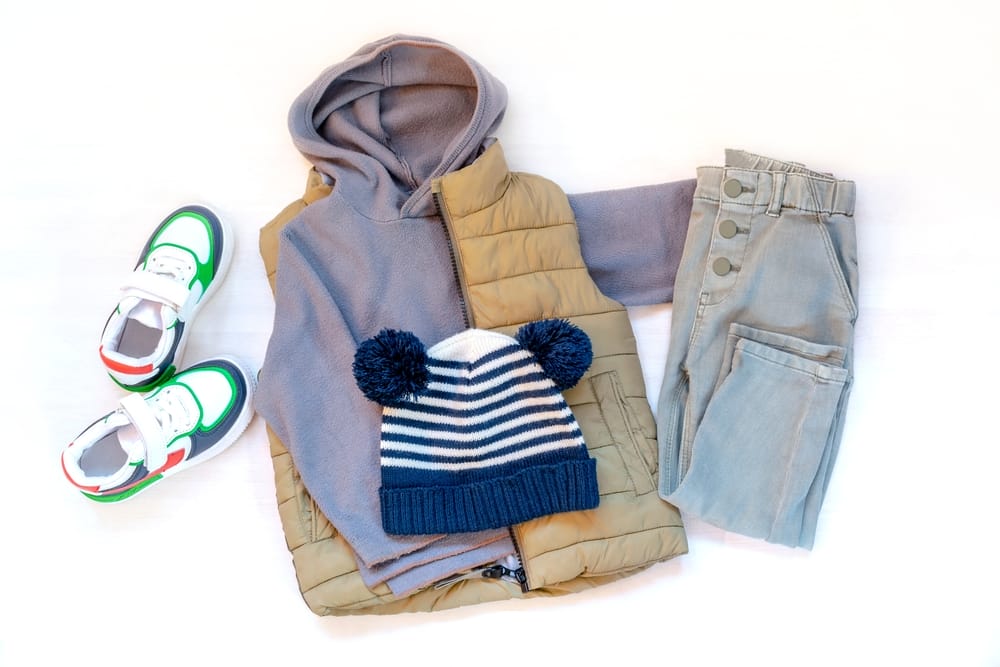
Image source: shutterstock.com

Every fall, it’s easy to panic-buy a coat “with room to grow,” then realize it’s bulky, drafty, and somehow still wrong by January. The good news is you don’t need a closet full of backups or a crystal ball to guess growth spurts. This winter coat strategy is about buying the right coat at the right time, with the right features, so it lasts the season without swallowing your kid whole. Once you use it a couple times, you’ll stop second-guessing every size tag and start trusting your process.

Why Kids Outgrow Coats in Weird, Annoying Ways

Kids don’t just grow “up,” they grow in bursts that change shoulders, torso length, and arm reach at different times. A coat that looks fine in October can feel tight at the chest after holiday treats and winter layers. On the flip side, sizing up too far can make sleeves drag, zippers buckle, and hoods slide into their eyes. Those fit problems aren’t just annoying, they can make kids colder because air sneaks in around gaps. When you plan for real-life growth instead of imaginary growth, you buy fewer coats and get better wear out of each one.

The Winter Coat Strategy: Buy for Fit, Not for Fear

The goal isn’t to buy the biggest coat they can tolerate, it’s to buy the best-fitting coat that still allows movement with layers. With this approach, the coat fits today, and it still has “flex” built in for later. The smartest sizing choice usually lands between “perfect fit” and “swimming in it,” and the deciding factor is how it performs when they move. If they can raise both arms, squat, and zip without fighting it, you’re close. When you follow the winter coat strategy consistently, you stop chasing sizes and start choosing coats that behave well all season.

Do the Five-Minute Fit Test Before You Commit

Start with the shoulders, because shoulder seams that sit too low tend to make the whole coat sag and twist. Next, zip it all the way up and watch what happens at the chin and chest when they take a deep breath. Then check sleeves with arms straight out, because sleeves should cover wrists without turning hands into mittens. After that, have them sit and stand, since a coat that rides up in the back will feel miserable on the playground. This quick routine keeps the winter coat strategy grounded in what actually matters: comfort, warmth, and normal kid movement.

Layer Smart So You Don’t Size Up Out of Habit

Most kids don’t need a giant coat if their layers do the real insulation work. A thin base layer plus a warm mid-layer can add heat without adding bulk, which helps coats fit longer. If your kid overheats easily, choose lighter layers and a coat that blocks wind instead of a puffy marshmallow fit. If your kid runs cold, keep the coat true to size and add warmth under it rather than upsizing. When you build your layers around the winter coat strategy, you buy one solid coat and adjust warmth with items you already own.

Choose Adjustable Features That “Stretch” the Season

Cinch cords and elastic at the waist help trap heat even if the coat gets a little roomy later. Velcro cuffs and inner wrist gaiters keep sleeves from swallowing hands while still allowing extra length for growth. A two-way zipper can reduce strain when kids sit or climb, which helps the coat last longer. Removable hoods and interchangeable liners give you options when weather flips between wet, windy, and freezing. The best part is that adjustable details let the coat work now and later, without needing a panic-sized upgrade.

Time Your Purchase Like a Pro, Not a Panic Shopper

If you buy early, you’ll see more selection, but you might guess wrong if your kid is mid-growth spurt. If you buy later, you’ll have better data on their current size, but you might pay more or settle for leftovers. A good compromise is to try on in early fall, watch fit for a couple weeks, then buy when you’ve seen how layers and school routines affect comfort. Keep a note in your phone with brand, size, and what fit well, so next year takes minutes instead of an hour-long debate. When you treat shopping as a system, the winter coat strategy saves you money and mental energy.

Use “Coat Roles” to Avoid Buying Duplicates

One coat can do the heavy lifting, but it helps to decide what job it needs to handle most days. If the coat must survive recess, look for durability and easy-clean fabric before you worry about trendy colors. If it’s mostly for car rides and errands, you can prioritize comfort and lighter warmth. A cheap backup can be a rain shell or a hand-me-down that lives in the car for surprise weather days. Giving each outerwear piece a role keeps you from buying multiple “just in case” coats that barely get worn.

Your One-Coat Plan That Actually Works

The big win comes from choosing a coat that fits well today, then using layers and adjustability to cover tomorrow. Take a few minutes for a proper fit test, because guessing costs more than measuring. Pay attention to shoulders, mobility, and sleeve control, since those are the first places oversized coats fail kids. Keep your shopping timing flexible, and don’t be afraid to buy after you’ve seen a couple weeks of real weather. If you stick to the winter coat strategy, you’ll buy fewer sizes too soon and feel way more confident every time you shop.

What’s your biggest struggle with buying winter coats—growth spurts, sizing differences between brands, or finding a coat your kid will actually wear?

What to Read Next…

Winter Gear Essentials That Parents Overbuy and How to Avoid the Trap

The Winter Sports Swap-Up Plan That Saves on Gear Without Losing the Fun

Money-Saving Hacks for Parents Shopping Clearance Clothes After the Holidays

The Winter Adaptive Wardrobe Plan That Cuts Kids’ Clothing Costs in Half

How Much You’re Really Spending on Kids’ Clothes Each Year

Catherine Reed
Catherine Reed

Catherine is a tech-savvy writer who has focused on the personal finance space for more than eight years. She has a Bachelor’s in Information Technology and enjoys showcasing how tech can simplify everyday personal finance tasks like budgeting, spending tracking, and planning for the future. Additionally, she’s explored the ins and outs of the world of side hustles and loves to share what she’s learned along the way. When she’s not working, you can find her relaxing at home in the Pacific Northwest with her two cats or enjoying a cup of coffee at her neighborhood cafe.

Filed Under: Shopping Tagged With: Family Budgeting, frugal parenting, hand-me-downs, kids clothing budget, kids outerwear, parenting hacks, seasonal shopping, winter coats

Winter Gear Essentials That Parents Overbuy and How to Avoid the Trap

December 11, 2025 | Leave a Comment

Winter Gear Essentials That Parents Overbuy and How to Avoid the Trap
Image source: shutterstock.com

Winter gear for kids has a way of multiplying before you even realize what you’ve spent. Between boots, coats, snow pants, hats, and gloves, it’s easy to convince yourself you need top-of-the-line everything just to keep your child warm. The problem is that many so-called winter gear essentials barely get worn before they’re outgrown, lost, or pushed to the back of the closet. If you’ve ever totaled up your cold-weather spending and felt a little sick, you’re not alone. With a bit of planning and a reality check on what your child actually needs, you can skip the overbuying trap and still send them out the door cozy and dry.

1. Why Parents Overbuy Winter Gear

Most parents overbuy because winter feels high stakes, and no one wants to be the one who sent their kid to school shivering. Stores feed that anxiety with displays packed full of coordinated outfits, matching accessories, and limited-time sales. Social media doesn’t help when you see picture-perfect families in head-to-toe new outfits every season. On top of that, it’s hard to remember what still fits from last year, so buying everything new feels easier than sorting through bins. Naming a few true winter gear essentials for your climate helps you calm the panic and shop from a place of intention instead of fear.

2. Turn Winter Gear Essentials Into a Checklist

Before you spend a dollar, make a simple checklist of what each child needs for daily life, not a fantasy ski vacation you may or may not take. Start with school requirements, like a waterproof coat, everyday boots, and gloves that work for recess. Then think about your actual routines, such as weekly sledding trips to the park or occasional long car rides, and add only the winter gear essentials that match those activities. Writing the list on paper or in your phone keeps you from grabbing random items just because they’re cute or on sale. When you can check off specific boxes instead of shopping on vibes, you protect your wallet and still cover the basics your kids truly need.

3. Layering Beats Buying More

One of the biggest money savers is remembering that layers do more work than one ultra-thick piece. Instead of buying three different heavy sweaters, focus on long-sleeve tees, thin fleece pullovers, and a solid outer layer. Many items your kids already own, like leggings, pajamas, or athletic shirts, can double as base layers on the coldest days. You can reserve specialized pieces, such as snow pants, for the truly icy days instead of treating them like everyday wear. When you rely on smart layering instead of stockpiling individual items, your list of winter gear essentials gets shorter and much more affordable.

4. Shop Your Closets and Community First

Before you head to the store, pull out last year’s bins, check hooks and backpacks, and gather every stray glove and hat. You might discover that you already own half of what you thought you needed, especially if you have multiple kids sharing hand-me-downs. Next, ask family and friends if they have outgrown coats or boots to pass along, or check local buy-nothing groups and community swaps. Secondhand shops and consignment sales are also gold mines for barely worn outerwear, because kids grow faster than they wear things out. When you treat borrowing and thrifting as part of your winter gear essentials strategy, you can redirect the money you save toward experiences your family will actually remember.

5. When to Spend and When to Skip

Not every item needs to be premium, but a few pieces are worth investing in so you’re not constantly replacing them. A warm, waterproof coat in a neutral color often carries kids through more than one season and can be passed down to younger siblings. Sturdy boots with good traction matter if your child walks on icy sidewalks, while bargain options may be fine for quick trips from house to car. On the other hand, extra scarves, fashion hats, and multiple novelty sweaters usually fall outside true winter gear essentials and end up cluttering drawers. Decide ahead of time where you’ll splurge and where you’ll buy the cheapest option that still does the job, and stick to that plan when sales try to lure you in.

6. Teach Kids to Care for Their Gear

The fastest way to blow your budget is replacing lost mittens and hats every other week. Build simple habits, like hanging coats and snow pants on the same hooks every day and tucking gloves into sleeves before kids rush off to play. For younger children, use bright labels, name tags, or even a small charm on zippers so they can spot their things quickly on crowded racks. Older kids can help pack their own bags the night before with whatever they’ll need for the next day’s weather. When kids learn that taking care of their belongings means more money left for fun family plans, they suddenly have a reason to cooperate.

A Warmer Winter Without Overspending

You don’t have to choose between keeping your kids warm and keeping your budget on track. By slowing down, making a realistic list, and checking what you already own, you avoid piling extra stuff into your cart out of panic. A few smart purchases, thoughtful layers, and some secondhand treasures can cover most of your child’s cold-weather needs. Along the way, you’re also modeling mindful spending and showing your kids that more things don’t always equal more comfort. When winter rolls around next year, you’ll feel prepared instead of pressured, and your bank account will thank you.

What are the winter gear essentials you’ve decided are truly worth buying—and which items do you skip now? Share your best tips in the comments to help other parents save.

What to Read Next…

The Winter Adaptive Wardrobe Plan That Cuts Kids’ Clothing Costs in Half

Stock-Up Items to Buy Right After Christmas That Will Last Through Winter

How to Pick the Right Inflatable Snow-Toy for Your Kids Without Overpaying

10 Things You’re Overspending On Because of Social Media Parenting Trends

How Much You’re Really Spending on Kids’ Clothes Each Year

Catherine Reed
Catherine Reed

Catherine is a tech-savvy writer who has focused on the personal finance space for more than eight years. She has a Bachelor’s in Information Technology and enjoys showcasing how tech can simplify everyday personal finance tasks like budgeting, spending tracking, and planning for the future. Additionally, she’s explored the ins and outs of the world of side hustles and loves to share what she’s learned along the way. When she’s not working, you can find her relaxing at home in the Pacific Northwest with her two cats or enjoying a cup of coffee at her neighborhood cafe.

Filed Under: Shopping Tagged With: budget parenting, frugal family tips, kids in cold weather, kids winter clothing, saving money on kids clothes, seasonal shopping, winter gear

How Much You’re Really Spending on Kids’ Clothes Each Year

May 9, 2025 | Leave a Comment

How Much Youre Spending on Kids Clothes Each Year

Buying clothes for kids seems simple at first—until your child grows two sizes in three months or needs three coats in one season. What starts as a manageable wardrobe quickly turns into an ongoing (and expensive) cycle of outgrowing, replacing, and restocking. While most parents budget for school supplies or extracurricular activities, clothing costs often sneak up without warning. And when you add in seasonal changes, special events, and unexpected growth spurts, the total can be eye-opening. If you’ve ever wondered where all your money went by year’s end, kids’ clothes might be a bigger chunk than you think.

1. The Average Family Spends Over $300 Per Child Annually

According to data from the U.S. Bureau of Labor Statistics, families spend an average of $300–$350 per child each year on clothing. That number can climb quickly for larger families or kids with specific needs like uniforms, shoes for multiple sports, or seasonal outerwear. And those figures don’t account for sudden replacements due to lost items, growth spurts, or damaged clothes. The cost adds up faster than most parents expect, especially if they’re shopping full-price or not tracking spending over time. What seems like “just a few basics” here and there can easily balloon into hundreds by year’s end.

2. Babies and Toddlers Are Often the Most Expensive

Tiny clothes may look adorable on the rack, but don’t let the small size fool you—babies and toddlers often require the most wardrobe turnover. From birth to age three, kids grow at lightning speed, going through up to seven sizes in just a few years. Add in frequent diaper blowouts, spit-up accidents, and messes from new food adventures, and you’ll need multiple outfit changes per day. Even thrifty parents find themselves buying in bulk or replacing essentials constantly. During these early years, the annual clothing cost can hit $500 or more if you’re not using hand-me-downs or budget-friendly sources.

3. Shoes Are a Budget Buster You Can’t Ignore

A single pair of kids’ shoes can cost anywhere from $35 to $50 (or more), and most kids outgrow or wear them out within 3–6 months. Multiply that by the need for sneakers, sandals, boots, and dress shoes, and footwear alone can easily run $200+ per child each year. Some children even need multiple sizes within a single season, especially if they’re in a growth spurt phase. Skimping on shoes isn’t always an option either—poorly fitting shoes can lead to foot problems and discomfort. It’s one category where quality matters, but it sure takes a toll on your clothing budget.

4. School and Sports Come With Clothing Expectations

School wardrobes aren’t just about basics—they often come with their own financial demands. Think spirit wear, gym clothes, special event outfits, and winter gear for recess. If your child is involved in sports, dance, or theater, add uniforms, practice wear, and gear to the list. Even if schools don’t require uniforms, there’s still a social pressure for kids to wear clothes that help them fit in. These extra clothing-related expenses can sneak into your budget unless you plan ahead or shop smart.

5. Seasonal Swaps Add Unavoidable Expense

Every parent knows the pain of packing away summer clothes only to realize none of last year’s winter clothes still fit. Seasonal changes mean jackets, gloves, boots, swimsuits, and weather-appropriate everyday wear—all of which can come with a hefty price tag. In colder climates, winter outerwear alone can cost $100 or more per child. And when you’re juggling multiple kids with overlapping needs, the expense feels never-ending. Planning ahead and shopping off-season can help, but the seasonal wardrobe shuffle is a major contributor to annual clothing costs.

6. Laundry Frequency Often Increases Clothing Needs

Most families with young kids do laundry frequently, but that doesn’t always mean fewer clothes are needed. Spills, stains, and accidents often require outfit changes midday, especially for toddlers and preschoolers. Parents quickly learn that having enough backup clothes is a survival tactic. That means buying extras of shirts, socks, underwear, and pajamas just to keep up. While it feels like a minor convenience, these “just in case” purchases silently pile onto your yearly spending.

7. Trend Pressure Grows with Age

As kids get older, their clothing preferences become more influenced by peers, media, and current trends. What used to be a $6 pair of cartoon pajamas from a big box store turns into a $45 hoodie from a trending brand. Fashion-conscious tweens and teens often want to make their own style choices, and those choices may not come cheap. It’s a normal part of growing up, but it does require thoughtful budgeting or compromise strategies. Giving kids a clothing allowance or setting expectations early can help curb the cost while still supporting their independence.

8. Holiday and Special Occasion Outfits Sneak Into the Budget

Birthday parties, school concerts, weddings, family photos—the list of occasions requiring “nicer” outfits is longer than you might expect. These aren’t everyday clothes, but they can still cost as much (or more), especially if they’re worn only once. Parents often forget to factor these one-off expenses into their annual clothing spend. Shopping clearance racks or planning ahead can help reduce the sting. Still, these occasional but pricey items are another reason the yearly total creeps up.

9. Impulse Buys Add Up Quickly

It’s hard to resist a cute outfit on sale or a new graphic tee your child would love—and retailers know this. Many parents make small, frequent clothing purchases that feel harmless at the time. But over the course of a year, those $10 and $20 impulse buys can easily become hundreds in untracked spending. Setting a monthly or seasonal clothing budget can help avoid surprises. Awareness is key to keeping impulse shopping from undermining your financial plans.

10. Smart Strategies Can Help You Save

While the total cost of kids’ clothes can feel overwhelming, the good news is that smart planning goes a long way. Buying secondhand, organizing clothing swaps with friends, shopping off-season, and sticking to a budget can dramatically reduce your annual total. Tracking expenses also helps you identify which categories eat up the most money. When you’re proactive rather than reactive, you’re more likely to stay within budget and reduce waste. Clothing your kids doesn’t have to be cheap, but it doesn’t have to break the bank, either.

The True Cost Is Higher Than You Think—But You’re Not Powerless

When you add it all up, the cost of kids’ clothes is more than most parents estimate. But understanding where the money goes gives you the power to shop smarter, plan better, and cut costs without cutting corners. A little awareness and strategy can turn a stress point into a place where you feel more in control. Whether you thrift, budget, or swap, the key is being intentional, not reactive. After all, your kids will outgrow their clothes faster than you can blink, but your financial peace of mind doesn’t have to go with them.
Do you track how much you spend on kids’ clothes each year? Share your tips and surprises in the comments—we’d love to hear how you save!

Read More

Why Your Child Needs to Learn the Hard Way—Financially
5 Inexpensive Ways to Pay For Your Child’s Braces

Catherine Reed
Catherine Reed

Catherine is a tech-savvy writer who has focused on the personal finance space for more than eight years. She has a Bachelor’s in Information Technology and enjoys showcasing how tech can simplify everyday personal finance tasks like budgeting, spending tracking, and planning for the future. Additionally, she’s explored the ins and outs of the world of side hustles and loves to share what she’s learned along the way. When she’s not working, you can find her relaxing at home in the Pacific Northwest with her two cats or enjoying a cup of coffee at her neighborhood cafe.

Filed Under: Budgeting Tagged With: Family Budgeting, kids clothing budget, kids fashion, money-saving tips, parenting costs, parenting expenses, seasonal shopping

  • Facebook
  • Pinterest
  • RSS
  • Twitter

Basic Principles Of Good Parenting

Here some basic principles for good parenting:

  1. What You Do Matters: Your kids are watching you. So, be purposeful about what you want to accomplish.
  2. You Can’t be Too Loving: Don’t replace love with material possessions, lowered expectations or leniency.
  3. Be Involved Your Kids Life: Arrange your priorities to focus on what your kid’s needs. Be there mentally and physically.
  4. Adapt Your Parenting: Children grow quickly, so keep pace with your child’s development.
  5. Establish and Set Rules: The rules you set for children will establish the rules they set for themselves later.  Avoid harsh discipline and be consistent.
  6. Explain Your Decisions: What is obvious to you may not be evident to your child. They don’t have the experience you do.
  7. Be Respectful To Your Child: How you treat your child is how they will treat others.  Be polite, respectful and make an effort to pay attention.
Best Parenting Blogs

Most Popular

Baby names

Teachers Admit: These 6 Baby Names Create Instant Bias in the Classroom

Latrice Perez
6 Baby Names That Sound Cute Now but Cause Problems Later

6 Baby Names That Sound Cute Now but Cause Problems Later

Brandon Marcus
11 Ways Kids Are Outsmarting Parental Controls 1. Using Alternate Devices One common trick is simply turning to another device. If a child’s main phone or tablet is restricted, they may borrow a sibling’s, friend’s, or even a school laptop. This instantly gives them access to content outside of parental oversight. Parents often focus on one device, forgetting that others in the household can serve as loopholes. Knowing this tactic helps families tighten controls across all electronics. 2. Clearing Browsing Histories Many kids quickly learn that clearing browsing history hides evidence of restricted activity. With just a few clicks, they can erase any trace of websites visited. This makes it harder for parents to notice when rules are being broken. Parents may assume no history means no browsing, but the reality is often the opposite. Kids are outsmarting parental controls by making it seem like nothing happened at all. 3. Using Private Browsing Modes Most browsers offer “incognito” or private browsing features. Kids use this mode to access websites without leaving a record in the history. To parents checking later, everything looks clean and safe. This simple trick is often one of the first ways kids discover how to bypass restrictions. Conversations about private browsing can help close this gap. 4. Guessing or Resetting Passwords Children who are persistent may try to guess passwords to parental control apps or accounts. Others may find ways to reset them through email prompts or security questions. Once inside, they can disable restrictions entirely. Parents may not even realize controls have been altered until much later. Stronger, less predictable passwords can make this more difficult. 5. Using VPNs to Hide Activity Virtual private networks, or VPNs, let kids disguise their online locations. With one downloaded app, they can bypass geographic or parental restrictions. Some children learn about VPNs through friends or even social media. This makes it easy for them to reach content that should be blocked. Parents often underestimate just how simple it is for kids to use these tools. 6. Creating Fake Accounts When parents monitor social media, kids may create hidden accounts. These “finstas” or fake profiles allow them to interact freely without parental oversight. While their main account appears harmless, the secondary one tells a different story. Kids are outsmarting parental controls by playing both sides at once. Checking for duplicate accounts can help parents stay more aware. 7. Exploiting Time Zone Settings Some kids change the time zone on their devices to bypass screen time limits. This trick allows them to gain extra hours of usage undetected. Parents may assume controls are working, but in reality, the child is bending the clock. It’s a clever loophole that highlights just how resourceful kids can be. Monitoring device settings regularly can catch this tactic. 8. Disabling or Uninstalling Apps Parental control apps can be deleted or disabled with surprising ease. Some kids even reinstall them before a parent checks, making it seem like nothing changed. Others may simply restrict permissions to prevent apps from functioning properly. When apps aren’t monitored closely, parents may not notice they’ve been tampered with. This shows the importance of consistent follow-up. 9. Turning to Friends for Access If a child can’t get past restrictions on their own, they may rely on friends. Visiting a friend’s house or borrowing their phone can give them a free pass. Parents often forget that peer environments can override restrictions set at home. This kind of social workaround is especially common with gaming or social media. Open conversations about trust and responsibility are essential. 10. Hiding Apps in Plain Sight Kids sometimes download apps that look innocent but serve as gateways to hidden activity. These apps may disguise themselves as calculators or utilities. In reality, they allow file storage, private messaging, or browser access. Parents glancing at a home screen may overlook them entirely. Learning to recognize these disguised apps can help parents stay informed. 11. Outpacing Parents’ Tech Knowledge Finally, kids often know more about devices than their parents do. Whether through YouTube tutorials, TikTok hacks, or peer groups, they quickly learn advanced workarounds. This knowledge gap means controls can be bypassed before parents even realize the loophole exists. Staying informed and continually learning about new technology is the best defense. Kids are outsmarting parental controls because they adapt faster than most adults. The Real Solution Lies Beyond Restrictions While controls and filters are important, no system is perfect. Kids will always find creative ways around barriers, making communication the strongest safeguard. Setting clear expectations, building trust, and having ongoing conversations about online behavior matter more than apps alone. Parents who combine technology with open dialogue create a safer digital environment. The goal isn’t to win a battle of wits but to build a relationship that keeps kids both safe and honest. Do you think kids are outsmarting parental controls faster than parents can keep up? Share your experiences in the comments below. What to Read Next... 6 Parenting Tech Shortcuts That Can Expose Your Child to Strangers How Much Screen Time Is Too Much—Legally Speaking? Is Your Child’s School Quietly Tracking Their Location Without Your Consent? How Much Screen Time Is Quietly Reshaping Childhood Behavior? Why Some Parents Are Being Investigated Over Homeschooling Records

11 Ways Kids Are Outsmarting Parental Controls

Catherine Reed
Smiling grandfather holding a happy baby indoors.

Why Grandparents Shouldn’t Babysit Their Grandkids Every Week – The Unspoken Issue

Samantha
birthday gifts

7 Birthday Gifts Your Child Should Never Bring to a Party

Latrice Perez

All content on Kids Ain’t Cheap is for entertainment purposes only. By reading this blog, you agree that Kids Ain’t Cheap is not responsible for any actions taken after reading this blog. For the full disclaimer, see our privacy policy.

Please note that Kids Ain’t Cheap has financial relationships with some of the merchants mentioned here. Kids Ain’t Cheap is funded by banner advertising, commission sales and search optimization consulting.

Copyright © 2006–2026 | District Media | All Rights Reserved | Privacy Policy

Copyright © 2026 Runway Pro Theme by Viva la Violette