• Home
  • About Us
  • Toolkit
  • Archives
  • Advertise
  • Privacy Policy

Kids Ain't Cheap

But They Sure Are Worth It

  • Parenting
    • Baby Stuff
    • Books and Reading
      • Aesops Fables
      • Comic Books
    • Education
    • Family Time
    • Green Living
    • Growing Up
    • Healthy Living & Eating
    • Holidays
    • Parenting
    • Random Musings
    • Shopping
    • Stuff to Do
  • Money
  • Product Reviews
    • Books and Magazines
    • Discount Sites
    • Furniture
    • House Keeping
    • Reviews News
    • Toys and Games
  • Contact Us
  • Our Editorial Commitment
  • Search

5 Cheap Summer Camp Alternatives That Kids Actually Love

April 1, 2026 | Leave a Comment

cheap summer camp alternatives
Image source: shutterstock.com

Finding affordable childcare during the summer months feels like a second mortgage for most families. You likely stare at registration fees and wonder how a simple day of crafts costs several hundred dollars. High prices are not a reflection of your parenting or your budget skills. Instead, a predatory system of seasonal markups has turned basic supervised play into a luxury commodity. Fortunately, families are reclaiming their summers by stepping outside the traditional camp industrial complex. These cheap summer camp alternatives provide better engagement without draining your savings account before the school year even begins.

1. Neighborhood Co-Op Trading

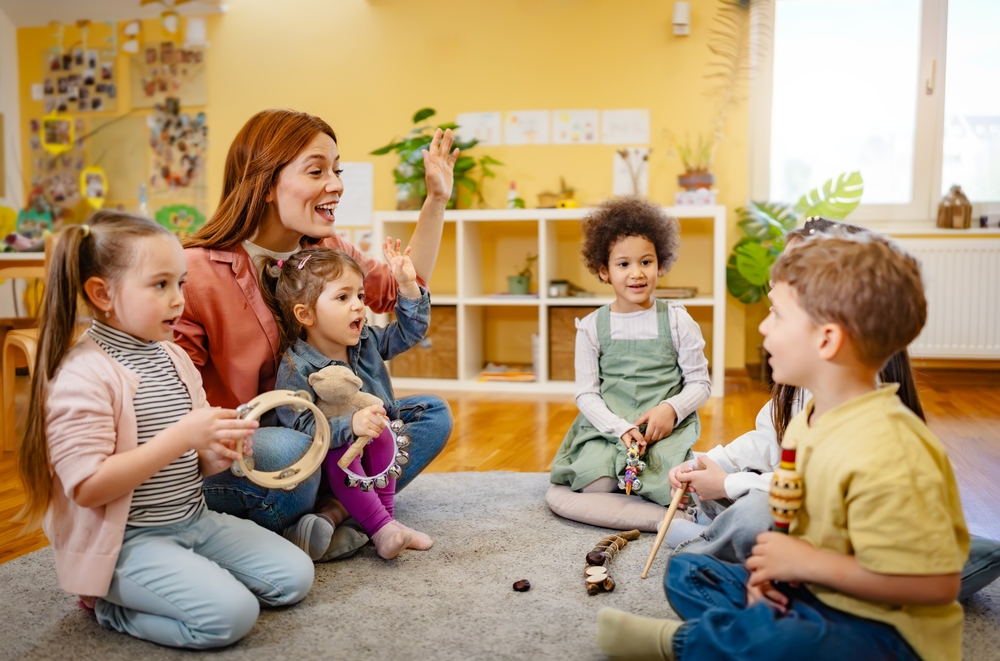
Parents often overlook the collective power of their own social circles. By forming a childcare swap, you eliminate the need for expensive professional counselors entirely. One parent manages a group of four children for a single day while others work. Consequently, everyone receives four days of free care in exchange for one day of hosting. This model fosters deep local friendships and keeps kids in a familiar, safe environment. Surprisingly, children often prefer the relaxed pace of a backyard over the rigid scheduling of a corporate camp facility.

2. Junior Library Apprenticeships

Local libraries have evolved far beyond quiet reading rooms and dusty shelves. Many branches now offer structured volunteer programs designed specifically for middle school students. These positions offer a sense of responsibility that paid camps rarely provide to younger participants. Your child learns organizational skills and digital literacy while assisting with community events. Since these programs are public services, they typically cost nothing to join. On the other hand, the value of professional exposure is truly immeasurable for a developing mind.

3. DIY Specialized Skill Intensives

Commercial camps often charge a premium for niche activities like coding or filmmaking. You can replicate these experiences at home using free online curriculum and low-cost supplies. Set a specific theme for the week and let your child lead the discovery process. This approach allows for a personalized pace that prevents the burnout common in overcrowded summer programs. Furthermore, the focus remains on genuine interest rather than just passing time until pickup. Kids find immense satisfaction in mastering a complex skill through their own initiative.

4. Community Center Micro-Clinics

Municipal recreation departments frequently host short-duration workshops that fly under the radar. These micro-clinics focus on specific sports or arts for just a few hours a day. By stitching these sessions together, you create a customized schedule that fits your specific needs. The overhead for these programs stays low because they utilize existing public infrastructure. Therefore, you pay for the instruction rather than the marketing and administrative bloat of private franchises. Check your city website early to snag these limited spots.

5. Teen-Led Adventure Pods

Responsible local teenagers often seek summer income but lack the resources to start a formal business. Hiring a high schooler to lead a small group of neighborhood kids on local outings is a brilliant compromise. These pods can visit public parks, splash pads, or nature trails for a fraction of camp tuition. You provide a job for a local youth while giving your kids a cool older mentor to look up to. Additionally, the small group size ensures every child receives individual attention and stays safe during excursions.

The Real Cost of Summer Fun

Breaking away from the traditional camp model requires a shift in perspective. You are not depriving your children by avoiding the most expensive options on the market. Instead, you are teaching them that community and creativity are more valuable than a branded t-shirt. These cheap summer camp alternatives offer a path to a stress-free season for everyone involved. Investing your time into these systems pays dividends in both your bank account and your family’s happiness. Learn about childcare subsidies and check developmental standards to ensure your plan meets every need.

What do you think is the biggest barrier to trying an alternative summer program this year? Please leave a comment and let me know your thoughts.

What to Read Next…

  • Why 2026 Tax Refunds Won’t Cover the Cost of Summer Camp This Year
  • 7 Summer Habits That Can Lead to Sickness Fast
  • 10 Foods That Spoil Faster Than You Think in Summer
Latrice Perez

Latrice is a dedicated professional with a rich background in social work, complemented by an Associate Degree in the field. Her journey has been uniquely shaped by the rewarding experience of being a stay-at-home mom to her two children, aged 13 and 5. This role has not only been a testament to her commitment to family but has also provided her with invaluable life lessons and insights.  As a mother, Latrice has embraced the opportunity to educate her children on essential life skills, with a special focus on financial literacy.

Filed Under: Summer Camp Tagged With: budget parenting, cheap summer camp alternatives, childcare hacks, frugal living, parenting tips, Summer Activities, Summer Camp

6 Ways to Entertain a Toddler for Free Without a Tablet

March 2, 2026 | Leave a Comment

ways to entertain a toddler for free
Image source: shutterstock.com

It is four o’clock on a rainy Tuesday afternoon. You feel exhausted while your toddler seems to have discovered a new, inexhaustible source of energy. The temptation to hand over the tablet for twenty minutes feels overwhelming. Many educational apps scream for your attention during these long afternoons. However, we all know the digital hangover that follows the screen time. The tantrums and glazed-over eyes often make the evening even harder to manage. Fortunately, you do not need a battery or a subscription to keep a toddler engaged. You can entertain a child for free using items from your junk drawer and pantry.

1. Pantry Jewelry and Sensory Pushes

Your kitchen serves as a goldmine for toddler entertainment if you look past the mess. Grab a handful of dry pasta or cereal with a hole in the middle. Give your child some sturdy string or a piece of uncooked spaghetti to use. Creating pantry jewelry builds fine motor skills and hand-eye coordination effectively. This slow-paced activity rewards focus and patience in a unique way. A toddler is often more interested in real objects than plastic toys.

2. Creative Pantry Drops

Another high-engagement move involves a simple pantry drop. Take an empty oatmeal container and cut small holes in the lid. Give your toddler cotton balls or dry beans to push through these openings. This repetitive motion is incredibly calming for a developing brain. Such work holds their attention longer than a fast-paced cartoon because it requires active problem-solving. This method also recycles containers you planned to throw away today.

3. Adventure Zones and Movement

Transform your living room into an adventure zone using sofa cushions and painter’s tape. You can create a balance beam on the floor with the tape easily. Build an obstacle course that requires them to crawl under a blanket tunnel. Physical movement activities help toddlers use up energy while building coordination. A simple dance party also shifts the mood without spending any money.

4. Cardboard Engineering

Never underestimate the power of a large cardboard box. To a toddler, a box is a rocket ship or a secret cave. Give them washable markers to decorate the walls of their new home. This type of pretend play encourages imagination and helps build a better vocabulary. You can even combine boxes to create a multi-room fort or a complex maze through the hallway.

5. Sensory Stations and Kitchen Science

You can start several free activities right now by making homemade playdough with flour and salt. Another great option includes setting up a water station in the sink with plastic cups and sponges. Children love the tactile experience of pouring and squeezing in a controlled environment. These sensory experiences trigger neurotransmitter release that helps the brain send messages effectively. You might even host a family orchestra with wooden spoons and metal pots for an engaging experience.

6. Nature Art and Treasure Hunts

Creating nature art with sticks and leaves from the yard offers a fresh perspective on the outdoors. If you must stay inside, play a treasure hunt around the house with common household objects. These simple games foster a sense of curiosity and independence. Limiting screen exposure ensures children gain more opportunities to develop these essential habits naturally. Take the tablet off the table and watch the home become more vibrant.

Reclaiming the Joy of Simple Play

Modern marketing suggests you need high-tech gadgets to be a good parent. The reality is much simpler for families everywhere. Your child does not want an app as much as they want your engagement. They need a chance to explore the world with their own hands. By choosing screen-free activities, you foster a sense of creativity and independence. Do not feel guilty for skipping expensive entertainment options this week. You have the most valuable resource your toddler needs already.

What is your go-to free activity for keeping a toddler busy when you are at your wit’s end? Think about your favorite low-cost hacks and leave a comment below.

What to read next….

  • Counselors Say This ‘Normal’ Social Habit Is Fueling Anxiety in Kids — And Parents Are Missing It
  • Child Psychologists Warn: 5 Purchases That Feed Kids Egos (Not Development)
  • Psychologists Warn: The Praise Habit That Makes Kids Fear Failure

Latrice Perez

Latrice is a dedicated professional with a rich background in social work, complemented by an Associate Degree in the field. Her journey has been uniquely shaped by the rewarding experience of being a stay-at-home mom to her two children, aged 13 and 5. This role has not only been a testament to her commitment to family but has also provided her with invaluable life lessons and insights.  As a mother, Latrice has embraced the opportunity to educate her children on essential life skills, with a special focus on financial literacy.

Filed Under: Parenting Tagged With: budget parenting, early development, free kids activities, non-screen play, parenting hacks, screen-free, Sensory Play, toddler activities

Indoor Fitness Hacks for Kids When Snow and Ice Cancel Outside Plans

December 31, 2025 | Leave a Comment

Indoor Fitness Hacks for Kids When Snow and Ice Cancel Outside Plans
Image source: shutterstock.com

When the driveway is a skating rink and the playground is buried, kids still have the same energy they’d normally burn outside—maybe more. That’s when the house starts feeling smaller by the minute, and every couch cushion becomes a launchpad. The good news is you don’t need pricey equipment, a big basement, or a Pinterest-perfect routine to get everyone moving. A few simple indoor fitness hacks can turn a “stuck inside” day into a reset for bodies and moods. Here are easy, low-cost ways to help kids move, sweat, and laugh without wrecking your home.

1. Create A “Hallway Olympics” With Safe, Simple Events

Pick a clear stretch of hallway or living room space and set two rules: no running near breakables and shoes stay off. Then set up events like “speed walking relay,” “crab-walk race,” or “bear crawl to the finish line.” Use painter’s tape or a scarf to mark start and finish lines, and let kids take turns being the “announcer.” Keep rounds short so they stay fun, and rotate events before anyone gets bored. These indoor fitness hacks work because they feel like play, but they still burn energy fast.

2. Try The “Clean-Up Cardio” Game That Multitasks

Write quick chores on slips of paper, like “put five toys away,” “wipe the table,” or “match three socks.” Then pair each chore with a movement burst, like ten jumping jacks, five squats, or a 20-second dance break. Kids draw a slip, do the task, then do the movement, and they earn a point or a sticker if you want to track it. You can keep it light and silly without turning it into a power struggle. This is one of the best indoor fitness hacks because your house gets cleaner while kids stay active.

3. Set Up A DIY Obstacle Course Using What You Already Have

Grab couch pillows, a laundry basket, a couple chairs, and a roll of tape, then build a course in five minutes. Kids can jump over a “lava pillow,” crawl under a chair bridge, and toss a soft ball into a basket to finish. Let them redesign the course once or twice so they feel ownership and don’t lose interest. If you’re short on space, make it a single loop they can run one at a time. Obstacle courses are classic indoor fitness hacks because they mix strength, balance, and coordination without feeling like exercise.

4. Use “Movement Menus” So Kids Can Choose Their Workout

Kids push back when they feel forced, but they lean in when they get to pick. Make a simple menu with options like “dance,” “yoga,” “animal moves,” “stretching,” and “strength,” then let them choose two. Keep each choice short, like five minutes, so the whole thing doesn’t feel endless. If you have multiple kids, each kid gets one pick, and you alternate. Indoor fitness hacks work better when kids feel like partners instead of passengers.

5. Turn Commercial Breaks Into Mini Workout Challenges

If kids are watching something while stuck inside, you can still build movement into the day. During every break, do a quick challenge: plank for 20 seconds, march in place, or do a silly “freeze dance” round. If you don’t want to link it to screens, you can do the same idea with a timer that goes off every 15 minutes. Keep it short so it feels doable and doesn’t derail the day. This is one of those indoor fitness hacks that sneaks movement into the routine without a big setup.

6. Make A “Stuffed Animal Boot Camp” That Feels Like Storytime

Pick a few stuffed animals and assign them roles, like “Coach Bear” or “Captain Bunny.” Kids do moves to “train” the animals: hop like a rabbit, stomp like a dinosaur, or stretch like a cat. You can add a simple story, like training for a winter rescue mission or a superhero academy. This works especially well for younger kids who love pretend play more than “exercise.” Indoor fitness hacks like this keep the mood playful, which is half the battle on long indoor days.

7. Use Balloon Games for Low-Impact, High-Fun Movement

A balloon is cheap, safe, and surprisingly exhausting when you try to keep it from touching the floor. Play “balloon volleyball” over a string, “keep it up” with a countdown, or “balloon tennis” with paper plate paddles. You can add rules like “only use elbows” or “must spin once before hitting” to make it harder. Because balloons move slowly, kids can play without slamming into furniture as much. Balloon games are underrated indoor fitness hacks because they build coordination and keep kids moving without chaos.

8. Do A Short Family “Workout Playlist” Instead of a Full Workout

You don’t need a 30-minute routine to change the energy in your house. Pick three songs and make it a mini playlist that happens once or twice a day. Song one is dancing, song two is strength moves like squats or wall sits, and song three is stretching or slow movement to calm down. Kids love routines that repeat because they know what’s coming. This is one of the simplest indoor fitness hacks, and it often improves behavior for the next hour.

The Snow-Day Movement Plan That Keeps Everyone Sane

When you’re trapped inside, the goal isn’t perfect fitness—it’s getting enough movement to help kids regulate their bodies and moods. Choose one high-energy option like obstacle courses, one steady option like balloon games, and one calm-down option like stretching or yoga. Keep sessions short and repeatable so you can do them without dread. Rotate the activities so kids stay interested, but don’t overcomplicate it with too many rules. If you lean on a handful of indoor fitness hacks, snow and ice won’t ruin your day, and your home will feel a lot more peaceful.

What’s your go-to “stuck inside” activity that burns the most energy without causing the most chaos?

What to Read Next…

How to Build a Family Emergency Fun Jar for Unexpected Winter Activities

Winter Craft Materials You Probably Already Have and Kids Will Love

8 Exercises You Can Do With Your Child for Fun and Fitness

Ways to Reuse Holiday Wrapping Materials to Save on Crafts with Kids

How to Turn Snow Days Into Learning Days That Don’t Cost a Cent

Catherine Reed
Catherine Reed

Catherine is a tech-savvy writer who has focused on the personal finance space for more than eight years. She has a Bachelor’s in Information Technology and enjoys showcasing how tech can simplify everyday personal finance tasks like budgeting, spending tracking, and planning for the future. Additionally, she’s explored the ins and outs of the world of side hustles and loves to share what she’s learned along the way. When she’s not working, you can find her relaxing at home in the Pacific Northwest with her two cats or enjoying a cup of coffee at her neighborhood cafe.

Filed Under: Healthy Living & Eating Tagged With: budget parenting, family routines, gross motor play, indoor activities for kids, kids fitness, screen-free activities, snow day activities, winter parenting

Cheap and Engaging Ways to Teach Kids Chores That Start Paying Off Now

December 30, 2025 | Leave a Comment

Cheap and Engaging Ways to Teach Kids Chores That Start Paying Off Now
Image source: shutterstock.com

If chores turn into whining, stalling, and one parent quietly finishing the job “faster,” you’re not alone. The trick isn’t buying fancy chore charts or bribing kids with bigger allowances—it’s making chores simple, doable, and oddly satisfying. When you teach kids chores in a way that fits their age and attention span, you get real help now and fewer battles later. Even better, kids start feeling capable, which is the secret sauce most chore systems miss. Let’s keep it cheap, keep it fun, and make it work in real life.

1. Turn Chores Into “Two-Minute Wins” They Can Actually Finish

Kids will fight a big task, but many will happily tackle something that feels quick and clear. Pick chores that take two minutes or less, like wiping a small table, feeding a pet, or putting shoes in a bin. Use a timer and make it a “beat the beep” challenge instead of a lecture about responsibility. When you teach kids chores through tiny wins, they build confidence and start saying, “What else can I do?” Those mini-tasks add up fast, especially on busy weekdays.

2. Use Side-by-Side Coaching Instead of Shouting From Another Room

Most kids don’t ignore chores because they’re lazy—they ignore them because they aren’t sure what “clean the room” even means. Stand next to them the first few times and narrate the steps like a quick tutorial. Say, “First we grab laundry, then we stack books, then we toss trash,” and keep it moving. This is one of the fastest ways to teach kids chores without power struggles because it removes confusion. After a few rounds, step back and let them run the sequence on their own.

3. Teach Kids Chores With “Chore Stations” Using Stuff You Already Own

Create a few simple stations so kids don’t waste time hunting supplies, then melting down halfway through. A bathroom station can be a rag, a spray bottle of kid-safe cleaner, and a small trash bag stored under the sink. A kitchen station can be a sponge, a towel, and a countertop spray in an easy-to-reach spot. When everything is visible, chores feel less like a scavenger hunt and more like a routine. If you want to teach children chores without spending money, stations are a game-changer because they use what you already have.

4. Make It a Game: “Before-and-After” Photos and Mini Challenges

Kids love proof that they did something, especially if it feels like a challenge they can win. Take a quick “before” photo of a messy area, then an “after” photo when it’s done. Give them a silly title like “Table Rescue” or “Laundry Mountain Mission” to make it feel playful. You can also do quick challenges like “How many toys can you return in 60 seconds?” When you teach kids chores using games, you get focus without begging or negotiating.

5. Give Them Choice, But Not Endless Options

A little control goes a long way, but too many choices turns into decision paralysis. Offer two chore options and let them pick, like “Do you want to wipe the table or match socks?” Keep both choices equally easy so it doesn’t become a loophole hunt. Choice makes kids feel respected, which reduces resistance and keeps the mood lighter. It also helps you teach kids chores as a normal part of family life, not a punishment. Over time, you can rotate choices so they learn multiple tasks without realizing it.

6. Use “First, Then” Language That Keeps Everyone Calm

Long explanations usually backfire when kids are already tired or distracted. Instead, use short “first, then” phrasing like, “First put dishes in the sink, then we do snack.” This keeps the expectation clear and avoids turning chores into a moral debate. It also protects your energy, because you’re not repeating yourself for ten minutes. When you teach kids chores with calm structure, they learn that chores are part of the flow of the day. The payoff starts now because transitions get smoother and you stop doing everything alone.

7. Create a Simple Skill Ladder So They Can Level Up

Kids stick with chores when they feel progress, not when they feel trapped doing the same boring thing forever. Start with the easiest version of a task, then add one step when they’ve mastered it. For example, “Put dirty clothes in the hamper” becomes “sort lights and darks,” then later becomes “start the washer with help.” This approach helps you teach children chores in a way that builds real life skills, not just obedience. Bonus: older kids feel proud when they get “promoted” to bigger responsibilities.

8. Celebrate Effort With Attention, Not Stuff

You don’t need prizes to reinforce chores—you need recognition that feels real. Point out what worked: “You put everything in the right bin,” or “You kept going even when it was boring.” Keep praise specific so it doesn’t sound like empty hype. A high five, a quick dance, or letting them pick the music while they work can be enough. When you teach kids chores with attention instead of buying rewards, you build motivation that lasts beyond the novelty of stickers.

The “Payoff Now” Chore Plan You Can Stick With

Chores start paying off when they’re small, clear, and consistent, not when they’re perfect. Pick a few two-minute tasks, coach side-by-side, and set up simple stations so the work is easy to start. Add games, limited choices, and calm “first, then” phrases to keep the tone from spiraling. Build a skill ladder so kids grow into real responsibility without feeling overwhelmed. Most importantly, when you teach kids chores as a normal part of the day, you get help now and you’re raising a future adult who knows how to contribute.

What’s the one chore your kid fights the most, and what do you think would make it feel easier or more fun?

What to Read Next…

8 Chores Your Child Should Master By The Age of 12

7 Common Chores That May Be Too Dangerous for Young Children

Smart Ways to Teach Kids About Money During Winter Break

Why Teaching Kids to Donate After the Holidays Can Save Money and Build Gratitude

9 Fun Ways to Teach Kids Emotional Intelligence (That Actually Work)

Catherine Reed
Catherine Reed

Catherine is a tech-savvy writer who has focused on the personal finance space for more than eight years. She has a Bachelor’s in Information Technology and enjoys showcasing how tech can simplify everyday personal finance tasks like budgeting, spending tracking, and planning for the future. Additionally, she’s explored the ins and outs of the world of side hustles and loves to share what she’s learned along the way. When she’s not working, you can find her relaxing at home in the Pacific Northwest with her two cats or enjoying a cup of coffee at her neighborhood cafe.

Filed Under: Parenting Tagged With: budget parenting, chores for kids, cleaning hacks, family routines, household management, kids life skills, parenting tips, teaching responsibility

How to Build a Family Emergency Fun Jar for Unexpected Winter Activities

December 29, 2025 | Leave a Comment

How to Build a Family Emergency Fun Jar for Unexpected Winter Activities
Image source: shutterstock.com

Winter has a special talent for blowing up your plans—snow days, rainy weekends, sick-day boredom, and that “we can’t go anywhere” mood that hits right after lunch. Instead of defaulting to screens or spending money to “fix” the day, you can build a simple system that saves your sanity and keeps kids excited. An emergency fun jar turns those unpredictable moments into instant options, and it works because the decision is already made. Think of it like a tiny family tool that replaces whining with momentum. Once it’s set up, you’ll wonder why you didn’t do it sooner.

1. Start With A Jar That’s Easy For Kids To Use

Choose a container that kids can open without help, because independence is half the magic. A mason jar works, but a plastic container with a lid is safer for little ones and easier to toss in a cabinet. If you have older kids, a jar on a shelf can feel fun and “official,” like a family tradition. Label it clearly so nobody mistakes it for a craft supply bin or snack stash. The simpler the setup, the more your emergency fun jar gets used on the exact days you need it.

2. Pick Categories So You Don’t End Up With Twenty “Bake Cookies” Ideas

A good mix keeps the jar fresh, especially if winter drags on. Aim for categories like “quick and cozy,” “move your body,” “creative,” “helpful,” and “tiny adventure.” This prevents the jar from becoming a list of high-effort activities that require a store run or a huge mess. It also helps you include options for different energy levels, because not every rough day needs a full production. When the emergency fun jar feels balanced, it works for both snowy excitement and gloomy cabin-fever afternoons.

3. Write Activity Slips That Actually Work In Real Life

Keep each slip specific and doable, with a start point and a clear finish. “Do art” is vague, but “draw a comic strip with three panels” gives kids a path forward. Include quick activities like “make a pillow mountain” alongside longer ones like “indoor scavenger hunt with 10 items.” If an idea needs supplies, note them right on the slip so you aren’t scrambling mid-activity. The more realistic your slips are, the more your emergency fun jar becomes a true rescue plan instead of a cute concept.

4. Mix In “No-Spend” Ideas And “Small-Spend” Treats

This is where the jar becomes a budget tool, not just entertainment. Fill most slips with no-spend options like indoor obstacle courses, dance parties, board games, or a living room campout. Then add a handful of small-spend activities that feel special, like hot chocolate from a café, a $5 thrift-store challenge, or renting a new movie at home. You can even color-code slips: one color for free, another for low-cost, so you can choose based on the week’s budget. When your emergency fun jar includes both types, you stay in control without feeling like you’re always saying no.

5. Add “Kid-Run” Activities To Reduce Your Mental Load

The best winter activities are the ones kids can start without you doing all the work. Include slips like “make a mini talent show,” “build a fort village,” “create a Lego challenge,” or “make a paper airplane runway.” You can also add “teach the family something” prompts, where each kid shows a skill or shares a fun fact. These activities give kids a sense of ownership, which reduces arguing and increases follow-through. The more kid-run slips you add, the more the emergency fun jar becomes a parent sanity saver, not a parent job.

6. Keep A Tiny “Winter Rescue Kit” Next To The Jar

If you want this system to work on stressful days, make it easy to launch. Keep a small basket nearby with basics like markers, tape, scissors, paper, a deck of cards, and a few craft odds and ends. Add seasonal extras if you have them, like cocoa packets, glow sticks, or a cheap snow sled by the door. This prevents the classic problem where you pick an activity, then spend 20 minutes hunting for supplies while kids melt down. Pairing a supply basket with your emergency fun jar makes the whole thing feel effortless.

7. Set Simple Rules For How And When You Use It

Rules keep the jar exciting instead of turning it into a constant demand. Some families use it only on snow days or weekends, while others use it as a daily “pick one” routine during break. You can also set a rule like “one slip per kid” or “one family slip, then one solo slip,” depending on your household vibe. If kids argue about what they want, make the jar the decider and stick to it. Once the rules are clear, the emergency fun jar becomes a trusted routine that replaces the daily negotiating.

8. Refresh It Monthly So It Stays Interesting

Even great ideas get stale if kids see the same slips every week. At the end of each month, pull out anything nobody chooses and replace it with new options. Ask kids to add two ideas each so they feel invested, and you aren’t doing all the brainstorming alone. Keep a few “classics” that always work, like movie night or indoor fort time. A quick refresh keeps the emergency fun jar feeling like a surprise, not like a recycled list.

Your Winter Backup Plan That Actually Gets Used

When winter chaos hits, you don’t need more willpower, you need fewer decisions. A jar full of ready-to-go ideas saves time, reduces whining, and helps you stick to your budget without feeling restrictive. Kids get the fun of randomness and the confidence of choosing, and parents get a tool that makes rough days feel manageable. Start small, test what works, and build your stash over time. The best part is that once your emergency fun jar becomes a habit, it turns winter “stuck” days into memories you’ll actually laugh about later.

If your family made one activity slip right now, what would everyone vote to add first?

What to Read Next…

Winter Craft Materials You Probably Already Have and Kids Will Love

How to Build Kids’ Resilience and Gratitude During a Cold Month of Cabin Fever

6 Holiday Family Movie Night Ideas That Will Make Your Winter Extra Cozy

Budget-Friendly Indoor Adventures for Kids When It’s Too Cold to Play Outside

How to Pick the Right Inflatable Snow-Toy for Your Kids Without Overpaying

Catherine Reed
Catherine Reed

Catherine is a tech-savvy writer who has focused on the personal finance space for more than eight years. She has a Bachelor’s in Information Technology and enjoys showcasing how tech can simplify everyday personal finance tasks like budgeting, spending tracking, and planning for the future. Additionally, she’s explored the ins and outs of the world of side hustles and loves to share what she’s learned along the way. When she’s not working, you can find her relaxing at home in the Pacific Northwest with her two cats or enjoying a cup of coffee at her neighborhood cafe.

Filed Under: Parenting Tagged With: boredom busters, budget parenting, family routines, frugal family fun, Indoor Activities, kids activities, parenting hacks, snow day ideas, winter activities

Creative Winter Projects Kids Can Make Using Items You Already Own

December 25, 2025 | Leave a Comment

Creative Winter Projects Kids Can Make Using Items You Already Own
Image source: shutterstock.com

When kids are stuck inside and boredom starts bouncing off the walls, it’s tempting to run to the store for a quick “fix.” But some of the best crafts and activities don’t come from a shopping bag, they come from a drawer, a recycling bin, and that random stash of buttons you forgot you had. At-home creativity is cheaper, calmer, and often more satisfying because kids get to invent instead of just assemble. If you’ve been craving activities that feel fresh without spending extra money, this list is for you. Here are creative winter projects kids can make using things you probably already own.

1. Cardboard “Snow Town” With Boxes And Paper Scraps

Grab cereal boxes, shipping boxes, and any cardboard you can safely cut, then help kids build a tiny neighborhood. These winter projects work best when kids draw doors, windows, and signs using markers, crayons, or leftover wrapping paper. Use tape, glue, or even folded tabs to stand buildings upright and connect them like a street. Add “snow” by tearing white paper, cotton balls, or tissue into little drifts. When it’s done, kids can play with it for days, not just minutes.

2. Sock Snowmen Made From Singles And Fillers

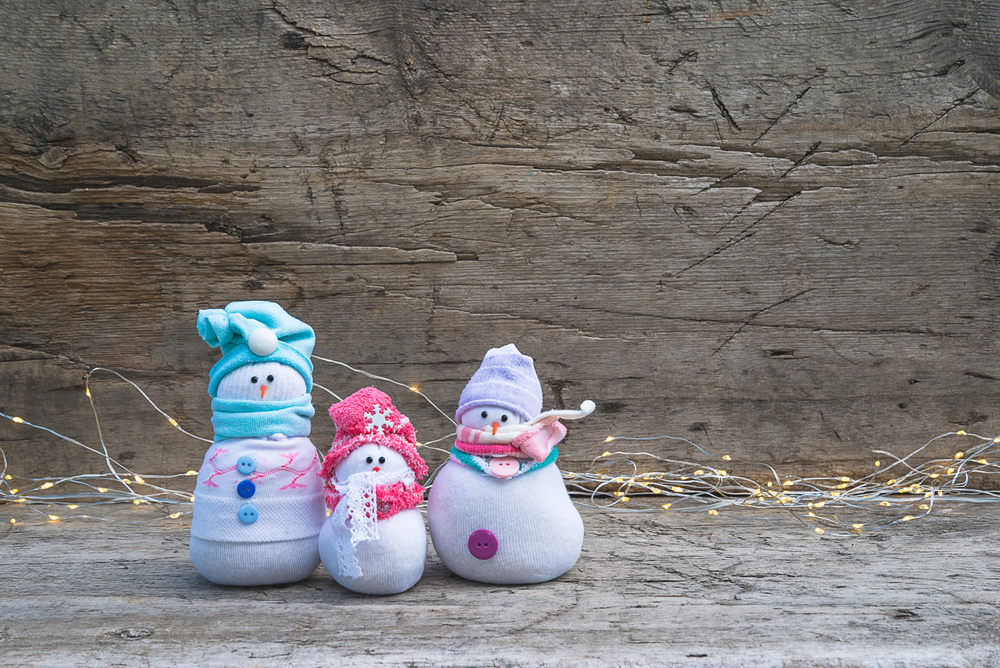
Those lonely socks without a match can finally become something useful… a snowman! For these projects, fill a sock with rice, dried beans, or even crumpled paper, then tie it off with a hair tie or string. Add a face with markers or buttons, and use ribbon, yarn, or scrap fabric for a scarf. If you have rubber bands, you can shape a head and belly by banding the sock in the middle. Kids love making a whole “family” of snowmen and naming each one.

3. “Window Snowflakes” Using Paper You’d Recycle

All you need is paper and scissors to create instant winter magic. Fold printer paper, old homework pages, or brown bag paper, then cut shapes and unfold for surprise designs. These winter projects become extra fun when kids try to make themes, like stars, trees, or initials. Tape the snowflakes to windows or string them into a garland for a big visual payoff. Even better, kids can make a few each day and watch the display grow.

4. DIY Snow Globes With Jars And Kitchen Odds And Ends

If you have a jar, you have the foundation for a snow globe-style craft. Use a small toy, a Lego figure, a pinecone, or a random figurine as the centerpiece, then secure it to the lid with glue if you have it. For these projects, fill the jar with water and add a pinch of glitter, confetti, or even tiny paper bits for the “snow.” A drop of dish soap can help the sparkle float more slowly, which kids find oddly fascinating. Just tighten the lid well and keep it as a shake-and-watch winter decoration.

5. Coffee Filter Or Tissue Paper “Stained Glass” Art

Kids can create bright, beautiful window art without fancy supplies. Color coffee filters with markers, then lightly spray with water so the colors blend, or use tissue paper squares stuck to a clear surface with a glue-and-water mix. These winter projects are perfect for using up old markers that don’t write perfectly anymore. Once the paper dries, tape it to a window and let sunlight do the decorating. It’s an easy win when you need something calming and low-mess.

6. Card Games Turned Into Homemade Board Games

Old decks of cards can become an entire game workshop. Have kids design a simple board on paper or cardboard, then use cards as movement rules, challenges, or “event” prompts. These winter projects build creativity and problem-solving because kids have to test the rules and fix what doesn’t work. Add tokens made from coins, buttons, or small toys, and you’ve got a playable game that feels original. The best part is that kids will want to teach the game to someone else, which reinforces the fun.

7. “Recycled Robot” Builds From Packaging And Containers

Save a few safe recyclables like paper towel tubes, egg cartons, yogurt cups, and bottle caps, and let kids invent characters. Use tape as your best friend and let perfection go, because the charm is in the weirdness. These projects get even better when kids create a backstory, name, and “powers” for their robot. If you have foil, stickers, or leftover gift tags, those make easy upgrades. When kids display their robot lineup, it feels like a mini art show at home.

8. Memory Or Matching Games Made From Old Cards And Paper

Cut cardstock, cereal boxes, or thick paper into small squares and let kids decorate pairs. You can theme it around winter shapes, family jokes, or even spelling words they’ve been practicing. These winter projects double as a game you can play on repeat, which makes the effort feel worth it. Keep the designs simple for younger kids and more detailed for older kids who like a challenge. Store the set in a zip bag or jar so it stays ready for the next bored afternoon.

9. Indoor “Campfire” Story Corner With Blankets And Flashlights

This isn’t a craft in the traditional sense, but it’s a project kids can build and then use. Stack pillows, drape blankets over chairs, and create a cozy corner with a flashlight “campfire” and paper flames. These projects help kids practice storytelling, especially if you add a jar of prompts written on scraps of paper. Kids can draw a prompt like “a talking mitten” or “a lost snow boot” and spin a story. It’s simple, screen-free fun that feels special because they helped create the setup.

10. Upcycled Gift Wrap Collages And “Winter Cards”

Save scraps of wrapping paper, tissue paper, and ribbon from holidays or birthdays and turn them into collage art. Kids can make greeting cards, bookmarks, or winter scenes by cutting and layering shapes. These winter projects are great for practicing fine motor skills while keeping the vibe relaxed and playful. Add handwriting practice by having kids write notes to grandparents, neighbors, or teachers. It creates something meaningful without requiring a trip to the craft aisle.

Winter Projects That Save Money And Make Memories

The real win isn’t just that these ideas cost almost nothing, it’s that they turn ordinary items into shared moments. When kids learn to create with what’s around them, they build confidence and creativity at the same time. You also avoid the cycle of buying supplies that get used once and then forgotten. Keep a small “project bin” of recyclables, paper scraps, and odds and ends so you can start quickly when boredom hits. A little imagination can stretch a winter day in the best way.

Which of these ideas would your kids get excited about first, and what random household item do you always seem to have plenty of?

What to Read Next…

Winter Craft Materials You Probably Already Have and Kids Will Love

Homemade Gifts Made Easy: 8 Fun Projects for Kids to Create and Give

10 Cozy Activities That Double as Emotional Regulation Tools

6 Holiday Family Movie Night Ideas That Will Make Your Winter Extra Cozy

Cure Cabin Fever: Ideas for When Children Are Bored Indoors

Catherine Reed
Catherine Reed

Catherine is a tech-savvy writer who has focused on the personal finance space for more than eight years. She has a Bachelor’s in Information Technology and enjoys showcasing how tech can simplify everyday personal finance tasks like budgeting, spending tracking, and planning for the future. Additionally, she’s explored the ins and outs of the world of side hustles and loves to share what she’s learned along the way. When she’s not working, you can find her relaxing at home in the Pacific Northwest with her two cats or enjoying a cup of coffee at her neighborhood cafe.

Filed Under: Money and Finances Tagged With: budget parenting, DIY projects, frugal family fun, Kids Crafts, recycled crafts, screen-free ideas, winter activities

Winter Gear Essentials That Parents Overbuy and How to Avoid the Trap

December 11, 2025 | Leave a Comment

Winter Gear Essentials That Parents Overbuy and How to Avoid the Trap
Image source: shutterstock.com

Winter gear for kids has a way of multiplying before you even realize what you’ve spent. Between boots, coats, snow pants, hats, and gloves, it’s easy to convince yourself you need top-of-the-line everything just to keep your child warm. The problem is that many so-called winter gear essentials barely get worn before they’re outgrown, lost, or pushed to the back of the closet. If you’ve ever totaled up your cold-weather spending and felt a little sick, you’re not alone. With a bit of planning and a reality check on what your child actually needs, you can skip the overbuying trap and still send them out the door cozy and dry.

1. Why Parents Overbuy Winter Gear

Most parents overbuy because winter feels high stakes, and no one wants to be the one who sent their kid to school shivering. Stores feed that anxiety with displays packed full of coordinated outfits, matching accessories, and limited-time sales. Social media doesn’t help when you see picture-perfect families in head-to-toe new outfits every season. On top of that, it’s hard to remember what still fits from last year, so buying everything new feels easier than sorting through bins. Naming a few true winter gear essentials for your climate helps you calm the panic and shop from a place of intention instead of fear.

2. Turn Winter Gear Essentials Into a Checklist

Before you spend a dollar, make a simple checklist of what each child needs for daily life, not a fantasy ski vacation you may or may not take. Start with school requirements, like a waterproof coat, everyday boots, and gloves that work for recess. Then think about your actual routines, such as weekly sledding trips to the park or occasional long car rides, and add only the winter gear essentials that match those activities. Writing the list on paper or in your phone keeps you from grabbing random items just because they’re cute or on sale. When you can check off specific boxes instead of shopping on vibes, you protect your wallet and still cover the basics your kids truly need.

3. Layering Beats Buying More

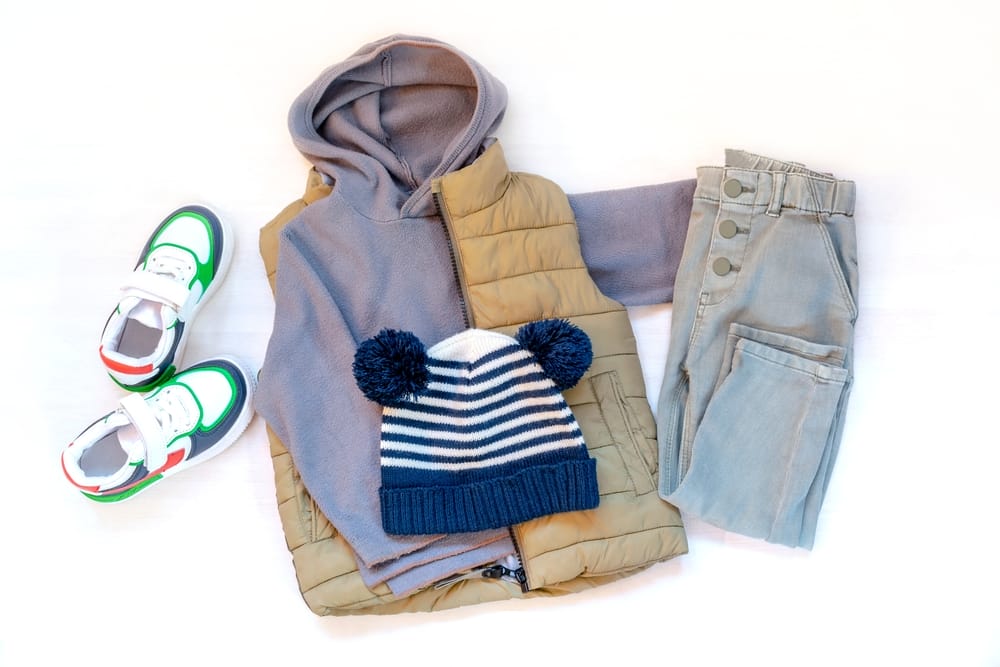
One of the biggest money savers is remembering that layers do more work than one ultra-thick piece. Instead of buying three different heavy sweaters, focus on long-sleeve tees, thin fleece pullovers, and a solid outer layer. Many items your kids already own, like leggings, pajamas, or athletic shirts, can double as base layers on the coldest days. You can reserve specialized pieces, such as snow pants, for the truly icy days instead of treating them like everyday wear. When you rely on smart layering instead of stockpiling individual items, your list of winter gear essentials gets shorter and much more affordable.

4. Shop Your Closets and Community First

Before you head to the store, pull out last year’s bins, check hooks and backpacks, and gather every stray glove and hat. You might discover that you already own half of what you thought you needed, especially if you have multiple kids sharing hand-me-downs. Next, ask family and friends if they have outgrown coats or boots to pass along, or check local buy-nothing groups and community swaps. Secondhand shops and consignment sales are also gold mines for barely worn outerwear, because kids grow faster than they wear things out. When you treat borrowing and thrifting as part of your winter gear essentials strategy, you can redirect the money you save toward experiences your family will actually remember.

5. When to Spend and When to Skip

Not every item needs to be premium, but a few pieces are worth investing in so you’re not constantly replacing them. A warm, waterproof coat in a neutral color often carries kids through more than one season and can be passed down to younger siblings. Sturdy boots with good traction matter if your child walks on icy sidewalks, while bargain options may be fine for quick trips from house to car. On the other hand, extra scarves, fashion hats, and multiple novelty sweaters usually fall outside true winter gear essentials and end up cluttering drawers. Decide ahead of time where you’ll splurge and where you’ll buy the cheapest option that still does the job, and stick to that plan when sales try to lure you in.

6. Teach Kids to Care for Their Gear

The fastest way to blow your budget is replacing lost mittens and hats every other week. Build simple habits, like hanging coats and snow pants on the same hooks every day and tucking gloves into sleeves before kids rush off to play. For younger children, use bright labels, name tags, or even a small charm on zippers so they can spot their things quickly on crowded racks. Older kids can help pack their own bags the night before with whatever they’ll need for the next day’s weather. When kids learn that taking care of their belongings means more money left for fun family plans, they suddenly have a reason to cooperate.

A Warmer Winter Without Overspending

You don’t have to choose between keeping your kids warm and keeping your budget on track. By slowing down, making a realistic list, and checking what you already own, you avoid piling extra stuff into your cart out of panic. A few smart purchases, thoughtful layers, and some secondhand treasures can cover most of your child’s cold-weather needs. Along the way, you’re also modeling mindful spending and showing your kids that more things don’t always equal more comfort. When winter rolls around next year, you’ll feel prepared instead of pressured, and your bank account will thank you.

What are the winter gear essentials you’ve decided are truly worth buying—and which items do you skip now? Share your best tips in the comments to help other parents save.

What to Read Next…

The Winter Adaptive Wardrobe Plan That Cuts Kids’ Clothing Costs in Half

Stock-Up Items to Buy Right After Christmas That Will Last Through Winter

How to Pick the Right Inflatable Snow-Toy for Your Kids Without Overpaying

10 Things You’re Overspending On Because of Social Media Parenting Trends

How Much You’re Really Spending on Kids’ Clothes Each Year

Catherine Reed
Catherine Reed

Catherine is a tech-savvy writer who has focused on the personal finance space for more than eight years. She has a Bachelor’s in Information Technology and enjoys showcasing how tech can simplify everyday personal finance tasks like budgeting, spending tracking, and planning for the future. Additionally, she’s explored the ins and outs of the world of side hustles and loves to share what she’s learned along the way. When she’s not working, you can find her relaxing at home in the Pacific Northwest with her two cats or enjoying a cup of coffee at her neighborhood cafe.

Filed Under: Shopping Tagged With: budget parenting, frugal family tips, kids in cold weather, kids winter clothing, saving money on kids clothes, seasonal shopping, winter gear

DIY Gifts Kids Can Make That Cost Less Than a Movie Ticket

December 8, 2025 | Leave a Comment

DIY Gifts Kids Can Make That Cost Less Than a Movie Ticket
Image source: shutterstock.com

When you’re trying to stretch your budget, birthday parties, teacher appreciation weeks, and holidays can sneak up fast. Store-bought presents add up quickly, especially if you have more than one child or several events in the same month. The good news is that meaningful, memorable presents don’t need to come from the mall. With a few low-cost supplies and a little time, you can help your child create thoughtful gifts kids can proudly make and give. You’ll save money, teach valuable skills, and show your child that generosity doesn’t have to be expensive.

Why DIY Gifts Are Perfect When Money Is Tight

DIY projects turn gift-giving into an activity instead of just another expense on your to-do list. Instead of swiping your card, you’re spending time together and building your child’s confidence. Most projects use supplies you already have or can grab for just a few dollars at a discount or dollar store. You can choose gifts kids can adapt for any occasion, from holidays to “just because” surprises. Best of all, these gifts feel personal, not generic, which makes them extra special to the people who receive them.

1. Coupon Books Full of Time and Help

Homemade coupon books are an easy hit with grandparents, parents, and siblings. All you need is paper, crayons or markers, and maybe some ribbon or string to hold the pages together. Help your child brainstorm coupon ideas like “one movie night,” “help with the garden,” or “one extra-long hug.” These are gifts kids can create in minutes that turn into experiences instead of more clutter. Encourage your child to decorate each coupon so the book feels playful and one-of-a-kind.

2. Decorated Picture Frames They’ll Be Proud to Give

Inexpensive plain frames can transform into keepsakes with a little creativity. You can often find basic frames at thrift stores or dollar stores for less than a movie ticket. Set out supplies like craft paint, stickers, buttons, or washi tape and let your child design a frame that fits the person they’re giving it to. To keep costs down even more, print a favorite photo at home or through a low-cost photo kiosk. These become gifts kids can personalize in endless ways, and they’ll light up any desk, fridge, or nightstand.

3. Storytime Vouchers and Other Gifts Kids Can Give

If money is extra tight, focus on projects that cost almost nothing but still feel special. Help your child make “storytime vouchers” promising to read a favorite book with a younger sibling, cousin, or neighbor. They can tuck the vouchers into a homemade card or simple envelope decorated with doodles and stickers. You can also create a mini “game night” kit with handwritten instructions for a board game you already own. These thoughtful ideas show that gifts kids can give don’t have to come from a store to feel meaningful.

4. No-Sew Fleece Scarves for Cozy Hugs

No-sew fleece scarves look impressive but are incredibly simple for kids to make. Look for fleece remnants or sale pieces at craft stores; a half yard is often enough for a child-sized scarf and still costs less than a movie ticket. Your child can cut the fleece into a long strip and add fringe to the ends by cutting short slits and gently tugging the pieces. They can personalize the scarf with fabric markers or small iron-on patches if your budget allows. These scarves become cozy, wearable hugs that keep loved ones warm and remind them of your child’s effort.

5. Simple Bath Salts and Sugar Scrubs in Jars

Bath salts and sugar scrubs feel like spa treats but are very budget-friendly to make. For bath salts, you can mix Epsom salt with a small amount of baking soda and a drop or two of essential oil if you already have some on hand. For sugar scrub, combine white sugar with a neutral oil like olive or coconut until it feels like wet sand. Let your child spoon the mixture into clean recycled jars, then decorate them with homemade labels and ribbons. These are relaxing, pampering gifts kids can assemble quickly, and they’re perfect for caregivers, teachers, and older relatives.

6. Snack Baskets Made from Pantry Favorites

Food gifts are always popular, and you can build them using items you already planned to buy. Have your child gather a few budget-friendly favorites like popcorn packets, hot cocoa mix, tea bags, or small bags of pretzels. Arrange them in a reused basket, a decorated shoebox, or even a paper lunch bag dressed up with drawings and stickers. Your child can add a handwritten note like “Movie Night in a Bag” or “Cozy Snack Kit” to finish it off. Snack bundles are practical gifts kids can help assemble while you talk about comparison-shopping and unit prices in the grocery aisle.

Turning DIY Into a Family Giving Tradition

When you lean into homemade presents, you’re not just saving money; you’re building values. Kids learn that thoughtfulness, time, and creativity matter more than how much something costs. They also see that planning ahead lets your family make generous choices, even on a tight budget. Over time, you can create a tradition where your child expects to brainstorm gifts kids can make instead of heading straight for the toy aisle. That mindset will serve them well as future teens and adults who understand both generosity and smart spending.

Which DIY gift ideas has your child loved most, and what low-cost creations would you add to this list? Share your favorites in the comments so other parents can try them too.

What to Read Next…

Homemade Gifts Made Easy: 8 Fun Projects for Kids to Create and Give

These Christmas Countdown Calendars Are So Cute, You’ll Want to Start Counting Down Right Now!

Stock-Up Items to Buy Right After Christmas That Will Last Through Winter

How to Turn Kids’ Post-Holiday Blues Into an Opportunity for Connection

New Year’s Resolutions for Families That Focus on Savings and Togetherness

Catherine Reed
Catherine Reed

Catherine is a tech-savvy writer who has focused on the personal finance space for more than eight years. She has a Bachelor’s in Information Technology and enjoys showcasing how tech can simplify everyday personal finance tasks like budgeting, spending tracking, and planning for the future. Additionally, she’s explored the ins and outs of the world of side hustles and loves to share what she’s learned along the way. When she’s not working, you can find her relaxing at home in the Pacific Northwest with her two cats or enjoying a cup of coffee at her neighborhood cafe.

Filed Under: holidays Tagged With: birthday gifts, budget parenting, DIY gifts, family activities, frugal living, holiday gifts, kid-friendly projects, Kids Crafts, Saving Money

8 Expensive Things Parents Buy That Kids Don’t Even Care About

May 18, 2025 | Leave a Comment

8 Expensive Things Parents Buy That Kids Dont Even Care About

Parenting today comes with a constant stream of pressure to “get it right”—and that often includes spending money on things that are supposed to make childhood magical. From the perfect nursery to name-brand everything, parents can feel like they’re always one purchase away from being the mom or dad their kid deserves. But here’s the surprising truth: kids don’t actually care about most of it. In fact, many of the expensive items marketed to families are more about adult expectations than children’s needs or wants. Knowing what really matters to kids can help parents save money, lower stress, and focus on what counts.

When it comes to parenting expenses, raising kids on a budget gets tangled in consumer culture. Social media shows us curated playrooms and picture-perfect birthday parties, but kids usually just want time, attention, and fun—none of which require a big budget. The next time you’re tempted to splurge, take a breath and ask yourself: Is this for my child, or for my own peace of mind? Below are eight pricey purchases that most kids couldn’t care less about.

1. Fancy Designer Baby Clothes

Tiny outfits with big price tags might look cute for a minute, but kids grow out of them before you can blink. Babies don’t care if they’re wearing cashmere or cotton and are just as likely to spit up on either one. Raising kids on a budget means prioritizing comfort and practicality over fleeting style. Save the designer pieces for grown-ups who appreciate them. Your baby won’t remember what they wore—but your bank account will.

2. Themed Birthday Blowouts

Elaborate birthday parties complete with bounce houses, face painters, and dessert tables are fun, but often more for the adults than the birthday child. Younger kids are often overwhelmed by too many people, too much noise, and the pressure of being the center of attention. They usually remember playing with friends, blowing out candles, and getting their favorite treat. A low-key celebration with genuine joy often trumps a Pinterest-worthy party. Raising kids on a budget means focusing on memories, not optics.

3. Tech Toys With All the Bells and Whistles

The latest robot or voice-activated dinosaur might look exciting, but kids often lose interest fast. These toys usually require batteries, setup, and adult supervision, and they tend to gather dust in the corner after a few days. Simple toys—like blocks, dolls, or art supplies—often hold a child’s attention longer and spark more creativity. Raising kids on a budget is about value, not flash. Sometimes the most fun comes from the simplest things.

4. High-End Nursery Furniture

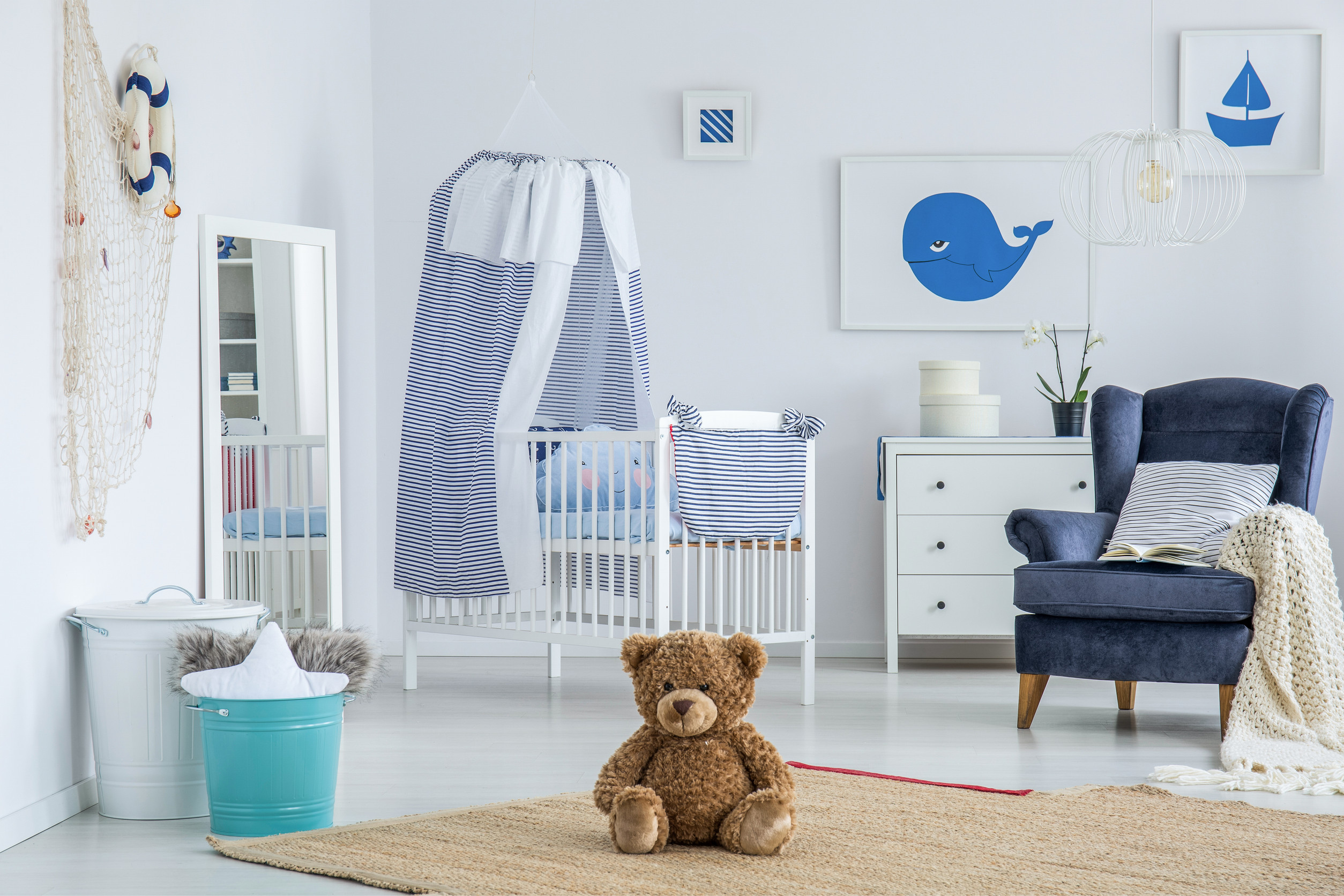
Some baby items are marketed like luxury goods, from $1,000 cribs to handcrafted changing tables. But babies don’t notice aesthetics or price tags. What matters most is safety, comfort, and convenience for the parents who’ll be using them. Most kids end up transitioning to a big-kid bed or different room setup sooner than expected. Raising kids on a budget means resisting trends and sticking with what works.

5. Branded Back-to-School Gear

Sure, kids need backpacks, lunchboxes, and supplies, but the brand names mean more to parents than most children. Many kids are just as happy with a colorful folder or a sturdy backpack from a budget store. They’re good to go as long as their gear works and reflects a bit of their personality. On the other hand, parents often feel pressured to buy the “right” items to fit in or look responsible. Raising kids on a budget involves breaking free from brand-driven thinking.

6. Gourmet Toddler Snacks

Organic puffs in sustainable packaging and artisanal teething biscuits might sound appealing, but toddlers are famously unpredictable eaters. Most little ones are just as happy munching on a banana, crackers, or Cheerios. Spending extra money on niche snacks often leads to untouched containers and wasted food. Stick to simple, nutritious options that kids will actually eat. Raising kids on a budget means being realistic about your child’s consumption.

7. Designer Strollers and Gear

There’s nothing wrong with wanting a smooth, well-built stroller. But when gear costs as much as a small used car, it’s time to rethink. Kids don’t care whether their stroller was made in Europe or features handcrafted leather accents. They care if it rolls smoothly, keeps them comfy, and maybe has a cup holder. Raising kids on a budget means knowing where to spend and where to save.

8. Extravagant Holiday Gifts

Many parents feel the pressure to go big during the holidays, with mountains of gifts and top-ticket toys. But younger kids especially tend to focus on one or two items they love, and the rest get forgotten fast. They really remember the experience—decorating cookies, opening presents together, and enjoying time as a family. When it comes to holiday joy, presence beats presents every time. Raising kids on a budget encourages focusing on togetherness over quantity.

Shifting from Spending to Connecting

Raising kids on a budget doesn’t mean denying them joy—it means recognizing what actually brings them joy in the first place. Expensive things can’t replace quality time, emotional connection, or everyday fun. Kids don’t need perfection—they need people. So before buying into the next “must-have” parenting trend, ask yourself what truly matters. Your child’s happiness probably won’t come with a price tag.

What’s one thing you’ve bought for your child that they totally ignored? Share your funny (or painful) story in the comments!

Read More:

10 Effective Tips to Build a Budget for You and Your Family

7 Childhood Milestones That Come With Surprising Costs

Catherine Reed
Catherine Reed

Catherine is a tech-savvy writer who has focused on the personal finance space for more than eight years. She has a Bachelor’s in Information Technology and enjoys showcasing how tech can simplify everyday personal finance tasks like budgeting, spending tracking, and planning for the future. Additionally, she’s explored the ins and outs of the world of side hustles and loves to share what she’s learned along the way. When she’s not working, you can find her relaxing at home in the Pacific Northwest with her two cats or enjoying a cup of coffee at her neighborhood cafe.

Filed Under: Budgeting Tagged With: budget parenting, child development, parenting expenses, parenting mistakes, raising kids on a budget, save money on kids, toys kids don’t use

  • Facebook
  • Pinterest
  • RSS
  • Twitter

Basic Principles Of Good Parenting

Here some basic principles for good parenting:

  1. What You Do Matters: Your kids are watching you. So, be purposeful about what you want to accomplish.
  2. You Can’t be Too Loving: Don’t replace love with material possessions, lowered expectations or leniency.
  3. Be Involved Your Kids Life: Arrange your priorities to focus on what your kid’s needs. Be there mentally and physically.
  4. Adapt Your Parenting: Children grow quickly, so keep pace with your child’s development.
  5. Establish and Set Rules: The rules you set for children will establish the rules they set for themselves later.  Avoid harsh discipline and be consistent.
  6. Explain Your Decisions: What is obvious to you may not be evident to your child. They don’t have the experience you do.
  7. Be Respectful To Your Child: How you treat your child is how they will treat others.  Be polite, respectful and make an effort to pay attention.
Best Parenting Blogs

Most Popular

Baby

9 Unusual Baby Names That Sound Like They Belong to Future CEOs

Evan Morgan
Baby

10 Baby Names That Were Once Considered “Grandparent Names” but Feel Cool Again

Evan Morgan
Target Store

Choking Incident Prompts Recall of 49,000 Target Gigglescape “Under the Sea” Popping Toys

Evan Morgan
Frustrated Girl

Why Some Students on the Spectrum Are Labeled With ODD

Evan Morgan
Coke Bottles

12 Things Kids Took to School in the ’70s That Would Never Be Allowed Today

Evan Morgan

All content on Kids Ain’t Cheap is for entertainment purposes only. By reading this blog, you agree that Kids Ain’t Cheap is not responsible for any actions taken after reading this blog. For the full disclaimer, see our privacy policy.

Please note that Kids Ain’t Cheap has financial relationships with some of the merchants mentioned here. Kids Ain’t Cheap is funded by banner advertising, commission sales and search optimization consulting.

Copyright © 2006–2026 | District Media | All Rights Reserved | Privacy Policy

Copyright © 2026 Runway Pro Theme by Viva la Violette