• Home
  • About Us
  • Toolkit
  • Archives
  • Advertise
  • Privacy Policy

Kids Ain't Cheap

But They Sure Are Worth It

  • Parenting
    • Baby Stuff
    • Books and Reading
      • Aesops Fables
      • Comic Books
    • Education
    • Family Time
    • Green Living
    • Growing Up
    • Healthy Living & Eating
    • Holidays
    • Parenting
    • Random Musings
    • Shopping
    • Stuff to Do
  • Money
  • Product Reviews
    • Books and Magazines
    • Discount Sites
    • Furniture
    • House Keeping
    • Reviews News
    • Toys and Games
  • Contact Us
  • Our Editorial Commitment
  • Search

7 Winter “Boredom Busters” Under $10 That Teachers Recommend Over Tablets

February 8, 2026 | Leave a Comment

These Are 7 Winter
Image Source: Shutterstock.com

Winter has a special talent for turning even the most energetic kids into tiny, restless tornadoes. The cold weather keeps them indoors, the days feel shorter, and suddenly every parent hears the same phrase on repeat: “There’s nothing to do.”

Tablets and TVs are tempting solutions, but teachers say there are better, cheaper, and far more creative ways to bust boredom. And you don’t need to spend a fortune. In fact, many of the activities teachers swear by cost less than $10 and deliver way more value than another hour of screen time.

These boredom busters build fine‑motor skills, spark imagination, strengthen focus, and give kids something to do that doesn’t involve arguing over whose turn it is on the tablet.

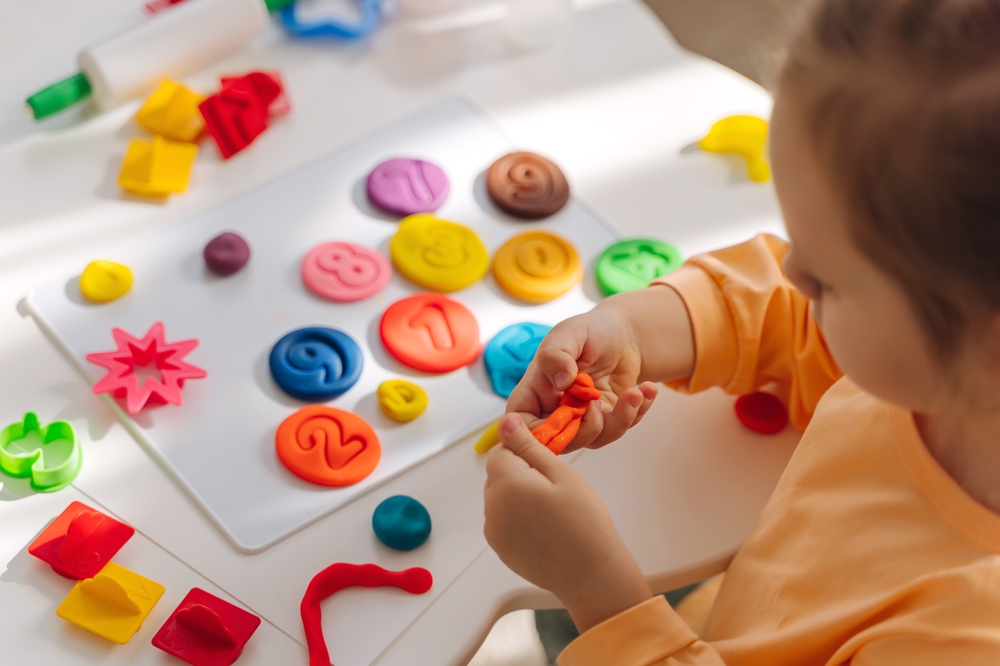
1. Play‑Dough: The Classic That Never Stops Working

Teachers love play‑dough for a reason: it’s endlessly versatile, surprisingly calming, and perfect for kids of all ages. For under $10, you can grab a small set or even make your own with flour, salt, and water. Kids can sculpt animals, build pretend food, create letters, or simply squish it around to release pent‑up winter energy.

Play‑dough also strengthens fine‑motor muscles, which teachers say helps with handwriting, cutting skills, and overall coordination. Add a few cookie cutters or plastic utensils, and suddenly you’ve got an entire afternoon of imaginative play. If you want to stretch the activity even further, challenge kids to create a winter scene or sculpt something that represents their day.

2. Painter’s Tape: The Cheapest Indoor Adventure Tool

Painter’s tape might be the most underrated boredom buster on the planet. Teachers use it constantly because it’s inexpensive, easy to remove, and wildly adaptable. With a single roll, you can create indoor hopscotch, race tracks for toy cars, obstacle courses, alphabet mazes, or pretend “roads” that wind through the living room.

Kids love the novelty of transforming the floor into a playground, and parents love that cleanup takes about ten seconds. Teachers say painter’s tape activities also encourage problem‑solving and gross‑motor movement — two things kids desperately need during long winter days indoors. If you want to level it up, let your child design the course themselves.

3. Sticker Books: Quiet Time Gold

Teachers know that stickers are basically magic. They’re inexpensive, easy to store, and capable of keeping kids focused longer than almost any other low‑cost activity. Sticker books, especially the reusable kind, give kids a chance to create scenes, tell stories, and practice fine‑motor control.

Stickers also offer a sneaky educational bonus: peeling and placing them strengthens the small muscles in the hands. Teachers often use sticker activities to help kids develop precision and patience — two skills that tablets don’t always encourage. For under $10, you can pick up themed sticker books that match your child’s interests, from animals to space to winter scenes.

4. Pipe Cleaners and Beads: Crafting That Builds Real Skills

Teachers love pipe cleaners and beads because they’re affordable, colorful, and endlessly customizable. Kids can make bracelets, snowflakes, animals, letters, or even 3D sculptures. The combination of bending, threading, and shaping helps develop hand‑eye coordination and creativity.

This activity also encourages focus, which teachers say is especially valuable during winter months when kids tend to bounce between activities quickly. If you want to add an educational twist, ask kids to create patterns, count beads, or spell their name.

5. Puzzle Books: Brain Boosters in Disguise

Crossword puzzles, word searches, mazes, and logic games are teacher favorites because they challenge kids’ brains without feeling like homework. Puzzle books under $10 are easy to find and come in a wide range of difficulty levels, making them perfect for siblings of different ages.

Teachers say puzzles help strengthen problem‑solving skills, attention to detail, and perseverance — all essential for academic success. They’re also great for quiet time, travel days, or those moments when you need something engaging that doesn’t involve noise or mess. If you want to make it more interactive, solve a puzzle together and talk through the strategies you use.

6. Flashlight Games: Indoor Fun With a Twist

Teachers often use flashlight activities during indoor recess or power‑free playtime because they feel exciting without requiring any special equipment. You can pick up a flashlight and turn off the lights for shadow puppets, “find the shape” games, or flashlight tag in a darkened hallway.

Kids love the novelty of playing with light and shadow, and teachers say these activities encourage imagination, storytelling, and movement. You can also hide small objects around the room and let kids search for them with the flashlight — a winter‑friendly version of a scavenger hunt. Just be sure to set boundaries so the flashlight doesn’t become a strobe light aimed at your face.

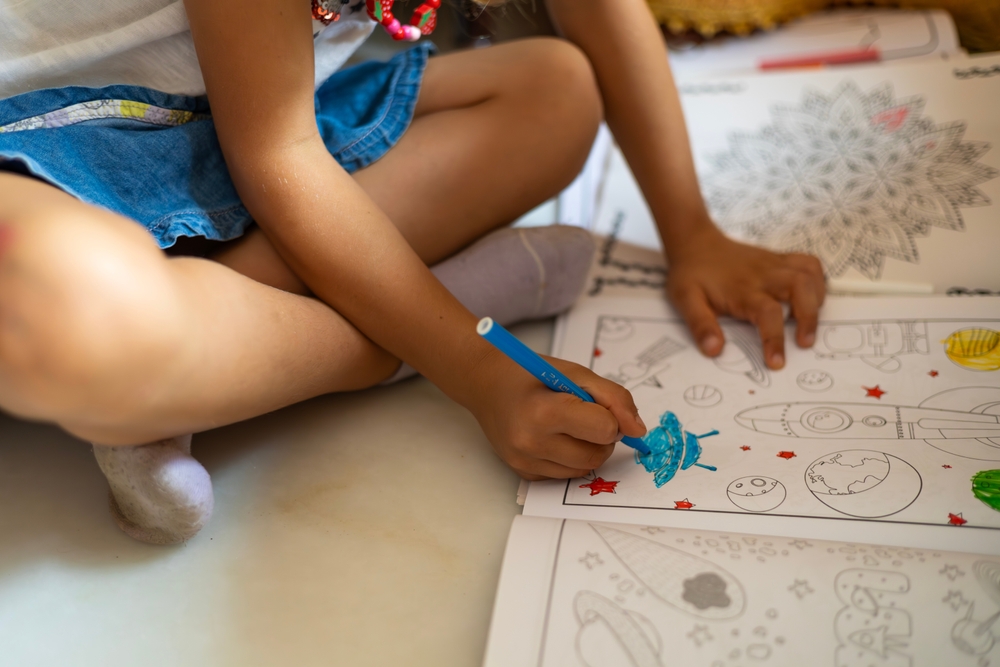
7. Coloring Books: The Underrated Winter Lifesaver

Coloring books may seem simple, but teachers swear by them for building focus, creativity, and emotional regulation. Coloring slows kids down, encourages mindfulness, and gives them a chance to express themselves without pressure. For under $10, you can find themed books that match your child’s interests — dinosaurs, animals, winter scenes, superheroes, and more.

Teachers say coloring is especially helpful during winter because it provides a calm, screen‑free activity that kids can return to again and again – and it supports mental health. If you want to make it more engaging, set up a “coloring station” with crayons, markers, and stickers. You can even hang finished pages on the wall to create a winter art gallery.
These Are 7 Winter
Image Source: Shutterstock.com

Kids Don’t Need Expensive Entertainment to Stay Engaged

Teachers know something that parents sometimes forget: kids don’t need elaborate toys or endless screen time to stay entertained. They need creativity, movement, and opportunities to explore — all of which can be done on a budget. These boredom busters prove that a little imagination goes a long way, especially during long winter days when everyone is stuck inside.

Have any of these worked well for your family? Which boredom busters would your kids love most, or do you have your own under‑$10 favorites? Make sure to make your suggestions in the comments below.

You May Also Like…

Speech Therapists Beg: Throw Away These 5 “Talking” Toys (They Kill Conversation)

Beyond The Game: 9 Online Games Kids Are Playing That Expose Them To Predators

How Much Are You Really Paying for Developmental Toys?

7 Digital Toys That Let Strangers Communicate With Your Kids

Quick Fixes for Parents to Avoid the “I’m Bored” Meltdown at Home

Brandon Marcus
Brandon Marcus
Brandon Marcus is a writer who has been sharing the written word since a very young age. His interests include sports, history, pop culture, and so much more. When he isn’t writing, he spends his time jogging, drinking coffee, or attempting to read a long book he may never complete.

Filed Under: Toys and Games Tagged With: budget ideas, child development, Creativity, education, family life, indoor play, kids activities, Parenting, screen-free fun, teacher tips, winter activities

How to Build a Family Emergency Fun Jar for Unexpected Winter Activities

December 29, 2025 | Leave a Comment

How to Build a Family Emergency Fun Jar for Unexpected Winter Activities
Image source: shutterstock.com

Winter has a special talent for blowing up your plans—snow days, rainy weekends, sick-day boredom, and that “we can’t go anywhere” mood that hits right after lunch. Instead of defaulting to screens or spending money to “fix” the day, you can build a simple system that saves your sanity and keeps kids excited. An emergency fun jar turns those unpredictable moments into instant options, and it works because the decision is already made. Think of it like a tiny family tool that replaces whining with momentum. Once it’s set up, you’ll wonder why you didn’t do it sooner.

1. Start With A Jar That’s Easy For Kids To Use

Choose a container that kids can open without help, because independence is half the magic. A mason jar works, but a plastic container with a lid is safer for little ones and easier to toss in a cabinet. If you have older kids, a jar on a shelf can feel fun and “official,” like a family tradition. Label it clearly so nobody mistakes it for a craft supply bin or snack stash. The simpler the setup, the more your emergency fun jar gets used on the exact days you need it.

2. Pick Categories So You Don’t End Up With Twenty “Bake Cookies” Ideas

A good mix keeps the jar fresh, especially if winter drags on. Aim for categories like “quick and cozy,” “move your body,” “creative,” “helpful,” and “tiny adventure.” This prevents the jar from becoming a list of high-effort activities that require a store run or a huge mess. It also helps you include options for different energy levels, because not every rough day needs a full production. When the emergency fun jar feels balanced, it works for both snowy excitement and gloomy cabin-fever afternoons.

3. Write Activity Slips That Actually Work In Real Life

Keep each slip specific and doable, with a start point and a clear finish. “Do art” is vague, but “draw a comic strip with three panels” gives kids a path forward. Include quick activities like “make a pillow mountain” alongside longer ones like “indoor scavenger hunt with 10 items.” If an idea needs supplies, note them right on the slip so you aren’t scrambling mid-activity. The more realistic your slips are, the more your emergency fun jar becomes a true rescue plan instead of a cute concept.

4. Mix In “No-Spend” Ideas And “Small-Spend” Treats

This is where the jar becomes a budget tool, not just entertainment. Fill most slips with no-spend options like indoor obstacle courses, dance parties, board games, or a living room campout. Then add a handful of small-spend activities that feel special, like hot chocolate from a café, a $5 thrift-store challenge, or renting a new movie at home. You can even color-code slips: one color for free, another for low-cost, so you can choose based on the week’s budget. When your emergency fun jar includes both types, you stay in control without feeling like you’re always saying no.

5. Add “Kid-Run” Activities To Reduce Your Mental Load

The best winter activities are the ones kids can start without you doing all the work. Include slips like “make a mini talent show,” “build a fort village,” “create a Lego challenge,” or “make a paper airplane runway.” You can also add “teach the family something” prompts, where each kid shows a skill or shares a fun fact. These activities give kids a sense of ownership, which reduces arguing and increases follow-through. The more kid-run slips you add, the more the emergency fun jar becomes a parent sanity saver, not a parent job.

6. Keep A Tiny “Winter Rescue Kit” Next To The Jar

If you want this system to work on stressful days, make it easy to launch. Keep a small basket nearby with basics like markers, tape, scissors, paper, a deck of cards, and a few craft odds and ends. Add seasonal extras if you have them, like cocoa packets, glow sticks, or a cheap snow sled by the door. This prevents the classic problem where you pick an activity, then spend 20 minutes hunting for supplies while kids melt down. Pairing a supply basket with your emergency fun jar makes the whole thing feel effortless.

7. Set Simple Rules For How And When You Use It

Rules keep the jar exciting instead of turning it into a constant demand. Some families use it only on snow days or weekends, while others use it as a daily “pick one” routine during break. You can also set a rule like “one slip per kid” or “one family slip, then one solo slip,” depending on your household vibe. If kids argue about what they want, make the jar the decider and stick to it. Once the rules are clear, the emergency fun jar becomes a trusted routine that replaces the daily negotiating.

8. Refresh It Monthly So It Stays Interesting

Even great ideas get stale if kids see the same slips every week. At the end of each month, pull out anything nobody chooses and replace it with new options. Ask kids to add two ideas each so they feel invested, and you aren’t doing all the brainstorming alone. Keep a few “classics” that always work, like movie night or indoor fort time. A quick refresh keeps the emergency fun jar feeling like a surprise, not like a recycled list.

Your Winter Backup Plan That Actually Gets Used

When winter chaos hits, you don’t need more willpower, you need fewer decisions. A jar full of ready-to-go ideas saves time, reduces whining, and helps you stick to your budget without feeling restrictive. Kids get the fun of randomness and the confidence of choosing, and parents get a tool that makes rough days feel manageable. Start small, test what works, and build your stash over time. The best part is that once your emergency fun jar becomes a habit, it turns winter “stuck” days into memories you’ll actually laugh about later.

If your family made one activity slip right now, what would everyone vote to add first?

What to Read Next…

Winter Craft Materials You Probably Already Have and Kids Will Love

How to Build Kids’ Resilience and Gratitude During a Cold Month of Cabin Fever

6 Holiday Family Movie Night Ideas That Will Make Your Winter Extra Cozy

Budget-Friendly Indoor Adventures for Kids When It’s Too Cold to Play Outside

How to Pick the Right Inflatable Snow-Toy for Your Kids Without Overpaying

Catherine Reed
Catherine Reed

Catherine is a tech-savvy writer who has focused on the personal finance space for more than eight years. She has a Bachelor’s in Information Technology and enjoys showcasing how tech can simplify everyday personal finance tasks like budgeting, spending tracking, and planning for the future. Additionally, she’s explored the ins and outs of the world of side hustles and loves to share what she’s learned along the way. When she’s not working, you can find her relaxing at home in the Pacific Northwest with her two cats or enjoying a cup of coffee at her neighborhood cafe.

Filed Under: Parenting Tagged With: boredom busters, budget parenting, family routines, frugal family fun, Indoor Activities, kids activities, parenting hacks, snow day ideas, winter activities

Ways to Reuse Holiday Wrapping Materials to Save on Crafts with Kids

December 28, 2025 | Leave a Comment

Ways to Reuse Holiday Wrapping Materials to Save on Crafts with Kids
Image source: shutterstock.com

After the holidays, most homes are sitting on a mini goldmine of craft supplies—bags, boxes, ribbons, tissue paper, and random shiny bits that somehow multiply overnight. Before it all gets crammed into a closet (or tossed in a fit of cleanup energy), take ten minutes to sort it with your kids. You’ll save money on crafts, keep little hands busy, and stretch the fun long past the last gift. Best of all, using what you already have makes crafting feel spontaneous instead of like another errand.

1. Turn Gift Bags Into Sturdy Collage Pages

Gift bags have thicker paper than most construction paper, which makes them perfect for crafts that need a strong base. Cut the sides apart and you’ve got flat sheets for collages, vision boards, or “about me” posters. Kids can glue scraps, stickers, and drawings without the page curling up immediately. If you’re sorting holiday wrapping materials, stack bags by size and let kids pick their favorites for each project. This simple step can replace a whole pack of poster board you might’ve bought.

2. Save Tissue Paper For Sun Catchers And Layered Art

Tissue paper feels like trash during cleanup, but it’s one of the easiest craft wins for kids. Use it for stained-glass-style window art with contact paper, or layer it on white paper with glue to make colorful “painted” effects. Torn tissue works better than perfectly cut shapes, which means younger kids can participate without frustration. Keep a shoebox just for tissue so it doesn’t get crushed inside other holiday wrapping materials. When a winter afternoon drags, you’ll be glad you saved it.

3. Reuse Ribbon For Fine Motor Practice And Decorations

Ribbon is basically a free activity in disguise, especially for kids who like to fidget. Set out a basket of ribbon pieces and let kids practice tying knots, making bows, or weaving patterns through cardboard. They can also wrap ribbon around jars or toilet paper rolls to create little “vases” or napkin rings. Short pieces become bookmark tassels or hanging loops for homemade ornaments. When you gather holiday wrapping materials, separate ribbon by texture so you can quickly grab what works for tying or weaving. It’s cheap, it’s quiet, and it builds skills without feeling like homework.

4. Use Wrapping Paper Scraps For Cut-And-Paste Scenes

Wrapping paper is bright, patterned, and honestly way more interesting than most craft paper. Let kids cut out shapes to make winter scenes, houses, robots, or silly animals with fancy “fur.” Large scraps work like background paper for a whole scene, while tiny bits become confetti or mosaic pieces. Keep a folder or big envelope for flat scraps so they don’t crumple and disappear. If holiday wrapping materials are piling up, give each kid their own scrap envelope to reduce arguing. Suddenly, you’ve got a no-cost craft stash that feels brand new.

5. Repurpose Boxes Into Play Sets And Storage

Boxes are the MVP of post-holiday kid entertainment, and they’re useful long after the craft is done. Turn small boxes into little houses, cars, barns, or “mystery” dioramas with cut-out windows and paper decorations. Bigger boxes become puppet theaters, lemonade stands, or pretend ovens, especially if you add leftover wrapping paper as wallpaper. You can also use decorated boxes as storage for LEGO, art supplies, or dress-up bits. As you sort holiday wrapping materials, flatten and keep a few boxes in different sizes so you’re ready for the next rainy day. You’ll avoid buying plastic bins you don’t actually need.

6. Make Gift Tags Into Story Starters And Mini Games

Gift tags can do more than label presents, especially if you have a pile of unused ones. Use them as flashcards for silly prompts like “Draw a monster,” “Make up a joke,” or “Act like a penguin.” You can also write story starters and let kids pull a tag and build a short story around it. Hole-punched tags become a simple lacing activity with leftover ribbon, which keeps little hands busy while you make dinner. Holiday wrapping materials often include tags in every theme, so kids can sort them by color or pattern as part of the game. It’s low-prep and surprisingly effective.

7. Save Tape Tubes And Bows For Inventor Projects

Don’t underestimate the random little pieces, because kids love “inventor” crafts. Empty tape rolls become wheels, bracelets, or frames for tiny paper scenes. Bows can be used as flower centers, puppet hair, or decorations on homemade cards. Combine these with scraps and you’ve got a perfect “build something” challenge that encourages problem-solving. Store the odd bits in a clear container so kids can see what’s available without dumping everything out. When holiday wrapping materials are visible and sorted, kids use them more often and you clean up less.

A Post-Holiday Craft Stash That Saves Money All Year

The best part about reusing leftover supplies is that it turns clutter into options instead of guilt. A quick sort and a few simple containers can keep your craft supply spending low, even when kids want new projects every week. You’ll also get more creative variety, because wrapping items come in different textures, patterns, and shapes than standard craft packs. Plus, kids take pride in making something from “trash,” which is a win for confidence and independence. If you keep holiday wrapping materials organized, you’ll always have a ready-made activity when boredom hits.

What’s the weirdest wrapping leftover your kid has turned into a craft masterpiece?

What to Read Next…

Winter Craft Materials You Probably Already Have and Kids Will Love

10 Cozy Activities That Double as Emotional Regulation Tools

Quick Fixes for Parents to Avoid the “I’m Bored” Meltdown at Home

Smart Ways to Teach Kids About Money During Winter Break

Why Teaching Kids to Donate After the Holidays Can Save Money and Build Gratitude

Catherine Reed
Catherine Reed

Catherine is a tech-savvy writer who has focused on the personal finance space for more than eight years. She has a Bachelor’s in Information Technology and enjoys showcasing how tech can simplify everyday personal finance tasks like budgeting, spending tracking, and planning for the future. Additionally, she’s explored the ins and outs of the world of side hustles and loves to share what she’s learned along the way. When she’s not working, you can find her relaxing at home in the Pacific Northwest with her two cats or enjoying a cup of coffee at her neighborhood cafe.

Filed Under: Parenting Tagged With: crafting with kids, DIY activities, frugal parenting, holiday cleanup, Kids Crafts, low-cost crafts, reuse and recycle, winter activities

How to Turn Snow Days Into Learning Days That Don’t Cost a Cent

December 27, 2025 | Leave a Comment

How to Turn Snow Days Into Learning Days That Don’t Cost a Cent
Image source: shutterstock.com

Snow days sound magical until everyone’s stuck inside by 9:17 a.m. and the snack requests start. Kids are excited, routines disappear, and parents are trying to work, clean, or just stay sane while the house gets louder by the minute. The secret is not recreating school at home or buying a bunch of “educational” stuff you’ll regret later. It’s turning the day into a handful of simple, fun activities that sneak in skills while keeping kids busy. With a little structure, you can turn a surprise day off into learning days that feel like a win for everyone.

1. Start With A “Snow Day Plan” That Takes Five Minutes

Kids do better when they know what’s coming, even on a day that feels like a free-for-all. Grab a piece of paper and write a simple plan: one morning activity, one midday activity, and one afternoon activity. Add a meal plan too, because hungry kids can derail even the best intentions. When you set this outline, learning days feel intentional instead of chaotic. Keep it flexible and let kids help choose the options so they buy in.

2. Use The Kitchen For Real-Life Math And Science

The kitchen is basically a free STEM lab hiding in plain sight. Let kids measure ingredients, double a recipe, or compare cook times and temperatures. Younger kids can sort utensils, count scoops, and practice sequencing steps. Older kids can estimate costs, track servings, and explain what changed when you swapped an ingredient. This kind of hands-on work turns ordinary tasks into learning days without anyone opening a workbook.

3. Turn Reading Into A Cozy Challenge Instead Of A Chore

Snow days are perfect for reading, but you’ll get more traction if it feels like a game. Set a “reading picnic” on the living room floor with blankets and a stack of books, magazines, or comics. Give kids a fun mission, like finding three new words, spotting a character trait, or summarizing the funniest part. If kids resist books, try audiobooks from the library and have them draw the scene they imagine. When you make it cozy and low-pressure, reading fits naturally into learning days.

4. Make Outdoor Time A Lesson, Even If It’s Short

If it’s safe to go outside, a small outdoor session can reset everyone’s mood. Challenge kids to measure snowfall with a ruler, compare footprint patterns, or time how long it takes gloves to dry. Have them take “winter photos” and write captions that describe what they observe. You can also do a scavenger hunt for shapes, animal tracks, or different types of snow texture. A quick outdoor burst brings fresh air and turns the day into learning days without spending anything.

5. Create A No-Cost Art Studio With What You Already Have

Art doesn’t require a craft store haul, even when kids swear it does. Use cardboard from packages, scrap paper, old magazines, and tape for building, collaging, and designing. Give a prompt like “invent a new animal,” “design a cozy cabin,” or “make a poster teaching someone a winter safety tip.” Kids build creativity, fine motor skills, and communication without realizing it. Simple art prompts keep learning days engaging, and the mess stays manageable when the rules are clear.

6. Use “Life Skills Stations” That Teach Independence

Snow days are a great time to teach practical skills that make weekdays easier. Set up stations like “fold five towels,” “sort socks,” “pack a pretend lunch,” or “clean out one drawer.” Put on music, set a timer, and treat it like a team mission instead of a punishment. Kids learn responsibility and confidence when they practice skills in a calm moment. These small wins are learning days in disguise, and they reduce your workload later.

7. Do A Living Room P.E. Routine That Burns Energy Fast

When kids can’t run around outside, they need a safe way to move indoors. Create a simple circuit using what you have: jumping jacks, wall sits, crab walks, and a hallway “speed walk” loop. Let kids design the routine and take turns being the coach. Movement supports focus, mood, and sleep, which makes the rest of the day smoother. A quick P.E. block turns restless time into learning days you’ll actually enjoy.

8. Set A “Quiet Hour” That Feels Like A Treat, Not A Timeout

Parents need a breather, and kids benefit from downtime, especially when routines are off. Frame quiet hour as “recharge time” with choices like reading, puzzles, drawing, or building with toys. Keep screens optional based on your family rules, but if you use them, choose something calm and set a clear timer. Tell kids what happens after quiet hour so they don’t feel like it’s endless. A dependable pause helps learning days stay calm instead of turning into all-day overstimulation.

9. End With A Simple “What We Learned” Wrap-Up

A wrap-up makes the day feel meaningful and helps kids remember what they did. Ask each child to share one thing they learned, built, cooked, or noticed. If they don’t want to talk, they can draw it or write one sentence on paper. This reflection builds communication and reinforces the skills you snuck in all day. It’s a tiny habit that turns random activities into real learning days.

The Snow Day Routine That Keeps Costs At Zero

The goal isn’t perfection, it’s momentum. Pick a few anchors like a quick plan, one hands-on activity, a movement block, and a quiet hour to keep the day balanced. Rotate options from your home, your library, and the outdoors instead of defaulting to spending money for entertainment. When kids know there’s a rhythm, they cooperate more and complain less. With simple structure and free materials, snow days can become learning days that support your budget and your sanity.

What’s your go-to no-cost snow day activity that actually keeps your kids busy?

What to Read Next…

How to Turn Snowy Park Trips Into Free Family Bonding Moments

Winter Craft Materials You Probably Already Have and Kids Will Love

How to Pick the Right Inflatable Snow-Toy for Your Kids Without Overpaying

The Parent Trap: Why We Feel Guilty About Children Being Bored

How to Build Kids’ Resilience and Gratitude During a Cold Month of Cabin Fever

Catherine Reed
Catherine Reed

Catherine is a tech-savvy writer who has focused on the personal finance space for more than eight years. She has a Bachelor’s in Information Technology and enjoys showcasing how tech can simplify everyday personal finance tasks like budgeting, spending tracking, and planning for the future. Additionally, she’s explored the ins and outs of the world of side hustles and loves to share what she’s learned along the way. When she’s not working, you can find her relaxing at home in the Pacific Northwest with her two cats or enjoying a cup of coffee at her neighborhood cafe.

Filed Under: Parenting Tagged With: budget friendly tips, family routines, free activities for kids, frugal parenting, homeschool ideas, learning at home, snow days, winter activities

Creative Winter Projects Kids Can Make Using Items You Already Own

December 25, 2025 | Leave a Comment

Creative Winter Projects Kids Can Make Using Items You Already Own
Image source: shutterstock.com

When kids are stuck inside and boredom starts bouncing off the walls, it’s tempting to run to the store for a quick “fix.” But some of the best crafts and activities don’t come from a shopping bag, they come from a drawer, a recycling bin, and that random stash of buttons you forgot you had. At-home creativity is cheaper, calmer, and often more satisfying because kids get to invent instead of just assemble. If you’ve been craving activities that feel fresh without spending extra money, this list is for you. Here are creative winter projects kids can make using things you probably already own.

1. Cardboard “Snow Town” With Boxes And Paper Scraps

Grab cereal boxes, shipping boxes, and any cardboard you can safely cut, then help kids build a tiny neighborhood. These winter projects work best when kids draw doors, windows, and signs using markers, crayons, or leftover wrapping paper. Use tape, glue, or even folded tabs to stand buildings upright and connect them like a street. Add “snow” by tearing white paper, cotton balls, or tissue into little drifts. When it’s done, kids can play with it for days, not just minutes.

2. Sock Snowmen Made From Singles And Fillers

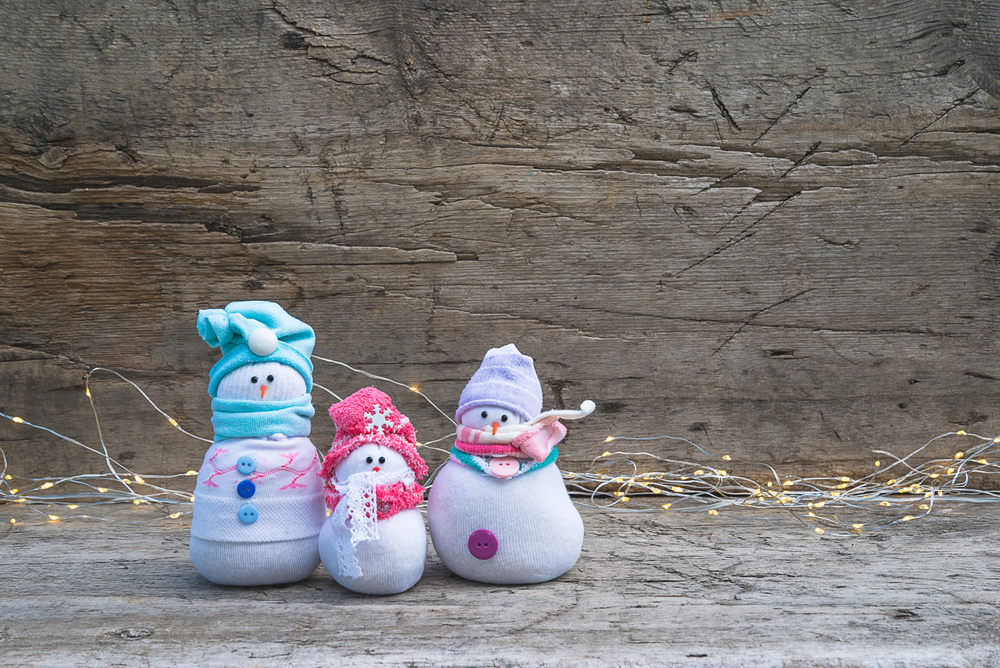
Those lonely socks without a match can finally become something useful… a snowman! For these projects, fill a sock with rice, dried beans, or even crumpled paper, then tie it off with a hair tie or string. Add a face with markers or buttons, and use ribbon, yarn, or scrap fabric for a scarf. If you have rubber bands, you can shape a head and belly by banding the sock in the middle. Kids love making a whole “family” of snowmen and naming each one.

3. “Window Snowflakes” Using Paper You’d Recycle

All you need is paper and scissors to create instant winter magic. Fold printer paper, old homework pages, or brown bag paper, then cut shapes and unfold for surprise designs. These winter projects become extra fun when kids try to make themes, like stars, trees, or initials. Tape the snowflakes to windows or string them into a garland for a big visual payoff. Even better, kids can make a few each day and watch the display grow.

4. DIY Snow Globes With Jars And Kitchen Odds And Ends

If you have a jar, you have the foundation for a snow globe-style craft. Use a small toy, a Lego figure, a pinecone, or a random figurine as the centerpiece, then secure it to the lid with glue if you have it. For these projects, fill the jar with water and add a pinch of glitter, confetti, or even tiny paper bits for the “snow.” A drop of dish soap can help the sparkle float more slowly, which kids find oddly fascinating. Just tighten the lid well and keep it as a shake-and-watch winter decoration.

5. Coffee Filter Or Tissue Paper “Stained Glass” Art

Kids can create bright, beautiful window art without fancy supplies. Color coffee filters with markers, then lightly spray with water so the colors blend, or use tissue paper squares stuck to a clear surface with a glue-and-water mix. These winter projects are perfect for using up old markers that don’t write perfectly anymore. Once the paper dries, tape it to a window and let sunlight do the decorating. It’s an easy win when you need something calming and low-mess.

6. Card Games Turned Into Homemade Board Games

Old decks of cards can become an entire game workshop. Have kids design a simple board on paper or cardboard, then use cards as movement rules, challenges, or “event” prompts. These winter projects build creativity and problem-solving because kids have to test the rules and fix what doesn’t work. Add tokens made from coins, buttons, or small toys, and you’ve got a playable game that feels original. The best part is that kids will want to teach the game to someone else, which reinforces the fun.

7. “Recycled Robot” Builds From Packaging And Containers

Save a few safe recyclables like paper towel tubes, egg cartons, yogurt cups, and bottle caps, and let kids invent characters. Use tape as your best friend and let perfection go, because the charm is in the weirdness. These projects get even better when kids create a backstory, name, and “powers” for their robot. If you have foil, stickers, or leftover gift tags, those make easy upgrades. When kids display their robot lineup, it feels like a mini art show at home.

8. Memory Or Matching Games Made From Old Cards And Paper

Cut cardstock, cereal boxes, or thick paper into small squares and let kids decorate pairs. You can theme it around winter shapes, family jokes, or even spelling words they’ve been practicing. These winter projects double as a game you can play on repeat, which makes the effort feel worth it. Keep the designs simple for younger kids and more detailed for older kids who like a challenge. Store the set in a zip bag or jar so it stays ready for the next bored afternoon.

9. Indoor “Campfire” Story Corner With Blankets And Flashlights

This isn’t a craft in the traditional sense, but it’s a project kids can build and then use. Stack pillows, drape blankets over chairs, and create a cozy corner with a flashlight “campfire” and paper flames. These projects help kids practice storytelling, especially if you add a jar of prompts written on scraps of paper. Kids can draw a prompt like “a talking mitten” or “a lost snow boot” and spin a story. It’s simple, screen-free fun that feels special because they helped create the setup.

10. Upcycled Gift Wrap Collages And “Winter Cards”

Save scraps of wrapping paper, tissue paper, and ribbon from holidays or birthdays and turn them into collage art. Kids can make greeting cards, bookmarks, or winter scenes by cutting and layering shapes. These winter projects are great for practicing fine motor skills while keeping the vibe relaxed and playful. Add handwriting practice by having kids write notes to grandparents, neighbors, or teachers. It creates something meaningful without requiring a trip to the craft aisle.

Winter Projects That Save Money And Make Memories

The real win isn’t just that these ideas cost almost nothing, it’s that they turn ordinary items into shared moments. When kids learn to create with what’s around them, they build confidence and creativity at the same time. You also avoid the cycle of buying supplies that get used once and then forgotten. Keep a small “project bin” of recyclables, paper scraps, and odds and ends so you can start quickly when boredom hits. A little imagination can stretch a winter day in the best way.

Which of these ideas would your kids get excited about first, and what random household item do you always seem to have plenty of?

What to Read Next…

Winter Craft Materials You Probably Already Have and Kids Will Love

Homemade Gifts Made Easy: 8 Fun Projects for Kids to Create and Give

10 Cozy Activities That Double as Emotional Regulation Tools

6 Holiday Family Movie Night Ideas That Will Make Your Winter Extra Cozy

Cure Cabin Fever: Ideas for When Children Are Bored Indoors

Catherine Reed
Catherine Reed

Catherine is a tech-savvy writer who has focused on the personal finance space for more than eight years. She has a Bachelor’s in Information Technology and enjoys showcasing how tech can simplify everyday personal finance tasks like budgeting, spending tracking, and planning for the future. Additionally, she’s explored the ins and outs of the world of side hustles and loves to share what she’s learned along the way. When she’s not working, you can find her relaxing at home in the Pacific Northwest with her two cats or enjoying a cup of coffee at her neighborhood cafe.

Filed Under: Money and Finances Tagged With: budget parenting, DIY projects, frugal family fun, Kids Crafts, recycled crafts, screen-free ideas, winter activities

  • Facebook
  • Pinterest
  • RSS
  • Twitter

Basic Principles Of Good Parenting

Here some basic principles for good parenting:

  1. What You Do Matters: Your kids are watching you. So, be purposeful about what you want to accomplish.
  2. You Can’t be Too Loving: Don’t replace love with material possessions, lowered expectations or leniency.
  3. Be Involved Your Kids Life: Arrange your priorities to focus on what your kid’s needs. Be there mentally and physically.
  4. Adapt Your Parenting: Children grow quickly, so keep pace with your child’s development.
  5. Establish and Set Rules: The rules you set for children will establish the rules they set for themselves later.  Avoid harsh discipline and be consistent.
  6. Explain Your Decisions: What is obvious to you may not be evident to your child. They don’t have the experience you do.
  7. Be Respectful To Your Child: How you treat your child is how they will treat others.  Be polite, respectful and make an effort to pay attention.
Best Parenting Blogs

Most Popular

Baby

9 Unusual Baby Names That Sound Like They Belong to Future CEOs

Evan Morgan
Baby

10 Baby Names That Were Once Considered “Grandparent Names” but Feel Cool Again

Evan Morgan
Target Store

Choking Incident Prompts Recall of 49,000 Target Gigglescape “Under the Sea” Popping Toys

Evan Morgan
Frustrated Girl

Why Some Students on the Spectrum Are Labeled With ODD

Evan Morgan
Coke Bottles

12 Things Kids Took to School in the ’70s That Would Never Be Allowed Today

Evan Morgan

All content on Kids Ain’t Cheap is for entertainment purposes only. By reading this blog, you agree that Kids Ain’t Cheap is not responsible for any actions taken after reading this blog. For the full disclaimer, see our privacy policy.

Please note that Kids Ain’t Cheap has financial relationships with some of the merchants mentioned here. Kids Ain’t Cheap is funded by banner advertising, commission sales and search optimization consulting.

Copyright © 2006–2026 | District Media | All Rights Reserved | Privacy Policy

Copyright © 2026 Runway Pro Theme by Viva la Violette