• Home
  • About Us
  • Toolkit
  • Archives
  • Advertise
  • Privacy Policy

Kids Ain't Cheap

But They Sure Are Worth It

  • Parenting
    • Baby Stuff
    • Books and Reading
      • Aesops Fables
      • Comic Books
    • Education
    • Family Time
    • Green Living
    • Growing Up
    • Healthy Living & Eating
    • Holidays
    • Parenting
    • Random Musings
    • Shopping
    • Stuff to Do
  • Money
  • Product Reviews
    • Books and Magazines
    • Discount Sites
    • Furniture
    • House Keeping
    • Reviews News
    • Toys and Games
  • Contact Us
  • Our Editorial Commitment
  • Search

7 Winter “Boredom Busters” Under $10 That Teachers Recommend Over Tablets

February 8, 2026 | Leave a Comment

These Are 7 Winter
Image Source: Shutterstock.com

Winter has a special talent for turning even the most energetic kids into tiny, restless tornadoes. The cold weather keeps them indoors, the days feel shorter, and suddenly every parent hears the same phrase on repeat: “There’s nothing to do.”

Tablets and TVs are tempting solutions, but teachers say there are better, cheaper, and far more creative ways to bust boredom. And you don’t need to spend a fortune. In fact, many of the activities teachers swear by cost less than $10 and deliver way more value than another hour of screen time.

These boredom busters build fine‑motor skills, spark imagination, strengthen focus, and give kids something to do that doesn’t involve arguing over whose turn it is on the tablet.

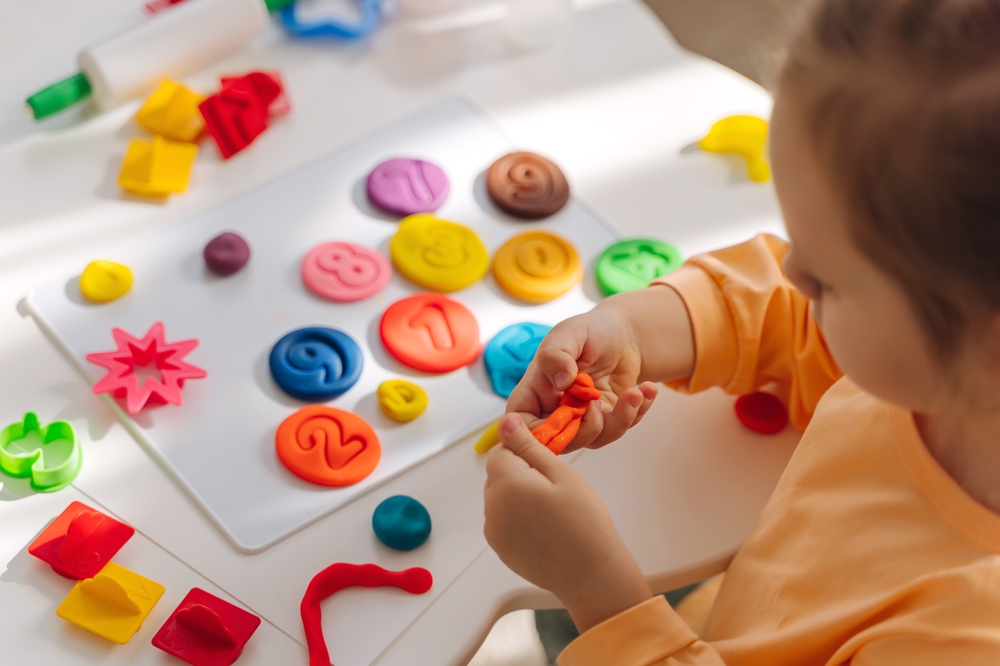
1. Play‑Dough: The Classic That Never Stops Working

Teachers love play‑dough for a reason: it’s endlessly versatile, surprisingly calming, and perfect for kids of all ages. For under $10, you can grab a small set or even make your own with flour, salt, and water. Kids can sculpt animals, build pretend food, create letters, or simply squish it around to release pent‑up winter energy.

Play‑dough also strengthens fine‑motor muscles, which teachers say helps with handwriting, cutting skills, and overall coordination. Add a few cookie cutters or plastic utensils, and suddenly you’ve got an entire afternoon of imaginative play. If you want to stretch the activity even further, challenge kids to create a winter scene or sculpt something that represents their day.

2. Painter’s Tape: The Cheapest Indoor Adventure Tool

Painter’s tape might be the most underrated boredom buster on the planet. Teachers use it constantly because it’s inexpensive, easy to remove, and wildly adaptable. With a single roll, you can create indoor hopscotch, race tracks for toy cars, obstacle courses, alphabet mazes, or pretend “roads” that wind through the living room.

Kids love the novelty of transforming the floor into a playground, and parents love that cleanup takes about ten seconds. Teachers say painter’s tape activities also encourage problem‑solving and gross‑motor movement — two things kids desperately need during long winter days indoors. If you want to level it up, let your child design the course themselves.

3. Sticker Books: Quiet Time Gold

Teachers know that stickers are basically magic. They’re inexpensive, easy to store, and capable of keeping kids focused longer than almost any other low‑cost activity. Sticker books, especially the reusable kind, give kids a chance to create scenes, tell stories, and practice fine‑motor control.

Stickers also offer a sneaky educational bonus: peeling and placing them strengthens the small muscles in the hands. Teachers often use sticker activities to help kids develop precision and patience — two skills that tablets don’t always encourage. For under $10, you can pick up themed sticker books that match your child’s interests, from animals to space to winter scenes.

4. Pipe Cleaners and Beads: Crafting That Builds Real Skills

Teachers love pipe cleaners and beads because they’re affordable, colorful, and endlessly customizable. Kids can make bracelets, snowflakes, animals, letters, or even 3D sculptures. The combination of bending, threading, and shaping helps develop hand‑eye coordination and creativity.

This activity also encourages focus, which teachers say is especially valuable during winter months when kids tend to bounce between activities quickly. If you want to add an educational twist, ask kids to create patterns, count beads, or spell their name.

5. Puzzle Books: Brain Boosters in Disguise

Crossword puzzles, word searches, mazes, and logic games are teacher favorites because they challenge kids’ brains without feeling like homework. Puzzle books under $10 are easy to find and come in a wide range of difficulty levels, making them perfect for siblings of different ages.

Teachers say puzzles help strengthen problem‑solving skills, attention to detail, and perseverance — all essential for academic success. They’re also great for quiet time, travel days, or those moments when you need something engaging that doesn’t involve noise or mess. If you want to make it more interactive, solve a puzzle together and talk through the strategies you use.

6. Flashlight Games: Indoor Fun With a Twist

Teachers often use flashlight activities during indoor recess or power‑free playtime because they feel exciting without requiring any special equipment. You can pick up a flashlight and turn off the lights for shadow puppets, “find the shape” games, or flashlight tag in a darkened hallway.

Kids love the novelty of playing with light and shadow, and teachers say these activities encourage imagination, storytelling, and movement. You can also hide small objects around the room and let kids search for them with the flashlight — a winter‑friendly version of a scavenger hunt. Just be sure to set boundaries so the flashlight doesn’t become a strobe light aimed at your face.

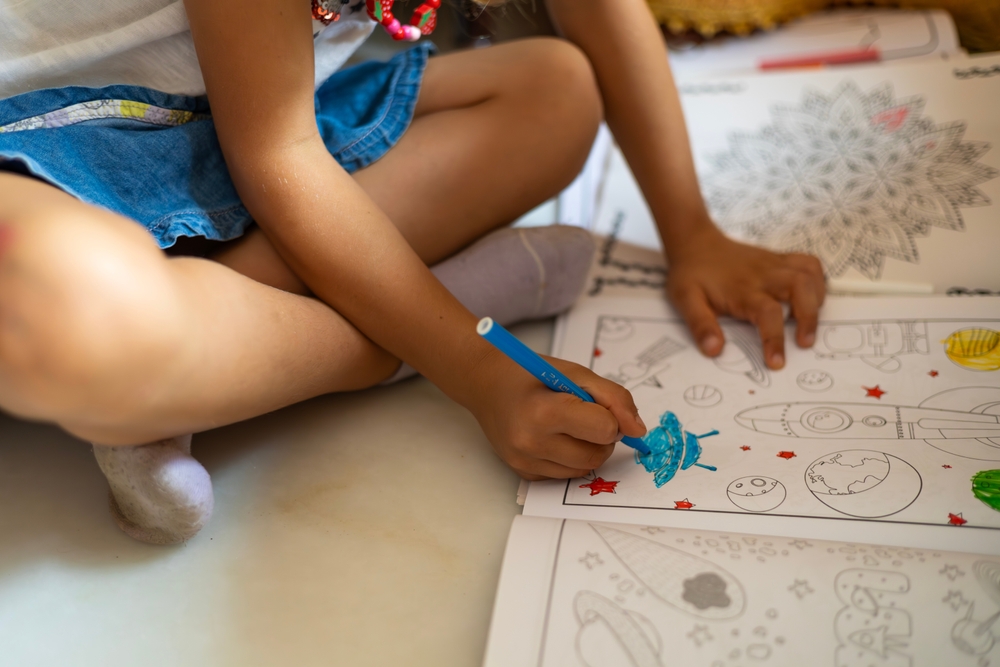
7. Coloring Books: The Underrated Winter Lifesaver

Coloring books may seem simple, but teachers swear by them for building focus, creativity, and emotional regulation. Coloring slows kids down, encourages mindfulness, and gives them a chance to express themselves without pressure. For under $10, you can find themed books that match your child’s interests — dinosaurs, animals, winter scenes, superheroes, and more.

Teachers say coloring is especially helpful during winter because it provides a calm, screen‑free activity that kids can return to again and again – and it supports mental health. If you want to make it more engaging, set up a “coloring station” with crayons, markers, and stickers. You can even hang finished pages on the wall to create a winter art gallery.
These Are 7 Winter
Image Source: Shutterstock.com

Kids Don’t Need Expensive Entertainment to Stay Engaged

Teachers know something that parents sometimes forget: kids don’t need elaborate toys or endless screen time to stay entertained. They need creativity, movement, and opportunities to explore — all of which can be done on a budget. These boredom busters prove that a little imagination goes a long way, especially during long winter days when everyone is stuck inside.

Have any of these worked well for your family? Which boredom busters would your kids love most, or do you have your own under‑$10 favorites? Make sure to make your suggestions in the comments below.

You May Also Like…

Speech Therapists Beg: Throw Away These 5 “Talking” Toys (They Kill Conversation)

Beyond The Game: 9 Online Games Kids Are Playing That Expose Them To Predators

How Much Are You Really Paying for Developmental Toys?

7 Digital Toys That Let Strangers Communicate With Your Kids

Quick Fixes for Parents to Avoid the “I’m Bored” Meltdown at Home

Brandon Marcus
Brandon Marcus
Brandon Marcus is a writer who has been sharing the written word since a very young age. His interests include sports, history, pop culture, and so much more. When he isn’t writing, he spends his time jogging, drinking coffee, or attempting to read a long book he may never complete.

Filed Under: Toys and Games Tagged With: budget ideas, child development, Creativity, education, family life, indoor play, kids activities, Parenting, screen-free fun, teacher tips, winter activities

Budget-Friendly Indoor Adventures for Kids When It’s Too Cold to Play Outside

December 23, 2025 | Leave a Comment

Budget-Friendly Indoor Adventures for Kids When It’s Too Cold to Play Outside
Image source: shutterstock.com

When the weather turns brutal, “go play” stops working and the day can start feeling very long by 9:12 a.m. Kids get restless, parents get tapped out, and the usual screen-time bargain starts creeping upward. The good news is that indoor adventures don’t have to cost money, require fancy supplies, or turn your house into a glitter crime scene. With a little structure, a few household basics, and a clear start-and-finish point, you can turn cabin-fever days into something that actually feels fun. Here are budget-friendly ideas that keep kids moving, thinking, and laughing without buying a whole new set of entertainment.

1. Living Room Obstacle Course Challenge

Use pillows, painter’s tape, chairs, and a laundry basket to build a course with stations kids can repeat. Add simple rules like “crawl under,” “hop over,” and “balance across” so it feels like a real mission. Time each run and let kids redesign the course after three rounds to keep it fresh. This is one of the easiest indoor activities because it burns energy fast and works for multiple ages. Parents can raise the challenge by adding a “quiet feet” round or a “carry a stuffed animal safely” round.

2. Painter’s Tape Road Map City

Create roads on the floor with painter’s tape and add “buildings” using cereal boxes, books, and empty containers. Kids can drive toy cars, set up a bus route, or create delivery missions with pretend packages. Give them prompts like “deliver medicine to the hospital” or “find the fastest route to the grocery store.” These indoor adventures encourage storytelling and planning without needing new toys. Cleanup is simple because the tape pulls up easily and the “city” can live for a few days.

3. Kitchen Science With Pantry Basics

Turn the kitchen into a lab with safe experiments like baking soda and vinegar reactions, sink-or-float tests, or simple density jars. Kids can make predictions, write results, and “present” what they learned like tiny scientists. Use cups, spoons, food coloring, and whatever you already have, which keeps the cost near zero. Indoor adventures feel more exciting when kids wear a “lab coat,” even if it’s just an old button-down shirt. Parents can end with a quick clean-up routine that becomes part of the experiment.

4. Indoor Scavenger Hunt With Clue Cards

Write clues on sticky notes and hide them around the house with a small “treasure” at the end, like choosing dessert or picking a family movie. Make clues age-appropriate: rhyming riddles for older kids and picture clues for younger ones. Add movement prompts such as “do five jumping jacks before the next clue” to keep bodies busy. Indoor activities like this work especially well on days when kids feel cranky because it gives them a clear mission. If you want a longer activity, build two rounds and let kids create the second hunt for parents.

5. Blanket Fort With a Storytime Twist

Build a fort, then turn it into a destination instead of just a pile of blankets. Kids can create a fort sign, invent rules, and bring in flashlights for “campfire” reading time. Add a twist by choosing a theme like “space station,” “arctic base,” or “secret library.” Indoor adventures feel bigger when kids can role-play, even if the fort only takes ten minutes to build. Parents can make it special by serving snacks inside and ending with a tidy-up countdown.

6. DIY Mini Theater and Puppet Show

Kids can make simple puppets from socks, paper bags, or cut-out characters taped to spoons. Help them plan a beginning, middle, and end, then invite the family to watch the performance. They can also create tickets, a program, and a “concession stand” using crackers and fruit. This is one of those indoor adventures that builds confidence because kids get to be in charge of the show. Parents can encourage teamwork by giving siblings different jobs like narrator, set builder, or music maker.

7. Board Game Remix Night

Instead of buying a new game, remix an old one with house rules that make it feel new. Try “reverse Uno,” “silent charades,” or a family trivia game built from index cards. Kids love being the rule makers, and it teaches them problem-solving and negotiation. Indoor activities can be simple when the goal is laughter and connection, not perfection. Set a time limit so it ends on a high note instead of dragging until everyone’s tired.

8. “Restaurant Day” Cooking and Pretend Play

Let kids design a menu using what you already have, then assign roles like chef, server, and customer. They can make simple items like sandwiches, fruit cups, or hot chocolate and practice taking orders. Add math by using pretend money and prices, and let kids “pay” and make change. Indoor adventures like this feel special because they blend real-life skills with play. Parents can keep it calm by limiting the menu to three items and setting a clear cleanup plan.

9. Art Studio With a One-Bin Supply Limit

Pick one bin of supplies and set a theme, like “winter animals,” “my dream bedroom,” or “design a superhero.” Kids can rotate through stations such as drawing, collage, and building with recyclables. The one-bin rule prevents the “everything out at once” problem that overwhelms parents. Indoor adventures can still be creative without turning into a craft-store explosion. End by creating a mini gallery wall and letting kids explain their favorite piece.

10. Indoor Adventures With a “Tour Guide” Game

Turn your home into a museum, zoo, or travel destination where kids act as tour guides. They can label exhibits, create facts, and lead the family through a guided tour with dramatic storytelling. This works well with stuffed animals, books, and any themed objects they can gather. Activities become memorable when kids get to be the expert and the adult becomes the audience. Parents can add a learning twist by asking one curiosity question at each “stop.”

The Winter Win Is Having a Go-To Adventure Menu

Cold days feel easier when you don’t have to invent entertainment from scratch every time. Keep a short list of favorites on the fridge and rotate them so kids don’t burn out on the same activity. The best ideas have a clear mission, a built-in end point, and a cleanup routine that’s part of the plan. When indoor adventures feel predictable and fun, kids settle faster and parents feel less pressure to “save the day.” A little structure can turn a stuck-inside day into something that actually feels like a family memory.

Which of these would your kids try first, and what’s your go-to trick for surviving cold, stuck-inside days?

What to Read Next…

Winter Craft Materials You Probably Already Have and Kids Will Love

Cure Cabin Fever: Ideas for When Children Are Bored Indoors

10 Cozy Activities That Double as Emotional Regulation Tools

Budget-Friendly Family Road Trips That Are Still Fun When It’s Cold Outside

10 Screen-Free Activities to Keep Kids Entertained

Catherine Reed
Catherine Reed

Catherine is a tech-savvy writer who has focused on the personal finance space for more than eight years. She has a Bachelor’s in Information Technology and enjoys showcasing how tech can simplify everyday personal finance tasks like budgeting, spending tracking, and planning for the future. Additionally, she’s explored the ins and outs of the world of side hustles and loves to share what she’s learned along the way. When she’s not working, you can find her relaxing at home in the Pacific Northwest with her two cats or enjoying a cup of coffee at her neighborhood cafe.

Filed Under: Parenting Tagged With: cheap kids activities, family routines, frugal parenting, home learning, Indoor Activities, kids games, parenting tips, rainy day ideas, screen-free fun, winter boredom busters

  • Facebook
  • Pinterest
  • RSS
  • Twitter

Basic Principles Of Good Parenting

Here some basic principles for good parenting:

  1. What You Do Matters: Your kids are watching you. So, be purposeful about what you want to accomplish.
  2. You Can’t be Too Loving: Don’t replace love with material possessions, lowered expectations or leniency.
  3. Be Involved Your Kids Life: Arrange your priorities to focus on what your kid’s needs. Be there mentally and physically.
  4. Adapt Your Parenting: Children grow quickly, so keep pace with your child’s development.
  5. Establish and Set Rules: The rules you set for children will establish the rules they set for themselves later.  Avoid harsh discipline and be consistent.
  6. Explain Your Decisions: What is obvious to you may not be evident to your child. They don’t have the experience you do.
  7. Be Respectful To Your Child: How you treat your child is how they will treat others.  Be polite, respectful and make an effort to pay attention.
Best Parenting Blogs

Most Popular

Baby

9 Unusual Baby Names That Sound Like They Belong to Future CEOs

Evan Morgan
Baby

10 Baby Names That Were Once Considered “Grandparent Names” but Feel Cool Again

Evan Morgan
Target Store

Choking Incident Prompts Recall of 49,000 Target Gigglescape “Under the Sea” Popping Toys

Evan Morgan
Frustrated Girl

Why Some Students on the Spectrum Are Labeled With ODD

Evan Morgan
Coke Bottles

12 Things Kids Took to School in the ’70s That Would Never Be Allowed Today

Evan Morgan

All content on Kids Ain’t Cheap is for entertainment purposes only. By reading this blog, you agree that Kids Ain’t Cheap is not responsible for any actions taken after reading this blog. For the full disclaimer, see our privacy policy.

Please note that Kids Ain’t Cheap has financial relationships with some of the merchants mentioned here. Kids Ain’t Cheap is funded by banner advertising, commission sales and search optimization consulting.

Copyright © 2006–2026 | District Media | All Rights Reserved | Privacy Policy

Copyright © 2026 Runway Pro Theme by Viva la Violette