• Home
  • About Us
  • Toolkit
  • Archives
  • Advertise
  • Privacy Policy

Kids Ain't Cheap

But They Sure Are Worth It

  • Parenting
    • Baby Stuff
    • Books and Reading
      • Aesops Fables
      • Comic Books
    • Education
    • Family Time
    • Green Living
    • Growing Up
    • Healthy Living & Eating
    • Holidays
    • Parenting
    • Random Musings
    • Shopping
    • Stuff to Do
  • Money
  • Product Reviews
    • Books and Magazines
    • Discount Sites
    • Furniture
    • House Keeping
    • Reviews News
    • Toys and Games
  • Contact Us
  • Our Editorial Commitment
  • Search

5 Cold Weather Baby Gear Items That Are Unsafe for Car Seats

February 9, 2026 | Leave a Comment

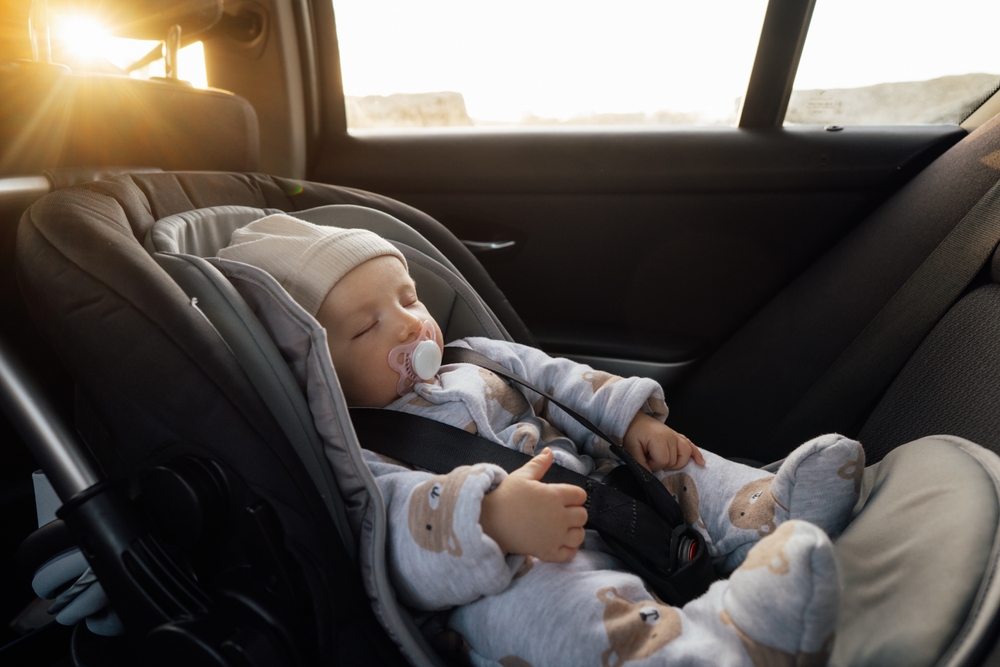
These Are 5 Cold Weather Baby Gear Items That Are Unsafe for Car Seats
Image Source: Shutterstock.com

Winter can make even the most seasoned parents second‑guess themselves. When temperatures drop, the instinct to bundle up your baby in the warmest, fluffiest gear you can find feels almost primal. But when it comes to car seats, that instinct can clash with safety in ways many caregivers don’t realize. Cold‑weather baby products are everywhere—marketed with adorable photos and promises of warmth—but not all of them are designed with crash dynamics in mind.

Below are five common winter baby gear items that may look cozy and convenient but can actually interfere with how a car seat protects your child. Once you know what to avoid, safer alternatives are easy to use and often more effective.

1. The Puffy Coat Problem: Why Bulk and Car Seats Don’t Mix

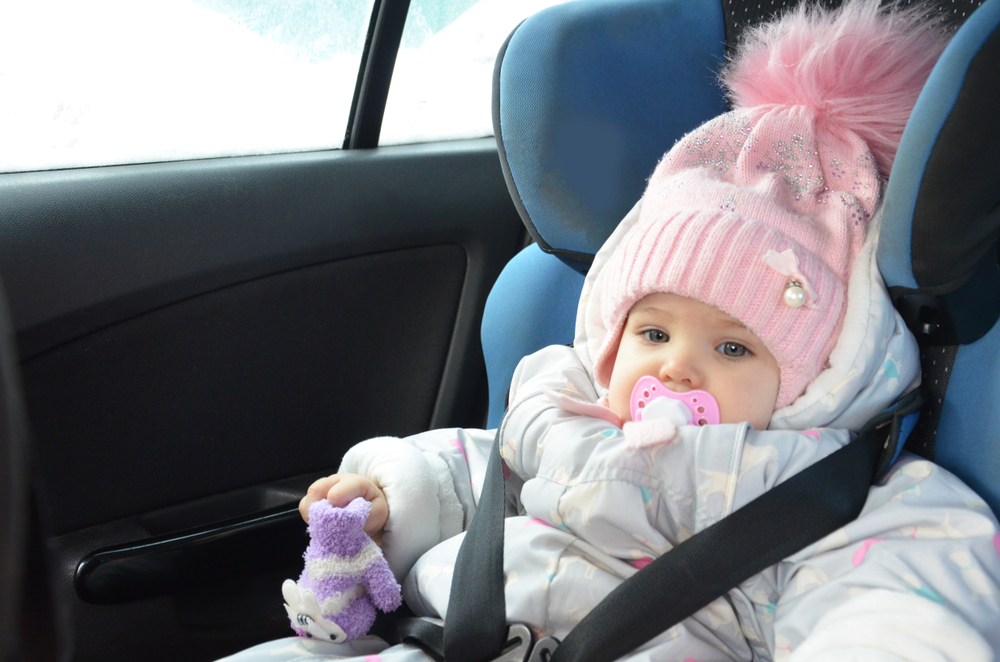
Puffy coats are practically a winter uniform, but they’re one of the biggest hazards when used in a car seat. The issue isn’t the warmth—they’re great for that—it’s the air trapped inside the insulation. That air compresses during a crash, leaving the harness suddenly far looser than it appeared moments before. Even a small amount of compression can create enough slack for a child to slip forward or out of the straps entirely, which is why safety experts consistently warn against using bulky coats in car seats.

Instead of relying on thick outerwear, dress your baby in thin, warm layers and secure the harness snugly against their body. Once they’re buckled in, you can place a blanket over the top of the straps. Or you can use a car seat poncho that goes over the harness. These alternatives keep your child warm without compromising the fit of the seat. Try buckling your child in with the coat on, then remove it and buckle them again without adjusting the straps. If the harness suddenly feels loose, that coat is a no‑go for the car.
These Are 5 Cold Weather Baby Gear Items That Are Unsafe for Car Seats
Image Source: Shutterstock.com

2. Aftermarket Car Seat Covers: Cozy Looks, Hidden Risks

Many parents are surprised to learn that some of the car seat covers sold in stores are not approved by car seat manufacturers. These aftermarket covers often slip between the baby and the seat or between the baby and the harness. This can interfere with how the seat performs in a crash. Because they haven’t been crash‑tested with your specific model, there’s no way to know how they’ll affect the seat’s ability to protect your child.

Look for a cover that is specifically designed to go over the top of the car seat like a shower cap, leaving the harness untouched. These types of covers don’t interfere with the seat’s safety features. And they can help block wind and cold air when you’re moving between the house and the car. There are many things to keep in mind when hunting for a car seat cover, but this is just one of them.

3. Sleeping Bag‑Style Inserts: Warmth at the Cost of Safety

Sleeping bag‑style inserts—those plush, zip‑up cocoons that fit inside the car seat—are undeniably adorable. They’re also undeniably unsafe when used in the car. These inserts add padding behind or around the baby, which can change how the harness fits and how the seat performs in a collision. Even small changes in harness positioning can have major consequences during impact.

If you love the idea of keeping your baby snug, use a warm blanket over the harness or pre‑warm the car with a remote starter or a few minutes of running the heater. You can also dress your baby in fleece layers, which provide warmth without adding bulk. The key is keeping anything soft, padded, or plush out from under or behind your child while they’re buckled in.

4. Strap Covers and Shoulder Pads: Cute but Compromising

Strap covers and shoulder pads are often marketed as comfort items, but most of them are not approved for use with car seats unless they came with the seat itself. These accessories can push the chest clip out of its proper position or create extra space between the harness and your child’s body. In a crash, that extra space can reduce the harness’s ability to keep your child secure.

If your baby seems uncomfortable, check that the harness is positioned correctly and that the straps are at the proper height. Sometimes a simple adjustment makes a big difference. If your car seat manual allows for manufacturer‑approved strap covers, use only those. Otherwise, skip the add‑ons and focus on proper fit.

5. Thick, Plush Head Supports: Soft Isn’t Always Safe

Those fluffy, pillow‑like head supports may look like they cradle your baby perfectly. But they can actually interfere with the car seat’s built‑in head protection. Many of these products add padding behind the baby’s head or neck. This can push their head forward into an unsafe position or alter how the seat absorbs impact forces. Because they aren’t crash‑tested with your specific seat, there’s no guarantee they’ll behave safely in an accident.

If your newborn needs additional support, use only the inserts that came with your car seat or those explicitly approved by the manufacturer. These are designed to work with the seat’s structure and won’t compromise its performance. As your baby grows, their head and neck control will improve naturally, making extra supports unnecessary.

The Warmth‑Without‑Risk Rule Every Parent Should Know

Winter travel with a baby doesn’t have to feel like a battle between warmth and safety. Once you know which products to avoid, it becomes much easier to choose gear that keeps your child comfortable without interfering with the car seat’s protective design. Think of it as a simple rule: nothing bulky, padded, or untested should ever go between your baby and the harness.

What winter car seat safety questions or experiences would you share with other parents? Safety is always most important for your child, so share your advice in the comments.

You May Also Like…

Are Parents Talking Enough About Emotional Safety at Home?

Virginia Baby Food Ban: 5 Specific Brands Just Prohibited Under New Safety Laws

Is Your Little One’s DIY Costume a Potential Safety Hazard?

Budget-Friendly Indoor Adventures for Kids When It’s Too Cold to Play Outside

Beyond The Recall: 6 Baby Gear Recalls You Missed Putting Your Child At Risk

Brandon Marcus
Brandon Marcus
Brandon Marcus is a writer who has been sharing the written word since a very young age. His interests include sports, history, pop culture, and so much more. When he isn’t writing, he spends his time jogging, drinking coffee, or attempting to read a long book he may never complete.

Filed Under: Baby Stuff Tagged With: baby products, baby safety, car seat safety, child passenger safety, cold weather gear, family travel, infant travel tips, parenting advice, winter hazards, winter parenting

Are Winter Mornings Quietly Wrecking Your Child’s Emotional Health?

January 13, 2026 | Leave a Comment

Are Winter Mornings Quietly Wrecking Your Child’s Emotional Health?
Image source: shutterstock.com

When the alarm goes off in winter, everything feels harder than it “should” for no obvious reason. The house is cold, it’s still dark, and the day starts with a sprint before anyone’s fully awake. That combo can turn small challenges into big emotions, especially for kids who already struggle with transitions. The good news is you don’t need a total lifestyle overhaul to protect your child’s mood and resilience. A few small changes can make winter mornings feel calmer, safer, and more predictable.

1. The Darkness Can Trigger a Stress Response

Kids’ bodies notice light before their brains can explain it, and dark mornings can signal “stay asleep” instead of “get going.” When the day begins in dim light, some children feel groggy, anxious, or unusually reactive. Try turning on bright lights right away, opening curtains, or using a simple sunrise-style lamp near the breakfast area. If your child is sensitive, keep the lighting consistent and avoid switching from dark to harsh overhead lights all at once. Even a five-minute “light wake-up” routine can make winter mornings feel less like a shock.

2. Why Winter Mornings Can Feel Like an Emotional Ambush

Cold air, stiff clothes, and a sudden schedule shift can stack stressors before your child has any wins. Many kids also wake up dehydrated, which can make them feel headachy or irritable. If they’re rushing from warm bed to cold bathroom to cold car, they may start the day already maxed out. The goal isn’t to eliminate discomfort, but to reduce the number of “hard” moments back-to-back. When you smooth the first ten minutes, you often prevent the first meltdown.

3. The Rush Turns Minor Problems Into Major Feelings

A tight timeline doesn’t just make you late, it makes everything louder and more personal. When there’s no buffer, a missing shoe becomes a crisis and a spilled drink becomes proof the day is ruined. Build a realistic cushion by waking your child 10 minutes earlier, even if it feels annoying at first. Set a “launch list” near the door with backpack, lunch, and coat so you aren’t hunting for items while emotions rise. That tiny buffer helps winter mornings stop feeling like an emergency drill.

4. Blood Sugar Swings Can Look Like “Bad Attitude”

Some kids wake up hungry but don’t realize it, and the mood shift shows up before the appetite does. A breakfast that’s mostly sugar can spike energy fast and crash it even faster. Aim for a quick protein plus a carb, like yogurt and toast, eggs and fruit, or nut butter on a waffle. If mornings are chaotic, prep grab-and-go options the night before so breakfast still happens. When winter mornings include steady fuel, many kids handle stress with far more flexibility.

5. Clothing Battles Aren’t Really About Clothes

Getting dressed can feel like a sensory assault when the air is cold and the fabric is stiff. Tags itch, socks feel “wrong,” and layers can feel heavy, which can trigger tears that look out of proportion. Simplify the wardrobe by choosing a small rotation of soft, reliable outfits and sticking with them on school days. Warm clothes slightly by keeping them in a heated room, near a vent, or inside the bathroom while a shower runs. Removing friction points like this makes winter mornings less combative and more cooperative.

6. Add One Tiny Connection Ritual Before the Day Starts

Kids don’t just need efficiency, they need emotional safety, especially when the world feels dark and fast. Pick one repeatable ritual that takes under two minutes, like a silly handshake, a quick cuddle, or a “name one good thing” prompt at the table. Keep it the same every day so your child knows connection is guaranteed, even when you’re busy. If your child gets anxious, narrate the plan in one calm sentence: “First breakfast, then shoes, then car.” That consistent connection can transform winter mornings from tense to steady.

The Two-Part Reset That Protects Emotional Health

If mornings feel rough, focus on two levers: preparation the night before and calm cues right after wake-up. Lay out clothes, pack bags, and set breakfast basics so the day doesn’t begin with decisions and negotiations. Then start with warmth, light, and a slow voice, even if you’re moving quickly inside your head. When you reduce surprises, your child spends less energy bracing for the next problem. Over time, winter mornings become a predictable routine instead of a daily emotional fight.

What’s the one morning change that helps your child stay calmer when the winter routine feels extra heavy?

What to Read Next…

What If They’re Not Fine? 4 Critical Questions To Ask Your Child’s Mental Health Professional

7 Children’s Shows That Experts Say Spike Anxiety Levels

Why Are So Many Kids With Good Grades Feeling Depressed?

8 Children’s Activities That Cause More Stress Than Joy

Helping Your Child Handle Fear Without Making It Worse

Catherine Reed
Catherine Reed

Catherine is a tech-savvy writer who has focused on the personal finance space for more than eight years. She has a Bachelor’s in Information Technology and enjoys showcasing how tech can simplify everyday personal finance tasks like budgeting, spending tracking, and planning for the future. Additionally, she’s explored the ins and outs of the world of side hustles and loves to share what she’s learned along the way. When she’s not working, you can find her relaxing at home in the Pacific Northwest with her two cats or enjoying a cup of coffee at her neighborhood cafe.

Filed Under: Mental Health Tagged With: child emotional health, family routines, kids and anxiety, morning routine, parenting tips, school day stress, sensory sensitivity, winter parenting

Indoor Fitness Hacks for Kids When Snow and Ice Cancel Outside Plans

December 31, 2025 | Leave a Comment

Indoor Fitness Hacks for Kids When Snow and Ice Cancel Outside Plans
Image source: shutterstock.com

When the driveway is a skating rink and the playground is buried, kids still have the same energy they’d normally burn outside—maybe more. That’s when the house starts feeling smaller by the minute, and every couch cushion becomes a launchpad. The good news is you don’t need pricey equipment, a big basement, or a Pinterest-perfect routine to get everyone moving. A few simple indoor fitness hacks can turn a “stuck inside” day into a reset for bodies and moods. Here are easy, low-cost ways to help kids move, sweat, and laugh without wrecking your home.

1. Create A “Hallway Olympics” With Safe, Simple Events

Pick a clear stretch of hallway or living room space and set two rules: no running near breakables and shoes stay off. Then set up events like “speed walking relay,” “crab-walk race,” or “bear crawl to the finish line.” Use painter’s tape or a scarf to mark start and finish lines, and let kids take turns being the “announcer.” Keep rounds short so they stay fun, and rotate events before anyone gets bored. These indoor fitness hacks work because they feel like play, but they still burn energy fast.

2. Try The “Clean-Up Cardio” Game That Multitasks

Write quick chores on slips of paper, like “put five toys away,” “wipe the table,” or “match three socks.” Then pair each chore with a movement burst, like ten jumping jacks, five squats, or a 20-second dance break. Kids draw a slip, do the task, then do the movement, and they earn a point or a sticker if you want to track it. You can keep it light and silly without turning it into a power struggle. This is one of the best indoor fitness hacks because your house gets cleaner while kids stay active.

3. Set Up A DIY Obstacle Course Using What You Already Have

Grab couch pillows, a laundry basket, a couple chairs, and a roll of tape, then build a course in five minutes. Kids can jump over a “lava pillow,” crawl under a chair bridge, and toss a soft ball into a basket to finish. Let them redesign the course once or twice so they feel ownership and don’t lose interest. If you’re short on space, make it a single loop they can run one at a time. Obstacle courses are classic indoor fitness hacks because they mix strength, balance, and coordination without feeling like exercise.

4. Use “Movement Menus” So Kids Can Choose Their Workout

Kids push back when they feel forced, but they lean in when they get to pick. Make a simple menu with options like “dance,” “yoga,” “animal moves,” “stretching,” and “strength,” then let them choose two. Keep each choice short, like five minutes, so the whole thing doesn’t feel endless. If you have multiple kids, each kid gets one pick, and you alternate. Indoor fitness hacks work better when kids feel like partners instead of passengers.

5. Turn Commercial Breaks Into Mini Workout Challenges

If kids are watching something while stuck inside, you can still build movement into the day. During every break, do a quick challenge: plank for 20 seconds, march in place, or do a silly “freeze dance” round. If you don’t want to link it to screens, you can do the same idea with a timer that goes off every 15 minutes. Keep it short so it feels doable and doesn’t derail the day. This is one of those indoor fitness hacks that sneaks movement into the routine without a big setup.

6. Make A “Stuffed Animal Boot Camp” That Feels Like Storytime

Pick a few stuffed animals and assign them roles, like “Coach Bear” or “Captain Bunny.” Kids do moves to “train” the animals: hop like a rabbit, stomp like a dinosaur, or stretch like a cat. You can add a simple story, like training for a winter rescue mission or a superhero academy. This works especially well for younger kids who love pretend play more than “exercise.” Indoor fitness hacks like this keep the mood playful, which is half the battle on long indoor days.

7. Use Balloon Games for Low-Impact, High-Fun Movement

A balloon is cheap, safe, and surprisingly exhausting when you try to keep it from touching the floor. Play “balloon volleyball” over a string, “keep it up” with a countdown, or “balloon tennis” with paper plate paddles. You can add rules like “only use elbows” or “must spin once before hitting” to make it harder. Because balloons move slowly, kids can play without slamming into furniture as much. Balloon games are underrated indoor fitness hacks because they build coordination and keep kids moving without chaos.

8. Do A Short Family “Workout Playlist” Instead of a Full Workout

You don’t need a 30-minute routine to change the energy in your house. Pick three songs and make it a mini playlist that happens once or twice a day. Song one is dancing, song two is strength moves like squats or wall sits, and song three is stretching or slow movement to calm down. Kids love routines that repeat because they know what’s coming. This is one of the simplest indoor fitness hacks, and it often improves behavior for the next hour.

The Snow-Day Movement Plan That Keeps Everyone Sane

When you’re trapped inside, the goal isn’t perfect fitness—it’s getting enough movement to help kids regulate their bodies and moods. Choose one high-energy option like obstacle courses, one steady option like balloon games, and one calm-down option like stretching or yoga. Keep sessions short and repeatable so you can do them without dread. Rotate the activities so kids stay interested, but don’t overcomplicate it with too many rules. If you lean on a handful of indoor fitness hacks, snow and ice won’t ruin your day, and your home will feel a lot more peaceful.

What’s your go-to “stuck inside” activity that burns the most energy without causing the most chaos?

What to Read Next…

How to Build a Family Emergency Fun Jar for Unexpected Winter Activities

Winter Craft Materials You Probably Already Have and Kids Will Love

8 Exercises You Can Do With Your Child for Fun and Fitness

Ways to Reuse Holiday Wrapping Materials to Save on Crafts with Kids

How to Turn Snow Days Into Learning Days That Don’t Cost a Cent

Catherine Reed
Catherine Reed

Catherine is a tech-savvy writer who has focused on the personal finance space for more than eight years. She has a Bachelor’s in Information Technology and enjoys showcasing how tech can simplify everyday personal finance tasks like budgeting, spending tracking, and planning for the future. Additionally, she’s explored the ins and outs of the world of side hustles and loves to share what she’s learned along the way. When she’s not working, you can find her relaxing at home in the Pacific Northwest with her two cats or enjoying a cup of coffee at her neighborhood cafe.

Filed Under: Healthy Living & Eating Tagged With: budget parenting, family routines, gross motor play, indoor activities for kids, kids fitness, screen-free activities, snow day activities, winter parenting

  • Facebook
  • Pinterest
  • RSS
  • Twitter

Basic Principles Of Good Parenting

Here some basic principles for good parenting:

  1. What You Do Matters: Your kids are watching you. So, be purposeful about what you want to accomplish.
  2. You Can’t be Too Loving: Don’t replace love with material possessions, lowered expectations or leniency.
  3. Be Involved Your Kids Life: Arrange your priorities to focus on what your kid’s needs. Be there mentally and physically.
  4. Adapt Your Parenting: Children grow quickly, so keep pace with your child’s development.
  5. Establish and Set Rules: The rules you set for children will establish the rules they set for themselves later.  Avoid harsh discipline and be consistent.
  6. Explain Your Decisions: What is obvious to you may not be evident to your child. They don’t have the experience you do.
  7. Be Respectful To Your Child: How you treat your child is how they will treat others.  Be polite, respectful and make an effort to pay attention.
Best Parenting Blogs

Most Popular

Baby

9 Unusual Baby Names That Sound Like They Belong to Future CEOs

Evan Morgan
Baby

10 Baby Names That Were Once Considered “Grandparent Names” but Feel Cool Again

Evan Morgan
Target Store

Choking Incident Prompts Recall of 49,000 Target Gigglescape “Under the Sea” Popping Toys

Evan Morgan
Frustrated Girl

Why Some Students on the Spectrum Are Labeled With ODD

Evan Morgan
Coke Bottles

12 Things Kids Took to School in the ’70s That Would Never Be Allowed Today

Evan Morgan

All content on Kids Ain’t Cheap is for entertainment purposes only. By reading this blog, you agree that Kids Ain’t Cheap is not responsible for any actions taken after reading this blog. For the full disclaimer, see our privacy policy.

Please note that Kids Ain’t Cheap has financial relationships with some of the merchants mentioned here. Kids Ain’t Cheap is funded by banner advertising, commission sales and search optimization consulting.

Copyright © 2006–2026 | District Media | All Rights Reserved | Privacy Policy

Copyright © 2026 Runway Pro Theme by Viva la Violette