• Home
  • About Us
  • Toolkit
  • Archives
  • Advertise
  • Privacy Policy

Kids Ain't Cheap

But They Sure Are Worth It

  • Parenting
    • Baby Stuff
    • Books and Reading
      • Aesops Fables
      • Comic Books
    • Education
    • Family Time
    • Green Living
    • Growing Up
    • Healthy Living & Eating
    • Holidays
    • Parenting
    • Random Musings
    • Shopping
    • Stuff to Do
  • Money
  • Product Reviews
    • Books and Magazines
    • Discount Sites
    • Furniture
    • House Keeping
    • Reviews News
    • Toys and Games
  • Contact Us
  • Our Editorial Commitment
  • Search

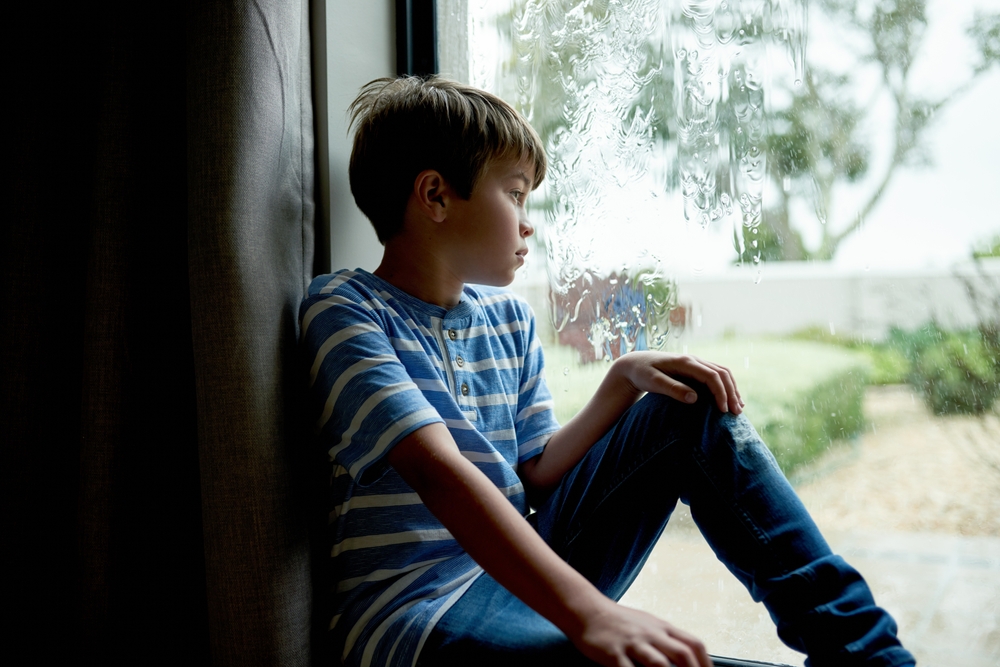
Are Winter Mornings Quietly Wrecking Your Child’s Emotional Health?

January 13, 2026 | Leave a Comment

Are Winter Mornings Quietly Wrecking Your Child’s Emotional Health?
Image source: shutterstock.com

When the alarm goes off in winter, everything feels harder than it “should” for no obvious reason. The house is cold, it’s still dark, and the day starts with a sprint before anyone’s fully awake. That combo can turn small challenges into big emotions, especially for kids who already struggle with transitions. The good news is you don’t need a total lifestyle overhaul to protect your child’s mood and resilience. A few small changes can make winter mornings feel calmer, safer, and more predictable.

1. The Darkness Can Trigger a Stress Response

Kids’ bodies notice light before their brains can explain it, and dark mornings can signal “stay asleep” instead of “get going.” When the day begins in dim light, some children feel groggy, anxious, or unusually reactive. Try turning on bright lights right away, opening curtains, or using a simple sunrise-style lamp near the breakfast area. If your child is sensitive, keep the lighting consistent and avoid switching from dark to harsh overhead lights all at once. Even a five-minute “light wake-up” routine can make winter mornings feel less like a shock.

2. Why Winter Mornings Can Feel Like an Emotional Ambush

Cold air, stiff clothes, and a sudden schedule shift can stack stressors before your child has any wins. Many kids also wake up dehydrated, which can make them feel headachy or irritable. If they’re rushing from warm bed to cold bathroom to cold car, they may start the day already maxed out. The goal isn’t to eliminate discomfort, but to reduce the number of “hard” moments back-to-back. When you smooth the first ten minutes, you often prevent the first meltdown.

3. The Rush Turns Minor Problems Into Major Feelings

A tight timeline doesn’t just make you late, it makes everything louder and more personal. When there’s no buffer, a missing shoe becomes a crisis and a spilled drink becomes proof the day is ruined. Build a realistic cushion by waking your child 10 minutes earlier, even if it feels annoying at first. Set a “launch list” near the door with backpack, lunch, and coat so you aren’t hunting for items while emotions rise. That tiny buffer helps winter mornings stop feeling like an emergency drill.

4. Blood Sugar Swings Can Look Like “Bad Attitude”

Some kids wake up hungry but don’t realize it, and the mood shift shows up before the appetite does. A breakfast that’s mostly sugar can spike energy fast and crash it even faster. Aim for a quick protein plus a carb, like yogurt and toast, eggs and fruit, or nut butter on a waffle. If mornings are chaotic, prep grab-and-go options the night before so breakfast still happens. When winter mornings include steady fuel, many kids handle stress with far more flexibility.

5. Clothing Battles Aren’t Really About Clothes

Getting dressed can feel like a sensory assault when the air is cold and the fabric is stiff. Tags itch, socks feel “wrong,” and layers can feel heavy, which can trigger tears that look out of proportion. Simplify the wardrobe by choosing a small rotation of soft, reliable outfits and sticking with them on school days. Warm clothes slightly by keeping them in a heated room, near a vent, or inside the bathroom while a shower runs. Removing friction points like this makes winter mornings less combative and more cooperative.

6. Add One Tiny Connection Ritual Before the Day Starts

Kids don’t just need efficiency, they need emotional safety, especially when the world feels dark and fast. Pick one repeatable ritual that takes under two minutes, like a silly handshake, a quick cuddle, or a “name one good thing” prompt at the table. Keep it the same every day so your child knows connection is guaranteed, even when you’re busy. If your child gets anxious, narrate the plan in one calm sentence: “First breakfast, then shoes, then car.” That consistent connection can transform winter mornings from tense to steady.

The Two-Part Reset That Protects Emotional Health

If mornings feel rough, focus on two levers: preparation the night before and calm cues right after wake-up. Lay out clothes, pack bags, and set breakfast basics so the day doesn’t begin with decisions and negotiations. Then start with warmth, light, and a slow voice, even if you’re moving quickly inside your head. When you reduce surprises, your child spends less energy bracing for the next problem. Over time, winter mornings become a predictable routine instead of a daily emotional fight.

What’s the one morning change that helps your child stay calmer when the winter routine feels extra heavy?

What to Read Next…

What If They’re Not Fine? 4 Critical Questions To Ask Your Child’s Mental Health Professional

7 Children’s Shows That Experts Say Spike Anxiety Levels

Why Are So Many Kids With Good Grades Feeling Depressed?

8 Children’s Activities That Cause More Stress Than Joy

Helping Your Child Handle Fear Without Making It Worse

Catherine Reed
Catherine Reed

Catherine is a tech-savvy writer who has focused on the personal finance space for more than eight years. She has a Bachelor’s in Information Technology and enjoys showcasing how tech can simplify everyday personal finance tasks like budgeting, spending tracking, and planning for the future. Additionally, she’s explored the ins and outs of the world of side hustles and loves to share what she’s learned along the way. When she’s not working, you can find her relaxing at home in the Pacific Northwest with her two cats or enjoying a cup of coffee at her neighborhood cafe.


Filed Under: Mental Health Tagged With: child emotional health, family routines, kids and anxiety, morning routine, parenting tips, school day stress, sensory sensitivity, winter parenting

Why Is Your Child Suddenly Afraid of Everyday Sounds?

October 23, 2025 | Leave a Comment

Why Is Your Child Suddenly Afraid of Everyday Sounds?
Image source: shutterstock.com

Most parents have seen it happen—one day their child is happily playing, and the next, they cover their ears at the sound of a vacuum, blender, or even a barking dog. When a child becomes suddenly afraid of everyday sounds, it can be confusing and concerning. Understanding why this change occurs can help parents respond calmly, support their child’s emotional development, and rule out any underlying medical concerns.

1. When Fear Becomes a Normal Developmental Phase

For many children, being afraid of everyday sounds is part of normal development. Around ages two to four, kids become more aware of their surroundings but may not yet understand what causes certain noises. The roar of a garbage truck or the whir of a hair dryer can feel unpredictable and overwhelming. During this stage, their brains are rapidly developing, and they’re learning how to process sensory input. This fear often fades as they gain familiarity, confidence, and reassurance from parents.

2. Sensory Sensitivity Could Be the Cause

Some children are naturally more sensitive to sensory stimuli, meaning they can perceive sounds more intensely than others. When a child seems afraid of everyday sounds like hand dryers or doorbells, it could be due to sensory processing sensitivity. This trait doesn’t necessarily indicate a disorder—it simply means the child experiences the world more vividly. Loud or sudden noises may startle them more easily, leading to avoidance or anxiety. Providing quiet spaces, using noise-reducing headphones, or introducing sounds gradually can make a big difference in how they cope.

3. Ear Infections or Hearing Changes Might Play a Role

Physical causes shouldn’t be overlooked when a child suddenly becomes afraid of everyday sounds. A recent ear infection, fluid buildup, or temporary hearing change can make noises seem distorted or unusually loud. Even a mild infection can make certain frequencies feel uncomfortable. Scheduling a check-up with a pediatrician or audiologist helps rule out any medical explanations. If the ears check out fine, parents can focus on emotional and behavioral strategies to ease the fear.

4. Anxiety and Stress Can Heighten Noise Sensitivity

Emotional factors can also contribute to a child being afraid of everyday sounds. If a child has experienced a stressful event or is feeling anxious, their nervous system may be on high alert. Everyday noises might feel more intense or threatening during these times. Parents may notice other signs—trouble sleeping, clinginess, or sudden startle reactions. Offering reassurance, keeping routines consistent, and modeling calm responses to loud sounds can help children feel safer and regain confidence.

5. Negative Associations Can Reinforce Fear

Children are quick learners, and one frightening experience can leave a lasting impression. If a balloon popped near their ear or a loud thunderclap startled them, they may start connecting those moments with danger. Over time, this can lead them to become afraid of everyday sounds that remind them of the incident. Parents can gently desensitize these fears by reintroducing similar sounds in positive, controlled settings. For instance, playing soft background noises during playtime can help children form new, more neutral associations.

6. Autism Spectrum Disorder or Sensory Processing Disorder

In some cases, persistent fear of everyday sounds may signal an underlying condition such as autism spectrum disorder (ASD) or sensory processing disorder (SPD). Children with these conditions often have heightened or inconsistent sensory responses, including to noise. They may react strongly to sounds most people barely notice, such as a refrigerator hum or classroom chatter. Observing whether the fear interferes with daily life—like avoiding public spaces or struggling at school—can guide whether to seek evaluation. Early intervention can help children build coping skills and navigate sensory experiences more comfortably.

7. Helping Your Child Feel More in Control

The key to easing a child’s fear of everyday sounds is empowerment through predictability and comfort. Letting them press the button on a noisy toy or control the volume of a TV helps them understand the cause-and-effect behind sounds. Parents can use playful exposure—like pretending to be the “quiet vacuum monster”—to reframe scary noises as fun. It’s also helpful to name the sounds and explain what they do in simple terms. This builds both emotional resilience and curiosity instead of fear.

8. When to Seek Professional Guidance

If your child’s fear of everyday sounds lasts for more than a few months or begins affecting their quality of life, professional help can be valuable. Pediatricians, child psychologists, or occupational therapists specializing in sensory integration can identify whether deeper issues are involved. A professional can also teach coping strategies, such as breathing exercises or noise desensitization techniques. Parents who get support early often find the situation improves much faster. Most importantly, remember that fear rooted in sound sensitivity is manageable and often temporary.

Turning Fear into Understanding

When a child becomes afraid of everyday sounds, it’s a signal of how deeply they experience the world—not a sign of weakness. With patience, empathy, and gentle guidance, parents can help their child build confidence in handling the noises of daily life. Each small success reinforces that sound isn’t something to fear but to explore and understand.

Has your child ever gone through a phase of fearing normal noises? How did you help them adjust? Share your experiences in the comments below!

What to Read Next…

What’s Causing So Many Children to Fear Sleepovers Again?

Helping Your Child Handle Fear Without Making It Worse

6 Signs Your Child Is Struggling with Social Anxiety

5 Signs a Child Is Hiding Stress From Parents

7 Excuses Kids Use to Cover Up Emotional Trouble

Catherine Reed
Catherine Reed

Catherine is a tech-savvy writer who has focused on the personal finance space for more than eight years. She has a Bachelor’s in Information Technology and enjoys showcasing how tech can simplify everyday personal finance tasks like budgeting, spending tracking, and planning for the future. Additionally, she’s explored the ins and outs of the world of side hustles and loves to share what she’s learned along the way. When she’s not working, you can find her relaxing at home in the Pacific Northwest with her two cats or enjoying a cup of coffee at her neighborhood cafe.

Filed Under: Parenting Tagged With: child anxiety, child development, early childhood, family wellbeing, Parenting, parenting advice, sensory sensitivity

7 Signs Your Child Is Emotionally Overstimulated, Not Misbehaving

April 18, 2025 | Leave a Comment

Child covering ears, showing signs of emotional overload.
Image Source: Unsplash

If your child suddenly bursts into tears at the grocery store or melts down halfway through a birthday party, it might be more than “bad behavior.” Emotional overstimulation in children can look a lot like disobedience—but what’s really going on inside is very different.

When kids are surrounded by noise, lights, smells, busy people, and unpredictability, their nervous systems can go into overdrive. They’re not being defiant; they’re overwhelmed. Learning to recognize these signs is the first step toward supporting your child with empathy and calm.

Below are seven common indicators that your child may be emotionally overstimulated—along with gentle ways to help.

1. They Cover Their Ears or Eyes

If your child suddenly shields their ears during a noisy dinner or hides their face in bright sunlight, they aren’t trying to be difficult. They’re attempting to block out overwhelming sensory input.

Pediatric occupational therapists confirm that covering ears or eyes is a classic self‑protection move when sound or light intensity exceeds a child’s comfort threshold. Rather than urging them to “tough it out,” lower the volume, dim the lights, or step outside for a quiet reset.

2. Unexplained Irritability or Tantrums

That sudden, explosive meltdown in the middle of a fun activity often signals overload, not manipulation. Overstimulation floods a child’s brain with stress hormones, making self‑regulation nearly impossible.

Early‑childhood researchers at Australia’s Explorers Centre note that irritability, crying, and tantrums typically peak when kids are juggling too many sensory or social inputs. A calm voice, a cuddle, or simply moving to a quieter space can help the storm pass.

3. They Can’t Sit Still or Focus

Restlessness is often mistaken for poor attention, but constant wiggling can be the body’s way of discharging excess sensory energy. When the brain works overtime to process sights, sounds, and social cues, it’s harder to hold still or concentrate.

Instead of labeling the behavior “distracted,” ask what environmental factors—bright lights, crowded rooms, background music—might be pushing your child past capacity.

4. Resistance to Touch or Routine Tasks

Flinching during hair brushing, refusing once‑loved foods, or battling over socks often points to tactile or sensory overload. Kids process the world through every sense, and when overwhelmed, even normal sensations feel “too much.”

We recommend offering choices (softer clothing, different textures) and breaking tasks into smaller steps, rather than forcing compliance in the heat of distress.

5. Mood Shifts That Don’t Match the Moment

One minute your child is giggling, the next they’re near tears. This emotional whiplash happens because their nervous system is toggling between excitement and overload.

Instead of viewing mood swings as dramatic, treat them as an internal overload alert—time to pause, hydrate, or step outside. A predictable transition routine (deep breaths, a favorite song) can smooth these shifts.

bright lights
Image Source: Unsplash

6. Sensitivity to Sounds, Lights, or Textures

A blender whirring or a flashing TV might be minor background stimuli to you—but feel like a rock concert to a sensory‑sensitive child.

Hypersensitivity is strongly linked to quicker emotional overload, especially when multiple triggers pile on. Simple accommodations—noise‑canceling headphones, soft tags‑free clothing—can make environments feel safer.

7. They Calm Down in Quiet, Predictable Spaces

Perhaps the clearest sign that “misbehavior” was actually overload: your child settles quickly once stimuli decrease. If the meltdown fades after leaving the mall or turning off background TV, sensory load—not willfulness—was the culprit.

Build daily routines that include “sensory breaks”—dim reading corners, nature walks, or quiet Lego time—to keep the nervous system from hitting red‑alert.

How You Respond Makes All the Difference

Emotional overstimulation is real—and often misread as naughtiness or lack of discipline. By spotting the signs early, you can pivot from correction to connection. Whisper instead of shout, offer a hug instead of a lecture, or find a calmer corner instead of powering through the chaos.

Small adjustments teach kids that their feelings are safe to share—and that you’re in their corner, even when the world feels too loud.

Have you seen these signs in your child? Share your experience (and calming hacks) in the comments below—we’d love to learn from you!

Read More

  • How to Choose the Perfect Pet for Your Family
  • Year-round Money Saving and Fun Activites for Parents and Kids
Samantha Warren
Samantha

Samantha Warren is a holistic marketing strategist with 8+ years of experience partnering with startups, Fortune 500 companies, and everything in between. With an entrepreneurial mindset, she excels at shaping brand narratives through data-driven, creative content. When she’s not working, Samantha loves to travel and draws inspiration from her trips to Thailand, Spain, Costa Rica, and beyond.

Filed Under: Parenting Tagged With: child behavior, child development, emotional overstimulation, misbehavior vs overstimulation, parenting tips, sensory sensitivity, supporting kids emotionally

  • Facebook
  • Pinterest
  • RSS
  • Twitter

Basic Principles Of Good Parenting

Here some basic principles for good parenting:

  1. What You Do Matters: Your kids are watching you. So, be purposeful about what you want to accomplish.
  2. You Can’t be Too Loving: Don’t replace love with material possessions, lowered expectations or leniency.
  3. Be Involved Your Kids Life: Arrange your priorities to focus on what your kid’s needs. Be there mentally and physically.
  4. Adapt Your Parenting: Children grow quickly, so keep pace with your child’s development.
  5. Establish and Set Rules: The rules you set for children will establish the rules they set for themselves later.  Avoid harsh discipline and be consistent.
  6. Explain Your Decisions: What is obvious to you may not be evident to your child. They don’t have the experience you do.
  7. Be Respectful To Your Child: How you treat your child is how they will treat others.  Be polite, respectful and make an effort to pay attention.
Best Parenting Blogs

Most Popular

Baby

9 Unusual Baby Names That Sound Like They Belong to Future CEOs

Evan Morgan
Baby

10 Baby Names That Were Once Considered “Grandparent Names” but Feel Cool Again

Evan Morgan
Target Store

Choking Incident Prompts Recall of 49,000 Target Gigglescape “Under the Sea” Popping Toys

Evan Morgan
Frustrated Girl

Why Some Students on the Spectrum Are Labeled With ODD

Evan Morgan
Coke Bottles

12 Things Kids Took to School in the ’70s That Would Never Be Allowed Today

Evan Morgan

All content on Kids Ain’t Cheap is for entertainment purposes only. By reading this blog, you agree that Kids Ain’t Cheap is not responsible for any actions taken after reading this blog. For the full disclaimer, see our privacy policy.

Please note that Kids Ain’t Cheap has financial relationships with some of the merchants mentioned here. Kids Ain’t Cheap is funded by banner advertising, commission sales and search optimization consulting.

Copyright © 2006–2026 | District Media | All Rights Reserved | Privacy Policy

Copyright © 2026 Runway Pro Theme by Viva la Violette