
• Home
  • About Us
  • Toolkit
  • Archives
  • Advertise
  • Privacy Policy

Kids Ain't Cheap

But They Sure Are Worth It

  • Parenting
    • Baby Stuff
    • Books and Reading
      • Aesops Fables
      • Comic Books
    • Education
    • Family Time
    • Green Living
    • Growing Up
    • Healthy Living & Eating
    • Holidays
    • Parenting
    • Random Musings
    • Shopping
    • Stuff to Do
  • Money
  • Product Reviews
    • Books and Magazines
    • Discount Sites
    • Furniture
    • House Keeping
    • Reviews News
    • Toys and Games
  • Contact Us
  • Our Editorial Commitment
  • Search

7 School Behaviors Teachers Say Are Getting Harder to Manage in 2026

March 5, 2026 | 1 Comment

school behaviors
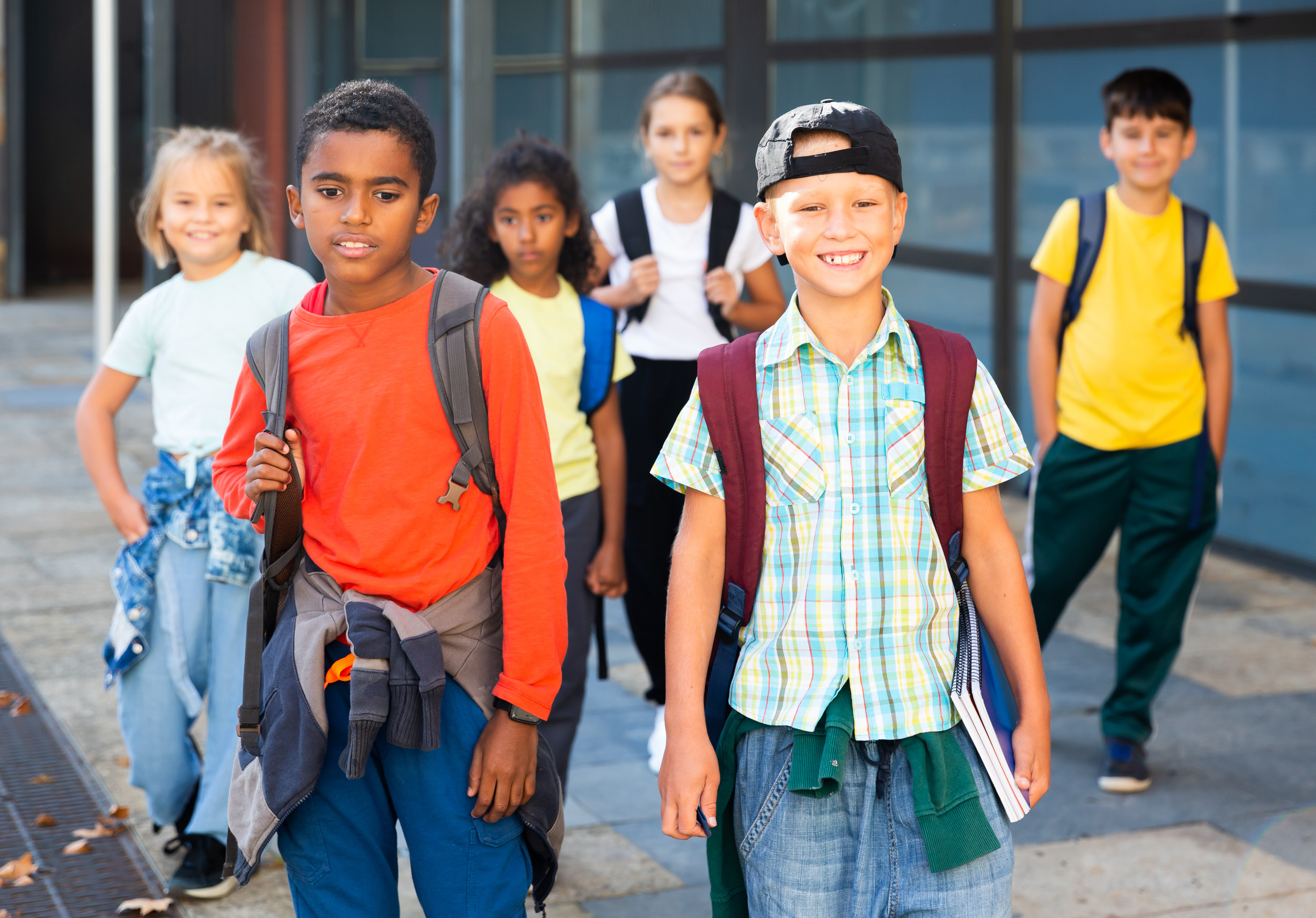
Image source: shutterstock.com

Stepping into a modern classroom feels less like an educational journey and more like navigating a high-stakes social experiment. You might remember school as a place of rigid rows and quiet whispers, but the reality for teachers in 2026 has shifted into something nearly unrecognizable. It is not just that kids are being kids. Rather, the very foundation of how they interact with the world has been rewritten by a decade of digital saturation and shifting home dynamics. If you feel like the stories you hear from teacher friends are getting more intense, you are right. This exploration looks at the specific behaviors currently pushing our educators to the brink and why the old discipline playbook no longer works.

1. The Death of the Internal Filter

The boundary between a private thought and a public statement has almost entirely vanished in middle and high schools. Students now vocalize every passing whim, insult, or observation without a second of hesitation. This is not necessarily a sign of malice, but it reflects a world where every thought is instantly validated by social media. Teachers find themselves constantly pausing lessons to address blunt, often hurtful comments that students do not even realize are inappropriate. It creates an environment where the flow of learning is interrupted every few minutes by a verbal outburst that needs de-escalation. These behavioral shifts require constant redirection from staff members.

2. Chronic Digital Disassociation

Many students are physically present but mentally miles away, trapped in a loop of digital dopamine. Even when phones are tucked away in cubbies, the mental withdrawal is visible in their glazed expressions and lack of focus. Teachers report that getting a teenager to engage with a physical book or a handwritten assignment feels like asking them to climb a mountain without gear. This disassociation makes it incredibly difficult to build the sustained attention required for complex problem-solving. Furthermore, the frustration students feel when they cannot check their notifications often manifests as irritability or sudden anger toward their peers. You can find more about digital wellness in schools to understand this struggle.

3. An Inability to Handle Boredom

We live in an era of instant gratification, and it has stripped away a vital life skill: the ability to sit with boredom. Education requires moments of quiet reflection and repetitive practice, but many students now view these lulls as a personal affront. Surprisingly, this lack of patience leads to disruptive behaviors like wandering the room or picking fights just to create a spark of stimulation. Educators are being forced to act as entertainers rather than instructors just to keep the peace. When the stimulus drops, the behavior issues rise, leaving teachers exhausted by the constant need to perform.

4. The Rise of Perceived Victimization

There is a growing trend where any form of correction or boundary-setting is viewed by the student as a personal attack or a sign of unfairness. If a teacher asks a student to lower their voice or put away a distraction, the response is often a defensive escalation. This shift makes it nearly impossible to maintain a standard of conduct because the student feels they are being singled out. It is an exhausting cycle for staff who are simply trying to keep a classroom safe and functional. Consequently, many veteran teachers are stepping back because they feel they can no longer give simple instructions without starting a legal or emotional battle. Organizations like the National Education Association track these retention issues.

5. Fragmented Social Stamina

Socializing is a muscle, and for many kids in 2026, that muscle has atrophied significantly. They struggle to navigate minor disagreements without turning them into week-long digital feuds that spill back into the hallways. Small misunderstandings that used to be settled with a quick chat now require hours of mediation by counselors and administrators. This lack of social stamina means that group work, once a staple of the classroom, has become a minefield of potential conflict. Teachers spend more time being referees than they do teaching the actual curriculum.

6. Aggressive Academic Defiance

It used to be that a student might quietly skip an assignment they did not want to do. Today, that avoidance has turned into an active, vocal defiance against the very idea of academic effort. There is a sense of nihilism among some age groups where they openly question the utility of learning when they see influencers making millions for seemingly nothing. This makes it hard to motivate a classroom when a significant portion of the room is loudly proclaiming that the work is pointless. It is a systemic challenge that goes far beyond the classroom walls and touches on how we value expertise as a society.

7. The Vanishing Support from Home

Perhaps the most difficult behavior to manage is the one that starts outside the school through the breakdown of the parent-teacher partnership. Educators are finding that when they reach out for help with a student’s behavior, they are met with either silence or hostility. Instead of working together, many parents now view the school as an adversary, which emboldens the student to continue the disruptive behavior. Without a unified front, teachers are left on an island, trying to manage complex psychological and social issues with very little leverage. This isolation is a primary driver of the burnout we see in the industry today. Resources for strengthening school-home bonds are more important than ever.

The system is currently under an immense amount of pressure, and the cracks are showing in the way our children behave and our teachers struggle. It is easy to blame the kids or the schools, but these behaviors are symptoms of a much larger shift in our cultural and digital landscape. Recognizing these challenges is the first step toward validating the impossible job our educators are doing every single day. We must decide if we are going to leave them to manage these shifts alone or if we are going to rebuild the community support they so desperately need. Your insight matters here because these students are the ones who will eventually run our world.

What do you think is the biggest hurdle facing schools right now? Please leave a comment below and share your thoughts.

What To Read Next…

  • The 5 Educational Apps That Teachers Say Are Actually Hurting Grades
  • 10 “Educational” Outings That Uncover Real Financial Strain
  • 7 Children’s Shows That Experts Say Spike Anxiety Levels
Latrice Perez

Latrice is a dedicated professional with a rich background in social work, complemented by an Associate Degree in the field. Her journey has been uniquely shaped by the rewarding experience of being a stay-at-home mom to her two children, aged 13 and 5. This role has not only been a testament to her commitment to family but has also provided her with invaluable life lessons and insights.  As a mother, Latrice has embraced the opportunity to educate her children on essential life skills, with a special focus on financial literacy.
Filed Under: Education Tagged With: 2026 trends, classroom management, digital distraction, Education Crisis, Parenting, school behaviors, social-emotional learning, student discipline, teacher burnout

School Smarts: 7 Surprising Gaps That Could Affect Your Child’s Education

July 16, 2025 | Leave a Comment

School Smarts 7 Surprising Gaps That Could Affect Your Childs Education
123rf.com

Your child might be getting good grades and showing up every day, but that doesn’t always mean they’re getting everything they need from school. Behind test scores and report cards, there can be hidden gaps that impact learning, confidence, and long-term success. These gaps often sneak in quietly and don’t show up until your child struggles academically, emotionally, or socially. Recognizing these issues early can make a huge difference in how well your child adapts and thrives in the classroom. If you care about more than just grades, it’s time to look at the school smarts that really matter.

1. Lack of Financial Literacy

Many schools still don’t teach basic money skills, which leaves a surprising gap in your child’s real-world readiness. Understanding how to budget, save, and avoid debt is a vital part of growing up, yet most kids graduate without this knowledge. This school smarts gap can leave young adults vulnerable to financial mistakes that follow them for years. Teaching simple money concepts at home can help bridge this gap early. Even basic lessons about allowance or saving for a goal can build long-lasting skills.

2. Weak Study and Time Management Habits

Just because your child completes assignments doesn’t mean they know how to manage time effectively. Many students aren’t explicitly taught how to plan, prioritize, or study efficiently, which becomes a problem in higher grades. When school smarts don’t include strong organizational habits, stress and burnout often follow. This gap is especially noticeable during homework-heavy seasons or exam periods. Helping your child develop routines and use tools like planners or timers can support better learning outcomes.

3. Limited Critical Thinking Development

Standardized testing tends to prioritize memorization over analysis, leaving students with shallow understanding. A lack of emphasis on questioning, reasoning, and evaluating information creates a serious school smarts gap. Without critical thinking, kids may struggle to solve problems creatively or make informed decisions. Encouraging your child to ask “why” and discuss ideas at home can strengthen this essential skill. Even casual conversations about books, movies, or current events can build mental muscles.

4. Poor Digital Literacy and Online Safety

Today’s kids are growing up with screens, but that doesn’t mean they’re savvy about using them safely or responsibly. Many schools focus on basic computer use, but not enough on evaluating sources, managing screen time, or protecting personal information. This school smarts gap puts kids at risk for cyberbullying, misinformation, and privacy violations. Parents should talk openly about online safety and set clear guidelines for device use. Teaching kids to think critically about what they see online is just as important as teaching math or reading.

5. Social-Emotional Learning Gaps

Academic success isn’t just about facts and figures—it’s also about understanding emotions, building relationships, and managing stress. Unfortunately, not all schools prioritize social-emotional learning (SEL), and that creates another major gap. Without SEL, school smarts can feel incomplete, and children may struggle with conflict, resilience, or empathy. Some districts are making progress in this area, but parents play a key role too. Practicing emotional awareness and kindness at home reinforces what schools may not always have time to teach.

6. Gaps in Cultural Awareness and Inclusion

If your child’s school doesn’t reflect a diverse world, they may miss out on learning how to respect and relate to people from different backgrounds. A lack of inclusive curriculum or representation can unintentionally reinforce stereotypes or leave some students feeling unseen. This school smarts gap affects how kids understand history, identity, and fairness. Parents can help fill in by exposing children to books, shows, and discussions that celebrate diversity. Learning about other cultures and perspectives builds empathy and global awareness.

7. Gaps Between Grade Level and True Skill Level

One of the most overlooked school smarts gaps is the mismatch between grade level and actual ability. Kids may be “passing” but still lag behind in reading, math, or writing without obvious red flags. These subtle gaps can widen over time, especially if kids are too embarrassed to ask for help. Regular check-ins, reading aloud, or doing practice problems at home can help catch issues early. Don’t assume that no news is good news—being proactive makes a big difference.

Smarts Go Beyond the School Walls

School success isn’t just about what happens between the first and last bell. True school smarts involve emotional strength, digital skills, cultural awareness, and the ability to think independently. When these surprising gaps are ignored, kids can fall behind in ways that grades alone won’t show. As a parent, you have the power to fill in the blanks with real-life lessons, encouragement, and curiosity. Helping your child build a full toolbox of skills gives them confidence not just in school, but in life.

Have you noticed any of these school smarts gaps in your child’s education? Share your insights or tips in the comments below!

Read More:

7 Reasons You Shouldn’t Waste Money on Private Schools

5 Reasons You Should Let Your Child Catch The Bus To School

Catherine Reed
Catherine Reed

Catherine is a tech-savvy writer who has focused on the personal finance space for more than eight years. She has a Bachelor’s in Information Technology and enjoys showcasing how tech can simplify everyday personal finance tasks like budgeting, spending tracking, and planning for the future. Additionally, she’s explored the ins and outs of the world of side hustles and loves to share what she’s learned along the way. When she’s not working, you can find her relaxing at home in the Pacific Northwest with her two cats or enjoying a cup of coffee at her neighborhood cafe.

Filed Under: Education Tagged With: child education gaps, digital literacy, education tips for parents, kids and critical thinking, parenting and learning, school smarts, social-emotional learning

  • Facebook
  • Pinterest
  • RSS
  • Twitter

Basic Principles Of Good Parenting

Here some basic principles for good parenting:

  1. What You Do Matters: Your kids are watching you. So, be purposeful about what you want to accomplish.
  2. You Can’t be Too Loving: Don’t replace love with material possessions, lowered expectations or leniency.
  3. Be Involved Your Kids Life: Arrange your priorities to focus on what your kid’s needs. Be there mentally and physically.
  4. Adapt Your Parenting: Children grow quickly, so keep pace with your child’s development.
  5. Establish and Set Rules: The rules you set for children will establish the rules they set for themselves later.  Avoid harsh discipline and be consistent.
  6. Explain Your Decisions: What is obvious to you may not be evident to your child. They don’t have the experience you do.
  7. Be Respectful To Your Child: How you treat your child is how they will treat others.  Be polite, respectful and make an effort to pay attention.
Best Parenting Blogs

Most Popular

Baby names

Teachers Admit: These 6 Baby Names Create Instant Bias in the Classroom

Latrice Perez
These Are 6 Baby Names Inspired by Vintage TV and Movies

6 Baby Names Inspired by Vintage TV and Movies

Brandon Marcus
6 Baby Names That Sound Cute Now but Cause Problems Later

6 Baby Names That Sound Cute Now but Cause Problems Later

Brandon Marcus
11 Ways Kids Are Outsmarting Parental Controls 1. Using Alternate Devices One common trick is simply turning to another device. If a child’s main phone or tablet is restricted, they may borrow a sibling’s, friend’s, or even a school laptop. This instantly gives them access to content outside of parental oversight. Parents often focus on one device, forgetting that others in the household can serve as loopholes. Knowing this tactic helps families tighten controls across all electronics. 2. Clearing Browsing Histories Many kids quickly learn that clearing browsing history hides evidence of restricted activity. With just a few clicks, they can erase any trace of websites visited. This makes it harder for parents to notice when rules are being broken. Parents may assume no history means no browsing, but the reality is often the opposite. Kids are outsmarting parental controls by making it seem like nothing happened at all. 3. Using Private Browsing Modes Most browsers offer “incognito” or private browsing features. Kids use this mode to access websites without leaving a record in the history. To parents checking later, everything looks clean and safe. This simple trick is often one of the first ways kids discover how to bypass restrictions. Conversations about private browsing can help close this gap. 4. Guessing or Resetting Passwords Children who are persistent may try to guess passwords to parental control apps or accounts. Others may find ways to reset them through email prompts or security questions. Once inside, they can disable restrictions entirely. Parents may not even realize controls have been altered until much later. Stronger, less predictable passwords can make this more difficult. 5. Using VPNs to Hide Activity Virtual private networks, or VPNs, let kids disguise their online locations. With one downloaded app, they can bypass geographic or parental restrictions. Some children learn about VPNs through friends or even social media. This makes it easy for them to reach content that should be blocked. Parents often underestimate just how simple it is for kids to use these tools. 6. Creating Fake Accounts When parents monitor social media, kids may create hidden accounts. These “finstas” or fake profiles allow them to interact freely without parental oversight. While their main account appears harmless, the secondary one tells a different story. Kids are outsmarting parental controls by playing both sides at once. Checking for duplicate accounts can help parents stay more aware. 7. Exploiting Time Zone Settings Some kids change the time zone on their devices to bypass screen time limits. This trick allows them to gain extra hours of usage undetected. Parents may assume controls are working, but in reality, the child is bending the clock. It’s a clever loophole that highlights just how resourceful kids can be. Monitoring device settings regularly can catch this tactic. 8. Disabling or Uninstalling Apps Parental control apps can be deleted or disabled with surprising ease. Some kids even reinstall them before a parent checks, making it seem like nothing changed. Others may simply restrict permissions to prevent apps from functioning properly. When apps aren’t monitored closely, parents may not notice they’ve been tampered with. This shows the importance of consistent follow-up. 9. Turning to Friends for Access If a child can’t get past restrictions on their own, they may rely on friends. Visiting a friend’s house or borrowing their phone can give them a free pass. Parents often forget that peer environments can override restrictions set at home. This kind of social workaround is especially common with gaming or social media. Open conversations about trust and responsibility are essential. 10. Hiding Apps in Plain Sight Kids sometimes download apps that look innocent but serve as gateways to hidden activity. These apps may disguise themselves as calculators or utilities. In reality, they allow file storage, private messaging, or browser access. Parents glancing at a home screen may overlook them entirely. Learning to recognize these disguised apps can help parents stay informed. 11. Outpacing Parents’ Tech Knowledge Finally, kids often know more about devices than their parents do. Whether through YouTube tutorials, TikTok hacks, or peer groups, they quickly learn advanced workarounds. This knowledge gap means controls can be bypassed before parents even realize the loophole exists. Staying informed and continually learning about new technology is the best defense. Kids are outsmarting parental controls because they adapt faster than most adults. The Real Solution Lies Beyond Restrictions While controls and filters are important, no system is perfect. Kids will always find creative ways around barriers, making communication the strongest safeguard. Setting clear expectations, building trust, and having ongoing conversations about online behavior matter more than apps alone. Parents who combine technology with open dialogue create a safer digital environment. The goal isn’t to win a battle of wits but to build a relationship that keeps kids both safe and honest. Do you think kids are outsmarting parental controls faster than parents can keep up? Share your experiences in the comments below. What to Read Next... 6 Parenting Tech Shortcuts That Can Expose Your Child to Strangers How Much Screen Time Is Too Much—Legally Speaking? Is Your Child’s School Quietly Tracking Their Location Without Your Consent? How Much Screen Time Is Quietly Reshaping Childhood Behavior? Why Some Parents Are Being Investigated Over Homeschooling Records

11 Ways Kids Are Outsmarting Parental Controls

Catherine Reed
Smiling grandfather holding a happy baby indoors.

Why Grandparents Shouldn’t Babysit Their Grandkids Every Week – The Unspoken Issue

Samantha

All content on Kids Ain’t Cheap is for entertainment purposes only. By reading this blog, you agree that Kids Ain’t Cheap is not responsible for any actions taken after reading this blog. For the full disclaimer, see our privacy policy.

Please note that Kids Ain’t Cheap has financial relationships with some of the merchants mentioned here. Kids Ain’t Cheap is funded by banner advertising, commission sales and search optimization consulting.

Copyright © 2006–2026 | District Media | All Rights Reserved | Privacy Policy

Copyright © 2026 Runway Pro Theme by Viva la Violette