• Home
  • About Us
  • Toolkit
  • Archives
  • Advertise
  • Privacy Policy

Kids Ain't Cheap

But They Sure Are Worth It

  • Parenting
    • Baby Stuff
    • Books and Reading
      • Aesops Fables
      • Comic Books
    • Education
    • Family Time
    • Green Living
    • Growing Up
    • Healthy Living & Eating
    • Holidays
    • Parenting
    • Random Musings
    • Shopping
    • Stuff to Do
  • Money
  • Product Reviews
    • Books and Magazines
    • Discount Sites
    • Furniture
    • House Keeping
    • Reviews News
    • Toys and Games
  • Contact Us
  • Our Editorial Commitment
  • Search

The Silent Threat: 11 Internet Challenges Kids Are Doing (Experts Warn)

July 26, 2025 | Leave a Comment

The Silent Threat 11 Internet Challenges Kids Are Doing Experts Warn
Image source: 123rf.com

They seem harmless at first—funny dances, silly dares, or simple games shared by friends online. But some of the most popular internet challenges kids are doing today carry risks that go far beyond embarrassment. From dangerous physical stunts to emotionally manipulative trends, experts are raising red flags about how these viral challenges can impact health, safety, and self-esteem. Many kids participate just to fit in or gain likes, without fully understanding the consequences. If you’re a parent, it’s crucial to stay informed about what’s trending—and why some of it could put your child in real danger.

1. The “One Chip Challenge”

This internet challenge dares participants to eat an ultra-spicy chip made with Carolina Reaper and Scorpion peppers. While it seems like a harmless food stunt, kids have ended up in the ER with extreme reactions. Nausea, vomiting, chest pain, and even temporary breathing issues have been reported. Some schools have banned the chip altogether due to its effects. Experts warn this is one of the internet challenges kids are doing that can lead to serious medical complications.

2. The “Blackout Challenge”

Also known as the “choking challenge,” this dangerous trend involves kids attempting to cut off their air supply to experience a brief high. It has led to tragic outcomes, including loss of consciousness, brain damage, and even death. Despite repeated warnings, versions of this challenge continue to surface on social media. Experts emphasize the importance of talking openly with your child about peer pressure and body autonomy. This is one of the most alarming internet challenges kids are doing today.

3. The “Benadryl Challenge”

This challenge encourages kids to take excessive doses of Benadryl to induce hallucinations. It has resulted in hospitalizations and at least one death. The misinformation surrounding it falsely promotes it as a “safe” way to experiment. Experts stress that over-the-counter drugs can be just as dangerous as illegal substances when misused. Educating your child about medication safety is essential.

4. The “Salt and Ice Challenge”

In this trend, kids pour salt on their skin and press ice cubes onto it to see who can withstand the pain the longest. The chemical reaction between salt and ice can cause second-degree burns and permanent scarring. While it may seem like a harmless dare, it promotes self-harm behavior under the guise of a game. This challenge is a clear example of how physical pain is being normalized online. Parents should watch for signs of unexplained injuries.

5. The “Outlet Challenge”

This viral challenge encourages kids to partially plug a phone charger into a wall outlet and slide a penny between the plug and the prongs. The result is a visible spark, and in some cases, electrical fires. Fire departments and schools across the country have issued warnings after property damage and serious risks of shock. Among the most reckless internet challenges kids are doing, this one can have devastating consequences. It’s a good reminder to talk about both safety and electricity hazards at home.

6. The “Orbeez Challenge”

Orbeez are tiny water-absorbing beads, and this challenge involves freezing, soaking, or launching them using toy guns. Some kids are shooting these beads at strangers or cars, causing injuries and criminal charges. What began as sensory play has turned into unsafe public stunts. Experts urge parents to monitor how toys like Orbeez are used and discuss appropriate play. When modified into a challenge, even a toy can become a threat.

7. The “Dry Scooping Challenge”

Dry scooping refers to swallowing protein or energy powder without water, supposedly to boost workout results. It has gained traction among teens trying to emulate fitness influencers. However, it can cause choking, heart palpitations, and serious gastrointestinal distress. Pediatricians say it’s especially dangerous for teens with underlying heart conditions. This trend blurs the line between fitness and risky behavior.

8. The “Skull Breaker Challenge”

This alarming challenge involves two kids tricking a third into jumping, only to kick their legs out from under them mid-air. It has caused concussions, spinal injuries, and broken bones. Doctors and teachers have spoken out against it due to the high risk of head trauma. This is one of the most dangerous internet challenges kids are doing, often shared as a prank. Make sure your child understands that some jokes cross serious lines.

9. The “Fire Challenge”

Yes, this exists. Kids are lighting themselves on fire for social media clout, often using rubbing alcohol or hand sanitizer as fuel. Severe burns and emergency room visits have resulted. Firefighters and doctors have repeatedly warned of the risks, but the trend resurfaces every few years. Remind your child that imitating stunts seen online can result in permanent harm.

10. The “Blue Whale Challenge”

This trend originated as a dark online game that assigns increasingly harmful tasks over 50 days, sometimes leading to self-harm or suicidal behavior. While its existence has been debated, it represents how internet challenges can sometimes manipulate vulnerable kids into dangerous actions. Experts recommend closely monitoring online communities, especially anonymous or invite-only groups. Even rumors of these types of games highlight the importance of mental health conversations.

11. The “Clout Chasing” Dare Challenges

Not tied to one specific stunt, clout chasing challenges involve filming risky or humiliating acts just to go viral. These could include eating strange items, harassing strangers, or performing stunts in traffic. The constant pressure to perform for likes can drive kids to extreme behavior. Experts say this category of internet challenges kids are doing is driven more by social approval than by fun. Teaching your child about healthy boundaries and self-worth is key to resisting that pressure.

Awareness is the First Line of Defense

You can’t stop every dangerous trend on the internet, but staying informed helps you protect your child. Talk regularly about what they’re seeing online, how it makes them feel, and how to recognize risky behavior masked as fun. The more open and judgment-free your conversations are, the more likely your child is to come to you first. Internet challenges may be trending, but safety and trust should always lead the way.

Have you spotted a dangerous internet challenge making the rounds? Share what you’ve seen or how you’ve handled it in the comments!

Read More:

11 Online Safety Risks Your Preschooler Faces

12 Steps to Secure Your Child’s Digital Footprint for Life

Catherine Reed
Catherine Reed

Catherine is a tech-savvy writer who has focused on the personal finance space for more than eight years. She has a Bachelor’s in Information Technology and enjoys showcasing how tech can simplify everyday personal finance tasks like budgeting, spending tracking, and planning for the future. Additionally, she’s explored the ins and outs of the world of side hustles and loves to share what she’s learned along the way. When she’s not working, you can find her relaxing at home in the Pacific Northwest with her two cats or enjoying a cup of coffee at her neighborhood cafe.


Filed Under: Parenting Tagged With: child safety, digital parenting, internet challenges kids are doing, Online Safety, parenting tips, risky behavior awareness, social media dangers, teen internet use, viral trends

The Screen Trap: 9 Social Media Trends Kids Are Doing That Experts Warn About

July 26, 2025 | Leave a Comment

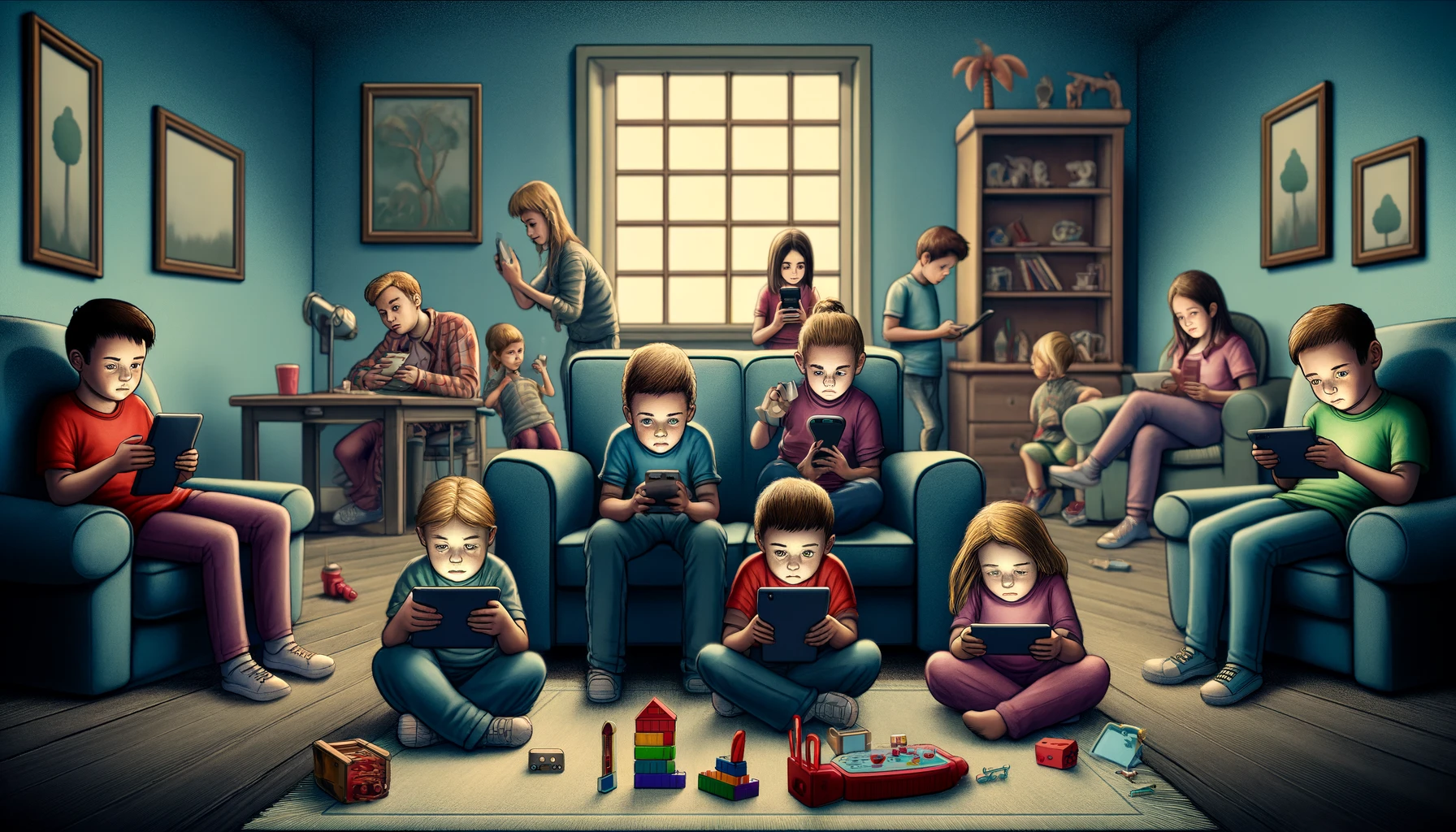
The Screen Trap 9 Social Media Trends Kids Are Doing That Experts Warn About
Image source: 123rf.com

Kids are more plugged into social media than ever before, and while some trends seem silly or harmless, others carry serious risks. From viral challenges to aesthetic pressures, what’s trending today can influence how kids think, behave, and even harm themselves or others—without fully understanding the consequences. What starts as a five-second video can lead to dangerous decisions with long-term effects. Experts are sounding the alarm on certain patterns they’re seeing again and again, especially those that fly under most parents’ radar. If you want to protect your child online, it’s important to be aware of these social media trends kids are doing—and what the red flags really look like.

1. “Devious Licks” and Other Vandalism Challenges

The “Devious Licks” trend, which encouraged students to steal or destroy school property and post videos of it online, caused thousands of dollars in damage at schools across the country. While the original trend has died down, similar variations still pop up, often disguised with new names. Kids may feel pressure to join in for likes or social acceptance, not realizing the legal or disciplinary consequences. These videos also normalize vandalism as a form of entertainment. Experts warn that such behavior can escalate quickly and lead to long-term consequences if not addressed early.

2. “What I Eat in a Day” Videos and Body Comparisons

This seemingly harmless trend involves users, often teens, showing every meal and snack they consume throughout the day. While it may appear motivational, it can quietly fuel disordered eating, body shaming, and obsession with food tracking. Many kids compare themselves to influencers or peers and begin internalizing unrealistic standards. Experts warn that this content can be especially harmful to kids struggling with self-esteem or anxiety. It’s important to monitor what types of videos your child watches and promote body-positive messages at home.

3. “In My Head” Audio and Trauma Glorification

A recent wave of TikTok trends involves kids using audio clips or text overlays to hint at emotional trauma, self-harm, or depression. These videos often romanticize or dramatize mental health struggles instead of offering real help or solutions. Experts worry that this can normalize harmful behavior or encourage kids to perform distress rather than seek support. The anonymity of posting also allows kids to avoid talking about what’s really going on. Pay attention to the tone of videos your child is engaging with and keep communication open.

4. DIY Skin Care Experiments

From using lemon juice to homemade glue masks, social media is full of viral beauty “hacks” that promise clear skin fast. Unfortunately, many of these so-called remedies are not only ineffective but also dangerous. Kids are putting toothpaste on pimples, mixing household items into scrubs, and causing burns, rashes, or long-term skin damage. Dermatologists have warned repeatedly about the risks, but the fast-paced nature of these trends makes it easy for bad information to spread. Teaching kids to question what they see online can help prevent these painful mistakes.

5. Fake Personality Tests and Data Mining Games

Some social media trends kids are doing involve fun-looking quizzes or filters that ask seemingly innocent questions—like “Which Disney villain are you?” or “What’s your love language?” These activities are often run by third-party apps or pages that collect personal data without the user’s knowledge. Kids may unknowingly reveal location info, birthdates, or personal preferences that can be used for marketing or worse. Experts stress the importance of educating kids on digital privacy and recognizing red flags. Not everything fun online is risk-free.

6. “Perfect Morning Routines” and Unrealistic Productivity

Teens and tweens are increasingly watching influencers share detailed morning or study routines that suggest you’re only successful if your day starts at 5 a.m. with a green smoothie and meditation. While these videos can be motivating, they also set up unrealistic expectations that leave many kids feeling like they’re falling short. Experts say this contributes to burnout and anxiety, especially among high-achieving students. Remind your child that productivity doesn’t equal self-worth and that routines should be flexible and personal.

7. Pranks That Cross the Line

In the name of humor, kids are sharing pranks that involve destroying others’ property, humiliating friends, or even faking emergencies. Many of these prank videos gain popularity quickly, encouraging kids to push boundaries for more views. What starts as a joke can cause real harm—both emotionally and legally. Experts warn that this can desensitize kids to empathy and respect. It’s helpful to discuss the difference between fun and hurtful humor before your child sees it online.

8. Aesthetic Overload and Identity Pressure

From “Clean Girl” to “Dark Academia” to “Soft Boy,” aesthetic trends shape how kids dress, decorate, and behave online. While some enjoy using these trends to express themselves, others feel boxed in or judged if they don’t fit the mold. Social media trends that kids are doing often lead to performance-based identities that pressure them to always appear polished or cool. Experts warn that this can chip away at self-acceptance and authenticity. Encourage your child to explore their interests without tying their value to a trend.

9. “Burner” and Finsta Accounts

Burner accounts (or “finstas”—fake Instagrams) are extra profiles where kids post content they wouldn’t share on their main accounts. These are often used to vent, gossip, or engage in risky behavior under the radar of parents and school staff. While it might seem like harmless teenage secrecy, these accounts can lead to cyberbullying, oversharing, or exposure to harmful content. Experts recommend checking in regularly, not with a lecture, but with curiosity. Trust grows when kids know you care without spying.

Looking Beyond the Scroll

Social media isn’t going away, and banning it altogether often backfires. Instead, the key to protecting your child lies in understanding the social media trends kids are using and creating space for honest conversations. When you stay informed, ask questions without judgment, and model healthy online habits, your child is more likely to come to you when something feels off. Digital awareness is a parenting skill worth building—and your relationship with your child will be stronger for it.

Which social media trend have you had to talk to your child about recently? Share your experience in the comments!

Read More:

Embarrassing Trends and Phases Everyone Went Through in Middle School

9 Parenting Beliefs That Are Harmful to Your Kids

Catherine Reed
Catherine Reed

Catherine is a tech-savvy writer who has focused on the personal finance space for more than eight years. She has a Bachelor’s in Information Technology and enjoys showcasing how tech can simplify everyday personal finance tasks like budgeting, spending tracking, and planning for the future. Additionally, she’s explored the ins and outs of the world of side hustles and loves to share what she’s learned along the way. When she’s not working, you can find her relaxing at home in the Pacific Northwest with her two cats or enjoying a cup of coffee at her neighborhood cafe.
Filed Under: Parenting Tagged With: child mental health, digital parenting, Online Safety, parenting in the digital age, parenting tips, Screen Time, social media dangers, social media trends kids are doing, teen behavior

10 Hidden Dangers of Social Media Every Parent Should Know

May 28, 2024 | Leave a Comment

DALL-E


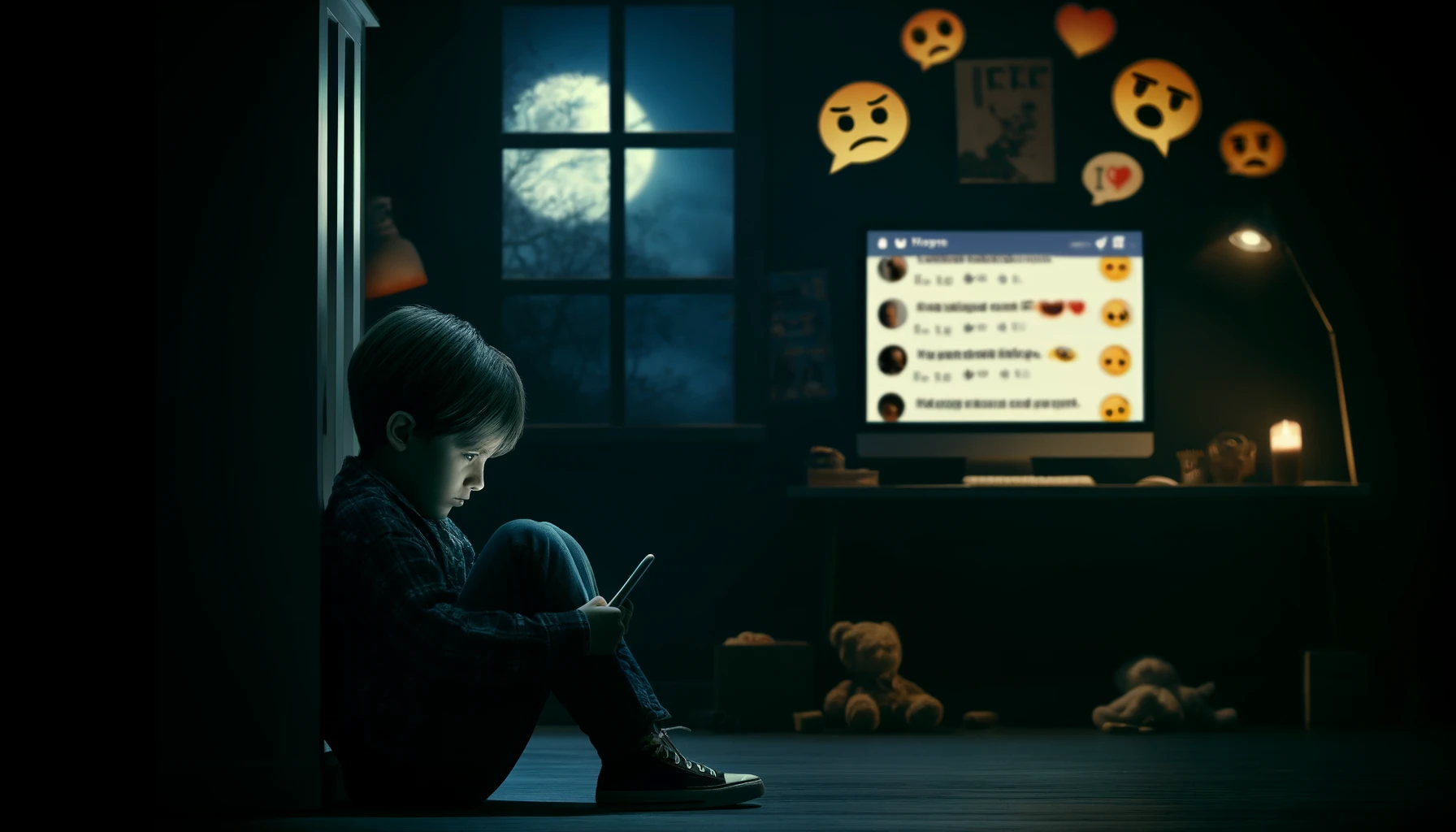
Social media has become an integral part of our daily lives, influencing how we communicate, learn, and even perceive the world around us. While it offers numerous benefits, it also harbors hidden dangers, especially for children and teenagers. As a parent, understanding these risks is crucial in ensuring your child’s safety and well-being in the digital world.

1. Cyberbullying

DALL-E

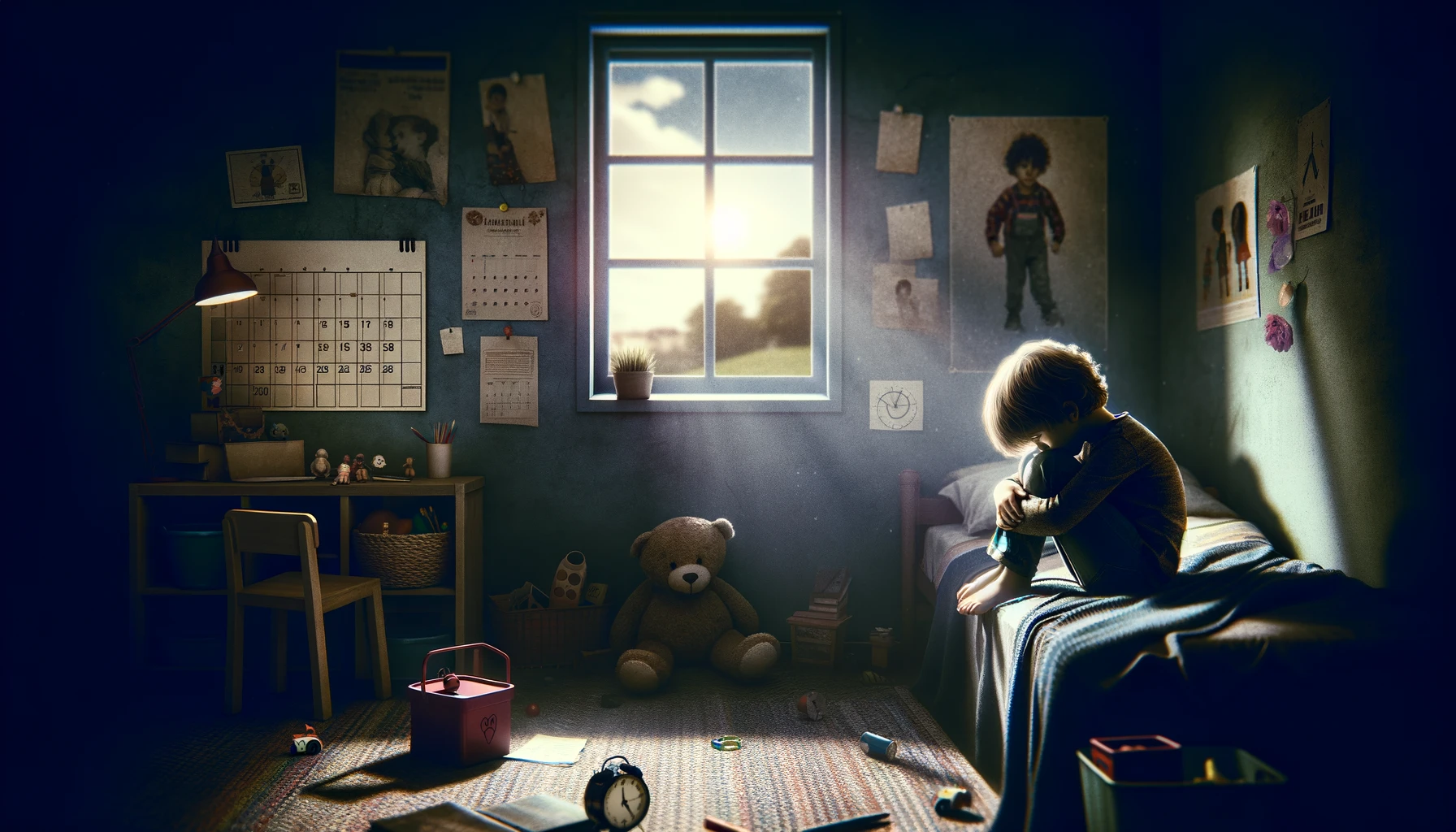
Cyberbullying is one of the most pervasive dangers on social media. Unlike traditional bullying, it can happen 24/7, leaving victims with no escape. Children may experience harassment, humiliation, and threats through comments, messages, or posts. The anonymity of the internet often emboldens bullies, making them more vicious. Cyberbullying can lead to severe emotional distress, anxiety, depression, and even suicidal thoughts. Parents need to monitor their children’s online interactions and provide a safe space for them to talk about their experiences.

2. Exposure to Inappropriate Content

123rf

Social media platforms are rife with content that may not be suitable for young viewers. This includes violent videos, explicit images, and harmful ideologies. Exposure to such content can negatively impact a child’s mental health and development. It can desensitize them to violence, skew their perceptions of reality, and expose them to unhealthy behaviors. Parents should use parental controls and content filters to help shield their children from such material.

3. Online Predators

DALL-E

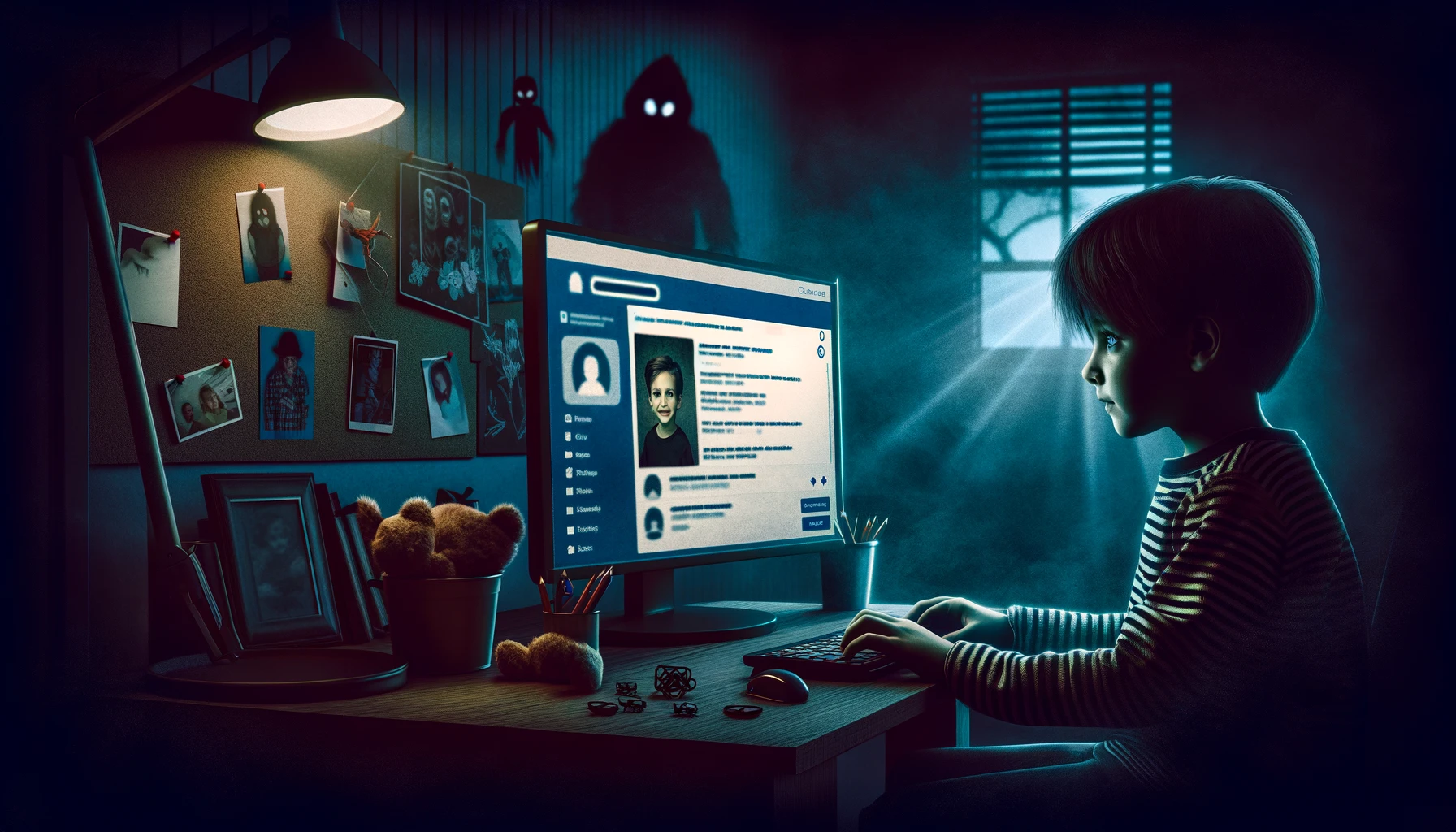
Online predators use social media to exploit and groom children. They create fake profiles to gain the trust of young users, often posing as peers or friends. These predators can manipulate children into sharing personal information, sending inappropriate images, or meeting in person. The consequences of such interactions can be devastating and long-lasting. Parents must educate their children about the dangers of interacting with strangers online and encourage open communication.

4. Privacy Concerns

DALL-E

Children often do not understand the importance of online privacy. They may share personal information, such as their location, school, or daily routines, without realizing the potential risks. This information can be used by malicious individuals for stalking, identity theft, or other harmful activities. Parents should teach their children about the importance of privacy settings and the risks of oversharing personal details.

5. Mental Health Issues

DALL-E

The constant comparison to others on social media can harm a child’s self-esteem and body image. Platforms filled with curated and filtered images often portray unrealistic standards of beauty and success. This can lead to feelings of inadequacy, depression, and anxiety among young users. Parents should encourage their children to have a healthy relationship with social media and remind them that online personas are often not reflective of reality.

6. Addiction

DALL-E

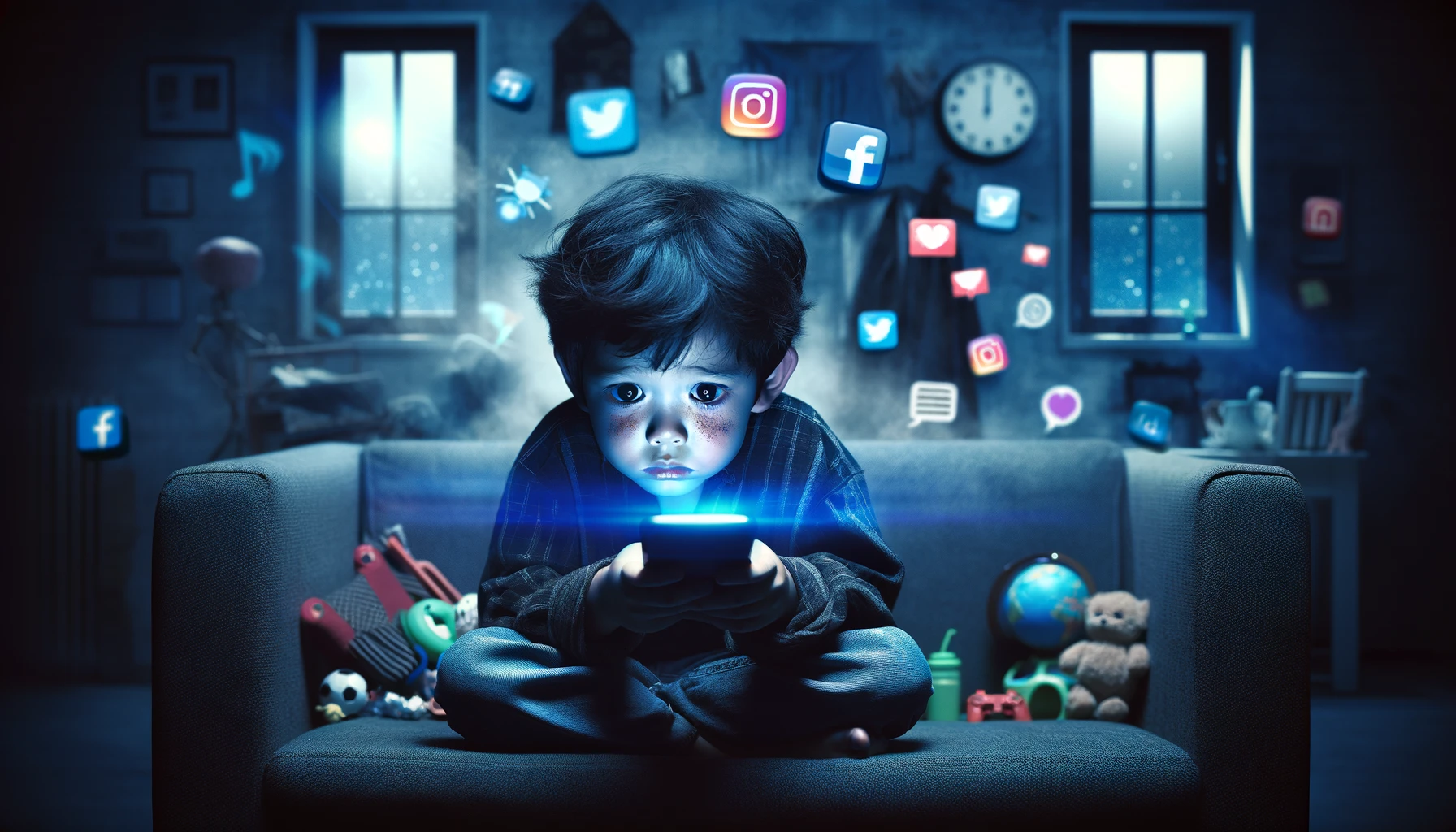
Social media addiction is a growing concern among young people. The need for constant validation and fear of missing out (FOMO) can lead to excessive use. This addiction can interfere with daily activities, such as schoolwork, physical activities, and face-to-face interactions. It can also disrupt sleep patterns and overall health. Parents should set boundaries for social media use and encourage offline activities to promote a balanced lifestyle.

7. Misinformation

123rf

Social media is a breeding ground for misinformation and fake news. Children and teenagers are particularly vulnerable to believing false information shared by peers or influencers. This can lead to misguided beliefs, risky behaviors, and a distorted understanding of the world. Parents should teach their children critical thinking skills and how to verify information from credible sources.

8. Sexting

DALL-E

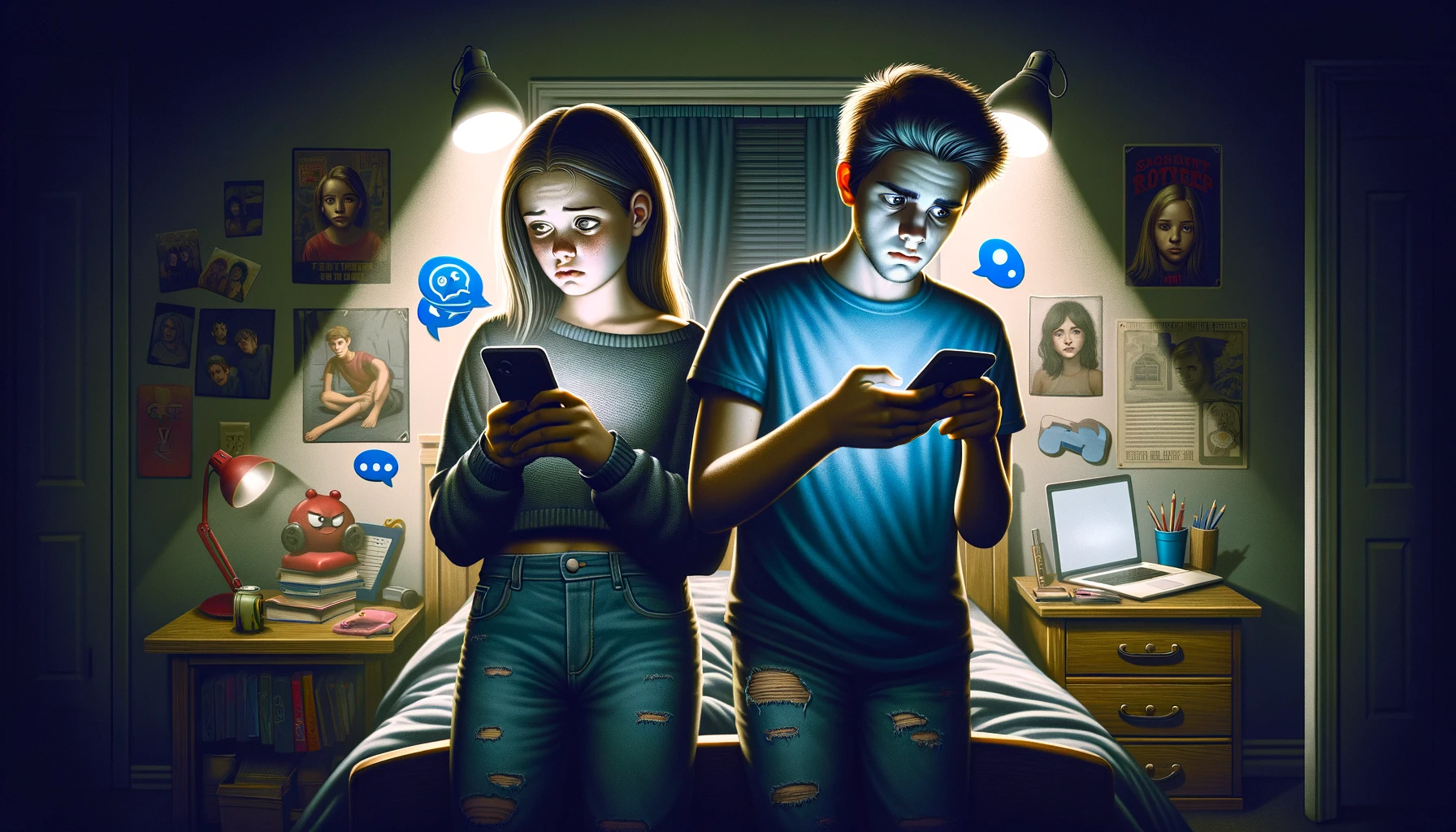
Sexting, or sending sexually explicit messages and images, is increasingly common among teenagers. This behavior can lead to serious consequences, including legal issues, cyberbullying, and emotional distress. Once shared, these images can spread quickly and be used maliciously. Parents should have open conversations about the risks of sexting and encourage responsible online behavior.

9. Loss of Real-World Social Skills

DALL-E

Excessive use of social media can hinder the development of real-world social skills. Children may become more comfortable communicating online than face-to-face, which can affect their ability to build meaningful relationships. They might struggle with empathy, effective communication, and conflict resolution. Parents should encourage their children to engage in offline social activities and develop interpersonal skills.

10. Data Mining and Exploitation

DALL-E

Many social media platforms collect vast amounts of user data, which can be exploited for commercial gain. Children’s data can be used to target them with manipulative advertisements and influence their consumer behavior. This can lead to unhealthy materialism and a skewed perception of needs and wants. Parents should educate their children about data privacy and the potential exploitation by social media companies.

Ensuring a Safe Online Experience for Your Children

DALL-E

As social media continues to evolve, so do the risks associated with its use. By understanding these hidden dangers, parents can take proactive steps to protect their children. Open communication, education, and setting boundaries are key to ensuring a safe and healthy online experience for young users. Being vigilant and involved in your child’s digital life can make all the difference in navigating the complexities of social media.

Latrice Perez

Latrice is a dedicated professional with a rich background in social work, complemented by an Associate Degree in the field. Her journey has been uniquely shaped by the rewarding experience of being a stay-at-home mom to her two children, aged 13 and 5. This role has not only been a testament to her commitment to family but has also provided her with invaluable life lessons and insights.  As a mother, Latrice has embraced the opportunity to educate her children on essential life skills, with a special focus on financial literacy.

Filed Under: Parenting Tagged With: child safety, Cyberbullying, digital parenting, Mental Health, online predators, Online Safety, parenting tips, privacy concerns, social media addiction, social media dangers

  • Facebook
  • Pinterest
  • RSS
  • Twitter

Basic Principles Of Good Parenting

Here some basic principles for good parenting:

  1. What You Do Matters: Your kids are watching you. So, be purposeful about what you want to accomplish.
  2. You Can’t be Too Loving: Don’t replace love with material possessions, lowered expectations or leniency.
  3. Be Involved Your Kids Life: Arrange your priorities to focus on what your kid’s needs. Be there mentally and physically.
  4. Adapt Your Parenting: Children grow quickly, so keep pace with your child’s development.
  5. Establish and Set Rules: The rules you set for children will establish the rules they set for themselves later.  Avoid harsh discipline and be consistent.
  6. Explain Your Decisions: What is obvious to you may not be evident to your child. They don’t have the experience you do.
  7. Be Respectful To Your Child: How you treat your child is how they will treat others.  Be polite, respectful and make an effort to pay attention.
Best Parenting Blogs

Most Popular

Baby names

Teachers Admit: These 6 Baby Names Create Instant Bias in the Classroom

Latrice Perez
6 Baby Names That Sound Cute Now but Cause Problems Later

6 Baby Names That Sound Cute Now but Cause Problems Later

Brandon Marcus
11 Ways Kids Are Outsmarting Parental Controls 1. Using Alternate Devices One common trick is simply turning to another device. If a child’s main phone or tablet is restricted, they may borrow a sibling’s, friend’s, or even a school laptop. This instantly gives them access to content outside of parental oversight. Parents often focus on one device, forgetting that others in the household can serve as loopholes. Knowing this tactic helps families tighten controls across all electronics. 2. Clearing Browsing Histories Many kids quickly learn that clearing browsing history hides evidence of restricted activity. With just a few clicks, they can erase any trace of websites visited. This makes it harder for parents to notice when rules are being broken. Parents may assume no history means no browsing, but the reality is often the opposite. Kids are outsmarting parental controls by making it seem like nothing happened at all. 3. Using Private Browsing Modes Most browsers offer “incognito” or private browsing features. Kids use this mode to access websites without leaving a record in the history. To parents checking later, everything looks clean and safe. This simple trick is often one of the first ways kids discover how to bypass restrictions. Conversations about private browsing can help close this gap. 4. Guessing or Resetting Passwords Children who are persistent may try to guess passwords to parental control apps or accounts. Others may find ways to reset them through email prompts or security questions. Once inside, they can disable restrictions entirely. Parents may not even realize controls have been altered until much later. Stronger, less predictable passwords can make this more difficult. 5. Using VPNs to Hide Activity Virtual private networks, or VPNs, let kids disguise their online locations. With one downloaded app, they can bypass geographic or parental restrictions. Some children learn about VPNs through friends or even social media. This makes it easy for them to reach content that should be blocked. Parents often underestimate just how simple it is for kids to use these tools. 6. Creating Fake Accounts When parents monitor social media, kids may create hidden accounts. These “finstas” or fake profiles allow them to interact freely without parental oversight. While their main account appears harmless, the secondary one tells a different story. Kids are outsmarting parental controls by playing both sides at once. Checking for duplicate accounts can help parents stay more aware. 7. Exploiting Time Zone Settings Some kids change the time zone on their devices to bypass screen time limits. This trick allows them to gain extra hours of usage undetected. Parents may assume controls are working, but in reality, the child is bending the clock. It’s a clever loophole that highlights just how resourceful kids can be. Monitoring device settings regularly can catch this tactic. 8. Disabling or Uninstalling Apps Parental control apps can be deleted or disabled with surprising ease. Some kids even reinstall them before a parent checks, making it seem like nothing changed. Others may simply restrict permissions to prevent apps from functioning properly. When apps aren’t monitored closely, parents may not notice they’ve been tampered with. This shows the importance of consistent follow-up. 9. Turning to Friends for Access If a child can’t get past restrictions on their own, they may rely on friends. Visiting a friend’s house or borrowing their phone can give them a free pass. Parents often forget that peer environments can override restrictions set at home. This kind of social workaround is especially common with gaming or social media. Open conversations about trust and responsibility are essential. 10. Hiding Apps in Plain Sight Kids sometimes download apps that look innocent but serve as gateways to hidden activity. These apps may disguise themselves as calculators or utilities. In reality, they allow file storage, private messaging, or browser access. Parents glancing at a home screen may overlook them entirely. Learning to recognize these disguised apps can help parents stay informed. 11. Outpacing Parents’ Tech Knowledge Finally, kids often know more about devices than their parents do. Whether through YouTube tutorials, TikTok hacks, or peer groups, they quickly learn advanced workarounds. This knowledge gap means controls can be bypassed before parents even realize the loophole exists. Staying informed and continually learning about new technology is the best defense. Kids are outsmarting parental controls because they adapt faster than most adults. The Real Solution Lies Beyond Restrictions While controls and filters are important, no system is perfect. Kids will always find creative ways around barriers, making communication the strongest safeguard. Setting clear expectations, building trust, and having ongoing conversations about online behavior matter more than apps alone. Parents who combine technology with open dialogue create a safer digital environment. The goal isn’t to win a battle of wits but to build a relationship that keeps kids both safe and honest. Do you think kids are outsmarting parental controls faster than parents can keep up? Share your experiences in the comments below. What to Read Next... 6 Parenting Tech Shortcuts That Can Expose Your Child to Strangers How Much Screen Time Is Too Much—Legally Speaking? Is Your Child’s School Quietly Tracking Their Location Without Your Consent? How Much Screen Time Is Quietly Reshaping Childhood Behavior? Why Some Parents Are Being Investigated Over Homeschooling Records

11 Ways Kids Are Outsmarting Parental Controls

Catherine Reed
Smiling grandfather holding a happy baby indoors.

Why Grandparents Shouldn’t Babysit Their Grandkids Every Week – The Unspoken Issue

Samantha
birthday gifts

7 Birthday Gifts Your Child Should Never Bring to a Party

Latrice Perez

All content on Kids Ain’t Cheap is for entertainment purposes only. By reading this blog, you agree that Kids Ain’t Cheap is not responsible for any actions taken after reading this blog. For the full disclaimer, see our privacy policy.

Please note that Kids Ain’t Cheap has financial relationships with some of the merchants mentioned here. Kids Ain’t Cheap is funded by banner advertising, commission sales and search optimization consulting.

Copyright © 2006–2026 | District Media | All Rights Reserved | Privacy Policy

Copyright © 2026 Runway Pro Theme by Viva la Violette