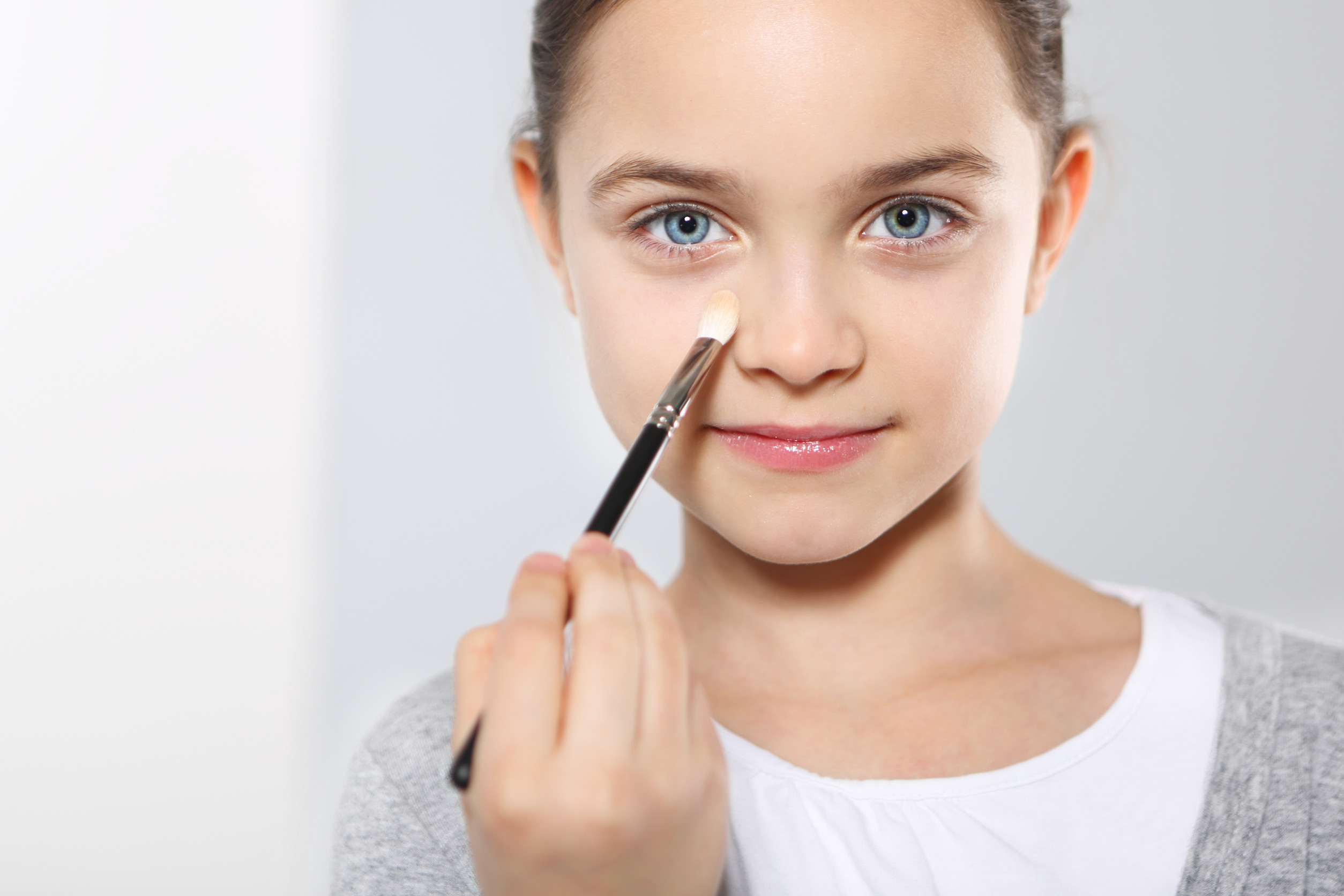
Kids are more plugged into social media than ever before, and while some trends seem silly or harmless, others carry serious risks. From viral challenges to aesthetic pressures, what’s trending today can influence how kids think, behave, and even harm themselves or others—without fully understanding the consequences. What starts as a five-second video can lead to dangerous decisions with long-term effects. Experts are sounding the alarm on certain patterns they’re seeing again and again, especially those that fly under most parents’ radar. If you want to protect your child online, it’s important to be aware of these social media trends kids are doing—and what the red flags really look like.
1. “Devious Licks” and Other Vandalism Challenges
The “Devious Licks” trend, which encouraged students to steal or destroy school property and post videos of it online, caused thousands of dollars in damage at schools across the country. While the original trend has died down, similar variations still pop up, often disguised with new names. Kids may feel pressure to join in for likes or social acceptance, not realizing the legal or disciplinary consequences. These videos also normalize vandalism as a form of entertainment. Experts warn that such behavior can escalate quickly and lead to long-term consequences if not addressed early.
2. “What I Eat in a Day” Videos and Body Comparisons
This seemingly harmless trend involves users, often teens, showing every meal and snack they consume throughout the day. While it may appear motivational, it can quietly fuel disordered eating, body shaming, and obsession with food tracking. Many kids compare themselves to influencers or peers and begin internalizing unrealistic standards. Experts warn that this content can be especially harmful to kids struggling with self-esteem or anxiety. It’s important to monitor what types of videos your child watches and promote body-positive messages at home.
3. “In My Head” Audio and Trauma Glorification
A recent wave of TikTok trends involves kids using audio clips or text overlays to hint at emotional trauma, self-harm, or depression. These videos often romanticize or dramatize mental health struggles instead of offering real help or solutions. Experts worry that this can normalize harmful behavior or encourage kids to perform distress rather than seek support. The anonymity of posting also allows kids to avoid talking about what’s really going on. Pay attention to the tone of videos your child is engaging with and keep communication open.
4. DIY Skin Care Experiments
From using lemon juice to homemade glue masks, social media is full of viral beauty “hacks” that promise clear skin fast. Unfortunately, many of these so-called remedies are not only ineffective but also dangerous. Kids are putting toothpaste on pimples, mixing household items into scrubs, and causing burns, rashes, or long-term skin damage. Dermatologists have warned repeatedly about the risks, but the fast-paced nature of these trends makes it easy for bad information to spread. Teaching kids to question what they see online can help prevent these painful mistakes.
5. Fake Personality Tests and Data Mining Games
Some social media trends kids are doing involve fun-looking quizzes or filters that ask seemingly innocent questions—like “Which Disney villain are you?” or “What’s your love language?” These activities are often run by third-party apps or pages that collect personal data without the user’s knowledge. Kids may unknowingly reveal location info, birthdates, or personal preferences that can be used for marketing or worse. Experts stress the importance of educating kids on digital privacy and recognizing red flags. Not everything fun online is risk-free.
6. “Perfect Morning Routines” and Unrealistic Productivity
Teens and tweens are increasingly watching influencers share detailed morning or study routines that suggest you’re only successful if your day starts at 5 a.m. with a green smoothie and meditation. While these videos can be motivating, they also set up unrealistic expectations that leave many kids feeling like they’re falling short. Experts say this contributes to burnout and anxiety, especially among high-achieving students. Remind your child that productivity doesn’t equal self-worth and that routines should be flexible and personal.
7. Pranks That Cross the Line
In the name of humor, kids are sharing pranks that involve destroying others’ property, humiliating friends, or even faking emergencies. Many of these prank videos gain popularity quickly, encouraging kids to push boundaries for more views. What starts as a joke can cause real harm—both emotionally and legally. Experts warn that this can desensitize kids to empathy and respect. It’s helpful to discuss the difference between fun and hurtful humor before your child sees it online.
8. Aesthetic Overload and Identity Pressure
From “Clean Girl” to “Dark Academia” to “Soft Boy,” aesthetic trends shape how kids dress, decorate, and behave online. While some enjoy using these trends to express themselves, others feel boxed in or judged if they don’t fit the mold. Social media trends that kids are doing often lead to performance-based identities that pressure them to always appear polished or cool. Experts warn that this can chip away at self-acceptance and authenticity. Encourage your child to explore their interests without tying their value to a trend.
9. “Burner” and Finsta Accounts
Burner accounts (or “finstas”—fake Instagrams) are extra profiles where kids post content they wouldn’t share on their main accounts. These are often used to vent, gossip, or engage in risky behavior under the radar of parents and school staff. While it might seem like harmless teenage secrecy, these accounts can lead to cyberbullying, oversharing, or exposure to harmful content. Experts recommend checking in regularly, not with a lecture, but with curiosity. Trust grows when kids know you care without spying.
Looking Beyond the Scroll
Social media isn’t going away, and banning it altogether often backfires. Instead, the key to protecting your child lies in understanding the social media trends kids are using and creating space for honest conversations. When you stay informed, ask questions without judgment, and model healthy online habits, your child is more likely to come to you when something feels off. Digital awareness is a parenting skill worth building—and your relationship with your child will be stronger for it.
Which social media trend have you had to talk to your child about recently? Share your experience in the comments!
Read More:
Embarrassing Trends and Phases Everyone Went Through in Middle School
9 Parenting Beliefs That Are Harmful to Your Kids

Catherine is a tech-savvy writer who has focused on the personal finance space for more than eight years. She has a Bachelor’s in Information Technology and enjoys showcasing how tech can simplify everyday personal finance tasks like budgeting, spending tracking, and planning for the future. Additionally, she’s explored the ins and outs of the world of side hustles and loves to share what she’s learned along the way. When she’s not working, you can find her relaxing at home in the Pacific Northwest with her two cats or enjoying a cup of coffee at her neighborhood cafe.
Read More

Before Kids, is often marriage, and weddings can be expensive! After Kids, sometimes mom and…

Kids around the country are enjoying winter break. While the early days of winter break…

It’s easy to get overwhelmed by parenting advice these days. Social media clips, viral posts,…

When you become a parent, there are so many things that you are now responsible…


Septic tank maintenance is one of the simplest and least obvious ways to save money.…

In today’s fast-paced world, it’s tempting to scribble a quick signature on every school form,…


Leave a Reply