
• Home
  • About Us
  • Toolkit
  • Archives
  • Advertise
  • Privacy Policy

Kids Ain't Cheap

But They Sure Are Worth It

  • Parenting
    • Baby Stuff
    • Books and Reading
      • Aesops Fables
      • Comic Books
    • Education
    • Family Time
    • Green Living
    • Growing Up
    • Healthy Living & Eating
    • Holidays
    • Parenting
    • Random Musings
    • Shopping
    • Stuff to Do
  • Money
  • Product Reviews
    • Books and Magazines
    • Discount Sites
    • Furniture
    • House Keeping
    • Reviews News
    • Toys and Games
  • Contact Us
  • Our Editorial Commitment
  • Search

Why Are So Many Parents Afraid to Discipline in Public Now?

January 1, 2026 | Leave a Comment

Why Are So Many Parents Afraid to Discipline in Public Now?
Image source: shutterstock.com

It’s not that parents suddenly stopped caring about manners or boundaries. It’s that a quick correction in the grocery store aisle can feel like stepping onto a stage where everyone has an opinion and a camera. Add in mixed messages about “gentle” parenting, fear of public judgment, and the reality that kids push limits hardest when you’re tired, and it’s easy to freeze. The good news is this: you can set limits confidently without turning into the “mean parent” you’re worried people will label. Here’s what’s driving the anxiety—and what actually helps in the moment.

1. Phones Turn Everyday Moments Into Performances

A lot of parents worry that one tense moment will end up recorded and shared without context. That fear makes discipline in public feel less like parenting and more like damage control. Even when nobody is filming, the possibility changes how parents act, because they don’t want a private family moment to become a public debate. A simple fix is to use “low-drama” language you’d be okay hearing played back: short, calm, and specific. If you need a bigger consequence, move locations first so you can follow through without an audience.

2. Public Judgment Has Become Louder and Faster

People used to offer a look or a comment, but now parents often feel surrounded by silent evaluations. The pressure makes discipline in public feel like it requires perfect wording, perfect tone, and perfect timing. That’s an impossible standard, especially with a kid who’s dysregulated or overstimulated. Try a pre-planned script like, “I hear you, and the answer is still no,” then stop explaining. The less you narrate your reasoning to strangers, the easier it is to stay steady with your child.

3. Why Discipline in Public Feels Riskier Than It Used To

Many parents fear that any correction will be misunderstood as harshness. That makes discipline in public feel risky, even when the parent is using calm words and reasonable consequences. Some parents also worry about being confronted, reported, or lectured by someone who doesn’t know their family. The practical move is to focus on safety and removal instead of debating: “We’re stepping outside to reset.” When you prioritize getting your child regulated, the rest of the store’s opinions don’t get a vote.

4. “Gentle” Parenting Got Confused With “No Boundaries”

A lot of modern parenting advice emphasizes empathy, and that part is helpful. The problem is that some people interpret empathy as never saying no, never raising a firm voice, and never enforcing consequences. That confusion makes discipline in public feel like you’ll be judged for doing something you actually have to do. A strong middle ground is “kind and firm”: acknowledge feelings, state the limit, and follow through. Your kid learns faster from consistency than from a perfectly soothing speech.

5. Parents Are Burned Out and Running on Empty

It’s hard to hold a boundary when you’re already at your limit, and public places add stress fast. When you’re exhausted, discipline in public can feel like a fight you don’t have the energy to win. Kids also sense that fatigue and may push harder because they’re hungry, bored, or overwhelmed by the outing. Build in “exit ramps” before you even go in: snacks, a time limit, and a clear expectation like “one aisle, then checkout.” If things go sideways, leaving is not failure—it’s strategy.

6. Kids Are Different, and One-Size-Fits-All Discipline Doesn’t Work

Some children melt down loudly, some argue quietly, and some go straight to sprinting away the second you blink. That variety makes discipline in public tricky because what works at home may not work in a store with bright lights and strangers. The best approach is to choose consequences you can actually enforce on the spot: holding hands, sitting in the cart, or ending the trip. Practice expectations before you enter, like “Feet stay on the floor and hands stay to yourself,” so your child knows the rule ahead of time. When you set the boundary early, you’re less likely to negotiate later.

The Goal Isn’t Perfect Parenting—It’s Confident Follow-Through

Most parents aren’t afraid of their kids; they’re afraid of the crowd. The way through that fear is having a simple plan you can repeat when your brain is tired: state the rule, name the consequence, and follow it without a speech. If you feel yourself spiraling, focus on one job—keep everyone safe—and deal with the lesson once you’re in a calmer place. Your child benefits more from steady limits than from a parent who feels trapped by other people’s opinions. When you pick consistency over performance, you get your confidence back.

What’s one situation in a store or restaurant that makes you feel the most judged as a parent—and what would help in that moment?

What to Read Next…

8 Discipline Strategies That Actually Increase Rebellion

10 Things Parents Should NEVER Do During a Public Tantrum

7 Discipline Mistakes Even Good Parents Make

Stop the Meltdowns: 7 Tantrum Triggers You’re Missing

9 Differences in How Millennial Moms and Dads Discipline

Catherine Reed
Catherine Reed

Catherine is a tech-savvy writer who has focused on the personal finance space for more than eight years. She has a Bachelor’s in Information Technology and enjoys showcasing how tech can simplify everyday personal finance tasks like budgeting, spending tracking, and planning for the future. Additionally, she’s explored the ins and outs of the world of side hustles and loves to share what she’s learned along the way. When she’s not working, you can find her relaxing at home in the Pacific Northwest with her two cats or enjoying a cup of coffee at her neighborhood cafe.
Filed Under: Parenting Tagged With: boundary setting, discipline strategies, family routines, gentle parenting, parenting confidence, parenting in public, stress management, Tantrums

8 Children’s Activities That Cause More Stress Than Joy

August 19, 2025 | Leave a Comment

8 Children’s Activities That Cause More Stress Than Joy
Image source: 123rf.com

As parents, we want our kids to enjoy activities that spark creativity, build skills, and create lasting memories. But sometimes, even with the best intentions, certain children’s activities end up causing more tension than happiness. Between high expectations, time demands, and logistical headaches, these experiences can leave both kids and parents feeling drained instead of fulfilled. Recognizing which activities tend to cause more stress than joy can help you make better choices for your family’s time and energy. Here are eight common culprits to watch out for.

1. Overly Competitive Sports Leagues

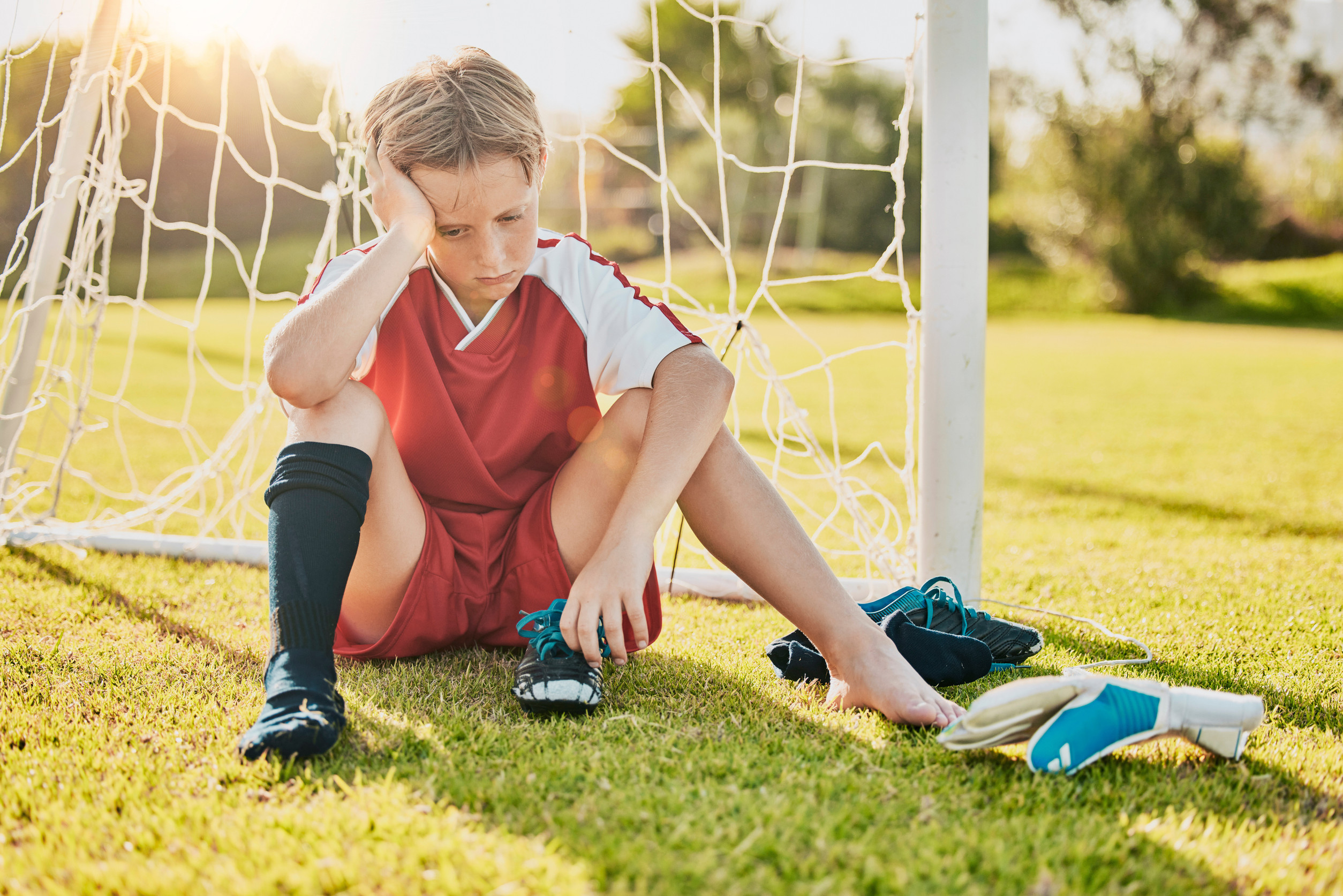
While sports can teach teamwork and perseverance, some leagues place an overwhelming emphasis on winning. This pressure can lead to anxiety, frustration, and burnout, especially for younger children still developing their skills. The rigid schedules and constant travel can also disrupt family routines. When a child feels judged solely on performance, the joy of the game fades quickly. Parents should consider leagues that focus on skill-building and fun rather than intense competition.

2. Elaborate Birthday Parties

Throwing a big birthday bash might sound like a great idea, but elaborate parties often become a major source of stress. Coordinating decorations, activities, food, and guest lists can leave parents feeling overwhelmed. For kids, large crowds and high-energy environments can trigger sensory overload. These children’s activities can turn into an exhausting marathon rather than a celebration. Scaling back to a smaller, more personal gathering often leads to a happier experience for everyone.

3. Excessive Extracurricular Commitments

Signing up for multiple clubs, classes, and practices might seem like a way to give kids a variety of experiences. In reality, an overloaded schedule leaves little time for rest, free play, or family bonding. Children may feel constant pressure to perform in each activity, while parents struggle to keep up with transportation and costs. This strain can quickly overshadow any benefits. Limiting commitments allows for deeper enjoyment and less stress.

4. Pageants and High-Pressure Performances

For some families, pageants and talent shows can be a fun tradition. However, the pressure to look perfect, perform flawlessly, and win can take a toll on a child’s self-esteem. The extensive preparation, from costumes to rehearsals, often consumes significant time and resources. These children’s activities can inadvertently teach that appearance or applause is more important than the joy of participation. Encouraging casual performances or low-pressure events may foster a healthier experience.

5. Competitive Academic Programs

Programs designed to challenge kids academically can be valuable, but too much intensity at a young age can lead to stress. Constant testing, high expectations, and comparison to peers may leave children feeling inadequate. Parents might also find themselves stressed about ensuring homework and projects are perfect. While enrichment is beneficial, it’s important to balance academics with play and downtime. Choosing programs that promote curiosity over competition can keep learning enjoyable.

6. Over-Scheduled Playdates

Playdates are meant to be a chance for kids to relax and enjoy time with friends. Yet when every moment is planned with structured games, crafts, and snacks, it can feel more like a formal event. Both children and parents may feel pressure to keep things “fun” the entire time. Spontaneous, unstructured play often results in more genuine enjoyment. Sometimes fewer planning leads to more laughter and connection.

7. Intense Summer Camps

Summer camps can offer memorable experiences, but certain ones pack in so many activities that kids come home more tired than excited. Early mornings, long days, and non-stop programming can overwhelm younger campers. These children’s activities may leave them too exhausted to enjoy the rest of their summer. Choosing camps with a slower pace or built-in downtime can make the experience more fulfilling. It’s important to match the camp’s energy level to your child’s personality and stamina.

8. Holiday Events Packed with Obligations

From parades to light shows, holiday activities can seem magical, but too many can lead to seasonal stress. Long lines, late nights, and constant rushing can leave kids cranky, and parents frazzled. Trying to fit in every event may cause families to miss the quiet moments that truly make the season special. These children’s activities often feel more like obligations than joyful traditions. Simplifying your calendar can help everyone savor the celebrations.

Choosing Joy Over Obligation

When it comes to children’s activities, more is not always better. The key is finding experiences that align with your child’s personality, interests, and comfort level while also fitting into your family’s lifestyle. Reducing unnecessary commitments and focusing on meaningful moments can transform your schedule from chaotic to enjoyable. By prioritizing joy over obligation, you give your child space to thrive and your family room to breathe.

What children’s activities have you found to be more stressful than joyful in your family? Share your thoughts in the comments.

Read More:

7 Best Outdoor Activities for Kids

10 Cozy Activities That Double as Emotional Regulation Tools

Catherine Reed
Catherine Reed

Catherine is a tech-savvy writer who has focused on the personal finance space for more than eight years. She has a Bachelor’s in Information Technology and enjoys showcasing how tech can simplify everyday personal finance tasks like budgeting, spending tracking, and planning for the future. Additionally, she’s explored the ins and outs of the world of side hustles and loves to share what she’s learned along the way. When she’s not working, you can find her relaxing at home in the Pacific Northwest with her two cats or enjoying a cup of coffee at her neighborhood cafe.

Filed Under: Parenting Tagged With: child development, children’s activities, extracurricular activities, family life, Parenting, stress management, work-life balance

  • Facebook
  • Pinterest
  • RSS
  • Twitter

Basic Principles Of Good Parenting

Here some basic principles for good parenting:

  1. What You Do Matters: Your kids are watching you. So, be purposeful about what you want to accomplish.
  2. You Can’t be Too Loving: Don’t replace love with material possessions, lowered expectations or leniency.
  3. Be Involved Your Kids Life: Arrange your priorities to focus on what your kid’s needs. Be there mentally and physically.
  4. Adapt Your Parenting: Children grow quickly, so keep pace with your child’s development.
  5. Establish and Set Rules: The rules you set for children will establish the rules they set for themselves later.  Avoid harsh discipline and be consistent.
  6. Explain Your Decisions: What is obvious to you may not be evident to your child. They don’t have the experience you do.
  7. Be Respectful To Your Child: How you treat your child is how they will treat others.  Be polite, respectful and make an effort to pay attention.
Best Parenting Blogs

Most Popular

Baby

9 Baby Names That Sound Rare Without Being Hard to Spell

Evan Morgan
Baby

9 Unusual Baby Names That Sound Like They Belong to Future CEOs

Evan Morgan
Target Store

Choking Incident Prompts Recall of 49,000 Target Gigglescape “Under the Sea” Popping Toys

Evan Morgan
Frustrated Girl

Why Some Students on the Spectrum Are Labeled With ODD

Evan Morgan
Coke Bottles

12 Things Kids Took to School in the ’70s That Would Never Be Allowed Today

Evan Morgan

All content on Kids Ain’t Cheap is for entertainment purposes only. By reading this blog, you agree that Kids Ain’t Cheap is not responsible for any actions taken after reading this blog. For the full disclaimer, see our privacy policy.

Please note that Kids Ain’t Cheap has financial relationships with some of the merchants mentioned here. Kids Ain’t Cheap is funded by banner advertising, commission sales and search optimization consulting.

Copyright © 2006–2026 | District Media | All Rights Reserved | Privacy Policy

Copyright © 2026 Runway Pro Theme by Viva la Violette