• Home
  • About Us
  • Toolkit
  • Archives
  • Advertise
  • Privacy Policy

Kids Ain't Cheap

But They Sure Are Worth It

  • Parenting
    • Baby Stuff
    • Books and Reading
      • Aesops Fables
      • Comic Books
    • Education
    • Family Time
    • Green Living
    • Growing Up
    • Healthy Living & Eating
    • Holidays
    • Parenting
    • Random Musings
    • Shopping
    • Stuff to Do
  • Money
  • Product Reviews
    • Books and Magazines
    • Discount Sites
    • Furniture
    • House Keeping
    • Reviews News
    • Toys and Games
  • Contact Us
  • Our Editorial Commitment
  • Search

Free Library Benefits That Replace Costly Children’s Activities

July 23, 2026 | Leave a Comment

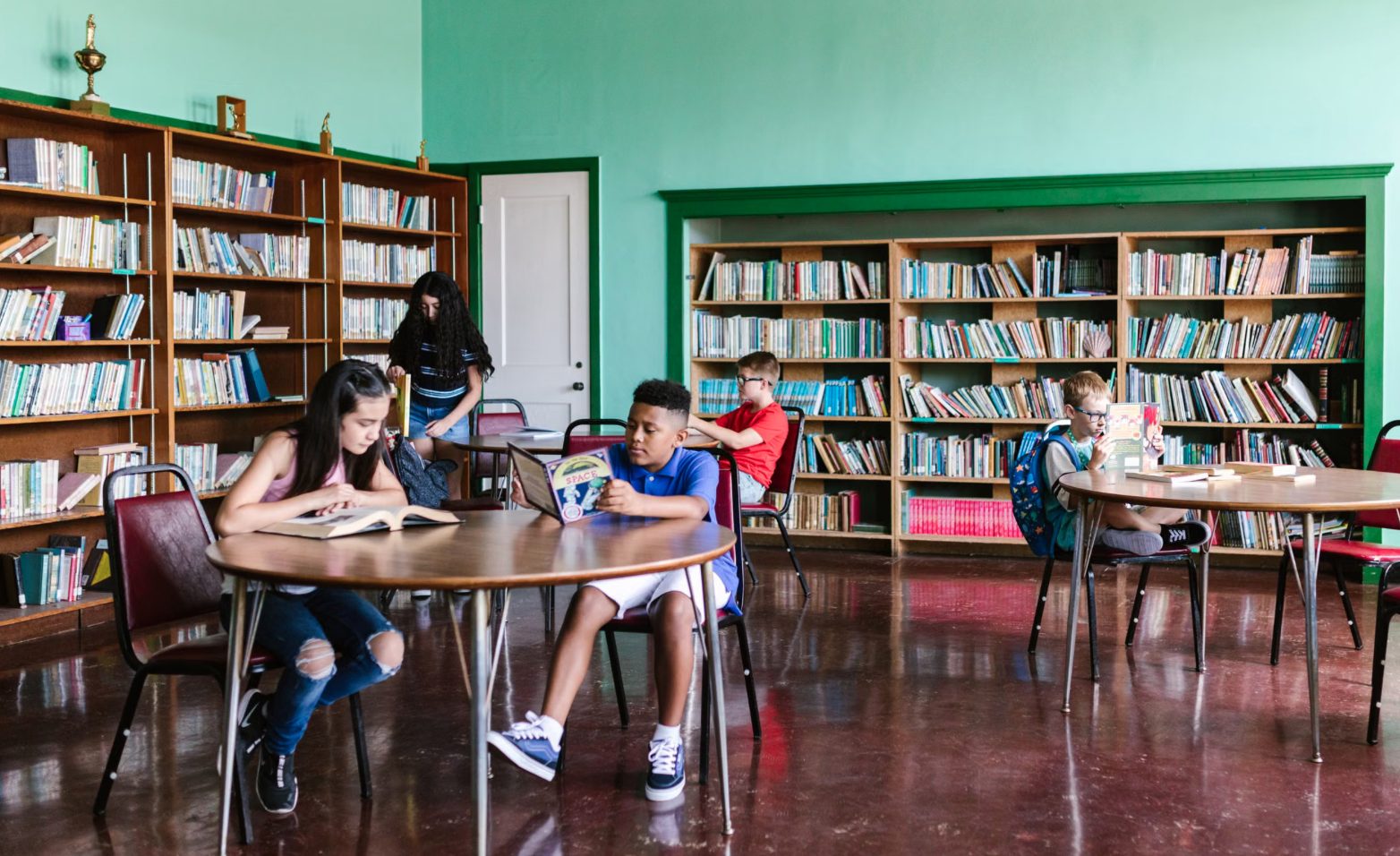
Kids At Library
Children can participate in free library activities featuring books, crafts, and STEM learning, showing how public libraries offer enriching alternatives to expensive children’s programs. (Pexels).

Finding affordable ways to keep children entertained and learning has become a growing challenge for many families. With youth sports, enrichment classes, and indoor play centers often costing hundreds of dollars each season, parents are looking for practical alternatives that don’t sacrifice quality. One of the most overlooked resources is the local public library, which has evolved far beyond shelves of books. Today’s libraries offer free children’s activities, educational technology, creative programs, and family events that can easily replace many paid experiences while saving families hundreds of dollars each year.

Storytimes and Early Learning Programs Build School-Ready Skills

Most public libraries offer free weekly storytimes designed for babies, toddlers, and preschoolers. These sessions typically include songs, movement, reading, and interactive activities that help develop language, listening, and social skills before kindergarten. Early literacy experts have long recognized shared reading as one of the strongest predictors of future reading success, making these programs both educational and enjoyable. Parents also gain practical ideas they can continue at home without purchasing expensive learning kits. Instead of paying for a preschool enrichment class, many families find library storytimes provide similar developmental benefits at no cost.

STEAM Activities Encourage Creativity Without Expensive Fees

Many libraries now host free STEAM programs focused on science, technology, engineering, art, and math. Children might build simple robots, experiment with coding, create engineering challenges using everyday materials, or complete fun science experiments under librarian guidance. The American Library Association notes that library programming continues expanding to meet educational and community needs, making these hands-on opportunities increasingly common. These activities often mirror programs that private learning centers charge $25 to $75 per session to attend. Checking your library’s monthly calendar could uncover opportunities you never realized were available.

Free Access to Books, Digital Media, and Learning Apps Saves Hundreds

A single children’s book can easily cost $15 to $20, and families with enthusiastic readers often purchase dozens every year. A library card provides access to thousands of physical books along with eBooks, audiobooks, magazines, educational databases, and kid-friendly digital platforms through services like Libby or Hoopla, depending on the library system. Many libraries also include language-learning tools, homework help resources, and educational games that would otherwise require paid subscriptions. Library cards unlock a wide range of educational services beyond borrowing books. Over the course of a year, these free library benefits can save families several hundred dollars.

Clubs, Crafts, and Social Events Replace Paid Play Centers

Libraries increasingly serve as community gathering places where children can make friends while exploring new interests. LEGO clubs, chess groups, craft afternoons, reading challenges, movie days, and seasonal celebrations provide structured entertainment that encourages creativity and teamwork. Many modern children’s departments even feature interactive play spaces with puzzles, building toys, and imaginative play stations available during regular library hours. Families often discover these activities provide the same excitement as paid indoor play venues while offering a calmer, educational environment. That combination makes free library benefits especially valuable during school breaks, rainy weekends, and summer vacation.

A Smarter Way to Spend Less While Giving Kids More

Public libraries have quietly become one of the best family resources available, offering experiences that rival many costly children’s activities without adding pressure to the household budget. Whether your child enjoys reading, science, art, technology, or simply spending time with other kids, chances are your local library offers something they’ll love. Every community’s library system is different, so it’s worth exploring the event calendar and speaking with children’s librarians about upcoming programs. Even families who already visit occasionally are often surprised by how many services they’ve overlooked. By taking advantage of these free library benefits, parents can reduce expenses while giving children enriching experiences that support learning, creativity, and lifelong curiosity.

Have you discovered an amazing free program at your local library that replaced an expensive children’s activity? Share your experience in the comments and let other families know what hidden gems they should check out.

What to Read Next

Dolly Parton’s Imagination Library Wants To Give Your Child a Free Book Every Month

The Hidden Costs of Kids’ Activities That Are Draining Family Budgets

6 After-School Activities Parents Regret Paying For (Because the “Benefits” Don’t Show Up)

Evan Morgan

Evan Morgan has been a full-time freelance writer and editor for 10+ years. When not working, he enjoys catching the latest true crime documentary or getting lost in a good book.

Filed Under: Parenting Tagged With: children’s activities, early literacy, Family Budget, free family activities, free library benefits, libraries, parenting tips, public library, Saving Money, STEAM education

8 Children’s Activities That Cause More Stress Than Joy

August 19, 2025 | Leave a Comment

8 Children’s Activities That Cause More Stress Than Joy
Image source: 123rf.com

As parents, we want our kids to enjoy activities that spark creativity, build skills, and create lasting memories. But sometimes, even with the best intentions, certain children’s activities end up causing more tension than happiness. Between high expectations, time demands, and logistical headaches, these experiences can leave both kids and parents feeling drained instead of fulfilled. Recognizing which activities tend to cause more stress than joy can help you make better choices for your family’s time and energy. Here are eight common culprits to watch out for.

1. Overly Competitive Sports Leagues

While sports can teach teamwork and perseverance, some leagues place an overwhelming emphasis on winning. This pressure can lead to anxiety, frustration, and burnout, especially for younger children still developing their skills. The rigid schedules and constant travel can also disrupt family routines. When a child feels judged solely on performance, the joy of the game fades quickly. Parents should consider leagues that focus on skill-building and fun rather than intense competition.

2. Elaborate Birthday Parties

Throwing a big birthday bash might sound like a great idea, but elaborate parties often become a major source of stress. Coordinating decorations, activities, food, and guest lists can leave parents feeling overwhelmed. For kids, large crowds and high-energy environments can trigger sensory overload. These children’s activities can turn into an exhausting marathon rather than a celebration. Scaling back to a smaller, more personal gathering often leads to a happier experience for everyone.

3. Excessive Extracurricular Commitments

Signing up for multiple clubs, classes, and practices might seem like a way to give kids a variety of experiences. In reality, an overloaded schedule leaves little time for rest, free play, or family bonding. Children may feel constant pressure to perform in each activity, while parents struggle to keep up with transportation and costs. This strain can quickly overshadow any benefits. Limiting commitments allows for deeper enjoyment and less stress.

4. Pageants and High-Pressure Performances

For some families, pageants and talent shows can be a fun tradition. However, the pressure to look perfect, perform flawlessly, and win can take a toll on a child’s self-esteem. The extensive preparation, from costumes to rehearsals, often consumes significant time and resources. These children’s activities can inadvertently teach that appearance or applause is more important than the joy of participation. Encouraging casual performances or low-pressure events may foster a healthier experience.

5. Competitive Academic Programs

Programs designed to challenge kids academically can be valuable, but too much intensity at a young age can lead to stress. Constant testing, high expectations, and comparison to peers may leave children feeling inadequate. Parents might also find themselves stressed about ensuring homework and projects are perfect. While enrichment is beneficial, it’s important to balance academics with play and downtime. Choosing programs that promote curiosity over competition can keep learning enjoyable.

6. Over-Scheduled Playdates

Playdates are meant to be a chance for kids to relax and enjoy time with friends. Yet when every moment is planned with structured games, crafts, and snacks, it can feel more like a formal event. Both children and parents may feel pressure to keep things “fun” the entire time. Spontaneous, unstructured play often results in more genuine enjoyment. Sometimes fewer planning leads to more laughter and connection.

7. Intense Summer Camps

Summer camps can offer memorable experiences, but certain ones pack in so many activities that kids come home more tired than excited. Early mornings, long days, and non-stop programming can overwhelm younger campers. These children’s activities may leave them too exhausted to enjoy the rest of their summer. Choosing camps with a slower pace or built-in downtime can make the experience more fulfilling. It’s important to match the camp’s energy level to your child’s personality and stamina.

8. Holiday Events Packed with Obligations

From parades to light shows, holiday activities can seem magical, but too many can lead to seasonal stress. Long lines, late nights, and constant rushing can leave kids cranky, and parents frazzled. Trying to fit in every event may cause families to miss the quiet moments that truly make the season special. These children’s activities often feel more like obligations than joyful traditions. Simplifying your calendar can help everyone savor the celebrations.

Choosing Joy Over Obligation

When it comes to children’s activities, more is not always better. The key is finding experiences that align with your child’s personality, interests, and comfort level while also fitting into your family’s lifestyle. Reducing unnecessary commitments and focusing on meaningful moments can transform your schedule from chaotic to enjoyable. By prioritizing joy over obligation, you give your child space to thrive and your family room to breathe.

What children’s activities have you found to be more stressful than joyful in your family? Share your thoughts in the comments.

Read More:

7 Best Outdoor Activities for Kids

10 Cozy Activities That Double as Emotional Regulation Tools

Catherine Reed
Catherine Reed

Catherine is a tech-savvy writer who has focused on the personal finance space for more than eight years. She has a Bachelor’s in Information Technology and enjoys showcasing how tech can simplify everyday personal finance tasks like budgeting, spending tracking, and planning for the future. Additionally, she’s explored the ins and outs of the world of side hustles and loves to share what she’s learned along the way. When she’s not working, you can find her relaxing at home in the Pacific Northwest with her two cats or enjoying a cup of coffee at her neighborhood cafe.

Filed Under: Parenting Tagged With: child development, children’s activities, extracurricular activities, family life, Parenting, stress management, work-life balance

  • Facebook
  • Pinterest
  • RSS
  • Twitter

Basic Principles Of Good Parenting

Here some basic principles for good parenting:

  1. What You Do Matters: Your kids are watching you. So, be purposeful about what you want to accomplish.
  2. You Can’t be Too Loving: Don’t replace love with material possessions, lowered expectations or leniency.
  3. Be Involved Your Kids Life: Arrange your priorities to focus on what your kid’s needs. Be there mentally and physically.
  4. Adapt Your Parenting: Children grow quickly, so keep pace with your child’s development.
  5. Establish and Set Rules: The rules you set for children will establish the rules they set for themselves later.  Avoid harsh discipline and be consistent.
  6. Explain Your Decisions: What is obvious to you may not be evident to your child. They don’t have the experience you do.
  7. Be Respectful To Your Child: How you treat your child is how they will treat others.  Be polite, respectful and make an effort to pay attention.
Best Parenting Blogs

Most Popular

Baby

9 Unusual Baby Names That Sound Like They Belong to Future CEOs

Evan Morgan
Baby

10 Baby Names That Were Once Considered “Grandparent Names” but Feel Cool Again

Evan Morgan
Target Store

Choking Incident Prompts Recall of 49,000 Target Gigglescape “Under the Sea” Popping Toys

Evan Morgan
Frustrated Girl

Why Some Students on the Spectrum Are Labeled With ODD

Evan Morgan
Coke Bottles

12 Things Kids Took to School in the ’70s That Would Never Be Allowed Today

Evan Morgan

All content on Kids Ain’t Cheap is for entertainment purposes only. By reading this blog, you agree that Kids Ain’t Cheap is not responsible for any actions taken after reading this blog. For the full disclaimer, see our privacy policy.

Please note that Kids Ain’t Cheap has financial relationships with some of the merchants mentioned here. Kids Ain’t Cheap is funded by banner advertising, commission sales and search optimization consulting.

Copyright © 2006–2026 | District Media | All Rights Reserved | Privacy Policy

Copyright © 2026 Runway Pro Theme by Viva la Violette