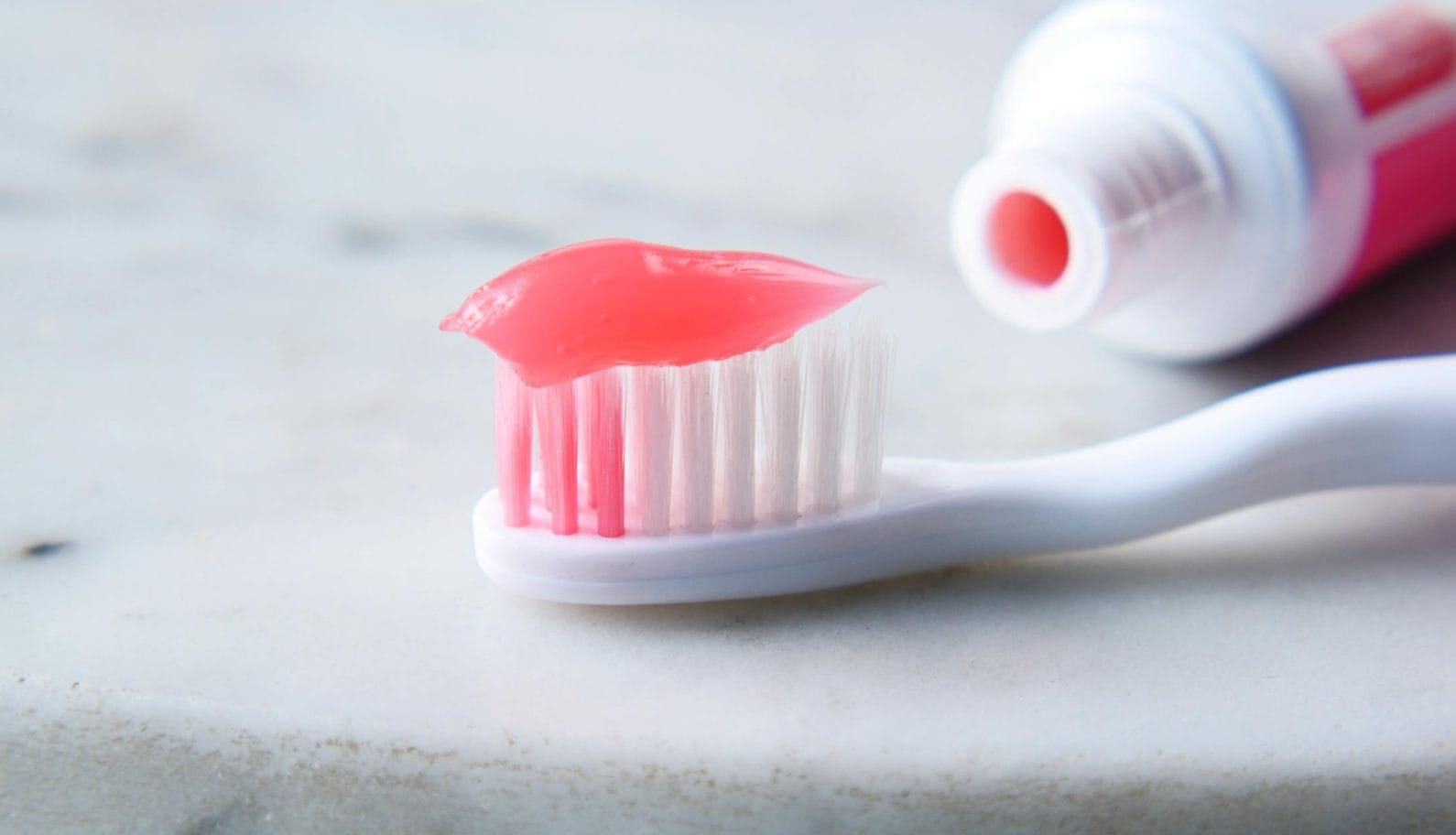
Choosing the right toothpaste for your child might seem simple, but the ingredient list can tell a much deeper story. Many parents assume that all kids’ toothpastes are created equal, especially when they feature fun flavors and colorful packaging. However, dental professionals and pediatric experts often warn that certain ingredients deserve closer attention. Understanding what goes into your child’s toothpaste can help you make smarter, safer choices. Let’s break down five ingredients experts say you should watch closely—and why they matter.
1. Fluoride: Helpful but Needs Monitoring
Fluoride is widely recognized for its ability to prevent cavities and strengthen enamel, making it a common ingredient in most toothpastes. However, experts emphasize that too much fluoride can lead to dental fluorosis, especially in young children who may swallow toothpaste. This condition can cause faint white streaks or spots on developing teeth. Parents should carefully monitor how much toothpaste their child uses, typically a rice-sized amount for toddlers and a pea-sized amount for older kids. Striking the right balance is key, as fluoride is beneficial when used correctly but problematic in excess.
2. Sodium Lauryl Sulfate (SLS): The Foaming Agent
Sodium Lauryl Sulfate, often abbreviated as SLS, is responsible for the foamy texture many people associate with “clean” teeth. While it makes brushing feel more effective, it can sometimes irritate sensitive mouths, especially in children. Some kids may experience canker sores or gum irritation linked to SLS-containing products. Experts often recommend SLS-free toothpaste for children with sensitive oral tissues or recurring mouth sores. Choosing gentler formulations can make brushing a more comfortable experience and encourage consistent oral hygiene habits.
3. Artificial Sweeteners: Flavor vs. Function
To make toothpaste more appealing to kids, manufacturers often add artificial sweeteners like saccharin or sorbitol. These ingredients improve taste without contributing to tooth decay, which sounds like a win. However, some experts caution that excessive exposure to artificial sweeteners may affect taste preferences over time. Children may begin to expect overly sweet flavors, making it harder to transition to less-sweet oral care products later. Opting for naturally flavored or mildly sweetened options can help maintain a healthier balance.
4. Titanium Dioxide: The Whitening Concern
Titanium dioxide is commonly used to give toothpaste its bright white appearance, making it look clean and appealing. While it serves a cosmetic purpose, some researchers have raised concerns about its long-term safety when ingested in large amounts. Although the risk from toothpaste is considered low, children are more likely to swallow it than adults. Experts suggest being mindful of products that rely heavily on cosmetic additives rather than functional benefits. Choosing toothpaste focused on oral health rather than appearance may be a safer route.
5. Triclosan: An Ingredient Falling Out of Favor
Triclosan was once widely used for its antibacterial properties in toothpaste and other personal care products. However, growing concerns about its potential link to hormone disruption and antibiotic resistance have led to its removal from many formulations. While it is less common today, some products may still contain it or similar compounds. Experts recommend avoiding triclosan altogether, especially for children, as safer alternatives are readily available. Reading labels carefully can help ensure your child isn’t exposed to unnecessary risks.
Making Smarter Choices for Your Child’s Smile
Navigating the world of kids’ toothpaste doesn’t have to be overwhelming, but it does require a bit of attention to detail. By understanding which ingredients to watch and why they matter, you can make more informed decisions for your child’s oral health. Small changes, like choosing a gentler formula or monitoring how much toothpaste your child uses, can make a big difference over time. Remember, the goal is to create healthy habits that last a lifetime. A little extra awareness today can help protect your child’s smile for years to come.
What’s in your child’s toothpaste right now—and have you checked the label recently? Do you feel confident about the ingredients your family uses every day? Share your thoughts, questions, or favorite toothpaste brands in the comments below.
What to Read Next
Nurses Warn: 5 Hospital Items You Now Pay For That Used to Be Free
The Screen Trap: 9 Social Media Trends Kids Are Doing That Experts Warn About
Toddler Danger: 8 Everyday Products Dangerous for Toddlers

Evan Morgan has been a full-time freelance writer and editor for 10+ years. When not working, he enjoys catching the latest true crime documentary or getting lost in a good book.
