• Home
  • About Us
  • Toolkit
  • Archives
  • Advertise
  • Privacy Policy

Kids Ain't Cheap

But They Sure Are Worth It

  • Parenting
    • Baby Stuff
    • Books and Reading
      • Aesops Fables
      • Comic Books
    • Education
    • Family Time
    • Green Living
    • Growing Up
    • Healthy Living & Eating
    • Holidays
    • Parenting
    • Random Musings
    • Shopping
    • Stuff to Do
  • Money
  • Product Reviews
    • Books and Magazines
    • Discount Sites
    • Furniture
    • House Keeping
    • Reviews News
    • Toys and Games
  • Contact Us
  • Our Editorial Commitment
  • Search

Still Using These Kids’ Toothpastes? 5 Ingredients Experts Say to Watch Closely

April 7, 2026 | Leave a Comment

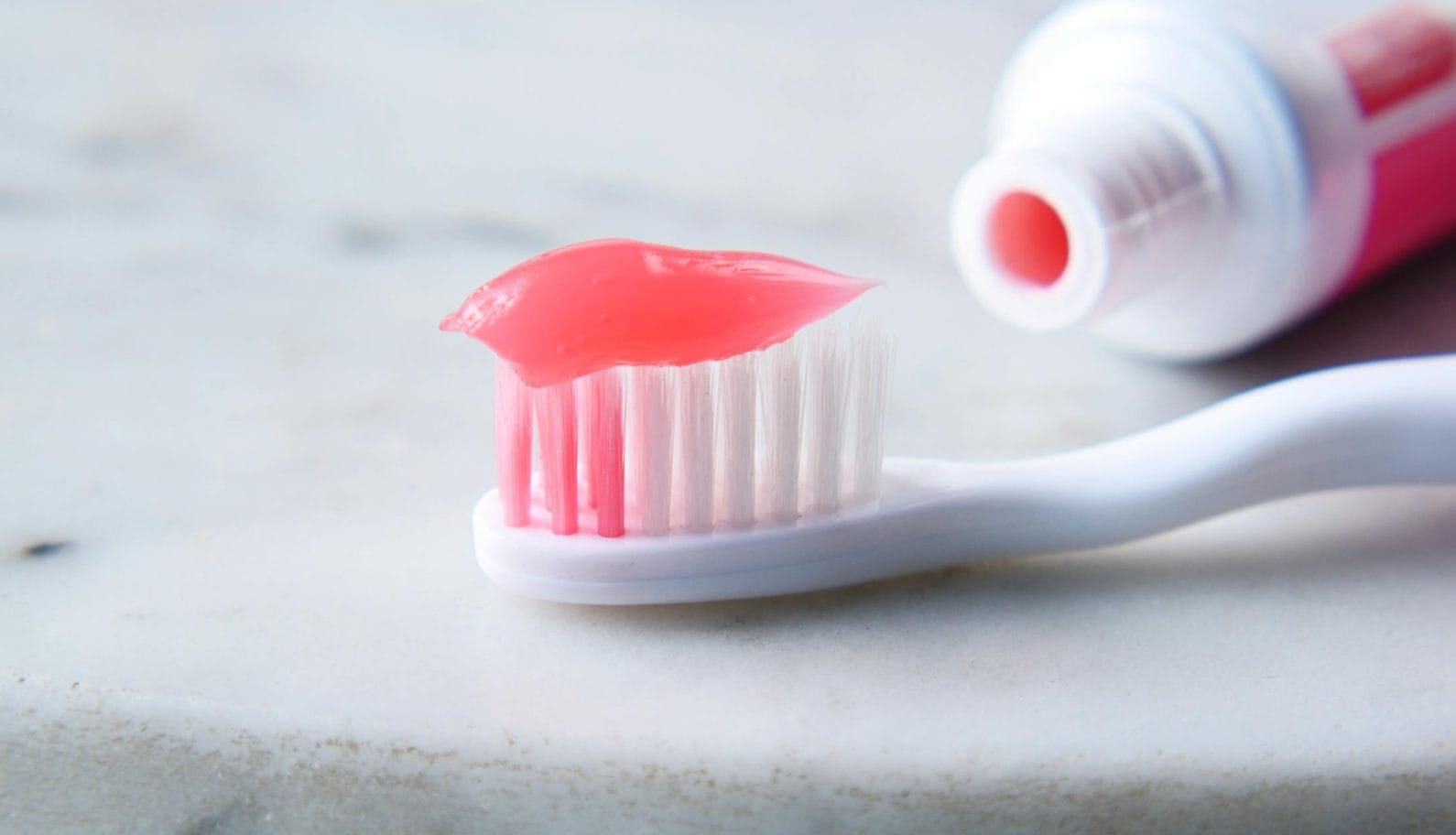
Toothpaste
Image Source: Pexels

Choosing the right toothpaste for your child might seem simple, but the ingredient list can tell a much deeper story. Many parents assume that all kids’ toothpastes are created equal, especially when they feature fun flavors and colorful packaging. However, dental professionals and pediatric experts often warn that certain ingredients deserve closer attention. Understanding what goes into your child’s toothpaste can help you make smarter, safer choices. Let’s break down five ingredients experts say you should watch closely—and why they matter.

1. Fluoride: Helpful but Needs Monitoring

Fluoride is widely recognized for its ability to prevent cavities and strengthen enamel, making it a common ingredient in most toothpastes. However, experts emphasize that too much fluoride can lead to dental fluorosis, especially in young children who may swallow toothpaste. This condition can cause faint white streaks or spots on developing teeth. Parents should carefully monitor how much toothpaste their child uses, typically a rice-sized amount for toddlers and a pea-sized amount for older kids. Striking the right balance is key, as fluoride is beneficial when used correctly but problematic in excess.

2. Sodium Lauryl Sulfate (SLS): The Foaming Agent

Sodium Lauryl Sulfate, often abbreviated as SLS, is responsible for the foamy texture many people associate with “clean” teeth. While it makes brushing feel more effective, it can sometimes irritate sensitive mouths, especially in children. Some kids may experience canker sores or gum irritation linked to SLS-containing products. Experts often recommend SLS-free toothpaste for children with sensitive oral tissues or recurring mouth sores. Choosing gentler formulations can make brushing a more comfortable experience and encourage consistent oral hygiene habits.

3. Artificial Sweeteners: Flavor vs. Function

To make toothpaste more appealing to kids, manufacturers often add artificial sweeteners like saccharin or sorbitol. These ingredients improve taste without contributing to tooth decay, which sounds like a win. However, some experts caution that excessive exposure to artificial sweeteners may affect taste preferences over time. Children may begin to expect overly sweet flavors, making it harder to transition to less-sweet oral care products later. Opting for naturally flavored or mildly sweetened options can help maintain a healthier balance.

4. Titanium Dioxide: The Whitening Concern

Titanium dioxide is commonly used to give toothpaste its bright white appearance, making it look clean and appealing. While it serves a cosmetic purpose, some researchers have raised concerns about its long-term safety when ingested in large amounts. Although the risk from toothpaste is considered low, children are more likely to swallow it than adults. Experts suggest being mindful of products that rely heavily on cosmetic additives rather than functional benefits. Choosing toothpaste focused on oral health rather than appearance may be a safer route.

5. Triclosan: An Ingredient Falling Out of Favor

Triclosan was once widely used for its antibacterial properties in toothpaste and other personal care products. However, growing concerns about its potential link to hormone disruption and antibiotic resistance have led to its removal from many formulations. While it is less common today, some products may still contain it or similar compounds. Experts recommend avoiding triclosan altogether, especially for children, as safer alternatives are readily available. Reading labels carefully can help ensure your child isn’t exposed to unnecessary risks.

Making Smarter Choices for Your Child’s Smile

Navigating the world of kids’ toothpaste doesn’t have to be overwhelming, but it does require a bit of attention to detail. By understanding which ingredients to watch and why they matter, you can make more informed decisions for your child’s oral health. Small changes, like choosing a gentler formula or monitoring how much toothpaste your child uses, can make a big difference over time. Remember, the goal is to create healthy habits that last a lifetime. A little extra awareness today can help protect your child’s smile for years to come.

What’s in your child’s toothpaste right now—and have you checked the label recently? Do you feel confident about the ingredients your family uses every day? Share your thoughts, questions, or favorite toothpaste brands in the comments below. 

What to Read Next

Nurses Warn: 5 Hospital Items You Now Pay For That Used to Be Free

The Screen Trap: 9 Social Media Trends Kids Are Doing That Experts Warn About

Toddler Danger: 8 Everyday Products Dangerous for Toddlers

Evan Morgan

Evan Morgan has been a full-time freelance writer and editor for 10+ years. When not working, he enjoys catching the latest true crime documentary or getting lost in a good book.
Filed Under: Parenting Tagged With: children hygiene, dental care, fluoride safety, healthy habits, kids toothpaste, oral health, parenting tips, toothpaste ingredients

Oral Care for Older Children and Adults

April 16, 2013 | Leave a Comment

Source: Free Digital Photos
Source: <a href="http://www.freedigitalphotos.net/images/Healthy_Living_g284-Smiling_Woman_With_Toothbrush_p116390.html">Free Digital Photos</a>

To continue with April’s oral health month series, today I’m discussing oral care for older children and adults. In case you missed it last week, I did a post on oral hygiene for children and what to expect from their first dental visit. 

At the office I work at, I see all walks of life. The richest and poorest of our great city. The diversification is refreshing and keeps my job interesting. Our health doesn’t discriminate based on our financial background. I see very wealthy people with terrible oral hygiene and people living in poverty with fantastic oral health. Some things are the same regardless of our socioeconomic status. Like having to care for our teeth.


The Basics of Older Children Oral Care

Good oral hygiene starts with the basics of brushing and flossing. Brush at least twice a day, floss once. Do it well. Brushing and flossing are not areas to slack. If done properly it won’t take more than five minutes total out of your entire day. A set of healthy teeth and gums is worth five minutes.

Electric toothbrushes really do live up to their hype. For the average individual, brushing with an electric toothbrush will be more effective than manual brushing.

Flossing is important. Your toothbrush is unable to reach in between your teeth where a majority of the bacteria laden plaque lives. We ask you to floss at least once every 24 hours to disturb the plaques formation not allowing it to harden into calculus (or tartar).

You don’t have to use traditional floss. Individual flossers, soft picks, tooth picks, anything that fits in between your teeth. I don’t care, just do it everyday. Before or after brushing, it doesn’t matter just do it! This is a great visual resource about proper brushing and flossing.


Caring for Orthodontics

Caring for teeth while wearing braces is a bit more of a challenge but it is more important than ever to care for your teeth. If you don’t effectively remove the plaque from the area around the brackets on your tooth’s surface, decay can happen. There is nothing worse than seeing beautiful straight teeth, and years worth of work, be overshadowed by bright white squares on the tooth from decalcification.

While there are special orthodontic toothbrushes (both manual and electric) a regular toothbrush, with a slightly modified technique will work just fine. My personal favorite tool for helping remove plaque and small food particles from braces, is an ‘end tuft’ brush. Essentially it is a tiny toothbrush but works well to get around the brackets and wires.

Once braces are removed and you’re into a retainer keeping it clean and plaque free is equally important. Rinse it in water and use a toothbrush to remove soft plaque. Bring it to all future dental appointments so they can observe how it is fitting and professionally clean it for you in their ultrasonic cleaner while you are in your appointment.


I Have No Teeth!

I have two edentulous patients who see me once a year. Just because they have no teeth doesn’t mean the may not have other issues. Unfortunately dentures are not just for older people. You would be surprised at the number of young individuals in partial or complete dentures.

Dentures need to be maintained and oral exams are very important. Even if you have no teeth, I recommend seeing a dentist once a year for a quick exam and denture fitting or adjustment.

Complete dentures need to be removed for a few hours everyday. Ideally overnight but I respect that some people, women especially, aren’t comfortable removing their teeth in front of their spouse. It can be a very self conscious thing. If you can’t remove your dentures overnight, take them out for a few hours while cleaning the house, cooking, bathing. It is important to allow your tissues to breath.

Clean dentures regularly to remove plaque and food debris.


Sports

Mouthguards are invaluable. Having a custom mouthguard made by your dentist or hygienist ensures your teeth and head are protected. I don’t think I need to explain the detriments of concussions, or the importance of having a family photo done without a gap toothed smile.

Good oral hygiene at all ages is so important for your overall health. Though starting young is ideal, it is never too late to start caring for your teeth and overall oral health!

Money saving tip: Clean retainers, dentures, mouth guards and bite plates with a regular toothbrush and mouthwash or dish soap. Rinse well!

Catherine
Catherine

Catherine is a first time momma to a rambunctious toddler. When she isn’t soaking up all that motherhood has to offer, you can find her blogging over at Plunged in Debt where she chronicles her and her husbands journey out of debt. You can also follow her on Twitter.

plungedindebt.com

Filed Under: Medical Tagged With: dental care, Oral Care

Tips for Getting Your Kids Excited About Going to the Dentist

January 13, 2011 | 1 Comment

Don't let your kids fear the dentistI have a confession; I love going to the dentist. Most people look at me like I’m crazy when I divulge that little tidbit — but it’s true! I absolutely enjoy getting my teeth cleaned. My favorite part is the gritty polishing toothpaste. To me, it’s like having a spa treatment for my teeth.  I honestly, don’t even mind going to the dentist when I have to get other work done.

I do know that there are people out there who feel the exact opposite. Considering some of the stories I’ve heard; I can’t say that I blame some of them. Not only do they dislike going to the dentist; they actually fear it. Are you one of those people?

I think the reason I like going to the dentist, probably has a lot to do with the fact that I’ve had pretty good experiences. I have sincerely liked all of my dentists, and I’ve really never had any major issues.  My teeth are not perfect. I’ve had my share of cavities, I had extensive orthodontic treatments when I was younger, and getting my wisdom teeth out (all four at once) was a major pain – but all in all, things haven’t been too bad.

Many times when people fear going to the dentist, they put off getting necessary treatments done. These can then grow into bigger —  more painful issues. When they finally can’t take it anymore – and absolutely must go to the dentist – what they had feared would happen (usually pain) can sometimes become a reality.

I really wanted our boys to look forward to going to the dentist. I decided to do my best to make it a fun, and positive experience from the very the first time they sat their little tushies in the dentist chair. I really hope that instilling good dental habits, and getting them comfortable with going for routine check-ups, will help prevent bigger issues; which can then lead to disliking or fearing the dentist.

Here are a few tips that can help your kiddos excited about the dentist.

Start Early

As soon that first little pearly white, makes it’s grand appearance, start brushing. Be sure you use an age appropriate toothbrush and children under the age of 2 should not use a fluoride toothpaste. Getting children used to having their teeth brushed will make it easier for you and the dentist later on.

Educate Yourself

Visit the Parent Resource Center on the American Academy of Pediatric Dentistry web site. There you will find straight forward answers from the experts.

You’ll also want to begin your search for the right dentist. Taking your child to a pediatric dentist is ideal. Their offices are usually colorful and full of all kinds of things kids love; toys, cartoons, and video games. Ask as many questions as you need to; to feel confident that your child will receive excellent dental care.

Educate Your Child

Take a trip to your local library or visit amazon.com to find books and/or videos about going to the dentist. These can be a helpful tool in getting your child familiar with the dentist and what to expect when they make their first visit.

In addition, many dental offices are happy to schedule an introduction visit for your child. This is a time when you and your child can go in, they can sit in the dentist chair, see and learn about the different tools the dentist uses, and just get a feel for how things work.

No matter what your past dental experiences may have been, it is important that you do not to project your dental fears onto your child. Keeping a positive attitude, and ensuring your child knows what to expect, can help prepare them for their first visit and get them excited about going to the dentist.

Here’s a great book that can be found on Amazon.com. Just click on the book for more information.

The Berenstain Bears Visit the Dentist (First Time Books(R)) – Paperback (Oct. 12, 1981) by Stan Berenstain and Jan Berenstain

What are some things you have done to get your child excited about going to the dentist or the doctor? Do your kids like going to the dentist? Does your child have a favorite book about going to the dentist?


Brian
Brian

Brian is the founder of Kids Ain’t Cheap and is now sharing his journey through parenthood.

 
Email • Google + • Facebook • Twitter

Filed Under: Healthy Living & Eating Tagged With: brushing, dental care, Dentist, Fear, Teeth, Toothbrush, toothpaste

  • Facebook
  • Pinterest
  • RSS
  • Twitter

Basic Principles Of Good Parenting

Here some basic principles for good parenting:

  1. What You Do Matters: Your kids are watching you. So, be purposeful about what you want to accomplish.
  2. You Can’t be Too Loving: Don’t replace love with material possessions, lowered expectations or leniency.
  3. Be Involved Your Kids Life: Arrange your priorities to focus on what your kid’s needs. Be there mentally and physically.
  4. Adapt Your Parenting: Children grow quickly, so keep pace with your child’s development.
  5. Establish and Set Rules: The rules you set for children will establish the rules they set for themselves later.  Avoid harsh discipline and be consistent.
  6. Explain Your Decisions: What is obvious to you may not be evident to your child. They don’t have the experience you do.
  7. Be Respectful To Your Child: How you treat your child is how they will treat others.  Be polite, respectful and make an effort to pay attention.
Best Parenting Blogs

Most Popular

Baby Girl

12 “Grandma” Baby Names That Are Suddenly Cool Again

Evan Morgan
Baby

9 Baby Names That Sound Rare Without Being Hard to Spell

Evan Morgan
Target Store

Choking Incident Prompts Recall of 49,000 Target Gigglescape “Under the Sea” Popping Toys

Evan Morgan
Frustrated Girl

Why Some Students on the Spectrum Are Labeled With ODD

Evan Morgan
Coke Bottles

12 Things Kids Took to School in the ’70s That Would Never Be Allowed Today

Evan Morgan

All content on Kids Ain’t Cheap is for entertainment purposes only. By reading this blog, you agree that Kids Ain’t Cheap is not responsible for any actions taken after reading this blog. For the full disclaimer, see our privacy policy.

Please note that Kids Ain’t Cheap has financial relationships with some of the merchants mentioned here. Kids Ain’t Cheap is funded by banner advertising, commission sales and search optimization consulting.

Copyright © 2006–2026 | District Media | All Rights Reserved | Privacy Policy

Copyright © 2026 Runway Pro Theme by Viva la Violette