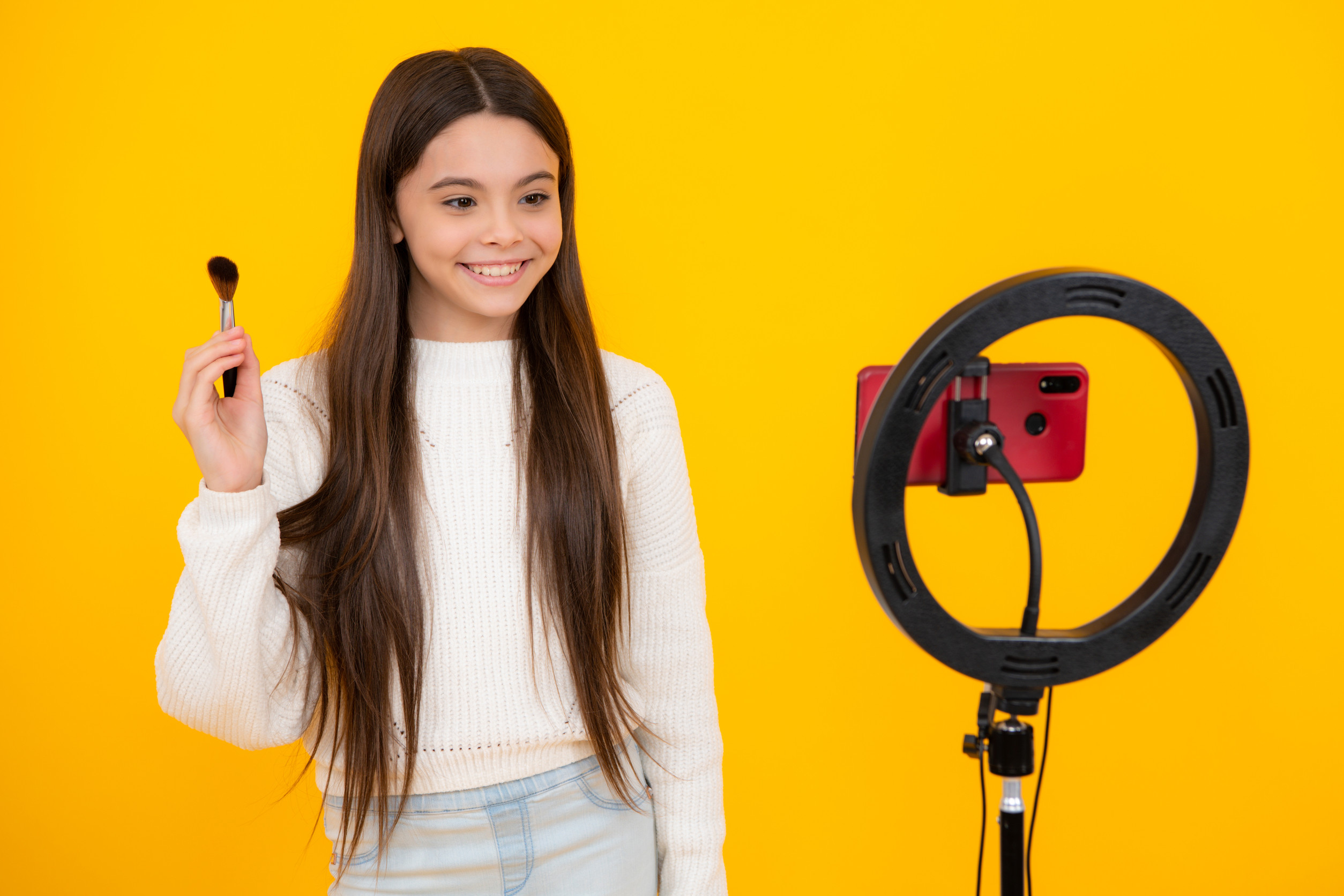
TikTok has become a digital playground where kids spend hours scrolling through dance challenges, viral memes, and life hacks. But mixed in with the entertaining content are toxic trends that can sneak into your child’s behavior without anyone realizing it. The platform’s short-form format is designed to hook attention fast, which means harmful attitudes and language can be repeated and normalized before a parent even knows what’s going on. As part of digital parenting, keeping an eye on how TikTok is shaping your child’s mindset is more important than ever. The first step is recognizing the signs that something is off.
Toxic content on TikTok doesn’t always come in loud or obvious packages. Sometimes it’s cloaked in humor, framed as “just a joke,” or hidden behind influencers who seem charming but push harmful ideas. Kids and teens are especially susceptible because they’re still developing critical thinking skills and self-identity. When toxic behavior is packaged with likes, followers, and popularity, it can feel aspirational rather than alarming. Here are six clues that TikTok may be influencing your child in unhealthy ways.
1. Sudden Use of Cruel or Mocking Humor
If your child starts making jokes at someone else’s expense or using sarcasm that punches down instead of up, it might be more than just a phase. Many TikTok trends revolve around “roasting,” prank videos, or reaction content that rewards cruel humor with likes and shares. While laughter can be bonding, kids sometimes mistake mean-spirited content for cleverness. If their jokes start to lack empathy, or they seem dismissive when someone gets hurt, it’s worth a conversation. Digital parenting means helping kids understand the difference between funny and harmful.
2. Constant Imitation of Influencers
Kids naturally mimic what they see, but it can become a red flag when they begin copying influencers’ voices, attitudes, or even dramatic gestures excessively. Repeating toxic catchphrases, mimicking entitled or disrespectful behavior, or idolizing creators who thrive on negativity are all signs of deeper influence. Influencers often exaggerate their personalities for entertainment, but kids may adopt that persona in real life. If your child is acting like they’re “on camera” all the time, it’s time to ask what kind of content they’re watching. Real identity can get lost when everything feels like a performance.
3. Dismissive or Defiant Attitude Toward Adults
Some TikTok content glamorizes rebellion and ridicules authority figures. While a little independence is healthy, if your child starts rolling their eyes at every request or treats adult opinions as outdated or irrelevant, it may not be just adolescence. Defiance influenced by social media often comes with snarky retorts or exaggerated gestures picked up from viral creators. Digital parenting calls for guiding kids to question respectfully, not reject anyone who tells them no. Watch for sudden shifts in tone, especially if their behavior toward teachers or family members changes.
4. Obsession With Clout, Fame, or Going Viral
TikTok constantly rewards outrageous behavior with attention, and some kids begin measuring their value by views, followers, or potential “likes.” If your child seems fixated on becoming famous or starts taking risks just to get noticed online, they may be internalizing toxic social validation habits. This can show up as desperate attempts to be funny, controversial, or even mean for shock value. The desire for digital popularity shouldn’t come at the cost of real-world character. Conversations about self-worth and healthy self-esteem are critical when social media starts influencing motivation.
5. Mimicking Gender Stereotypes or Problematic Trends
TikTok is notorious for pushing exaggerated versions of gender roles—like the emotionally unavailable “alpha male” or the overly materialistic “baddie.” If your child begins talking in extremes about what boys or girls should be, it’s worth digging into where those ideas are coming from. Toxic masculinity and hyper-sexualized content may seem like a joke, but the repetition shapes thinking. Kids need help breaking down harmful stereotypes and seeing the value in being themselves. Digital parenting includes teaching kids how to spot manipulation wrapped in entertainment.
6. Emotional Reactivity and Online Drama Spillover
TikTok trends sometimes fuel unnecessary drama, turning every disagreement into a public performance. If your child is suddenly more reactive, blowing small issues out of proportion, or even trying to create drama themselves, it might be a sign they’re absorbing toxic behavior. Social media can make conflict feel exciting instead of stressful, which is dangerous for kids still learning emotional regulation. If family life starts to feel like a reality show, it’s time to step in. Teaching emotional awareness and offline coping skills becomes essential in these moments.
It’s Not About Banning—It’s About Guiding
You don’t have to delete TikTok from your child’s life to protect them. In fact, digital parenting thrives on connection, not control. The key is talking openly about what they’re watching, asking questions, and helping them think critically about the messages behind the entertainment. Toxic content loses power when kids have the tools to recognize and reject it. The goal isn’t to raise kids who never use social media—it’s to raise kids who know how to use it without losing themselves.
Have you noticed your kids picking up odd behavior from social media? What surprised you the most? Let us know in the comments!
Read More:
Should Parents Be Fined for Their Kids’ TikTok Pranks?
10 Hidden Dangers of Social Media Every Parent Should Know

Catherine is a tech-savvy writer who has focused on the personal finance space for more than eight years. She has a Bachelor’s in Information Technology and enjoys showcasing how tech can simplify everyday personal finance tasks like budgeting, spending tracking, and planning for the future. Additionally, she’s explored the ins and outs of the world of side hustles and loves to share what she’s learned along the way. When she’s not working, you can find her relaxing at home in the Pacific Northwest with her two cats or enjoying a cup of coffee at her neighborhood cafe.
