• Home
  • About Us
  • Toolkit
  • Archives
  • Advertise
  • Privacy Policy

Kids Ain't Cheap

But They Sure Are Worth It

  • Parenting
    • Baby Stuff
    • Books and Reading
      • Aesops Fables
      • Comic Books
    • Education
    • Family Time
    • Green Living
    • Growing Up
    • Healthy Living & Eating
    • Holidays
    • Parenting
    • Random Musings
    • Shopping
    • Stuff to Do
  • Money
  • Product Reviews
    • Books and Magazines
    • Discount Sites
    • Furniture
    • House Keeping
    • Reviews News
    • Toys and Games
  • Contact Us
  • Our Editorial Commitment
  • Search

The Hidden Truth: 8 Everyday Products Poisonous To Toddlers

July 23, 2025 | Leave a Comment

The Hidden Truth 8 Everyday Products Poisonous To Toddlers
Image source: 123rf.com

Your home may feel safe, but many of the everyday products you use can be surprisingly dangerous to your toddler. Kids explore the world with their hands and mouths, often tasting or touching things you’d never expect. The trouble is, many household items—cleaners, cosmetics, and even plants—can cause serious health issues if swallowed, inhaled, or spilled. And it doesn’t always take a large amount to do damage. Let’s look at eight common products poisonous to toddlers that you may want to move, lock up, or swap out.

1. Laundry Detergent Pods

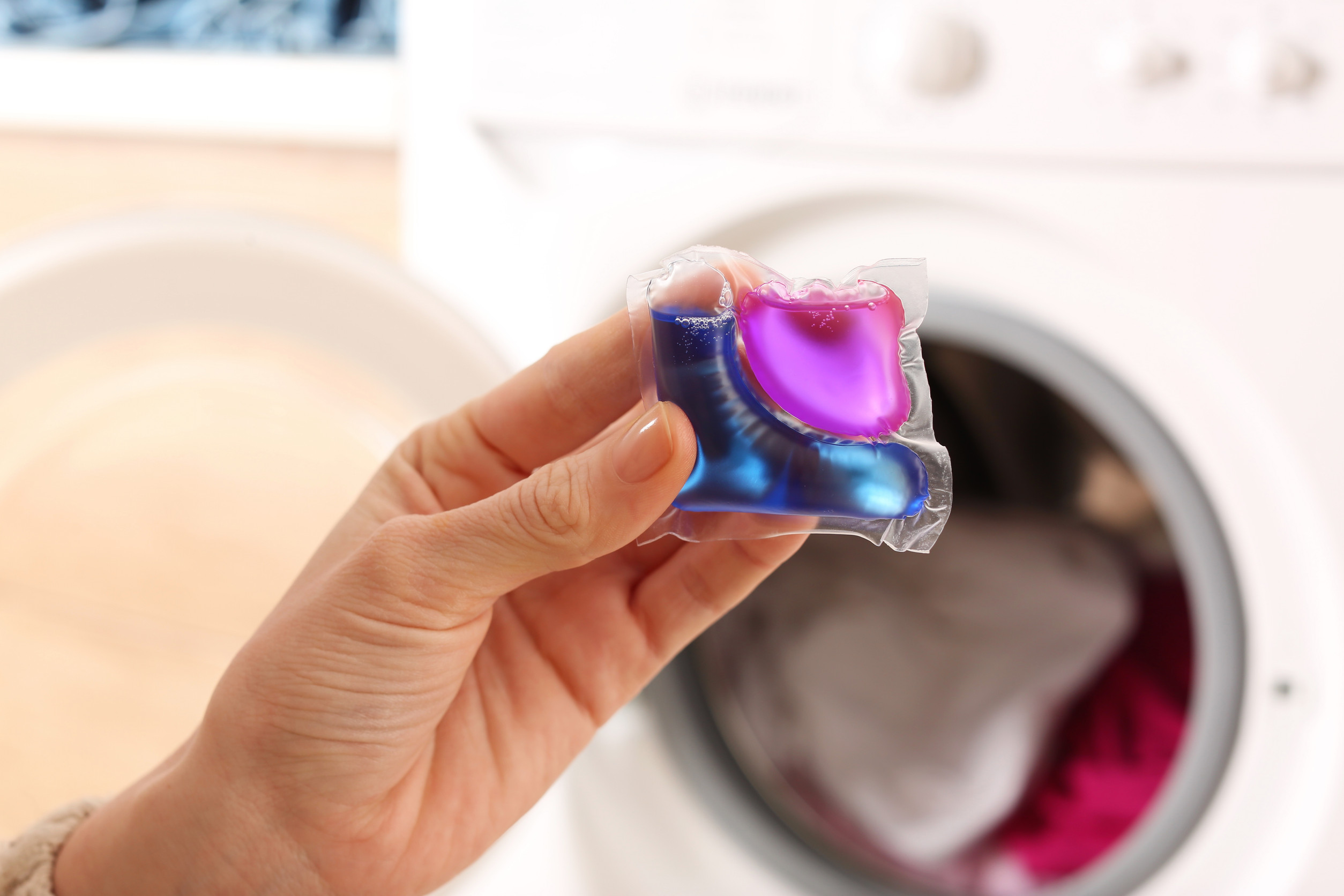
Those colorful, squishy laundry pods may look like candy to a toddler but are packed with concentrated detergent that can cause serious harm. Ingesting even a small amount can lead to vomiting, breathing issues, and chemical burns to the mouth or throat. Some cases have required emergency room visits and even intensive care. Toddlers might also squeeze the pod and get it in their eyes or on their skin. Laundry pods are among the most dangerous products poisonous to toddlers, simply because of how appealing they look.

2. Hand Sanitizer

While useful for stopping the spread of germs, hand sanitizer often contains over 60% alcohol—more than most hard liquors. Just a few squirts swallowed by a small child can cause alcohol poisoning, leading to dizziness, vomiting, or even unconsciousness. Because many bottles are scented or shaped in a fun way, toddlers are drawn to them. Some may try to lick their hands after application or squirt it directly into their mouths. This makes hand sanitizer one of the sneakiest products poisonous to toddlers sitting in plain sight.

3. Mouthwash

Mouthwash may seem harmless, but it contains alcohol and other chemicals that are not meant to be swallowed, especially by kids. Even small amounts can upset a toddler’s stomach, and larger doses may cause more serious symptoms like slowed breathing or seizures. Brightly colored and often minty or fruity, mouthwash can be tempting if left within reach. Always store it high up or in a locked cabinet. Mouthwash is one of the most easily overlooked products poisonous to toddlers, especially in busy bathrooms.

4. Essential Oils

Essential oils like eucalyptus, peppermint, and tea tree are popular in homes, but they can be toxic if ingested or applied directly to a toddler’s skin. These oils are extremely concentrated and may cause confusion, respiratory distress, or liver damage if swallowed. Even diffusing certain oils in the air can cause issues for sensitive children. What smells relaxing to you might be overwhelming or harmful to your child. For this reason, essential oils are on the growing list of products poisonous to toddlers that are often assumed to be “natural and safe.”

5. Adult Vitamins and Supplements

Gummy vitamins or colorful supplements may look like candy to a curious child, but they can pose a major risk if consumed in large amounts. Iron and fat-soluble vitamins like A, D, and E can lead to toxicity if overdosed. A toddler may grab the bottle and eat several without realizing the danger. Many containers lack child-resistant caps or are left open in purses or on counters. Adult vitamins remain one of the most underestimated products poisonous to toddlers, often due to their cheerful appearance.

6. Antifreeze and Automotive Fluids

If you store car supplies in your garage or utility room, make sure they’re far away from any space your toddler can reach. Antifreeze has a sweet taste that makes it especially dangerous, even if it’s only present in small puddles on the floor. Ingesting antifreeze can quickly lead to kidney failure and death if not treated immediately. Brake fluid, windshield washer fluid, and oil are also toxic. These garage staples are definitely products poisonous to toddlers, even if you think your little one never ventures into that space.

7. Houseplants

Several common houseplants are surprisingly toxic if nibbled on by a curious child. Plants like philodendrons, peace lilies, and pothos contain compounds that can cause mouth irritation, swelling, or even more serious issues. Because toddlers love to explore, pulling on leaves or tasting dirt is not out of the question. Make sure you research your plants and place any toxic ones well out of reach. Even a “decorative” green friend can end up on the list of products poisonous to toddlers.

8. Nail Polish Remover

Nail polish remover typically contains acetone, a powerful solvent that can cause nausea, confusion, or respiratory problems if inhaled or swallowed. It’s often stored in bathrooms or vanities within a toddler’s reach. Some removers come in brightly colored bottles or have fruity scents that could attract a child’s attention. Even small spills on the skin can cause irritation or chemical burns. This beauty staple is an often-forgotten example of products poisonous to toddlers that can cause serious harm in seconds.

Safer Choices Start with Awareness

Protecting your toddler doesn’t mean living in fear—it means being aware of what’s around them and taking simple steps to reduce risk. Lock cabinets, move dangerous items up high, and choose child-friendly alternatives whenever possible. If you ever suspect poisoning, call poison control right away, even if you’re unsure. Most accidents happen during moments of distraction, but awareness is the best prevention. By recognizing which products poisonous to toddlers are in your home, you can make safer choices that help your child thrive.

Which of these surprising household dangers have you encountered? Are there any childproofing tips that work especially well for you? Share your thoughts in the comments!

Read More:

Is Your Home Toxic? 8 Everyday Items Poisoning Your Toddler

6 Urgent Steps to Protect Your Home from Kids’ Dangers

Catherine Reed
Catherine Reed

Catherine is a tech-savvy writer who has focused on the personal finance space for more than eight years. She has a Bachelor’s in Information Technology and enjoys showcasing how tech can simplify everyday personal finance tasks like budgeting, spending tracking, and planning for the future. Additionally, she’s explored the ins and outs of the world of side hustles and loves to share what she’s learned along the way. When she’s not working, you can find her relaxing at home in the Pacific Northwest with her two cats or enjoying a cup of coffee at her neighborhood cafe.

Read More

  • 8 Legal Battles Parents Face When a Child Gets in Trouble at School
    8 Legal Battles Parents Face When a Child Gets in Trouble at School

    You never expect your child to land in serious trouble at school—until it happens. One…

  • Child Savings 11 Unexpected Taxes That Destroy Child Savings
    Child Savings: 11 Unexpected Taxes That Destroy Child Savings

    Setting aside money for your child’s future is one of the most responsible things a…

  • Free Diapers for Low-Income Families
    Free Diapers for Low Income Families

    Having a baby when experiencing lower income is a wonderful experience plagued with frustration. When…

  • Sleep Safety: The Best Ways to Prevent SIDS and Sleep-Related Accidents

    There’s no instinct stronger than a parent’s desire to keep their baby safe, especially during…

  • Hand of mother is holding baby monitor camera for safety of her cute baby
    Spying On The Nanny: Is It Ethical to Use Nanny Cams to Monitor Babysitters?

    Parents want peace of mind when leaving their kids with a caregiver—but does installing a…
  • Planning Out a ‘’Big Girl’’ Bedroom on a Budget
    Planning Out a ‘’Big Girl’’ Bedroom on a Budget

    I have finally come to terms with the fact that our three year old has…

Filed Under: Home and Living Tagged With: accidental poisoning, childproofing tips, everyday dangers, parenting hacks, poison prevention, safe home for kids, toddler safety, toxic household products

Leave a Reply Cancel reply

Your email address will not be published. Required fields are marked *

This site uses Akismet to reduce spam. Learn how your comment data is processed.

  • Facebook
  • Pinterest
  • RSS
  • Twitter
Best Parenting Blogs

Most Popular

Baby names

Teachers Admit: These 6 Baby Names Create Instant Bias in the Classroom

Latrice Perez
These Are 6 Baby Names Inspired by Vintage TV and Movies

6 Baby Names Inspired by Vintage TV and Movies

Brandon Marcus
6 Baby Names That Sound Cute Now but Cause Problems Later

6 Baby Names That Sound Cute Now but Cause Problems Later

Brandon Marcus
11 Ways Kids Are Outsmarting Parental Controls 1. Using Alternate Devices One common trick is simply turning to another device. If a child’s main phone or tablet is restricted, they may borrow a sibling’s, friend’s, or even a school laptop. This instantly gives them access to content outside of parental oversight. Parents often focus on one device, forgetting that others in the household can serve as loopholes. Knowing this tactic helps families tighten controls across all electronics. 2. Clearing Browsing Histories Many kids quickly learn that clearing browsing history hides evidence of restricted activity. With just a few clicks, they can erase any trace of websites visited. This makes it harder for parents to notice when rules are being broken. Parents may assume no history means no browsing, but the reality is often the opposite. Kids are outsmarting parental controls by making it seem like nothing happened at all. 3. Using Private Browsing Modes Most browsers offer “incognito” or private browsing features. Kids use this mode to access websites without leaving a record in the history. To parents checking later, everything looks clean and safe. This simple trick is often one of the first ways kids discover how to bypass restrictions. Conversations about private browsing can help close this gap. 4. Guessing or Resetting Passwords Children who are persistent may try to guess passwords to parental control apps or accounts. Others may find ways to reset them through email prompts or security questions. Once inside, they can disable restrictions entirely. Parents may not even realize controls have been altered until much later. Stronger, less predictable passwords can make this more difficult. 5. Using VPNs to Hide Activity Virtual private networks, or VPNs, let kids disguise their online locations. With one downloaded app, they can bypass geographic or parental restrictions. Some children learn about VPNs through friends or even social media. This makes it easy for them to reach content that should be blocked. Parents often underestimate just how simple it is for kids to use these tools. 6. Creating Fake Accounts When parents monitor social media, kids may create hidden accounts. These “finstas” or fake profiles allow them to interact freely without parental oversight. While their main account appears harmless, the secondary one tells a different story. Kids are outsmarting parental controls by playing both sides at once. Checking for duplicate accounts can help parents stay more aware. 7. Exploiting Time Zone Settings Some kids change the time zone on their devices to bypass screen time limits. This trick allows them to gain extra hours of usage undetected. Parents may assume controls are working, but in reality, the child is bending the clock. It’s a clever loophole that highlights just how resourceful kids can be. Monitoring device settings regularly can catch this tactic. 8. Disabling or Uninstalling Apps Parental control apps can be deleted or disabled with surprising ease. Some kids even reinstall them before a parent checks, making it seem like nothing changed. Others may simply restrict permissions to prevent apps from functioning properly. When apps aren’t monitored closely, parents may not notice they’ve been tampered with. This shows the importance of consistent follow-up. 9. Turning to Friends for Access If a child can’t get past restrictions on their own, they may rely on friends. Visiting a friend’s house or borrowing their phone can give them a free pass. Parents often forget that peer environments can override restrictions set at home. This kind of social workaround is especially common with gaming or social media. Open conversations about trust and responsibility are essential. 10. Hiding Apps in Plain Sight Kids sometimes download apps that look innocent but serve as gateways to hidden activity. These apps may disguise themselves as calculators or utilities. In reality, they allow file storage, private messaging, or browser access. Parents glancing at a home screen may overlook them entirely. Learning to recognize these disguised apps can help parents stay informed. 11. Outpacing Parents’ Tech Knowledge Finally, kids often know more about devices than their parents do. Whether through YouTube tutorials, TikTok hacks, or peer groups, they quickly learn advanced workarounds. This knowledge gap means controls can be bypassed before parents even realize the loophole exists. Staying informed and continually learning about new technology is the best defense. Kids are outsmarting parental controls because they adapt faster than most adults. The Real Solution Lies Beyond Restrictions While controls and filters are important, no system is perfect. Kids will always find creative ways around barriers, making communication the strongest safeguard. Setting clear expectations, building trust, and having ongoing conversations about online behavior matter more than apps alone. Parents who combine technology with open dialogue create a safer digital environment. The goal isn’t to win a battle of wits but to build a relationship that keeps kids both safe and honest. Do you think kids are outsmarting parental controls faster than parents can keep up? Share your experiences in the comments below. What to Read Next... 6 Parenting Tech Shortcuts That Can Expose Your Child to Strangers How Much Screen Time Is Too Much—Legally Speaking? Is Your Child’s School Quietly Tracking Their Location Without Your Consent? How Much Screen Time Is Quietly Reshaping Childhood Behavior? Why Some Parents Are Being Investigated Over Homeschooling Records

11 Ways Kids Are Outsmarting Parental Controls

Catherine Reed
Smiling grandfather holding a happy baby indoors.

Why Grandparents Shouldn’t Babysit Their Grandkids Every Week – The Unspoken Issue

Samantha

All content on Kids Ain’t Cheap is for entertainment purposes only. By reading this blog, you agree that Kids Ain’t Cheap is not responsible for any actions taken after reading this blog. For the full disclaimer, see our privacy policy.

Please note that Kids Ain’t Cheap has financial relationships with some of the merchants mentioned here. Kids Ain’t Cheap is funded by banner advertising, commission sales and search optimization consulting.

Copyright © 2006–2026 | District Media | All Rights Reserved | Privacy Policy

Copyright © 2026 Runway Pro Theme by Viva la Violette