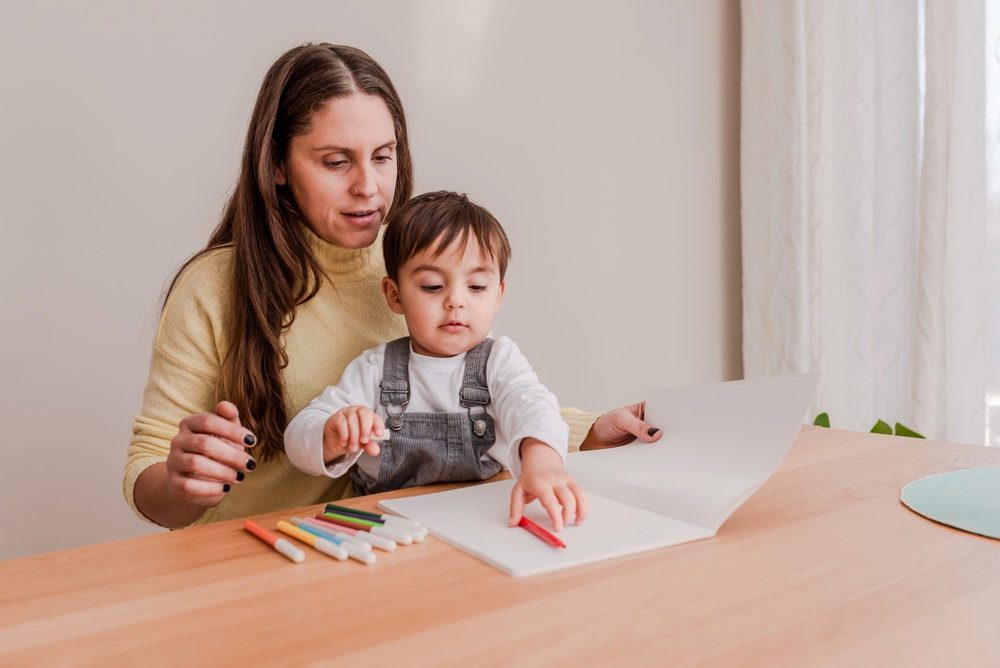
For decades, preschool was considered a near-essential stepping stone for young children, preparing them for academic and social success. But lately, more parents are rethinking whether the benefits truly outweigh the costs. Rising tuition, shifting work patterns, and access to alternative learning options have changed how families approach early education. As more studies emerge showing mixed results, the debate over the value of preschool is growing louder—and parents are taking a closer look at what children really need before kindergarten.
1. The Rising Cost of Early Education
For many families, the financial strain of preschool is the first reason to question the value of preschool. In some areas, tuition can rival college expenses, with full-time programs costing thousands of dollars per year. Parents are asking whether these costs make sense when many children could receive similar developmental support at home or through community programs. Financially savvy families often weigh the long-term impact of early tuition against future needs like college savings or debt reduction. For many, the math simply doesn’t add up.
2. Remote Work Has Changed Family Dynamics
The shift toward remote or hybrid work has given parents more flexibility to be hands-on with their children during the early years. This change has led many to reconsider the traditional value of preschool when home learning and parent-led activities can provide similar benefits. Parents who once needed childcare for long office hours are finding new ways to blend work and early education at home. Storytime, play-based learning, and outdoor exploration can replace structured classroom time in many households. As a result, preschool is no longer the automatic default for every family.
3. Inconsistent Quality Across Programs
Not all preschools deliver the same developmental or educational outcomes, and that inconsistency has parents questioning the true value of preschool. While some programs focus on creativity, exploration, and emotional growth, others emphasize rigid academics far too early. The difference in philosophy can make or break a child’s first school experience. Parents are increasingly cautious about programs that push standardized learning before children are ready. Many now seek alternatives that respect childhood pace and curiosity, rather than emphasizing early achievement.
4. Socialization Can Happen Outside the Classroom
A common argument for preschool is that it teaches kids to socialize, share, and cooperate. Yet, more parents are realizing that these skills can develop naturally in everyday environments. When questioning the value of preschool, families often point to playdates, community events, and sibling interaction as equally valid ways to build social confidence. Homeschooling groups and local libraries now offer structured social opportunities for preschool-age children. The assumption that preschool is the only path to social readiness is being steadily dismantled.
5. The Emotional Impact of Early Separation
For some children, starting preschool too early can create stress rather than stability. Parents questioning the value of preschool often cite the emotional toll of separating from caregivers before a child is ready. Early attachment and security are crucial to emotional development, and not all children thrive in group care settings. While some benefit from structure and new experiences, others feel anxious or overstimulated. Recognizing that readiness varies widely, parents are becoming more comfortable delaying preschool enrollment until their child shows signs of emotional readiness.
6. The Rise of Alternative Learning Models
Today’s parents have more choices than ever before when it comes to early learning. Micro-schools, co-ops, forest schools, and Montessori-inspired programs offer diverse approaches that challenge the traditional value of preschool. Many of these models emphasize hands-on learning and self-directed exploration over worksheets and tests. Parents drawn to these alternatives believe they offer better balance between structure and freedom. This shift shows that “preschool” no longer has one universal definition—and that’s changing the conversation entirely.
7. Mixed Research on Long-Term Benefits
Decades of research have supported early education, but newer studies reveal that the long-term academic advantages may not be as strong as once believed. Some experts argue that while preschool can give short-term gains in literacy and numeracy, those benefits often level out as the child progresses. This has made many parents question the long-term value of preschool when compared with consistent, supportive parenting at home. Critics also warn that early academic pressure can backfire, creating burnout or resistance to learning later on. Families are learning to balance early education goals with emotional development and play.
8. Cultural and Community Shifts
Parenting norms are shifting, and with them, so are expectations about early education. Families questioning the value of preschool are often motivated by broader cultural conversations about childhood, family balance, and the pace of modern life. Some parents are choosing to slow down, prioritizing unstructured time and creativity over early academics. Others find support in multigenerational households, where grandparents or relatives play active teaching roles. The result is a more personalized approach to early education that challenges the one-size-fits-all preschool model.
9. The Push for Universal Pre-K Raises New Questions
Even as some states expand access to universal preschool, many families remain unconvinced. While affordability improves, questions about curriculum, teacher quality, and class size persist. Parents who question the value of preschool worry that universal systems may prioritize enrollment numbers over individualized care. Others feel that taxpayer-funded programs could inadvertently pressure families to participate even when it’s not the right fit. The debate highlights the tension between access and autonomy in early education.
Rethinking Readiness: What Matters Most Before Kindergarten
Ultimately, the conversation about the value of preschool isn’t just about cost or convenience—it’s about redefining readiness. Children develop on unique timelines, and learning begins long before any classroom setting. For some, preschool offers a positive start; for others, home-based learning or part-time programs are just as effective. Parents questioning early education aren’t rejecting learning; they’re personalizing it. The most valuable lesson may be that a child’s readiness, not society’s expectations, should guide the path forward.
Are you reconsidering preschool for your child? What factors most influence your decision about early education? Share your perspective in the comments.
What to Read Next…
9 Times Schools Asked Parents for Money in Questionable Ways
7 Reasons Your Kids Are Faking Illness to Avoid School (And What to Do About It)
8 After-School Activities That Drain Family Budgets the Fastest
9 Elementary School Activities That Disappear as Budgets Shrink
7 Preschool Programs That Might Be Hurting Kids Socially

Catherine is a tech-savvy writer who has focused on the personal finance space for more than eight years. She has a Bachelor’s in Information Technology and enjoys showcasing how tech can simplify everyday personal finance tasks like budgeting, spending tracking, and planning for the future. Additionally, she’s explored the ins and outs of the world of side hustles and loves to share what she’s learned along the way. When she’s not working, you can find her relaxing at home in the Pacific Northwest with her two cats or enjoying a cup of coffee at her neighborhood cafe.
Read More
Apps seem to be a dime a dozen these days, so finding the right ones…

It’s no secret that kids don’t always tell parents everything, but what they say at…

Now that our kids are teens, they are less satisfied with having a low-spend summer,…

It surprises many parents how often clothing choices end up at the center of school…


Image Source: Unsplash You’re ankle-deep in Lego, snack wrappers lurk under the couch, and dinner…


Every dog has its day, sure. But, if your dog has seen many days, is…


Leave a Reply