• Home
  • About Us
  • Toolkit
  • Archives
  • Advertise
  • Privacy Policy

Kids Ain't Cheap

But They Sure Are Worth It

  • Parenting
    • Baby Stuff
    • Books and Reading
      • Aesops Fables
      • Comic Books
    • Education
    • Family Time
    • Green Living
    • Growing Up
    • Healthy Living & Eating
    • Holidays
    • Parenting
    • Random Musings
    • Shopping
    • Stuff to Do
  • Money
  • Product Reviews
    • Books and Magazines
    • Discount Sites
    • Furniture
    • House Keeping
    • Reviews News
    • Toys and Games
  • Contact Us
  • Our Editorial Commitment
  • Search

Trust Fund for Kids: Mistakes to Avoid When Securing Their Future

January 3, 2025 | Leave a Comment

Trust funds for kids
Image Source: Pexels

A trust fund for kids can be a useful financial tool that helps set your children up for success. Inherited wealth can sometimes be spent unwisely due to immaturity or lack of financial education. Distributing your assets to your kids through a trust gives you greater control over how the money is used, ensuring generational wealth isn’t wasted. A trust fund for kids can also be put in place to provide for children with special needs. However, the trust may not have the intended effect if it’s set up improperly. It’s important to avoid common pitfalls when securing your child’s future with a trust. Here are common mistakes parents make when setting up a trust fund for kids. 

Setting Up a Trust Fund for Kids: Common Pitfalls 

Common mistakes when setting up a trust fund for kids
Image Source: Pexels

Not Understanding the Different Types of Trust Funds for Kids

There are two main types of trusts—revocable and irrevocable. A revocable trust can be changed after it’s established, allowing for greater financial flexibility. Irrevocable trusts, on the other hand, usually can’t be amended once they’re set up. However, they often provide more protection from lawsuits and creditors while offering certain tax benefits. 

For example, a generation-skipping trust enables you to pass down money to your grandkids to avoid estate taxes. If you’re setting up a trust for a disabled child, a special needs trust can help ensure they remain eligible for certain government benefits. Figuring out which trust fund for kids is right for your family is a crucial step in the process, especially since irrevocable trusts cannot easily be modified. 

Choosing the Wrong Trustee 

Choosing the wrong trustee
Image Source: Pexels

Parents setting up a trust fund for kids must choose a trustee to manage and disburse the assets according to the rules they set. The trustee will have control over your wealth, so it’s important to choose someone responsible who will invest it wisely. Although you love your family members and friends, it’s possible that they may not be the best choice for this role. Naming a relative as a trustee can put them in the awkward position of having to deny your child access to funds at times. Mixing family and finances in this way could put a strain on your child’s relationships.  

Choosing a professional fiduciary like a bank to be the sole or co-trustee may be a better move depending on your circumstances. As a neutral third party with significant financial expertise, your bank can help ensure your wealth is protected and distributed according to your wishes. However, financial institutions usually charge management fees, which is something to consider. Before you make any decisions, be sure to carefully research and weigh your options. 

Setting Overly Rigid Rules 

Overly rigid rules trust fund for kids
Image Source: Pexels

Trust funds can be used to incentivize your kids to make good decisions. Some parents choose to set rules that reward positive behavior. For example, a child who maintains a great GPA in college may be allowed access to a bigger portion of the funds at an earlier age. You can also tie disbursements to major life milestones, such as getting married or buying a house. However, setting rules that are too rigid could prevent your child from accessing needed funds. After all, life can take many twists and turns, so it may be unwise to tie their inheritance to specific life benchmarks like marriage or college graduation.

It’s important to consider your child’s abilities and goals when setting guardrails. In some cases, it may be better to schedule disbursements according to your child’s age instead of their specific life stage. This setup ensures that your child is mature enough to handle the financial responsibility of managing their inheritance while providing greater flexibility. Another option is to require your adult child to meet with a financial advisor before gaining control of the funds. Your lawyer can help you structure the trust with rules that will set your child up for financial success without being overly strict. 

Failing to Consider the Impact on Financial Aid

Trust fund for kids can impact financial aid
Image Source: Pexels

Parents creating a trust fund for kids must also consider the impact on college scholarships and financial aid. If your child is named as the beneficiary, the trust fund will typically be counted as one of their assets. Depending on the value of the trust and how it’s structured, it could affect their eligibility for financial aid. It’s important to consult your lawyer to determine how distribution rules and other factors could impact your child’s education. 

Trust Funds for Kids Can Be Complicated

Trust funds for kids are complex
Image Source: Pexels

Although trust funds are a valuable financial planning tool, they can be quite complex. That’s why it’s important to consult lawyers and other experts you trust during the setup process. Taking the time to fully understand and carefully consider your options will prevent you from making costly mistakes. 

Vicky Monroe headshot
Vicky Monroe

Vicky Monroe is a freelance personal finance writer who enjoys learning about and discussing the psychology of money. In her free time, she loves to cook and tackle DIY projects.
Filed Under: Money and Finances Tagged With: child trust fund, Kids, money

3 Reasons to Teach Your Children The Importance of Good Credit

December 30, 2024 | Leave a Comment

Teaching your kids about the significance of good credit is an essential life lesson that often goes overlooked. In a world increasingly driven by financial scores, an understanding of credit can empower young adults to navigate their future more securely. By instilling sound credit habits early on, parents can set the foundation for their children’s financial independence and stability. It’s crucial to communicate the impact of creditors’ perspectives and the long-term benefits of maintaining a good credit score. Below are three compelling reasons to help guide you in educating your kids about the value of good credit.

Good Standing With Banks

Maintaining a good credit score is pivotal for securing favorable relationships with banks and lending institutions. Though often overlooked, this relationship extends beyond basic checking accounts and can influence the ability to obtain loans at favorable rates. An impressive credit score opens doors to financial opportunities, including mortgage refinancing and investment ventures, that might otherwise be inaccessible.

According to Flexcutech, there are credit unions with less than $250 million in assets that performed comparably well to those with $5 billion in assets, indicating that size doesn’t always dictate success. Teaching children about credit encourages them to aim for strong financial standing, thereby fostering more trust with banks in the long run. Understanding the dynamics of credit can also lead to better decision-making when it comes to financial commitments.

Introducing these concepts early can support kids in building their creditworthiness gradually. It instills confidence in financial dealings, reducing the likelihood of rejections when applying for credit in the future. Moreover, a solid credit history can improve access to improved terms for borrowing, consistently proving beneficial throughout one’s life.

Knowledge About the Dangers

Credit can be a double-edged sword when not managed carefully, and children should be aware of its potential pitfalls. Without a doubt, mismanagement of credit can have dire consequences, impacting not just immediate financial health but long-term stability as well. Teaching children about these dangers equips them to avoid common traps like overspending and accruing high-interest debt.

According to CapitalOne, one such danger is bankruptcy, which can remain on a credit report for seven to ten years, serving as a stark reminder of past financial distress. Kids who understand this risk are more likely to approach credit use with caution and responsibility. This knowledge is crucial, fostering a mindset that values careful consideration before making financial decisions.

Arming children with the awareness of these potential financial downfalls encourages them to cultivate vigilance in their credit usage. Awareness is key to prevention, and by being informed, the likelihood of facing severe financial setbacks diminishes significantly. As they grow older, this informed perspective shapes their overall financial behaviors, reducing the tendency toward impulsive, risky financial actions.

Financial Protection In the Future

One of the most significant benefits of teaching kids about good credit is the financial protection it offers later in life. In an ever-changing economic landscape, a solid credit history can be a reliable shield against potential financial pitfalls. As they grow older, children who understand the importance of good credit are better equipped to face unforeseen expenses and life events.

Surprisingly, statistics reveal that financial difficulties can significantly strain personal relationships. Forbes has reported that nearly 50% of marriages end in divorce, with financial stress often cited as a contributing factor. Educating children about credit instills a sense of security, because they learn to establish safeguards against economic instability.

By promoting financial literacy, parents prepare their children for upcoming challenges that may require economic solutions. Good credit can act as a buffer, allowing for greater flexibility and options in times of need. This foresight ensures that they have a stable foundation to rely on, irrespective of life’s unpredictable turns.

The importance of good credit can truly not be overstated, serving as a cornerstone of financial literacy. Teaching children about it not only protects them against a range of financial challenges but also empowers them to seize opportunities. By investing in their understanding of credit, parents lay the groundwork for a secure and prosperous future.

Filed Under: Money and Finances

The Best Money Lessons Kids Learn From Chores

December 26, 2024 | Leave a Comment

The Best Money Lessons Kids Learn From Chores
Image Source: Pexels

Chores are more than just a way to keep the house tidy—they’re an excellent tool for teaching kids about money. Through everyday tasks, children can learn critical financial skills that prepare them for the future. Here’s how chores help kids understand budgeting, saving, and responsibility.

1. Earning Through Hard Work

As children grow and mature, chores become essential, teaching them valuable life skills and the importance of responsibility, especially as they prepare to leave home. By assigning age-appropriate chores in exchange for an allowance, children learn that money is earned through effort, not freely given. This instills a strong work ethic and helps them appreciate the value of money and the effort required to earn it. Consistent expectations and responsibilities further reinforce these crucial lessons, preparing them for a successful and independent future.

2. Learning to Budget

Earning an allowance for chores provides a valuable opportunity for children to learn how to manage money effectively. By receiving a regular allowance, kids can practice budgeting for things they want, like toys or snacks. Encourage them to allocate their allowance to spending, saving, and giving. This practice helps establish a strong foundation for financial literacy and responsible money management. While teaching the value of saving is important, it’s also crucial to allow for some flexibility. Let kids work towards fun and less serious goals, too. After all, even adults make frivolous purchases occasionally. It’s okay to enjoy the money we earn, as long as we have it to spend and our other responsibilities are taken care of.                                                                                                               

3. The Power of Saving

3. The Power of Saving
Image Source: Pexels

Teaching children to save money is an important life skill. Giving them a piggy bank or savings jar helps them visualize their progress and stay motivated to reach their goals. Matching their savings and suggesting long-term goals can further incentivize them to save consistently. It’s also important to explain why saving money is crucial for their future.

4. Understanding Needs vs. Wants

Chores can teach children valuable money lessons, such as the difference between needs and wants. This happens when they have to make decisions about spending their earnings. Parents can help by setting goals and using real-life examples to explain these concepts – like choosing between buying a treat or saving for a bigger item. These lessons help children develop strong decision-making skills..

5. The Value of Teamwork

Collaboration is frequently required while doing tasks, sometimes with siblings and even parents. Collaboration not only speeds up the completion of a chore or a list of chores, but it also emphasizes the value of teamwork in achieving goals. Working together develops communication and accountability, a talent that will be useful in future financial decisions.

Chores provide children with essential life and financial skills. By linking chores to allowances, children learn the value of hard work, budgeting, saving, and differentiating between needs and wants. Chores also instill responsibility, teamwork, and collaboration. These money lessons prepare children for independence and adulthood. Parents can guide and support their children, turning chores into opportunities for growth and development.

Read More

  • How Much, If Any, Should You Pay Your Kids For Chores?
  • 5 Chores That Teach Work Ethic Principles to Toddlers
Shay Huntley
Shay Huntley

Shatel Huntley has a Bachelor’s degree in Criminal Justice from Georgia State University. In her spare time, she works with special needs adults and travels the world. Her interests include traveling to off-the-beaten-path destinations, shopping, couponing, and saving.

Filed Under: Money and Finances Tagged With: chores for kids, financial literacy for children, kids and responsibility, Money Lessons, parenting tips, saving money lessons, teaching kids about money

These Are the Best Educational Toys for 2-Year-Olds

December 18, 2024 | Leave a Comment

These Are the Best Educational Toys for 2-Year-Olds
Image Source: Pexels

Two-year-olds are little explorers, eager to learn and discover the world around them. The best educational toys encourage curiosity, creativity, and developmental growth. Here are the top picks for toys that every 2-year-old will love—and learn from.

1. Building Blocks

1. Building Blocks
Image Source: Pexels

Building blocks are classic toys that offer children endless opportunities to engage their imaginations. Not only are they fun, but they also promote the development of key skills including fine motor skills, hand-eye coordination, creativity, and social skills through cooperation and sharing. With so many brands available, such as Legos and Mega Bloks, children have countless options to explore their creativity and build imaginative structures.

You can score a set of Mega Bloks for less than $14 right now.

2. Shape Sorters

2. Shape Sorters
Image Source: Pexels

Shape sorters, including the classic wooden block, Perfection, and large-sized puzzles, are fantastic educational toys. They each aid in a toddler’s development in different ways. These toys teach toddlers to differentiate colors and shapes and introduce them to problem-solving, thereby improving their dexterity and cognitive skills.

This shape sorter is less than $12 on Amazon.

3. Musical Instruments

3. Musical Instruments
Image Source: Pexels

Who doesn’t love music? Even babies dance to the rhythm of a good beat. Aside from letting them listen to your favorite tunes, you can expose them to instruments so they can make their own music. You can introduce your toddler to the world of music with toy instruments like drums, xylophones, or maracas. Doing so can aid them in first hand experiencing learning rhythm, coordination, and sensory skills.

Check out this set of musical toys on Amazon.

4. Interactive Books

4. Interactive Books
Image Source: Pexels

Reading is fundamental and beneficial at every stage of development. Around 2 years old babies are engaging with books that you read to them and fun books they interact with on their own. Books with buttons, textures, or sounds engage young minds while encouraging early literacy skills. Additionally, it helps with basic vocabulary acquisition, enhancing the imagination, and improving their attention span. 

We loved these touch and feel books for our baby.

5. Ride-On Toys

5. Ride-On Toys
Image Source: Pexels

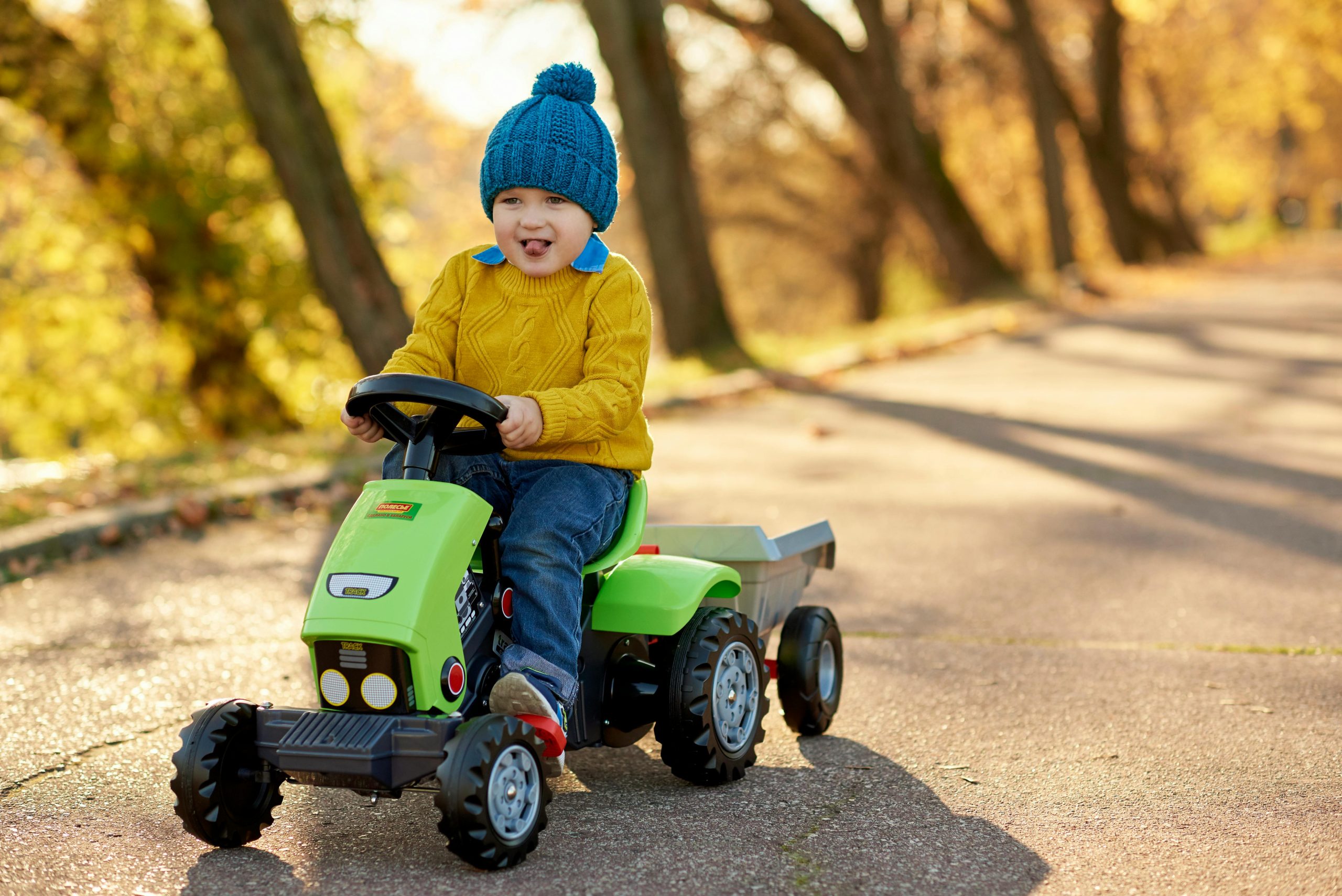
There are many ride-on toys available, including cars, motorcycles, and interactive animals, making them a popular gift for young children. These toys are not only fun but also help develop gross motor skills. When choosing a ride-on toy, it is important to consider safety and age appropriateness. This ensures that the child has a positive and valuable experience while enjoying endless entertainment.

Right now, this highly recommended ride-on toy is on sale for less than $40.

Learning Through Play

At a young age, toys are beneficial to all children. Most toys are educational even when they appear to be just for fun. The toys on this list make learning fun for toddlers while supporting their development. With these options, you’ll find the perfect gift that’s as enriching as it is entertaining.

Read More

  • A Toddlers Rules of Possession
  • Paying For Your Kids Education
Shay Huntley
Shay Huntley

Shatel Huntley has a Bachelor’s degree in Criminal Justice from Georgia State University. In her spare time, she works with special needs adults and travels the world. Her interests include traveling to off-the-beaten-path destinations, shopping, couponing, and saving.

Filed Under: Money and Finances Tagged With: best toddler toys, child development, educational toys, Educational Toys for 2-Year-Olds, learning through play, toddler gift ideas, toys for 2-year-olds

3 Tips for Transforming Your Nursery Into Your Baby’s Toddler Room

December 16, 2024 | Leave a Comment

Transitioning a nursery into a toddler room is both an exciting and daunting task for parents. As your baby grows into a curious toddler, their needs and interests evolve, requiring changes in their living environment. This article provides practical tips to ensure that the new room is not only tailored to safety but also encourages creativity and growth. From upgrading safety measures to incorporating timeless decor, these steps will help you create a space that your child can enjoy for years to come.

Upgrade From Baby-Proof to Toddler-Proof

As children grow, so does their ability to explore and reach new heights, making it essential to transition from baby-proofing to toddler-proofing your home. Safety features must evolve to accommodate the new adventures of inquisitive kids, requiring additional considerations such as securing bookshelves and furniture to the wall to prevent tipping. The costs associated with rekeying your locks can add up; according to Forbes, rekeying your locks costs an average hourly rate of $75, plus an additional trip fee charge of up to $150. However, investing in safety gadgets is invaluable for a peace of mind. 

Foresight in child safety can go a long way in preventing accidents and ensuring a secure environment. Electrical outlets and sharp furniture edges can pose significant risks to toddlers, so simple solutions like childproof outlet covers and edge guards can be incredibly effective. Establish a habit of regular room checks, identifying potential hazards and addressing them promptly, to keep your child safe as they grow.

Attention to detail in home safety often becomes second nature as children develop into mobile and energetic kids. Leveraging technology, smart home systems now offer advanced monitoring solutions—think motion detectors or cameras synchronized to your phone—allowing you to oversee your child’s space in real-time. Whether considering budget-friendly fixes or comprehensive smart home integrations, safety remains paramount in a toddler’s room transformation.

Clean Out and Donate Old Items

Turning a nursery into a toddler-friendly space involves a necessary clearing out of old baby items such as cribs, baby blankets, and toys. These cherished items can crowd the room if not repurposed or redistributed, and it’s an opportunity to donate them to local charities or friends in need. With the global cleaning industry valued at $370.56 billion as of 2022, even professional services can facilitate this transition.

Getting rid of clutter opens the door to introducing new and age-appropriate toys and furniture to stimulate learning and creative play. As toddler needs differ significantly from those of an infant, reassessing room layout provides a great starting point. Decluttering not only creates physical space but also promotes a more organized psychological state for daily routines and activities.

Donating unused baby items is not only an environmentally friendly choice; it also teaches valuable lessons about generosity and community. Explain to your kids the importance of sharing with those less fortunate, instilling a sense of empathy from a young age. Transforming your child’s space into a room filled with possibilities encourages both personal growth and a broader understanding of kindness.

Decorate With Furniture That Stands The Test of Time

Decorating a toddler’s room with timeless furniture pieces ensures both functionality and longevity as they mature. Consider pieces that can adapt to different stages of growth, such as convertible beds and adjustable shelving, which evolve alongside your child’s needs. While two valuable types of wood in Chinese antiques, Zitan and Huanghuali, offer lasting durability, choose materials that stand everyday wear for a toddler’s room.

Investing in quality pieces doesn’t have to mean compromising aesthetic appeal—many modern furniture brands combine practicality with stylish designs. Seek multi-functional items that can blend seamlessly with evolving decor palettes, providing a stable foundation for your child’s room as it transforms through the years. Furniture that grows with your child becomes an integral part of their memories, associating comfort and security with their personal space.

When selected thoughtfully, lasting furniture not only withstands the test of time but also enhances a nurturing environment. Include your kids in the decoration process to incorporate their personalities and preferences, making the room uniquely theirs. As children establish their sense of identity, these personalized touches foster a creative and inviting atmosphere for play and learning.

Converting your nursery into a dynamic toddler room requires an intentional approach that balances safety, practicality, and personal style. Upgrade safety features to create a secure setting for play, while decluttering to invite new opportunities for imaginative exploration. By choosing furniture that can withstand the demands of growing up, you craft an enduring space that nurtures development and encourages a lifelong love of their personal surroundings. Transform these simple adjustments into a memorable journey for both you and your child.

Filed Under: Money and Finances

6 Easy Ways to Teach Kids to Count Money

December 13, 2024 | Leave a Comment

6 Easy Ways to Teach Kids to Count Money
Image Source: Pexels

Counting kids is an essential skill for both adults and kids. While Kids are young and eager to learn, teach them how to count so it won’t become a chore later on. You can teach them using interactive and practical methods. If you are wondering how to teach counting money to your kids, here are six easy ways to help them master it with confidence.

1. Start With Real Coins and Bills

1. Start With Real Coins and Bills
Image Source: Pexels

Use real coins and bills instead of paper money and plastic coins to teach children about money. This provides a tactile and visual learning experience. Begin with a few easily identifiable coins and small bills. Set up a pretend “store” at home with a register, mimicking stores they visit regularly. In this simulated environment, they can practice paying for items and receiving change. This hands-on approach makes learning about money realistic and engaging.

2. Play Money-Based Games

2. Play Money-Based Games
Image Source: Pexels

Playing money-based games like Monopoly is another effective approach. These games make earning and managing money enjoyable due to the excitement they generate. After all, who doesn’t enjoy buying property and collecting rent in Monopoly? Despite sounding mundane, it’s truly entertaining. Games like this also introduce challenges like calculating change or saving for a specific goal, seamlessly combining education with entertainment.

3. Incorporate Technology

3. Incorporate Technology
Image Source: Pexels

.In today’s digital world, children are increasingly comfortable using technology both in and out of the classroom. This presents an opportunity to leverage technology as a valuable tool for teaching children how to count money. You can do this by leveraging apps and online games designed to teach kids about money. Tools like “Peter Pig’s Money Counter” or “Cashville Kidz” offer interactive lessons. These digital platforms often include colorful animations and rewards, making learning accessible and fun.

4. Practice Skip Counting

4. Practice Skip Counting
Image Source: Pexels

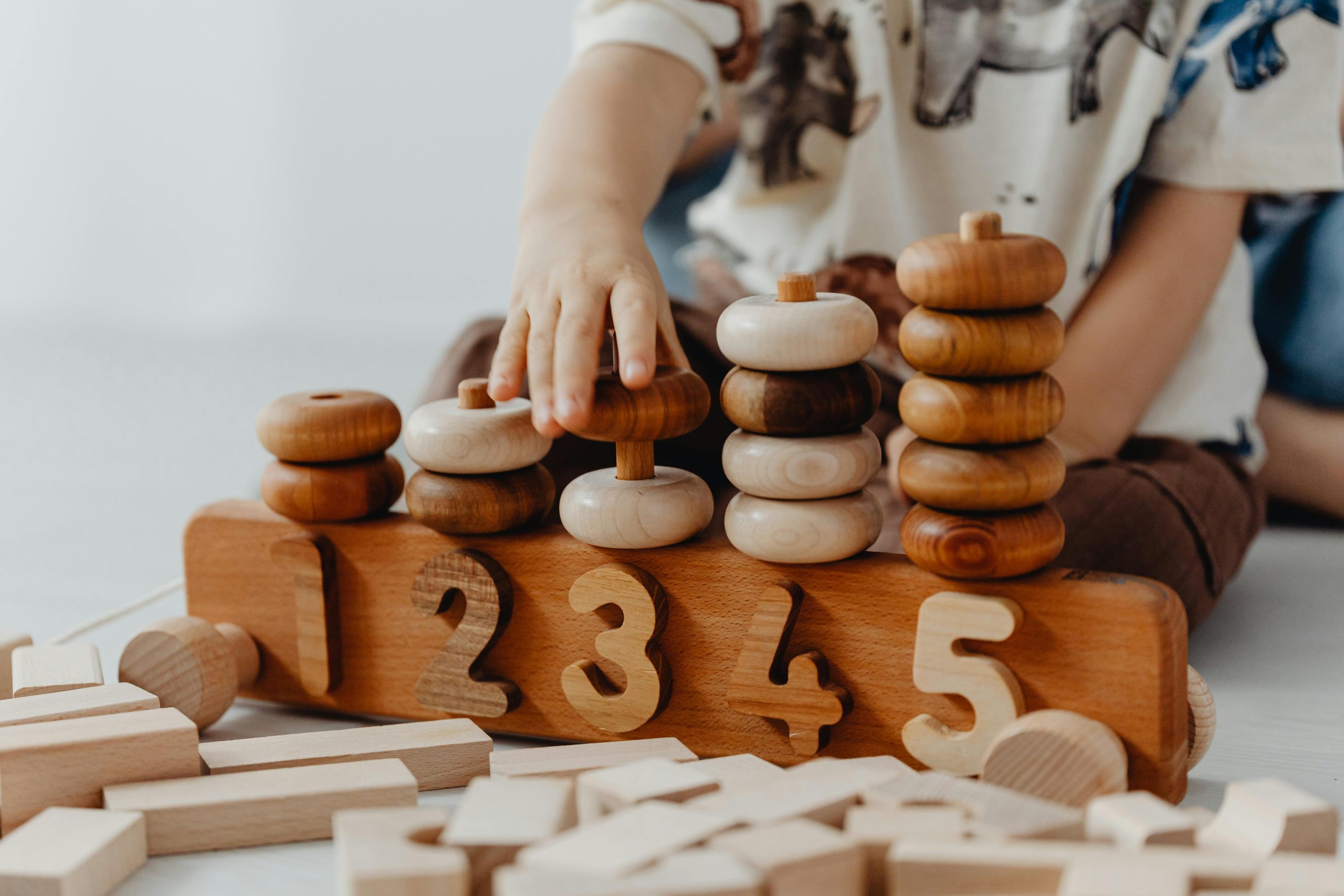
Recognizing number patterns is an essential skill in counting money. You can help tour kids practice this skill by skip counting. It consists of counting by 5s, 10s, and 25s as you count out change. Again, use physical coins to demonstrate patterns. Kids can demonstrate the skill by stacking nickels or quarters in groups. You and your kid can practice counting these stacks together to reinforce the concept.

5. Create a Money Jar System

5. Create a Money Jar System
Image Source: Pexels

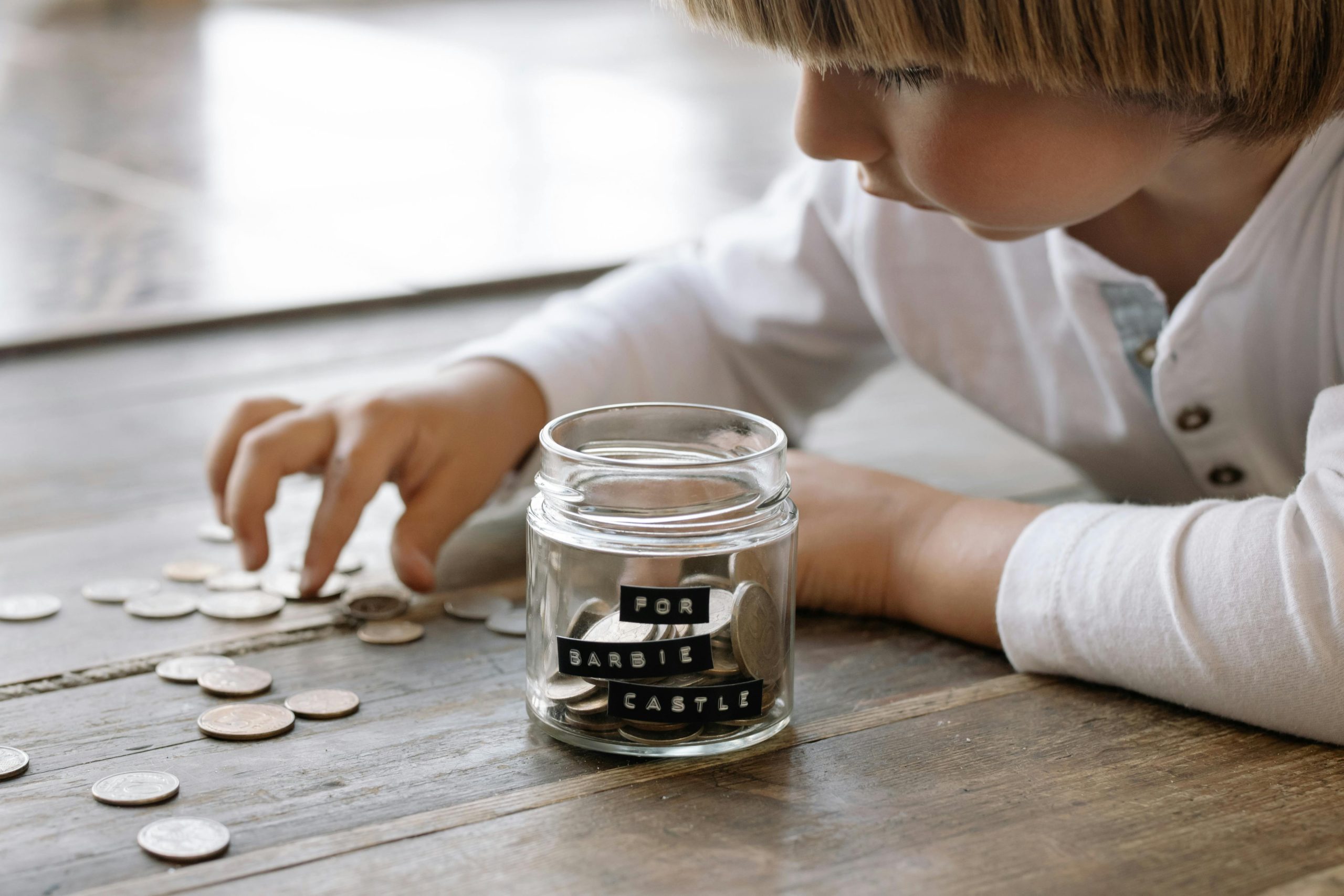
Introduce a money jar system to your children, similar to a piggy bank, with separate jars labeled for saving, spending, and giving. This hands-on approach helps teach kids to count money by teaching them to budget and allocate money according to a plan. Encourage them to divide allowances or gift money into these jars to reinforce the concept. This visual organization provides a tangible way for children to understand real-life money allocation.

6. Take Them Shopping

6. Take Them Shopping
Image Source: Pexels

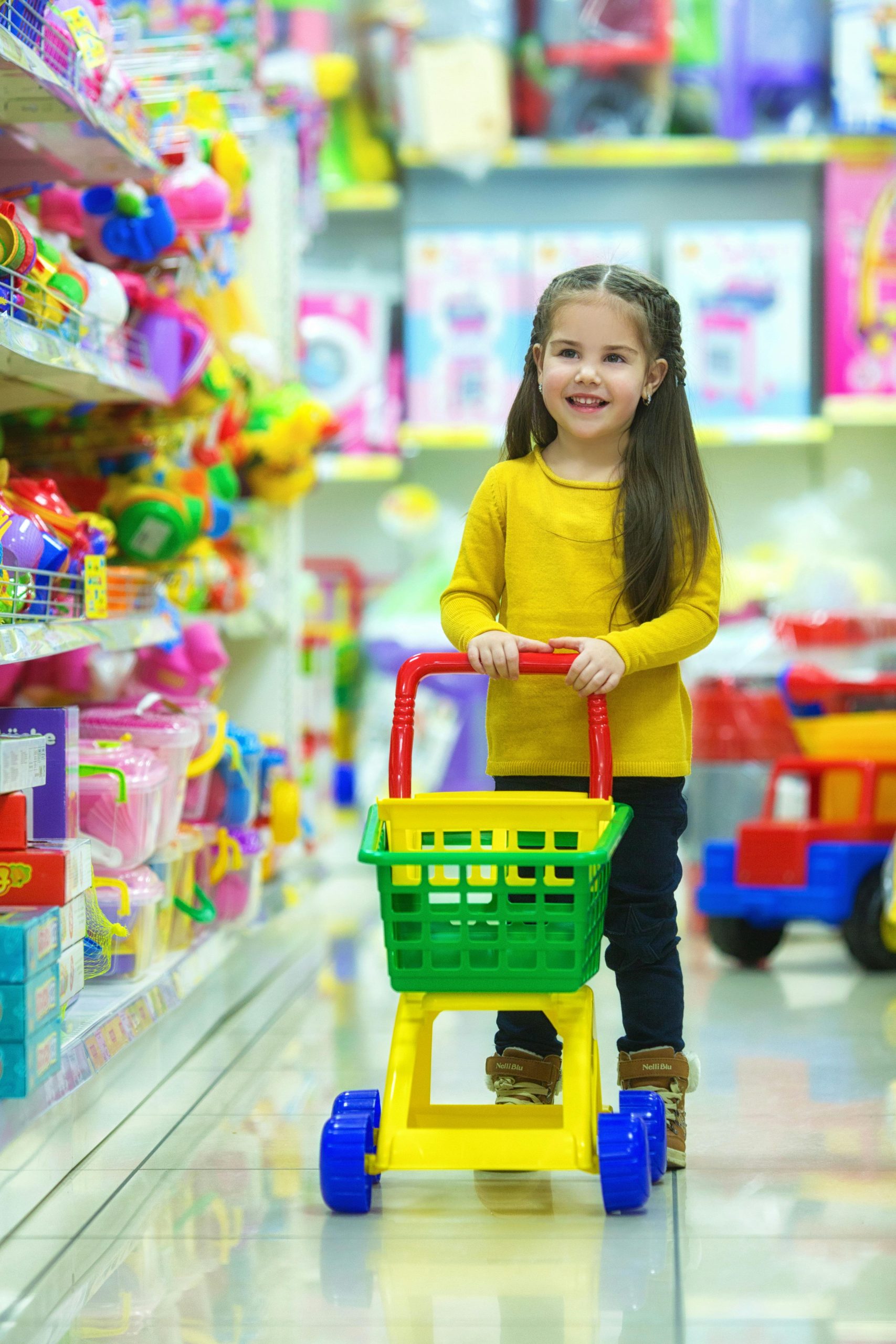
Don’t just stick to the simulation in the home store. Instead, you can sometimes turn a shopping trip into a money lesson. Give your child a small budget and a shopping list. Help them locate items, check prices, and comparison shop. Once all the items are collected help them locate the total price and count out cash at checkout. This real-world practice builds confidence and demonstrates the value of money management.

Learning how to count money can be an enjoyable experience for kids. By incorporating hands-on activities, games, and real-life scenarios, you can foster essential financial skills in your child in a fun and engaging manner. Start using these strategies today to help teach kids count money and pave the way for their future financial success!

Read More

  • 12 Reasons Why Your Kids are Behind Academically
  • 5 Free Budgeting Apps For Kids to Learn About Money
Shay Huntley
Shay Huntley

Shatel Huntley has a Bachelor’s degree in Criminal Justice from Georgia State University. In her spare time, she works with special needs adults and travels the world. Her interests include traveling to off-the-beaten-path destinations, shopping, couponing, and saving.

Filed Under: Money and Finances, Parenting Tagged With: counting money for kids, financial literacy for kids, hands-on money lessons, money education games, teach kids money skills, Teach Kids to Count Money, teaching kids about money

3 Reasons Golfing Is So Beneficial For Your Kids

December 9, 2024 | Leave a Comment

Golfing isn’t just a sport for adults; it offers a multitude of benefits for kids as well. While many may view it as a leisurely pastime, for young players, it can be an exciting adventure filled with significant personal growth. This classic game is more than just swinging clubs on a green course; it’s about learning new skills, making friends, and exploring new environments. Let’s delve into three wonderful reasons why golfing is so beneficial for your kids, encompassing the joy of discovering new hobbies, building social relationships, and experiencing diverse landscapes.

Enjoying New Hobbies

Introducing your kids to golfing can be a fantastic way to encourage them to enjoy new hobbies. Often introduced to the sport through family outings or school programs, many children find themselves captivated by the unique challenges and rewards that golf presents. The excitement of striking the ball and watching it soar across the green can be incredibly fulfilling.

The growing interest in golf among children has contributed to a surge in first-time players, with a record-tying 2.6 million newcomers in 2018 alone. This increase in participation is supported by an uptick in golf courses designed to accommodate this younger audience. Additionally, as more kids develop an interest in golf, the demand for youth-sized equipment and suitable playing facilities has grown remarkably.

Furthermore, golf courses are often located in picturesque settings, providing children with a tranquil environment that is different from the usual hustle and bustle. The leisurely pace of the sport allows them to take in the beauty of their surroundings while focusing on improving their skills. This serene experience can instill a lifelong appreciation for the outdoors in your kids.

Making New Friends

Golfing presents a unique social opportunity for kids to make new friends outside of school in a relaxed environment. Playing in groups or participating in youth tournaments can foster camaraderie and teamwork. Sharing the ups and downs of the game often leads to forming close bonds with peers who have similar interests.

Moreover, the inclusive nature of golf allows children from diverse backgrounds and abilities to come together and enjoy the game. With ongoing initiatives to promote the sport among diverse groups, golf is becoming more accessible to a wider youth audience. This inclusive aspect of golf is particularly important for children with specific needs, as it provides a supportive network and valuable social interaction.

According to Autism Speaks, 1 in 36 children in the United States are affected by autism, and golfing can be a great way for these kids to engage with others. The structure and rules of the game provide a comforting routine and clearer communication, which can be beneficial in fostering friendships and improving social skills. Such experiences enrich their social life and contribute to their overall development.

Seeing New Sights

Golf courses are often situated in scenic locales that offer children an opportunity to see new sights and embrace a love for travel. From coastal greens to courses nestled in the mountains, each location presents its own unique beauty and charm. These diverse settings provide kids with a broader view of the world beyond their immediate surroundings.

Tournaments and family golfing trips can serve as an educational experience, exposing kids to different cultures and communities. For example, a visit to Plymouth, Massachusetts offers not only a great golfing experience but also a historical excursion, attracting tourists and history enthusiasts alike. Exploring such destinations complements their golfing activities and enhances their knowledge and awareness of the world around them.

The journeys involved in getting to these places create memorable experiences that stay with them for life. These trips can instill a love for adventure and a curiosity for new experiences in kids, traits that are invaluable as they grow and explore further opportunities. Therefore, golfing can be more than just a sport; it becomes a passport to a world of exploration and discovery.

Golfing offers a remarkable blend of physical activity, social engagement, and geographical exploration for kids. It’s more than just a game; it’s an opportunity for children to develop new skills, build friendships, and broaden their horizons. As they swing their clubs and see new sights, they learn valuable life lessons that extend far beyond the golf course. Encouraging your children to try golf could open the door to a lifetime of benefits and enrichments, making it a worthwhile pursuit for any young adventurer.

Filed Under: Money and Finances

5 Free Budgeting Apps For Kids to Learn About Money

December 6, 2024 | Leave a Comment

budgeting apps for kids
Image Source: 123rf.com

Teaching kids about money early on sets them up for lifelong financial success. Using budgeting apps for kids makes learning about saving, spending, and budgeting fun and engaging. These tools are designed to teach money management skills through interactive features and games. Here are five free apps to help kids build strong financial habits while having fun.

Start Financial Adventures with Greenlight

Greenlight is a popular app that combines money management with parental oversight. Kids can learn to budget, save for goals, and make smart spending decisions. The app includes features like chore tracking, virtual savings jars, and allowance management. It can be a great way to teach kids about money with a modern view.

For parents, Greenlight is also helpful. You can track your child’s purchases and know what they are spending their money on. It also makes sending money easy. So, if your child is in need of lunch money or something else you can send it to them quickly. The app will also allow you to invest together, creating a learning opportunity for your child.

Make Learning Fun with PiggyBot

PiggyBot turns money lessons into a fun, interactive experience. The app allows kids to track their allowances via a virtual IOU. No actual money is exchanged, but they can keep tabs on how much they have stacking up. PiggyBot also incorporates some other important money lessons, such as coin recognition, counting, saving, and spending.

The app’s colorful interface and engaging features make it a hit with younger users. It’s an excellent choice for parents seeking kid-friendly budgeting apps for kids that simplify financial concepts.

Build Smart Money Habits with Rooster Money

Rooster Money helps kids learn about budgeting and managing their money. Similar to Greenlight, Rooster Money is a prepaid kids’ debit card and pocket money app. It allows children and parents to manage allowances, set chores, and plan savings goals. Overall, Rooster Money can help kids learn how to set goals and understand financial priorities. This sets a foundation for a child to grow up with a solid financial foundation.

Teach Responsibility with BusyKid

BusyKid is another app that aims to teach kids about money through real-life debit cards and budgeting apps. Again, parents and children can manage chores via the app. BusyKid’s app helps kids allocate their earnings toward saving, spending, and even investing. Parents can guide their children in dividing their money into categories and tracking their progress. This app makes learning about money realistic and hands-on.

Encourage Financial Growth with Bankaroo

Bankaroo is a virtual bank designed to teach kids the basics of budgeting and saving. Kids can create accounts, set goals, and monitor their spending in a simple, easy-to-use app. What is interesting about Bankaroo is that it has been offered as a way to teach kids about money in schools. The app even has an entire “Schools” section catered to teachers and administration. Bankaroo is a no-frills app, making everything straightforward and easy to understand. It’s an ideal tool for helping children understand the value of money and plan for future expenses.

Building Lifelong Financial Skills

Using budgeting apps for kids is an effective and fun way to introduce financial literacy at an early age. Each of these apps offers unique features to make learning about money accessible and enjoyable. By teaching kids how to manage their finances now, parents are giving them the tools to succeed in the future.

Latrice Perez

Latrice is a dedicated professional with a rich background in social work, complemented by an Associate Degree in the field. Her journey has been uniquely shaped by the rewarding experience of being a stay-at-home mom to her two children, aged 13 and 5. This role has not only been a testament to her commitment to family but has also provided her with invaluable life lessons and insights.  As a mother, Latrice has embraced the opportunity to educate her children on essential life skills, with a special focus on financial literacy.

Filed Under: Education, Money and Finances Tagged With: budgeting apps for kids, financial literacy for kids, free apps for kids to learn budgeting, money management tools, teaching kids about money

Raising Resilient Kids: 8 Lessons Every Parent Should Teach Their Child

December 6, 2024 | Leave a Comment

Raising Resilient Kids: 8 Lessons Every Parent Should Teach Their Child
Image Source: Pexels

Resilience is one of the most valuable traits a child can develop. In a world full of challenges, raising resilient kids who can adapt and overcome adversity is every parent’s goal. By teaching these eight essential lessons, you can equip your child with the skills and confidence to navigate life with strength and determination.

1. The Power of Problem-Solving

1. The Power of Problem-Solving
Image Source: Pexels

Encourage your child to have a problem-solving mindset when it comes to facing challenges in their lives. You must teach them to analyze situations considering both sides of the argument. Teach them how to brainstorm solutions, and make decisions. These lessons help foster independence and confidence. Such skills will serve them well throughout their lives, helping them tackle schoolwork and social conflicts.

2. The Value of Perseverance

2. The Value of Perseverance
Image Source: Pexels

Resilient children view failure as a stepping stone to success, not a dead end. Teach your child to see setbacks as opportunities to learn. Celebrate their effort and perseverance to instill the belief that hard work and determination can overcome almost any challenge.

3. Emotional Regulation Builds Strength

3. Emotional Regulation Builds Strength
Image Source: Pexels

Helping children understand and manage their emotions is crucial. It’s important to teach children techniques to regulate their emotions, such as deep breathing and positive self-talk, to help them cope with stress and frustration. A child who can regulate their emotions is better prepared to handle life’s challenges. While we all experience strong emotions, being able to control yourself and not let them take over is key to a happy life.

4. Empathy and Compassion Matter

4. Empathy and Compassion Matter
Image Source: Pexels

We have to care about others and be empathetic to their struggles. By teaching your child to understand and care for others, you help build up their emotional intelligence and help them create strong relationships. Resilient kids recognize the value of kindness and know how to offer support to others while seeking it when needed.

5. Adaptability Creates Confidence

5. Adaptability Creates Confidence
Image Source: Pexels

Adaptability is a crucial life skill due to life’s inherent unpredictability. Consider a time when you had to roll with the punches. Being able to do so probably made the situation much easier for you to handle. It’s essential to instill this in children early on by fostering flexible thinking and routines. By viewing change as an opportunity, they’ll be better equipped to navigate life’s uncertainties.

6. The Value of Optimism in Tough Times

Image Source: Pexels

Instilling optimism in children helps them develop resilience and navigate challenges with a positive outlook. Unlike those with a negative mindset who may dwell on negativity, resilient children view setbacks as temporary. They also maintain a hopeful attitude towards finding solutions. Optimism is, therefore, a valuable trait to cultivate.

7. Cultivating Gratitude for the Little Things

7. Cultivating Gratitude for the Little Things
Image Source: Pexels

Gratitude teaches kids to appreciate what they have and find joy in everyday moments. Focusing on gratitude fosters a positive mindset and reduces feelings of entitlement. Teaching your kids to be thankful for everything they have will ultimately lead them to living more fulfilling lives.

8. The Importance of Healthy Risk-Taking

8. The Importance of Healthy Risk-Taking
Image Source: Pexels

Taking safe risks helps children develop courage, problem-solving skills, confidence, and adaptability. Encouraging them to try new things, even if they’re hesitant is important. While it’s natural to want to protect them, some risk exposure is beneficial, as long as it’s calculated and the potential benefits outweigh the consequences. We all need to learn how to assess and manage risks in life.

Raising Resilient Children

When raising resilient kids, we must provide them with the skills to navigate life’s challenges. By fostering problem-solving abilities, perseverance, emotional regulation, empathy, and adaptability, we empower them to flourish in any circumstance. These essential life skills equip them for the present and lay the groundwork for a successful and fulfilling future.

Read More

The Kids Are Listening: 10 Things You Should Never Discuss Around Your Kids

Paying For Your Kids Education

Shay Huntley
Shay Huntley

Shatel Huntley has a Bachelor’s degree in Criminal Justice from Georgia State University. In her spare time, she works with special needs adults and travels the world. Her interests include traveling to off-the-beaten-path destinations, shopping, couponing, and saving.

Filed Under: Money and Finances, Parenting Tagged With: child-rearing tips, confident children, family values, life skills, parenting advice, Raising Resilient Kids, resilient kids

10 Hacks Every New Mom Should Know to Save Time and Sanity

December 4, 2024 | Leave a Comment

new mom hacks
Image Source: Pexels

The early stages of motherhood can be overwhelming, despite the excitement. New moms often struggle with sleep deprivation and the demands of baby care, leaving little time for themselves. However, practical solutions can make this transition smoother. Here are 10 essential new mom hacks that will help you stay organized and find time for yourself amidst the chaos.

1. Streamline Meal Preparation with Prepping

Dedicating a few hours each week to meal prepping can save time and alleviate stress. By doing this, you can ensure that nutritious, ready-to-eat options are always available. Freezing individual portions of soups, stews, or casseroles means you’ll spend less time cooking and more time bonding with your baby.

2. Create a Flexible but Consistent Routine

While it’s true that babies don’t always adhere to schedules, routines are beneficial. Creating a flexible one can provide structure for you and your baby’s day. Focus on key activities like feeding, playtime, and naps, while leaving room for adjustments. A predictable flow helps you both feel more at ease, even when surprises arise.

3. Keep Essentials Handy with Multiple Changing Stations

3. Keep Essentials Handy with Multiple Changing Stations
Image Source: Pexels

This is one of the new mom hacks that was a game-changer for me. Running back and forth to the nursery for diaper changes can be exhausting. Instead, do yourself a favor and set up changing stations throughout the home. Be sure to stock each station with diapers, wipes, extra clothes, and essentials. That ensures everything you need is within arm’s reach.

4. Embrace Babywearing for Hands-Free Productivity

4. Embrace Babywearing for Hands-Free Productivity
Image Source: Pexels

A baby carrier can transform your daily routine. It allows you to keep the baby close and secure while also being productive. Whether you’re tackling household chores or simply enjoying a walk, babywearing fosters bonding while freeing your hands. It’s a practical solution that enhances both convenience and connection.

5. Accept Help and Build a Support Network

5. Accept Help and Build a Support Network
Image Source: Pexels

Don’t feel pressured to handle everything alone; remember, you don’t have to be superhuman. Accepting help, whether it’s babysitting from a family member or a meal from a friend, can significantly improve your well-being and strengthen your support network. It’s easy to fall into the trap of trying to do everything yourself, but allowing others to assist you can make a world of difference.

6. Take Care of Yourself 

6. Take Care of Yourself 
Image Source: Pexels

One of the best new mom hacks I can give you is to always make time for yourself. Adjusting to life with a new baby is a given, but that doesn’t mean you should neglect yourself. Self-care is crucial, especially when the realities of motherhood don’t match the idealized version. Make time for simple pleasures, socialize with friends, or even take a trip. If you can’t bear to be away from your baby, find ways to include them in your activities.

7. Stay Stocked Up On Supplies 

When it comes to babies, you can never have too many supplies. Ensure you have a good supply of diapers and wipes. I attempted to purchase enough wipes to last a year, and we still have a stash after eight months. Additionally, store away items you might not think you need, such as extra pacifiers. My daughter loves to throw her pacifiers down throughout the day and occasionally loses a few.

8. Keep The Same Environment

8. Keep The Same Environment
Image Source: Pexels

While safety and space are important considerations, not everything needs to change when a baby arrives. For instance, the noise level. If your household is typically noisy, let the baby adjust to that. I knew I wouldn’t be able to tiptoe around quietly with a baby, so I kept the noise level the same. My baby has no trouble sleeping in our usual environment, and this also makes traveling easier as she’s well-adjusted to different noise levels. 

9. Organize Baby Clothes by Size and Season

9. Organize Baby Clothes by Size and Season
Image Source: Pexels

Babies grow fast, and it’s easy to lose track of which clothes still fit. Organize their wardrobe by size and season, storing larger sizes in labeled bins for future use. This hack makes it simple to find what you need when it’s time to dress your baby, saving you time and frustration during hectic mornings.

10. Invest in Dual-Purpose Baby Gear to Save Time and Space

Multi-functional baby gear can simplify your life and reduce clutter. Items like cribs that convert into toddler beds or strollers that double as car seat bases grow with your child, eliminating the need for additional purchases. Highchairs that transition into booster seats are another example of long-term value and convenience. These versatile items not only save money but also streamline daily routines, allowing you to focus more on your baby.

Motherhood is filled with challenges, but these new mom hacks are designed to make life a little easier. By embracing meal prepping, establishing routines, and accepting help, you’ll create space for what matters most—enjoying precious moments with your baby. Remember, finding balance is key to thriving during these early days of parenthood.

Read More

  • Want Great Kids Movies for Free? These Are Free Movies on YouTube for Kids
  • 6 Holiday Family Movie Night Ideas That Will Make Your Winter Extra Cozy
Shay Huntley
Shay Huntley

Shatel Huntley has a Bachelor’s degree in Criminal Justice from Georgia State University. In her spare time, she works with special needs adults and travels the world. Her interests include traveling to off-the-beaten-path destinations, shopping, couponing, and saving.

Filed Under: Money and Finances

Great Pet Care Habits You Can Teach the Whole Family

December 4, 2024 | Leave a Comment

Caring for a pet is a wonderful family experience that can bring everyone closer together. Nearly 70% of American households have a pet, which means many families are discovering the joys and responsibilities of pet care. Teaching good habits not only ensures that your pet stays healthy but also strengthens family bonds. Here are some essential pet care habits that every family member can learn to create a happy, well-cared-for pet.

1. Regular Feeding Routines

One of the most important pet care habits is establishing a consistent feeding schedule. When pets are fed at the same time every day, they feel more secure and can maintain a healthy digestive rhythm. Get the whole family involved by assigning roles; perhaps one person can fill food bowls, while another can ensure that water is always fresh. Consistency is key, and teaching children the importance of regular feeding helps them understand responsibility.

2. Make Hydration a Priority

Just like humans, pets need access to fresh water throughout the day. To keep pets hydrated, designate someone in the family to refill water bowls each morning and evening. This habit is especially important for active pets who need water to stay energized and healthy. Setting up a water station in a common area and teaching kids to monitor water levels daily encourages awareness and responsibility.

3. Keep Pets Active with Daily Playtime

Physical activity is essential for a pet’s health, and it’s something the whole family can enjoy together. For dogs, try taking turns walking them each day, and for indoor pets like cats, set aside time for interactive play with toys or laser pointers. This helps burn off excess energy, prevents obesity, and provides much-needed mental stimulation. The Zebra reports that over 25% of American households have a cat, which means many families can benefit from understanding a cat’s need for exercise, even if it’s indoors.

4. Train Pets Together as a Family

Training pets is easier and more effective when the entire family is on the same page. Decide on common commands and reinforce them consistently so that your pet understands what is expected. This teamwork approach strengthens communication within the family and helps your pet feel more secure and well-behaved. By working together on training, everyone becomes a confident leader, and the pet benefits from clear guidance.

5. Prioritize Clean and Comfortable Living Spaces

Pet-friendly homes are often happier homes, and making spaces comfortable for both pets and people is essential. According to SimpleShowing, 80% of people report that they enjoy their homes more after installing hardwood floors, which are easier to clean and more durable for homes with pets. Encourage children to help keep these areas tidy by cleaning up pet toys and bedding. Regularly sweeping or vacuuming helps maintain a clean environment and keeps everyone, including the pets, comfortable.

6. Grooming and Hygiene as a Routine

Grooming is a key part of pet care that can be enjoyable for the whole family. Brushing, bathing, and trimming nails are all essential tasks to keep your pet clean and healthy. Assign grooming duties to different family members, perhaps taking turns each week. Children can help with brushing, while adults can handle nail trimming. Creating a routine around grooming not only keeps your pet looking great but also helps them get used to being handled, reducing anxiety.

7. Schedule Vet Visits and Health Checkups

Regular veterinary care is crucial for your pet’s health. Set up a family calendar that includes reminders for checkups, vaccinations, and any necessary treatments. Explain to children why these appointments are important and involve them by having them help prepare for the visit, such as packing any needed items or making sure your pet is calm. This helps kids understand the importance of preventive care and reinforces a long-term commitment to pet health.

8. Encourage Empathy and Respect

Finally, one of the best habits to teach children is empathy and respect for pets. Pets are part of the family and deserve care, attention, and understanding. By teaching children to treat animals kindly, you foster compassion and responsibility. Encourage kids to recognize and respond to their pet’s needs, such as giving them space when they’re resting or providing comfort when they’re scared.

Filed Under: Money and Finances

Want Great Kids Movies for Free? These Are Free Movies on YouTube for Kids

November 29, 2024 | Leave a Comment

free movies on youtube for kids
123rf

Finding quality entertainment for kids doesn’t have to break the bank. YouTube offers a treasure trove of free movies perfect for family nights. From underwater adventures to magical tales, there’s something to capture every child’s imagination. Here are five fantastic free movies on YouTube for kids that will keep them entertained and engaged.

Dive into Adventure with A Turtle’s Tale: Sammy’s Adventures

This delightful animated movie follows Sammy, a sea turtle, as he navigates an ocean filled with wonders and challenges. Along the way, he learns valuable lessons about friendship and perseverance. The stunning underwater visuals and heartwarming story make this a favorite among families. If you’re searching for free movies on YouTube for kids, this one is an educational and entertaining gem.

Team Spirit Shines in Camp Cool Kids

Camp Cool Kids brings all the fun and lessons of summer camp to life. It tells the story of young campers overcoming fears and learning the power of teamwork. With humorous moments and heartfelt interactions, it’s a relatable tale that resonates with kids of all ages. Plus, its availability on YouTube makes it a convenient pick for a family movie night.

Time Travel Fun in Boonie Bears: Blast Into the Past

This action-packed film takes kids on a prehistoric journey alongside two mischievous bear brothers. Their time-traveling escapade into the dinosaur era is filled with humor, suspense, and valuable lessons about bravery and loyalty. As one of the best free movies on YouTube for kids, it’s a guaranteed crowd-pleaser that adds excitement to any watchlist.

Treasure Hunting with Tad: The Lost Explorer

If your child dreams of grand adventures, Tad: The Lost Explorer delivers thrills and laughs in equal measure. Tad’s journey from construction worker to treasure hunter is packed with action and humor. This YouTube classic encourages curiosity and exploration, making it a must-watch for budding adventurers. Its fast-paced plot ensures the whole family stays entertained.

Embrace Magic with Unicorn Academy

Magical unicorns and enduring friendships take center stage in Unicorn Academy. This enchanting movie sparks creativity and captivates younger audiences with its whimsical story. As one of the most imaginative free movies on YouTube for kids, it’s perfect for children who love fantasy worlds. Its positive themes make it a heartwarming choice for family time.

Make Family Movie Nights Special

With these free movies on YouTube for kids, your family movie nights can be both affordable and fun. Each film offers a mix of adventure, humor, and valuable life lessons. Whether it’s an oceanic journey or a magical unicorn tale, these stories will bring joy and inspiration to your household. Don’t forget the popcorn—these movies are too good to miss!

Latrice Perez

Latrice is a dedicated professional with a rich background in social work, complemented by an Associate Degree in the field. Her journey has been uniquely shaped by the rewarding experience of being a stay-at-home mom to her two children, aged 13 and 5. This role has not only been a testament to her commitment to family but has also provided her with invaluable life lessons and insights.  As a mother, Latrice has embraced the opportunity to educate her children on essential life skills, with a special focus on financial literacy.

Filed Under: Family Time, Money and Finances Tagged With: children’s animated films, family movie nights, free kids entertainment, free movies on YouTube for kids, kids adventure movies, magical stories for kids, YouTube kids movies

« Previous Page
Next Page »
  • Facebook
  • Pinterest
  • RSS
  • Twitter
Best Parenting Blogs

Most Popular

Baby

10 Baby Names That Were Once Considered “Grandparent Names” but Feel Cool Again

Evan Morgan
Baby

9 Baby Names Inspired by Fall Without Naming Your Child Autumn

Evan Morgan
Baby

9 Baby Names That Sound Expensive Even Though Naming Your Baby Is Still Free

Evan Morgan
Baby names

Teachers Admit: These 6 Baby Names Create Instant Bias in the Classroom

Latrice Perez
6 Baby Names That Sound Cute Now but Cause Problems Later

6 Baby Names That Sound Cute Now but Cause Problems Later

Brandon Marcus

All content on Kids Ain’t Cheap is for entertainment purposes only. By reading this blog, you agree that Kids Ain’t Cheap is not responsible for any actions taken after reading this blog. For the full disclaimer, see our privacy policy.

Please note that Kids Ain’t Cheap has financial relationships with some of the merchants mentioned here. Kids Ain’t Cheap is funded by banner advertising, commission sales and search optimization consulting.

Copyright © 2006–2026 | District Media | All Rights Reserved | Privacy Policy

Copyright © 2026 Runway Pro Theme by Viva la Violette