• Home
  • About Us
  • Toolkit
  • Archives
  • Advertise
  • Privacy Policy

Kids Ain't Cheap

But They Sure Are Worth It

  • Parenting
    • Baby Stuff
    • Books and Reading
      • Aesops Fables
      • Comic Books
    • Education
    • Family Time
    • Green Living
    • Growing Up
    • Healthy Living & Eating
    • Holidays
    • Parenting
    • Random Musings
    • Shopping
    • Stuff to Do
  • Money
  • Product Reviews
    • Books and Magazines
    • Discount Sites
    • Furniture
    • House Keeping
    • Reviews News
    • Toys and Games
  • Contact Us
  • Our Editorial Commitment
  • Search

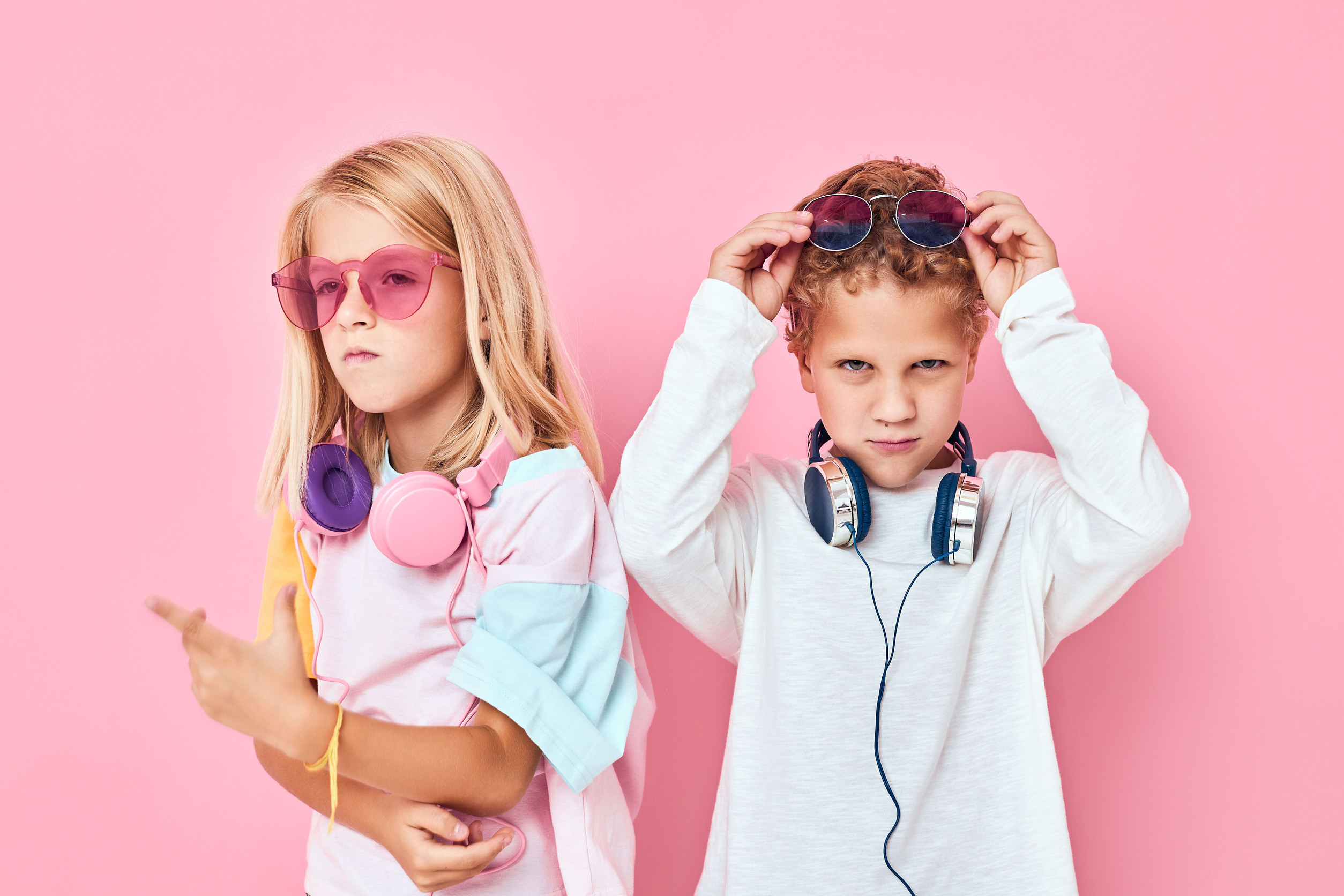
10 Ways Parents Are Accidentally Teaching Entitlement

October 15, 2025 | Leave a Comment

aesops fables
Image Source: Shutterstock

Every parent wants their child to feel loved, supported, and valued. However, sometimes in the effort to provide the best, parents unintentionally send messages that lead to unhealthy attitudes. One of the most common problems is teaching entitlement without realizing it. When children grow up expecting rewards without effort or privileges without responsibility, it can affect how they behave at home, at school, and later in the workplace. By spotting these subtle habits, parents can shift toward raising grateful, resilient kids instead of entitled ones.

1. Giving Rewards Without Effort

Handing out prizes or treats without requiring any effort can quickly lead to teaching entitlement. Children begin to believe that rewards are guaranteed rather than earned. While small surprises are fine occasionally, consistent unearned rewards create unrealistic expectations. Kids thrive when they see the connection between hard work and positive outcomes. Encouraging effort over automatic rewards builds motivation and appreciation.

Check out this book on Amazon: Discipline without Stress Punishments or Rewards: How Teachers and Parents Promote Responsibility & Learning. It can help you navigate this part of parenting with more mindfulness.

2. Solving Every Problem for Them

Parents often want to rescue their children from difficulties, but doing so too often risks teaching entitlement. When kids never face challenges, they may assume someone else will always fix things. Struggles, though uncomfortable, are important learning opportunities. By letting children work through minor setbacks, parents teach resilience and problem-solving. Stepping back allows kids to feel capable and responsible for their own growth.

3. Avoiding the Word “No”

Constantly saying yes may seem like a way to keep the peace, but it can unintentionally send the wrong message. Children who never hear no may believe their wants will always be prioritized. Boundaries are essential for teaching respect, patience, and gratitude. Parents who confidently say no when necessary teach kids that limits are part of life. These lessons prepare them for real-world expectations where they will not always get their way.

4. Making Excuses for Bad Behavior

When parents explain away disrespectful or unkind actions, they risk teaching entitlement. Children may begin to feel that rules do not apply to them. Holding kids accountable teaches responsibility and respect for others. Even small missteps are opportunities to reinforce expectations. By addressing behavior honestly, parents set the foundation for integrity and accountability.

5. Overpraising Every Little Thing

Encouragement is important, but constant overpraise can lead to inflated self-importance. Children may expect recognition for even the smallest tasks, such as cleaning up toys or finishing homework. While celebrating effort is valuable, balance matters. Genuine, specific praise helps kids develop confidence without entitlement. Parents can focus on meaningful achievements to reinforce effort and growth.

6. Placing Material Things Above Experiences

Filling a child’s life with endless toys, clothes, or gadgets may unintentionally contribute to teaching entitlement. Children may learn to measure happiness by possessions rather than gratitude or shared experiences. Over time, this can lead to unrealistic expectations about what they “deserve.” Choosing family activities or quality time over constant material gifts builds deeper connections. Kids remember moments, not just things.

7. Ignoring Gratitude Lessons

Failing to emphasize gratitude can leave children unappreciative of what they have. Gratitude is a learned skill that requires regular practice. Parents can encourage thank-you notes, verbal appreciation, or small acts of kindness to build this habit. When children learn to recognize the efforts of others, they are less likely to feel entitled. Gratitude transforms expectations into appreciation.

8. Shielding Them from Chores

Some parents avoid assigning chores to keep childhood “stress-free,” but this can backfire. Without responsibilities, kids may expect others to always take care of their needs. Simple tasks like setting the table or folding laundry help children feel capable and contribute to the household. Sharing responsibilities reinforces teamwork and respect for family effort. Chores are less about work and more about learning responsibility.

9. Prioritizing Comfort Over Growth

Parents sometimes step in to make everything as easy as possible, but too much comfort can foster entitlement. Children who are never challenged may resist effort when faced with difficult tasks later. Small struggles build confidence and adaptability. By allowing kids to step outside their comfort zones, parents encourage independence. Growth comes from challenge, not constant comfort.

Another great read is Raising Future Leaders. Parents have expressed that they’ve learned a lot from this book when it comes to encouraging their children’s growth.

10. Failing to Model Humility

Children often mirror what they see in their parents. If they witness entitlement, they may adopt the same attitudes. Modeling humility, kindness, and appreciation is one of the most effective ways to teach gratitude. Parents who admit mistakes and show respect for others send powerful lessons. Kids who grow up seeing humility learn that strength and confidence can coexist with gratitude.

Choosing Gratitude Over Entitlement

Parenting is filled with small decisions that shape long-term habits. Recognizing where teaching entitlement may be happening gives parents the chance to shift toward gratitude and responsibility. Children raised with balance, respect, and accountability grow into adults who value effort and relationships over entitlement. The goal is not perfection but awareness and small daily changes. With mindful parenting, kids learn that true happiness comes from appreciation, not expectation.

Have you caught yourself accidentally teaching entitlement without realizing it? What strategies have helped you encourage gratitude instead? Share your thoughts in the comments!

What to Read Next

  • Praise vs. Confidence: 10 Effects of Over-Celebrating Small Wins on Kids
  • 9 Things No One Tells You About Raising an Only Child
  • Aesop’s Fables, a New Regular Feature on Kids Ain’t Cheap!
  • The Lion, The Fox, And The Ass; an Aesop’s Fable
  • Are You Accidentally Teaching Your Kids Money Doesn’t Matter?

This post includes affiliate links. If you purchase anything through these affiliated links, the author/website may earn a commission.

Catherine Reed
Catherine Reed

Catherine is a tech-savvy writer who has focused on the personal finance space for more than eight years. She has a Bachelor’s in Information Technology and enjoys showcasing how tech can simplify everyday personal finance tasks like budgeting, spending tracking, and planning for the future. Additionally, she’s explored the ins and outs of the world of side hustles and loves to share what she’s learned along the way. When she’s not working, you can find her relaxing at home in the Pacific Northwest with her two cats or enjoying a cup of coffee at her neighborhood cafe.


Filed Under: Parenting Tagged With: child behavior, family values, parenting tips, raising grateful kids, responsibility in children, teaching entitlement

8 Financial Decisions Parents Make That Kids Remember Forever

October 9, 2025 | Leave a Comment

8 Financial Decisions Parents Make That Kids Remember Forever
Image source: 123rf.com

Kids may not understand tax brackets or compound interest, but they notice how their parents handle money. The financial choices you make today—how you spend, save, and talk about money—shape how your children will think about it for life. Whether it’s a splurge on something special or a hard lesson about budgeting, your actions leave a lasting imprint. The financial decisions parents make often serve as silent lessons that stick far longer than any classroom lecture. Here are eight powerful money choices that kids never forget.

1. How You React to Financial Stress

Children pay close attention to how you handle money-related pressure. If you panic, argue, or shut down when bills pile up, they may grow up viewing finances as a source of fear. On the other hand, if you stay calm and problem-solve, you teach resilience and resourcefulness. The financial decisions parents make under stress reveal whether they see money as a tool or a threat. By showing composure, you set the tone for how your children will face their own financial challenges.

2. Whether You Talk Openly About Money

Some parents treat financial discussions as off-limits, but silence can lead to confusion and misinformation. When you include kids in age-appropriate money talks, they learn that finances are something to manage, not avoid. Discussing saving goals, family budgets, or spending trade-offs encourages healthy curiosity and responsibility. The financial decisions parents make become teachable moments when they explain the reasoning behind them. Openness about money creates a foundation of trust and understanding that benefits children into adulthood.

3. The Way You Use Credit and Debt

How you handle borrowing leaves a lasting impression. Children notice if you swipe a credit card casually or if you talk about paying down debt with purpose. The financial decisions parents make about credit shape how kids view responsibility and delayed gratification. If they see you using debt wisely—like financing a home or car responsibly—they learn that credit can be a tool, not a trap. But if debt constantly causes stress or arguments, they may associate it with loss of control.

4. How You Approach Saving for the Future

Kids remember whether saving was part of your household culture. When they see you consistently set aside money for emergencies, vacations, or retirement, it reinforces the idea of long-term planning. The financial decisions parents make around saving show children that small, steady habits lead to security. Even involving them in simple savings goals, like putting coins in a jar or opening a child’s savings account, builds lifelong discipline. Demonstrating the value of saving teaches patience and foresight that pay off later.

5. What You Prioritize Spending Money On

Every purchase tells a story about values. If you regularly invest in family experiences, education, or generosity, your kids learn that money can enhance life meaningfully. When spending constantly goes toward fleeting luxuries, children may associate happiness with consumption. The financial decisions parents make about spending become a silent curriculum in value-setting. Showing restraint and intentionality helps kids see money as a means to a fulfilling, balanced life.

6. How You Handle Generosity and Giving

Charitable giving, whether big or small, leaves a powerful emotional imprint. Kids remember when parents give time, money, or resources to help others. The financial decisions parents make around generosity teach empathy and social awareness. Whether it’s donating to a cause or helping a neighbor in need, those choices model kindness in action. Children raised around generosity often grow up more grateful and more likely to give themselves.

7. How You Manage Lifestyle Upgrades

When a family earns more, how that extra money is used sends a strong message. Some parents may immediately upgrade cars or vacations, while others may focus on financial stability first. The financial decisions parents make after income changes reveal their sense of discipline and perspective. Kids quickly notice whether financial gains are celebrated responsibly or spent impulsively. By choosing mindful growth over instant gratification, you teach your children to respect the power—and limits—of money.

8. Whether You Include Kids in Financial Problem-Solving

Involving kids in realistic financial discussions helps them feel capable, not burdened. When a family must cut back, explaining the reasoning can build understanding instead of resentment. The financial decisions parents make during tough times demonstrate honesty, teamwork, and maturity. Encouraging kids to suggest ways to save or prioritize expenses turns challenges into lessons. Those collaborative moments teach them that money is something to manage together, not something to fear.

The Financial Legacy You Leave Without Saying a Word

Children remember more than your income or possessions—they remember your relationship with money. Every action, from how you tip a server to how you budget for holidays, tells them what responsibility looks like. The financial decisions parents make today shape not just family finances, but generational attitudes toward security and success. When you model confidence, compassion, and discipline, those lessons endure long after they’ve grown. In the end, your example becomes their foundation for a lifetime of smart financial habits.

What money lessons did you learn from your own parents—and which ones are you hoping your kids remember? Share your stories in the comments below!

What to Read Next…

Are You Accidentally Teaching Your Kids Money Doesn’t Matter?

7 Things Kids Remember Most About Their Parents (It’s Not What You Think)

Are You Passing Down Toxic Money Habits Without Knowing It?

5 Things Your Kids Will Remember—That Have Nothing to Do With Money

Are You Setting Your Child Up for Adult Money Problems?


Catherine Reed
Catherine Reed

Catherine is a tech-savvy writer who has focused on the personal finance space for more than eight years. She has a Bachelor’s in Information Technology and enjoys showcasing how tech can simplify everyday personal finance tasks like budgeting, spending tracking, and planning for the future. Additionally, she’s explored the ins and outs of the world of side hustles and loves to share what she’s learned along the way. When she’s not working, you can find her relaxing at home in the Pacific Northwest with her two cats or enjoying a cup of coffee at her neighborhood cafe.

Filed Under: Money and Finances Tagged With: budgeting, family finances, family values, financial literacy, money habits, Money Lessons, Parenting, saving, teaching kids about money

10 Important Roles Grandparents Can Play in Your Child’s Life

July 11, 2025 | Leave a Comment

10 Important Roles Grandparents Can Play in Your Childs Life
123rf.com

Grandparents are often seen as the sweet side characters in a child’s story, but they can play some of the most influential roles in your child’s growth and happiness. Whether they live nearby or visit on holidays, the important roles grandparents can play in your child’s life go far beyond babysitting or spoiling them with treats. Grandparents offer a rare mix of experience, perspective, and unconditional love that helps shape children in beautiful, lasting ways. From teaching values to simply being there, their involvement can provide emotional support, practical help, and a deeper sense of family identity. Here’s how they make a big difference in a child’s life—and why their impact should never be underestimated.

1. Family Storytellers and Memory Keepers

Grandparents are often the keepers of family history and traditions. Their stories give children a sense of belonging and help them understand their roots. When a grandparent shares tales of the past, kids learn values, resilience, and how things have changed over time. These narratives help shape a child’s identity and provide a strong connection to the family legacy. Passing down memories is one of the most important roles grandparents can play in your child’s life.

2. Emotional Safety Nets

Children often feel an extra sense of comfort with grandparents. They tend to offer calm, nonjudgmental support that helps kids feel understood and accepted. In times of stress or family change, grandparents can be a grounding force, offering stability and reassurance. This emotional backup allows children to feel safe enough to open up and process big feelings. When parents are overwhelmed, having another trusted adult can be an emotional lifesaver for the child.

3. Teachers of Life Skills

From gardening to cooking to balancing a checkbook, grandparents have real-life knowledge to share. Many of these skills aren’t always taught in schools, making their lessons incredibly valuable. When grandparents teach these tasks, they also model patience, persistence, and problem-solving. Plus, kids are often more willing to learn from someone outside their everyday routine. These teaching moments strengthen bonds and build practical competence.

4. Playmates with Patience

There’s something special about the way grandparents play. They’re not rushing through the motions—they’re present, patient, and happy to follow the child’s lead. Whether it’s reading the same book five times or building a puzzle together, their slower pace allows kids to feel seen and heard. This kind of play strengthens emotional connections and helps children develop social and cognitive skills. Grandparents often make everyday activities feel magical just by being fully engaged.

5. Support Systems for Parents

Let’s not forget—grandparents are also a huge help to you. Whether it’s offering childcare, school pickup help, or just giving you a break, their support can relieve the pressure of modern parenting. Involved grandparents also help create a village around the child, which boosts emotional security for everyone. When parents are less stressed, kids benefit too. Having another set of loving hands can make a world of difference in raising happy, balanced children.

6. Role Models for Respect and Responsibility

Kids naturally look up to grandparents and often mimic their attitudes and behaviors. When grandparents model respect, honesty, and responsibility, kids learn by example. Their decades of experience and wisdom offer valuable lessons in how to treat others and handle challenges. Plus, watching a strong relationship between their parents and grandparents teaches kids how to honor and care for older generations. These values tend to stick with children well into adulthood.

7. Encouragers of Creativity

With a little more time and fewer distractions, grandparents can give creative pursuits the attention they deserve. Whether it’s sewing, woodworking, writing letters, or singing old songs, they can inspire kids to explore their imaginations. Many children feel freer to try new things with a grandparent cheering them on. These creative moments often spark lifelong passions and meaningful memories. Encouraging curiosity and exploration is another one of the important roles’ grandparents can play in your child’s life.

8. Advocates and Allies

When a child feels misunderstood, a grandparent can often step in as a gentle advocate. They may see the situation from a different angle and help bridge communication between the child and parent. Their support can also help children stand up for themselves in school or other social settings. Being that trusted voice of encouragement builds confidence and helps kids feel like someone always has their back. A grandparent’s belief in a child can be profoundly empowering.

9. Companions Through Change

From starting school to dealing with a family move or loss, transitions can be tough on kids. Grandparents provide consistent companionship that helps kids feel steady during uncertain times. Their wisdom and calm demeanor offer a sense of peace when everything else feels chaotic. Even a simple phone call or visit can make a child feel more secure. Their presence helps kids process big emotions in healthy, constructive ways.

10. Givers of Unconditional Love

Above all else, grandparents offer the kind of love that feels safe, warm, and unwavering. Their love isn’t based on grades, sports trophies, or perfect behavior—it just is. This kind of unconditional affection is vital to a child’s emotional development. It boosts self-esteem, fosters resilience, and helps children believe in their worth. When grandparents show up with open arms, it leaves a lasting imprint on a child’s heart.

A Love That Lasts Through Generations

The important roles grandparents can play in your child’s life are varied, powerful, and deeply impactful. From being a steady presence to sharing everyday moments, they help shape the kind of people our children grow up to be. While not every family dynamic allows for daily interaction, even small, consistent efforts make a difference. If your child is lucky enough to have involved grandparents, treasure and nurture those bonds—they’re some of the strongest connections your child will ever have.

What role has a grandparent played in your child’s life that left a lasting impact? Share your stories in the comments!

Read More:

12 Reasons Your Parents Shouldn’t Be Raising Your Kids

Things You Should Never Allow Your Kids To Say To Their Grandparents

Catherine Reed
Catherine Reed

Catherine is a tech-savvy writer who has focused on the personal finance space for more than eight years. She has a Bachelor’s in Information Technology and enjoys showcasing how tech can simplify everyday personal finance tasks like budgeting, spending tracking, and planning for the future. Additionally, she’s explored the ins and outs of the world of side hustles and loves to share what she’s learned along the way. When she’s not working, you can find her relaxing at home in the Pacific Northwest with her two cats or enjoying a cup of coffee at her neighborhood cafe.

Filed Under: Parenting Tagged With: child development, child role models, emotional health, family relationships, family values, grandparents, intergenerational bonding, parenting support

9 Qualities That Say Your Child Is Being Raised Well

June 6, 2025 | Leave a Comment

9 Qualities That Say Your Child Is Being Raised Well

Every parent wonders at some point, “Am I doing this right?” While there’s no perfect blueprint for parenting, there are clear signs that you’re on the right track. The small, everyday moments often say more than big milestones or report cards. From kindness to resilience, the qualities kids develop early can reflect the care, guidance, and values they’re learning at home. If you notice these behaviors, chances are your child is being raised well—and you deserve to feel proud of that.

1. They Show Kindness Without Being Asked

When your child helps a classmate pick up spilled crayons or shares their snack with a friend who forgot theirs, that’s a meaningful sign. It means they’ve learned empathy, one of the most powerful indicators that your child is being raised well. True kindness isn’t just about saying “please” and “thank you” but choosing to be gentle, generous, and considerate when no one’s watching. These small, unscripted moments reflect the values you’ve modeled. Kids who lead with kindness grow into adults who make the world better.

2. They Can Apologize and Mean It

A genuine apology isn’t easy for most adults—so when a child can do it without being forced, it speaks volumes. Taking responsibility shows that your child is learning accountability and emotional intelligence. Whether they apologize to a sibling for being too rough or tell a friend they didn’t mean to hurt their feelings, it means they’re reflecting and growing. Being able to say “I’m sorry” is a strong sign your child is being raised well. It shows they understand the impact of their actions.

3. They Respect Boundaries (Theirs and Others’)

A child who can say “no” confidently and also respects when someone else says it back is learning something truly important. Healthy boundaries are crucial for emotional safety and future relationships. When your child is being raised well, they understand that personal space, consent, and communication matter. This may show up when they ask before borrowing a friend’s toy or speak up when they’re uncomfortable. These habits come from parents who teach that respect is a two-way street.

4. They Can Handle Disappointment (Most of the Time)

No child handles disappointment perfectly, but if your child can take a “no” without a full meltdown every time, that’s a major win. This shows they’re developing coping skills, resilience, and emotional control. Whether it’s losing a game or not getting the treat they wanted, managing frustration with grace is a sign your child is being raised well. It means you’re giving them the tools to face real-life challenges without crumbling. Emotional regulation isn’t perfect, but progress is powerful.

5. They Include Others

Pay attention to how your child treats kids outside their friend circle. Do they invite the quiet kid to play or stand up for someone being left out? Inclusion shows compassion, leadership, and confidence. When your child is being raised well, they know that being kind to everyone—not just their favorite people—is the right thing to do. These moments of inclusion don’t need to be big or loud; they just need to be consistent.

6. They Ask Good Questions

Curiosity is more than just wanting to know things—it’s a reflection of how a child feels safe, engaged, and respected. A child who’s encouraged to ask “why,” “how,” or “what if” is learning to think for themselves. If your child feels comfortable asking questions about the world, people, and even your rules, that’s a great sign your child is being raised well. It shows they trust you to listen and guide them instead of just shutting them down. Curiosity lays the groundwork for lifelong learning.

7. They Show Gratitude

You know you’re doing something right when your child thanks you for the little things without being prompted. Whether it’s saying thank you after dinner or writing a note to a teacher, gratitude reflects a deeper understanding of generosity and appreciation. Kids who regularly express thanks aren’t just being polite—they’re recognizing effort and value. Gratitude is a meaningful way to know your child is being raised well, especially in a world that often moves too fast to say thanks.

8. They’re Honest (Even When It’s Hard)

Lying is a normal part of development, but a child who chooses honesty even when it’s uncomfortable is learning integrity. If they admit to spilling the milk or breaking the remote instead of blaming the dog, they’re learning to own their actions. That honesty, even when it comes with consequences, signals that your child is being raised well. It means they trust you enough to tell the truth and believe that being honest matters more than getting away with something.

9. They’re Confident Without Being Arrogant

Confidence isn’t about bragging—it’s about self-assurance and believing in one’s ability to try, fail, and try again. If your child takes initiative, shares ideas, or isn’t afraid to speak up in class, that confidence likely started at home. It reflects a secure emotional foundation built on encouragement, listening, and love. When your child is being raised well, you’ll see pride without superiority. They don’t have to be perfect—they just have to believe they’re capable.

The Quiet Proof You’re Doing It Right

You won’t always get applause for the effort you put into parenting—but your child’s everyday choices say more than words ever could. These signs that your child is being raised well are your real-time proof that your lessons, values, and love are sticking. And while no parent gets it right 100% of the time, seeing these qualities shine through is a reminder that you’re raising someone truly special.

What qualities have made you feel proudest as a parent? Which signs tell you your child is growing into someone amazing? Share your thoughts in the comments!

Read More:

8 People You Should Want Your Kids to Look Up To

10 Signs Your Child Is Growing Up Faster Than You Realize

Catherine Reed
Catherine Reed

Catherine is a tech-savvy writer who has focused on the personal finance space for more than eight years. She has a Bachelor’s in Information Technology and enjoys showcasing how tech can simplify everyday personal finance tasks like budgeting, spending tracking, and planning for the future. Additionally, she’s explored the ins and outs of the world of side hustles and loves to share what she’s learned along the way. When she’s not working, you can find her relaxing at home in the Pacific Northwest with her two cats or enjoying a cup of coffee at her neighborhood cafe.
Filed Under: Parenting Tagged With: child behavior, child development, confident kids, emotional intelligence, family values, Parenting, Positive Parenting, raising good kids

Should Parents Allow Their Children to Date Before Age 16?

June 6, 2025 | Leave a Comment

Should Parents Allow Their Children to Date Before Age 16

For many parents, the idea of their child dating before 16 sparks anxiety, hesitation, or outright panic. Whether it’s driven by cultural norms, personal experiences, or safety concerns, deciding when to allow dating is a major parenting milestone. Yet tweens and young teens are increasingly expressing romantic interest earlier, and the question becomes harder to avoid: should parents allow their children to date before age 16? Navigating this decision isn’t about choosing a hard yes or no. It’s about understanding your child’s maturity, the definition of “dating,” and the support needed to guide them safely.

1. Emotional Maturity Matters More Than Age

Chronological age is a guidepost, not a guarantee of readiness. Some 15-year-olds may show the emotional insight and responsibility of older teens, while others aren’t there yet. A key part of answering should parents allow their children to date before age 16 is evaluating emotional development. Can your child handle peer pressure, communicate openly, and respect boundaries? If the answer is no, it may be best to hold off or place firm boundaries on what dating looks like.

2. Defining What “Dating” Really Means

To some kids, dating may mean hand-holding at school and texting at night. To others, it could mean unsupervised hangouts or navigating emotional intimacy. Before you react to your child saying they want to date, ask what “dating” looks like in their eyes. Often, it’s less serious than adults assume—and more manageable than feared. Setting expectations and clarifying what is and isn’t allowed can help parents feel more in control of an evolving situation.

3. Early Dating Can Be a Teaching Opportunity

When approached with guidance and structure, early dating experiences can help children build social and emotional skills. Kids learn about respect, communication, and healthy boundaries long before more intense relationships emerge. By allowing dating in a limited, age-appropriate form, parents create room for mentorship rather than secrecy. Saying yes doesn’t mean giving up control—it means shaping the environment in which your child learns. This is especially valuable when weighing whether parents should allow their children to date before age 16.

4. Peer Influence and Social Pressure Are Real

Middle school and early high school can be a whirlwind of social dynamics. If your child’s friends are dating, they may feel pressure to keep up, even if they’re not ready. On the flip side, they may feel isolated or judged for following family rules. Understanding your child’s social landscape can help you create rules that balance personal values with realistic expectations. Open conversation and validation of their feelings can ease the tension between “too young” and “everyone else is doing it.”

5. Online Communication Makes Dating Harder to Monitor

In today’s world, dating often begins with DMs, Snapchat streaks, and late-night texting. Even if your child isn’t meeting someone in person, they may be building emotional relationships online. This raises concerns about privacy, safety, and maturity. One reason should parents allow their children to date before age 16 is such a pressing question now is because digital relationships are harder to see and supervise. Parental controls, transparency, and regular check-ins are crucial if early dating happens online.

6. Cultural and Family Values Shape the Rules

Every family approaches dating through a different lens. For some, dating before 16 is strictly off-limits due to religious or cultural beliefs. For others, early social experiences are seen as healthy and developmentally normal. What matters most is that your rules reflect your values and are clearly communicated. Just because other kids are dating doesn’t mean your child has to—your home, your rules. And those rules should be consistent and fair.

7. There’s a Difference Between Saying “No” and Saying “Not Yet”

Flat-out forbidding dating can lead to secrecy, sneaking around, or feelings of rebellion. Instead of a hard no, some parents find success with a “not yet” approach. This lets kids know the topic is open for discussion and gives parents time to build trust. It also gives kids something to look forward to as they mature. If you’re unsure whether parents should allow their children to date before age 16, this middle-ground strategy can keep the door open without compromising your standards.

8. Clear Boundaries Make All the Difference

If you do allow dating, boundaries are essential. Set limits on where, when, and with whom your child can go out. Supervised group settings, curfews, and regular conversations can help keep things healthy and age-appropriate. Your child should know they can always come to you with questions or concerns. Dating isn’t a free-for-all—it’s an experience shaped by mutual trust and clear expectations.

9. Trust and Communication Are the Real Priorities

Whether you say yes, no, or “let’s talk,” your relationship with your child matters more than the dating status itself. Fostering a foundation of honesty, safety, and guidance ensures that no matter what choices they make, they’ll come to you first. The real question isn’t just should parents allow their children to date before age 16, but are we building a connection that helps them navigate relationships of all kinds?

Growing Up Shouldn’t Mean Going It Alone

Early dating doesn’t have to be a parental nightmare. With patience, structure, and honest dialogue, it can become a valuable part of growing up. What matters most is that your child knows they are supported, respected, and safe—no matter what age the conversation starts.

Where do you stand on early teen dating? Have you set an age limit or taken a case-by-case approach? Share your thoughts and experiences in the comments below!

Read More:

10 Things Every Teen Boy Should Hear from His Mom

The Red Flags Your Teen Might Be Hanging With the Wrong Crowd

Catherine Reed
Catherine Reed

Catherine is a tech-savvy writer who has focused on the personal finance space for more than eight years. She has a Bachelor’s in Information Technology and enjoys showcasing how tech can simplify everyday personal finance tasks like budgeting, spending tracking, and planning for the future. Additionally, she’s explored the ins and outs of the world of side hustles and loves to share what she’s learned along the way. When she’s not working, you can find her relaxing at home in the Pacific Northwest with her two cats or enjoying a cup of coffee at her neighborhood cafe.

Filed Under: Relationships Tagged With: child development, dating rules, early dating, family values, parenting advice, parenting teens, teen relationships, teen social life

8 Modern Parenting Trends That Are Making Kids Entitled

May 12, 2025 | Leave a Comment

8 Modern Parenting Trends That Are Making Kids Entitled

Parenting in the 21st century comes with a unique set of challenges—and even more opinions. Social media, gentle parenting trends, and high-pressure education standards have reshaped how many families approach child-rearing. But some modern parenting habits, while well-intentioned, may be creating a generation of children who struggle with gratitude, independence, and resilience. When kids grow up expecting praise for minimal effort or avoiding responsibility altogether, it raises a bigger question: are we helping them thrive or setting them up to expect the world without earning it?


Let’s take a closer look at the parenting trends that may be unintentionally feeding into entitlement. Spotting these habits now gives parents the chance to make course corrections that benefit kids in the long run—setting them up not just for success, but for strength of character.

1. Over-Praising for Basic Tasks

It’s natural to want to build a child’s confidence, but too much praise for ordinary tasks can backfire. When kids are constantly applauded for brushing their teeth or picking up one toy, they may grow to expect rewards for simply doing what’s necessary. This reduces intrinsic motivation and fosters the belief that praise is owed, not earned. Children can start to equate minor effort with major recognition, leaving them unprepared for real-world standards. Encouragement is great, but it needs to match the effort and context.

2. Avoiding the Word “No”

Saying “yes” all the time might seem like a path to keeping peace, but it can raise entitled kids who assume boundaries don’t apply to them. Children need structure to learn that the world won’t always accommodate their every want. When parents constantly bend rules to avoid tantrums or disappointments, they deny kids the chance to develop emotional resilience. Limits and boundaries teach patience, negotiation, and respect for others’ needs. Saying “no” lovingly isn’t punishment—it’s preparation.

3. Giving in to Instant Gratification

With next-day delivery, on-demand entertainment, and endless apps, instant gratification is everywhere—and many parents unintentionally reinforce it. When kids are never asked to wait or work toward something, they miss out on developing patience and perseverance. This creates a mindset where waiting feels like suffering and effort feels optional. Gratitude often comes from anticipation and hard work, not immediate access. Teaching kids to delay gratification builds stronger, more appreciative individuals.

4. Solving Every Problem for Them

It’s tempting to step in when a child struggles, whether it’s forgotten homework or a playground disagreement. But constantly fixing their problems teaches them to depend on others to clean up their messes. Over time, this can result in a lack of accountability and self-confidence. Kids learn important life skills by facing challenges, making mistakes, and figuring things out. Letting them stumble safely now helps them stand strong later.

5. Putting Kids at the Center of Everything

Modern family culture often revolves entirely around the child’s wants, preferences, and schedules. While it’s important to be attentive, kids who grow up believing they’re the center of the universe may struggle with empathy and humility. Families are teams, and every member—including parents—matters equally. Children need to see their parents’ needs being respected and understand the importance of compromise. That’s how they learn that they’re valuable, but not the only ones who are.

6. Rewarding Effort Without Results

Acknowledging effort matters, but it shouldn’t replace the importance of actual progress. When every child gets a trophy just for showing up, the line between participation and achievement gets blurry. This trend can leave kids ill-prepared for real-life competition and the concept of earning success. Celebrating progress and perseverance is key—but outcomes also matter. Balancing encouragement with honest feedback helps children build resilience and a growth mindset.

7. Never Letting Them Feel Discomfort

No parent likes to see their child upset, but protecting them from every uncomfortable emotion does more harm than good. Whether it’s boredom, frustration, or failure, these experiences help kids learn how to cope with the real world. Shielding children from discomfort robs them of crucial emotional development. Life isn’t always easy, and learning to handle tough moments with grace is a lifelong skill. Letting them feel, process, and grow builds true confidence.

8. Giving Them Adult Privileges Without Responsibility

Letting young kids have smartphones, make major choices, or skip chores gives them freedoms they haven’t earned. Without the balance of responsibility, these privileges send the message that rules are for others. Children begin to expect perks without contribution, which undermines both gratitude and work ethic. Age-appropriate freedom is healthy, but it should come with accountability. Kids need to learn that privileges are tied to trust and responsibility—not entitlement.

Raising Capable, Not Entitled, Kids

Parenting with love doesn’t mean removing every obstacle or giving constant praise. True love shows up in the form of boundaries, expectations, and trust in a child’s ability to grow through struggle. By recognizing these modern trends and adjusting our approach, we empower children to become kind, capable, and resilient individuals—not entitled ones. That’s the kind of parenting that builds strong futures and better relationships.
Have you seen any of these trends in action? What strategies have helped you raise grounded, grateful kids? Share your thoughts in the comments!

Read More:

The High Price of Pretending Your Kid Can Do No Wrong

8 Times You Should Let Your Child Struggle (Yes, Really)

Catherine Reed
Catherine Reed

Catherine is a tech-savvy writer who has focused on the personal finance space for more than eight years. She has a Bachelor’s in Information Technology and enjoys showcasing how tech can simplify everyday personal finance tasks like budgeting, spending tracking, and planning for the future. Additionally, she’s explored the ins and outs of the world of side hustles and loves to share what she’s learned along the way. When she’s not working, you can find her relaxing at home in the Pacific Northwest with her two cats or enjoying a cup of coffee at her neighborhood cafe.

Filed Under: Parenting Tagged With: child development, entitled kids, family values, gentle parenting, modern parenting, parenting mistakes, parenting tips, raising grateful children

Your Child Watched You Do One of These 7 Things, And It Changed Their Life

April 2, 2025 | Leave a Comment

Image Source: 123rf.com

Children are like sponges, soaking up everything they see and hear—especially from their parents. Your actions, even the smallest ones, can leave a lasting impression on your child. Without realizing it, you might have done something that shaped their perspective or inspired them deeply. Here are seven impactful things children notice and carry with them for a lifetime.

1. Showing Kindness to Strangers

When children see you offer a helping hand or a kind word to someone in need, it teaches them empathy. Simple acts like holding the door open or volunteering at a shelter leave lasting impressions. These moments show that kindness is a strength, not a weakness. Children who witness this are more likely to grow into compassionate adults. Your actions set a powerful example.

2. Pursuing Your Passions

Seeing you follow your dreams can inspire your child to chase their own aspirations fearlessly. Whether it’s painting, starting a business, or gardening, your enthusiasm is contagious. It shows them the importance of doing what they love, regardless of obstacles. Children learn that passion fuels purpose. This lesson can shape their career and life choices.

3. Apologizing When You’re Wrong

Admitting mistakes and saying “I’m sorry” teaches children humility and accountability. It shows that everyone, including parents, is a work in progress. This simple act builds trust and respect in your relationship. Children learn that owning up to errors is a sign of strength, not weakness. It’s a lesson they’ll carry into their interactions with others.

4. Practicing Self-Care

When your child observes you prioritizing your health and well-being, it sends a clear message. It teaches them that taking care of oneself is vital, not selfish. Whether it’s exercising, meditating, or simply relaxing, your self-care habits are a blueprint for them. This creates a healthy mindset that they’ll carry into adulthood. Your example sets the tone for their self-worth.

5. Resolving Conflicts Calmly

Image Source: 123rf.com

Children are always watching how you handle disagreements, whether at home or elsewhere. If you approach conflicts with patience and respect, they’ll likely do the same. This teaches them valuable skills for navigating relationships and challenges. Your behavior becomes their default setting in similar situations. You’re shaping their future interactions.

6. Being Honest, Even When It’s Hard

Honesty can be challenging, but it’s a value that children hold onto when they see it in action. When you tell the truth, even in tough situations, it sets a standard of integrity. This lesson stays with them, guiding their decisions and interactions. Honesty builds trust not only within the family but also in their future relationships. Your truthfulness is a lifelong gift.

7. Expressing Gratitude

Children who see their parents say “thank you” often grow up appreciating life’s blessings. Gratitude fosters happiness and resilience, two essential traits for a fulfilling life. Your expressions of gratitude become their internal dialogue. They’ll learn to focus on what they have rather than what they lack. This mindset can profoundly impact their overall well-being.

Kids Are Watching and Learning From You

You might not realize it, but your child is always watching and learning from you. The moments you think are insignificant could be life-changing for them. As parents, our actions often speak louder than our words. We must make sure what they see and hear is what we’d want for them in life. Remember, we have to demonstrate and encourage them to be the best they can be.

Which of these have you noticed in your family dynamic? Will you make any changes in your parenting after reading this article? Let us know in the comments as we hope to make a difference in your life.

Read More:

9 Important Values to Teach Children

7 Reasons You Shouldn’t Post Pictures of Your Young Children Online

Tamila McDonald
Tamila McDonald

Tamila McDonald is a U.S. Army veteran with 20 years of service, including five years as a military financial advisor. After retiring from the Army, she spent eight years as an AFCPE-certified personal financial advisor for wounded warriors and their families. Now she writes about personal finance and benefits programs for numerous financial websites.

Filed Under: Parenting Tagged With: children’s behavior, family values, impactful moments, Life Lessons, parenting advice

8 Boomer Parenting Ideas That Made Their Children Strong (Follow Their Lead)

March 30, 2025 | Leave a Comment

Were proud to call him son. Cropped portrait of a senior couple standing outside with their son
Image Source: 123rf.com

Parenting styles evolve over time, yet some approaches from the Baby Boomer era have stood the test of time. Many Boomer parents instilled values and habits that helped their children become resilient and independent. These time-honored practices may seem old-fashioned in today’s digital age, but they continue to offer valuable lessons. By examining these strategies, modern parents can find inspiration and practical ideas for raising strong, self-reliant children. Here are eight Boomer parenting ideas that helped shape robust, capable individuals.

1. Emphasis on Education

Boomer parents placed a high value on education and academic achievement. They believed that learning was the key to unlocking future opportunities and personal growth. This emphasis fostered discipline, hard work, and a lifelong love of learning. Children were encouraged to excel in school and pursue higher education as a pathway to success. These values continue to inspire academic dedication in the next generation.

2. Teaching Respect for Authority

Respect for elders, teachers, and authority figures was a cornerstone of Boomer parenting. Children were taught to listen attentively and honor the wisdom of those with more life experience. This practice helped establish clear societal boundaries and fostered mutual respect. It laid the foundation for strong interpersonal relationships and effective communication. Embracing respect remains a valuable lesson in today’s complex world.

3. Encouraging Independence

Boomer parents often allowed their children to make decisions and learn from their own experiences. This early independence built confidence and problem-solving skills. Rather than overprotecting, they trusted their kids to navigate challenges on their own. The result was a generation that learned resilience and self-reliance. Fostering independence remains crucial for personal growth and future success.

4. Assigning Household Chores

Chores were seen as an important part of growing up in Boomer households. Children were given responsibilities that taught accountability and teamwork. Regular chores instilled a strong work ethic and prepared them for adult responsibilities. This practice also reinforced the importance of contributing to the family unit. It’s a timeless lesson in responsibility that remains relevant today.

5. Limiting Screen Time

Without the distractions of modern technology, Boomer children spent more time engaging in outdoor activities and face-to-face interactions. This helped build physical health, social skills, and creativity. Parents set boundaries around television and computer use, encouraging active play instead. The emphasis on real-world experiences cultivated stronger interpersonal bonds. Balancing technology with personal interaction is still a relevant challenge for parents today.

6. Well-Defined Rules and Expectations

Know the rules symbol. Wooden blocks with words Know the rules. Beautiful blue background. Business and Know the rules concept. Copy space.
Image Source: 123rf.com

Boomer households were known for having well-defined rules and expectations. These boundaries provided structure and a sense of security for children. Knowing the limits helped kids understand the consequences of their actions and built self-discipline. Clear guidelines ensured that children respected family norms and developed a strong moral compass. Consistency in enforcing boundaries is a timeless approach to effective parenting.

7. Fostering Resilience Through Failure

Failure was not something to be avoided at all costs in Boomer families—it was seen as a valuable learning opportunity. Parents allowed their children to experience setbacks and learn from their mistakes. This approach built resilience and taught the importance of perseverance. Experiencing failure in a supportive environment helped children develop grit and adaptability. Embracing failure as part of growth remains a powerful lesson for modern parents.

8. Prioritizing Family Meals

Regular family meals were a staple in Boomer households, offering a time for bonding and open conversation. Sharing a meal together provided a stable routine and a space for discussing daily experiences. This practice reinforced family unity and ensured that children felt valued and heard. It created lasting memories and a strong support network within the home. Maintaining regular family gatherings continues to be a cornerstone of healthy family dynamics.

Timeless Practices

While the world of parenting has evolved, many Boomer strategies remain relevant for raising resilient, independent children. By embracing education, respect, independence, and strong family values, parents can build a solid foundation for their children’s future. Reflect on these time-tested ideas and consider how they might be adapted to your modern lifestyle. Balancing tradition with innovation can empower your child to thrive.

Which Boomer parenting idea resonates with you the most? Share your experiences in the comments below!

Read More:

13 Smart Moves Boomers Are Making That Millennials Didn’t See Coming

Supporting Adult Children: 8 Things Boomers Can Do Instead of Giving Money

Tamila McDonald
Tamila McDonald

Tamila McDonald is a U.S. Army veteran with 20 years of service, including five years as a military financial advisor. After retiring from the Army, she spent eight years as an AFCPE-certified personal financial advisor for wounded warriors and their families. Now she writes about personal finance and benefits programs for numerous financial websites.

Filed Under: Parenting Tagged With: Boomer parenting, child development, education, family values, independence, parenting tips, resilience, Responsibility

8 Things You Should Never Allow Your Kids To Say To Their Grandparents

March 30, 2025 | Leave a Comment

Portrait of grandparents and grandchildren sitting together on sofa in living room
Image Source: 123rf.com

Grandparents hold a special place in the heart of every family, offering wisdom, love, and a connection to the past. Teaching children to speak with respect and thoughtfulness is essential for nurturing these invaluable relationships. There are certain remarks and behaviors that can unintentionally cause hurt and disrupt the harmony between generations. By setting clear expectations, parents can help their children maintain respectful interactions with their grandparents. Here are eight things you should never allow your kids to say to their grandparents.

1. Disrespectful Language

Rude or dismissive language can deeply hurt grandparents, who deserve respect and kindness. Children should be taught to use polite and considerate words when addressing their elders. Respectful language fosters positive interactions and strengthens family bonds. Modeling this behavior at home sets the tone for how children should interact with older family members. It also helps build a culture of mutual respect that benefits everyone.

2. Criticisms About Their Age

Comments that focus on a grandparent’s age, such as “You’re too old to understand,” can be particularly painful. These remarks diminish the wisdom and experience that come with age. Encourage your children to value the insights and stories that only grandparents can share. Teaching them to appreciate the natural process of aging creates a more empathetic and supportive environment. This understanding builds stronger intergenerational connections.

3. Comparisons to Other Relatives

Comparing one grandparent unfavorably to another can lead to feelings of inadequacy and hurt. Avoid phrases that pit one relative against another, as this can create unnecessary tension. Instead, emphasize that each grandparent has unique qualities and strengths. Teaching children to appreciate differences fosters a more inclusive and loving family atmosphere. Respecting individuality is key to harmonious relationships.

4. Expressions of Boredom

kids bored at home, stressed tired exhausted boy and girl tired being inside
Image Source: 123rf.com

Children expressing boredom in the presence of their grandparents can be particularly damaging. Such remarks may discourage grandparents from sharing their stories or wisdom in the future. Encourage your children to engage and ask questions, fostering a lively and respectful dialogue. This interaction enriches the relationship and helps preserve the treasured bond. A little effort in conversation goes a long way in maintaining respect and warmth.

5. Negative Remarks About Gifts

Criticizing or showing disappointment in the gifts received from grandparents can hurt their feelings deeply. These gifts are tokens of love and thoughtfulness, and dismissing them can erode the special bond you share. Teach your children to express gratitude, regardless of the value of the gift. A simple “thank you” goes a long way in showing appreciation. Gratitude strengthens the relationship and reinforces the joy of giving.

6. Dismissive Responses to Their Stories

When grandparents share stories or advice, responding with disinterest or dismissal can be very hurtful. Encourage your children to listen actively and engage with what is being said. This shows that they value the experiences and wisdom of their elders. A respectful response can deepen the relationship and promote a healthy exchange of ideas. Active listening and genuine curiosity are the hallmarks of respectful communication.

7. Inappropriate Jokes or Teasing

While playful banter can be part of a loving relationship, jokes that cross the line can cause lasting hurt. Teach children the importance of sensitivity and the impact their words can have. Inappropriate jokes, especially those targeting a grandparent’s age or abilities, can undermine the respect that has been built over time. Encouraging thoughtful humor ensures that interactions remain positive and inclusive. It’s essential to balance fun with respect.

8. Demanding or Entitled Behavior

Constantly asking for money, gifts, or favors can strain the relationship with grandparents. Such behavior may be perceived as ungrateful and disrespectful. Instead, encourage children to value the presence and wisdom of their grandparents over material benefits. Teaching humility and gratitude ensures that interactions remain warm and appreciative. Respectful behavior builds a legacy of love and mutual support.

Respectful Intergenerational Bonds

Guiding children on how to communicate respectfully with their grandparents is essential for nurturing long-lasting family relationships. By setting clear expectations and modeling positive behavior, parents can help maintain a harmonious and loving bond between generations. These guidelines ensure that every interaction is filled with respect, appreciation, and love.

What strategies have worked for you in teaching your children respectful communication with their grandparents? Share your experiences in the comments below!

Read More:

13 Parenting Guidelines That Don’t Apply to Grandparents

Why Vintage Baby Clothes Are Cooler Than Anything in Stores Right Now

Tamila McDonald
Tamila McDonald

Tamila McDonald is a U.S. Army veteran with 20 years of service, including five years as a military financial advisor. After retiring from the Army, she spent eight years as an AFCPE-certified personal financial advisor for wounded warriors and their families. Now she writes about personal finance and benefits programs for numerous financial websites.

Filed Under: Family Tagged With: child behavior, family values, grandparents, intergenerational bonds, Parenting, respectful communication

8 People You Should Want Your Kids to Look Up To

March 26, 2025 | Leave a Comment

8 People You Should Want Your Kids to Look Up To
Pexels

Role models can profoundly shape a child’s development, influencing everything from behavior to aspirations. In a world filled with distractions, the people your child admires can provide invaluable guidance and inspiration. While celebrities and social media influencers are often in the spotlight, true role models come in many forms. This article highlights eight individuals who embody qualities worth emulating, offering lessons that extend beyond fame. Discover how these figures can positively impact your child’s future.

Teachers

Teachers are at the heart of a child’s learning experience, providing not only education but also life lessons. They demonstrate patience, dedication, and empathy on a daily basis. A great teacher inspires a love for learning and critical thinking. When children look up to their educators, they gain a sense of confidence and curiosity. This admiration helps instill values that extend far beyond the classroom.

Healthcare Professionals

Doctors, nurses, and other healthcare workers exemplify compassion and resilience. Their commitment to saving lives and caring for patients sets a powerful example for young minds. By witnessing the dedication of these professionals, children learn the importance of empathy and hard work. Healthcare professionals also model problem-solving and critical thinking under pressure. Their selfless service can inspire children to value caring for others and contribute positively to society.

Scientists and Innovators

Innovators in science, from Marie Curie to modern-day researchers, inspire children with their curiosity and determination. They show that questioning the world and seeking answers can lead to groundbreaking discoveries. This encourages a mindset of innovation and resilience. Learning about scientists can spark a passion for knowledge and creativity. Their achievements remind children that persistence and creativity can change the world.

Activists

Activists like Malala Yousafzai and Martin Luther King Jr. demonstrate the power of standing up for what is right. Their courage in the face of adversity teaches children about justice, equality, and empathy. These figures inspire a sense of responsibility to help others and make a difference. Exposure to activism can instill strong values and motivate children to work for positive change. Their legacies offer timeless lessons in bravery and moral integrity.

Artists and Creatives

Artists and musicians, whether it’s a beloved musician or a local artist, show children the importance of self-expression and creativity. Their work can challenge conventional thinking and encourage innovative problem-solving. Celebrating creativity helps children embrace their uniqueness and express themselves freely. Art teaches emotional intelligence and the value of perspective. Role models in the creative field inspire a lifelong appreciation for beauty and originality.

Entrepreneurs

Entrepreneurs exemplify the rewards of hard work, innovation, and resilience. They demonstrate that taking risks and learning from failures are integral parts of success. A role model who has built a business from scratch can inspire children to pursue their dreams fearlessly. These individuals show that determination and creative thinking can lead to real-world achievements. Their stories encourage a strong work ethic and a positive, problem-solving mindset.

Athletes with Character

Athletes who combine physical prowess with sportsmanship and humility can be powerful role models. Their dedication to training, teamwork, and fair play teaches children valuable life lessons about discipline and perseverance. Watching these athletes overcome challenges can motivate kids to strive for excellence. They show that success is about more than winning—it’s about how you play the game. Their resilience and commitment can inspire a balanced approach to both competition and personal growth.

Family Members

Often, the most influential role models are found within our own families. Parents, grandparents, and even older siblings can embody the values of kindness, perseverance, and integrity. These personal connections offer relatable examples of how to navigate life’s challenges. Family members who lead by example can instill a strong sense of identity and belonging. Their everyday actions provide lessons that are both practical and deeply meaningful.

Shaping the Future Through Positive Role Models

8 People You Should Want Your Kids to Look Up To
Pexels

Choosing the right role models for your children is a powerful step in guiding their development. Whether it’s through teachers, healthcare professionals, or family members, the individuals they admire will help shape their character and aspirations. Embracing diverse examples from various fields can provide a well-rounded perspective on success and responsibility. Encourage open conversations about the qualities you value and why these figures inspire you.

Who are the role models that have made a difference in your life? Share your insights in the comments below.

Read More:

7 Positive Parenting Tips for Building Strong Bonds With Your Kids

Oops… They Did It Again! 12 Mistakes That Are Secretly Boosting Your Child’s Development

Latrice Perez

Latrice is a dedicated professional with a rich background in social work, complemented by an Associate Degree in the field. Her journey has been uniquely shaped by the rewarding experience of being a stay-at-home mom to her two children, aged 13 and 5. This role has not only been a testament to her commitment to family but has also provided her with invaluable life lessons and insights.  As a mother, Latrice has embraced the opportunity to educate her children on essential life skills, with a special focus on financial literacy.

Filed Under: Parenting Tagged With: child development, family values, inspiration, Parenting, positive influences, role models

Raising Resilient Kids: 8 Lessons Every Parent Should Teach Their Child

December 6, 2024 | Leave a Comment

Raising Resilient Kids: 8 Lessons Every Parent Should Teach Their Child
Image Source: Pexels

Resilience is one of the most valuable traits a child can develop. In a world full of challenges, raising resilient kids who can adapt and overcome adversity is every parent’s goal. By teaching these eight essential lessons, you can equip your child with the skills and confidence to navigate life with strength and determination.

1. The Power of Problem-Solving

1. The Power of Problem-Solving
Image Source: Pexels

Encourage your child to have a problem-solving mindset when it comes to facing challenges in their lives. You must teach them to analyze situations considering both sides of the argument. Teach them how to brainstorm solutions, and make decisions. These lessons help foster independence and confidence. Such skills will serve them well throughout their lives, helping them tackle schoolwork and social conflicts.

2. The Value of Perseverance

2. The Value of Perseverance
Image Source: Pexels

Resilient children view failure as a stepping stone to success, not a dead end. Teach your child to see setbacks as opportunities to learn. Celebrate their effort and perseverance to instill the belief that hard work and determination can overcome almost any challenge.

3. Emotional Regulation Builds Strength

3. Emotional Regulation Builds Strength
Image Source: Pexels

Helping children understand and manage their emotions is crucial. It’s important to teach children techniques to regulate their emotions, such as deep breathing and positive self-talk, to help them cope with stress and frustration. A child who can regulate their emotions is better prepared to handle life’s challenges. While we all experience strong emotions, being able to control yourself and not let them take over is key to a happy life.

4. Empathy and Compassion Matter

4. Empathy and Compassion Matter
Image Source: Pexels

We have to care about others and be empathetic to their struggles. By teaching your child to understand and care for others, you help build up their emotional intelligence and help them create strong relationships. Resilient kids recognize the value of kindness and know how to offer support to others while seeking it when needed.

5. Adaptability Creates Confidence

5. Adaptability Creates Confidence
Image Source: Pexels

Adaptability is a crucial life skill due to life’s inherent unpredictability. Consider a time when you had to roll with the punches. Being able to do so probably made the situation much easier for you to handle. It’s essential to instill this in children early on by fostering flexible thinking and routines. By viewing change as an opportunity, they’ll be better equipped to navigate life’s uncertainties.

6. The Value of Optimism in Tough Times

Image Source: Pexels

Instilling optimism in children helps them develop resilience and navigate challenges with a positive outlook. Unlike those with a negative mindset who may dwell on negativity, resilient children view setbacks as temporary. They also maintain a hopeful attitude towards finding solutions. Optimism is, therefore, a valuable trait to cultivate.

7. Cultivating Gratitude for the Little Things

7. Cultivating Gratitude for the Little Things
Image Source: Pexels

Gratitude teaches kids to appreciate what they have and find joy in everyday moments. Focusing on gratitude fosters a positive mindset and reduces feelings of entitlement. Teaching your kids to be thankful for everything they have will ultimately lead them to living more fulfilling lives.

8. The Importance of Healthy Risk-Taking

8. The Importance of Healthy Risk-Taking
Image Source: Pexels

Taking safe risks helps children develop courage, problem-solving skills, confidence, and adaptability. Encouraging them to try new things, even if they’re hesitant is important. While it’s natural to want to protect them, some risk exposure is beneficial, as long as it’s calculated and the potential benefits outweigh the consequences. We all need to learn how to assess and manage risks in life.

Raising Resilient Children

When raising resilient kids, we must provide them with the skills to navigate life’s challenges. By fostering problem-solving abilities, perseverance, emotional regulation, empathy, and adaptability, we empower them to flourish in any circumstance. These essential life skills equip them for the present and lay the groundwork for a successful and fulfilling future.

Read More

The Kids Are Listening: 10 Things You Should Never Discuss Around Your Kids

Paying For Your Kids Education

Shay Huntley
Shay Huntley

Shatel Huntley has a Bachelor’s degree in Criminal Justice from Georgia State University. In her spare time, she works with special needs adults and travels the world. Her interests include traveling to off-the-beaten-path destinations, shopping, couponing, and saving.

Filed Under: Money and Finances, Parenting Tagged With: child-rearing tips, confident children, family values, life skills, parenting advice, Raising Resilient Kids, resilient kids

  • Facebook
  • Pinterest
  • RSS
  • Twitter

Basic Principles Of Good Parenting

Here some basic principles for good parenting:

  1. What You Do Matters: Your kids are watching you. So, be purposeful about what you want to accomplish.
  2. You Can’t be Too Loving: Don’t replace love with material possessions, lowered expectations or leniency.
  3. Be Involved Your Kids Life: Arrange your priorities to focus on what your kid’s needs. Be there mentally and physically.
  4. Adapt Your Parenting: Children grow quickly, so keep pace with your child’s development.
  5. Establish and Set Rules: The rules you set for children will establish the rules they set for themselves later.  Avoid harsh discipline and be consistent.
  6. Explain Your Decisions: What is obvious to you may not be evident to your child. They don’t have the experience you do.
  7. Be Respectful To Your Child: How you treat your child is how they will treat others.  Be polite, respectful and make an effort to pay attention.
Best Parenting Blogs

Most Popular

Baby

9 Unusual Baby Names That Sound Like They Belong to Future CEOs

Evan Morgan
Baby

10 Baby Names That Were Once Considered “Grandparent Names” but Feel Cool Again

Evan Morgan
Target Store

Choking Incident Prompts Recall of 49,000 Target Gigglescape “Under the Sea” Popping Toys

Evan Morgan
Frustrated Girl

Why Some Students on the Spectrum Are Labeled With ODD

Evan Morgan
Coke Bottles

12 Things Kids Took to School in the ’70s That Would Never Be Allowed Today

Evan Morgan

All content on Kids Ain’t Cheap is for entertainment purposes only. By reading this blog, you agree that Kids Ain’t Cheap is not responsible for any actions taken after reading this blog. For the full disclaimer, see our privacy policy.

Please note that Kids Ain’t Cheap has financial relationships with some of the merchants mentioned here. Kids Ain’t Cheap is funded by banner advertising, commission sales and search optimization consulting.

Copyright © 2006–2026 | District Media | All Rights Reserved | Privacy Policy

Copyright © 2026 Runway Pro Theme by Viva la Violette