• Home
  • About Us
  • Toolkit
  • Archives
  • Advertise
  • Privacy Policy

Kids Ain't Cheap

But They Sure Are Worth It

  • Parenting
    • Baby Stuff
    • Books and Reading
      • Aesops Fables
      • Comic Books
    • Education
    • Family Time
    • Green Living
    • Growing Up
    • Healthy Living & Eating
    • Holidays
    • Parenting
    • Random Musings
    • Shopping
    • Stuff to Do
  • Money
  • Product Reviews
    • Books and Magazines
    • Discount Sites
    • Furniture
    • House Keeping
    • Reviews News
    • Toys and Games
  • Contact Us
  • Our Editorial Commitment
  • Search

These 5 Books Will Help You With Effective Communication With Your Kids

January 22, 2025 | Leave a Comment

These 5 Books Will Help You With Effective Communication With Your Kids
Image Source: Pexels

If you find it difficult to talk to your children sometimes, you’re not alone. Around 70% of parents say they struggle to meaningfully communicate with their kids. Children have developing brains and smaller vocabularies than adults, so it can be hard to bridge the gap and relate to each other. Plus, younger children often have trouble expressing their emotions and tend to melt down, making calm discussion a challenge. Luckily there are effective communication books that can help you build rapport with your kids and set boundaries without yelling. Check out five of our favorite titles below.

5 Effective Communication Books

1. How to Talk So Kids Will Listen Series 

How to Talk So Kids Will Listen Series 
Image Source: Pexels

The How to Talk So Kids Will Listen series can help you navigate discussions with your child at every developmental stage. There are separate books about communicating with toddlers, talking to kids ages 7 and older, and supporting angsty teens. The authors also wrote about how to motivate your child to succeed in school and speak to kids when they’re having a meltdown or tantrum. 

Parents say that the strategies in these effective communication books have helped them learn to acknowledge their children’s feelings. Validating their kids’ emotions has improved their relationship and reduced familial stress. The book series has also enabled parents to avoid yelling when they get overwhelmed or frustrated. The authors present alternative ways for caregivers to set boundaries, express their needs to their kids, and foster cooperation.

2. The Whole Brain Child Series

The Whole Brain Child Series
Image Source: Pexels

The Whole Brain Child series centers around fostering healthy brain development in your child, which makes it easier to have positive conversations. Authors Siegel and Bryson have written multiple effective communication books together, including The Whole Brain Child, No-Drama Discipline, and The Yes Brain: How to Cultivate Courage, Curiosity, and Resilience in Your Child. 

The Whole Brain Child explains how to help your child build healthy coping skills and resilience during tough, emotional moments. The book is based on modern neuroscience, so it has lots of research-informed methods to improve communication between you and your child, even when they’re having an outburst. 

The Yes Brain Child is all about fostering a cooperative, “yes” mindset in your child. Helping them remain open to new experiences will make everything from bedtime to stepping outside of their comfort zone easier. Last but not least, No-Drama Discipline can help you define your discipline style and set clear limits with your kids without yelling or reprimanding them. 

3. How to Talk to Kids About Anything

How to Talk to Kids About Anything
Image Source: Pexels

One of the most effective communication books for parents is How to Talk to Kids About Anything. We all know that kids ask a lot of questions, some of which are difficult to answer. When your child starts inquiring about hard topics like divorce and money, this book will equip you to navigate the conversation in an age-appropriate way. How to Talk to Kids About Anything also includes useful tips, case studies, and even scripts to help you find the best words to explain tough realities to your child.

4. Raising Good Humans: A Mindful Guide to Breaking the Cycle of Reactive Parenting 

Raising Good Humans: A Mindful Guide to Breaking the Cycle of Reactive Parenting 
Image Source: Pexels

Everyday life is busy and hectic, especially when you have kids! It can be tough to keep your cool when your child refuses to get ready for school or melts down in the checkout line. Raising Good Humans discusses mindfulness strategies to help you regain your composure during stressful moments. 

Calming your nervous system will enable you to talk to your child in a calmer, more productive way. One parent said the book was so impactful it made her cry. Once she implemented the author’s tips, she immediately noticed a difference in communication with her child.

5. Talk with Your Kids: 109 Conversations About Ethics and Things That Really Matter

Talk with Your Kids: 109 Conversations About Ethics and Things That Really Matter
Image Source: Pexels

Some children have a hard time opening up, especially during the turbulent tween and teen years. One of the most effective communication books to spark conversations with older children is Talk with Your Kids: 109 Conversations About Ethics and Things That Really Matter. 

It contains conversational prompts to encourage thoughtful discussion about ethical issues, such as bullying, war, lying, and more. This book will help your child define their values and articulate their positions in a logical way. It can also help you and your child connect, understand each other, and deepen your relationship.

Effective communication books can help you navigate everyday stressors with grace and improve your relationship with your child. Which books have leveled up your parenting skills? Let us know in the comments!

Vicky Monroe headshot
Vicky Monroe

Vicky Monroe is a freelance personal finance writer who enjoys learning about and discussing the psychology of money. In her free time, she loves to cook and tackle DIY projects.


Filed Under: Parenting Tagged With: Books, communication, Parenting

How to Make Family Bonding a Priority in Your Busy Schedule

January 8, 2025 | Leave a Comment

How to Make Family Bonding a Priority in Your Busy Schedule
Image Source: Pexels

In the hectic rush of daily life, it can be difficult to find time for family bonding. Because everyone is busy with school, work, and extracurriculars, you have to be intentional about scheduling family activities. Creating shared calendars and reprioritizing your schedules can help you carve out quality time to spend together. Here are six tips to help you foster connection with your kids and make time for family bonding.

6 Ways to Prioritize Family Bonding 

Create a Shared Calendar 

Have one family calendar so you never miss an important event
Image Source: Pexels

When the whole family is busy with appointments and extracurriculars, it can feel impossible to connect. Creating a shared calendar to keep track of everyone’s schedules can help you carve out free time to spend together. Google has a family calendar that allows both parents and kids to set up and edit events, which makes it easy to coordinate with each other. Once you have an understanding of everyone’s commitments, consider scheduling a weekly family bonding session. Setting up a standing appointment to play board games or grab lunch will help you deepen your relationship with your kids. 

Cherish the Everyday Moments 

Its the little moments that well hold on to forever
Image Source: Pexels

Everyday activities like getting the kids ready for school and cooking dinner can feel rushed and hectic. However, being mindful during these moments and trying to cherish them can help you feel closer to your kids. Even busy mornings and evenings may offer opportunities for family bonding. During long drives to extracurriculars or nightly family dinners, you can ask each child about the high and low moments of their day to connect. 

Getting your kids involved in meal prep and chores in age-appropriate and fun ways can also foster connection. For example, you could create a cleaning playlist to dance to while you all tidy up. Making chores a game by setting a timer and racing to see who can clean up faster can turn mundane household tasks into family bonding time. Cooking is also a great way to bond with your kids, enabling you to pass down treasured family recipes and share your culture. Focusing on being more present in daily life will help you cultivate special moments and family routines that your kids will remember. 

Create Family Traditions

Family traditions can cement your bond and lead to years of joy
Image Source: Pexels

Creating annual or seasonal family traditions will help you mark and celebrate the passage of time together. For example, during the fall you could head to your favorite local pumpkin patch and make a delicious pie afterwards. In the spring, you could observe the equinox and welcome the new season by planting seeds together in the garden. The warm summertime weather provides many opportunities for family bonding. You could take a trip to the beach, go camping, pick strawberries, or even enjoy an annual family picnic. 

Establishing family rituals gives your kids something to look forward to and helps create treasured memories. You can even get your kids involved in choosing which traditions to adopt and repeat.

Leverage Technology

utilize technology to stay connected
Image Source: Pexels

Screen time can sometimes get in the way of family bonding. However, there are ways to leverage technology to improve your relationship with your kids. Playing video games or watching funny viral videos together can help you laugh with and relate to your children. Creating a family group text allows you to check in with each other throughout the day and even share memes or inside jokes. 

You can also use apps to establish shared hobbies. For example, Duolingo and Babbel can help you learn a new language together. Fitness apps like Pokemon Go and Zombies Run can encourage physical activity while fostering family bonding. 

Technology also allows you to bond with relatives who don’t live nearby. Scheduling a regular Zoom call with grandparents, aunts, uncles, and cousins can help your kids feel connected with their extended family. You can also make use of websites that allow you to play board games virtually with loved ones, such as Board Game Arena and PlayingCards.io. 

However, it’s also important to know when to put your devices away. Watching too much TV at night or using phones at the dinner table can stifle conversation and impede connection. Although technology can be leveraged to create family bonding time, kids need face-to-face interactions without screens too. 

Say No More Often

Say no to outside distractions when making time for family
Image Source: Pexels

If there isn’t enough room in everyone’s schedules to slow down and enjoy family bonding, you may need to start saying no to new commitments. Although extracurricular activities teach valuable skills, it’s important for kids to have downtime too. Paring back sports and lessons can prevent your family from feeling overscheduled and disconnected from each other. 

Parents can sometimes stretch themselves too thin as well. To protect family time, you might have to cut back on after-hours work events, PTA meetings, and other nonessential commitments. Although it can be hard to say no, practicing boundaries and making time for rest will set a good example for your kids. 

Communicate Openly 

Prioritize open communication
Image Source: Pexels

Open, loving communication can help you feel connected to your kids even when you can’t be together in person. Sticking an encouraging note in their lunch box or sending them a thoughtful text can go a long way. If you have to travel for business, consider calling or video chatting with your kids at night to maintain bedtime routines. It’s also important to make it clear that your children can talk to you about anything, including struggles they’re facing. Knowing that you support them in good times and bad will help your kids feel closer to you.

How do you promote family bonding even when you’re busy? Share your tips in the comments! 

Vicky Monroe headshot
Vicky Monroe

Vicky Monroe is a freelance personal finance writer who enjoys learning about and discussing the psychology of money. In her free time, she loves to cook and tackle DIY projects.

Filed Under: Parenting Tagged With: family activities, Family bonding, Parenting

7 Positive Parenting Tips for Building Strong Bonds With Your Kids

December 16, 2024 | Leave a Comment

bonding
Image Source: Pexels

Parenting is both a rewarding and challenging journey filled with love and opportunities to connect with your children. You must build upon and strengthen bonds with your children along the way. To do so, you must have patience, be understanding, and put in intentional effort. These seven positive parenting tips can help you foster trust, communication, and a lifelong connection with your kids.

1. Practice Active Listening

1. Practice Active Listening
Image Source: Pexels

Parents have to learn to take a step back and listen to what their kids have to say. An important part of bonding is making sure your kids feel heard. Show them you value their thoughts by listening without interruptions. Listening, considering their contribution, and reflecting on what they say, shows you understand.

2. Spend Quality Time Together

2. Spend Quality Time Together
Image Source: Pexels

Your kids need to spend individual time with you. Life is full of time commitments outside the home like school and work. You have to remember that outside of all those things, you need to spend time with each other. Set aside time each day to connect with your children. Whether it’s playing a game, reading, or simply talking, this time is invaluable.

3. Set Clear and Consistent Boundaries

3. Set Clear and Consistent Boundaries
Image Source: Pexels

Children need structure to feel secure and thrive. Therefore, it’s crucial to establish clear boundaries and ground rules within the home. Consistent enforcement of these rules is essential. However,  remember to respond with empathy and understanding when rules are broken, rather than harsh reactions.

4. Praise Effort, Not Just Results

4. Praise Effort, Not Just Results
Image Source: Pexels

Everyone is prone to failure. The most important thing when trying something new or working towards a goal is to get started and stay consistent. Whether your child thrives or fails, be sure to recognize your child’s efforts. Encouraging perseverance builds confidence and resilience.

5. Model the Behavior You Want to See

5. Model the Behavior You Want to See
Image Source: Pexels

Children learn by example. As their primary role model, it’s crucial to embody the qualities you wish to see in them. By demonstrating kindness, patience, and respect, you’ll encourage your child to mirror these behaviors. This will shape their character and interactions with others.

6. Practice Empathy

6. Practice Empathy
Image Source: Pexels

Children are allowed to have big feelings and experience struggles. Don’t minimize their emotions just because they don’t experience the hardships of adulthood. When children struggle, put yourself in their shoes. When you do, understanding their emotions will foster deeper connection and trust.

7. Celebrate Their Individuality

7. Celebrate Their Individuality
Image Source: Pexels

Every child is unique. Embrace their differences and encourage them to pursue their passions without judgment. Hype them up in all their endeavors and help guide them on whatever path they choose. When they see their parent cheering them on, nothing can stop them from reaching success. 

Positive parenting fosters a relationship built on love, trust, and mutual respect. By incorporating these tips into your daily life, you’ll strengthen your bond with your children and create a foundation for a lifetime of connection and happiness.

Read More

  • 8 Cheap Ways for Your Kids to Have Fun This Fall
  • Keeping up with the Joneses (Parenting Edition)
Shay Huntley
Shay Huntley

Shatel Huntley has a Bachelor’s degree in Criminal Justice from Georgia State University. In her spare time, she works with special needs adults and travels the world. Her interests include traveling to off-the-beaten-path destinations, shopping, couponing, and saving.

Filed Under: Parenting Tagged With: building strong bonds, child development, family connection, parent-child relationship, parenting tips, Positive Parenting

6 Easy Ways to Teach Kids to Count Money

December 13, 2024 | Leave a Comment

6 Easy Ways to Teach Kids to Count Money
Image Source: Pexels

Counting kids is an essential skill for both adults and kids. While Kids are young and eager to learn, teach them how to count so it won’t become a chore later on. You can teach them using interactive and practical methods. If you are wondering how to teach counting money to your kids, here are six easy ways to help them master it with confidence.

1. Start With Real Coins and Bills

1. Start With Real Coins and Bills
Image Source: Pexels

Use real coins and bills instead of paper money and plastic coins to teach children about money. This provides a tactile and visual learning experience. Begin with a few easily identifiable coins and small bills. Set up a pretend “store” at home with a register, mimicking stores they visit regularly. In this simulated environment, they can practice paying for items and receiving change. This hands-on approach makes learning about money realistic and engaging.

2. Play Money-Based Games

2. Play Money-Based Games
Image Source: Pexels

Playing money-based games like Monopoly is another effective approach. These games make earning and managing money enjoyable due to the excitement they generate. After all, who doesn’t enjoy buying property and collecting rent in Monopoly? Despite sounding mundane, it’s truly entertaining. Games like this also introduce challenges like calculating change or saving for a specific goal, seamlessly combining education with entertainment.

3. Incorporate Technology

3. Incorporate Technology
Image Source: Pexels

.In today’s digital world, children are increasingly comfortable using technology both in and out of the classroom. This presents an opportunity to leverage technology as a valuable tool for teaching children how to count money. You can do this by leveraging apps and online games designed to teach kids about money. Tools like “Peter Pig’s Money Counter” or “Cashville Kidz” offer interactive lessons. These digital platforms often include colorful animations and rewards, making learning accessible and fun.

4. Practice Skip Counting

4. Practice Skip Counting
Image Source: Pexels

Recognizing number patterns is an essential skill in counting money. You can help tour kids practice this skill by skip counting. It consists of counting by 5s, 10s, and 25s as you count out change. Again, use physical coins to demonstrate patterns. Kids can demonstrate the skill by stacking nickels or quarters in groups. You and your kid can practice counting these stacks together to reinforce the concept.

5. Create a Money Jar System

5. Create a Money Jar System
Image Source: Pexels

Introduce a money jar system to your children, similar to a piggy bank, with separate jars labeled for saving, spending, and giving. This hands-on approach helps teach kids to count money by teaching them to budget and allocate money according to a plan. Encourage them to divide allowances or gift money into these jars to reinforce the concept. This visual organization provides a tangible way for children to understand real-life money allocation.

6. Take Them Shopping

6. Take Them Shopping
Image Source: Pexels

Don’t just stick to the simulation in the home store. Instead, you can sometimes turn a shopping trip into a money lesson. Give your child a small budget and a shopping list. Help them locate items, check prices, and comparison shop. Once all the items are collected help them locate the total price and count out cash at checkout. This real-world practice builds confidence and demonstrates the value of money management.

Learning how to count money can be an enjoyable experience for kids. By incorporating hands-on activities, games, and real-life scenarios, you can foster essential financial skills in your child in a fun and engaging manner. Start using these strategies today to help teach kids count money and pave the way for their future financial success!

Read More

  • 12 Reasons Why Your Kids are Behind Academically
  • 5 Free Budgeting Apps For Kids to Learn About Money
Shay Huntley
Shay Huntley

Shatel Huntley has a Bachelor’s degree in Criminal Justice from Georgia State University. In her spare time, she works with special needs adults and travels the world. Her interests include traveling to off-the-beaten-path destinations, shopping, couponing, and saving.

Filed Under: Money and Finances, Parenting Tagged With: counting money for kids, financial literacy for kids, hands-on money lessons, money education games, teach kids money skills, Teach Kids to Count Money, teaching kids about money

Save Money and Feed the Kids With These 7 Lunch Ideas for Picky Kids

December 11, 2024 | Leave a Comment

Save Money and Feed the Kids With These 7 Lunch Ideas for Picky Kids
Image Source: Pexels

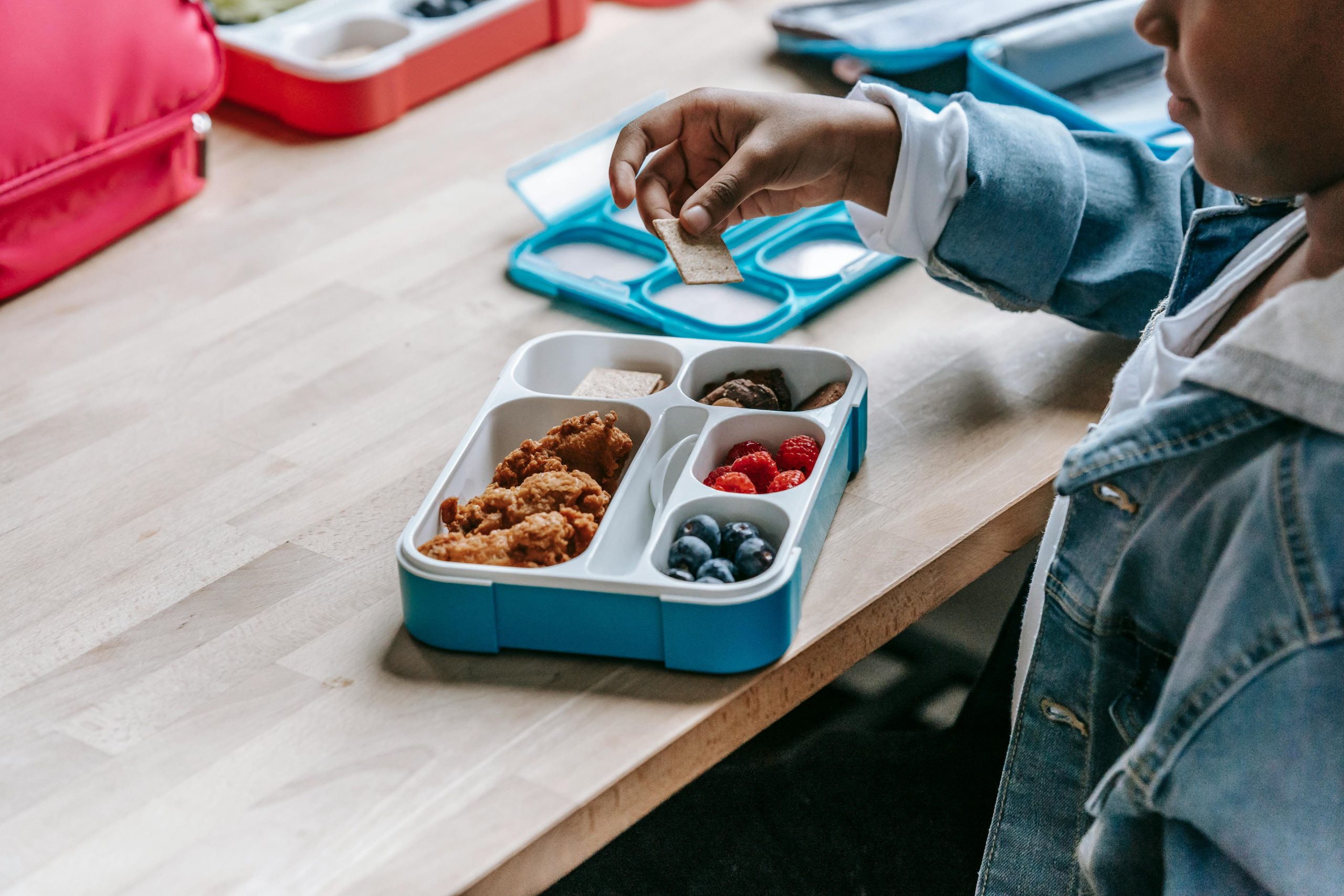
Picky eating can lead to wasted food and nutritional deficiencies. Where lunch is concerned, your child might not want to eat what they are given or may not feel like what you packed is up to their standards of that day. The challenge lies in crafting nutritious, appealing, and affordable meals. Here are some easy, affordable, and nutritious lunch ideas for your child.

1. DIY Mini Pizza Kits

1. DIY Mini Pizza Kits
Image Source: Pexels

Mini pizzas are fun, customizable, and easy to prepare. You can use store-bought English muffins or flatbread as the base. Dollar Tree even has pizza crust options. The kit pack includes small containers of tomato sauce, shredded cheese, and pepperoni. Your child can assemble their own pizza at lunchtime. This option is interactive, and the portion control keeps costs low. Just be sure that they know how to perform this task before sending it to school. Teachers don’t have extra time to help each child with their lunch.

2. Homemade Lunchables

2. Homemade Lunchables
Image Source: Pexels

Instead of buying expensive pre-packaged Lunchables, make your own! Pack sliced deli meats, cheese squares, and crackers in reusable containers. You can get whatever options your child prefers to ensure the whole thing gets eaten. Add a small treat like a mini cookie or fruit slice for balance. These DIY kits can be personalized and cost a fraction of the price.

3. Pasta Salad Cups

3. Pasta Salad Cups
Image Source: Pexels

Pasta salads are a convenient and adaptable meal, especially for those who are picky eaters. To prepare, cook rotini or bowtie pasta and combine it with mild vegetables such as peas or cucumbers. Drizzle with olive oil or a light dressing, then add protein options like cubed cheese or diced chicken. For easy lunches, portion the salad into individual containers.

4. Breakfast for Lunch

4. Breakfast for Lunch
Image Source: Pexels

Many kids love breakfast foods, even at lunchtime! For an easy lunch, pack mini pancakes or waffles with syrup for dipping. You can pair them with boiled eggs, or yogurt and granola. These items are budget-friendly, nutritious, and have a kid-friendly appeal.

5. Colorful Bento Boxes

5. Colorful Bento Boxes
Image Source: Pexels

Make lunchtime exciting with a bento box-style meal. Include small portions of colorful fruits, veggies, cheese, and protein like chicken nuggets or turkey slices. Use fun food picks or cutters to make shapes, making healthy foods more appealing.

6. Quesadilla Slices

6. Quesadilla Slices
Image Source: Pexels

To make a simple and satisfying meal, fill tortillas with melted cheese and your choice of shredded chicken or beans.  Cut the quesadillas into triangles and serve with salsa or sour cream for dipping. They can be enjoyed at room temperature, making them a great option for packing.

7. Fruit and Nut Butter Roll-Ups

7. Fruit and Nut Butter Roll-Ups
Image Source: Pexels

Use whole-grain tortillas to create roll-ups filled with nut butter (or a nut-free alternative) and banana slices. Roll tightly, and slice into pinwheels. You pack the roll-ups alongside a handful of grapes or other fruit options. This sweet and filling option is ideal for kids who avoid traditional lunch foods.

With these creative lunch ideas, you can satisfy even the pickiest eaters while sticking to a budget. From mini pizzas to DIY Lunchables, there’s something here for every child’s taste and every parent’s wallet. Make lunchtime stress-free and enjoyable for everyone with these simple solutions!

Read More

  • 5 Free Budgeting Apps For Kids to Learn About Money
  • Packing Your Child’s Lunch Vs. A School Lunch
Shay Huntley
Shay Huntley

Shatel Huntley has a Bachelor’s degree in Criminal Justice from Georgia State University. In her spare time, she works with special needs adults and travels the world. Her interests include traveling to off-the-beaten-path destinations, shopping, couponing, and saving.

Filed Under: Parenting Tagged With: budget-friendly lunches, creative kids' lunches, DIY Lunchables, healthy lunch ideas, kids' meal prep, lunch ideas, lunch ideas for picky kids

Show Your Child’s Teacher Some Appreciation with One Of These 9 Gifts on World Teacher’s Day

October 1, 2024 | Leave a Comment

World Teacher's Day
123rf

World Teacher’s Day is a special occasion to celebrate and appreciate the tremendous impact teachers have on our children’s lives. Recognizing their hard work and dedication with a thoughtful gift can make this day memorable. Here are nine great gift ideas that are sure to show gratitude and make any teacher feel valued on this significant day.

Personalized Stationery Sets

World Teacher's Day
123rf

Teachers often write notes, plan lessons, and provide feedback, making personalized stationery a perfect gift. Opt for custom notepads, pens, and stickers that feature their name or a special thank you message. This not only adds a personal touch but also gives them practical tools they can use daily. It’s a functional yet thoughtful way to express appreciation on World Teacher’s Day.

Classroom Supplies

Classroom resources often come out of teachers’ own pockets, so gifting essential supplies can be a huge help. Consider items like markers, books, or educational games that can enrich the classroom experience. Bulk supplies of items they frequently use, like post-it notes or dry erase markers, are also appreciated. This gift directly supports their teaching and shows you recognize and value their efforts.

Gift Cards

A gift card to a local bookstore, coffee shop, or office supply store can provide a practical yet flexible option for teachers. This allows them to choose exactly what they need, whether it’s classroom materials or a much-needed treat for themselves. Including a heartfelt note thanking them for their dedication can make this simple gift feel more personal and appreciated on World Teacher’s Day.

Relaxation Kits

Teachers need relaxation and self-care, especially after managing busy classrooms. Consider putting together a relaxation kit with items like scented candles, a soothing tea assortment, and a comfortable throw blanket. Add a relaxation music CD or a gift certificate for a massage to complete the package. This thoughtful gesture acknowledges their hard work and provides a way to unwind.

A Class Photo Book

Create a photo book filled with memories from the school year, featuring pictures of class activities and events. Include notes or drawings from students expressing their thanks and favorite moments. This sentimental gift captures the wonderful memories made throughout the year and becomes a keepsake they can treasure forever. It’s a personal and heartfelt way to show appreciation on World Teacher’s Day.

Educational Technology Tools

With technology playing a crucial role in education, gifting something tech-related can be extremely beneficial. Consider items like a subscription to educational apps, noise-canceling headphones, or even a new tablet if the budget allows. These tools can enhance their teaching and provide new ways to engage students. It’s a practical gift that demonstrates support for their professional growth.

A Day Off Pass

Coordinate with your school’s administration to offer a day off pass for the teacher. This unexpected break is a unique and highly appreciated gift, giving them time to relax and recharge. Ensure it’s a fully paid day off, not requiring the use of their personal leave. This significant gesture shows a deep appreciation for their hard work and dedication.

Homemade Treats

amazon school supplies
123rf

Homemade treats bring a warm, personal touch that many appreciate. Whether it’s a batch of cookies, a cake, or a homemade bread, these treats show thoughtfulness and care. Pack them in a decorative box with a note from your child expressing their gratitude. This simple, personal gift can make World Teacher’s Day special and memorable.

Reflect on Their Impact

World Teacher’s Day is not only about giving physical gifts but also about recognizing the lasting impact teachers have on students’ lives. Taking the time to express how much they have helped your child grow academically and personally can be the most meaningful gift of all. Teachers cherish knowing they make a difference, and hearing it directly from parents and students can be incredibly rewarding.

Latrice Perez

Latrice is a dedicated professional with a rich background in social work, complemented by an Associate Degree in the field. Her journey has been uniquely shaped by the rewarding experience of being a stay-at-home mom to her two children, aged 13 and 5. This role has not only been a testament to her commitment to family but has also provided her with invaluable life lessons and insights.  As a mother, Latrice has embraced the opportunity to educate her children on essential life skills, with a special focus on financial literacy.

Filed Under: Parenting Tagged With: classroom supplies, educational tools, personalized teacher gifts, relaxation kits, teacher appreciation gifts, World Teacher's Day

15 Unique Ways to Foster Creativity in Children

June 18, 2024 | Leave a Comment

15 Unique Ways to Foster Creativity in Children

Nurturing creativity in children is essential for their development, helping them solve problems, express themselves, and think outside the box. With the right approaches, parents and educators can create environments that encourage creative thinking. Exploring unique methods to foster creativity can lead to more engaged, innovative, and confident kids. Here are 15 unique ways to inspire and foster creativity in children.

1. Encourage Open-Ended Play

Encourage Open-Ended Play

Open-ended play allows children to use their imagination without specific goals or instructions. Toys like building blocks, art supplies, and dress-up clothes offer endless possibilities. This type of play helps children develop problem-solving skills and think creatively. Giving children the freedom to explore and create their own rules fosters creativity.

2. Provide Diverse Art Supplies

Provide Diverse Art Supplies

A variety of art supplies can spark creativity in children. Offer materials such as paints, crayons, markers, clay, and recycled items. Experimenting with different mediums allows children to express themselves in multiple ways. Having access to diverse tools can inspire new ideas and artistic exploration.

3. Create a Creative Space

Create a Creative Space

Designate a specific area in your home or classroom where children can create freely. This space should be stocked with art supplies, craft materials, and comfortable seating. A dedicated creative space encourages children to engage in artistic activities regularly. It becomes a sanctuary for imagination and innovation.

4. Read Together

Read Together

Reading books together can inspire creativity by exposing children to new ideas and worlds. Choose a variety of genres and encourage children to imagine different endings or create their own stories. Discussing the stories can spark imaginative thinking and storytelling skills. Reading fosters a love for creativity and learning.

5. Encourage Curiosity

Encourage Curiosity

Fostering a sense of curiosity helps children explore and ask questions about the world around them. Answer their questions thoughtfully and encourage them to seek out answers independently. Curiosity-driven exploration can lead to creative discoveries and innovative thinking. Nurturing a curious mindset is key to fostering creativity.

6. Introduce Music and Dance

Introduce Music and Dance

Music and dance are powerful tools for creative expression. Provide opportunities for children to listen to various types of music and move to the rhythm. Encourage them to create their own dances or play simple instruments. Engaging with music and dance can enhance creativity and emotional expression.

7. Allow for Free Time

Allow for Free Time

Over-scheduled children may not have the opportunity to explore their creativity. Ensure they have ample free time to daydream, explore, and play. Unstructured time allows children to engage in creative activities at their own pace. Balancing structured activities with free time fosters creativity.

8. Engage in Outdoor Activities

Engage in Outdoor Activities

Nature can be a great source of inspiration for creativity. Encourage children to play outside, explore natural environments, and collect items like leaves and rocks for art projects. Outdoor activities stimulate imagination and provide a break from routine. Nature’s beauty and complexity can spark creative ideas.

9. Support Creative Problem-Solving

Support Creative Problem-Solving

When children encounter challenges, encourage them to come up with multiple solutions. Discuss various approaches and let them experiment with their ideas. This practice helps children develop critical thinking and creative problem-solving skills. Supporting creative solutions builds confidence and resilience.

10. Limit Screen Time

Limit Screen Time

Excessive screen time can stifle creativity by providing passive entertainment. Set limits on screen use and encourage active, hands-on activities instead. Interactive play and exploration promote creative thinking more than passive consumption. Finding a healthy balance between screen time and creative activities is crucial.

11. Model Creativity

Model Creativity

Children often imitate the behavior of adults around them. Show your creativity by engaging in artistic activities, solving problems creatively, and thinking outside the box. Your enthusiasm for creativity will inspire children to explore their own creative potential. Modeling creative behavior reinforces its importance.

12. Encourage Storytelling

Encourage Storytelling

Storytelling is a powerful way to foster creativity. Encourage children to tell stories through writing, drawing, or acting them out. Provide prompts or start a story and let them continue it. Storytelling enhances imagination, communication skills, and creative expression.

13. Use Creative Games and Puzzles

Use Creative Games and Puzzles

Games and puzzles that require creative thinking can be both fun and educational. Choose games that involve building, problem-solving, or imaginative play. These activities challenge children to think creatively and find unique solutions. Creative games and puzzles are great tools for fostering creativity.

14. Celebrate Mistakes

Celebrate Mistakes

Mistakes are often seen as setbacks but can be valuable learning opportunities. Encourage children to view mistakes as part of the creative process. Celebrate their efforts and discuss what they learned from the experience. Embracing mistakes helps children build resilience and creative confidence.

15. Encourage Collaborative Projects

Encourage Collaborative Projects

Working with others can enhance creativity through shared ideas and teamwork. Encourage children to collaborate on art projects, stories, or building activities. Collaboration teaches them to appreciate different perspectives and combine their creative strengths. Team projects can lead to innovative and unexpected results.

Take Advantage of These Unique Ways to Foster Creativity in Children!

Take Advantage of These Unique Ways to Foster Creativity in Children!

Fostering creativity in children requires a supportive environment, diverse activities, and encouragement. By implementing these unique methods, you can help children develop their creative potential and cultivate a lifelong love for imaginative thinking. Creativity is a vital skill that will benefit them in all areas of life, from problem-solving to personal expression. Inspire the next generation of innovators and artists by nurturing their creative spirits today.

Read More:

20 Creative Ways to Boost Your Child’s Intelligence

6 Fun Money Games for Kids

Catherine Reed
Catherine Reed

Catherine is a tech-savvy writer who has focused on the personal finance space for more than eight years. She has a Bachelor’s in Information Technology and enjoys showcasing how tech can simplify everyday personal finance tasks like budgeting, spending tracking, and planning for the future. Additionally, she’s explored the ins and outs of the world of side hustles and loves to share what she’s learned along the way. When she’s not working, you can find her relaxing at home in the Pacific Northwest with her two cats or enjoying a cup of coffee at her neighborhood cafe.


Filed Under: Parenting Tagged With: child development, confidence, creative kids, foster creativity, innovation, Parenting, Raising Children, raising kids

Parental Trauma: Healthy Children Have Never Had to Endure These 12 Things

June 6, 2024 | Leave a Comment

Canva

In the intricate tapestry of parenting, lies a spectrum of experiences that shape a child’s world. Yet, amidst the joys and challenges, some burdens are shouldered solely by the parents, shielding their offspring from the harrowing weight of certain adversities. Delve into the realm of parental trauma, where the resilience of healthy children illuminates the absence of twelve profound struggles they have been spared from enduring.

1. Chronic Hunger

Canva

In modern, developed societies, chronic hunger is a harrowing experience that no child should have to face. Access to sufficient and nutritious food is fundamental for growth and development. Unfortunately, many children around the world still experience food insecurity, which can lead to severe health and developmental issues. Parents who have experienced this trauma often go to great lengths to ensure their children are well-fed. The mental burden of having lived through hunger stays with them, impacting their parenting decisions and their efforts to prevent similar experiences for their children.

2. Exposure to Violence

Canva

Exposure to violence, whether domestic or community-based, is a traumatic experience that leaves lasting scars. Children growing up in violent environments often suffer from anxiety, depression, and post-traumatic stress disorder. Parents who have endured such trauma may be hyper-vigilant, doing everything possible to protect their children from similar environments. This overprotectiveness, while well-intentioned, can sometimes lead to excessive fear and control. Ensuring a safe, non-violent upbringing is crucial for a child’s sense of security and well-being.

3. Displacement and Homelessness

Canva

The trauma of displacement and homelessness can be devastating for both parents and children. Being uprooted from one’s home and community often leads to a loss of stability and security. For parents, the experience of homelessness creates a deep-seated fear of instability for their children. They may work tirelessly to provide a stable home, ensuring their children never have to face the uncertainty and fear they once knew. This trauma informs their parenting style, focusing on creating a consistent and safe living environment.

4. Neglect and Emotional Abandonment

Canva

Emotional neglect and abandonment are forms of trauma that can severely impact a child’s emotional development. Children require love, attention, and emotional support to thrive. Parents who have experienced neglect often go to great lengths to provide their children with the emotional support they lacked. They may be overly attentive and nurturing, striving to ensure their children feel valued and loved. This dedication stems from their desire to break the cycle of neglect and provide a healthier emotional environment.

5. Lack of Access to Education

Canva

Education is a cornerstone of development, offering children the tools they need for a brighter future. Parents who were denied educational opportunities often feel the weight of that loss. They understand the doors that remain closed without proper education and thus emphasize the importance of learning to their children. Ensuring that their children have access to quality education becomes a priority, driven by the knowledge of what was missed. This focus on education aims to equip their children with better opportunities and a chance to succeed.


6. Severe Illness Without Medical Care

Canva

Experiencing severe illness without access to adequate medical care is a traumatic ordeal. Parents who have faced such hardships are acutely aware of the importance of healthcare. They are often diligent about their children’s health, ensuring regular check-ups and prompt medical attention. This vigilance is rooted in their own experiences of suffering without help, leading them to prioritize their children’s well-being. Access to healthcare is critical for preventing and managing illnesses, and these parents strive to provide what they once lacked.

7. Forced Labor

Canva

Child labor remains a harsh reality in many parts of the world, stripping children of their childhood and education. Parents who have endured forced labor often carry deep emotional scars and physical exhaustion. They are determined to protect their children from similar fates, valuing education and play over work. This trauma influences their parenting, as they seek to create a childhood filled with opportunities for growth and development. Ensuring their children never have to work under harsh conditions is a testament to their resilience and love.

8. Witnessing Substance Abuse

Canva

Witnessing substance abuse within the family is a deeply traumatic experience for a child. It creates an environment of instability, fear, and neglect. Parents who have lived through such trauma are often vigilant about keeping their children away from similar influences. They may be proactive in educating their children about the dangers of substance abuse and fostering open communication. This proactive approach aims to break the cycle and ensure a healthier environment for the next generation.

9. Loss of a Parent or Sibling

Canva

The loss of a parent or sibling is an unimaginable trauma that profoundly affects a child’s life. Parents who have experienced such loss understand the deep grief and sense of abandonment it brings. They may become overly protective and attentive to their children, seeking to shield them from similar pain. This heightened sense of protection stems from their own experiences with loss and the desire to provide a secure and loving environment. The trauma of loss influences their parenting, fostering a deeper connection and understanding with their children.

10. Physical Abuse

Canva

Physical abuse leaves both visible and invisible scars, impacting a child’s sense of safety and self-worth. Parents who have suffered physical abuse often go to great lengths to ensure their children never experience such pain. They are mindful of their actions, striving to create a nurturing and supportive home environment. This trauma shapes their parenting style, emphasizing kindness, patience, and non-violence. Breaking the cycle of abuse is a powerful motivator, driving them to provide a loving and safe upbringing for their children.

11. Discrimination and Prejudice

Canva

Experiencing discrimination and prejudice can lead to a profound sense of injustice and alienation. Parents who have faced such challenges work tirelessly to protect their children from similar experiences. They educate their children about diversity, inclusion, and the importance of standing up against injustice. This trauma informs their parenting, fostering a sense of empathy and resilience in their children. Ensuring a more equitable and understanding environment becomes a central goal, driven by their own experiences of discrimination.

12. Mental Health Struggles

Canva

Struggling with mental health issues without support is a silent trauma that many endure. Parents who have experienced this often become advocates for mental health awareness and support. They prioritize their children’s mental well-being, ensuring access to resources and fostering open discussions about emotions and struggles. This focus on mental health stems from their own battles and the desire to create a more supportive environment. Ensuring their children have the tools and support they lacked is a crucial aspect of their parenting.

Parental Trauma

Canva

Understanding the traumas that parents have endured helps us appreciate their efforts to provide a better life for their children. As a society, we must support these parents in their journey, providing resources and understanding. By raising awareness and fostering empathy, we can help break the cycles of trauma and create healthier environments for future generations. Let’s work together to ensure no child has to endure the hardships their parents faced. Engage with this content, share it, and let’s make a difference together.

Ashleigh Clyde
Ashleigh Clyde

Ashleigh Clyde is a dedicated youth advocate, journalist, and researcher. Passionate about shedding light on important issues, such as financial literacy and marketing tactics. She has extensive experience in entertainment journalism.

Filed Under: Parenting Tagged With: childhood trauma, healthy children, parental trauma, Parenting

Trouble Online: 10 Dangerous Activities Your Kids Are Participating In Online

June 5, 2024 | Leave a Comment

Canva

The digital landscape is vast and alluring, especially for children and teens. However, the internet is also fraught with hidden dangers that can easily entrap young users. Here, we explore ten perilous online activities your kids might be engaging in and why staying vigilant is crucial for their safety.

1. Cyberbullying

Canva

Cyberbullying is a rampant issue in today’s digital age. It involves using electronic communication to bully a person, typically by sending intimidating or threatening messages. Children and teens may be both victims and perpetrators of cyberbullying. The anonymity of the internet emboldens bullies, leading to more severe harassment than what might occur in person. Parents should monitor their children’s online interactions and educate them about the emotional and legal consequences of such behavior.

2. Sharing Personal Information

Canva

Children often underestimate the risks associated with sharing personal information online. They might post their full name, address, school name, or even phone number on social media platforms or gaming sites. This information can be exploited by predators or cybercriminals. It’s imperative to teach children about privacy settings and the dangers of revealing too much about themselves online. Encouraging the use of pseudonyms and vague profile information can help mitigate these risks.

3. Engaging in Inappropriate Content

Canva

Exposure to inappropriate content is a significant concern for young internet users. They might stumble upon or actively seek out explicit material, violent videos, or other age-inappropriate content. This can have detrimental effects on their mental and emotional development. Utilizing parental control software and open discussions about what constitutes appropriate content can help manage this issue. Parents should also create a safe space for children to ask questions about what they encounter online.

4. Participating in Online Challenges

Canva

Online challenges often go viral, enticing kids to participate in dangerous activities. While some are harmless, others can be life-threatening, such as the “Tide Pod Challenge” or the “Skull Breaker Challenge.” Peer pressure and the desire for social media fame drive kids to take part in these risky behaviors. Parents need to stay informed about trending challenges and discuss the potential dangers with their children, emphasizing that no amount of online fame is worth jeopardizing their health.

5. Falling for Scams and Phishing Attacks

Canva

Kids can be particularly susceptible to online scams and phishing attacks. These deceptive practices aim to steal personal information or trick users into downloading malicious software. Phishing scams often appear as legitimate messages from trusted sources, making them hard to recognize. Teaching children how to identify suspicious emails and websites, and the importance of not sharing passwords or clicking on unknown links, can help protect them from these threats.

6. Joining Extremist Groups

Canva

The internet can be a breeding ground for extremist ideologies. Children and teens may unknowingly join forums or social media groups that promote radical views. These groups can influence young minds, leading to radicalization and dangerous real-world actions. Parents should monitor their children’s online group memberships and engage in conversations about tolerance and critical thinking. Encouraging children to question extreme viewpoints and report suspicious activities can prevent them from being drawn into harmful ideologies.

7. Online Gambling

Canva

Online gambling can be addictive and financially devastating. Children might be tempted to participate in online betting or casino games, often using their parents’ credit cards without permission. This activity not only risks financial loss but can also lead to a gambling addiction. Parents should block access to gambling sites and educate their children about the risks of gambling. Setting up parental controls on devices can prevent children from accessing these sites.

8. Social Media Addiction

Canva

Social media platforms are designed to be addictive, with features that encourage constant engagement. Children and teens can easily become obsessed with gaining likes, followers, and online validation, leading to social media addiction. This addiction can impact their mental health, sleep patterns, and real-world relationships. Setting limits on screen time and encouraging offline activities can help balance their social media use. Discussing the importance of real-life interactions over virtual ones is crucial.

9. Engaging in Sexting

Canva

Sexting involves sending sexually explicit messages or images, often via smartphones. While this might seem like a harmless act between consensual parties, it can have severe repercussions, especially for minors. These images can be leaked or used for blackmail, leading to emotional distress and legal issues. Parents should have open discussions about the risks of sexting and the permanence of digital content. Emphasizing the importance of respecting oneself and others online can help deter this behavior.

10. Participating in Illegal Activities

Canva

The internet provides easy access to illegal activities, such as downloading pirated content, hacking, or buying illicit substances. Children might engage in these activities out of curiosity or peer pressure, unaware of the legal consequences. Educating them about the law and the potential penalties for such actions is essential. Encouraging ethical online behavior and explaining the long-term impacts of a criminal record can deter them from engaging in illegal activities.

Online World

Canva

The online world presents numerous dangers for children, but with awareness and proactive measures, parents can help protect their kids from these risks. Regularly discussing online safety, setting clear guidelines, and using parental controls can create a safer digital environment. Encourage open communication and ensure your children know they can come to you with any concerns about their online experiences. Staying informed and involved is key to safeguarding your children in the digital age.

Ashleigh Clyde
Ashleigh Clyde

Ashleigh Clyde is a dedicated youth advocate, journalist, and researcher. Passionate about shedding light on important issues, such as financial literacy and marketing tactics. She has extensive experience in entertainment journalism.

Filed Under: Parenting Tagged With: Cyberbullying, Kids, online, safe online practices

Stop Now! 12 Behaviors That Say You’ve Crossed The Line From Discipline to Abuse

June 5, 2024 | Leave a Comment

Stop Now! 12 Behaviors That Say You've Crossed The Line From Discipline to Abuse

Recognizing the difference between discipline and abuse is crucial for every parent or caregiver. While discipline aims to teach and guide, abuse inflicts harm and fosters fear. Understanding the boundaries can prevent long-lasting psychological and physical damage to children. Here are 12 behaviors that clearly indicate you’ve crossed the line from discipline to abuse.

1. Physical Punishment Leading to Injury

Physical Punishment Leading to Injury

Discipline should never result in physical harm. If actions leave bruises, cuts, or any injury, it’s a sign of abuse. Physical punishment that causes lasting pain or requires medical attention is unacceptable. Always opt for non-violent methods to correct behavior to ensure you don’t cross into abusive territory.

2. Verbal Assaults

Verbal Assaults

Shouting, name-calling, and belittling a child can cause severe emotional damage. Discipline should be constructive, not destructive. Ultimately, verbal assaults undermine a child’s self-esteem and sense of worth, and that can cause lasting harm. It’s essential to communicate calmly and respectfully, even when correcting behavior.

3. Public Humiliation

Public Humiliation

Embarrassing a child in front of others is a form of abuse. Discipline should be private and aimed at teaching, not shaming. In many cases, public humiliation can lead to long-term emotional scars, and it may promote social anxiety. Maintain the child’s dignity while addressing their behavior.

4. Withholding Basic Needs

Withholding Basic Needs

While restricting things like access to digital devices may make sense as a form of discipline in some cases, denying food, water, or bathroom access as punishment is abusive. Basic needs are fundamental rights, not privileges to be revoked. Effective discipline should never compromise a child’s health and well-being. Seek alternative ways to address misconduct.

5. Excessive Control

Excessive Control

Overly controlling every aspect of a child’s life stifles their independence and growth. Discipline involves setting boundaries, not micromanaging. Excessive control can lead to rebellion or learned helplessness and can hinder self-esteem and confidence. Ideally, it’s best to encourage autonomy within reasonable limits.

6. Isolation

Isolation

Locking a child in a room or forcing prolonged isolation is harmful. Discipline should not involve cutting off social interaction or sensory stimulation, as isolation can cause intense fear and psychological distress. Use time-outs appropriately, ensuring they are brief and explained.

7. Emotional Manipulation

Emotional Manipulation

Using guilt, fear, or emotional blackmail to control a child is abusive. Discipline should foster understanding, not manipulate emotions. Emotional manipulation undermines trust and creates a toxic relationship, both of which can cause lasting harm. Aim for clear, honest communication to guide behavior.

8. Unpredictable Punishment

Unpredictable Punishment

Inconsistent or arbitrary punishment confuses children and erodes their sense of security. Discipline should be predictable and consistent, as unpredictable punishment leads to anxiety and distrust. Instead, establish clear rules and consequences that are consistently enforced.

9. Over-Punishment for Minor Infractions

Over-Punishment for Minor Infractions

Disproportionate punishment for minor mistakes is abusive. Discipline should match the severity of the behavior. Over-punishment teaches children that they are inherently bad rather than guiding them towards better choices. As a result, it’s best to focus on fair and reasonable consequences.

10. Use of Scare Tactics

Use of Scare Tactics

Threatening children with harm or terrifying scenarios to control behavior is abusive. Discipline should not rely on instilling fear. Scare tactics damage a child’s sense of safety and can lead to severe anxiety. Instead, promote understanding and cooperation through positive reinforcement.

11. Neglect

Neglect

Failing to provide proper supervision and care as a form of punishment is abusive. Discipline involves active guidance, not neglect. Neglecting a child’s needs and safety is harmful and irresponsible, and it can come with legal consequences for the parent or caregiver.

12. Physical Restraint

Physical Restraint

Using physical force to restrain a child unnecessarily is abusive. Discipline should never involve actions that can cause physical or emotional harm. Physical restraint can traumatize a child and escalate situations. Instead, use de-escalation techniques and ensure the child’s safety.

Stop Now to Avoid Crossing from Discipline into Abuse

Stop Now to Avoid Crossing from Discipline into Abuse

Effective discipline aims to teach and guide children toward better behavior while maintaining their dignity and well-being. It’s crucial to recognize when actions cross the line into abuse, causing harm instead of promoting growth. Always prioritize the child’s physical and emotional health and seek alternative methods that foster understanding and respect. By doing so, caregivers can create a safe and nurturing environment for children to thrive.

Read More:

10 Reasons Why So Many Parents Think Spanking Is Effective

Toxic Grandparents: 12 Things Baby Boomer Grandparents Must Avoid

Catherine Reed
Catherine Reed

Catherine is a tech-savvy writer who has focused on the personal finance space for more than eight years. She has a Bachelor’s in Information Technology and enjoys showcasing how tech can simplify everyday personal finance tasks like budgeting, spending tracking, and planning for the future. Additionally, she’s explored the ins and outs of the world of side hustles and loves to share what she’s learned along the way. When she’s not working, you can find her relaxing at home in the Pacific Northwest with her two cats or enjoying a cup of coffee at her neighborhood cafe.

Filed Under: Parenting Tagged With: abuse, crossing the line, discipline, Parenting, raising kids, stop now, teaching children

Babysitting Without Cash: 10 Ways to Barter Your Way Out of Childcare Costs

June 3, 2024 | Leave a Comment

Canva

In today’s economy, finding affordable childcare can be a daunting challenge. However, the age-old practice of bartering offers creative solutions for parents seeking to minimize costs. Here are ten effective ways to barter for babysitting services, making childcare more accessible without breaking the bank.

1. Swap Childcare with Other Parents

Canva

One of the simplest ways to barter for babysitting is to exchange services with other parents. Form a group with friends, neighbors, or community members where each family takes turns watching each other’s children. This approach not only saves money but also fosters a sense of community and support among parents.

2. Offer Professional Skills in Exchange

Canva

If you have a professional skill, such as graphic design, accounting, or tutoring, consider offering your services in exchange for babysitting. Many parents would appreciate help with their own projects or personal development in return for looking after your kids. This mutually beneficial arrangement can be tailored to fit the needs of both parties involved.

3. Trade Household Chores

Canva

Another practical option is to trade household chores for babysitting services. Offer to mow the lawn, clean the house, or cook meals in exchange for someone watching your children. This can be particularly appealing for busy parents who could use extra help around the house and are willing to exchange that for childcare.

4. Join or Start a Babysitting Co-op

Canva

A babysitting co-op is a group of parents who exchange babysitting services using a point system instead of cash. Each family earns points by babysitting and spends them when they need someone to watch their children. This structured system ensures fairness and helps parents save on childcare costs while building a supportive community.

5. Provide Pet Care Services

Canva

If you love animals, offering pet care services can be an excellent way to barter for babysitting. Many parents need someone to walk their dog, feed their cat, or even pet-sit while they are away. In exchange, they can take care of your children, allowing both parties to benefit from the trade.

6. Share Gardening Duties

Canva

Gardening can be a time-consuming task, and many parents may appreciate assistance in their gardens. Offer to help with planting, weeding, or harvesting in exchange for babysitting. This arrangement allows you to trade time and effort in the garden for reliable childcare, and both parties gain something valuable from the exchange.

7. Trade Event Planning Services

Canva

If you have a knack for planning events, offer to organize birthday parties, playdates, or other gatherings in return for babysitting. Many parents would welcome the help in creating memorable experiences for their children while providing you with the childcare you need. This can be a fun and creative way to barter services.

8. Exchange Crafting or DIY Skills

Canva

Are you handy with crafts or DIY projects? Trade your creative skills for babysitting services. Parents often have home projects or crafts they want to complete but lack the time. In return for your help, they can watch your children, making it a win-win situation for both parties involved.

9. Offer Fitness Training or Yoga Sessions

Canva

If you are a fitness enthusiast or a certified trainer, consider offering fitness training or yoga sessions in exchange for babysitting. Many parents are looking for ways to stay fit and healthy but struggle to find time for exercise. By offering your expertise, you can secure childcare services while helping other parents achieve their fitness goals.

10. Host a Playdate Exchange

Canva

Organize a regular playdate exchange with other parents where each takes turns hosting the group. This allows you to have free time while knowing your child is engaged and socializing in a safe environment. The rotation ensures that the responsibility is shared and everyone benefits from some time off without the expense of hiring a babysitter.

Embrace the Barter Economy

Canva

By exploring these bartering options, parents can significantly reduce childcare costs while fostering a supportive and collaborative community. Bartering not only provides practical solutions for babysitting but also strengthens relationships and encourages mutual aid. Start thinking creatively about what you can offer and how you can benefit from others’ skills and services. Don’t wait to make a change—begin bartering today and share your success stories with other parents. Your community might just thank you for it. If you have additional bartering tips or experiences, feel free to share them in the comments below!

Ashleigh Clyde
Ashleigh Clyde

Ashleigh Clyde is a dedicated youth advocate, journalist, and researcher. Passionate about shedding light on important issues, such as financial literacy and marketing tactics. She has extensive experience in entertainment journalism.

Filed Under: Parenting Tagged With: babysitter, babysitting, barter, childcare costs

10 Playtime Disasters That Resulted in Unexpected Repair Bills

June 3, 2024 | Leave a Comment

10 Playtime Disasters That Resulted in Unexpected Repair Bills

Playtime often brings joy and laughter, but sometimes, it can lead to unexpected disasters. Parents know that when kids play, accidents happen, and these accidents can result in significant repair bills. From broken windows to damaged electronics, the cost of fixing these mishaps can add up quickly. Here are ten playtime disasters that have caused unexpected repair bills.

1. Broken Windows

Broken Windows

Children love to play ball games, but in some cases, an enthusiastic throw or kick can result in a broken window. Repairing a shattered window can be costly, especially if it involves custom glass. Aside from the repair cost, broken windows also pose safety risks and require immediate attention. Parents should consider safe play zones to avoid such accidents.

2. Damaged Electronics

Damaged Electronics

Kids today often have access to tablets, laptops, and other electronics. A spilled drink or a dropped device can lead to expensive repairs or replacements. Electronic repairs can be particularly costly, sometimes rivaling the price of the original item. Teaching kids to handle gadgets with care is crucial to avoid these mishaps.

3. Furniture Destruction

Furniture Destruction

Energetic play can sometimes lead to furniture being used as playground equipment. Jumping on sofas or climbing bookshelves can result in broken frames and damaged upholstery. Repairing or replacing furniture can be a significant expense, not to mention the potential for injury. Encouraging appropriate play areas can help minimize these risks.

4. Carpet Stains

Carpet Stains

Arts and crafts, along with food and drinks, can lead to stubborn carpet stains. Cleaning services for deep stains can be pricey and may not always restore the carpet to its original state. In severe cases, replacing the carpet may be necessary, adding to the unexpected repair costs. Using washable materials and setting rules for food in certain areas can help prevent this issue.

5. Wall Damage

Wall Damage

Indoor play can sometimes result in holes or marks on walls. Whether it’s from roughhousing or accidental collisions, repairing drywall and repainting can be both time-consuming and expensive. Even small holes need professional repair to ensure they don’t worsen over time. Creating designated play spaces can help protect walls from such damage.

6. Plumbing Issues

Plumbing Issues

Playtime in the bathroom or kitchen can sometimes lead to clogged drains or damaged fixtures. Toys flushed down toilets or stuck in sinks can result in costly plumbing repairs. These issues often require professional plumbers, adding to the expense. Supervising young children during playtime in these areas is essential to prevent such disasters.

7. Yard Damage

Yard Damage

Outdoor play can sometimes be as destructive as indoor activities. Trampolines, swing sets, and even bike riding can lead to damaged lawns, broken fences, or dented garage doors. Repairing yard damage can involve both labor and material costs, quickly adding up. Setting clear boundaries and maintaining equipment can help reduce these incidents.

8. Broken Doors

Broken Doors

Slamming doors during games of chase or hide and seek can lead to broken hinges or cracked door frames. Door repairs can be surprisingly costly, particularly if the frame or locking mechanism is damaged. Ensuring children understand the importance of gentle door handling can prevent such playtime disasters. Regular maintenance checks can also catch potential problems early.

9. Appliance Damage

Appliance Damage

Household appliances like washing machines, dryers, and refrigerators can become unintended victims of playtime. Misuse or rough handling can lead to costly repairs or even the need for replacement. Appliance repair bills can be hefty, especially if parts need to be ordered. Teaching children to respect household items and explaining their proper use can mitigate these risks.

10. Ceiling Fan Accidents

Ceiling Fan Accidents

Ceiling fans can become dangerous when kids throw toys or jump on beds beneath them. Damaged fan blades or broken light fixtures require immediate repair and can be pretty expensive. In some cases, entire units need to be replaced, adding to the cost. Ensuring that play areas are away from ceiling fans can help prevent such incidents.

Watch Out for Potential Playtime Disasters to Avoid Unexpected Repair Bills

Watch Out for Potential Playtime Disasters to Avoid Unexpected Repair Bills

Playtime disasters can lead to unexpected repair bills, causing stress and financial strain for families. By creating safe play environments and teaching children about the potential consequences of their actions, many of these accidents can be avoided. Awareness and prevention are crucial to minimizing the impact of playtime mishaps. Taking proactive steps can ensure that playtime remains a fun and safe experience for everyone involved.

Read More:

10 Hidden Dangers of Social Media Every Parent Should Know

Why Screen Time Scares Parents: 10 Eye-Opening Reasons

Catherine Reed
Catherine Reed

Catherine is a tech-savvy writer who has focused on the personal finance space for more than eight years. She has a Bachelor’s in Information Technology and enjoys showcasing how tech can simplify everyday personal finance tasks like budgeting, spending tracking, and planning for the future. Additionally, she’s explored the ins and outs of the world of side hustles and loves to share what she’s learned along the way. When she’s not working, you can find her relaxing at home in the Pacific Northwest with her two cats or enjoying a cup of coffee at her neighborhood cafe.

Filed Under: Parenting Tagged With: home expenses, home repairs, Playing, Playtime, playtime disasters, unexpected repair bills

« Previous Page
Next Page »
  • Facebook
  • Pinterest
  • RSS
  • Twitter
Best Parenting Blogs

Most Popular

Baby Girl

12 “Grandma” Baby Names That Are Suddenly Cool Again

Evan Morgan
Baby

9 Baby Names That Sound Rare Without Being Hard to Spell

Evan Morgan
Target Store

Choking Incident Prompts Recall of 49,000 Target Gigglescape “Under the Sea” Popping Toys

Evan Morgan
Frustrated Girl

Why Some Students on the Spectrum Are Labeled With ODD

Evan Morgan
Coke Bottles

12 Things Kids Took to School in the ’70s That Would Never Be Allowed Today

Evan Morgan

All content on Kids Ain’t Cheap is for entertainment purposes only. By reading this blog, you agree that Kids Ain’t Cheap is not responsible for any actions taken after reading this blog. For the full disclaimer, see our privacy policy.

Please note that Kids Ain’t Cheap has financial relationships with some of the merchants mentioned here. Kids Ain’t Cheap is funded by banner advertising, commission sales and search optimization consulting.

Copyright © 2006–2026 | District Media | All Rights Reserved | Privacy Policy

Copyright © 2026 Runway Pro Theme by Viva la Violette