• Home
  • About Us
  • Toolkit
  • Archives
  • Advertise
  • Privacy Policy

Kids Ain't Cheap

But They Sure Are Worth It

  • Parenting
    • Baby Stuff
    • Books and Reading
      • Aesops Fables
      • Comic Books
    • Education
    • Family Time
    • Green Living
    • Growing Up
    • Healthy Living & Eating
    • Holidays
    • Parenting
    • Random Musings
    • Shopping
    • Stuff to Do
  • Money
  • Product Reviews
    • Books and Magazines
    • Discount Sites
    • Furniture
    • House Keeping
    • Reviews News
    • Toys and Games
  • Contact Us
  • Our Editorial Commitment
  • Search

Can School Be Bad For Your Child?

March 27, 2025 | Leave a Comment

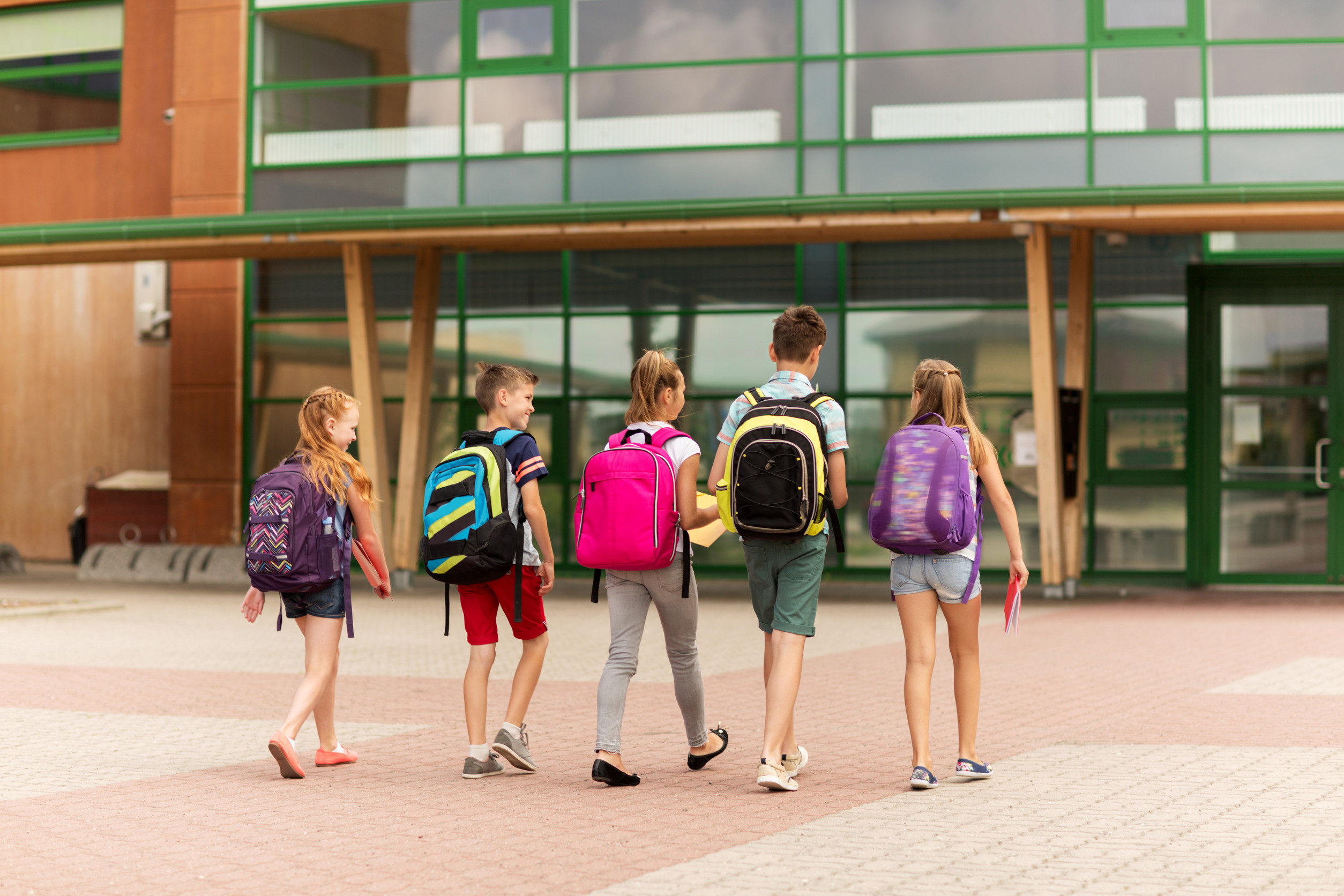
primary education, friendship, childhood and people concept - group of happy elementary school students with backpacks walking outdoors from back
Image Source: 123rf.com

School is often viewed as the cornerstone of a child’s future success, yet for some, the traditional educational environment can have unintended negative effects. Academic pressure, social challenges, and a one-size-fits-all approach to learning can leave some children feeling stressed and undervalued. This article explores how school might sometimes be detrimental to a child’s development and overall well-being. By examining the potential drawbacks of conventional schooling, parents can become better advocates for their children’s needs. Let’s delve into the challenges and explore potential solutions.

Academic Pressure and Mental Health

The drive for academic excellence can place enormous stress on children, often leading to anxiety and burnout. High expectations and heavy workloads leave little time for creative exploration or relaxation. This constant pressure can diminish a child’s love of learning and impair their mental health. When academic demands are too intense, children may feel overwhelmed and unmotivated. Balancing rigorous academics with emotional support is crucial for a healthy educational experience.

Social Challenges and Bullying

Schools are complex social environments where children learn to navigate friendships and peer pressure. Unfortunately, bullying and social exclusion are common issues that can significantly impact a child’s self-esteem. Negative interactions with peers can lead to long-lasting emotional distress and hinder social development. Addressing these challenges requires proactive measures from educators and parents alike. Creating a safe and inclusive environment is essential for fostering both academic and social well-being.

The One-Size-Fits-All Approach

Young schoolgirls and schoolboys studying in classroom during their lesson.
Image Source: 123rf.com

Traditional schooling often relies on a standardized curriculum that may not suit every child’s learning style. This rigid approach can leave some students feeling bored or overwhelmed, particularly if they struggle to keep up with the pace. Recognizing and accommodating individual differences is key to effective education. Personalized learning plans can better cater to each child’s unique needs. Adapting the system to be more flexible benefits not only individual students but society as a whole.

Impact on Creativity and Curiosity

Overemphasis on standardized testing and rote memorization can stifle a child’s natural curiosity and creativity. When the focus is solely on getting the right answers, children may be less inclined to explore new ideas or ask questions. This can hinder the development of critical thinking and innovation. Encouraging creative problem-solving is vital for personal growth and long-term success. Schools that nurture curiosity help students build a robust foundation for lifelong learning.

Physical Health Considerations

The sedentary nature of traditional classroom settings can negatively affect a child’s physical health. Extended periods of sitting, combined with limited physical activity, can contribute to issues like obesity and poor fitness. Incorporating regular physical activity and outdoor time into the school day is essential. A healthy balance between academics and physical movement can enhance overall well-being and concentration. Schools that prioritize physical health help children thrive both mentally and physically.

Balanced Education

While school is a critical component of a child’s development, it’s important to acknowledge its potential drawbacks. By addressing issues such as academic pressure, social challenges, and the need for personalized learning, parents and educators can work together to create a more balanced educational experience. This approach not only supports academic success but also fosters emotional and physical well-being.

What changes do you believe could improve your child’s school experience? Share your thoughts and suggestions in the comments below.

Read More:

Is Homeschooling Cheaper Than Public School? 10 Surprising Costs to Consider

Get to Know the Expenses of Private School Programs for Your Children

Tamila McDonald
Tamila McDonald

Tamila McDonald is a U.S. Army veteran with 20 years of service, including five years as a military financial advisor. After retiring from the Army, she spent eight years as an AFCPE-certified personal financial advisor for wounded warriors and their families. Now she writes about personal finance and benefits programs for numerous financial websites.
Filed Under: Parenting Tagged With: academic pressure, alternative education, child development, education, school environment

Is It Appropriate to Bribe Children for Good Behavior?

March 26, 2025 | Leave a Comment

appropriate to bribe children
Pexels

Every parent has been in a situation where they’ve offered a quick reward to stop a tantrum or encourage good behavior. While it might seem like a harmless fix, using material incentives can have long-term consequences on a child’s development. The line between positive reinforcement and outright bribery is often blurred. In this article, we examine whether offering rewards for good behavior helps or hinders your child’s growth. We aim to provide insights that empower you to make the best choices for fostering lasting behavior.

Understanding the Difference Between Bribes and Rewards

It’s crucial to distinguish between bribes and rewards. Bribes are typically offered as a quick fix to stop misbehavior, while rewards are given after positive behavior to reinforce it. Timing and intention set them apart—bribes are reactive, rewards are proactive. Children who receive bribes may start expecting incentives for basic tasks. A thoughtful reward system, in contrast, builds intrinsic motivation over time.

The Impact on Intrinsic Motivation

Heavy reliance on external rewards can erode a child’s intrinsic motivation to behave well. When children expect treats for every good action, they may struggle to develop internal standards. This dependency can undermine their ability to self-regulate and take responsibility. Over time, their behavior becomes transactional rather than genuine. Building intrinsic motivation is key to long-term self-discipline.

Short-Term Gains vs. Long-Term Consequences

While bribes might yield immediate compliance, they rarely instill lasting values. The short-term satisfaction of receiving a treat can mask the potential long-term drawbacks. Children may come to expect a reward every time, undermining their ability to act appropriately without external incentives. This approach risks creating a pattern where behavior is only acceptable if a reward is offered. Sustainable discipline should cultivate habits that persist without material rewards.

Alternatives to Bribery

Instead of relying on bribes, consider using praise, recognition, and logical consequences. Positive reinforcement, when given consistently, can encourage desirable behavior without fostering dependency. Setting clear expectations and providing consistent feedback is a more effective strategy. Encouraging children to understand the benefits of good behavior builds intrinsic motivation. These alternatives help develop self-discipline and a genuine sense of responsibility.

Discipline or Deal-Making?

appropriate to bribe children
Pexels

While offering rewards can sometimes help in the heat of the moment, over-reliance on bribes may lead to unintended long-term consequences. True discipline involves teaching children the value of doing the right thing for its own sake, not just for a treat. By fostering intrinsic motivation through consistent communication and support, parents can help children build strong, internal value systems. The ultimate goal is to nurture independent, responsible behavior.

Have you ever struggled with the fine line between bribery and positive reinforcement? Share your experiences in the comments!

Read More:

The Best Money Lessons Kids Learn From Chores

5 Chores That Teach Work Ethic Principles to Toddlers

Latrice Perez

Latrice is a dedicated professional with a rich background in social work, complemented by an Associate Degree in the field. Her journey has been uniquely shaped by the rewarding experience of being a stay-at-home mom to her two children, aged 13 and 5. This role has not only been a testament to her commitment to family but has also provided her with invaluable life lessons and insights.  As a mother, Latrice has embraced the opportunity to educate her children on essential life skills, with a special focus on financial literacy.

Filed Under: Parenting Tagged With: behavior management, bribery, child discipline, parenting advice, Rewards

8 People You Should Want Your Kids to Look Up To

March 26, 2025 | Leave a Comment

8 People You Should Want Your Kids to Look Up To
Pexels

Role models can profoundly shape a child’s development, influencing everything from behavior to aspirations. In a world filled with distractions, the people your child admires can provide invaluable guidance and inspiration. While celebrities and social media influencers are often in the spotlight, true role models come in many forms. This article highlights eight individuals who embody qualities worth emulating, offering lessons that extend beyond fame. Discover how these figures can positively impact your child’s future.

Teachers

Teachers are at the heart of a child’s learning experience, providing not only education but also life lessons. They demonstrate patience, dedication, and empathy on a daily basis. A great teacher inspires a love for learning and critical thinking. When children look up to their educators, they gain a sense of confidence and curiosity. This admiration helps instill values that extend far beyond the classroom.

Healthcare Professionals

Doctors, nurses, and other healthcare workers exemplify compassion and resilience. Their commitment to saving lives and caring for patients sets a powerful example for young minds. By witnessing the dedication of these professionals, children learn the importance of empathy and hard work. Healthcare professionals also model problem-solving and critical thinking under pressure. Their selfless service can inspire children to value caring for others and contribute positively to society.

Scientists and Innovators

Innovators in science, from Marie Curie to modern-day researchers, inspire children with their curiosity and determination. They show that questioning the world and seeking answers can lead to groundbreaking discoveries. This encourages a mindset of innovation and resilience. Learning about scientists can spark a passion for knowledge and creativity. Their achievements remind children that persistence and creativity can change the world.

Activists

Activists like Malala Yousafzai and Martin Luther King Jr. demonstrate the power of standing up for what is right. Their courage in the face of adversity teaches children about justice, equality, and empathy. These figures inspire a sense of responsibility to help others and make a difference. Exposure to activism can instill strong values and motivate children to work for positive change. Their legacies offer timeless lessons in bravery and moral integrity.

Artists and Creatives

Artists and musicians, whether it’s a beloved musician or a local artist, show children the importance of self-expression and creativity. Their work can challenge conventional thinking and encourage innovative problem-solving. Celebrating creativity helps children embrace their uniqueness and express themselves freely. Art teaches emotional intelligence and the value of perspective. Role models in the creative field inspire a lifelong appreciation for beauty and originality.

Entrepreneurs

Entrepreneurs exemplify the rewards of hard work, innovation, and resilience. They demonstrate that taking risks and learning from failures are integral parts of success. A role model who has built a business from scratch can inspire children to pursue their dreams fearlessly. These individuals show that determination and creative thinking can lead to real-world achievements. Their stories encourage a strong work ethic and a positive, problem-solving mindset.

Athletes with Character

Athletes who combine physical prowess with sportsmanship and humility can be powerful role models. Their dedication to training, teamwork, and fair play teaches children valuable life lessons about discipline and perseverance. Watching these athletes overcome challenges can motivate kids to strive for excellence. They show that success is about more than winning—it’s about how you play the game. Their resilience and commitment can inspire a balanced approach to both competition and personal growth.

Family Members

Often, the most influential role models are found within our own families. Parents, grandparents, and even older siblings can embody the values of kindness, perseverance, and integrity. These personal connections offer relatable examples of how to navigate life’s challenges. Family members who lead by example can instill a strong sense of identity and belonging. Their everyday actions provide lessons that are both practical and deeply meaningful.

Shaping the Future Through Positive Role Models

8 People You Should Want Your Kids to Look Up To
Pexels

Choosing the right role models for your children is a powerful step in guiding their development. Whether it’s through teachers, healthcare professionals, or family members, the individuals they admire will help shape their character and aspirations. Embracing diverse examples from various fields can provide a well-rounded perspective on success and responsibility. Encourage open conversations about the qualities you value and why these figures inspire you.

Who are the role models that have made a difference in your life? Share your insights in the comments below.

Read More:

7 Positive Parenting Tips for Building Strong Bonds With Your Kids

Oops… They Did It Again! 12 Mistakes That Are Secretly Boosting Your Child’s Development

Latrice Perez

Latrice is a dedicated professional with a rich background in social work, complemented by an Associate Degree in the field. Her journey has been uniquely shaped by the rewarding experience of being a stay-at-home mom to her two children, aged 13 and 5. This role has not only been a testament to her commitment to family but has also provided her with invaluable life lessons and insights.  As a mother, Latrice has embraced the opportunity to educate her children on essential life skills, with a special focus on financial literacy.

Filed Under: Parenting Tagged With: child development, family values, inspiration, Parenting, positive influences, role models

5 Baby Names That Are Associated with Luxury Brands

March 25, 2025 | Leave a Comment

baby names
Pexels

Naming a child is one of the first—and most lasting—choices a parent makes. For some, inspiration comes from family heritage or cultural significance. But for others, it’s about style, sophistication, and a little bit of status. That’s where luxury brands come in. High-end names aren’t just splashed across handbags or watches—they’re increasingly making their way onto birth certificates.

Whether you’re drawn to these names because they sound elegant or because they hint at high-end taste, it’s worth exploring how a brand association can shape perception. These names may evoke admiration, curiosity, or even raised eyebrows, depending on the setting. Some parents love the upscale energy they bring, while others worry about setting certain expectations too early. There’s no denying the charm and flair these names carry. Let’s take a look at five baby names tied to luxury brands that are rising in popularity.

Chanel

Inspired by the iconic French fashion house, Chanel is a name associated with grace and timeless style. Often used as a surname, it has made its way into baby name lists, especially for girls. It exudes sophistication and elegance, echoing the legacy of Coco Chanel herself. The name carries a chic, modern appeal while still feeling classic. Parents choosing Chanel hope to imbue their daughter with a sense of refined confidence.

Armani

Armani, an Italian name linked to the world-renowned designer Giorgio Armani, has a bold and contemporary ring. Used as a unisex name, it conveys power, prestige, and global appeal. The name’s sleek sound and stylish association make it a popular choice for parents seeking an edge of luxury. It is distinctive enough to stand out while remaining versatile across cultures. Armani inspires images of sophistication and creative flair.

Bentley

Bentley, long associated with luxury automobiles, is increasingly being embraced as a baby name. This strong, classic name suggests success and a taste for high standards. Often chosen for boys, it carries connotations of refinement and modern elegance. Its growing popularity speaks to a trend of naming that hints at aspiration and status. Parents opting for Bentley are drawn to its bold, sophisticated vibe.

Dior

Dior is a striking, gender-neutral name that exudes glamour and modernity. With strong ties to the fashion world, it carries an air of creativity and innovation. Although rare as a first name, its sleek, memorable sound makes it an attractive option for trend-conscious parents. Dior represents a fusion of luxury and contemporary style, making it both bold and timeless. Its simplicity belies the high fashion legacy behind it.

Cartier

Cartier is synonymous with luxury watches and fine jewelry, making it a name that immediately conveys opulence. Though unconventional as a baby name, its rarity adds an element of exclusivity. It combines historical elegance with a modern twist, appealing to parents who value both tradition and innovation. The name suggests refinement and a discerning taste for quality. Choosing Cartier implies a desire for a name that is both distinctive and laden with prestige.

Name with Intention

baby names
Pexels

Choosing a luxury-inspired baby name can be a bold, meaningful decision. It’s not just about the glamour of a brand—it’s about the values and aspirations you wish to imbue in your child. A name carries weight and can shape first impressions, so it’s important to choose one that will grow with your child. Reflect on what the name will mean to them as they mature.

Would you ever choose a luxury-inspired name for your child? Share your thoughts in the comments!

Read More:

15 Baby Names Handed Down From The Rich to The Poor

Choosing a Baby Name

Latrice Perez

Latrice is a dedicated professional with a rich background in social work, complemented by an Associate Degree in the field. Her journey has been uniquely shaped by the rewarding experience of being a stay-at-home mom to her two children, aged 13 and 5. This role has not only been a testament to her commitment to family but has also provided her with invaluable life lessons and insights.  As a mother, Latrice has embraced the opportunity to educate her children on essential life skills, with a special focus on financial literacy.

Filed Under: Parenting Tagged With: baby name ideas, baby names, luxury brands, naming trends, parenting tips

7 Reasons You Shouldn’t Post Pictures of Your Young Children Online

March 25, 2025 | Leave a Comment

A Group of happy children in studio gray background
Image Source: 123rf.com

In today’s digital age, sharing pictures of our children on social media feels as natural as breathing. Proud parents want to celebrate milestones, vacations, and everyday moments with friends and family. However, posting images of young children online isn’t always as harmless as it seems. The digital landscape holds hidden dangers that can pose real risks to your child’s safety and future. Before hitting “upload,” consider these seven important reasons to reconsider sharing your child’s pictures online.

Every photo posted online creates a permanent digital footprint that is nearly impossible to erase. What seems like a cute snapshot might end up affecting your child’s reputation later in life. From unwanted attention to potential misuse of images, the risks extend far beyond the immediate moment. As technology advances, so do the threats to privacy and security. Protecting your child starts with being mindful about what you share online.

1. Loss of Privacy

Once an image is online, it becomes accessible to a global audience. This loss of privacy means personal family moments can be viewed by strangers without your control. The digital space offers no guarantees that your child’s image won’t be misused. Every shared photo increases the chances of personal information being extracted. It’s vital to protect your child’s privacy by carefully choosing what gets posted.

2. Risk of Identity Theft

Sharing identifiable details alongside photos can make your child a target for identity theft. Cybercriminals are adept at gathering personal information from social media. Once your child’s data is out there, it can be exploited in harmful ways. This risk is particularly concerning given the long-term implications for their future. Safeguarding their identity means exercising caution in what you share.

3. Exploitation by Strangers

Images of children online can attract dangerous individuals with harmful intentions. Even well-meaning posts can be appropriated for exploitation or harassment. Strangers might use these photos to construct false identities or for nefarious purposes. The vulnerability of a child’s image in the digital world is a serious concern. Limiting public exposure is key to keeping your child safe.

4. Digital Footprint Concerns

Every picture adds to a digital archive that follows your child throughout their life. This permanent record can resurface at any time, often in unintended contexts. Future employers or academic institutions might discover these photos, affecting their opportunities. A negative digital footprint can have lasting consequences. It’s important to manage your child’s online legacy with care.

5. Online Bullying and Harassment

Teenage Girl Victim Of Bullying By Text Messaging
Image source: 123rf.com

Photos shared online can become targets for cyberbullies and trolls. Children may face hurtful comments or even harassment based on their online presence. The anonymity of the internet can amplify negative behavior, causing lasting emotional harm. Such bullying experiences can affect their self-esteem and mental health. Avoiding public posts helps shield your child from potential digital abuse.

6. Consent and Autonomy Issues

Young children cannot give informed consent for having their images shared online. By posting without their permission, you’re defining their digital identity for life. This lack of control over their own image can lead to regrets when they are older. Allowing children to decide later about their online presence fosters autonomy. Respecting their future consent is an important aspect of responsible parenting.

7. Commercial Exploitation

Images of children are sometimes scraped and used by companies without consent. Your child’s photo might end up in marketing campaigns or on commercial websites. This commercial exploitation removes control from the family and exposes the child to unforeseen risks. The financial motivations behind such actions can be unsettling. Limiting online sharing is a key step in protecting your child’s image from misuse.

Reconsider Sharing Kids Photos Online

Reconsidering the sharing of your child’s photos online is a step toward protecting their privacy and safety. Weighing the benefits against potential long-term risks is essential in today’s digital landscape. Parents must strike a balance between sharing precious moments and safeguarding personal data. Thoughtful online behavior can significantly reduce exposure to various digital threats.

What practices do you follow to protect your child’s digital privacy? Share your tips in the comments!

Read More: 

 10 Hidden Dangers of Social Media Every Parent Should Know

Drowning Prevention Tips for Parents with Young Children

Latrice Perez

Latrice is a dedicated professional with a rich background in social work, complemented by an Associate Degree in the field. Her journey has been uniquely shaped by the rewarding experience of being a stay-at-home mom to her two children, aged 13 and 5. This role has not only been a testament to her commitment to family but has also provided her with invaluable life lessons and insights.  As a mother, Latrice has embraced the opportunity to educate her children on essential life skills, with a special focus on financial literacy.

Filed Under: Parenting Tagged With: children online, exploitation by strangers, Kids, loss of privacy, Parenting, posting pictures

8 Clues That You’re an Amazing Parent—Keep Up The Good Work

March 25, 2025 | Leave a Comment

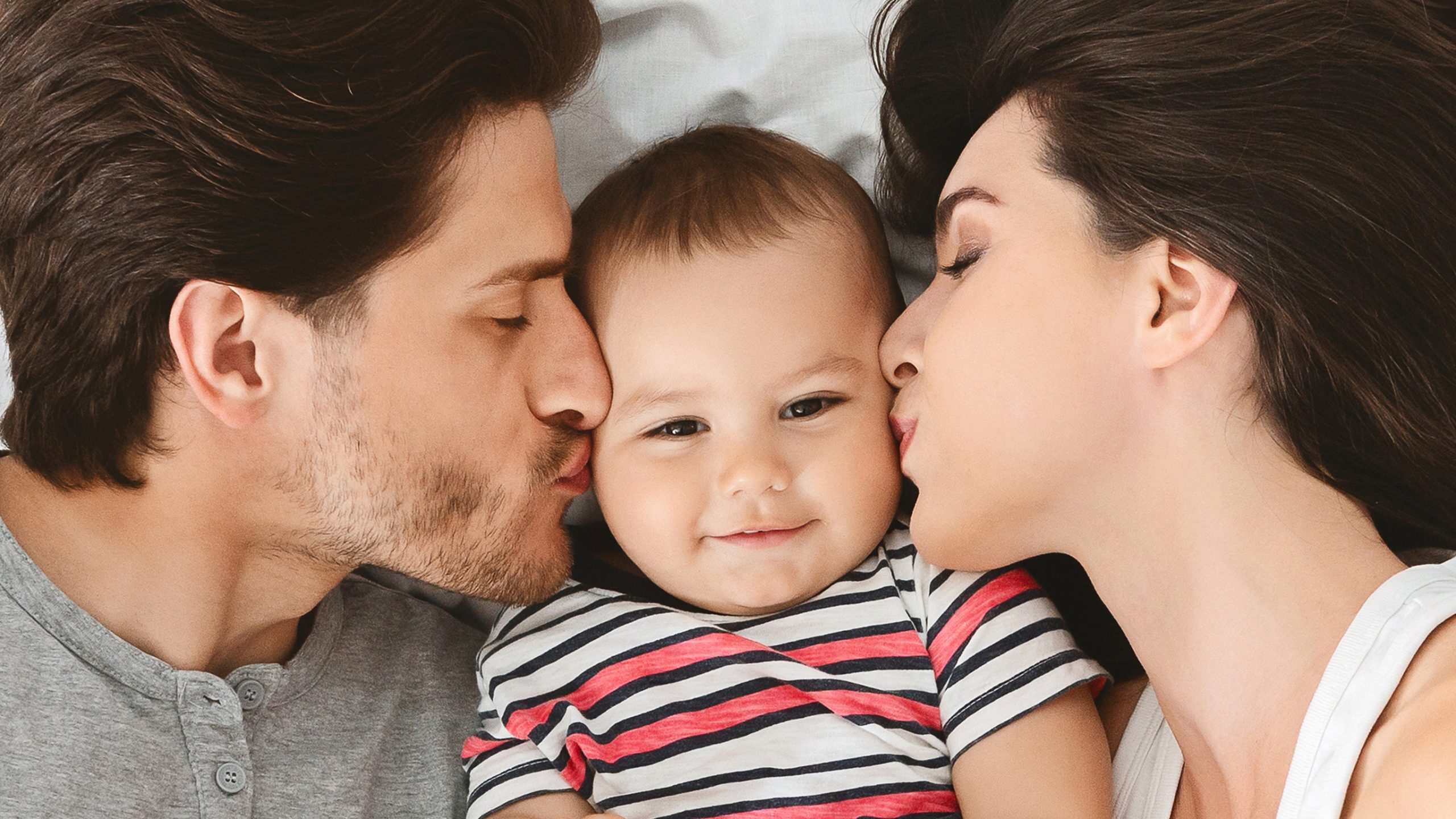
Beloved baby. Parents kissing their cute infant, closeup, panorama
Image Source: 123rf.com

Parenting is often described as the toughest job in the world, and with good reason. Daily challenges can leave even the best parents feeling unsure of themselves. It’s easy to focus on perceived failures or mistakes, overlooking the many signs that you’re actually doing a fantastic job. Recognizing these subtle yet powerful clues can reinforce your confidence and encourage continued growth. Here are eight clear indicators that you’re truly an amazing parent—celebrate these wins!

The journey of parenthood is filled with daily victories and learning moments. Each interaction with your child builds a foundation of trust and love that lasts a lifetime. It is important to acknowledge these small successes, as they are the true markers of effective parenting. Even on challenging days, these signs remind you of your positive impact. Let this article serve as a celebration of all the ways you’re doing an exceptional job.

1. Your Child Confides in You

Your child openly sharing their thoughts and feelings is a sign of deep trust. It shows they feel safe and valued in your presence. Open communication is a cornerstone of a strong parent-child relationship. This level of honesty reflects your consistent support and understanding. Embrace this bond, as it forms the foundation of lifelong trust.

2. Your Child Shows Empathy

When your child demonstrates empathy towards others, it reflects the compassion you’ve nurtured at home. Their ability to comfort friends and understand different perspectives is a direct result of your guidance. This empathy indicates that you have instilled strong moral values. It’s a powerful sign that your nurturing is shaping a caring individual. Celebrate these moments as milestones in your parenting journey.

3. They Are Comfortable Making Mistakes

Your child approaches mistakes as opportunities to learn rather than as failures. They understand that mistakes are a natural part of growth and development. This healthy attitude toward error is a testament to the supportive environment you’ve created. Encouraging risk-taking and resilience builds their confidence. This clue is a clear marker of successful, constructive parenting.

4. Healthy Boundaries are Respected

When your child understands and respects boundaries, it reflects the structure you have established at home. Clear guidelines create a sense of security and mutual respect. Your child’s adherence to these limits shows that they value the rules you set. This balance between freedom and discipline fosters healthy relationships. Recognize that consistent boundaries are a key indicator of positive parenting.

5. They Show Genuine Gratitude

Your child’s spontaneous expressions of gratitude highlight the positive environment you nurture. Whether it’s thanking you for a meal or a kind gesture, these moments are heartwarming. Gratitude is a virtue that reflects respect and appreciation. It shows that your efforts do not go unnoticed. This simple, genuine thankfulness is a powerful sign of your impact as a parent.

6. They Demonstrate Responsibility

Your child willingly takes responsibility for their actions, showing maturity beyond their years. This responsible behavior is cultivated through consistent guidance and support. It indicates that they understand the consequences of their actions. Watching them own up to their mistakes reflects the values you have instilled. Responsibility is an essential trait that bodes well for their future.

7. Your Child Feels Safe Expressing Emotions

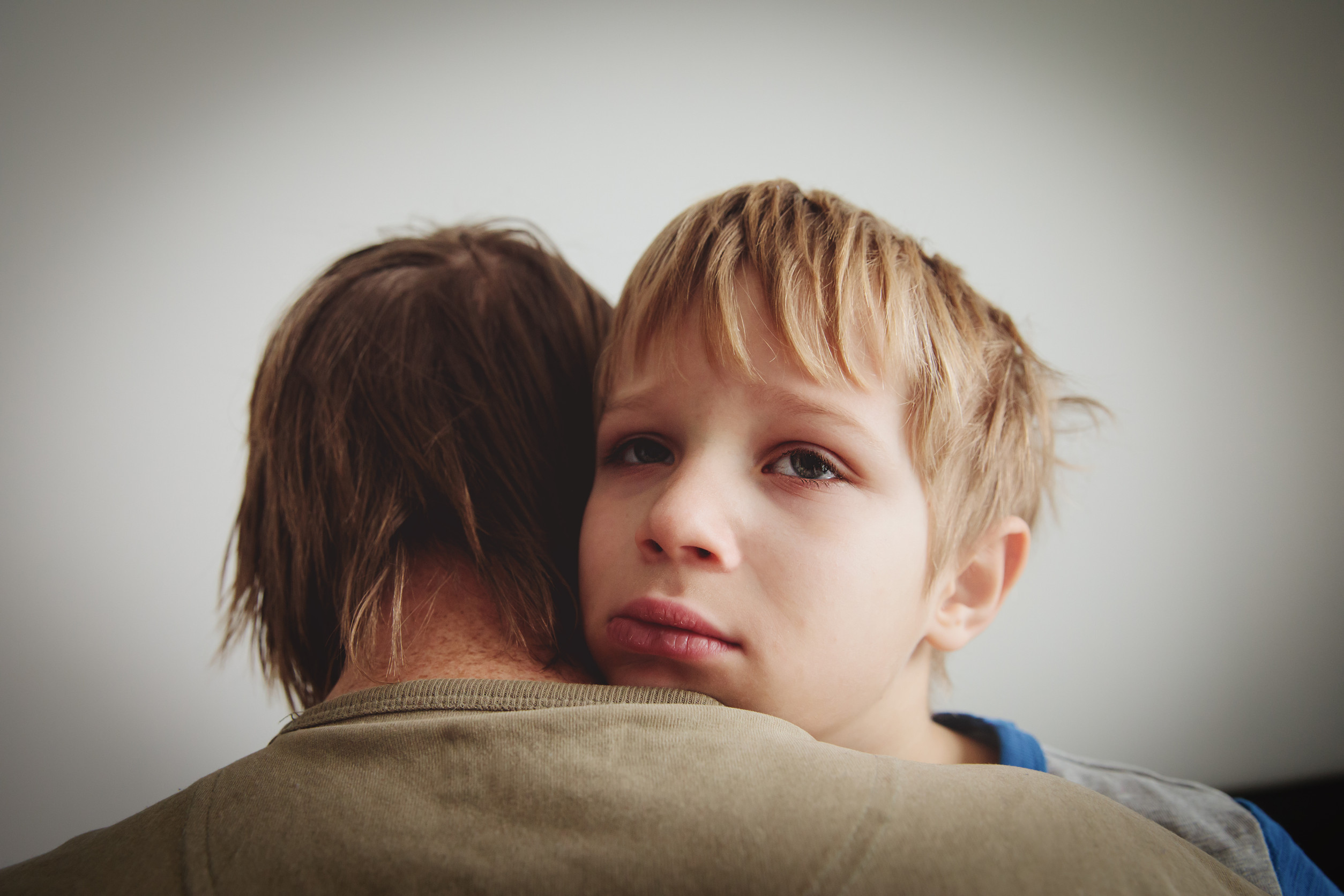
father comforting stressed sad crying son, parenting support
Image Source: 123rf.com

When your child is comfortable sharing their emotions, it demonstrates a secure and nurturing home environment. This emotional openness is key to their personal growth and future relationships. Your willingness to listen without judgment encourages this vulnerability. It’s a sign that you have created a space where feelings are respected. This emotional safety is one of the greatest gifts you can offer as a parent.

8. They Seek Quality Time With You

Your child’s eagerness to spend time with you reflects their deep love and trust. Whether it’s through shared meals, games, or quiet conversations, these moments are invaluable. Quality time together reinforces your bond and creates lasting memories. It is a clear sign that your presence is cherished above all else. This mutual desire for connection proves you’re doing an amazing job.

Celebrate Your Parenting Success

Every clue highlighted here is a testament to your dedication and love as a parent. Recognizing these everyday wins can boost your confidence and reaffirm your parenting journey. Embrace these successes and continue nurturing the strong bond you share with your child. Parenting is a dynamic, evolving process filled with both challenges and triumphs.

What parenting success has made you most proud recently? Share your story in the comments!

Read More:

10 Emergencies A Parent Should Always Be Prepared For

Is Your Parenting Style Shaped by Your Own Childhood Experiences?

Latrice Perez

Latrice is a dedicated professional with a rich background in social work, complemented by an Associate Degree in the field. Her journey has been uniquely shaped by the rewarding experience of being a stay-at-home mom to her two children, aged 13 and 5. This role has not only been a testament to her commitment to family but has also provided her with invaluable life lessons and insights.  As a mother, Latrice has embraced the opportunity to educate her children on essential life skills, with a special focus on financial literacy.

Filed Under: Parenting Tagged With: child shows empathy, comfortable making mistakes, confides in you, Parenting

5 Baby Names That Have Been Banned Worldwide

March 24, 2025 | Leave a Comment

Portrait of a cute newborn baby who lies on his back in a crib
Image Source: 123rf.com

Some baby names raise eyebrows—others raise legal concerns. Around the world, certain governments have stepped in to restrict names they believe are inappropriate, offensive, or just plain confusing. Whether it’s for cultural sensitivity, religious respect, or protecting the child from lifelong ridicule, these bans reveal just how seriously some countries take naming laws. While most parents want a name that’s unique or meaningful, it’s worth knowing there are limits in some places. These real-life examples might make you think twice before getting too creative with the birth certificate.

1. Nutella – France

In 2015, a French court ruled against naming a baby “Nutella.” The judge argued that naming a child after a chocolate spread would subject her to mockery and unnecessary ridicule. France has a long-standing history of regulating baby names to protect children’s well-being. The judge renamed the child “Ella” instead, stating it was more in the child’s best interest. While quirky names might feel fun, this case shows how far the law will go to protect a child from future embarrassment.

2. Brfxxccxxmnpcccclllmmnprxvclmnckssqlbb11116 – Sweden

Yes, that’s a real name attempt—though not one that lasted long. A Swedish couple submitted this unpronounceable jumble in protest of the country’s strict naming laws. Sweden requires names to not cause offense or discomfort, and this one clearly didn’t pass the test. The parents said it was to challenge the system, but the government wasn’t amused and rejected the name outright. It’s a reminder that even naming protests have limits in the eyes of the law.

3. Talula Does the Hula from Hawaii – New Zealand

This name sounds like a punchline, but it was no joke for the child who bore it. A New Zealand court intervened and gave the girl a new name, saying the original name caused her social struggles and embarrassment. New Zealand is known for banning names that resemble titles, numbers, or overly long phrases. This name made headlines and sparked debates about parental rights versus child welfare. The judge made it clear: creativity shouldn’t come at the expense of a child’s dignity.

4. Akuma – Japan

In Japan, one couple attempted to name their son “Akuma,” which translates to “Devil.” Government officials quickly stepped in and deemed the name inappropriate for a child. The name sparked outrage among citizens and was eventually banned to prevent psychological and social harm. In Japanese culture, names carry deep spiritual and societal weight, making “Akuma” especially problematic. This example shows how language, culture, and social norms shape what’s considered acceptable.

5. @ – China

One Chinese couple tried to name their child “@” (yes, the symbol). They claimed it was meaningful and pronounced similarly to “love him” in Chinese. But the government rejected it, stating that names must consist of characters from the Chinese language. The move sparked global curiosity, but ultimately, China emphasized the importance of language integrity. This shows that even symbols we use daily aren’t fair game when it comes to baby names.

Where Do We Draw the Line?

Cute baby girl on a white bed at home
Image Source: 123rf.com

Naming your child can be one of the most meaningful decisions a parent makes. But these banned names show how some choices can cross cultural or legal boundaries. While creativity is encouraged, it’s important to balance that with your child’s future experience. Governments often step in not to limit expression but to protect children from lasting harm or ridicule. So, before you go too far off the grid with a name, consider how it might sound not just at birth—but in adulthood too.

Would you ever support legal limits on baby names? Why or why not? Share your thoughts in the comments—let’s hear what you think!

Read More:

5 Baby Names That Are Associated with Luxury Brands

15 Baby Names Handed Down From The Rich to The Poor

Latrice Perez

Latrice is a dedicated professional with a rich background in social work, complemented by an Associate Degree in the field. Her journey has been uniquely shaped by the rewarding experience of being a stay-at-home mom to her two children, aged 13 and 5. This role has not only been a testament to her commitment to family but has also provided her with invaluable life lessons and insights.  As a mother, Latrice has embraced the opportunity to educate her children on essential life skills, with a special focus on financial literacy.

Filed Under: Parenting Tagged With: baby names, banned names, child welfare, controversial baby names, Family, legal naming rules, parenting culture, parenting laws

8 Controversial Parenting Books That Challenge Traditional Methods

March 24, 2025 | Leave a Comment

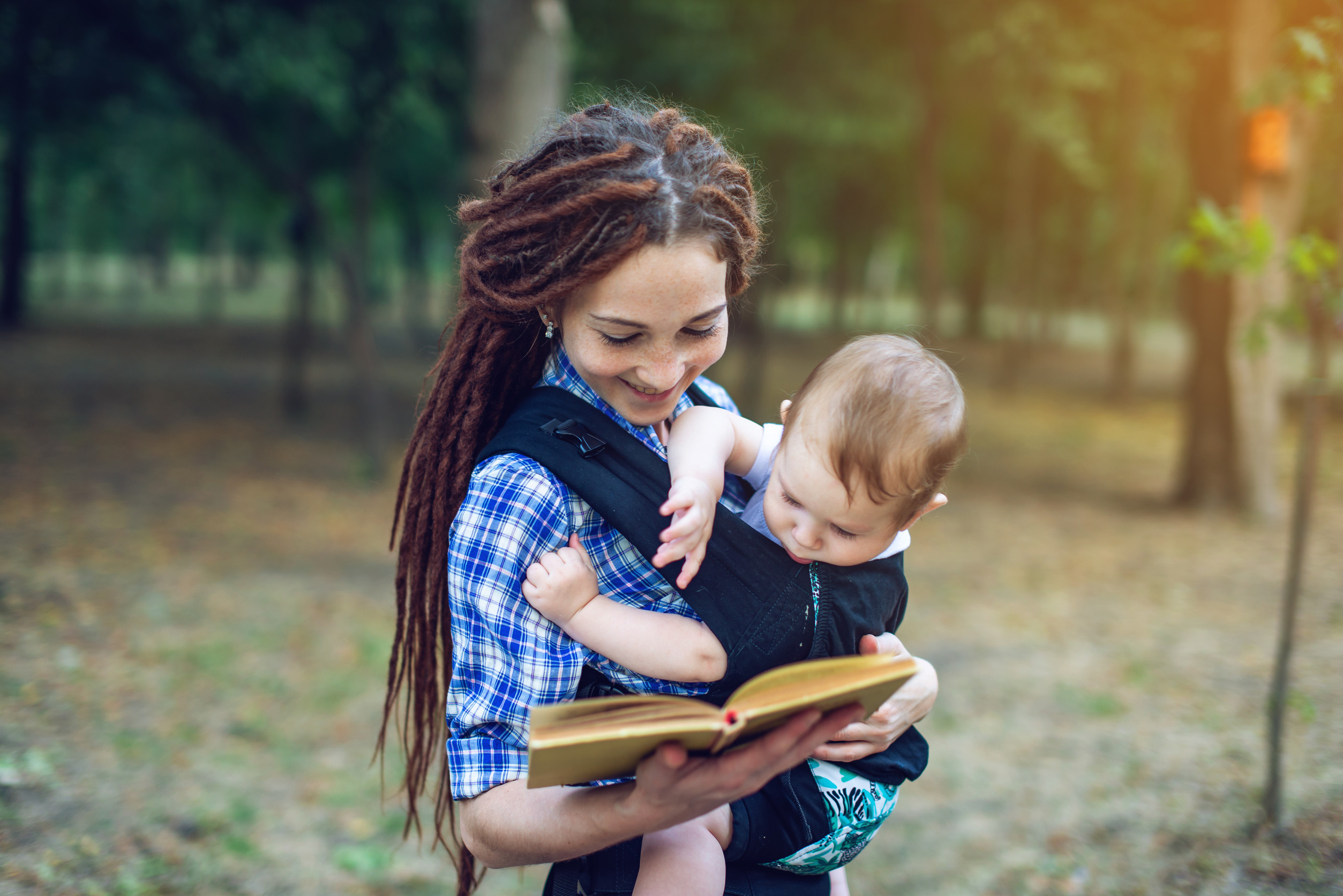
Happy mom with a baby in a sling reading a book in the Park. The concept of children's education in family life
Image Source: 123rf.com

Not all parenting books preach the same tired advice. Some flip the script entirely, urging parents to rethink discipline, sleep, communication, and even control. These bold titles don’t just question the norm—they often spark fierce debate. Whether you’re looking for fresh insights or books that push your buttons, these controversial reads will definitely make you think. Here are eight books that stir the pot in the parenting world.

1. “Bringing Up Bébé” by Pamela Druckerman

This bestseller offers an American mom’s perspective on French parenting, and it ruffled plenty of feathers. Druckerman suggests that French parents raise more polite, independent kids without helicoptering. Critics argue she over-romanticizes another culture, while fans praise its balance and structure. The book encourages giving children more autonomy and holding clear boundaries. Whether you agree or not, it forces a conversation on over-parenting.

2. “The Coddling of the American Mind” by Greg Lukianoff and Jonathan Haidt

Although not a traditional parenting book, this one explores how modern parenting and education may be making kids less resilient. The authors argue that shielding children from discomfort can backfire. Their views have been labeled controversial, especially around mental health and free speech. It challenges the idea that safety always equals protection. For parents of teens, it’s a provocative, challenging read.

3. “Battle Hymn of the Tiger Mother” by Amy Chua

Amy Chua’s memoir of extreme parenting sparked global outrage and admiration in equal parts. She details her authoritarian style of high expectations, strict discipline, and relentless academic pressure. Critics call it abusive; others see it as a cultural difference worth exploring. The book raises tough questions about the role of struggle in achievement. It’s not an easy read, but it’s impossible to ignore.

4. “Free-Range Kids” by Lenore Skenazy

Skenazy’s message is clear: stop micromanaging your children. Her advocacy for independence and unstructured play earned her both praise and backlash. The book questions whether modern parents are too fearful, often to their children’s detriment. Skenazy believes kids are more capable than we give them credit for. It’s a refreshing yet controversial take on raising resilient kids.

5. “Parenting Beyond Belief” by Dale McGowan

This book caters to secular parents who want to raise ethical kids without religious teachings. While many find it empowering, others see it as dismissive of faith. It offers guidance on values, critical thinking, and building community outside of religious institutions. For some, it’s liberating; for others, it crosses a line. Regardless of your stance, it’s a bold, honest discussion about morality and parenting.

6. “Unconditional Parenting” by Alfie Kohn

Kohn turns traditional discipline on its head, questioning praise, punishment, and rewards. He argues that most parenting techniques manipulate rather than support children. His critics say this approach lacks structure, while fans say it respects the child’s dignity. The book’s main message is that love and connection—not control—should be the focus. It’s not for everyone, but it will definitely make you reflect.

7. “All Joy and No Fun” by Jennifer Senior

Mother and daughter enjoy spending time together outdoor.Image is intentionally with grain and toned.
Image Source: 123rf.com

Senior explores how parenting changes adults more than children. Rather than giving advice, the book documents the emotional complexity of modern parenting. Some readers found it validating; others felt it was overly negative. It challenges the assumption that parenting is always joyful or rewarding. This realism makes it a standout—and a controversial one at that.

8. “The Nurture Assumption” by Judith Rich Harris

Harris argues that parents matter far less than we think in shaping a child’s personality. Instead, peers and genetics do the heavy lifting. This theory rattles the foundation of many parenting philosophies. Critics say it lets parents off the hook; supporters say it brings much-needed balance. Either way, the book is a thought-provoking look at nature versus nurture.

Books Challenger The Core Of Raising Kids

These books don’t just offer advice—they challenge the very core of how we raise our kids. Whether you agree with them or not, they encourage deeper reflection and open discussion. Some ideas will resonate, while others might make your blood boil. But that’s what makes them valuable. After all, parenting isn’t a one-size-fits-all journey.

Which of these books have you read—or avoided? What’s your take on challenging traditional parenting norms? Share your thoughts in the comments!

Read More:

These 5 Books Will Help You With Effective Communication With Your Kids

8 False Myths About Reading That Could Keep Kids from Books

Tamila McDonald
Tamila McDonald

Tamila McDonald is a U.S. Army veteran with 20 years of service, including five years as a military financial advisor. After retiring from the Army, she spent eight years as an AFCPE-certified personal financial advisor for wounded warriors and their families. Now she writes about personal finance and benefits programs for numerous financial websites.

Filed Under: Books and Reading, Parenting Tagged With: Alfie Kohn, Amy Chua, controversial parenting, discipline alternatives, Free-Range Parenting, modern parenting, parenting advice, parenting books

Why Saying ‘I Love You’ Every Day Changes Your Child’s Brain

March 24, 2025 | Leave a Comment

Message I love you spelled in wooden blocks. sign for relationships, romance, love and Valentines day, in letters with heart symbol. Mother's Day, Wedding Day, March 8, father's day
Image Source: 123rf.com

Love is more than just an emotion—it’s a powerful force that shapes the way children grow, learn, and connect with the world. Saying “I love you” daily isn’t just a sweet gesture; it has a profound impact on your child’s brain development, emotional stability, and future relationships. Science confirms that consistent verbal affection strengthens neural pathways related to self-worth, security, and resilience. Parents often underestimate how much their words shape their child’s internal world. In this article, we’ll explore why this simple phrase holds so much power and how it can transform your child’s brain.

1. Strengthens Neural Pathways for Emotional Security

Every time you tell your child “I love you,” their brain registers it as a sign of safety and belonging. This activates the limbic system, the part of the brain responsible for emotions and attachment. Repeated expressions of love strengthen neural pathways that foster trust, confidence, and emotional regulation. Over time, children who frequently hear loving words are better equipped to handle stress and challenges. This emotional security becomes a foundation for healthy relationships and strong self-esteem.

2. Boosts Brain Development and Learning Abilities

Love and verbal affirmation don’t just impact emotions—they influence cognitive function too. Studies show that children raised in nurturing environments with frequent verbal affection have higher levels of oxytocin, the hormone linked to bonding and memory. This leads to better learning abilities, improved language skills, and stronger problem-solving capabilities. Feeling secure allows children to explore, take risks, and absorb new information without fear. Simply put, when children feel loved, their brains are more open to growth and development.

3. Reduces Anxiety and Lowers Stress Levels

Children face stress just like adults, whether it’s from school, friendships, or new experiences. Hearing “I love you” regularly helps regulate their body’s cortisol levels, the hormone responsible for stress. When love is consistently reinforced, the brain learns to associate parental presence with comfort and security. This results in lower overall anxiety levels and better coping skills in difficult situations. The more reassured a child feels, the better they can manage emotions and navigate challenges.

4. Builds Self-Worth and Inner Confidence

Girl European appearance haired child of seven in red bright dress shows thumb down on the gray background, direction retro
Image Source: 123rf.com

A child’s self-perception is shaped by the words they hear, especially from their parents. When you say “I love you” every day, it becomes an internal affirmation that reinforces their worth. This helps them develop self-assurance, resilience, and a positive mindset about themselves. Kids who feel consistently loved are more likely to stand up for themselves, take on leadership roles, and believe in their abilities. The simple act of expressing love gives children a lifelong sense of value.

5. Enhances Emotional Intelligence and Empathy

Children learn how to express love and kindness from their caregivers. When they hear “I love you” daily, they develop a deeper understanding of compassion, emotional intelligence, and empathy. This teaches them how to express affection, understand others’ emotions, and form healthy connections. Kids raised in affectionate environments are more likely to show kindness and build strong social relationships. Love, when spoken regularly, sets the stage for emotional maturity.

6. Strengthens Parent-Child Bonding

Verbal affirmations of love create a secure attachment between parent and child. When kids consistently hear “I love you,” they feel emotionally safe, which fosters a stronger bond. This connection encourages open communication, trust, and a willingness to share thoughts and feelings. Children who feel emotionally secure with their parents are more likely to confide in them during difficult times. A strong parent-child relationship sets the foundation for a lifetime of emotional closeness.

7. Encourages a Positive Outlook on Life

Children who grow up in a loving, affirming environment tend to have a more optimistic and resilient mindset. Saying “I love you” daily conditions their brain to seek out positivity and approach life with confidence. It creates a sense of emotional abundance, making them more likely to believe in possibilities, embrace challenges, and bounce back from failures. Love shapes their worldview, helping them see life as a place of safety, support, and growth.

8. Becomes a Habit That Stays Into Adulthood

When children grow up hearing “I love you” every day, they are more likely to carry this habit into adulthood. This means they will be more expressive in their own relationships and more confident in giving and receiving love. It creates a ripple effect—children who feel loved become adults who spread love in their families, friendships, and future parenting. The love you give today builds a foundation for generations to come.

The Power of Three Simple Words

Saying “I love you” daily is one of the most powerful things you can do for your child’s brain and emotional well-being. It reinforces security, builds confidence, and creates a lifelong habit of love and connection. No matter your parenting style, these three words can transform your child’s future in ways you may not even realize.

Do you make it a habit to say “I love you” every day? How has it impacted your relationship with your child? Share your thoughts in the comments below!

Read More:
8 Reasons Why Children Are Priceless

3 Principles for Teaching Children Gratitude Lessons

Latrice Perez

Latrice is a dedicated professional with a rich background in social work, complemented by an Associate Degree in the field. Her journey has been uniquely shaped by the rewarding experience of being a stay-at-home mom to her two children, aged 13 and 5. This role has not only been a testament to her commitment to family but has also provided her with invaluable life lessons and insights.  As a mother, Latrice has embraced the opportunity to educate her children on essential life skills, with a special focus on financial literacy.

Filed Under: Parenting Tagged With: child development, Child Psychology, emotional growth, Family bonding, love and attachment, Mental Health, Parenting, parenting tips, Positive Parenting, raising kids

How to Raise a Child Who Won’t Be Afraid to Speak Up

March 24, 2025 | Leave a Comment

Cute pupils looking through magnifying glass at the elementary school
Image Source: 123rf.com

Every parent wants their child to feel confident expressing themselves. Whether it’s standing up for what’s right, sharing their thoughts, or advocating for their needs, strong communication skills are essential. However, many children struggle with fear of rejection, shyness, or self-doubt, which can make speaking up feel overwhelming. The good news is that confidence is something that can be nurtured over time. Here’s how you can raise a child who won’t be afraid to use their voice.

1. Encourage Open Conversations at Home

Children feel more comfortable speaking up when they know their thoughts and feelings are valued. Create a home environment where open discussions are welcomed and respected. Ask your child about their day, their opinions on different topics, and how they feel about situations they encounter. Avoid interrupting or dismissing their thoughts, even if you disagree. By showing them their voice matters, you give them the confidence to speak up in other areas of life.

2. Teach Them How to Express Themselves Clearly

Many children hesitate to speak up because they don’t know how to articulate their thoughts. Help them develop strong communication skills by teaching them how to organize their ideas and express them with confidence. Encourage them to use “I” statements, such as “I feel…” or “I believe…,” to communicate their thoughts effectively. Role-playing different scenarios can also help them practice speaking up in a safe and supportive way. The more they practice, the more natural it will feel.

3. Praise Their Efforts, Not Just Outcomes

When children feel encouraged, they’re more likely to take risks in speaking up. Instead of focusing only on the result, praise their effort in expressing themselves. Acknowledge their courage when they share their opinions, even if they stumble over their words. This reassures them that their voice is important, regardless of how perfectly they speak. Building confidence takes time, and every step forward is a victory.

4. Model Assertiveness in Everyday Life

Children learn by watching their parents. If they see you speaking up for yourself in a respectful and confident manner, they’re more likely to do the same. Whether it’s addressing a mistake in a store or setting boundaries in a relationship, show them that using their voice is a normal part of life. Explain why you spoke up and how it helped resolve the situation. When they see assertiveness modeled positively, they’ll feel more comfortable doing it themselves.

5. Help Them Overcome Fear of Rejection

Rating feedback scale on wood cube with copy space. Service rating, dissatisfied with satisfaction concept, Bad review, bad service dislike bad quality, low rating, negative social media not good.
Image Source: 123rf.com

Fear of being judged or dismissed often holds children back from speaking their minds. Teach them that not everyone will agree with them, and that’s okay. Reassure them that their opinions are still valid, even if someone disagrees. Encourage them to focus on expressing themselves rather than seeking approval. When they understand that rejection isn’t a reflection of their worth, they’ll feel more confident speaking up in any situation.

6. Teach the Difference Between Assertiveness and Aggression

Speaking up doesn’t mean being rude or forceful. Teach your child the importance of being assertive while remaining respectful. Explain that assertiveness means standing up for oneself with confidence, while aggression involves overpowering others. Role-play different situations to help them practice using a firm but respectful tone. Understanding this balance helps them navigate conversations effectively without fear.

7. Give Them Opportunities to Make Decisions

Allowing children to make choices helps them build confidence in their own judgment. Let them decide things like what to wear, what activities to join, or how to solve small problems. Encourage them to explain their reasoning behind their choices. This helps them learn to trust their own voice and feel comfortable expressing their preferences. The more decisions they make, the stronger their ability to speak up will become.

8. Encourage Them to Stand Up for Others

Advocating for themselves is important, but so is speaking up for those who may not have a voice. Teach your child to recognize when someone else is being treated unfairly and how to offer support. Whether it’s defending a classmate from bullying or speaking out against injustice, standing up for others reinforces their confidence. Knowing they can make a difference boosts their willingness to use their voice.

9. Expose Them to Public Speaking and Group Discussions

Participating in group settings helps children become more comfortable speaking in front of others. Encourage them to join activities like debate clubs, drama classes, or group projects. Public speaking opportunities, even in small settings, help them build confidence in expressing their thoughts. The more they practice in structured environments, the more natural speaking up will feel in everyday situations.

10. Remind Them That Their Voice Matters

Above all, children need to know that what they have to say is important. Regularly remind them that their thoughts, feelings, and ideas are valuable. Encourage them to ask questions, share opinions, and express concerns. When they feel heard and respected, they’ll develop the confidence to speak up in any situation. A strong belief in the power of their own voice will stay with them for life.

Empowering Your Child to Speak with Confidence

Raising a child who isn’t afraid to speak up takes time, patience, and encouragement. By fostering open conversations, modeling assertiveness, and teaching effective communication skills, you’re helping them build the confidence they need to express themselves.

How do you encourage your child to use their voice? Share your thoughts in the comments below!

Read More:

7 Lessons from Kids That’ll Change How You See the World

How To Teach a Child To Count Money

Latrice Perez

Latrice is a dedicated professional with a rich background in social work, complemented by an Associate Degree in the field. Her journey has been uniquely shaped by the rewarding experience of being a stay-at-home mom to her two children, aged 13 and 5. This role has not only been a testament to her commitment to family but has also provided her with invaluable life lessons and insights.  As a mother, Latrice has embraced the opportunity to educate her children on essential life skills, with a special focus on financial literacy.

Filed Under: Parenting Tagged With: child confidence, helping kids speak up, kids communication skills, parenting tips, public speaking for kids, raising assertive kids, self-expression

Think Your Child’s Car Seat Is Safe? These 7 Shocking Facts Say Otherwise

March 22, 2025 | Leave a Comment

car seat safety
Image Source: 123rf.com

Every parent believes their child’s car seat is installed properly and is doing its job effectively. Yet studies show many parents unknowingly overlook critical safety details that could put their child at risk. In fact, the National Highway Traffic Safety Administration (NHTSA) estimates that nearly half of all car seats are incorrectly installed or misused. Before your next drive, consider these seven surprising facts that reveal hidden dangers lurking in your child’s car seat. Staying informed is trendy—and essential—for every responsible parent.

1. Improper Installation Is Extremely Common

You might think your car seat is perfectly installed, but the reality is shockingly different. NHTSA studies suggest approximately 46% of car seats are not installed correctly, dramatically reducing their effectiveness. Common errors include loose seat belts, incorrect harness adjustments, and wrong seat angles. Even minor mistakes compromise your child’s safety, increasing the risk of injury during a collision. Certified safety technicians can help verify proper installation, significantly improving car seat safety.

2. Secondhand Car Seats Are a Risky Choice

While thrifting is trendy for clothing or furniture, secondhand car seats pose significant hidden risks. Older seats could have unseen structural damage from previous accidents or recalls, drastically lowering their protective value. Additionally, car seats generally have expiration dates—usually between six and ten years from manufacture. Expired seats weaken over time due to plastic degradation and component wear, risking your child’s safety. It’s essential to know your seat’s exact history, including accidents and recalls, before trusting it. Purchasing new seats or thoroughly researching secondhand models is crucial for safety-conscious parents.

3. Winter Coats Compromise Harness Safety

Bundling up your child in a thick winter coat seems harmless but is actually dangerous when placed in a car seat. Heavy coats create slack in harness straps, making them appear snug when they’re actually too loose. In a collision, coats compress instantly, leaving dangerous slack and increasing injury risks. Experts recommend removing bulky outerwear before buckling your child into their seat. Instead, use blankets or coats placed over your child after the harness is securely tightened.

4. Harness Positioning Matters More Than You Think

Incorrect harness placement is surprisingly common yet critical for car seat effectiveness. Straps placed incorrectly, too loose, or twisted can significantly increase injury risk during accidents. Chest clips must always sit at armpit level, keeping the harness properly aligned over your child’s shoulders. For rear-facing seats, straps should be at or just below shoulder level; for forward-facing seats, they should be at or slightly above. Regularly double-checking harness positioning ensures optimal safety on every ride.

5. Accessories Might Be Dangerous

Cute car seat accessories—like strap covers, head supports, or hanging toys—may seem harmless but can seriously jeopardize safety. Many third-party products aren’t tested with your car seat, potentially interfering with harness effectiveness or seat stability. Accessories might shift during impact, loosen harnesses, or even injure your child directly. Experts advise sticking only to manufacturer-approved accessories specifically designed for your exact car seat model.

6. Booster Seats Are Often Misused

Transitioning your child to a booster seat too early or incorrectly is another common safety mistake. Booster seats rely on adult seat belts, meaning your child must be of the appropriate height and weight to safely use one. Incorrectly positioned seat belts cause severe injuries in collisions, especially if improperly placed across a child’s abdomen or neck. Ensure your child meets booster-seat age, weight, and height recommendations precisely before transitioning. Always verify seat belt positioning during every ride, maintaining correct belt placement across hips and shoulders. Familiarize yourself with the guidelines before making the switch.

7. Car Seat Recalls Are Surprisingly Frequent

Manufacturers issue recalls more often than many parents realize—frequently for severe safety defects or component failures. Unfortunately, many families unknowingly use recalled seats daily, putting their children at risk. To stay informed, register your car seat immediately upon purchase and regularly check recall databases. Online resources like NHTSA.gov offer recall search tools that provide timely safety alerts and updates.

Stay Informed, Stay Safe

Your child’s safety in the car depends entirely on your knowledge, vigilance, and regular checks. Staying informed about common car seat errors, expiration dates, harness safety, recalls, and risky accessories can dramatically improve your child’s safety every ride. Proper car seat use is about more than just strapping in—it requires continuous education, careful installation, and attention to detail. After all, the most important trend for parents today is always the safety and well-being of their precious little passengers.

Read More

  • Car Seat Recommendations
  • Car Services With Car Seats
  • Cheapest New Cars in 2025
Latrice Perez

Latrice is a dedicated professional with a rich background in social work, complemented by an Associate Degree in the field. Her journey has been uniquely shaped by the rewarding experience of being a stay-at-home mom to her two children, aged 13 and 5. This role has not only been a testament to her commitment to family but has also provided her with invaluable life lessons and insights.  As a mother, Latrice has embraced the opportunity to educate her children on essential life skills, with a special focus on financial literacy.

Filed Under: Parenting Tagged With: car seat, car seat safety, Safety

7 Terrifying Things Parents Forget That Can Have Devastating Consequences

March 22, 2025 | Leave a Comment

Happy father and mother holding children playing together in park with sunset view, Cheerful family father mother and children enjoying picnic at park, Family with healthy lifestyle, Life insurance
Image Source: 123rf.com

Parents have an endless list of responsibilities, and with so much going on, it’s easy to forget things. While most oversights are harmless, some can have terrifying consequences. A moment of forgetfulness can put a child in danger, sometimes with life-altering results. These mistakes don’t always happen due to negligence—often, they occur simply because parents are overwhelmed, distracted, or running on autopilot.

Here are seven terrifying things parents forget that can lead to serious consequences.

Forgetting a Baby in the Car

Every summer, heartbreaking headlines remind us of the dangers of leaving a baby in a hot car. Many parents assume they could never make this mistake, yet it happens every year, often to loving and responsible caregivers.

Heatstroke can occur within minutes, as temperatures inside a parked car can rise rapidly. Babies and young children are particularly vulnerable because their bodies overheat faster than adults. Some parents forget because of a break in routine—such as a different parent dropping the baby off at daycare—or simply because they are exhausted and distracted.

To prevent this, some experts recommend leaving a purse, phone, or even a shoe in the backseat as a reminder to check before locking the car. Apps and car seat alarms are also available to alert parents if they accidentally leave their child behind.

Forgetting to Secure Furniture and TVs

Many parents take precautions to baby-proof electrical outlets and sharp corners, but one of the most overlooked dangers in a home is unsecured furniture. Dressers, bookshelves, and TVs can become deadly if a child tries to climb on them and they tip over.

Each year, children are seriously injured or killed in furniture-related accidents. It only takes a moment for a child to pull out a drawer, use it as a step, and cause a heavy piece of furniture to fall. Anchoring furniture to the wall with anti-tip straps can prevent these tragedies. Parents often assume it won’t happen to their child—until it does.

Forgetting About Medication and Cleaning Supplies

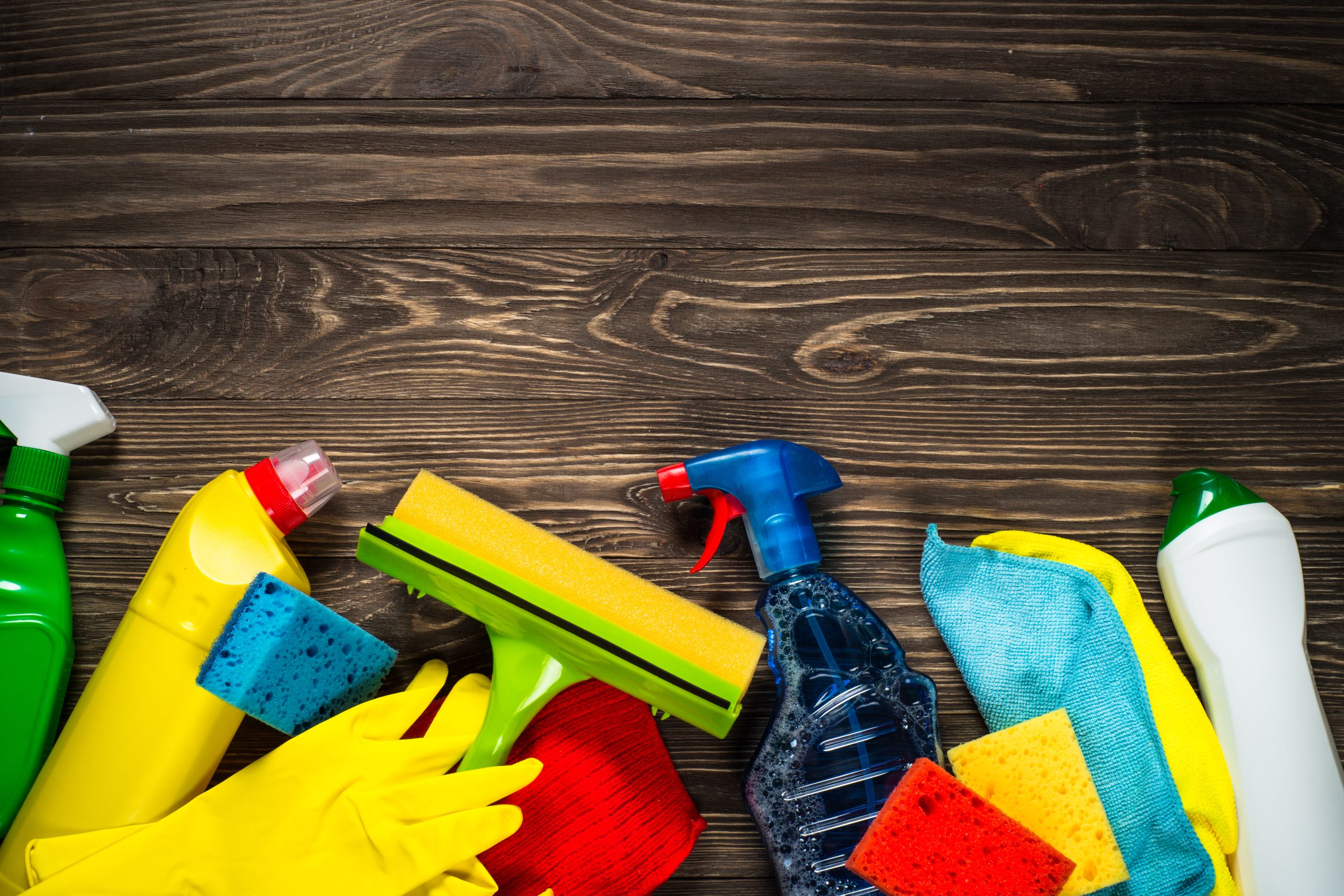
Cleaning product, household, sanitary supplies on wooden table. Top view with copy space.
Image Source: 123rf.com

Most parents keep medication and cleaning products out of reach, but accidents happen when items are left out just for a moment. A bottle of pain relievers on the counter, an open purse with prescription medication inside, or a cleaning spray left near a sink can quickly become accessible to a curious child.

Small children explore with their hands and mouths, and many everyday items can be extremely toxic. Child-resistant packaging helps, but it’s not foolproof. Keeping all medications and household cleaners locked away, even when in use, can prevent life-threatening poisoning incidents.

Forgetting to Check the Bathwater Temperature

A hot bath may seem harmless, but scalding water can cause severe burns in seconds. Young children’s skin is much more sensitive than an adult’s, and they can suffer third-degree burns at temperatures above 120°F (49°C).

Parents sometimes forget to test the water before placing their child in the tub or assume that adjusting the faucet mid-bath will cool things down quickly. A sudden burst of hot water or a slight mistake in temperature control can result in painful injuries. Installing anti-scald devices on faucets and always checking the water with a thermometer or wrist can prevent unnecessary burns.

Forgetting to Lock or Secure Pools and Water Sources

Drowning is one of the leading causes of death for young children, and it happens faster and more silently than most parents realize. Many accidents occur not because parents are unaware of the dangers of water but because they forget to secure it properly.

A backyard pool, an inflatable kiddie pool, or even a bucket of water can pose a serious risk. Children can drown in as little as two inches of water, and it takes just a moment of distraction for an accident to occur. Pool fences with self-latching gates, door alarms, and strict water safety rules can help prevent devastating tragedies.

Forgetting to Check Car Seat Straps and Installations

Car seats are one of the most important safety tools for children, but they only work if used correctly. Many parents make small but dangerous mistakes, such as forgetting to buckle the chest clip at the right level, leaving straps too loose, or not realizing the car seat is improperly installed.

Even in minor car accidents, an improperly secured child can suffer severe injuries. Studies show that a large percentage of car seats are used incorrectly. Double-checking that straps are snug, the chest clip is positioned correctly, and the seat is properly anchored can mean the difference between life and death in a crash.

Forgetting About Small Objects That Can Be Choking Hazards

Young children will put almost anything in their mouths, and small objects can quickly become deadly choking hazards. Parents often baby-proof their homes when their child first starts crawling, but as kids grow, new risks appear.

Coins, small toy parts, batteries, pen caps, and even food that is too large or the wrong shape can cause a choking emergency. Parents sometimes forget to scan the floor or check for small, overlooked items that could be within reach. Learning CPR and keeping a close eye on small objects can help prevent a life-threatening situation.

Awareness Can Prevent Tragedy

No parent is perfect, and forgetting things happens to everyone. But when it comes to child safety, even small mistakes can lead to serious consequences. The best way to prevent these terrifying accidents is to stay aware, build habits that reinforce safety, and use reminders when necessary.

Parenting is exhausting, and distractions are everywhere. A little extra caution and a few simple precautions can go a long way in keeping children safe.

Have you ever caught yourself forgetting something potentially dangerous? Share your thoughts in the comments below.

Read more: 7 Terrifying Things Parents Forget That Can Have Devastating Consequences

Latrice Perez

Latrice is a dedicated professional with a rich background in social work, complemented by an Associate Degree in the field. Her journey has been uniquely shaped by the rewarding experience of being a stay-at-home mom to her two children, aged 13 and 5. This role has not only been a testament to her commitment to family but has also provided her with invaluable life lessons and insights.  As a mother, Latrice has embraced the opportunity to educate her children on essential life skills, with a special focus on financial literacy.

Filed Under: Parenting Tagged With: baby safety, car seat safety, child accidents, childproofing, childproofing tips, drowning prevention, home safety, parenting mistakes, parenting safety

« Previous Page
Next Page »
  • Facebook
  • Pinterest
  • RSS
  • Twitter
Best Parenting Blogs

Most Popular

Baby Girl

12 “Grandma” Baby Names That Are Suddenly Cool Again

Evan Morgan
Baby

9 Baby Names That Sound Rare Without Being Hard to Spell

Evan Morgan
Target Store

Choking Incident Prompts Recall of 49,000 Target Gigglescape “Under the Sea” Popping Toys

Evan Morgan
Frustrated Girl

Why Some Students on the Spectrum Are Labeled With ODD

Evan Morgan
Coke Bottles

12 Things Kids Took to School in the ’70s That Would Never Be Allowed Today

Evan Morgan

All content on Kids Ain’t Cheap is for entertainment purposes only. By reading this blog, you agree that Kids Ain’t Cheap is not responsible for any actions taken after reading this blog. For the full disclaimer, see our privacy policy.

Please note that Kids Ain’t Cheap has financial relationships with some of the merchants mentioned here. Kids Ain’t Cheap is funded by banner advertising, commission sales and search optimization consulting.

Copyright © 2006–2026 | District Media | All Rights Reserved | Privacy Policy

Copyright © 2026 Runway Pro Theme by Viva la Violette