There’s a strange magic that happens when generations compare notes. Suddenly, the everyday stuff you take for granted becomes a cultural mystery, and normal life starts looking like a sociology experiment. Parenting, especially, has gone through a quiet revolution that didn’t come with headlines or parades, just credit card statements and calendar overload. What once felt simple now feels structured, scheduled, monetized, and professionalized.
This isn’t about shaming parents or romanticizing the past; it’s about recognizing how wildly the definition of “normal” has shifted, and how many things that now feel essential simply didn’t exist as paid expenses for previous generations.
1. The After-School Activity Economy
For many Boomer kids, after school meant bikes, backyards, pickup games, and whatever chaos the neighborhood naturally produced. There were sports teams and music lessons, sure, but they were often community-based, low-cost, and low-pressure. Today’s kids live in a world of structured enrichment, where every interest has a registration fee, a uniform, a subscription, and a schedule portal. Dance academies, travel sports leagues, STEM camps, coding bootcamps, and private coaching sessions now feel less like extras and more like expectations.
Parents aren’t just buying activities; they’re buying perceived opportunity, future readiness, and competitive advantage. It’s not that these programs are bad, because many are fantastic and genuinely enriching. The shift is that childhood has become curated rather than organic, and fun has quietly become a financial category. If it isn’t supervised, certified, and scheduled, it can feel like it doesn’t “count” anymore, which is a massive cultural change from the free-range childhood model of earlier generations.
2. Professional Childcare as a Standard Expense
Boomer families often relied on informal childcare systems: neighbors, siblings, extended family, or one parent staying home. Paid childcare existed, but it wasn’t the default model for most households. Today, professional childcare is practically a structural requirement for working families. Daycare, nannies, after-school programs, and babysitting services are not luxuries; they’re logistical necessities tied directly to modern work culture.
This isn’t just a financial change, it’s a social one. Parenting has shifted from a community-supported model to a service-based model. Care is now outsourced to professionals, licensed providers, and institutions, which adds safety, structure, and expertise, but also significant cost. Families aren’t failing at childcare; they’re navigating a system that simply doesn’t function the way it used to.
3. Academic Support as an Industry
Tutors, test prep services, learning apps, homework coaches, and educational consultants were not part of the average Boomer household vocabulary. If you struggled in school, you struggled, and maybe a teacher noticed. Today, academic performance is surrounded by a massive support industry designed to optimize outcomes at every stage. Parents can now buy reading specialists, math intervention programs, college admissions consultants, and exam prep subscriptions starting in elementary school.
Education has become less about access and more about optimization. It’s no longer enough to attend school; families now feel pressure to enhance school. The system isn’t broken because parents care too much; it’s because success pathways have become hyper-competitive and increasingly specialized. Learning support has shifted from being a school responsibility to a household investment strategy, which fundamentally changes how families experience education.

4. Children’s Entertainment as a Subscription Model
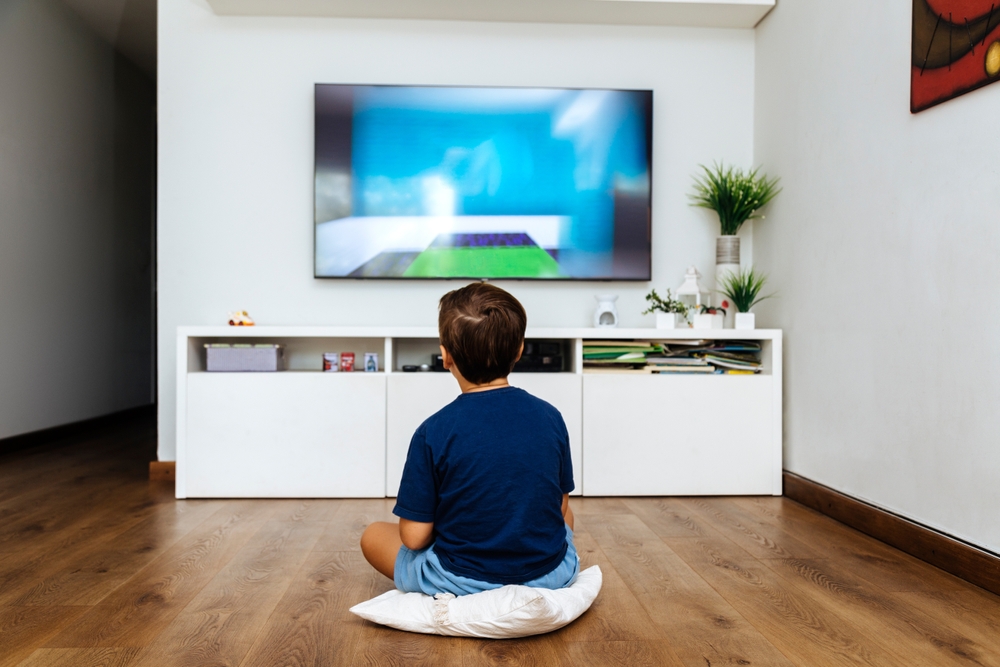
Boomer kids had Saturday morning cartoons, a few TV channels, library cards, and maybe a movie night if the family budget allowed. Entertainment wasn’t personalized, curated, or algorithm-driven. Today’s kids live inside a subscription ecosystem. Streaming platforms, educational apps, gaming services, audiobooks, kid-specific content libraries, and interactive learning platforms are all part of daily life.
What changed isn’t just technology, it’s the expectation of constant stimulation. Entertainment is now customized, portable, and always available, which subtly shifts parenting dynamics. Screens aren’t just distractions; they’re tools, babysitters, teachers, and sometimes sanity-savers. Parents aren’t buying content because they’re lazy; they’re buying time, flexibility, and mental bandwidth in a world that never slows down.
5. Parenting Advice as a Product
Boomer parents relied on instinct, family traditions, community norms, and maybe a few parenting books. Today’s parents navigate a massive industry built around guidance, coaching, courses, influencers, and expert-driven content. Sleep consultants, parenting coaches, discipline programs, child development apps, and curated parenting frameworks are now standard offerings.
Modern parents aren’t less confident; they’re more overwhelmed with information. The volume of advice available creates pressure to do everything “right,” even when there’s no universal definition of right. Parenting has become a performance metric instead of a lived experience. Families aren’t just raising kids anymore; they’re managing systems, strategies, and psychological frameworks designed to produce optimal outcomes.
The Real Shift No One Talks About
The biggest difference isn’t the money, it’s the mindset. Parenting has shifted from survival and support to optimization and preparation. Boomers raised kids to function in the world. Modern parents feel pressure to prepare kids to compete in it. That changes everything, from spending habits to emotional labor to daily stress levels.
If there’s one powerful takeaway, it’s that modern parenting isn’t softer, weaker, or more indulgent. It’s more complex, more structured, and more psychologically loaded. Families are navigating systems that didn’t exist before, expectations that didn’t exist before, and pressures that didn’t exist before.
So what’s one thing today’s parents pay for that genuinely surprised you when you noticed it? Make sure that you share all your thoughts in the comments section below.
You May Also Like…
7 Boomer-Era Family Traditions That Lower Household Stress
Are Millennial Parents Overreacting To Boomer Advice On Screen Time?
7 Parenting Expenses That Quietly Drain Budgets After the Holidays
Are Boomer vs. Millennial Bedtime Styles Causing Sibling Trauma?
10 Unspoken Rules Every Multigenerational Household Has

