• Home
  • About Us
  • Toolkit
  • Archives
  • Advertise
  • Privacy Policy

Kids Ain't Cheap

But They Sure Are Worth It

  • Parenting
    • Baby Stuff
    • Books and Reading
      • Aesops Fables
      • Comic Books
    • Education
    • Family Time
    • Green Living
    • Growing Up
    • Healthy Living & Eating
    • Holidays
    • Parenting
    • Random Musings
    • Shopping
    • Stuff to Do
  • Money
  • Product Reviews
    • Books and Magazines
    • Discount Sites
    • Furniture
    • House Keeping
    • Reviews News
    • Toys and Games
  • Contact Us
  • Our Editorial Commitment
  • Search

Boomer Confession: “We Never Paid for These 5 Things Parents Buy Today”

February 12, 2026 | Leave a Comment

Boomer Confession:
Image Source: Shutterstock.com

There’s a strange magic that happens when generations compare notes. Suddenly, the everyday stuff you take for granted becomes a cultural mystery, and normal life starts looking like a sociology experiment. Parenting, especially, has gone through a quiet revolution that didn’t come with headlines or parades, just credit card statements and calendar overload. What once felt simple now feels structured, scheduled, monetized, and professionalized.

This isn’t about shaming parents or romanticizing the past; it’s about recognizing how wildly the definition of “normal” has shifted, and how many things that now feel essential simply didn’t exist as paid expenses for previous generations.

1. The After-School Activity Economy

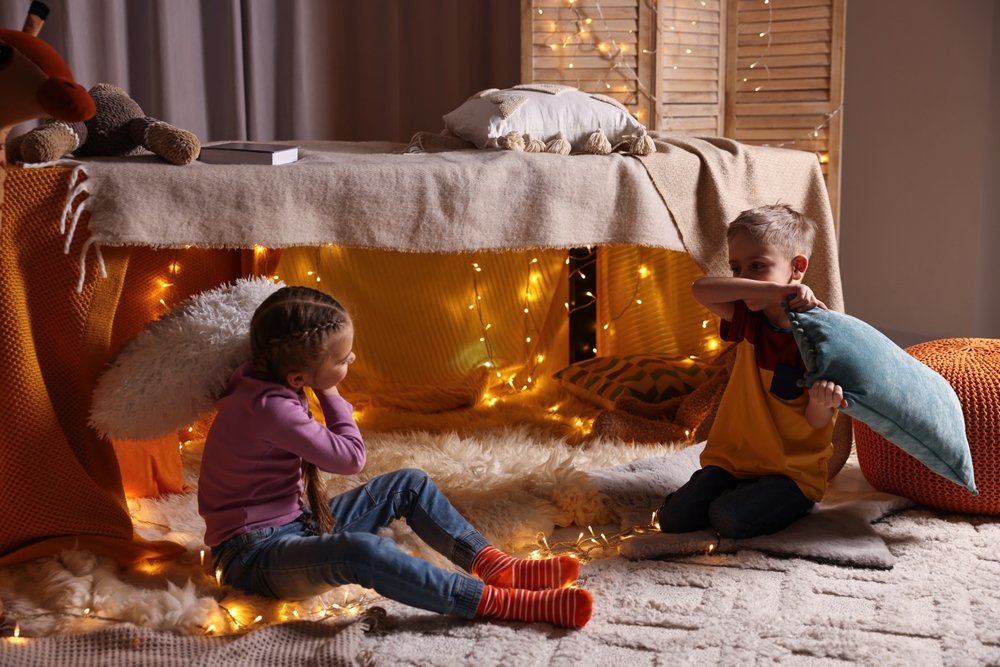
For many Boomer kids, after school meant bikes, backyards, pickup games, and whatever chaos the neighborhood naturally produced. There were sports teams and music lessons, sure, but they were often community-based, low-cost, and low-pressure. Today’s kids live in a world of structured enrichment, where every interest has a registration fee, a uniform, a subscription, and a schedule portal. Dance academies, travel sports leagues, STEM camps, coding bootcamps, and private coaching sessions now feel less like extras and more like expectations.

Parents aren’t just buying activities; they’re buying perceived opportunity, future readiness, and competitive advantage. It’s not that these programs are bad, because many are fantastic and genuinely enriching. The shift is that childhood has become curated rather than organic, and fun has quietly become a financial category. If it isn’t supervised, certified, and scheduled, it can feel like it doesn’t “count” anymore, which is a massive cultural change from the free-range childhood model of earlier generations.

2. Professional Childcare as a Standard Expense

Boomer families often relied on informal childcare systems: neighbors, siblings, extended family, or one parent staying home. Paid childcare existed, but it wasn’t the default model for most households. Today, professional childcare is practically a structural requirement for working families. Daycare, nannies, after-school programs, and babysitting services are not luxuries; they’re logistical necessities tied directly to modern work culture.

This isn’t just a financial change, it’s a social one. Parenting has shifted from a community-supported model to a service-based model. Care is now outsourced to professionals, licensed providers, and institutions, which adds safety, structure, and expertise, but also significant cost. Families aren’t failing at childcare; they’re navigating a system that simply doesn’t function the way it used to.

3. Academic Support as an Industry

Tutors, test prep services, learning apps, homework coaches, and educational consultants were not part of the average Boomer household vocabulary. If you struggled in school, you struggled, and maybe a teacher noticed. Today, academic performance is surrounded by a massive support industry designed to optimize outcomes at every stage. Parents can now buy reading specialists, math intervention programs, college admissions consultants, and exam prep subscriptions starting in elementary school.

Education has become less about access and more about optimization. It’s no longer enough to attend school; families now feel pressure to enhance school. The system isn’t broken because parents care too much; it’s because success pathways have become hyper-competitive and increasingly specialized. Learning support has shifted from being a school responsibility to a household investment strategy, which fundamentally changes how families experience education.

Boomer Confession:
Image Source: Shutterstock.com

4. Children’s Entertainment as a Subscription Model

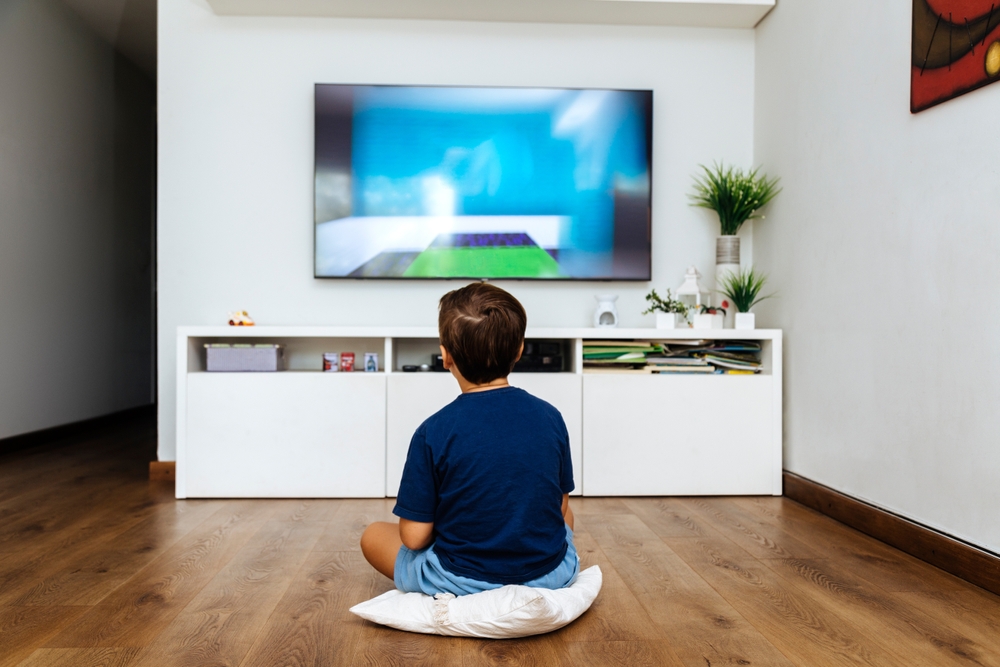
Boomer kids had Saturday morning cartoons, a few TV channels, library cards, and maybe a movie night if the family budget allowed. Entertainment wasn’t personalized, curated, or algorithm-driven. Today’s kids live inside a subscription ecosystem. Streaming platforms, educational apps, gaming services, audiobooks, kid-specific content libraries, and interactive learning platforms are all part of daily life.

What changed isn’t just technology, it’s the expectation of constant stimulation. Entertainment is now customized, portable, and always available, which subtly shifts parenting dynamics. Screens aren’t just distractions; they’re tools, babysitters, teachers, and sometimes sanity-savers. Parents aren’t buying content because they’re lazy; they’re buying time, flexibility, and mental bandwidth in a world that never slows down.

5. Parenting Advice as a Product

Boomer parents relied on instinct, family traditions, community norms, and maybe a few parenting books. Today’s parents navigate a massive industry built around guidance, coaching, courses, influencers, and expert-driven content. Sleep consultants, parenting coaches, discipline programs, child development apps, and curated parenting frameworks are now standard offerings.

Modern parents aren’t less confident; they’re more overwhelmed with information. The volume of advice available creates pressure to do everything “right,” even when there’s no universal definition of right. Parenting has become a performance metric instead of a lived experience. Families aren’t just raising kids anymore; they’re managing systems, strategies, and psychological frameworks designed to produce optimal outcomes.

The Real Shift No One Talks About

The biggest difference isn’t the money, it’s the mindset. Parenting has shifted from survival and support to optimization and preparation. Boomers raised kids to function in the world. Modern parents feel pressure to prepare kids to compete in it. That changes everything, from spending habits to emotional labor to daily stress levels.

If there’s one powerful takeaway, it’s that modern parenting isn’t softer, weaker, or more indulgent. It’s more complex, more structured, and more psychologically loaded. Families are navigating systems that didn’t exist before, expectations that didn’t exist before, and pressures that didn’t exist before.

So what’s one thing today’s parents pay for that genuinely surprised you when you noticed it? Make sure that you share all your thoughts in the comments section below.

You May Also Like…

7 Boomer-Era Family Traditions That Lower Household Stress

Are Millennial Parents Overreacting To Boomer Advice On Screen Time?

7 Parenting Expenses That Quietly Drain Budgets After the Holidays

Are Boomer vs. Millennial Bedtime Styles Causing Sibling Trauma?

10 Unspoken Rules Every Multigenerational Household Has

Brandon Marcus
Brandon Marcus
Brandon Marcus is a writer who has been sharing the written word since a very young age. His interests include sports, history, pop culture, and so much more. When he isn’t writing, he spends his time jogging, drinking coffee, or attempting to read a long book he may never complete.

Filed Under: Parenting Tagged With: boomer perspective, cultural change, Family Budgeting, family expenses, generational differences, lifestyle trends, modern parenting, Nostalgia, parenting culture, parenting evolution, raising kids today

8 Once-Normal ’70s Kids Hobbies That Helicopter Parenting Quietly Killed

February 11, 2026 | Leave a Comment

These Are 8 Once-Normal ’70s Kids Hobbies That Helicopter Parenting Quietly Killed
Image Source: Shutterstock.com

Kids grew up in a different world in the 1970s. It was a decade where childhood felt expansive, unfiltered, and wonderfully unscripted. Kids roamed neighborhoods with a freedom that would make today’s parents break into a cold sweat, and hobbies weren’t curated by adults — they were invented on the fly, fueled by imagination, boredom, and whatever materials happened to be lying around.

Fast-forward to today, and childhood looks very different. Modern parenting leans heavily toward structure, supervision, and safety, often with the best intentions. But in the process, many once-normal hobbies quietly disappeared, not because kids stopped liking them, but because the world around them changed.

1. The Art of Roaming the Neighborhood Until Sunset

In the 1970s, roaming the neighborhood wasn’t just a hobby — it was practically a lifestyle. Kids hopped on their bikes, wandered through empty lots, explored wooded areas, and checked in with friends without ever sending a text or asking permission. The unwritten rule was simple: be home by dinner.

Today, this kind of free-range wandering has largely disappeared. Parents are more cautious about safety, traffic, and supervision, and neighborhoods themselves have changed. Many families prefer structured playdates or organized activities, which means kids rarely get the chance to explore independently.

2. Building Homemade Ramps and Backyard Obstacle Courses

’70s kids were masters of DIY adventure. With a few planks, some bricks, and a questionable sense of physics, they built ramps for bikes and skateboards that would never pass a modern safety inspection. These homemade setups offered hours of entertainment and a crash course in trial-and-error engineering.

Helicopter parenting didn’t just tone this down — it practically erased it. Today’s parents are understandably more concerned about injuries, liability, and the sturdiness of anything their kids launch themselves off of. Store-bought equipment has replaced improvised creations, and supervised sports often take the place of backyard experimentation.

3. Collecting and Trading Found Treasures

Kids in the ’70s collected everything: rocks, bottle caps, stickers, marbles, and anything else that caught their eye. These collections weren’t curated by adults or tied to a brand — they were personal, quirky, and often traded like priceless artifacts among friends.

Modern kids still collect things, but the hobby has shifted toward structured, commercialized items. Trading cards, branded toys, and digital collectibles dominate the landscape, leaving less room for the spontaneous joy of discovering something interesting on the ground and deciding it’s worth keeping.

4. Playing Pickup Games Without Adult Referees

Pickup games were a cornerstone of ’70s childhood. Whether it was baseball, kickball, or street hockey, kids organized the teams, set the rules, and settled disputes themselves. The games were messy, loud, and wonderfully democratic.

Today, youth sports are far more structured. Adults coach, supervise, and often manage every detail, leaving little room for spontaneous neighborhood games. While organized sports offer great benefits, they don’t always teach the same conflict-resolution skills that came from kids running their own games.

If you want to bring this back, encourage kids to gather friends for a casual game with no adults calling the shots. It’s a refreshing change of pace.

5. Creating Elaborate Forts Out of Anything Available

Forts were a universal ’70s hobby. Kids built them out of blankets, cardboard boxes, scrap wood, or anything else they could drag into the yard. These forts became clubhouses, hideouts, and imaginary worlds that shifted with the day’s storyline.

Helicopter parenting didn’t eliminate fort-building entirely, but it did limit the materials and freedom kids once had. Many parents prefer safer, pre-made play structures, and fewer kids have access to the kind of open spaces that once inspired these creations.

A great way to revive this hobby is to set aside a “fort day” with safe materials and let kids take the lead. The creativity that emerges is always worth it.

These Are 8 Once-Normal ’70s Kids Hobbies That Helicopter Parenting Quietly Killed
Image Source: Shutterstock.com

6. Roller Skating Everywhere Without Protective Gear

Roller skating was a huge part of ’70s kid culture. Sidewalks, driveways, and neighborhood streets became makeshift rinks, and kids skated for hours without helmets, wrist guards, or knee pads. It wasn’t reckless — it was simply the norm at the time.

Today, safety gear is standard, and many parents prefer supervised skating areas over neighborhood streets. While the shift toward safety is undeniably positive, it also means the spontaneous, everyday skating sessions of the past are less common.

7. Inventing Games With Zero Adult Input

One of the most underrated ’70s hobbies was inventing games on the spot. Kids created rules, changed them mid-game, and adapted to whatever space or materials they had. These games were endlessly creative and required no equipment beyond imagination.

Today’s kids often have access to more toys, more screens, and more structured activities, which leaves less room for spontaneous invention. Helicopter parenting also means adults are more involved in shaping how kids play, even unintentionally.

8. The Lost Art of Hanging Out With No Plan

In the ’70s, “hanging out” was a legitimate hobby. Kids lounged on porches, sat on curbs, or sprawled in the grass talking about nothing in particular. It was slow, simple, and surprisingly important for social development.

Today, kids’ schedules are often packed with activities, and downtime is frequently filled with screens. The casual, unplanned hangout has become rare, replaced by structured playdates or digital communication.

If you want to bring this back, build in screen-free downtime and let kids decide how to use it. Sometimes the best memories come from doing absolutely nothing.

Why These Lost Hobbies Still Matter

These once-normal ’70s hobbies didn’t vanish because kids stopped enjoying them. They faded as parenting culture shifted toward caution, structure, and constant supervision. But the spirit behind them — independence, creativity, and unstructured fun — is still worth preserving.

Reintroducing even a few of these activities can help kids build confidence, imagination, and resilience. And who knows? You might even rediscover a little of your own childhood in the process.

Which ’70s hobby would you bring back for today’s kids? Share your parenting plans in the comments section for others to hear.

You May Also Like…

7 Parenting Expenses That Quietly Drain Budgets After the Holidays

7 Old-School Parenting Habits That Still Save Families Money

8 Parenting Rules That Were Invented by Social Media—Not Experts

9 Traditional Family Routines That Help Kids Feel Secure

7 Boomer-Era Family Traditions That Lower Household Stress

Brandon Marcus
Brandon Marcus
Brandon Marcus is a writer who has been sharing the written word since a very young age. His interests include sports, history, pop culture, and so much more. When he isn’t writing, he spends his time jogging, drinking coffee, or attempting to read a long book he may never complete.

Filed Under: Parenting Tagged With: 1970s childhood, childhood freedom, family life, generational differences, helicopter parenting, kids hobbies, Nostalgia, Outdoor Play, parenting culture, parenting trends, retro activities

9 Millennial Parenting Trends That Boomers Quietly Judge

November 19, 2025 | Leave a Comment

9 Millennial Parenting Trends That Boomers Quietly Judge
Image source: shutterstock.com

Every generation has its own approach to raising children, but few shifts have sparked as much quiet judgment as millennial parenting trends. While Boomers often raised their kids with structure, discipline, and independence, Millennials tend to emphasize gentle communication, mental health, and inclusion. These differences have created a fascinating (and sometimes tense) gap in parenting philosophies. Understanding where these generational divides come from can help bridge the gap—and maybe even start a few meaningful conversations over dinner.

1. Gentle Parenting Over Punishment

One of the most visible millennial parenting trends is the shift toward gentle parenting. Instead of punishments or timeouts, Millennials focus on understanding the emotions behind a child’s behavior. Boomers, who often valued obedience and quick discipline, sometimes see this as being too lenient. Yet Millennials argue that emotional validation teaches empathy and long-term self-regulation. The balance between kindness and boundaries remains a frequent source of generational debate.

2. Screen Time Rules and Tech Balance

Boomers raised their children long before smartphones and social media, so today’s screen-time limits can seem confusing or unnecessary to them. Many Millennials carefully monitor how much digital exposure their kids get, fearing overstimulation or online safety risks. To Boomers, this can look like overprotection, especially since television once served as a family pastime. However, the digital age introduces new concerns, making this one of the most understandable millennial parenting trends. Modern parents see technology as both a tool and a threat, requiring constant vigilance.

3. Talking Openly About Feelings

For many Boomers, emotional topics were often kept private or downplayed in childhood. Millennials, on the other hand, encourage open discussions about mental health, anxiety, and emotions. They see it as essential for raising emotionally intelligent children. Some older generations quietly judge this openness as oversharing or coddling. Still, it reflects a positive cultural shift toward compassion and understanding rather than suppression.

4. Inclusive and Gender-Neutral Parenting

Millennial parents are embracing inclusivity in ways that surprise older generations. From gender-neutral clothing to avoiding traditional stereotypes, they aim to let children explore identity freely. Boomers sometimes see this as confusing or unnecessary, viewing it as a break from familiar norms. Yet for Millennials, it’s about creating space for authenticity and acceptance from a young age. This growing trend reflects a broader movement toward respect and equality.

5. Organic Foods and Non-Toxic Living

Another hallmark of millennial parenting trends is the obsession with clean, organic, and eco-friendly products. Many Millennials research ingredients and avoid plastics, fragrances, and processed foods whenever possible. Boomers often find this level of caution excessive, recalling a time when most households relied on convenience foods without concern. Still, Millennials point to studies linking chemicals and additives to long-term health issues. The desire for “clean living” shows how much more information modern parents have access to—and how they use it to shape daily decisions.

6. Minimalist Toy Collections

Many Boomer households overflowed with plastic toys, while Millennials are leaning into simplicity. Minimalist playrooms and toy rotation systems are becoming common, emphasizing quality over quantity. Boomers might view this as depriving kids of fun or excitement. Millennials argue it encourages imagination and reduces overstimulation. This contrast highlights how differently each generation defines enrichment and entertainment for children.

7. Public Sharing and Social Media Parenting

Posting milestones, birthday parties, and first-day-of-school photos online is another millennial parenting trend that leaves Boomers divided. While some grandparents love seeing updates, others feel uneasy about sharing children’s lives so publicly. Millennials tend to view it as a digital scrapbook and community connection. Boomers often worry about privacy, safety, or the loss of “real” family time. Both sides want to preserve memories, but they differ on how much to share with the world.

8. Collaborative Family Decisions

Unlike the top-down approach many Boomers practiced, Millennials often include children in decision-making. They ask for input about meals, activities, and even family rules. Boomers may see this as giving too much power to kids, while Millennials view it as fostering confidence and communication skills. This approach helps children feel heard, which can lead to better cooperation overall. It’s another sign of how today’s parents are redefining authority and respect within the household.

9. Delayed Marriage and Smaller Families

Many Millennials are waiting longer to marry or have children, often due to financial pressures or career goals. Boomers sometimes interpret this as a lack of commitment to traditional family life. However, Millennials are focused on stability and emotional readiness before starting families. This has created a rise in smaller households and a shift in parenting priorities. These changes reflect the broader social and economic realities shaping modern families.

Understanding the Gap Between Generations

The quiet judgments between Boomers and Millennials often stem from love and curiosity more than criticism. While millennial parenting trends can look unconventional, they are rooted in a genuine desire to raise emotionally aware, socially conscious, and resilient children. Boomers relied on the wisdom of their time, and Millennials are doing the same with new information and challenges. The truth is that both generations have valuable lessons to share. Bridging the gap requires empathy, patience, and the willingness to see that every parent, no matter their age, is doing their best with what they know.

Which of these millennial parenting trends do you think Boomers judge the most—and do you think they’re right? Share your thoughts below!

What to Read Next…

9 Differences in How Millennial Moms and Dads Discipline

13 Smart Moves Boomers Are Making That Millennials Didn’t See Coming

10 Outdated Parenting Rules That Are Still Costing Parents Time and Money

Is Your Parenting Style Quietly Damaging Your Child’s Friendships?

8 Discipline Strategies That Actually Increase Rebellion

Catherine Reed
Catherine Reed

Catherine is a tech-savvy writer who has focused on the personal finance space for more than eight years. She has a Bachelor’s in Information Technology and enjoys showcasing how tech can simplify everyday personal finance tasks like budgeting, spending tracking, and planning for the future. Additionally, she’s explored the ins and outs of the world of side hustles and loves to share what she’s learned along the way. When she’s not working, you can find her relaxing at home in the Pacific Northwest with her two cats or enjoying a cup of coffee at her neighborhood cafe.

Filed Under: Parenting Tagged With: baby boomers, emotional intelligence, family culture, generational differences, millennial parenting trends, modern parenting, parenting styles, parenting tips

What Happens When Montessori Strategies Clash With Boomer Traditions?

November 6, 2025 | Leave a Comment

What Happens When Montessori Strategies Clash With Boomer Traditions?
Image source: shutterstock.com

Montessori strategies have gained modern momentum for their focus on independence, respect, and hands-on learning. Yet, for many grandparents who raised children under more traditional approaches, these methods can seem foreign—even frustrating. When parents following Montessori principles leave their children with Boomer grandparents, differences in discipline, routines, and play styles can lead to unintentional conflict. Understanding where these generational philosophies collide is key to building harmony between old-school love and modern parenting ideals.

1. Independence vs. Obedience

One of the biggest differences between Montessori approaches and Boomer traditions is the approach to independence. Montessori encourages children to make choices, pour their own juice, and clean up spills without punishment. For Boomers, this may look like a lack of discipline or structure. They often value respect through obedience—children doing what they’re told right away. Parents can help bridge this gap by explaining that Montessori-style freedom doesn’t mean chaos; it’s guided independence that builds confidence and problem-solving skills.

2. Play With Purpose vs. Toys as Rewards

Montessori strategies emphasize open-ended play with materials that promote concentration and creativity. Wooden blocks, puzzles, and sensory bins replace noisy plastic toys that flash and sing. Boomer grandparents, however, often see toys as gifts and rewards for good behavior. This difference can spark tension when children show more interest in sorting beans than playing with a new electronic toy. To find balance, parents can suggest gift ideas that align with Montessori learning—such as practical tools, child-sized utensils, or simple craft supplies that invite exploration.

3. Praise and Punishment Differences

Boomer traditions often rely on external motivation—praise for good deeds and punishment for misbehavior. Montessori techniques, on the other hand, avoid overpraising or shaming, encouraging children to find satisfaction in their own accomplishments. When a grandparent says, “Good job!” after every action, it can undermine the Montessori idea of intrinsic motivation. A kind conversation about acknowledging effort rather than outcome can help both sides support a child’s confidence without turning every moment into a performance.

4. Messy Learning vs. Clean Control

For parents who embrace Montessori strategies, a bit of mess means progress. Flour spilled while baking or paint-smeared hands are signs of active learning. Many Boomers were raised to see mess as disrespect or laziness, quickly reaching for the mop instead of letting kids explore. These reactions can discourage curiosity. Parents can ease this tension by setting up designated “learning zones” at grandparents’ homes—places where controlled messes are encouraged and easy to clean, showing respect for both philosophies.

5. Technology Boundaries and Screen Time

While Montessori strategies promote real-world experiences over screens, Boomer grandparents often see television as harmless entertainment or a way to bond over cartoons. This can lead to conflicts when a parent comes home to find their toddler hypnotized by TV instead of sorting shapes. Instead of confrontation, families can share clear boundaries in advance. Suggest alternatives like reading together, building blocks, or outdoor walks—activities that foster connection while staying true to Montessori values.

6. Food Freedom vs. “Clean Your Plate”

The dinner table is another battleground between Montessori approaches and Boomer traditions. Montessori encourages letting kids choose what and how much they eat, teaching body awareness and self-regulation. Many Boomers were taught to never waste food, insisting children finish everything on their plate. The result? Power struggles that turn mealtime into stress instead of nourishment. Parents can reassure grandparents that food freedom doesn’t mean wastefulness—it’s a way for kids to learn balance and mindfulness around eating.

7. Emotional Expression vs. “Tough It Out”

Montessori strategies place strong emphasis on emotional literacy, helping children name and manage feelings. In contrast, many Boomers grew up with the “tough it out” mindset, where tears or frustration were signs of weakness. When a grandparent tells a crying child to “stop crying” instead of validating their feelings, it can clash with modern approaches to emotional growth. Parents can explain that acknowledging emotions helps children regulate faster—and that empathy doesn’t spoil a child, it strengthens them.

8. Open Communication vs. Hierarchical Authority

Boomer traditions often center on respect for authority: adults set rules and children follow them. Montessori strategies value communication and mutual respect, encouraging children to express opinions and participate in decisions. When a child tells a grandparent “no,” it can sound defiant, even if it’s part of healthy autonomy. Parents can help by modeling calm conversations where both sides listen and validate. Over time, grandparents may find joy in seeing their grandchild’s growing self-awareness.

9. Safety and Risk Taking

Boomers often protect children by limiting risk—“don’t climb that,” “be careful,” or “you’ll get hurt.” Montessori techniques, however, embrace safe risk-taking as essential to development. Allowing a child to climb a low wall or use child-safe knives teaches coordination and trust. Grandparents may feel anxious watching these moments, especially if they fear accidents. Parents can ease those concerns by involving them in the process, explaining safety measures, and showing that controlled risk helps build responsible confidence.

10. Blending the Best of Both Worlds

When Montessori strategies clash with Boomer traditions, families don’t have to pick sides. Instead, they can blend the patience and modern understanding of child development with the wisdom and care of an experienced generation. The key is respect—both for how grandparents raised their children and for the evolving needs of today’s kids. Open discussions, shared activities, and gentle compromise can transform conflict into connection. After all, both generations want the same thing: happy, confident children who feel loved.

Building Bridges Across Generations

Montessori strategies and Boomer traditions may seem worlds apart, but they can coexist beautifully with understanding and communication. Every generation has lessons to offer—the Boomers’ resilience and the Montessori focus on independence can create a balanced foundation for children to thrive. Families who approach these differences with patience and empathy will not only preserve harmony but also strengthen the bond between parents, grandparents, and children.

How do you balance modern parenting with traditional grandparenting styles in your family? Share your experiences in the comments!

What to Read Next…

5 Reasons to Invest in Montessori Parenting for Your Children

How Much Are You Really Paying for Developmental Toys?

The Art of Saying ‘No’: Setting Boundaries with Love

How Parenting Trends Are Changing the Way Kids Grow Up

Why Are More Parents Questioning the Value of Preschool?

Catherine Reed
Catherine Reed

Catherine is a tech-savvy writer who has focused on the personal finance space for more than eight years. She has a Bachelor’s in Information Technology and enjoys showcasing how tech can simplify everyday personal finance tasks like budgeting, spending tracking, and planning for the future. Additionally, she’s explored the ins and outs of the world of side hustles and loves to share what she’s learned along the way. When she’s not working, you can find her relaxing at home in the Pacific Northwest with her two cats or enjoying a cup of coffee at her neighborhood cafe.

Filed Under: Parenting Tagged With: child development, family harmony, generational differences, grandparent relationships, modern parenting, Montessori parenting, parenting strategies

8 Things ’60s Dad’s Said That Sound Shocking Today

September 11, 2025 | Leave a Comment

8 Things ’60s Dad's Said That Sound Shocking Today
Image source: 123rf.com

Looking back, it’s almost unbelievable how much parenting and financial advice has changed over the decades. The words spoken by a father in the 1960s may have sounded completely normal back then, but many of those ideas seem outdated or even shocking today. From money lessons to family expectations, the cultural context has shifted so dramatically that phrases once considered common wisdom now feel like relics of a different world. Let’s take a trip down memory lane and see what kinds of things 60s dad’s said that would raise eyebrows in today’s households.

1. “College Isn’t for Everyone, Just Get a Job”

Many 60s dad’s said that higher education wasn’t necessary for success, and to be fair, that was often true in their time. Manufacturing jobs and trade positions paid solid wages, offered pensions, and didn’t require a degree. Today, while trades are still valuable, the workforce is far more competitive and education, including through trade schools or apprenticeship programs, often plays a crucial role in earning potential. This advice, once practical, now overlooks the skyrocketing cost of living and the demand for specialized skills. What sounded reasonable decades ago could limit opportunities in our current job market.

2. “A Man Should Be the Sole Provider”

One of the most common things 60s dad’s said was that men should be the only breadwinners in the household. That belief placed unnecessary pressure on fathers while undervaluing the role of women in the workplace. Times have changed, and now dual-income households are often a necessity, not a choice. This old-school mindset can feel outdated and even restrictive by today’s standards. Modern families often thrive when both parents contribute financially and share responsibilities.

3. “Kids Should Be Seen and Not Heard”

This was a phrase many 60s dads said to keep order at home, but it feels harsh by today’s parenting standards. Back then, children were expected to stay quiet during adult conversations and avoid expressing opinions. Today, most parents encourage kids to speak up, share feelings, and participate in family discussions. The shift reflects a greater understanding of child development and emotional health. What was once considered respectful silence might now look like stifling personal growth.

4. “You’ll Own a Home by the Time You’re 25”

In the 1960s, homeownership was both accessible and expected at a young age, which explains why so many 60s dad’s said this confidently. With lower housing prices and wages that kept pace with costs, it wasn’t far-fetched advice. Fast forward to today, and the housing market is a completely different story. Young adults often struggle with student debt, high rent, and soaring property values. What seemed like solid fatherly wisdom then feels almost impossible now.

5. “Spare the Rod, Spoil the Child”

Many 60s dad’s said this phrase as a justification for physical discipline, which was widely accepted at the time. Discipline styles have since shifted toward positive reinforcement and communication, reflecting better research on child psychology. While strict rules still exist, modern parents are more likely to emphasize problem-solving over punishment. What was once considered normal discipline might now be considered harmful. The phrase alone shows just how far parenting philosophies have evolved.

6. “You’ll Work at the Same Job Your Whole Life”

It wasn’t unusual for 60s dad’s said statements like this with full confidence. Back then, careers were often stable, and loyalty to one company was rewarded with pensions and retirement security. Today’s job market is vastly different, with career changes and job-hopping being the norm. Instead of sticking to one employer for decades, many people build skills across multiple industries. What once seemed like dependable advice now feels limiting in a constantly changing economy.

7. “Save Your Money, You’ll Retire Comfortably”

Financial advice from that era often underestimated inflation, rising healthcare costs, and longer life expectancies. When 60s dad’s said this, they didn’t anticipate the financial complexities of modern retirement. Pensions were common, and Social Security benefits seemed more than enough. Today, retirement planning requires 401(k)s, IRAs, and careful investment strategies. The simplicity of the past has been replaced with a much more complicated financial reality.

8. “You Can Always Depend on the Company to Take Care of You”

Another thing 60s dad’s said often was that loyalty to a company guaranteed financial security. At the time, that belief made sense since pensions, unions, and stable corporate structures were widespread. Now, the decline of pensions and frequent corporate restructuring have changed the landscape. Workers are expected to manage their own retirement savings and career paths. Trusting a company for lifelong stability feels outdated in today’s economy.

The Takeaway: Yesterday’s Advice in Today’s World

The things 60s dad’s said reflected the culture, economy, and expectations of their time, but they don’t always fit in today’s world. Looking back on those sayings gives us perspective on how much has changed in work, family, and finances. Some of the advice still carries kernels of wisdom, but it often needs updating to match modern realities. Remembering these phrases can spark conversations about how we adapt to a rapidly changing world. It also reminds us to question whether the advice we’re giving today will still hold up decades from now.

What sayings from your parents or grandparents still echo in your mind today? Share your thoughts in the comments below.

What to Read Next…

7 Punishments for Kids in the 60s That Would Never Be Tolerated Today

10 Things Boomers Did as Parents That Would Spark Outrage Today

6 Things Kids Say That Could Be Used Against You in Court

10 Cool Toys in the 60’s

6 Things Toxic Grandparents Do Without Even Realizing It

Catherine Reed
Catherine Reed

Catherine is a tech-savvy writer who has focused on the personal finance space for more than eight years. She has a Bachelor’s in Information Technology and enjoys showcasing how tech can simplify everyday personal finance tasks like budgeting, spending tracking, and planning for the future. Additionally, she’s explored the ins and outs of the world of side hustles and loves to share what she’s learned along the way. When she’s not working, you can find her relaxing at home in the Pacific Northwest with her two cats or enjoying a cup of coffee at her neighborhood cafe.

Filed Under: Parenting Tagged With: cultural shifts, family history, financial lessons, generational differences, money advice, Parenting, retirement planning

Why Some Boomers Struggle With Their Kids’ Mental Health Needs

April 17, 2025 | Leave a Comment

Teen sitting alone, struggling with emotions
Image Source: Unsplash

We’re seeing a critical conversation unfold in many families today—one where parents, often Baby Boomers, and their grown children struggle to speak the same language about emotional well‑being.

Younger generations can feel unsupported when sharing their mental health needs, while Boomers may feel puzzled by new terminology and treatment options. This disconnect isn’t about lack of love; it’s about generational wiring. Understanding where the gap comes from is the first step toward healing and connection. Creasman Counseling can help bridge this gap by offering guidance that resonates with both generations, fostering empathy and meaningful communication.

Tough‑It‑Out Mentality: When Emotions Were a Private Matter

Many Boomers were raised in households where mental health wasn’t discussed—it was endured. Their parents, shaped by wars and economic upheaval, often taught them to keep it moving and suppress emotional struggles.

As a result, some Boomers still equate open conversations about anxiety or depression with weakness. Even when they want to be supportive, they may not understand why speaking openly feels essential to younger adults.

If you need help explaining why talk therapy or medication management matters to you, the National Alliance on Mental Illness offers a concise guide for families that you can share with skeptical parents.

New Tools, New Territory: The Learning Curve Around Mental‑Health Care

Modern support options—text‑based counseling apps, mindfulness podcasts, even TikTok therapists—can be bewildering to Boomers, many of whom never had access to any therapy at all.

When a young adult says they track moods on their phone, a Boomer parent might respond with uncertainty or skepticism because it’s brand‑new territory.

The Emotional Load Boomers Carry Today

Boomers are grappling with their own challenges—chronic health issues, loneliness, or caring for aging relatives. These stressors raise rates of depression and anxiety in older adults, leaving less emotional bandwidth for their children’s needs, according to WellMed Healthcare. Recognizing their struggles can foster empathy on both sides and open doors to more balanced conversations.

Layer on caregiving for spouses or grandkids, and their stress cup overflows. Invite them to share their own worries before launching into yours.

Swap roles occasionally—perhaps you attend a medical appointment with them, and they join one of your therapy sessions as a supportive observer. Mutual caretaking turns parallel struggles into shared strength.

Stigma Still Lingers: When Seeking Help Feels Taboo

Despite progress, stigma remains powerful for many Boomers. Challenging stigma means reframing vulnerability as strength and normalizing professional support.

Use stories, not statistics, to loosen stigma. Share a high‑profile example—like Olympic swimmer Michael Phelps crediting therapy with saving his life, or your own breakthrough moment after counseling. Replace the word “therapy” with “mental fitness coaching” if that lands better.

Frame help‑seeking as responsible family stewardship: just as you would treat diabetes, you treat mood disorders to stay present for your loved ones. Celebrate every small step—a first screening, a support‑group visit—so progress feels visible and valued.

too much screen time
Image Source: Unsplash

Different Realities: When Parenting Philosophies Collide

Ask three generations about the teen mental‑health crisis and you’ll hear different culprits.

Boomers may blame helicopter parenting or too much screen time, while younger adults cite climate anxiety, economic pressure, or social‑media overload.

Bridging this gap begins with active listening and validating that younger generations face unprecedented challenges.

How Families Can Shift From Disconnection to Support

  • Frame conversations with empathy: share personal experiences rather than pointing out what parents “don’t get.”
  • Learn together: watch a mental health documentary or attend a family psychoeducation workshop.
  • Create a safe space: remind each other that love is the goal, even when words fall short.

Love, Not Perfect Understanding, Connects Generations

Most Boomers truly want what’s best for their children; they just grew up with different norms. By shifting the narrative from blame to curiosity, families can foster deeper empathy and collaboration.

Mental health support is an ongoing conversation that thrives on patience, respect, and open hearts.

Read More

  • 15 Surprising Ways Your Daily Habits Impact Your Finances
  • Why We’re Opening a Bank Account For Our 3 Year Old

Samantha Warren
Samantha

Samantha Warren is a holistic marketing strategist with 8+ years of experience partnering with startups, Fortune 500 companies, and everything in between. With an entrepreneurial mindset, she excels at shaping brand narratives through data-driven, creative content. When she’s not working, Samantha loves to travel and draws inspiration from her trips to Thailand, Spain, Costa Rica, and beyond.

Filed Under: Parenting Tagged With: baby boomers and mental health, child mental health, family mental wellness, generational differences, parenting challenges

12 Undeniable Reasons Millennials Are Relying on Baby Boomer Parents

April 8, 2024 | Leave a Comment

In a world that’s rapidly changing, the dynamics between generations evolve too. This article sheds light on the intricate reasons behind why Millennials are increasingly turning to their Baby Boomer parents for support. Each reason highlights a unique facet of this dependency, providing insights into the lives of two influential generations. [Read more…]

Shay Huntley
Shay Huntley

Shatel Huntley has a Bachelor’s degree in Criminal Justice from Georgia State University. In her spare time, she works with special needs adults and travels the world. Her interests include traveling to off-the-beaten-path destinations, shopping, couponing, and saving.

Filed Under: Lifestyle Tagged With: Baby Boomer, career guidance, emotional support, financial dependency, generational differences, life advice, Reasons Millennials Are Relying on Baby Boomer Parents

  • Facebook
  • Pinterest
  • RSS
  • Twitter

Basic Principles Of Good Parenting

Here some basic principles for good parenting:

  1. What You Do Matters: Your kids are watching you. So, be purposeful about what you want to accomplish.
  2. You Can’t be Too Loving: Don’t replace love with material possessions, lowered expectations or leniency.
  3. Be Involved Your Kids Life: Arrange your priorities to focus on what your kid’s needs. Be there mentally and physically.
  4. Adapt Your Parenting: Children grow quickly, so keep pace with your child’s development.
  5. Establish and Set Rules: The rules you set for children will establish the rules they set for themselves later.  Avoid harsh discipline and be consistent.
  6. Explain Your Decisions: What is obvious to you may not be evident to your child. They don’t have the experience you do.
  7. Be Respectful To Your Child: How you treat your child is how they will treat others.  Be polite, respectful and make an effort to pay attention.
Best Parenting Blogs

Most Popular

Baby

9 Unusual Baby Names That Sound Like They Belong to Future CEOs

Evan Morgan
Baby

10 Baby Names That Were Once Considered “Grandparent Names” but Feel Cool Again

Evan Morgan
Target Store

Choking Incident Prompts Recall of 49,000 Target Gigglescape “Under the Sea” Popping Toys

Evan Morgan
Frustrated Girl

Why Some Students on the Spectrum Are Labeled With ODD

Evan Morgan
Coke Bottles

12 Things Kids Took to School in the ’70s That Would Never Be Allowed Today

Evan Morgan

All content on Kids Ain’t Cheap is for entertainment purposes only. By reading this blog, you agree that Kids Ain’t Cheap is not responsible for any actions taken after reading this blog. For the full disclaimer, see our privacy policy.

Please note that Kids Ain’t Cheap has financial relationships with some of the merchants mentioned here. Kids Ain’t Cheap is funded by banner advertising, commission sales and search optimization consulting.

Copyright © 2006–2026 | District Media | All Rights Reserved | Privacy Policy

Copyright © 2026 Runway Pro Theme by Viva la Violette