• Home
  • About Us
  • Toolkit
  • Archives
  • Advertise
  • Privacy Policy

Kids Ain't Cheap

But They Sure Are Worth It

  • Parenting
    • Baby Stuff
    • Books and Reading
      • Aesops Fables
      • Comic Books
    • Education
    • Family Time
    • Green Living
    • Growing Up
    • Healthy Living & Eating
    • Holidays
    • Parenting
    • Random Musings
    • Shopping
    • Stuff to Do
  • Money
  • Product Reviews
    • Books and Magazines
    • Discount Sites
    • Furniture
    • House Keeping
    • Reviews News
    • Toys and Games
  • Contact Us
  • Our Editorial Commitment
  • Search

CVS Medicated Wipes Recalled Over Child-Poisoning Risk

July 15, 2026 | Leave a Comment

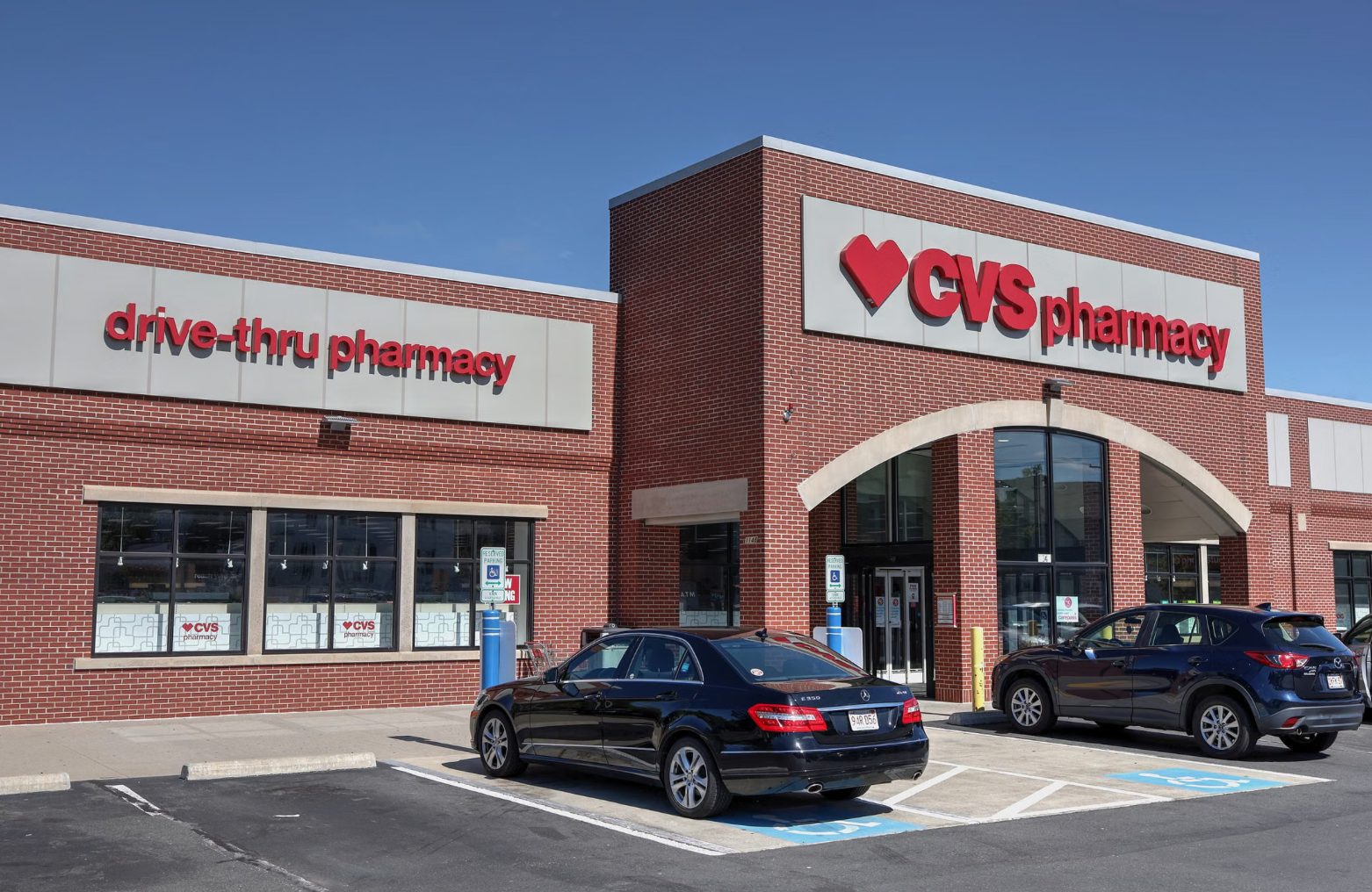
CVS Pharmacy
Recalled CVS Health Medicated Hemorrhoidal Wipes should be stored out of children’s reach and returned for a full refund because the packaging is not child-resistant. (Pexels).

Parents and caregivers rely on over-the-counter health products to provide safe and effective relief, making product recalls especially concerning. A recent nationwide recall involving CVS Health Medicated Hemorrhoidal Wipes has raised alarms because the packaging does not meet child-resistant safety standards. More than 75,000 boxes have been recalled after regulators determined the product could pose a serious poisoning risk if young children gain access to the medicated wipes. Understanding which products are affected and knowing the right steps to take can help protect your family while preventing unnecessary panic.

What Prompted the CVS Medicated Wipes Recall?

The CVS medicated wipes recall affects CVS Health Medicated Hemorrhoidal Wipes sold in boxes containing 20 individually wrapped flushable wipes labeled “Rapid Pain Relief.” According to the recall announcement, approximately 75,315 boxes were sold at CVS stores nationwide and online between April 2020 and April 2026. The concern is not contamination or a manufacturing defect with the wipes themselves but rather packaging that fails to meet mandatory child-resistant requirements. Because the wipes contain lidocaine, federal safety rules require packaging that makes accidental access by children significantly more difficult. Regulators say young children who ingest lidocaine-containing products face a risk of serious poisoning, which can result in severe injury or even death.

Why Lidocaine Products Require Extra Safety Measures

Lidocaine is a commonly used local anesthetic found in many over-the-counter pain relief products, including hemorrhoid treatments. When used as directed by adults, it is generally considered safe and effective for temporarily relieving discomfort. The danger arises when a child accidentally swallows a product containing therapeutic amounts of lidocaine because even relatively small amounts can cause serious medical complications. Symptoms of poisoning may include drowsiness, confusion, seizures, difficulty breathing, or irregular heart rhythms that require immediate emergency treatment. While no injuries had been reported when the recall was announced, safety officials emphasized that preventing accidental exposure is the primary goal.

What Consumers Should Do Right Away

If you purchased these medicated wipes, first check whether the package matches the recalled CVS Health Medicated Hemorrhoidal Wipes listed in the recall notice. Store the product immediately in a secure location that children cannot see or reach until it can be returned. CVS is advising customers to stop using the recalled product and return it to a store for a full refund, even if the package has not been opened. Families with toddlers may recognize how quickly curious children can access medicine cabinets, purses, or bathroom drawers, making prompt action worthwhile. Taking a few minutes to remove recalled products from your home can eliminate a preventable safety risk before an accident occurs.

Why Product Recalls Matter Beyond One Item

Product recalls often sound alarming, but they are an important part of the consumer safety system designed to identify problems before widespread injuries occur. In this case, regulators acted because the packaging violated child-resistant standards established to reduce accidental poisonings involving young children. Similar recalls involving lidocaine products and other household items have shown that packaging can be just as important as the product inside. Parents should periodically review recall notices for medications, cosmetics, children’s products, and household goods since many consumers never realize they own an affected item. Building the simple habit of checking recall announcements every few months can provide an extra layer of protection for the entire family.

The Bottom Line for Families

The CVS medicated wipes recall serves as a reminder that even familiar products deserve attention when safety concerns emerge. Fortunately, the issue involves preventive action rather than reports of widespread injuries, giving consumers the opportunity to remove the product before harm occurs. If you have these wipes at home, verify whether they match the recalled product, store them safely away from children, and return them for a refund as instructed. Staying informed about recalls and acting quickly can significantly reduce risks without creating unnecessary worry.

Have you ever discovered that a product in your home was part of a recall, and what steps did you take afterward? Share your experience in the comments to help other readers stay informed and prepared.

What to Read Next

Parents Confess the Baby Gear They’d Never Buy Again

Check Your Doorways: 150,000 Retractable Baby Gates Recalled for Torso Entrapment

Check Your Cabinets: 170 Million Alcohol Prep Pads Recalled Over Life-Threatening Bacteria Risk

Evan Morgan

Evan Morgan has been a full-time freelance writer and editor for 10+ years. When not working, he enjoys catching the latest true crime documentary or getting lost in a good book.
Filed Under: Health Tagged With: child safety, consumer safety, CVS, CVS medicated wipes recall, family safety, health news, lidocaine, pharmacy, product recall, recalled products

Check Your Cabinets: 170 Million Alcohol Prep Pads Recalled Over Life-Threatening Bacteria Risk

March 30, 2026 | Leave a Comment

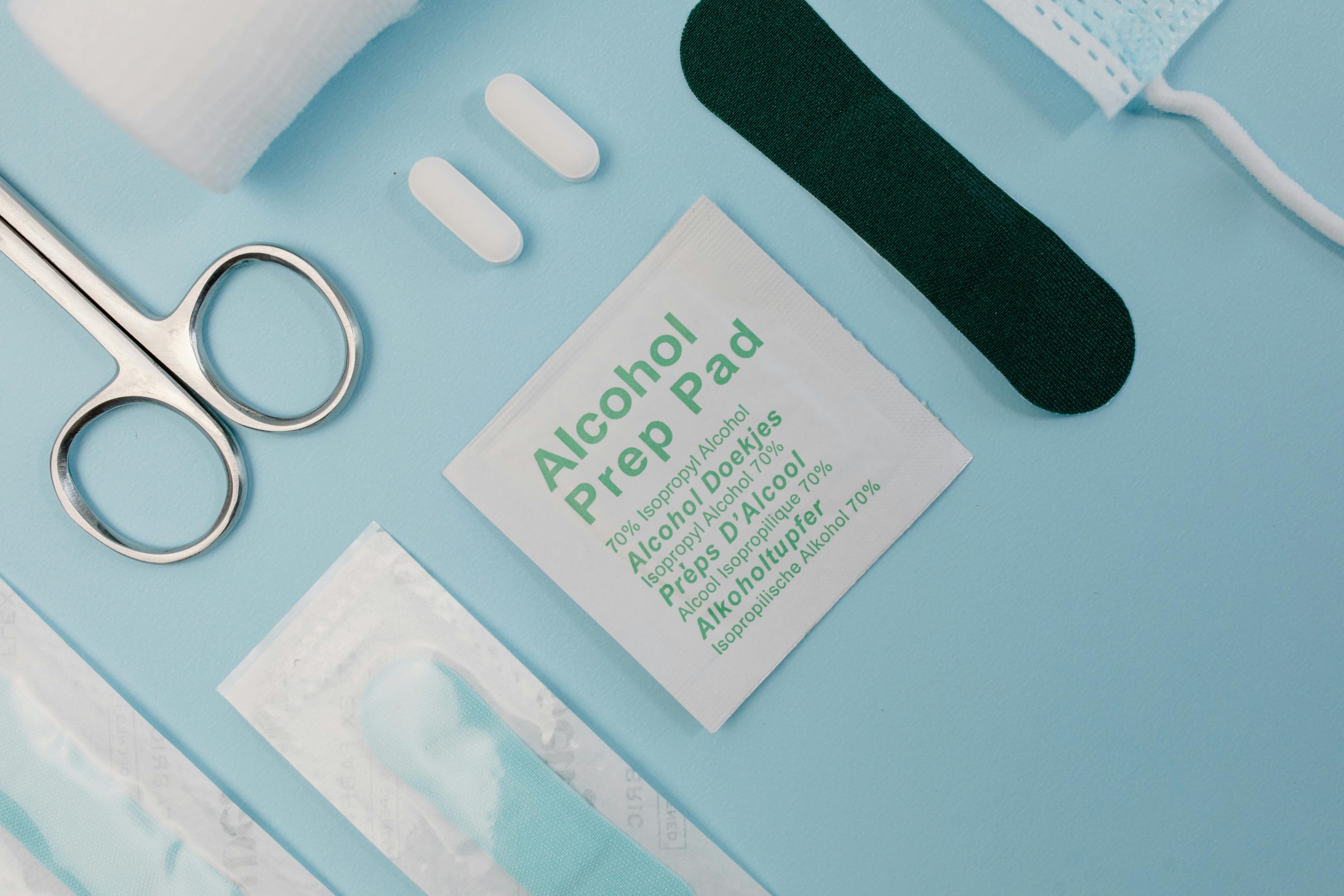
Alcohol Prep Pads
Image source: shutterstock.com

Cleaning a wound or preparing an injection site should never introduce a new infection into your body. You trust that medical supplies labeled as sterile are free from invisible pathogens that could harm your health. However, a major 2026 safety alert has revealed that a staple in many home medical kits has failed these essential protocols. This sterility failure targets the very tools meant to keep you safe from external bacteria. While the breakdown in the manufacturing chain isn’t your fault, the risk is now yours to manage. Checking your supplies immediately is the only way to ensure you aren’t using a product with compromised integrity.

The Reality of the Webcol Recall

The most significant recent safety action involves a massive voluntary recall by Cardinal Health regarding their Webcol Alcohol Prep Pads. Laboratory testing identified a specific microbial contamination—Paenibacillus phoenicis—within the sealed foil pouches of these 70% isopropyl alcohol wipes. Surprisingly, the contamination is invisible to the naked eye, and the packaging often appears perfectly intact and professionally sealed. Because these pads are used to prep the skin for injections or treat minor cuts, any presence of bacteria is a serious concern. You can verify the official Cardinal Health Webcol Recall Notice for a full list of affected lots and specific distribution details.

The Hidden Risk of Sterile Failures

In the medical world, sterility is an absolute requirement; a product is either entirely clean or it is fundamentally compromised. When a prep pad’s sterility is lost, you inadvertently bypass the skin’s natural defenses during a needle puncture or while cleaning a wound. While the FDA has not yet confirmed widespread reports of patient harm, they warn that using these contaminated pads could lead to life-threatening infections such as bacteremia or central nervous system infections in vulnerable populations. This risk is particularly high for individuals with weakened immune systems, those receiving chemotherapy, or patients with poorly controlled diabetes. You should consult the FDA Drug Recall Database to see how this 2026 event fits into broader safety trends and to stay updated on any newly added lot numbers. Furthermore, the sheer scale of this recall—affecting over 170 million units—means these pads could be in any home or pharmacy.

Securing Your Medical Safety

Relying on a compromised product puts your health at unnecessary risk during routine care. You must take control of your medical inventory and discard any wipes associated with the Cardinal Health safety alert. Using verified, non-recalled alternatives is the only way to ensure your home medical procedures remain truly safe. The reality of this massive sterility failure proves that even the most basic medical tools require constant oversight from the public.

Auditing Your First Aid Kit

Taking a few minutes today to check the brand and lot numbers on your alcohol wipes can prevent the stress of a potential infection later. Your peace of mind is worth the effort of clearing out supplies that do not meet the highest safety standards. Will you commit to auditing your first aid kit today to ensure you are using verified sterile supplies? Please leave a comment and let me know if you have any questions about identifying these recalled lots.

What to Read Next…

  • Beyond The Recall: 6 Baby Gear Recalls You Missed Putting Your Child At Risk
  • Georgia’s SB 497 Could Shift School Medical Notification Rules for Parents
  • 8 Medical Bills Related to Children That Insurance Rarely Covers
Latrice Perez

Latrice is a dedicated professional with a rich background in social work, complemented by an Associate Degree in the field. Her journey has been uniquely shaped by the rewarding experience of being a stay-at-home mom to her two children, aged 13 and 5. This role has not only been a testament to her commitment to family but has also provided her with invaluable life lessons and insights.  As a mother, Latrice has embraced the opportunity to educate her children on essential life skills, with a special focus on financial literacy.

Filed Under: Recalls Tagged With: alcohol prep pads, consumer safety, FDA alert, infection risk, medical recall, medical supplies, microbial contamination, sterile supplies

8 Toys That Were Approved—Then Quietly Recalled

October 27, 2025 | Leave a Comment

8 Toys That Were Approved—Then Quietly Recalled
Image source: shutterstock.com

Every parent assumes that toys on store shelves have passed every safety test imaginable. Yet history shows that even toys that were approved by regulators can later be pulled from the market when hidden dangers come to light. Some were recalled after tragic injuries, while others vanished with barely a press release. Learning which products were quietly recalled helps families stay vigilant about what’s really safe for their children. Here are eight examples of toys that were approved but eventually recalled once their risks became impossible to ignore.

1. Aqua Dots and the Dangerous Chemical Discovery

One of the most infamous toys that were approved and later recalled was Aqua Dots, a popular craft kit sold in the 2000s. The toy’s colorful beads bonded together with water, creating fun designs—but they also contained a chemical that metabolized into a powerful sedative if swallowed. Dozens of children fell ill before the recall, forcing the manufacturer to pull millions of units worldwide. Initially marketed as harmless and educational, Aqua Dots proved how easily a seemingly safe toy could slip through regulatory cracks. The case remains a textbook example of the limits of pre-market testing.

2. Polly Pocket’s Magnetic Peril

Another of the toys that were approved and later recalled was Mattel’s Polly Pocket line, beloved for its tiny accessories and colorful playsets. In 2006, the brand faced a massive recall after children accidentally swallowed small magnets that detached from the toys. When multiple magnets were ingested, they could attract inside the body, causing life-threatening intestinal injuries. What made this case alarming was that the magnets were within approved safety size limits—until real-world use revealed the dangers. The recall prompted sweeping reforms in toy magnet standards.

3. Easy-Bake Ovens That Burned More Than Brownies

Hasbro’s Easy-Bake Oven seemed like an innocent throwback to simpler times, yet it became one of the more surprising toys that were approved before being recalled. In 2007, over one million units were pulled after reports of severe burns when children’s fingers got trapped inside the oven’s heating chamber. Despite meeting temperature regulations, the design allowed small hands to reach inside while the toy was in use. The company redesigned the oven with a closed-door model to eliminate access to heating elements—a hard-learned lesson in balancing fun with safety.

4. Snacktime Cabbage Patch Dolls That “Ate” Too Well

One of the strangest toys that were approved and later recalled was the 1996 Cabbage Patch Snacktime Kid. This doll could “chew” on plastic snacks that disappeared into its backpack—but the motorized mouth didn’t know when to stop. It pulled in fingers and hair with alarming force, and there was no off switch. Though no deaths were reported, the injuries and panic among parents led to a voluntary recall. The incident highlighted how mechanical design flaws could slip through approval when toys were tested under unrealistic lab conditions.

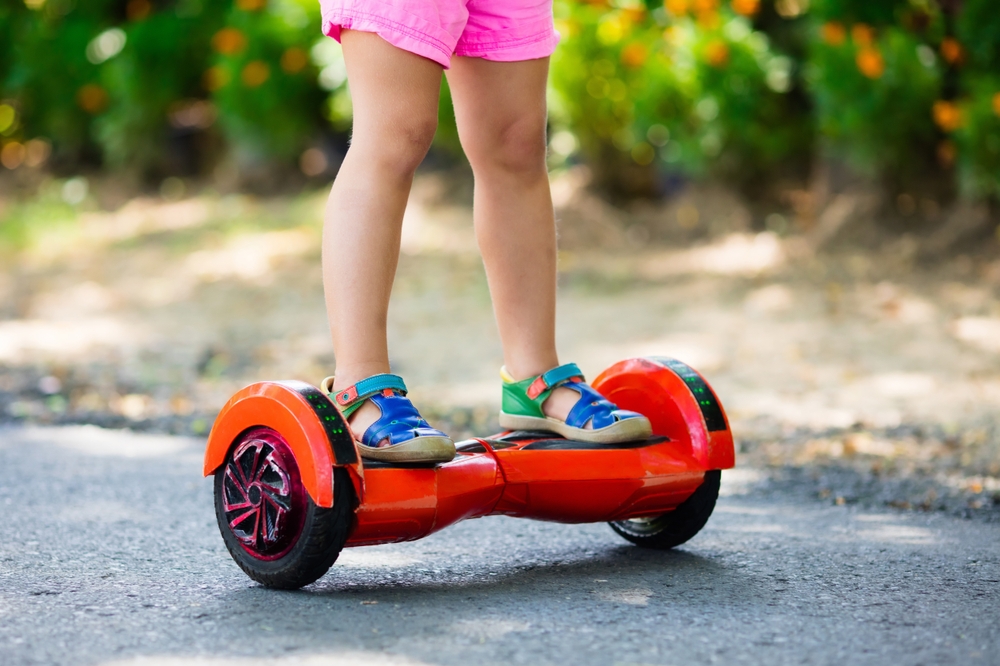
5. Hoverboards That Went Up in Flames

The hoverboard craze of the mid-2010s turned into a safety nightmare almost overnight. Many of these toys that were approved and sold through major retailers were later found to have defective lithium-ion batteries that caught fire while charging or in use. Despite certifications claiming compliance with safety standards, the mass recall of several models revealed inconsistencies in global testing practices. The U.S. Consumer Product Safety Commission intervened, forcing updated standards and stricter import oversight. What began as a tech marvel ended as a cautionary tale about fast-tracked gadgets for kids.

6. Fisher-Price Rock ‘n Play Sleeper and Hidden Suffocation Risks

The Fisher-Price Rock ‘n Play Sleeper wasn’t a traditional toy—but it was marketed for playtime and naps, making it a staple in many homes. It was among the most shocking toys that were approved before being quietly recalled in 2019. After reports of more than 30 infant deaths linked to suffocation, the recall exposed how misleading labeling and poor testing can have deadly consequences. Despite meeting voluntary safety standards, the product’s inclined design was inherently unsafe for unsupervised sleep. The case reshaped how infant “soothing” products are regulated.

7. Sky Dancers’ Unpredictable Flights

In the 1990s, Sky Dancers captured kids’ imaginations with their spinning, flying dolls launched by pull-string bases. Unfortunately, their unpredictable flight paths led to numerous injuries, including eye damage and broken teeth. These toys that were approved under then-current mechanical safety standards ultimately proved too dangerous in practice. More than eight million units were recalled in 2000 after hundreds of complaints. The recall underscored how motion-based toys often behave differently in real-world play than in controlled testing environments.

8. Fidget Spinners with Toxic Paint and Choking Hazards

Fidget spinners exploded in popularity in 2017, marketed as stress relievers for all ages. But many imported versions of these toys that were approved for sale later tested positive for lead-based paint and small detachable parts that violated U.S. safety laws. Several recalls followed, though not all were widely publicized. The episode illustrated how rapidly trending products can bypass scrutiny when demand outpaces regulation. Even something as simple as a spinner can carry hidden risks when manufacturers cut corners.

What These Silent Recalls Teach Parents About Safety

The stories of these toys that were approved before being recalled remind us that safety approval isn’t always a permanent guarantee. As products age, components loosen, materials degrade, and new data reveals unforeseen hazards. Parents can protect their families by regularly checking recall lists from the Consumer Product Safety Commission and avoiding secondhand toys without updated safety labels. Staying informed is the best safeguard against risks that testing can’t always predict. When it comes to children’s products, even approved doesn’t always mean safe.

Which of these toy recalls surprised you most? Share your thoughts—or your own memories of recalled toys—in the comments below.

What to Read Next…

10 Children’s Medications That Were Recently Recalled

7 Popular Lunch Snacks That Were Quietly Recalled

Beyond The Recall: 6 Baby Gear Recalls You Missed Putting Your Child At Risk

6 Baby Products Pulled from Shelves But Still in Homes

10 Popular Diaper Brands That Have Faced Consumer Complaints

Catherine Reed
Catherine Reed

Catherine is a tech-savvy writer who has focused on the personal finance space for more than eight years. She has a Bachelor’s in Information Technology and enjoys showcasing how tech can simplify everyday personal finance tasks like budgeting, spending tracking, and planning for the future. Additionally, she’s explored the ins and outs of the world of side hustles and loves to share what she’s learned along the way. When she’s not working, you can find her relaxing at home in the Pacific Northwest with her two cats or enjoying a cup of coffee at her neighborhood cafe.

Filed Under: Safety Tagged With: child safety, consumer safety, dangerous toys, parenting tips, product safety, toy industry, toy recalls

  • Facebook
  • Pinterest
  • RSS
  • Twitter

Basic Principles Of Good Parenting

Here some basic principles for good parenting:

  1. What You Do Matters: Your kids are watching you. So, be purposeful about what you want to accomplish.
  2. You Can’t be Too Loving: Don’t replace love with material possessions, lowered expectations or leniency.
  3. Be Involved Your Kids Life: Arrange your priorities to focus on what your kid’s needs. Be there mentally and physically.
  4. Adapt Your Parenting: Children grow quickly, so keep pace with your child’s development.
  5. Establish and Set Rules: The rules you set for children will establish the rules they set for themselves later.  Avoid harsh discipline and be consistent.
  6. Explain Your Decisions: What is obvious to you may not be evident to your child. They don’t have the experience you do.
  7. Be Respectful To Your Child: How you treat your child is how they will treat others.  Be polite, respectful and make an effort to pay attention.
Best Parenting Blogs

Most Popular

Baby

9 Unusual Baby Names That Sound Like They Belong to Future CEOs

Evan Morgan
Baby

10 Baby Names That Were Once Considered “Grandparent Names” but Feel Cool Again

Evan Morgan
Target Store

Choking Incident Prompts Recall of 49,000 Target Gigglescape “Under the Sea” Popping Toys

Evan Morgan
Frustrated Girl

Why Some Students on the Spectrum Are Labeled With ODD

Evan Morgan
Coke Bottles

12 Things Kids Took to School in the ’70s That Would Never Be Allowed Today

Evan Morgan

All content on Kids Ain’t Cheap is for entertainment purposes only. By reading this blog, you agree that Kids Ain’t Cheap is not responsible for any actions taken after reading this blog. For the full disclaimer, see our privacy policy.

Please note that Kids Ain’t Cheap has financial relationships with some of the merchants mentioned here. Kids Ain’t Cheap is funded by banner advertising, commission sales and search optimization consulting.

Copyright © 2006–2026 | District Media | All Rights Reserved | Privacy Policy

Copyright © 2026 Runway Pro Theme by Viva la Violette