• Home
  • About Us
  • Archives
  • Contact Us
  • Advertise
  • Privacy Policy

Kids Ain't Cheap

But They Sure Are Worth It

  • Home
  • Toolkit
  • Parenting
    • Baby Stuff
    • Books and Reading
      • Aesops Fables
      • Comic Books
    • Education
    • Family Time
    • Green Living
    • Growing Up
    • Healthy Living & Eating
    • Holidays
    • Parenting
    • Random Musings
    • Shopping
    • Stuff to Do
  • Money
  • Product Reviews
    • Books and Magazines
    • Discount Sites
    • Furniture
    • House Keeping
    • Reviews News
    • Toys and Games
  • Search

How Much Are You Really Paying for Developmental Toys?

November 3, 2025 | Leave a Comment

How Much Are You Really Paying for Developmental Toys?

Image source: shutterstock.com

Every parent wants their child to thrive, which is why developmental toys have exploded in popularity. From Montessori-inspired puzzles to high-tech learning kits, these products promise to boost cognitive skills, creativity, and motor development. But while the benefits sound appealing, many families don’t realize how much they’re really paying — not just in price tags, but in hidden costs that quietly add up. Understanding the full financial picture can help you make smarter spending choices that support your child’s growth without draining your wallet.

1. The True Cost of Brand Reputation

When it comes to developmental toys, brand recognition often comes with a hefty premium. Parents are drawn to familiar labels that market themselves as “expert-approved,” but many of these items cost double what similar, unbranded versions offer. The perception of safety and quality can make these prices feel justified, yet many products share identical materials and manufacturing standards. Paying more for a logo or sleek packaging doesn’t necessarily translate to better developmental outcomes. Before investing, check for verified safety certifications rather than relying on a name alone.

2. Subscription Boxes That Quietly Inflate Monthly Budgets

Monthly toy subscriptions have turned toys into a recurring expense rather than a one-time purchase. While they promise convenience and tailored learning experiences, the costs can exceed $500 a year for just a few small play items. Many boxes include toys your child quickly outgrows or duplicates of what you already own. Over time, these subscriptions can clutter your home while chipping away at your budget. Before signing up, calculate the annual total and compare it to buying select toys secondhand or from discount retailers.

3. The Psychological Trap of “Educational Value”

Marketers often use the term “educational” to justify higher prices, convincing parents that the more expensive the toy, the smarter the child will become. However, child development experts often emphasize interaction over cost — a cardboard box, for instance, can inspire more creativity than a $100 playset. The belief that expensive developmental toys guarantee better learning outcomes leads many parents to overspend unnecessarily. Simple, open-ended toys often provide the same level of engagement and skill-building at a fraction of the price. Focus on how a toy encourages interaction rather than its marketing buzzwords.

4. Hidden Environmental and Maintenance Costs

Even eco-friendly developmental toys can come with hidden expenses. Wooden or organic materials tend to cost more upfront, and maintenance like polishing or replacing worn parts adds to the total. Battery-operated or electronic options, on the other hand, consume power and often require costly replacements or subscriptions for software updates. These factors can turn a $30 toy into a recurring investment. Choosing durable, low-maintenance options not only saves money but also promotes sustainability and long-term usability.

5. The Digital Learning Premium

Tech-integrated toys — such as coding robots and language tablets — are marketed as future-ready learning tools. While they offer some advantages, many come with recurring app fees, Wi-Fi requirements, or subscription models that extend beyond the initial purchase. Parents can easily spend hundreds of dollars maintaining access to features or replacing outdated models. These digital toys often depreciate faster than traditional ones, leaving families with costly gadgets that lose educational value within a year. Before buying, evaluate whether free online alternatives or library tech-toy programs can provide similar benefits.

6. The Cost of Overstimulation

More isn’t always better when it comes to developmental toys. Having too many options can overwhelm children, leading to less focused play and quicker boredom. This results in a cycle of constant replacement as parents seek new toys to recapture interest. Psychologists note that minimalism in play environments can actually enhance creativity and problem-solving. Reducing the number of toys not only cuts expenses but also improves the quality of playtime and learning.

7. The Secondhand Market: Hidden Savings Potential

Buying gently used developmental toys can cut costs by 50% or more without sacrificing quality. Platforms like Facebook Marketplace, local parent swaps, and consignment shops often carry high-quality items that children outgrew long before they wore out. Many wooden or Montessori-style toys, in particular, are built to last and can easily be sanitized for safe reuse. By embracing secondhand shopping, parents reduce waste and gain access to premium brands at a fraction of retail prices. It’s one of the simplest ways to balance value and affordability.

8. When Free Play Outperforms Expensive Options

Research consistently shows that unstructured playtime — with household objects, outdoor exploration, or basic art supplies — contributes just as much to early learning as structured developmental toys. Kids develop problem-solving, imagination, and motor skills naturally through experimentation and curiosity. Expensive toys can sometimes limit creativity by dictating how they’re used. Reconsider whether that pricey “educational” toy truly supports growth or if free play could do the same job. Often, the best learning experiences come from simplicity, not spending.

9. The Hidden Parental Pressure to Keep Up

Social media has amplified the pressure to buy the latest toys, showcasing picture-perfect playrooms and “educational” milestones. This cultural trend makes it easy to mistake consumption for care. Parents who constantly invest in trendy toys often do so to keep up appearances rather than developmental needs. Financially, this pressure leads to impulse spending that rarely aligns with actual child benefits. Remember: meaningful engagement with your child has far more impact than any expensive toy could provide.

What Smart Spending Really Looks Like

The smartest approach to toys is mindful purchasing — investing in a few versatile, high-quality pieces while emphasizing real-world learning and parent interaction. Set a budget, research durability, and avoid chasing marketing trends that equate cost with quality. By balancing value and intentionality, parents can support growth without compromising their financial stability. Developmental toys should enhance play, not become a source of financial strain.

Do you think developmental toys are worth the investment, or do simple playtime experiences win out in your home? Share your thoughts in the comments below!

What to Read Next…

8 Toys That Were Approved—Then Quietly Recalled

7 Digital Toys That Let Strangers Communicate With Your Kids

9 Toys That Passed the Drop Test—and 4 That Didn’t Survive a Week

5 Toys Kids Are No Longer Playing With In Daycare

These 7 Trending Toys Are on Every Kid’s Wish List

Catherine Reed
Catherine Reed

Catherine is a tech-savvy writer who has focused on the personal finance space for more than eight years. She has a Bachelor’s in Information Technology and enjoys showcasing how tech can simplify everyday personal finance tasks like budgeting, spending tracking, and planning for the future. Additionally, she’s explored the ins and outs of the world of side hustles and loves to share what she’s learned along the way. When she’s not working, you can find her relaxing at home in the Pacific Northwest with her two cats or enjoying a cup of coffee at her neighborhood cafe.

Filed Under: Shopping Tagged With: child development, developmental toys, Family Budgeting, parenting costs, smart spending, toy industry

8 Toys That Were Approved—Then Quietly Recalled

October 27, 2025 | Leave a Comment

8 Toys That Were Approved—Then Quietly Recalled

Image source: shutterstock.com

Every parent assumes that toys on store shelves have passed every safety test imaginable. Yet history shows that even toys that were approved by regulators can later be pulled from the market when hidden dangers come to light. Some were recalled after tragic injuries, while others vanished with barely a press release. Learning which products were quietly recalled helps families stay vigilant about what’s really safe for their children. Here are eight examples of toys that were approved but eventually recalled once their risks became impossible to ignore.

1. Aqua Dots and the Dangerous Chemical Discovery

One of the most infamous toys that were approved and later recalled was Aqua Dots, a popular craft kit sold in the 2000s. The toy’s colorful beads bonded together with water, creating fun designs—but they also contained a chemical that metabolized into a powerful sedative if swallowed. Dozens of children fell ill before the recall, forcing the manufacturer to pull millions of units worldwide. Initially marketed as harmless and educational, Aqua Dots proved how easily a seemingly safe toy could slip through regulatory cracks. The case remains a textbook example of the limits of pre-market testing.

2. Polly Pocket’s Magnetic Peril

Another of the toys that were approved and later recalled was Mattel’s Polly Pocket line, beloved for its tiny accessories and colorful playsets. In 2006, the brand faced a massive recall after children accidentally swallowed small magnets that detached from the toys. When multiple magnets were ingested, they could attract inside the body, causing life-threatening intestinal injuries. What made this case alarming was that the magnets were within approved safety size limits—until real-world use revealed the dangers. The recall prompted sweeping reforms in toy magnet standards.

3. Easy-Bake Ovens That Burned More Than Brownies

Hasbro’s Easy-Bake Oven seemed like an innocent throwback to simpler times, yet it became one of the more surprising toys that were approved before being recalled. In 2007, over one million units were pulled after reports of severe burns when children’s fingers got trapped inside the oven’s heating chamber. Despite meeting temperature regulations, the design allowed small hands to reach inside while the toy was in use. The company redesigned the oven with a closed-door model to eliminate access to heating elements—a hard-learned lesson in balancing fun with safety.

4. Snacktime Cabbage Patch Dolls That “Ate” Too Well

One of the strangest toys that were approved and later recalled was the 1996 Cabbage Patch Snacktime Kid. This doll could “chew” on plastic snacks that disappeared into its backpack—but the motorized mouth didn’t know when to stop. It pulled in fingers and hair with alarming force, and there was no off switch. Though no deaths were reported, the injuries and panic among parents led to a voluntary recall. The incident highlighted how mechanical design flaws could slip through approval when toys were tested under unrealistic lab conditions.

5. Hoverboards That Went Up in Flames

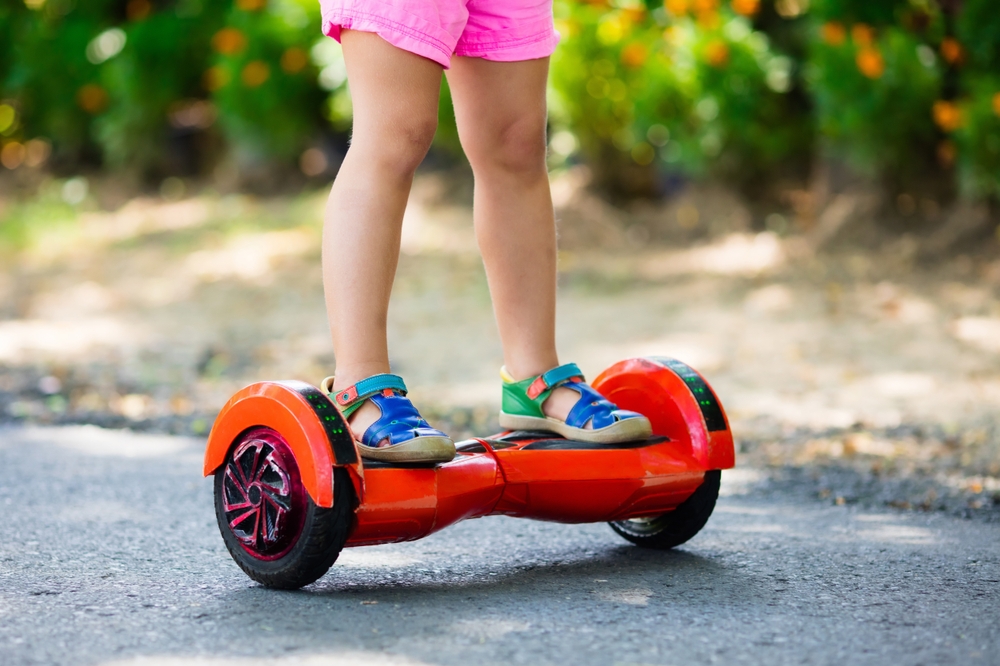
The hoverboard craze of the mid-2010s turned into a safety nightmare almost overnight. Many of these toys that were approved and sold through major retailers were later found to have defective lithium-ion batteries that caught fire while charging or in use. Despite certifications claiming compliance with safety standards, the mass recall of several models revealed inconsistencies in global testing practices. The U.S. Consumer Product Safety Commission intervened, forcing updated standards and stricter import oversight. What began as a tech marvel ended as a cautionary tale about fast-tracked gadgets for kids.

6. Fisher-Price Rock ‘n Play Sleeper and Hidden Suffocation Risks

The Fisher-Price Rock ‘n Play Sleeper wasn’t a traditional toy—but it was marketed for playtime and naps, making it a staple in many homes. It was among the most shocking toys that were approved before being quietly recalled in 2019. After reports of more than 30 infant deaths linked to suffocation, the recall exposed how misleading labeling and poor testing can have deadly consequences. Despite meeting voluntary safety standards, the product’s inclined design was inherently unsafe for unsupervised sleep. The case reshaped how infant “soothing” products are regulated.

7. Sky Dancers’ Unpredictable Flights

In the 1990s, Sky Dancers captured kids’ imaginations with their spinning, flying dolls launched by pull-string bases. Unfortunately, their unpredictable flight paths led to numerous injuries, including eye damage and broken teeth. These toys that were approved under then-current mechanical safety standards ultimately proved too dangerous in practice. More than eight million units were recalled in 2000 after hundreds of complaints. The recall underscored how motion-based toys often behave differently in real-world play than in controlled testing environments.

8. Fidget Spinners with Toxic Paint and Choking Hazards

Fidget spinners exploded in popularity in 2017, marketed as stress relievers for all ages. But many imported versions of these toys that were approved for sale later tested positive for lead-based paint and small detachable parts that violated U.S. safety laws. Several recalls followed, though not all were widely publicized. The episode illustrated how rapidly trending products can bypass scrutiny when demand outpaces regulation. Even something as simple as a spinner can carry hidden risks when manufacturers cut corners.

What These Silent Recalls Teach Parents About Safety

The stories of these toys that were approved before being recalled remind us that safety approval isn’t always a permanent guarantee. As products age, components loosen, materials degrade, and new data reveals unforeseen hazards. Parents can protect their families by regularly checking recall lists from the Consumer Product Safety Commission and avoiding secondhand toys without updated safety labels. Staying informed is the best safeguard against risks that testing can’t always predict. When it comes to children’s products, even approved doesn’t always mean safe.

Which of these toy recalls surprised you most? Share your thoughts—or your own memories of recalled toys—in the comments below.

What to Read Next…

10 Children’s Medications That Were Recently Recalled

7 Popular Lunch Snacks That Were Quietly Recalled

Beyond The Recall: 6 Baby Gear Recalls You Missed Putting Your Child At Risk

6 Baby Products Pulled from Shelves But Still in Homes

10 Popular Diaper Brands That Have Faced Consumer Complaints

Catherine Reed
Catherine Reed

Catherine is a tech-savvy writer who has focused on the personal finance space for more than eight years. She has a Bachelor’s in Information Technology and enjoys showcasing how tech can simplify everyday personal finance tasks like budgeting, spending tracking, and planning for the future. Additionally, she’s explored the ins and outs of the world of side hustles and loves to share what she’s learned along the way. When she’s not working, you can find her relaxing at home in the Pacific Northwest with her two cats or enjoying a cup of coffee at her neighborhood cafe.

Filed Under: Safety Tagged With: child safety, consumer safety, dangerous toys, parenting tips, product safety, toy industry, toy recalls

  • Facebook
  • Pinterest
  • RSS
  • Twitter

Basic Principles Of Good Parenting

Here some basic principles for good parenting:

  1. What You Do Matters: Your kids are watching you. So, be purposeful about what you want to accomplish.
  2. You Can’t be Too Loving: Don’t replace love with material possessions, lowered expectations or leniency.
  3. Be Involved Your Kids Life: Arrange your priorities to focus on what your kid’s needs. Be there mentally and physically.
  4. Adapt Your Parenting: Children grow quickly, so keep pace with your child’s development.
  5. Establish and Set Rules: The rules you set for children will establish the rules they set for themselves later.  Avoid harsh discipline and be consistent.
  6. Explain Your Decisions: What is obvious to you may not be evident to your child. They don’t have the experience you do.
  7. Be Respectful To Your Child: How you treat your child is how they will treat others.  Be polite, respectful and make an effort to pay attention.
Best Parenting Blogs

Copyright © 2025 Runway Pro Theme by Viva la Violette