• Home
  • About Us
  • Toolkit
  • Archives
  • Advertise
  • Privacy Policy

Kids Ain't Cheap

But They Sure Are Worth It

  • Parenting
    • Baby Stuff
    • Books and Reading
      • Aesops Fables
      • Comic Books
    • Education
    • Family Time
    • Green Living
    • Growing Up
    • Healthy Living & Eating
    • Holidays
    • Parenting
    • Random Musings
    • Shopping
    • Stuff to Do
  • Money
  • Product Reviews
    • Books and Magazines
    • Discount Sites
    • Furniture
    • House Keeping
    • Reviews News
    • Toys and Games
  • Contact Us
  • Our Editorial Commitment
  • Search

8 Things Parents Can Buy Once Instead of Replacing Every School Year

September 11, 2026 | Leave a Comment

Lunchboxes
Choosing durable backpacks, lunch boxes, water bottles, and other reusable school gear can reduce repeat purchases. A smarter upfront buy may last through several school years. (Pexels).

Back-to-school shopping can feel like an annual subscription parents never signed up for. Folders split, lunch boxes disappear, and backpacks look exhausted by spring. But some durable school supplies can survive several grades when families choose sturdy materials and practical designs. Spending more upfront can reduce repeat purchases, waste, and the August scramble.

1. A Well-Made Backpack

A sturdy backpack is one of the easiest durable school supplies to justify because it gets used almost daily. Look for reinforced seams, strong zippers, a padded back, and two wide, adjustable straps instead of a short-lived character trend. Consumer Reports recommends a pack that is sturdy but lightweight and no wider than the child’s body. A simple design may age better as a child’s tastes change. Before buying, check locker rules and make sure the loaded bag remains comfortable.

2. A Stainless-Steel Water Bottle

A quality stainless-steel bottle can last for years if it is washed regularly and replacement lids are available. Insulated models resist everyday bumps while keeping drinks cold for hours. Choose a size your child can comfortably carry, because an oversized bottle adds unnecessary backpack weight. A wide mouth simplifies cleaning, while a simple lid means fewer tiny parts to lose. Label it clearly, since the biggest threat to a long-lasting bottle may be the lost-and-found bin.

3. A Durable Lunch Box

Cheap lunch bags often fail at the zipper, lining, or seams, making a durable lunch box a smarter purchase. Good Housekeeping’s testing considers durability, cleaning, seal quality, weight, and temperature performance. For perishables, insulation matters too; one tested freezable bag kept contents below 40°F for 5.5 hours. Stainless-steel containers can last well, although they are heavier and may not suit younger children. Pick a style your child can open independently and clean it promptly.

4. A Reusable Bento Container

Reusable bento containers replace the yearly parade of sandwich bags and flimsy disposable tubs. Models with removable dividers can adapt as appetites change, making them practical durable school supplies. Stainless steel offers toughness, while quality plastic may be lighter for younger students. Before buying, check whether seals, latches, and replacement parts are sold separately. A $30 container lasting several school years can make more sense than repeatedly buying disposable packaging.

5. A Basic Scientific Calculator

Once math classes require a calculator, parents can often buy one dependable model instead of replacing bargain versions. Check the school or teacher’s approved list first, because permitted functions vary by course and exam. Choose a recognizable model with a protective case and readily available batteries. Write the student’s name inside the case rather than permanently decorating the calculator. If a younger sibling can eventually inherit it, the cost per school year falls further.

6. A Sturdy Pencil Case

A washable zippered pencil case can outlast plastic school boxes that crack when dropped or overstuffed. Look for durable fabric, a substantial zipper, and enough space for supplies your child actually carries. Avoid oversized cases that invite children to haul unnecessary markers, scissors, and pens. A neutral pattern can remain appealing longer than a design tied to one character or trend. Among durable school supplies, this small purchase can quietly eliminate an annual replacement.

7. A Reliable Pair Of Headphones

Many schools use laptops or tablets for lessons, testing, and videos, so dependable headphones can become a multi-year tool. Over-ear models with a sturdy headband and replaceable cable, when available, may be easier to maintain than ultra-cheap pairs. For younger children, fit and comfortable volume levels matter more than flashy features. Confirm whether the school device uses a 3.5mm jack, USB-C, or another connection before buying. Store headphones in a protective pouch so cords and hinges are not crushed under books.

8. A Quality Geometry And Measuring Set

Rulers, protractors, compasses, and triangles do not become obsolete when the school calendar changes. A compact set made from sturdy materials can last through multiple math courses if every piece returns to its case. Choose easy-to-read markings and a compass that locks firmly rather than slipping during use. This is another place where buying durable school supplies once can beat replacing broken bargain pieces every September. Check the teacher’s list first, however, because some classes specify particular tools or measurement units.

Make The School List Work Harder

Buying for longevity does not mean purchasing the most expensive version of everything. It means identifying high-use items, choosing durable school supplies with replaceable parts, and skipping features children will quickly outgrow. Inspect last year’s gear before shopping, because a wash, new lid, or replacement zipper pull may be all an item needs. Over several grades, those decisions can reduce household spending and clutter.

Which school item does your family keep replacing, and what would convince you to buy a longer-lasting version instead? Share your experience in the comments.

What to Read Next

Why “Back to School” Shopping Feels Like a Mortgage Payment Now

Sensory-Friendly School Supplies: What Helps and What Can Be Skipped

Teachers Beg Parents: Stop Buying These 7 Expensive School Supplies

Evan Morgan

Evan Morgan has been a full-time freelance writer and editor for 10+ years. When not working, he enjoys catching the latest true crime documentary or getting lost in a good book.


Filed Under: Parenting Tagged With: Back To School Shopping, durable school supplies, Family Budget, Kids, Parenting, Saving Money, school shopping, school supplies

Your Child May Not Need Everything Teachers Ask for on Day One

September 10, 2026 | Leave a Comment

Students
Before filling the shopping cart, parents can check which school supplies their child already owns and ask teachers which items are truly needed on day one. Buying essentials first and filling gaps later can help reduce unnecessary back-to-school spending. (Pexels).

The school supply list says three boxes of tissues, four dry-erase markers, two specialty folders, headphones, disinfecting wipes and a particular brand of colored pencils. Does your child really need every one of those items sitting in their backpack on the first morning?

Not necessarily.

In fact, nearly half of back-to-school shoppers are already taking a more gradual approach in 2026. The National Retail Federation found that 47% plan to buy only what’s essential for the beginning of the school year and replenish supplies as needed. That strategy makes sense when families with children in elementary through high school expect to spend an average of $863.86 on back-to-school purchases this year. Before treating the teacher’s list like a one-trip shopping mandate, figure out what your child actually needs now, what you already own and what can safely wait.

Start With a 15-Minute Supply Hunt at Home

The cheapest school supply is usually the one you’ve already paid for.

Before shopping, empty last year’s backpack and check desks, junk drawers, closets and craft supplies for scissors, rulers, pencil boxes, folders, unopened notebook paper, glue sticks, and other reusable items. A half-used package of pencils doesn’t become worthless because a new school year begins, and sturdy supplies such as scissors and rulers can often last for several grades.

Then compare what you find with the new list and cross items off before opening a retailer’s website. This matters because the National Retail Federation estimates K-12 families will spend an average of $146.45 specifically on school supplies in 2026. Saving $20 or $30 by reusing what you own may not sound dramatic, but that’s money available for the expenses that inevitably appear after school begins.

Ask Which Supplies Are Actually Needed Right Away

A supply appearing on a teacher’s list doesn’t always mean your child will use it during the first week. Consumer Reports specifically recommends asking teachers which items students need immediately and purchasing the rest later. That can be particularly useful when a list includes specialty notebooks, binders, art materials, backup supplies, or items intended for later units.

A quick email can settle the question: “We’re getting supplies together. Which items are essential for the first week, and is anything on the list okay to purchase later?” This isn’t about challenging a teacher over a $2 notebook. It’s about avoiding a cart full of “just in case” purchases when several of those items might sit untouched for months.

Back-to-School Shopping Is Already an $864 Expense for Many Families

School supplies are only one piece of the back-to-school bill. NRF’s 2026 survey found K-12 households plan to spend an average of $863.86 overall, including $293.11 on electronics, $250.29 on clothing and accessories, $174.01 on shoes, and $146.45 on school supplies. Across the country, NRF expects K-12 back-to-school spending to reach a record $43.3 billion this year.

Deloitte’s 2026 Back-to-School Survey uses different categories and methodology but reaches a similar conclusion about household caution. Parents surveyed expect to spend $557 per child, while 57% say they expect economic conditions to worsen over the next six months. Virtually everyone is looking for ways to stretch those dollars: Deloitte found most shoppers use at least one cost-saving tactic, while 31% use four or more.

Put Every Supply Into One of Four Categories

Instead of looking at the list as one giant shopping assignment, grab a pen and mark every item with one of four labels.

  • DAY ONE: Pencils, notebooks, or other supplies the teacher confirms your child needs immediately.
  • ALREADY OWN: Scissors, rulers, pencil cases, headphones, or other items from previous years that remain usable.
  • BUY LATER: Extra notebooks, replacement pencils, backup markers and supplies that won’t be needed immediately.
  • ASK FIRST: Anything unusually expensive, highly specific, or unclear.

That simple exercise creates an actual purchasing plan instead of allowing a long list to dictate how much you spend in one afternoon.

Waiting Can Give You More Time to Find a Deal

Buying later isn’t only about avoiding unnecessary purchases. It can also give you more time to compare prices. NRF found that among 2026 shoppers who hadn’t yet purchased at least half of their back-to-school items, 46% were waiting for the best deals before finishing their shopping. Another 23% said they were spreading purchases out specifically to manage their budgets.

Retailers don’t stop selling pencils and notebooks when the first bell rings, either. If a teacher says your child won’t need a particular binder until October, there may be little benefit in rushing out to buy it at whatever price you encounter today. Keeping a digital photo of the supply list on your phone also makes it easy to watch for sales while you’re already shopping.

Don’t Use This Strategy for Everything

There is an important line between strategic waiting and sending a child to school unprepared. If a teacher says students need headphones for classroom technology on the first day, that’s not something to postpone simply because you’re hoping for a sale. The same applies to required writing materials, calculators, art supplies, or organizational tools students need to participate in lessons.

Families struggling to afford required supplies should also ask the school what assistance is available rather than quietly sending a child without what they need. Some schools, districts, parent organizations, charities, and community programs provide donated supplies or other back-to-school assistance, and asking early may provide more options than waiting until a child is already missing materials.

Save Part of the Budget for What Comes Next

One reason not to exhaust the school budget before classes begin is that the supply list rarely represents the last expense of the year. Sports registration, club dues, field trips, school pictures, replacement water bottles, project materials, uniforms, and activity equipment can all appear after the initial shopping trip. Even ordinary growth can wreck a carefully planned budget when the shoes purchased in August suddenly don’t fit several months later.

Consider setting aside part of your back-to-school budget as a “school-year reserve” instead of spending every available dollar before day one. For example, a family with a $600 back-to-school budget might intentionally hold $75 or $100 back for later expenses. If nothing unexpected happens, that money remains yours rather than becoming another package of markers sitting unopened in a closet.

Prepared Doesn’t Have to Mean Brand-New

There’s a psychological side to back-to-school shopping that’s easy to overlook: a new school year can make everything feel as though it should be new. But your child’s education isn’t improved because last year’s perfectly functional scissors were replaced with an identical pair.

Start with what the teacher says is genuinely necessary, reuse durable supplies that still work and delay purchases that aren’t immediately needed. That’s essentially what millions of other families are already planning to do, with 47% of NRF respondents saying they’ll purchase the essentials first and replenish supplies later. The goal isn’t to spend as little as humanly possible. It’s to make sure the money you do spend goes toward things your child will actually use.

What’s the strangest or most expensive item you’ve ever seen on a school supply list? Share it in the comments.

What to Read Next

Some Parents Are Spending Nearly $1,000 Getting One Child Back to School

Sensory-Friendly School Supplies: What Helps and What Can Be Skipped

Teachers Beg Parents: Stop Buying These 7 Expensive School Supplies

Evan Morgan

Evan Morgan has been a full-time freelance writer and editor for 10+ years. When not working, he enjoys catching the latest true crime documentary or getting lost in a good book.

Filed Under: Parenting Tagged With: Back to School, Back To School Shopping, education, Family Budget, Parenting, Saving Money, school supplies, school supply list, students, teachers

7 School Purchases That Are Usually Cheaper After Classes Begin

September 9, 2026 | Leave a Comment

Stack Of Notebooks
Waiting until classes begin can help families avoid unnecessary school purchases and take advantage of later-season deals. Clothing, supplies, dorm accessories and some technology may be worth postponing. (Pexels).

Back-to-school shopping can feel like a race to buy everything before the first bell, but rushing may cost families more than necessary. In 2026, families with K-12 students expect to spend an average of $863.86 on school-related purchases, according to the National Retail Federation. Nearly half of shoppers who had not finished buying their supplies in early July said they were waiting for better deals. That makes patience a practical strategy for finding back-to-school savings, especially on items students do not need immediately. If your child can get through the first few weeks with the essentials, these seven purchases may be worth postponing.

1. Fall Clothing And Accessories

Buying an entire fall wardrobe before classes begin can mean paying when seasonal demand is strongest. Consumer Reports has previously recommended holding off on much of the fall apparel shopping because retailers may cut prices in September. Waiting also lets kids see what they actually enjoy wearing once their school routine begins. A practical compromise is buying a few first-week outfits, then filling wardrobe gaps as promotions appear. This approach creates back-to-school savings while reducing the risk of buying clothes that remain untouched in the closet.

2. Backpacks And Lunch Bags

A backpack is essential if your child does not already have a usable one, but replacing a perfectly functional bag before school starts is another matter. Retailers devote considerable shelf space to backpacks and lunch bags during peak shopping season, and leftover seasonal merchandise can become more attractive when stores need that space for fall inventory. Waiting also gives students time to determine whether they need extra compartments, laptop protection or a larger lunch bag. Keep using last year’s gear for several weeks if it remains comfortable and structurally sound. Just don’t delay if worn straps, broken zippers or poor fit make the existing backpack impractical.

3. Extra Notebooks, Binders And Folders

Those giant stacks of notebooks and folders look useful in August, but students may not need nearly as many as parents expect. The NRF reports that 47% of 2026 shoppers plan to buy only essentials initially and replenish supplies throughout the year. That strategy can prevent waste when teachers have specific requirements for binder sizes, notebook types or folder colors. Buy what’s explicitly listed, then watch for clearance prices on extras after the initial rush. Small purchases add up, making basic supplies an easy place to find back-to-school savings.

4. Dorm Room Decorations

College students can easily overspend trying to create a picture-perfect dorm before they have spent a single night there. Waiting a week or two reveals what actually fits, what a roommate already brought and which decorative items are genuinely wanted. That matters because 2026 back-to-college spending is expected to reach a record $103.5 billion, with shoppers budgeting an average of $194 for dorm or apartment furnishings. Consumer Reports also notes that back-to-school sales on dorm essentials can continue through the season rather than disappearing immediately. Start with bedding and necessities, then add rugs, organizers, lamps or decorative storage when you know the room’s real needs.

5. Shoes For The Entire Semester

Children need properly fitting shoes, but buying several pairs before school begins may unnecessarily lock families into August prices and sizes. Growing children can change sizes surprisingly quickly, while teenagers may reconsider which styles they want after seeing what works with their school routine. Instead of purchasing athletic shoes, casual shoes and backups simultaneously, consider buying the essential pair first. In 2026, K-12 families expect to spend an average of $174.01 on shoes, so avoiding even one unnecessary pair can protect the household budget. Spreading purchases across the semester also creates more opportunities for back-to-school savings.

6. Printers And Nonessential Tech

Electronics consume a major share of school budgets, but not every device must be purchased before classes begin. The NRF says K-12 shoppers expect to spend an average of $293.11 on electronics in 2026, while some schools provide devices directly to students. Waiting can reveal whether a student truly needs a home printer, tablet, headphones or another accessory. Consumer Reports says technology discounts can fluctuate throughout the back-to-school period, and later seasonal sales can provide additional opportunities. Before spending hundreds of dollars, check the school’s technology requirements and confirm what equipment is already provided.

7. Backup Supplies For Later In The Year

Families often buy extra pencils, markers, paper and classroom supplies because they assume everything will eventually be needed. Stocking up makes sense when the price is exceptionally low, but otherwise those extras can tie up money and create clutter. Once classes begin, parents have a clearer picture of which supplies their children use quickly and which barely leave the backpack. Keep a short replenishment list and compare unit prices instead of assuming a large multipack automatically offers the best value. This targeted approach can produce back-to-school savings without sacrificing anything a student genuinely needs.

Patience Can Be Part Of Your School Shopping Strategy

The goal isn’t to postpone every purchase, because students should start school with the essentials their teachers require. Instead, separate immediate needs from items that can comfortably wait several weeks. Current shopping behavior supports that strategy: NRF found that shoppers had completed only 44% of their lists on average by early August 2026, showing that plenty of families were still purchasing as classes approached. Delaying selected purchases can help families compare prices, understand actual classroom needs and avoid paying for things children never use.

Which school purchase have you learned to wait on, and where have you found your best bargains? Share your experience in the comments.

What to Read Next

8 School Expenses That Can Hit Families After the First Day

7 Back-to-School Expenses Parents Forget to Budget for Until September

Youth Sports Cost Families $1,016 a Year on Average — 8 Expenses New Parents Don’t Expect

Evan Morgan

Evan Morgan has been a full-time freelance writer and editor for 10+ years. When not working, he enjoys catching the latest true crime documentary or getting lost in a good book.
Filed Under: Personal Finance Tagged With: Back To School Shopping, back-to-school savings, Family Budget, Money Saving Tips, Parenting, school shopping, school supplies, student expenses

Some Parents Are Spending Nearly $1,000 Getting One Child Back to School

September 8, 2026 | Leave a Comment

One Thousand Dollars
From new clothes and shoes to backpacks, supplies, and electronics, getting one child ready for school can quickly become a major household expense. Some one-child families may see their total back-to-school bill approach $1,000. (Pexels).

Back-to-school shopping used to mean pencils, notebooks, a backpack, and maybe a new pair of sneakers. In 2026, however, a complete shopping trip can easily include clothing, electronics, sports equipment, lunch gear, and other expenses that push the bill toward four figures. PwC reports that U.S. families expect average back-to-school spending of $922 this year, while families in some regions expect to spend even more. For a household preparing just one child for school, that kind of budget can effectively mean spending nearly $1,000 on one student. It is a reminder that the real cost of returning to school now stretches far beyond the traditional classroom supply list.

Back-To-School Spending Is Approaching Four Figures

PwC’s 2026 consumer poll found that families expect to spend an average of $922 during the back-to-school season, and 47% expect to spend more than last year. That figure is a household average, not a universal per-child cost, so families with multiple students should not assume they will spend $922 on every child. Still, regional figures show how easily a family’s total can cross $1,000: PwC data reported by Axios puts expected spending at $1,076 in the Northeast, $960 in the West, $954 in the Midwest, and $832 in the South. For a one-child household, replacing clothes, shoes, a backpack, headphones, and perhaps a laptop can make a four-figure bill realistic. The size of the final tab depends heavily on what a child already owns and what the school actually requires.

Other Surveys Show Why The Numbers Vary

Not every 2026 survey produces a figure close to $1,000, which is important context for parents worried that they are somehow underspending. Deloitte estimates average back-to-school spending at $557 per K-12 student, while JLL puts planned spending at $489 per child, up 11.7% from its previous survey. KPMG, using another methodology and set of purchasing categories, estimates $252 per child, demonstrating how dramatically survey definitions can change the headline number. Deloitte also found that parents plan to spend 22% more on clothing and accessories but 16% less on technology this year. Taken together, the surveys suggest there is no single “correct” back-to-school budget because families, grade levels, shopping lists, and survey methodologies differ.

Kids Are Having More Influence Over The Cart

One reason back-to-school spending can creep upward is that children increasingly participate in buying decisions. PwC found that 61% of parents plan to allow their children to add products directly to online shopping carts, while nearly one-third say their children ask for name-brand or trend-driven products. A basic backpack may satisfy the school’s requirements, for example, while a child may prefer a fashionable version promoted on social media that costs considerably more. Parents can acknowledge those preferences without treating every requested upgrade as essential. Before shopping, separating the list into “required,” “replace if needed,” and “want” categories can prevent a few impulse purchases from blowing up the budget.

A $1,000 Bill Does Not Have To Be Inevitable

Parents who want to control back-to-school spending should start at home before opening a shopping app or visiting a store. Check last year’s backpack, calculator, headphones, binders, sports gear, and clothing to determine what can realistically survive another semester. Deloitte found that most shoppers are using at least one cost-saving tactic, while 31% qualify as “hyper-value seekers” who use four or more savings strategies. Another practical strategy is to purchase true necessities first and wait on uncertain items until teachers clarify what students will actually use. Saving even $15 across six purchases leaves $90 available for an unexpected fee, replacement pair of shoes, or classroom request later in the semester.

Protect The Household Budget From School-Year Pressure

A high back-to-school spending total becomes a bigger problem when families use debt they cannot comfortably repay. Before agreeing to expensive shoes, upgraded electronics, or multiple new outfits, parents can set a firm dollar limit and explain which purchases must fit inside it. Consider a family with $600 available: spending $400 on essentials first leaves $200 that can be divided among clothing upgrades, preferred brands, or later school expenses. Parents should also remember that extracurricular fees, field trips, yearbooks, uniforms, and replacement supplies may arrive after the first-day shopping is finished. Leaving some money unspent in August or September can therefore be more useful than exhausting the entire school budget before classes begin.

The Most Useful Number Is Your Own

The headline that some families are approaching $1,000 in back-to-school spending may sound alarming, but national averages should be treated as reference points rather than spending targets. A parent who reuses a laptop and backpack could spend hundreds less than someone outfitting a child who has outgrown nearly everything. The smartest budget begins with the school’s actual requirements, the items already at home, and what the household can afford without sacrificing more important bills. With several 2026 surveys showing families carefully balancing prices and priorities, shopping strategically is becoming as important as shopping early.

Has getting one child ready for school ever pushed your family close to $1,000, and which expense surprised you most? Share your experience in the comments.

What to Read Next

8 Ways Kids Can Quietly Blow the Family Budget Once School Starts

8 School Expenses That Can Hit Families After the First Day

September Is Becoming a Second Back-to-School Shopping Season

Evan Morgan

Evan Morgan has been a full-time freelance writer and editor for 10+ years. When not working, he enjoys catching the latest true crime documentary or getting lost in a good book.

Filed Under: Personal Finance Tagged With: Back To School Shopping, back-to-school spending, Family Budget, household expenses, Parenting, Saving Money, school shopping, school supplies

8 Ways Kids Can Quietly Blow the Family Budget Once School Starts

September 7, 2026 | Leave a Comment

Child Using Tablet
School expenses do not end after back-to-school shopping. Snacks, activities, clothing, fundraisers, and other recurring costs can quietly add hundreds of dollars to the family budget. (Pexels).

Back-to-school shopping gets most of the attention, but the spending rarely stops once classes begin. In fact, the family school budget can take a bigger hit after the backpacks are packed and the first-day photos are posted. PwC’s 2026 Back-to-School Survey found parents expect another $635 per household each month in recurring school-related expenses, including fees, meals, and snacks. Those smaller expenses can be particularly troublesome because they arrive separately and may never look like a major financial decision. Knowing where the money tends to disappear can help parents set limits before September spending becomes a yearlong problem.

1. The Constant Snack And Drink Requests

A few dollars for a sports drink or after-school snack seems harmless. Repeat that purchase several times a week, however, and the family school budget starts leaking money. PwC found parents anticipate spending an average of $235 monthly on school-related meals and snacks. Parents can give older children a weekly snack allowance instead of approving purchases individually. Once that money is gone, waiting until the next week creates a practical budgeting lesson.

2. The Extracurricular Activity Snowball

Joining soccer, dance, band, or robotics can involve far more than registration fees. Uniforms, equipment, transportation, meals, competitions, and team merchandise can quickly follow. A 2026 GMA/Ipsos poll found parents expect to spend an average of $337 per child on after-school activities. KPMG also found seven in 10 parents planned to protect spending on sports despite rising household costs. Before enrolling, parents should ask for an estimated all-in seasonal cost rather than considering only the initial fee.

3. The Daily Lunch Upgrade

School lunch can become surprisingly expensive when children regularly add snacks, drinks, or extra items. Packed lunches are not automatically cheaper, either, especially when they rely heavily on individually packaged foods. One recent comparison cited an estimated $6.33 average cost for a packed lunch. Parents should compare actual cafeteria and grocery costs instead of assuming one option always saves money. Planning lunches weekly also makes the family school budget easier to predict.

4. The Clothing Requests That Never End

August shopping does not necessarily satisfy a child’s clothing wish list. New trends, changing weather, growth spurts, and seeing classmates’ outfits can quickly generate additional requests. Deloitte says 2026 parents planned to increase back-to-school clothing and accessory spending by 22%. A useful strategy is separating genuine replacements from purchases primarily driven by trends. Setting a seasonal clothing allowance can also make expectations clear before the next expensive pair of sneakers appears.

5. The School Fundraiser Parade

Cookie dough this week can become a fun run, teacher wish list, and spirit-night purchase next month. Saying no can feel uncomfortable when children believe everyone else is participating. NerdWallet reports parents expect to spend $531, on average, on broader school-community costs such as fundraising and classroom support. Parents can create one annual donation amount and choose causes together with their children. That protects the family school budget without requiring families to reject every worthwhile request.

6. The Forgotten Field Trip Fees

A $15 museum trip may be manageable, but bigger outings can require substantially more money. Admission, transportation, meals, souvenirs, and special clothing may all appear on separate notices. PwC found families expect significant recurring school expenses, including costs associated with field trips and other fees. Parents can review the school calendar early and establish a small monthly fund for upcoming activities. Saving $20 monthly is easier than unexpectedly finding $100 the night a permission slip is due.

7. The Digital Purchase Creep

Technology spending does not necessarily end when families buy a laptop or calculator. Apps, software, online subscriptions, accessories, replacement chargers, and headphones can continue throughout the year. Children may also request digital tools because classmates are using them, not because teachers require them. Parents should verify whether a purchase is required before entering payment information. Keeping recurring subscriptions on one family account also makes forgotten charges easier to spot.

8. The Pressure To Fit In

One of the hardest expenses to control has nothing to do with school requirements. Children naturally notice what friends wear, carry, buy, and do after school. NerdWallet found 43% of parents surveyed would consider debt for back-to-school purchases that help their child fit in. Parents can acknowledge social pressure while explaining the difference between affordability and availability. Protecting the family school budget sometimes means saying, “We could buy that, but we’re choosing not to.”

Small Purchases Can Become A Big School-Year Bill

Families do not need to eliminate activities, treats, or occasional splurges to stay financially responsible. The bigger goal is recognizing recurring expenses before they quietly become permanent obligations. Deloitte estimates parents planned to spend $557 per child on initial back-to-school purchases in 2026, showing how substantial the starting costs already are. Adding a separate monthly category for school-year expenses can keep the family school budget realistic long after August.

Which seemingly small school expense has surprised your family the most, and how do you control it? Share your experience in the comments.

What to Read Next

Your Kid’s Backpack May Say More About Your Budget Than You Think

7 Back-to-School Expenses Parents Forget to Budget for Until September

Back-to-School Expenses Parents Forget to Put in the Budget

Evan Morgan

Evan Morgan has been a full-time freelance writer and editor for 10+ years. When not working, he enjoys catching the latest true crime documentary or getting lost in a good book.
Filed Under: Parenting Tagged With: back-to-school costs, back-to-school spending, Family Budget, household budget, kids and money, Parenting, Saving Money, school expenses

8 School Expenses That Can Hit Families After the First Day

September 6, 2026 | Leave a Comment

Young Boy Eating Lunch
Back-to-school spending does not stop after the first day, as lunches, activities, field trips, technology, and fundraisers can add to family budgets. Planning for these later costs can help parents avoid financial surprises. (Pexels).

The first day of school may feel like the finish line for family spending, but it is often just the beginning. After backpacks, clothes, and supply lists are handled, additional school expenses can start appearing through emails, permission slips, apps, and activity forms. That matters in 2026, when NerdWallet found back-to-school shoppers expect to spend an average of $611 on initial expenses, while 51% of parents surveyed said they feel overwhelmed by financial requests from schools. Knowing which costs could arrive later gives families a chance to budget before another payment request lands.

1. School Lunches Can Become A Weekly Expense

Cafeteria meals can turn into one of the most consistent school expenses once classes begin. School Nutrition Association data for 2025-26 put typical paid lunches at $3 for elementary students, $3.20 for middle schoolers, and $3.25 for high schoolers. At $3.25 per meal, five lunches a week cost $16.25 before snacks or extras. Families should compare cafeteria prices with what they actually spend packing lunches rather than assuming homemade is automatically cheaper. Deloitte estimated the average 2026 cafeteria lunch at $3.15, while several common packed-lunch combinations cost considerably more.

2. Field Trips May Require More Than Permission

A field-trip form can arrive weeks after parents finish back-to-school shopping. Depending on the destination, families may be asked to cover admission, transportation, meals, or special activities. A $15 museum visit might be manageable, but multiple trips involving several children can quickly change the monthly budget. Parents should check the school calendar early and ask teachers whether larger trips are planned later in the semester. If paying is difficult, ask privately whether financial assistance or alternative arrangements are available.

3. Sports Can Carry A Bigger Price Tag

Joining a school team can bring school expenses well beyond the basic participation fee. Uniform pieces, shoes, equipment, travel, meals, camps, and team purchases can all appear after tryouts. A Michigan High School Athletic Association survey found the median maximum annual participation charge among schools collecting fees was $150 per student-athlete in 2024-25. Before committing, parents can ask coaches for an estimate covering the entire season rather than only the initial fee. Also ask whether used equipment, payment plans, or fee assistance are available.

4. Clubs And Activities Can Add Up Quietly

Drama, robotics, music, student organizations, and other extracurriculars may carry costs that are not obvious during registration. A child might need a club shirt, instrument accessories, competition entry, transportation, or money for events. Individually, a $20 or $30 request may not seem significant, but several activities can create a surprisingly large bill. NerdWallet’s 2026 survey found 37% of parents expected their children to miss at least one school activity because of cost. Families can set an extracurricular budget and let older children help decide which activities matter most.

5. Technology Costs Do Not Always End With The Device

Even when schools provide laptops or tablets, technology-related school expenses may continue throughout the year. Students could need headphones, chargers, protective cases, software, printing supplies, or replacement accessories. Lost or damaged school-issued equipment may also lead to charges depending on the school’s policies and circumstances. Before buying replacements, parents should confirm the required specifications so they do not spend money on incompatible accessories. Labeling chargers, cases, and headphones can also reduce the chances of paying for the same item twice.

6. School Photos And Yearbooks Arrive Later

Picture day can produce another optional expense once the school year is underway. Families may encounter individual portraits, class photos, sports pictures, graduation packages, and yearbooks at different times. These purchases are easy to make emotionally, especially when parents worry about missing a childhood keepsake. Decide beforehand which memories matter enough to buy rather than automatically ordering every package offered. Setting aside even $5 or $10 monthly can make these predictable school expenses easier to handle.

7. Fundraisers And Classroom Requests Keep Coming

Fundraisers often appear throughout the year for classrooms, teams, parent organizations, and special programs. Families might be asked to buy wrapping paper, sponsor a fun run, contribute supplies, or donate directly. NerdWallet found parents surveyed in 2026 planned to spend an average of $531 on broader school-community costs such as fundraisers, classroom wish lists, and school support. Parents should remember that supporting a school does not require saying yes to every financial request. Choose a yearly giving limit and consider volunteering when another donation does not fit the budget.

8. Replacement Supplies Can Sneak Into The Budget

The pencils and notebooks purchased in August may not survive until spring. Children lose water bottles, outgrow clothing, break headphones, and use up classroom supplies, creating school expenses throughout the year. A former teacher interviewed by Business Insider in 2026 recommended reusing items such as calculators and headphones when they remain serviceable instead of automatically replacing them. Families can keep a small supply reserve at home and buy basics during clearance sales. Reusing backpacks, binders, calculators, and other durable items can also reduce repeat spending.

The First-Day Budget Should Last All Year

The smartest school budget accounts for what happens after the first bell rings. Meals, activities, trips, technology, photos, fundraisers, and replacement supplies can turn small requests into meaningful annual school expenses. Keep a dedicated school category in the household budget and review upcoming calendars before each month begins. When a fee is difficult to manage, ask the school about waivers, assistance, borrowing options, or lower-cost alternatives before assuming your child must miss out.

Which unexpected school expense has surprised your family the most, and how do you handle it? Share your experience in the comments.

What to Read Next

Your Teen Works 15 Hours a Week: What Expenses Should Become Their Responsibility?

Back-to-School Expenses Parents Forget to Put in the Budget

9 Back-to-School Expenses Parents May Be Able to Get Covered

Evan Morgan

Evan Morgan has been a full-time freelance writer and editor for 10+ years. When not working, he enjoys catching the latest true crime documentary or getting lost in a good book.

Filed Under: Parenting Tagged With: back-to-school costs, education costs, Family Budget, Parenting, Saving Money, school expenses, school fees, student activities

September Is Becoming a Second Back-to-School Shopping Season

September 6, 2026 | Leave a Comment

Back To School
For many families, back-to-school spending does not end when classes begin. September brings another round of purchases as students discover the supplies, clothing and extras they actually need. (Pexels).

Back-to-school shopping used to feel like a July-and-August sprint, but for many families, the spending does not stop when the first bell rings. Once students actually enter classrooms, parents can discover that the original supply list was only a starting point, with teachers requesting additional materials, clothing needs becoming clearer and extracurricular expenses arriving. That is helping turn September back-to-school shopping into what feels like a second purchasing season. In 2026, families are also being more deliberate about when they buy because household budgets remain under pressure. Instead of purchasing everything before school begins, many parents are waiting to see what their children genuinely need.

Families Are Buying Closer To The First Day

The timing of back-to-school purchases has shifted noticeably in 2026. Deloitte found that only 48% of planned K-12 back-to-school spending was expected to occur by the end of July, down from 61% in 2025, while another 31% was expected in early August. The National Retail Federation also reported that 47% of shoppers planned to buy only essentials for the start of school and replenish supplies as necessary during the year. That behavior creates a natural opening for September back-to-school shopping once families know which notebooks, clothes, electronics or classroom items are truly necessary. For budget-conscious parents, postponing uncertain purchases can prevent money from being wasted on items that never leave the backpack.

The Real School List Often Appears After Classes Begin

A supply list downloaded in July cannot always predict what an individual teacher will request once classes are underway. A middle school student might discover that one teacher requires a specific binder, another wants headphones and an extracurricular activity calls for separate clothing or equipment. Credit Karma’s 2026 research found that 52% of parents spent more than $250 on additional school-related requests or expenses after school had begun during the previous school year. That helps explain why September back-to-school shopping can feel less optional than parents initially expected. Families can prepare by reserving part of their school budget instead of spending every available dollar before the first day.

Higher Prices Are Encouraging More Selective Shopping

Economic pressure is another reason families are stretching purchases over a longer period. Deloitte estimates 2026 K-12 spending at roughly $30.4 billion, or $557 per student among surveyed parents, while inflation-adjusted planned spending fell 6% from the previous year. Its research also found that 71% of parents would switch brands when their preferred option was too expensive and 60% planned to shop at more affordable retailers. NerdWallet similarly found that 62% of back-to-school shoppers planned to seek sales in 2026, compared with 52% in 2025. Waiting until September can therefore be a budgeting strategy rather than evidence that a family simply forgot something.

September Purchases Can Quickly Become A Debt Problem

The danger is treating September back-to-school shopping as a second opportunity to splurge rather than an extension of the original budget. Credit Karma found that 57% of surveyed parents entered the 2026 back-to-school season carrying credit card debt, while 45% planned to take on debt to cover school shopping. Social pressure can make matters worse, particularly when children request trendy clothes, shoes or accessories after seeing what classmates are wearing. Parents can reduce that pressure by separating required purchases from wants and setting a firm dollar amount for September expenses. A $40 classroom requirement deserves different consideration from a $150 pair of sneakers requested mainly because friends have them.

A September Shopping Fund Can Prevent Surprises

One practical approach is to deliberately hold back 10% to 20% of the family’s planned school-shopping budget until classes have been underway for several weeks. A family budgeting $600, for example, could reserve $60 to $120 for unexpected supplies, replacement clothing, club fees or other legitimate needs. Before buying, parents should also check what is already at home, compare prices and ask whether an item is required immediately. KPMG reported that nearly 80% of parents expecting increased back-to-school spending in 2026 attributed it to higher prices for the same essentials and technology rather than simply purchasing more products. A dedicated reserve makes September back-to-school shopping easier to absorb without automatically reaching for a credit card.

The School Shopping Season No Longer Ends In August

For many households, the smarter way to view back-to-school spending is as a process rather than one enormous shopping trip. September back-to-school shopping gives families an opportunity to fill genuine gaps after students have tested their clothes, supplies and technology in real classrooms. Waiting can also help parents distinguish necessities from products that merely looked important during the excitement of preseason shopping. The key is planning for the second wave before it arrives so additional purchases do not undermine groceries, bills, emergency savings or other household priorities.

Has your family found that the real back-to-school shopping begins after classes start, and what unexpected expense surprised you most this year? Share your experience in the comments.

What to Read Next

Why “Back to School” Shopping Feels Like a Mortgage Payment Now

5 Ideas For Back To School Photos

5 Smart Ways to Save on Back to School Supplies

Evan Morgan

Evan Morgan has been a full-time freelance writer and editor for 10+ years. When not working, he enjoys catching the latest true crime documentary or getting lost in a good book.

Filed Under: Parenting Tagged With: Back To School Shopping, back-to-school costs, Family Budget, Parenting, personal finance, Saving Money, school expenses, school supplies, September shopping

The $20 School Fundraiser Question: How Many Times Are Parents Expected to Say Yes?

August 28, 2026 | Leave a Comment

Group Of Girls
Repeated $20 school fundraiser requests can quickly become a significant household expense when added to supplies, activities, and other school-year costs. Setting an annual giving budget can help parents support their school without putting unnecessary pressure on family finances. (Pexels).

Another $20 school fundraiser lands in your inbox, and at first, it does not seem like a major expense. Then you remember the fun run, teacher wish list, sports donation, book fair, and classroom collection that already appeared this semester. For many families, the problem is not one $20 request but how quickly repeated requests add up. A 2026 NerdWallet survey found that 51% of parents with children in K-12 or college feel overwhelmed by financial requests from their children’s schools. That raises an uncomfortable question: How many times should parents really be expected to say yes?

The Small Requests Can Become A Big Expense

Twenty dollars sounds manageable until a family receives 10 similar requests, turning a seemingly minor contribution into $200. Add multiple children, and the annual total can climb even faster, particularly when fundraising overlaps with activity fees, uniforms, supplies, and field trips. NerdWallet found that parents of K-12 or college students plan to spend an average of $531 on broader school-community costs, including fundraising, teacher wish lists, and crowdfunded classroom supplies. That comes on top of ordinary back-to-school expenses families already face. A school fundraiser may support something worthwhile, but parents still need to consider the cumulative cost.

Parents Are Already Spending Heavily On School

Fundraising does not happen in a financial vacuum, especially when families are paying hundreds of dollars just to prepare children for school. Deloitte’s 2025 Back-to-School Survey estimated that K-12 parents planned to spend an average of $570 per student on back-to-school purchases. Nine in 10 surveyed parents also expected to enroll their children in extracurricular activities, spending an average of $532 per child on fees and equipment. Those numbers help explain why another school fundraiser can feel much bigger than the amount printed on the donation form. Families should look at their entire school-year budget rather than treating every new request as an isolated expense.

There Is No Required Number Of Yeses

Parents may feel social pressure when classmates participate or fundraising messages emphasize reaching a schoolwide goal, but families should establish their own limits. A useful approach is deciding at the beginning of the school year how much money is available for optional school giving. A household might budget $100, for example, and divide it among the causes that matter most rather than automatically giving $20 every time. Once that amount is spent, saying no to another school fundraiser becomes a budget decision rather than a judgment about the cause. Parents should never feel obligated to sacrifice groceries, bills, savings, or debt payments to meet an optional fundraising request.

Fundraising Fatigue Can Hurt Schools Too

Schools and parent organizations have reasons to be cautious about repeatedly approaching the same families. PTO Today advises groups to consider a community’s income levels and available time when choosing fundraisers, while also clearly explaining what the money will support. The organization has also warned that running too many fundraisers can reduce parent involvement. That makes sense because families who feel constantly solicited may eventually stop opening fundraising emails altogether. A well-planned school fundraiser with a clear purpose may generate more goodwill than several smaller campaigns competing for attention.

Not Every Family Can Give The Same Amount

One potential problem with school fundraising is the assumption that every household has similar financial flexibility. A 2026 national study of 2,474 parents found that about 28% reported making a K-12-related charitable donation during the previous 12 months, with contributions varying considerably. The reality is that $20 may be pocket change for one household and part of the grocery budget for another. Schools can reduce awkwardness by making contributions genuinely optional and avoiding rewards that publicly highlight which children raised the most money. Fundraising should strengthen a school community rather than create embarrassment for families who cannot participate financially.

Saying No Does Not Mean You Do Not Support The School

Parents can contribute to a school community without reaching for their wallets every time a request arrives. Volunteering at an event, donating an unused item, helping with setup, or sharing professional skills can sometimes be just as valuable. Families can also choose one or two causes they strongly support and politely decline the rest. If a school fundraiser does not explain where the money is going, parents are reasonable to ask about its goal before contributing. Giving intentionally can make participation feel meaningful instead of turning fundraising into another recurring bill.

Your Family Gets To Set The Limit

There is no universal answer to how many $20 requests are too many because household budgets and school communities vary widely. The better question is whether each contribution fits comfortably within your family’s financial priorities and whether you understand what your money will support. Schools benefit when parents participate, but sustainable support depends on families feeling respected rather than pressured. Set an annual giving limit, choose the causes that matter most, and give yourself permission to decline when that limit has been reached.

How many school fundraiser requests would it take before you started saying no, and should schools place limits on how often families are asked to contribute? Share your thoughts in the comments.

What to Read Next

7 School Fundraising Scams That Parents Are Tired Of

The 7 School Fundraisers That Quietly Cost Parents the Most (And What to Skip)

Teachers Support It: Why Parents Are Boycotting Class Gift Funds in 2026

Evan Morgan

Evan Morgan has been a full-time freelance writer and editor for 10+ years. When not working, he enjoys catching the latest true crime documentary or getting lost in a good book.

Filed Under: Parenting Tagged With: back-to-school costs, education costs, Family Budget, Parenting, Parents, PTO fundraising, Saving Money, school expenses, school fundraiser, school fundraising

7 Things Parents Buy Because Other Parents Have Them — Not Because Their Kids Need Them

August 24, 2026 | Leave a Comment

Stanley Tumbler
From trendy water bottles and tablets to designer clothes and high-tech gadgets, parents can easily spend money on products their children don’t truly need. Pausing to separate genuine needs from social pressure can protect the family budget while teaching children a valuable lesson about comparison. (Pexels).

Parenting has always come with a certain amount of comparison, but social media, school pickup lines, birthday parties, and group chats can make it feel impossible to ignore what other families own. Suddenly, an ordinary backpack seems inadequate because three classmates have a trendy one, or a perfectly functional stroller looks outdated beside the premium models at the playground. That pressure can lead to unnecessary kids’ purchases that drain the family budget without making childhood meaningfully better. Before buying the next must-have item, it helps to ask one simple question: Does my child actually need this, or do I just keep seeing it everywhere?

1. The Latest Trendy Water Bottle

A reusable water bottle is practical, but children rarely need a collection of expensive bottles simply because certain brands become playground status symbols. Parents.com has reported on children feeling social pressure over popular Stanley tumblers, showing how quickly an everyday object can become tied to fitting in. A $10 bottle that doesn’t leak and keeps water accessible can perform the same basic job as a significantly pricier viral version. If your child’s current bottle works, replacing it primarily because classmates have another brand is a classic example of unnecessary kids’ purchases. Parents can acknowledge that trends are fun while still teaching children that owning a particular logo isn’t a requirement for belonging.

2. A Personal Tablet Before It Is Necessary

Seeing other children carrying tablets on road trips or at restaurants can make parents wonder whether their own child is missing something. The American Academy of Pediatrics’ latest digital-media guidance recommends considering children’s maturity, content, communication, and what screen use may displace rather than treating devices as automatic childhood necessities. For younger children especially, a shared family device may provide occasional entertainment or educational access without immediately purchasing another screen. Before spending hundreds of dollars, decide exactly what problem a personal tablet would solve and what rules would accompany it. Otherwise, it can become one of those unnecessary kids’ purchases made because technology seems universal rather than because the child genuinely needs it.

3. Too Many Specialized Baby Gadgets

First-time parents are particularly vulnerable to comparison because every stroller walk, parenting video, and baby registry can introduce another supposedly essential product. Babylist’s 2026 survey of first-time parents found commonly regretted items included bottle sterilizers, wipes warmers, baby food makers, bottle warmers, and baby floor seats. One parent may swear by a bottle warmer while another discovers that their baby happily drinks room-temperature or cold milk, which is why copying another household’s setup can backfire. Buying gradually gives parents time to learn their baby’s preferences before filling cabinets with specialized equipment. This wait-and-see strategy can reduce unnecessary kids’ purchases while leaving money available for products the family actually uses.

4. Designer Or Trend-Driven Children’s Clothing

Children need comfortable, weather-appropriate clothes, but they don’t need an entirely new wardrobe whenever a particular sneaker, jacket, or matching set becomes fashionable. The pressure often becomes noticeable once children enter school and start comparing labels, characters, and styles with classmates. Before paying premium prices, parents can calculate cost per wear: a $70 outfit worn twice before a growth spurt effectively costs $35 each time. Save expensive pieces for situations where durability or frequent use justifies the price, and use affordable basics for everyday play. Avoiding unnecessary kids’ purchases doesn’t mean children can never enjoy trends; it means trends don’t automatically dictate the household budget.

5. Elaborate Birthday Party Extras

A child’s birthday can quietly turn into a competition when parents see rented backdrops, balloon installations, custom cookies, entertainment, elaborate favors, and coordinated decorations at other parties. None of those extras is inherently wrong, but they can make a simple celebration feel inadequate even when children would be delighted with pizza, cake, games, and friends. Establishing a total party budget before browsing social media or vendors helps prevent individual upgrades from accumulating into a surprisingly large bill. Ask the birthday child which two or three elements matter most, because their answers may be far simpler than adults expect. Cutting unnecessary kids’ purchases from the party can also free up money for an experience, savings, or a gift the child will enjoy longer.

6. Smart Devices With Features Kids Rarely Use

Smartwatches, connected toys, and other tech can offer useful features, but purchasing them simply because families around you have them deserves a second look. Common Sense Media notes that smart products may collect information and recommends examining privacy settings, data practices, and security updates before bringing connected devices into the home. Parents should identify the specific benefit they need, such as communication after school, rather than paying for an extensive feature list a child may barely touch. A simpler device may accomplish the same goal with fewer distractions and potentially fewer privacy concerns. When technology lacks a clear purpose, it can quickly join the pile of expensive unnecessary kids’ purchases.

7. Multiple Versions Of Gear That Does The Same Job

Parents can accumulate surprising amounts of duplicate gear because another family’s solution looks more convenient than what they already own. Think multiple strollers, several diaper bags, overflowing toy-storage systems, or different seats and soothing devices intended for nearly identical situations. Babylist’s updated minimalist guidance recommends favoring products that are multifunctional, work in small spaces, or grow with children rather than repeatedly buying separate single-purpose items. Before purchasing, ask what the new product accomplishes that something already in your home cannot. If the answer is mostly that the newer version looks better online or everyone else seems to have one, waiting 48 hours can prevent an impulse buy.

Your Child Needs Your Judgment More Than The Latest Trend

There is nothing wrong with buying something simply because it is fun, stylish, or convenient when it comfortably fits the family budget. The problem begins when comparison turns optional spending into an obligation and parents feel that saying no somehow shortchanges their children. Avoiding unnecessary kids’ purchases is ultimately about separating genuine family needs from social pressure, advertising, and the fear of being different. A useful habit is to pause before nonessential purchases and ask whether you would still want the item if you had never seen another parent owning it.

Which children’s product have you bought because everyone else seemed to have one, and did it turn out to be worth the money? Share your experience in the comments.

What to Read Next

The $500 Birthday Party Question: When Did Kids’ Birthdays Get So Expensive?

6 Ways Parents Are Quiet Quitting Expensive School Spirit Days

The 3 Most Expensive Mistakes Parents Make When Saving for College

Evan Morgan

Evan Morgan has been a full-time freelance writer and editor for 10+ years. When not working, he enjoys catching the latest true crime documentary or getting lost in a good book.

Filed Under: Parenting Tagged With: consumer trends, Family Budget, family finances, Kids, Parenting, parenting tips, Saving Money, social pressure, unnecessary kids' purchases

43% of Parents Would Go Into Debt to Help Their Kids Fit In — 7 Money Traps to Avoid

August 20, 2026 | Leave a Comment

Young Parent Budgeting
From trendy school gear to costly extracurriculars, the pressure to help children fit in can push parents beyond their budgets. Setting clear spending limits can protect family finances while teaching children valuable money lessons. (Pexels).

The expensive sneakers. The travel team all their friends joined. The class trip. The birthday outing everyone is talking about. For parents, saying “we can’t afford that” can feel like saying no to far more than a purchase—it can feel like risking your child’s place in the group. That pressure is powerful enough that a 2026 NerdWallet survey found 43% of parents would go into debt for back-to-school purchases that could help their child fit in, while 45% would take on debt for extracurriculars their child wants to participate in. The goal isn’t to deny children every expensive experience; it’s to recognize when the fear of letting them feel left out starts making financial decisions for the entire family.

1. Going Into Debt So Your Child Can Keep Up

The pressure to say yes can be surprisingly powerful when a child insists that “everyone else” has the shoes, backpack, phone, or clothes they want. In a 2026 Credit Karma survey, 54% of parents said they would rather put something on a credit card than tell their child they couldn’t have what classmates have, while 57% were already entering back-to-school season carrying credit card debt. The problem is that borrowing turns a temporary social concern into a financial obligation that can remain long after the shoes are outgrown or the trend disappears. Give children a defined clothing or extras budget instead and let them decide whether one expensive item is worth giving up several cheaper purchases. Saying, “We can spend $150, so let’s decide together what matters most,” teaches considerably more about money than pretending every purchase is affordable.

2. Upgrading Activities Because “All Their Friends Are Doing It”

Sports, dance, music, clubs, and other activities can provide friendships and experiences that make the expense worthwhile, but the pressure to keep up can turn one activity into an escalating series of commitments. A child may begin with recreational soccer before friends move to a travel program involving higher registration fees, uniforms, hotels, tournament meals, and private training. NerdWallet’s 2026 research found 45% of parents would go into debt for extracurricular activities their children wanted to participate in, illustrating how emotionally difficult these decisions can become. Before saying yes, ask for the full-season price—including travel, equipment, fundraising, and optional training—not simply the registration fee. Sometimes the financially sustainable answer is one activity the child truly values rather than attempting to match every opportunity their friends receive.

3. Letting Social Media Turn Wants Into “Needs”

Money Mistakes
The pressure to help children fit in can turn ordinary purchases into difficult financial decisions for parents. Kzenon/Shutterstock

Today’s pressure to fit in doesn’t stop when children leave school because TikTok, Instagram, YouTube, and other platforms can continuously show them what their peers and influencers are buying. Credit Karma found that 60% of surveyed parents said their children requested nonessential back-to-school items they’d seen trending online, while 48% said their child’s wish list was very far from what the family budget allowed. A trendy water bottle, backpack accessory, collectible, sneaker, or phone upgrade can suddenly feel socially necessary even when a perfectly usable version is sitting at home. Try putting nonessential trend purchases through a seven-day waiting period and let older children contribute allowance, birthday money, or earnings toward expensive upgrades. If they still want the item after waiting—and are willing to use some of their own money—the purchase probably matters more than an impulse generated by this week’s feed.

4. Cutting Essentials to Protect Kids From Feeling the Pinch

Parents naturally want financial stress to remain an adult problem, but shielding children from every budget limitation can create more serious problems for the household. Credit Karma found that 49% of surveyed parents expected to sacrifice essentials such as groceries or bills to make room for back-to-school expenses, while 63% said they hide back-to-school financial stress from their children. There is an important difference between protecting children from adult financial anxiety and pretending the household has no financial limits. Groceries, housing, utilities, insurance, minimum debt payments, and emergency savings should generally come before optional upgrades designed primarily to help a child keep up socially. An age-appropriate “that’s not something we’re spending money on right now” can be healthier than quietly making the household less secure.

5. Shopping Without Separating “Need” From “Fit In”

Back-to-school shopping mixes genuine necessities with social wants, which makes overspending especially easy. A child may legitimately need new shoes but want a particular $140 pair because friends are wearing them, or need a backpack while insisting the perfectly functional one from last year is suddenly unacceptable. NerdWallet found only 36% of back-to-school shoppers planned to set a firm budget in 2026, while one-quarter said most of their shopping would be for non-necessities requested by their children. Before shopping, divide the list into three columns: Must Replace, Still Usable, and Wants/Upgrades, then assign the available budget accordingly. Giving older children control over the “wants” portion allows them to choose the expensive sneakers if they’re willing to sacrifice something else.

6. Sacrificing Your Future for Every Experience Today

The hardest “no” may involve experiences rather than possessions because parents understandably worry their child will remember being the one who missed the trip, camp, concert, or vacation. But repeatedly reducing retirement contributions, carrying credit-card balances, or postponing important financial goals to finance optional experiences simply moves today’s cost into the future. Before spending $2,000 on an activity or trip, ask a different question: “If none of my child’s friends were doing this, would we still think it was worth $2,000?” If the answer changes, social pressure may be driving more of the decision than the experience itself. Children can have memorable childhoods without participating in every opportunity available to families with different incomes and priorities.

7. Hiding Every Financial Limit From Your Children

Protecting children from adult financial stress is healthy; teaching them that money has no limits is not. Credit Karma found 55% of surveyed parents were having direct conversations with their children about what the family could and couldn’t afford, while one-third were asking children to contribute some of their own money toward back-to-school purchases. Those conversations don’t require telling a 10-year-old the mortgage balance or frightening children about household finances. Parents can simply say, “We have $100 available for this,” or “You can choose the expensive shoes, but that means keeping last year’s backpack.” Learning that money involves choices may ultimately prepare children better than growing up believing their parents can always find a way to say yes.

Try the “Fit-In Test” Before Saying Yes

When emotion makes a purchase feel urgent, parents can run through a few questions before reaching for a card:

Ask YourselfWhy It Matters
Would we buy this if none of their friends had it?Separates genuine value from social pressure
Can we pay for it without debt?Tests actual affordability
Are we sacrificing a necessity or savings goal?Reveals the hidden trade-off
Will they still care about this in a month?Filters short-lived trends
Can my child contribute toward the upgrade?Creates ownership and teaches saving
Is there a cheaper way to get the same experience?Keeps the opportunity without matching someone else’s spending

The point isn’t that every “yes” must pass all six questions. A parent may knowingly spend more on something because it matters enormously to their child, and that’s a perfectly legitimate use of money when the household can afford it. The test simply helps distinguish an intentional family choice from a purchase driven primarily by fear that a child might temporarily feel left out.

Your Child Doesn’t Need Your Family to Keep Up With Every Other Family

No parent can eliminate every moment when a child feels left out, and attempting to do so can create financial consequences that last far longer than the disappointment. The 2026 surveys are striking precisely because they show how powerful that pressure has become: substantial shares of parents say they would take on debt to help children fit in or participate in desired activities. A healthier goal is not automatically saying no, but deciding what your household can afford before another family’s spending sets the standard. Let children participate in some financial choices, teach them that different families prioritize different things, and save the big “yes” for experiences and purchases that genuinely matter. Sometimes giving children a financially stable home requires being willing to let them hear “not this time.”

What purchase or activity creates the most pressure for parents to keep up with other families—clothes, phones, sports, vacations, birthday parties, or something else? Share your experience in the comments.

What to Read Next

The $500 Birthday Party Question: When Did Kids’ Birthdays Get So Expensive?

Should Kids Get Paid for Good Grades? What Parents Should Consider Before Offering Cash

Back-to-School Anxiety in Autistic Students: Signs Parents May Notice

Evan Morgan

Evan Morgan has been a full-time freelance writer and editor for 10+ years. When not working, he enjoys catching the latest true crime documentary or getting lost in a good book.

Filed Under: Personal Finance Tagged With: Back to School, budgeting, Family Budget, family finances, financial planning, kids and money, money mistakes, parental spending, Parenting, Saving Money

The $500 Birthday Party Question: When Did Kids’ Birthdays Get So Expensive?

August 19, 2026 | Leave a Comment

Birthday Party
From venue rentals and custom cakes to balloon displays and party favors, kids’ birthday party costs can climb past $500 surprisingly quickly. More families are reconsidering whether expensive extras really create better birthday memories. (Unsplash).

A child’s birthday can go from cake and balloons to a $500 event surprisingly fast. Venue packages, pizza, decorations, favors, entertainment, taxes, and tips can turn what looked like a modest afternoon into one of the family’s bigger discretionary expenses of the year. A 2024 survey reported by The Bump found participating parents spent nearly $314 on average on a child’s party, excluding gifts, while 20% said they had spent more than $500. Meanwhile, newer 2026 research suggests many families are actively looking for less expensive celebrations. The real question isn’t whether parents can spend $500 on a birthday—it’s which parts of the party actually make the day special enough to justify the money.

How A $500 Party Happens Faster Than You Think

A 2024 survey reported by The Bump found parents spent an average of nearly $314 on a child’s birthday party, excluding gifts, and 20% said they had spent more than $500. Add a $200 venue, $100 cake, $75 worth of pizza and drinks, $60 in decorations, and $75 in favors, and a family has already crossed the $500 mark. Those numbers become even easier to reach when parents hire magicians, face painters, balloon artists, or character performers. The Philadelphia Inquirer has documented families spending $600, $1,500, and even thousands on elaborate children’s celebrations. Kids’ birthday party costs often become expensive not because of one extravagant purchase but because seemingly small expenses accumulate.

What a $500 Kids’ Birthday Party Could Look Like

ExpenseExample Cost
Venue/activity package$175
Food and drinks$90
Cake/cupcakes$55
Decorations$50
Party favors$40
Invitations/supplies$20
Extra guests/upgrades$35
Taxes/tips/fees$35
Total$500

These are illustrative amounts, not national averages. Actual costs vary enormously by location, guest count, venue, food choices, and party type.

kids birthday party venue trampoline indoor playground
Birthday venues can simplify setup and entertainment, but food, additional guests, upgrades, fees, and other extras can push the final price well beyond the advertised package. MHDphonegraphy/Shutterstock

Social Media Changed What a “Normal” Birthday Looks Like

Parents once compared birthday parties mostly with celebrations hosted by relatives, neighbors, and classmates, but social media dramatically expanded the comparison group. Instagram, Pinterest, and TikTok can make balloon arches, custom signs, dessert walls, matching favors, elaborate themes, and professional photography look like standard birthday-party equipment rather than optional extras. The pressure isn’t entirely theoretical: The Philadelphia Inquirer interviewed parents who described spending hundreds or even $1,500 on children’s parties, with some acknowledging the influence of expectations created by celebrations around them. The danger is not that an elaborate party is inherently wasteful; families who can afford one may genuinely enjoy creating it. The budget problem starts when parents find themselves buying things primarily because they’ve begun to feel that a child’s birthday is incomplete without them.

The Party Industry Offers More Ways To Spend

Modern parents also have far more birthday options available than previous generations did, from trampoline parks and indoor playgrounds to mobile petting zoos and gaming trucks. These businesses can make hosting easier because someone else handles entertainment, setup, and cleanup, but convenience comes with a price. Once upgrades such as extra guests, premium food, themed decorations, party favors, and longer playtime are added, the advertised package price may no longer resemble the final bill. That helps explain why a celebration that begins with a seemingly reasonable budget can become surprisingly expensive. Parents comparing packages should calculate the total cost, including taxes, service charges, tips, food, and optional extras, before sending invitations.

What Kids Enjoy Most May Not Be the Most Expensive Part

children playing games backyard birthday party
Activities and time with friends can create the memorable part of a birthday without requiring elaborate decorations or an expensive venue. eleonimages/Shutterstock

Parents wondering whether a cheaper party automatically means a disappointing birthday have some interesting data to consider. In a 2026 survey commissioned by Chuck E. Cheese, 34% of nearly 5,000 parents said more games and activities would have most improved their child’s previous party, while 23% chose a special theme or decorations. A separate company study found gifts, family and friends, and birthday food or cake were all cited more frequently as highlights than the party venue itself. The findings come from a company that sells children’s birthday experiences, so they should be viewed in that context, but they still raise a useful budgeting question: are parents spending most heavily on the parts children value most? A backyard treasure hunt, park party, homemade pizza night, sleepover, or afternoon with a handful of close friends may deliver plenty of the experience a child wants without requiring a $500 budget.

Parents May Already Be Pushing Back on Party Inflation

There are signs that bigger-is-better celebrations aren’t the only trend shaping birthdays in 2026. Evite’s 2026 Pregame Report, based on a survey of 5,000 users, found 67% preferred DIY and affordable party options, while respondents also showed strong interest in smaller, more meaningful gatherings. That creates an opportunity for parents to reset expectations instead of assuming every birthday must become more elaborate than the previous one. Set the total budget before choosing the venue, establish the guest count early, and ask the birthday child which one or two things matter most. A child who desperately wants a bounce house may be perfectly happy trading custom favors, elaborate decorations, and a professionally decorated cake for that one memorable attraction.

Try the “One Splurge” Rule Before You Start Shopping

A useful way to control a birthday budget is to let the birthday child choose one thing that gets a larger share of the money. Maybe that’s a bounce house, trampoline-park visit, special cake, gaming party, craft activity, or dinner at a favorite restaurant. Once that priority is chosen, deliberately make the other categories inexpensive: grocery-store cupcakes instead of a custom cake, digital invitations instead of printed ones, simple decorations instead of a balloon installation, or no favors at all. This approach also forces parents to establish the total budget before browsing party packages, where upgrades can quickly turn a $250 plan into a $500 celebration. The goal isn’t to create a cheap-looking party; it’s to spend heavily on the part the child actually cares about and stop spending on things nobody will miss.

Two Very Different Birthday Budgets

Party Feature$150 Celebration$500 Celebration
LocationHome/park: $0Venue: $175
FoodPizza/snacks: $55Food/drinks: $90
CakeGrocery/homemade: $30Custom cake: $55
ActivityDIY games: $20Included/upgrades: $60
Decorations$20$50
Favors$15$40
Miscellaneous$10$30
Total$150$500

The biggest savings usually don’t come from skipping the cake. They come from controlling the venue, guest count, entertainment, and upgrades.

The Best Birthday Budget Is One You Don’t Regret the Next Morning

There is nothing inherently irresponsible about spending $500, $1,000, or more on a child’s birthday when the family can comfortably afford it and genuinely values the celebration. The warning sign is financing the party with credit-card debt, pulling money from essential expenses, or spending primarily because other families have established an expensive standard you feel obligated to match. Before booking anything, choose a maximum budget, ask your child what matters most, and price the entire event—including fees, taxes, tips, favors, food, and upgrades—rather than focusing only on the advertised venue price. A memorable birthday doesn’t require proving how much you were willing to spend on it. If the child finishes the day surrounded by people they love and talking excitedly about what they did, the party probably accomplished its purpose.

Have kids’ birthdays become unnecessarily expensive, or does $500 simply reflect what parties cost today? What do birthday parties typically cost in your family?

What to Read Next

6 Things Parents Should Stop Automatically Paying For Once Their Teen Has a Job

5 Birthday Party Traditions From the 90s That Saved Parents a Fortune

The Birthday Party Blacklist: Why Not Hosting a Luxury Experience Is Making Your Child a Social Pariah

Evan Morgan

Evan Morgan has been a full-time freelance writer and editor for 10+ years. When not working, he enjoys catching the latest true crime documentary or getting lost in a good book.
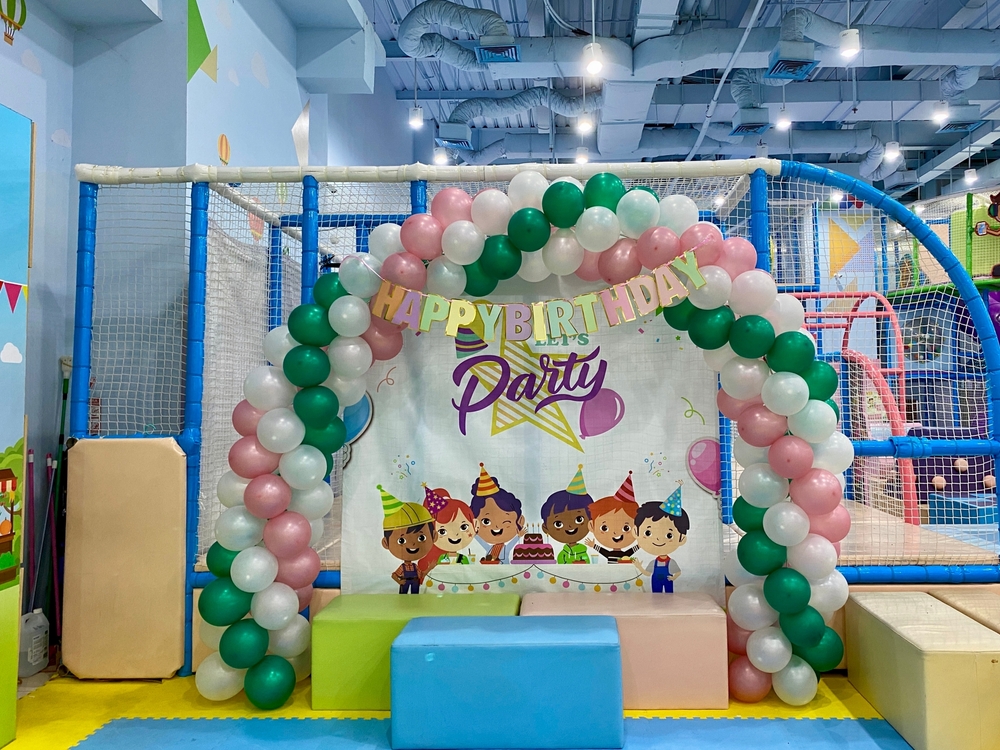
Filed Under: Parenting Tagged With: affordable parties, birthday party costs, birthday party ideas, children, Family Budget, family finances, kids birthday parties, Parenting, Saving Money, Social Media

7 School Lunch Payment Fees Quietly Raising Parents’ Costs

July 31, 2026 | Leave a Comment

Kids Eating Lunch
A parent should review a school lunch payment app while comparing deposit options, highlighting how transaction fees can quietly increase back-to-school costs. Understanding local payment policies may help families reduce unnecessary expenses. (Pexels).

Back-to-school shopping isn’t the only expense catching families off guard. Across the country, some parents are discovering that simply adding money to a child’s cafeteria account can come with extra costs that slowly add up over the school year. While many districts offer free ways to pay for school meals, others rely on third-party payment platforms that may charge convenience or processing fees for certain payment methods. Because policies vary by district, understanding these school lunch payment fees can help parents avoid unnecessary expenses and stretch their education budget further.

1. Convenience Fees for Online Deposits

Many school districts partner with third-party payment companies that allow parents to fund lunch accounts online or through mobile apps. Some platforms charge a flat convenience fee each time money is added, regardless of the deposit amount. The Consumer Financial Protection Bureau found average transaction fees of about $2.37, or roughly 4.4% of a deposit, in many districts it reviewed, though fees differ by provider and district. A parent making small weekly deposits could spend noticeably more over an entire school year than someone making fewer, larger deposits. Not every district passes these costs to families, so checking local payment policies is worthwhile.

2. Small Deposits Can Mean Bigger Annual Costs

Families often add $10 or $20 at a time because that fits their weekly budget. Unfortunately, when a flat fee applies to every transaction, frequent deposits can increase total costs. The CFPB estimated that parents making biweekly online deposits could pay more than $40 in fees over a school year, while those making only a few larger deposits would pay far less. These examples are estimates rather than guarantees, since every district operates differently. If your budget allows, fewer deposits may reduce the impact of school lunch payment fees.

3. Credit and Debit Card Processing Charges

Some payment platforms apply fees only when parents use a credit or debit card. Others may waive fees for electronic bank transfers or have different pricing structures depending on the payment method selected. Before completing a transaction, it is worth reviewing all available payment options on the platform. Even a quick glance at the payment screen can reveal a lower-cost alternative. Spending an extra minute comparing methods may save money throughout the school year.

4. Refund Fees or Balance Policies

When a student changes schools or graduates, families sometimes request a refund of unused lunch account balances. Depending on district policy or the payment processor, refunds may take time or involve administrative requirements. Some districts encourage families to transfer remaining balances to another student or leave funds for future use instead of requesting a refund. Since these policies vary widely, parents should review their district’s nutrition services information before making assumptions. Knowing the rules early helps avoid surprises later.

5. Automatic Reload Features

Many online payment systems offer automatic account reloading whenever a balance falls below a certain amount. While convenient, each automatic reload could trigger another processing fee if the platform charges per transaction. Parents who do not review these settings may unknowingly pay multiple fees throughout the semester. Checking account preferences once or twice a year can help ensure automatic payments still fit the family’s budget and spending habits. A larger reload amount may reduce estimated annual fees, but families should avoid depositing more than they can comfortably leave in the account.

6. Limited Awareness of Free Payment Options

Schools participating in the National School Lunch Program are expected to provide families with a fee-free way to add money to meal accounts. However, those options are not always the most visible or convenient, especially if online payment portals are promoted more prominently. In many districts, paying by cash, check, or another approved method may avoid transaction charges entirely. Families should remember that not every school charges online fees, and many districts absorb these costs on behalf of parents. Asking the school nutrition office about available payment methods can uncover options that save money.

7. Fees That Seem Small but Add Up

A single $2 fee may not seem significant during a busy school week. Over several months, however, repeated charges can quietly increase a family’s annual education expenses, especially for households with multiple children. Between school meals, activity fees, and other back-to-school costs, even modest savings can make a meaningful difference. Reviewing payment habits once each semester is a practical way to keep school lunch payment fees under control without making major lifestyle changes. A few small adjustments today could leave more room in the family budget tomorrow.

A Smarter Way to Manage School Lunch Costs

The convenience of online lunch payments has made life easier for millions of parents, but convenience sometimes comes at a price. Since every school district handles payment systems differently, families should review local policies before assuming every online deposit carries a fee. Looking for fee-free payment methods, making fewer deposits when practical, and understanding refund and reload policies can help reduce unnecessary costs. Staying informed is one of the easiest ways to protect your household budget while ensuring children have reliable access to school meals.

What strategies have helped you save money on school-related expenses, and should districts do more to make fee-free options easier to find? Share your experience or tips in the comments to help other parents navigate school lunch payment fees more confidently.

What to Read Next

Why “Back to School” Shopping Feels Like a Mortgage Payment Now

Teachers Beg Parents: Stop Buying These 7 High-Sugar Snacks for School Lunches

8 Reasons Your Kids Prefer School Lunches to What You Pack

Evan Morgan

Evan Morgan has been a full-time freelance writer and editor for 10+ years. When not working, he enjoys catching the latest true crime documentary or getting lost in a good book.

Filed Under: Parenting Tagged With: Back to School, education costs, Family Budget, household budgeting, Parenting, personal finance, Saving Money, school lunch payment fees, school lunches, School Nutrition

« Previous Page
Next Page »
  • Facebook
  • Pinterest
  • RSS
  • Twitter

Basic Principles Of Good Parenting

Here some basic principles for good parenting:

  1. What You Do Matters: Your kids are watching you. So, be purposeful about what you want to accomplish.
  2. You Can’t be Too Loving: Don’t replace love with material possessions, lowered expectations or leniency.
  3. Be Involved Your Kids Life: Arrange your priorities to focus on what your kid’s needs. Be there mentally and physically.
  4. Adapt Your Parenting: Children grow quickly, so keep pace with your child’s development.
  5. Establish and Set Rules: The rules you set for children will establish the rules they set for themselves later.  Avoid harsh discipline and be consistent.
  6. Explain Your Decisions: What is obvious to you may not be evident to your child. They don’t have the experience you do.
  7. Be Respectful To Your Child: How you treat your child is how they will treat others.  Be polite, respectful and make an effort to pay attention.
Best Parenting Blogs

Most Popular

Baby

9 Unusual Baby Names That Sound Like They Belong to Future CEOs

Evan Morgan
Baby

10 Baby Names That Were Once Considered “Grandparent Names” but Feel Cool Again

Evan Morgan
Baby

9 Baby Names Inspired by Fall Without Naming Your Child Autumn

Evan Morgan
Baby

10 Vintage Baby Names That Sound Surprisingly Modern Again

Evan Morgan
Baby

9 Baby Names That Sound Expensive Even Though Naming Your Baby Is Still Free

Evan Morgan

All content on Kids Ain’t Cheap is for entertainment purposes only. By reading this blog, you agree that Kids Ain’t Cheap is not responsible for any actions taken after reading this blog. For the full disclaimer, see our privacy policy.

Please note that Kids Ain’t Cheap has financial relationships with some of the merchants mentioned here. Kids Ain’t Cheap is funded by banner advertising, commission sales and search optimization consulting.

Copyright © 2006–2026 | District Media | All Rights Reserved | Privacy Policy

Copyright © 2026 Runway Pro Theme by Viva la Violette