• Home
  • About Us
  • Toolkit
  • Archives
  • Advertise
  • Privacy Policy

Kids Ain't Cheap

But They Sure Are Worth It

  • Parenting
    • Baby Stuff
    • Books and Reading
      • Aesops Fables
      • Comic Books
    • Education
    • Family Time
    • Green Living
    • Growing Up
    • Healthy Living & Eating
    • Holidays
    • Parenting
    • Random Musings
    • Shopping
    • Stuff to Do
  • Money
  • Product Reviews
    • Books and Magazines
    • Discount Sites
    • Furniture
    • House Keeping
    • Reviews News
    • Toys and Games
  • Contact Us
  • Our Editorial Commitment
  • Search

Golden Arches, Empty Wallet: 7 Real-World Meals Better Than Takeout

March 16, 2026 | Leave a Comment

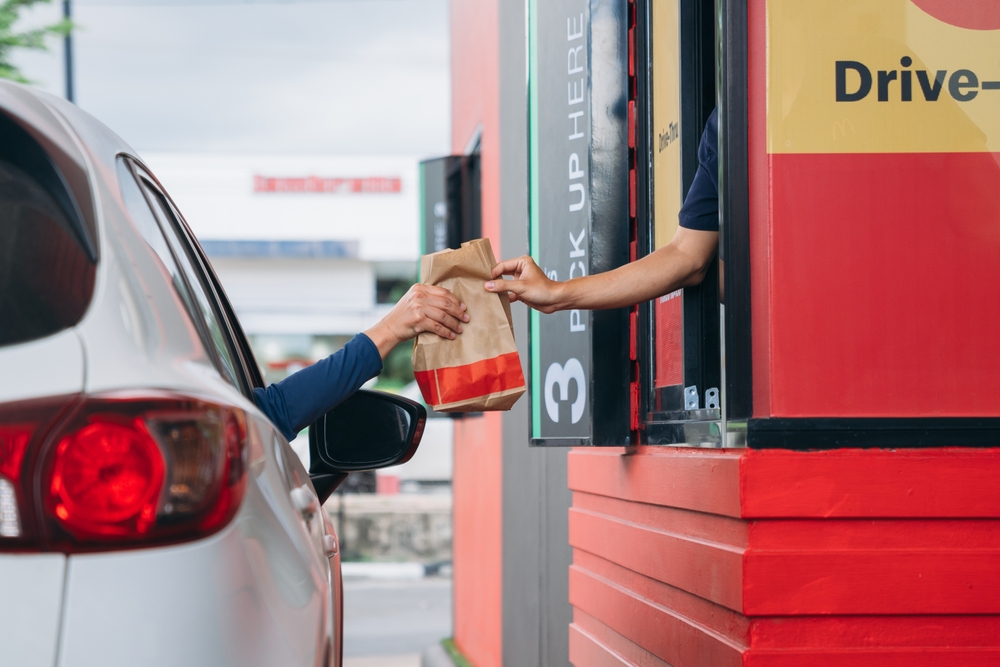
high cost of fast food
Image source: shutterstock.com

Drive-thru trips once served as the ultimate budget hack for busy families. You could feed a family of four for twenty dollars and still have time for homework. Those days are gone, replaced by surging prices and shrinking portions that leave your wallet and stomach empty. The high cost of fast food now hits your financial stability harder than your waistline. We are pulling back the curtain on why the golden arches are failing you. Here are several alternatives that are better for your heart and your bank account.

1. The Convenience Myth and the Price of Exhaustion

The fast food system wants you to believe you are too busy to cook. Consequently, you pay a massive premium for a mediocre burger. In 2026, fast food price inflation continues to outpace grocery store increases. This shift turns a basic convenience into a luxury. Your receipt covers corporate overhead, massive marketing budgets, and plastic packaging. You are essentially subsidizing a system that relies on your exhaustion to turn a profit.

2. Reclaiming the Dinner Hour Without the Commute

The time you save in the drive-thru is often an illusion. Factoring in the commute and long lines usually reveals a hidden time sink. By the time you get home, the food is cold. Salt-heavy ingredients often leave you feeling lethargic and bloated. This physical toll leads to lower productivity and higher healthcare costs later. Breaking this habit is the most effective way to improve your family’s financial future.

3. Rotisserie Chicken and the Grocery Store Hack

You do not need to be a gourmet chef to escape the fast food trap. You just need a better strategy. Consider purchasing a pre-cooked rotisserie chicken from the grocer for half the price of a fast food meal. Sheet pan dinners also offer a simple solution. You just toss veggies and protein on a tray for 20 minutes while the oven does the work.

4. Modern Frozen Meals and Clean-Label Choices

Modern frozen meals provide another great option. High-quality, clean-label frozen options are now cheaper and healthier than takeout. You can also assemble a 15-minute grain bowl using pre-cooked rice and canned beans. Breakfast for dinner remains a classic budget saver. Eggs and whole-grain toast are incredibly cheap and packed with nutrients.

5. Batch Cooking and the Power of Sunday Prep

Batch-cooked soups can provide a week of quick, microwave-ready lunches with just one Sunday afternoon of effort. For a lighter meal, try a salad kit upgrade. Add canned tuna or chickpeas to a store-bought kit for a massive nutritional boost. Shifting your mindset about meal prep is the real key to long-term success. You do not need to spend hours in the kitchen. Simply keep a few reliable staples in your pantry. Nutrition.gov offers excellent resources for planning these transitions without stress.

6. Protecting Your Wealth Through Your Plate

Your grocery bill is one of the few areas where you have total control over your return on investment. Investing in whole foods is preventive maintenance for your body. When you avoid the high cost of fast food, you free up cash for your retirement or emergency fund. This choice is a double win for your lifestyle. The industry wants you to feel powerless, but every meal at home is a vote for your autonomy. You deserve better than a greasy bag and a shrinking bank account.

7. Reclaiming Your Integrity and Long-Term Health

The high cost of fast food is a wake-up call. We can no longer afford to outsource our nutrition to corporations. By choosing simple, whole-food alternatives, you protect your family from financial stress and metabolic damage. This transition does not have to happen overnight. Start with just two nights a week and watch the savings pile up. Your kitchen is the most powerful tool you own for building the life you want.

A Fresh Start for Your Family Finances

The shift away from the drive-thru is more than a budget choice. It is a lifestyle transformation. As the price gap between dining out and cooking at home continues to widen in 2026, the real value lies in the quality of the time and fuel you give your family. By reclaiming your kitchen, you are not just saving money. You are reinvesting in your family’s long-term vitality and financial freedom.

Has the recent spike in burger prices finally made you quit the drive-thru? Do you have a secret home-cooked meal that beats any takeout? Leave a comment below and share your best money-saving food tips.

What To Read Next….

  • 10 Foods That Spoil Faster Than You Think in Summer
  • A Parent’s Guide to Safe Heating at Home
  • Virginia Baby Food Ban: 5 Specific Brands Just Prohibited Under New Safety Laws
Latrice Perez

Latrice is a dedicated professional with a rich background in social work, complemented by an Associate Degree in the field. Her journey has been uniquely shaped by the rewarding experience of being a stay-at-home mom to her two children, aged 13 and 5. This role has not only been a testament to her commitment to family but has also provided her with invaluable life lessons and insights.  As a mother, Latrice has embraced the opportunity to educate her children on essential life skills, with a special focus on financial literacy.

Filed Under: Money and Finances Tagged With: budgeting, Clean Eating, Family Nutrition, Fast Food Prices, food inflation, healthy eating, meal prep, personal finance

Why Your Family Could Be Spending More on Food This December — and What to Do

December 26, 2025 | Leave a Comment

Why Your Family Could Be Spending More on Food This December — and What to Do
Image source: shutterstock.com

December has a sneaky way of turning a “normal” grocery run into a receipt that makes you blink twice. One week it’s party snacks, the next it’s classroom treats, and suddenly your cart looks like it’s prepping for three different holidays. If you’re feeling like your household is spending more on food right now, you’re not imagining it. Seasonal routines, packed calendars, and “just this once” extras can stack up fast, especially when kids are involved. The good news is you can keep the fun parts of December without letting your grocery budget get steamrolled.

Holiday Timing Hits Your Pantry Budget

December crowds your calendar, and busy weeks push families toward faster meals and last-minute store trips. That’s how “quick fixes” turn into spending more on food without anyone making a big decision. Kids also tend to eat more snacks during school parties, breaks, and long indoor afternoons. On top of that, you’re often buying for two timelines at once: regular meals plus holiday-specific items. When the month feels like a sprint, your budget usually pays the price first.

Convenience Costs Add Up Faster Than You Think

Convenience food isn’t “bad,” but it’s usually priced for speed, not for value. Pre-cut fruit, single-serve snacks, and ready-to-heat dinners can quietly multiply the total even when the cart looks small. If you’re spending more on food, check how many items are paying for packaging and prep rather than actual ingredients. Delivery fees and tips also count as food spending, even if they don’t show up in the grocery aisle. A helpful mindset is to treat convenience like a tool you use on purpose, not the default setting.

How To Stop Spending More on Food Without Canceling December

Start by choosing one “anchor plan” for the week, like two easy dinners, one leftover night, and one breakfast-for-dinner night. Next, set a tiny rule that reduces impulse buys, such as “no new snacks unless we finish what’s open.” Put your holiday extras in their own mini budget line, because mixing them into groceries makes everything feel out of control. Make one store trip your “boring restock” run and keep it focused on staples you actually use. When you decide the plan first, the store stops deciding for you.

Batch-Plan December Meals Without Feeling Miserable

Meal planning in December works best when it’s flexible and a little repetitive. Pick three dinners your family already likes, and rotate them to reduce decision fatigue. This is also a great month to build a “freezer helper” list so you’re not spending more on food because you ran out of time. Think easy backups like frozen ravioli, soup ingredients, or a sheet-pan meal you can assemble in minutes. The goal isn’t a perfect plan, it’s fewer emergency purchases.

Shop Smarter When Stores Are Packed

Crowded stores make it harder to compare prices, remember your list, and avoid extras. If you’re spending more on food, try shopping earlier in the day, ordering pickup for staples, or splitting shopping into two smaller trips. Keep a running list on your phone and add items the moment you notice you’re low. Watch out for “holiday display drift,” where you grab seasonal items just because they’re right in front of you. A quick check at checkout can help too: remove one impulse item before you pay.

Build A “Good Enough” Treat Budget For Kids

Holiday treats can be sweet memories, but they don’t need to be endless to feel special. Decide on a treat rhythm, like one fun snack day per week or one dessert night that everyone looks forward to. This helps when you’re spending more on food because “extras” have become daily instead of occasional. You can also swap in lower-cost wins, like homemade popcorn mix, cocoa nights at home, or a single bakery treat split family-style. Kids usually remember the tradition and attention more than the brand name.

The January Reset That Keeps This From Repeating

Before December ends, write down what actually drove your total higher this month. If you’re spending more on food, you’ll usually spot two or three repeat patterns, like extra snacks, more takeout, or too many last-minute trips. Build one simple rule for January that targets the biggest driver, not everything at once. Keep the holiday items that worked, like a freezer backup or a planned treat night, and drop the rest. When you turn this month into data instead of drama, next December gets easier.

What’s the biggest “December food budget surprise” in your house—snacks, takeout, holiday parties, or something else?

What to Read Next…

Food Hacks to Turn Leftovers Into Kids’ Lunches That Beat Store Prices

Large Family Grocery List: 12 Must-Have Items to Keep Everyone Fed and Happy

Snack Attack: Healthy Toddler Foods for Grazing Kids

8 Sneaky Ways to Get Your Children to Eat Food They Don’t Like

Eat More, Weigh Less: 15 Foods That Are Perfect for Snacking

Catherine Reed
Catherine Reed

Catherine is a tech-savvy writer who has focused on the personal finance space for more than eight years. She has a Bachelor’s in Information Technology and enjoys showcasing how tech can simplify everyday personal finance tasks like budgeting, spending tracking, and planning for the future. Additionally, she’s explored the ins and outs of the world of side hustles and loves to share what she’s learned along the way. When she’s not working, you can find her relaxing at home in the Pacific Northwest with her two cats or enjoying a cup of coffee at her neighborhood cafe.

Filed Under: Shopping Tagged With: Family Budgeting, food inflation, frugal living, grocery budget, holiday spending, kids and food, Meal Planning, Saving Money

  • Facebook
  • Pinterest
  • RSS
  • Twitter

Basic Principles Of Good Parenting

Here some basic principles for good parenting:

  1. What You Do Matters: Your kids are watching you. So, be purposeful about what you want to accomplish.
  2. You Can’t be Too Loving: Don’t replace love with material possessions, lowered expectations or leniency.
  3. Be Involved Your Kids Life: Arrange your priorities to focus on what your kid’s needs. Be there mentally and physically.
  4. Adapt Your Parenting: Children grow quickly, so keep pace with your child’s development.
  5. Establish and Set Rules: The rules you set for children will establish the rules they set for themselves later.  Avoid harsh discipline and be consistent.
  6. Explain Your Decisions: What is obvious to you may not be evident to your child. They don’t have the experience you do.
  7. Be Respectful To Your Child: How you treat your child is how they will treat others.  Be polite, respectful and make an effort to pay attention.
Best Parenting Blogs

Most Popular

Baby Girl

12 “Grandma” Baby Names That Are Suddenly Cool Again

Evan Morgan
Baby

9 Baby Names That Sound Rare Without Being Hard to Spell

Evan Morgan
Target Store

Choking Incident Prompts Recall of 49,000 Target Gigglescape “Under the Sea” Popping Toys

Evan Morgan
Frustrated Girl

Why Some Students on the Spectrum Are Labeled With ODD

Evan Morgan
Coke Bottles

12 Things Kids Took to School in the ’70s That Would Never Be Allowed Today

Evan Morgan

All content on Kids Ain’t Cheap is for entertainment purposes only. By reading this blog, you agree that Kids Ain’t Cheap is not responsible for any actions taken after reading this blog. For the full disclaimer, see our privacy policy.

Please note that Kids Ain’t Cheap has financial relationships with some of the merchants mentioned here. Kids Ain’t Cheap is funded by banner advertising, commission sales and search optimization consulting.

Copyright © 2006–2026 | District Media | All Rights Reserved | Privacy Policy

Copyright © 2026 Runway Pro Theme by Viva la Violette