• Home
  • About Us
  • Toolkit
  • Archives
  • Advertise
  • Privacy Policy

Kids Ain't Cheap

But They Sure Are Worth It

  • Parenting
    • Baby Stuff
    • Books and Reading
      • Aesops Fables
      • Comic Books
    • Education
    • Family Time
    • Green Living
    • Growing Up
    • Healthy Living & Eating
    • Holidays
    • Parenting
    • Random Musings
    • Shopping
    • Stuff to Do
  • Money
  • Product Reviews
    • Books and Magazines
    • Discount Sites
    • Furniture
    • House Keeping
    • Reviews News
    • Toys and Games
  • Contact Us
  • Our Editorial Commitment
  • Search

The One Back-to-School Expense Families Forget Every Year

July 19, 2026 | Leave a Comment

Backpacks
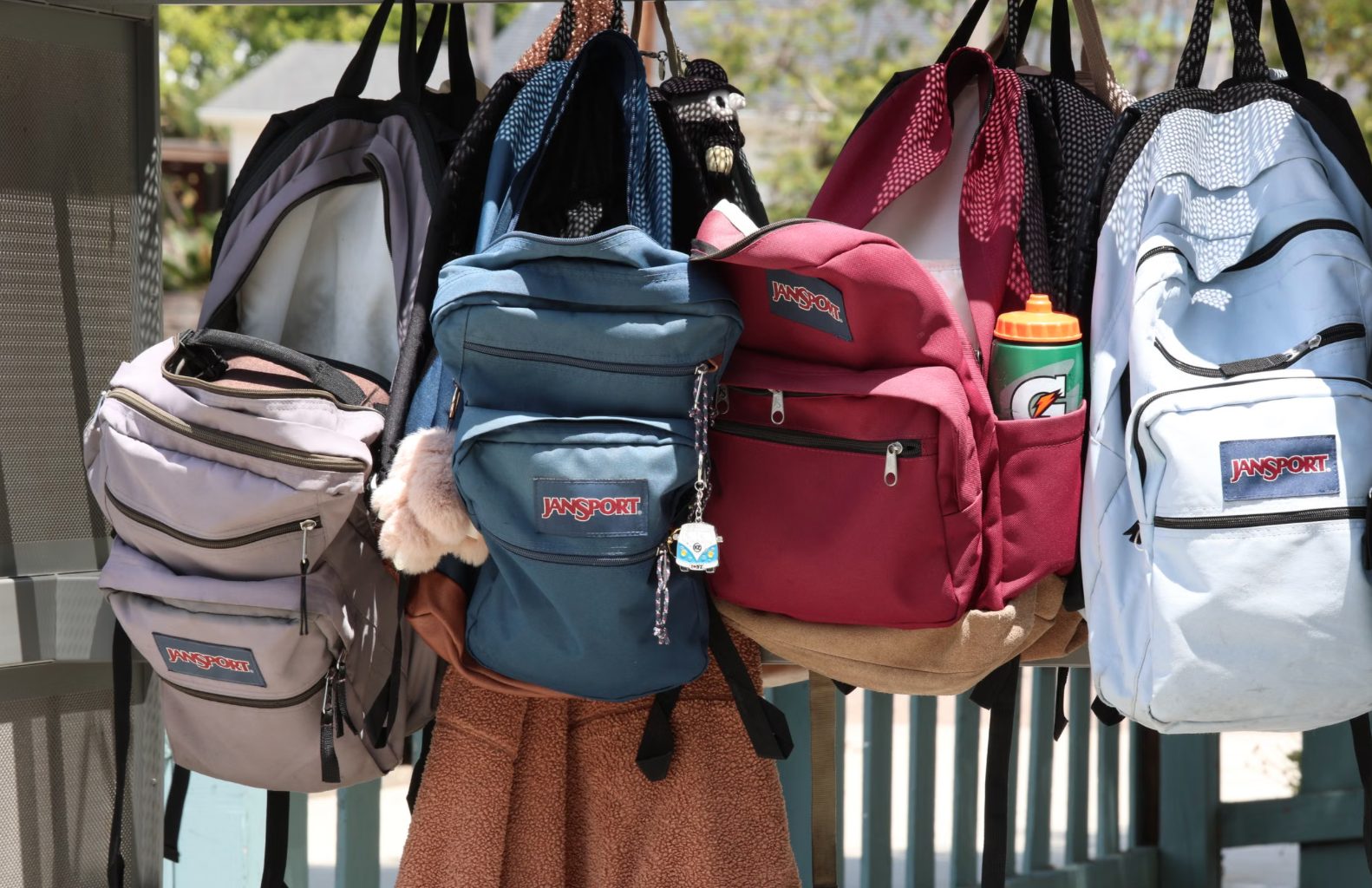
Parents often budget for backpacks and supplies but overlook the smaller school costs that appear throughout the year. Planning ahead for hidden school expenses can help reduce financial stress. (Pexels).

Back-to-school shopping usually starts with notebooks, backpacks, and new shoes, but one important cost often catches families by surprise after the first day of class. Hidden school expenses can quietly add hundreds of dollars to a family’s budget over the course of the school year. While many parents carefully plan for supply lists, they often overlook the steady stream of smaller costs that arrive weeks or months later. Recognizing these expenses early can help families avoid financial stress and keep their budgets on track.

The Hidden School Costs That Add Up Fast

The biggest forgotten expense isn’t a single purchase but the ongoing costs that appear throughout the school year. Field trips, classroom activity fees, school photos, book fairs, spirit wear, fundraisers, replacement supplies, and club dues can easily add up before parents realize how much they’ve spent. A child who loses a water bottle, breaks headphones, or needs new folders halfway through the year creates additional surprise expenses. According to the National Retail Federation, families already expect to spend hundreds of dollars before school even begins, making unexpected costs even harder to absorb. Planning for these hidden school expenses from the beginning helps prevent financial surprises later.

Why These Expenses Catch Families Off Guard

Most school shopping happens during a few busy weeks, giving parents the impression that the largest costs are behind them. However, schools often send permission slips, fundraiser announcements, and activity requests throughout the year instead of all at once. A family might pay $20 for a field trip one week, $35 for school pictures the next, and another $25 for a classroom celebration shortly afterward. None of these expenses seems overwhelming on its own, but together they can significantly stretch a monthly budget. This pattern explains why many families feel financially squeezed even after finishing their back-to-school shopping.

Simple Ways to Prepare Before the School Year Starts

Creating a small “school extras” fund is one of the easiest ways to stay ahead of unexpected costs. Even setting aside $15 to $25 each month throughout the year can build a helpful cushion before classes begin. Keeping extra pencils, glue sticks, folders, and notebooks at home also reduces last-minute trips to the store when supplies run out. Shopping during seasonal sales and purchasing generic brands whenever schools allow can stretch every dollar further. Many parents also reuse gently used backpacks, lunch boxes, and binders if they remain in good condition, saving money without sacrificing quality.

Don’t Forget Technology and Replacement Costs

Technology has become another overlooked category of hidden school expenses. Many students now need headphones, calculators, charging cables, computer mice, or device cases, and these items occasionally need replacing during the school year. Younger children are especially likely to misplace accessories or accidentally damage them through everyday use. Purchasing inexpensive protective cases and labeling personal items can reduce replacement costs while helping children keep track of their belongings. Spending a little on prevention often saves much more than repeatedly replacing lost or broken equipment.

Looking Beyond the Supply List

Back-to-school shopping doesn’t truly end when the first bell rings because hidden school expenses continue appearing throughout the year. Families who plan ahead for these smaller costs often experience less financial stress and avoid relying on credit cards for unexpected purchases. A realistic annual school budget should include not only supplies and clothing but also room for activities, replacement items, and special events. Preparing for the expenses you cannot always predict is one of the smartest financial moves parents can make.

Which hidden school expense surprised your family the most, and what tips would you share with other parents? Leave a comment and join the conversation.

What to Read Next

Why “Back to School” Shopping Feels Like a Mortgage Payment Now

5 Ideas For Back To School Photos

6 School Policy Changes Parents Should Watch This Year

Evan Morgan

Evan Morgan has been a full-time freelance writer and editor for 10+ years. When not working, he enjoys catching the latest true crime documentary or getting lost in a good book.

Filed Under: Parenting Tagged With: Back to School, education, Family Budget, hidden school expenses, Money Saving Tips, Parenting, personal finance, school supplies

  • Facebook
  • Pinterest
  • RSS
  • Twitter

Basic Principles Of Good Parenting

Here some basic principles for good parenting:

  1. What You Do Matters: Your kids are watching you. So, be purposeful about what you want to accomplish.
  2. You Can’t be Too Loving: Don’t replace love with material possessions, lowered expectations or leniency.
  3. Be Involved Your Kids Life: Arrange your priorities to focus on what your kid’s needs. Be there mentally and physically.
  4. Adapt Your Parenting: Children grow quickly, so keep pace with your child’s development.
  5. Establish and Set Rules: The rules you set for children will establish the rules they set for themselves later.  Avoid harsh discipline and be consistent.
  6. Explain Your Decisions: What is obvious to you may not be evident to your child. They don’t have the experience you do.
  7. Be Respectful To Your Child: How you treat your child is how they will treat others.  Be polite, respectful and make an effort to pay attention.
Best Parenting Blogs

Most Popular

11 Ways Kids Are Outsmarting Parental Controls 1. Using Alternate Devices One common trick is simply turning to another device. If a child’s main phone or tablet is restricted, they may borrow a sibling’s, friend’s, or even a school laptop. This instantly gives them access to content outside of parental oversight. Parents often focus on one device, forgetting that others in the household can serve as loopholes. Knowing this tactic helps families tighten controls across all electronics. 2. Clearing Browsing Histories Many kids quickly learn that clearing browsing history hides evidence of restricted activity. With just a few clicks, they can erase any trace of websites visited. This makes it harder for parents to notice when rules are being broken. Parents may assume no history means no browsing, but the reality is often the opposite. Kids are outsmarting parental controls by making it seem like nothing happened at all. 3. Using Private Browsing Modes Most browsers offer “incognito” or private browsing features. Kids use this mode to access websites without leaving a record in the history. To parents checking later, everything looks clean and safe. This simple trick is often one of the first ways kids discover how to bypass restrictions. Conversations about private browsing can help close this gap. 4. Guessing or Resetting Passwords Children who are persistent may try to guess passwords to parental control apps or accounts. Others may find ways to reset them through email prompts or security questions. Once inside, they can disable restrictions entirely. Parents may not even realize controls have been altered until much later. Stronger, less predictable passwords can make this more difficult. 5. Using VPNs to Hide Activity Virtual private networks, or VPNs, let kids disguise their online locations. With one downloaded app, they can bypass geographic or parental restrictions. Some children learn about VPNs through friends or even social media. This makes it easy for them to reach content that should be blocked. Parents often underestimate just how simple it is for kids to use these tools. 6. Creating Fake Accounts When parents monitor social media, kids may create hidden accounts. These “finstas” or fake profiles allow them to interact freely without parental oversight. While their main account appears harmless, the secondary one tells a different story. Kids are outsmarting parental controls by playing both sides at once. Checking for duplicate accounts can help parents stay more aware. 7. Exploiting Time Zone Settings Some kids change the time zone on their devices to bypass screen time limits. This trick allows them to gain extra hours of usage undetected. Parents may assume controls are working, but in reality, the child is bending the clock. It’s a clever loophole that highlights just how resourceful kids can be. Monitoring device settings regularly can catch this tactic. 8. Disabling or Uninstalling Apps Parental control apps can be deleted or disabled with surprising ease. Some kids even reinstall them before a parent checks, making it seem like nothing changed. Others may simply restrict permissions to prevent apps from functioning properly. When apps aren’t monitored closely, parents may not notice they’ve been tampered with. This shows the importance of consistent follow-up. 9. Turning to Friends for Access If a child can’t get past restrictions on their own, they may rely on friends. Visiting a friend’s house or borrowing their phone can give them a free pass. Parents often forget that peer environments can override restrictions set at home. This kind of social workaround is especially common with gaming or social media. Open conversations about trust and responsibility are essential. 10. Hiding Apps in Plain Sight Kids sometimes download apps that look innocent but serve as gateways to hidden activity. These apps may disguise themselves as calculators or utilities. In reality, they allow file storage, private messaging, or browser access. Parents glancing at a home screen may overlook them entirely. Learning to recognize these disguised apps can help parents stay informed. 11. Outpacing Parents’ Tech Knowledge Finally, kids often know more about devices than their parents do. Whether through YouTube tutorials, TikTok hacks, or peer groups, they quickly learn advanced workarounds. This knowledge gap means controls can be bypassed before parents even realize the loophole exists. Staying informed and continually learning about new technology is the best defense. Kids are outsmarting parental controls because they adapt faster than most adults. The Real Solution Lies Beyond Restrictions While controls and filters are important, no system is perfect. Kids will always find creative ways around barriers, making communication the strongest safeguard. Setting clear expectations, building trust, and having ongoing conversations about online behavior matter more than apps alone. Parents who combine technology with open dialogue create a safer digital environment. The goal isn’t to win a battle of wits but to build a relationship that keeps kids both safe and honest. Do you think kids are outsmarting parental controls faster than parents can keep up? Share your experiences in the comments below. What to Read Next... 6 Parenting Tech Shortcuts That Can Expose Your Child to Strangers How Much Screen Time Is Too Much—Legally Speaking? Is Your Child’s School Quietly Tracking Their Location Without Your Consent? How Much Screen Time Is Quietly Reshaping Childhood Behavior? Why Some Parents Are Being Investigated Over Homeschooling Records

11 Ways Kids Are Outsmarting Parental Controls

Catherine Reed
Smiling grandfather holding a happy baby indoors.

Why Grandparents Shouldn’t Babysit Their Grandkids Every Week – The Unspoken Issue

Samantha
Girl getting makeup done, referencing psychologist-approved age.

Wearing Makeup: Here Is the Age That Psychologists Agree It’s Okay for Girls to Wear Makeup

Samantha
birthday gifts

7 Birthday Gifts Your Child Should Never Bring to a Party

Latrice Perez

Babysitting Without Cash: 10 Ways to Barter Your Way Out of Childcare Costs

Ashleigh Clyde

All content on Kids Ain’t Cheap is for entertainment purposes only. By reading this blog, you agree that Kids Ain’t Cheap is not responsible for any actions taken after reading this blog. For the full disclaimer, see our privacy policy.

Please note that Kids Ain’t Cheap has financial relationships with some of the merchants mentioned here. Kids Ain’t Cheap is funded by banner advertising, commission sales and search optimization consulting.

Copyright © 2006–2026 | District Media | All Rights Reserved | Privacy Policy

Copyright © 2026 Runway Pro Theme by Viva la Violette