• Home
  • About Us
  • Toolkit
  • Archives
  • Advertise
  • Privacy Policy

Kids Ain't Cheap

But They Sure Are Worth It

  • Parenting
    • Baby Stuff
    • Books and Reading
      • Aesops Fables
      • Comic Books
    • Education
    • Family Time
    • Green Living
    • Growing Up
    • Healthy Living & Eating
    • Holidays
    • Parenting
    • Random Musings
    • Shopping
    • Stuff to Do
  • Money
  • Product Reviews
    • Books and Magazines
    • Discount Sites
    • Furniture
    • House Keeping
    • Reviews News
    • Toys and Games
  • Contact Us
  • Our Editorial Commitment
  • Search

5 Popular Children’s Toys That Should Be Banned for Safety Reasons

March 25, 2025 | Leave a Comment

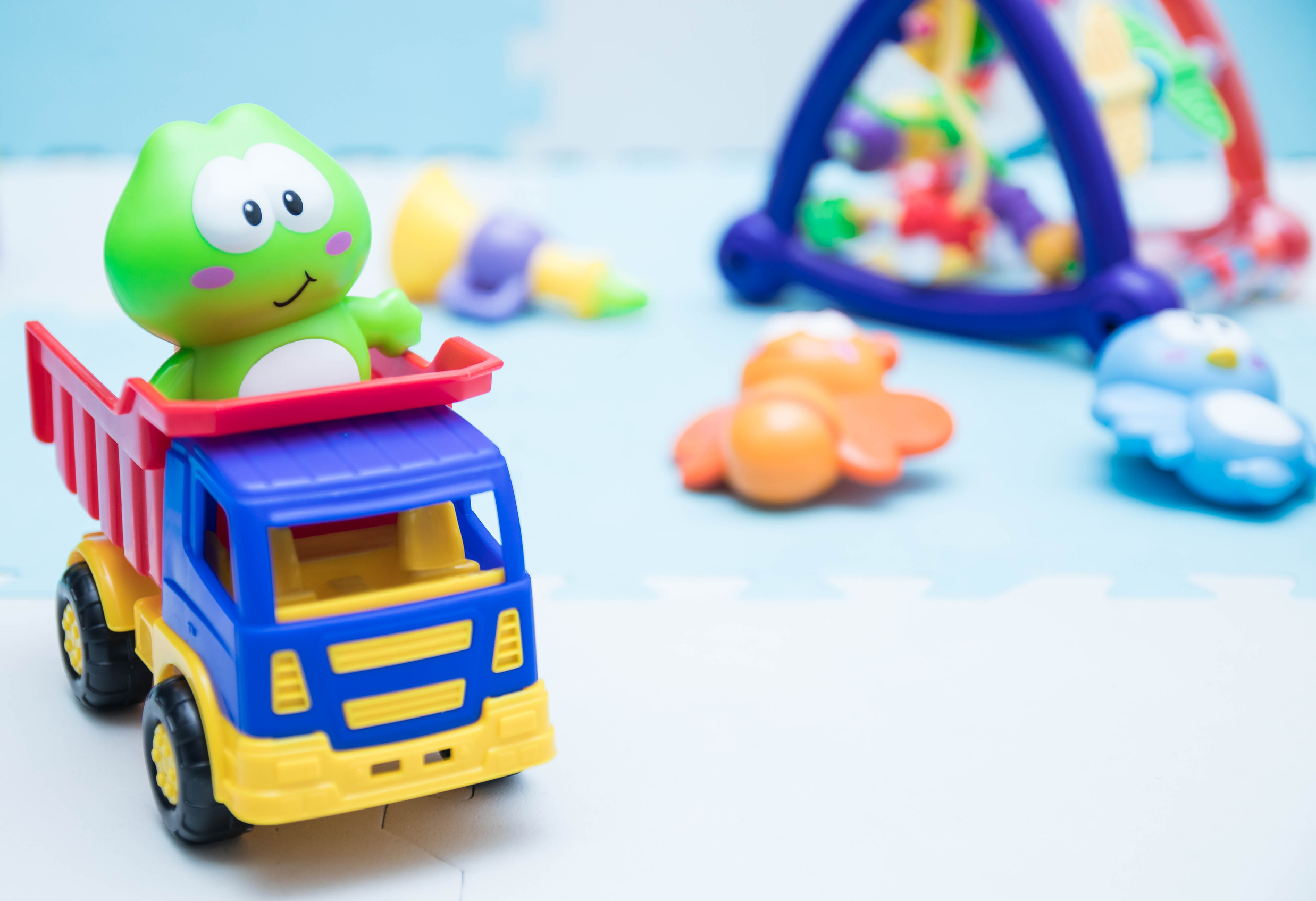
Children's toys. A small machine close-up for children. playing mat with children's toys.
Image Source: 123rf.com

Every year, millions of toys are purchased worldwide to entertain and educate young children. Parents trust toy manufacturers to deliver safe, quality products that spark creativity and joy. Unfortunately, some popular toys carry hidden dangers that can endanger a child’s health and safety. Despite their appealing designs and widespread popularity, certain toys consistently result in injuries or accidents. In this article, we examine five types of toys that should be reconsidered due to serious safety concerns.

The allure of trendy toys can often overshadow the risks associated with them. From choking hazards to toxic materials, not all toys meet modern safety standards. It’s essential for parents to stay informed about potential dangers and advocate for safer products. Research and vigilance can prevent preventable injuries in children. Prioritizing safety when choosing toys is a critical aspect of responsible parenting.

1. Magnetic Building Sets

Magnetic toys designed for creative building have gained popularity among children of various ages. However, many of these sets contain small, powerful magnets that pose a severe choking hazard if ingested. When swallowed, multiple magnets can attract each other inside the body, causing life-threatening complications. Despite recalls and warnings, incidents with these sets continue to occur. A ban or stricter regulation of these magnetic toys could significantly reduce preventable injuries.

2. High-Powered Laser Pointers

Laser pointers marketed as toys may seem harmless, but high-powered versions can cause severe eye damage. These devices have been known to cause permanent vision loss if misused. Children often do not understand the risks and might inadvertently point them at their eyes or others’. Frequent accidents and injuries associated with laser pointers highlight the need for strict safety controls. A ban on these high-powered devices for toy use is essential to protect young eyes.

3. Water Bead Toys

Water bead toys are popular for sensory play, as they change size and texture when soaked in water. Unfortunately, their small size and appealing colors can lead young children to mistake them for candy. If ingested, these beads expand inside the body, posing serious choking and blockage risks. Despite warnings, these toys remain accessible and continue to cause injuries. Tighter regulations or a ban on water beads could prevent numerous health emergencies.

4. Projectile Launchers and Dart Guns

Dart board
Image Source: 123rf.com

Toys that launch projectiles, such as dart guns or disc launchers, often lack adequate safety features. Even foam projectiles can cause injury when propelled at high speeds, especially to the eyes and face. Misuse or accidental discharge frequently leads to painful injuries or worse. The risks associated with these toys have prompted safety advocates to call for stricter age restrictions or bans. Prioritizing child safety means rethinking the design and accessibility of these products.

5. Hoverboards

Hoverboards have become a trendy mode of personal transport for older children, but they come with significant risks. Reports of battery fires, explosions, and falls leading to serious injuries are alarmingly common. Poor manufacturing standards and a lack of proper safety testing contribute to Hoverboard hazards. Parents and safety regulators alike have raised concerns about their widespread availability. A complete ban or rigorous safety standards for hoverboards is crucial to protect young users.

Prioritize Safety in Play

Children’s play should be a source of joy and learning, not danger. Being aware of the hidden risks associated with certain popular toys empowers you to make better purchasing decisions. Parents, caregivers, and regulators must work together to ensure that toys meet strict safety standards. A safer toy market not only prevents injuries but also provides peace of mind.

What safety measures do you practice when choosing toys for your child? Share your insights in the comments!

Read More:

These 7 Trending Toys Are on Every Kid’s Wish List

These Are the Best Educational Toys for 2-Year-Olds

Latrice Perez

Latrice is a dedicated professional with a rich background in social work, complemented by an Associate Degree in the field. Her journey has been uniquely shaped by the rewarding experience of being a stay-at-home mom to her two children, aged 13 and 5. This role has not only been a testament to her commitment to family but has also provided her with invaluable life lessons and insights.  As a mother, Latrice has embraced the opportunity to educate her children on essential life skills, with a special focus on financial literacy.

Filed Under: Baby Stuff Tagged With: children's toys, hoverboards, Parenting, waterbead toys

7 Reasons You Shouldn’t Post Pictures of Your Young Children Online

March 25, 2025 | Leave a Comment

A Group of happy children in studio gray background
Image Source: 123rf.com

In today’s digital age, sharing pictures of our children on social media feels as natural as breathing. Proud parents want to celebrate milestones, vacations, and everyday moments with friends and family. However, posting images of young children online isn’t always as harmless as it seems. The digital landscape holds hidden dangers that can pose real risks to your child’s safety and future. Before hitting “upload,” consider these seven important reasons to reconsider sharing your child’s pictures online.

Every photo posted online creates a permanent digital footprint that is nearly impossible to erase. What seems like a cute snapshot might end up affecting your child’s reputation later in life. From unwanted attention to potential misuse of images, the risks extend far beyond the immediate moment. As technology advances, so do the threats to privacy and security. Protecting your child starts with being mindful about what you share online.

1. Loss of Privacy

Once an image is online, it becomes accessible to a global audience. This loss of privacy means personal family moments can be viewed by strangers without your control. The digital space offers no guarantees that your child’s image won’t be misused. Every shared photo increases the chances of personal information being extracted. It’s vital to protect your child’s privacy by carefully choosing what gets posted.

2. Risk of Identity Theft

Sharing identifiable details alongside photos can make your child a target for identity theft. Cybercriminals are adept at gathering personal information from social media. Once your child’s data is out there, it can be exploited in harmful ways. This risk is particularly concerning given the long-term implications for their future. Safeguarding their identity means exercising caution in what you share.

3. Exploitation by Strangers

Images of children online can attract dangerous individuals with harmful intentions. Even well-meaning posts can be appropriated for exploitation or harassment. Strangers might use these photos to construct false identities or for nefarious purposes. The vulnerability of a child’s image in the digital world is a serious concern. Limiting public exposure is key to keeping your child safe.

4. Digital Footprint Concerns

Every picture adds to a digital archive that follows your child throughout their life. This permanent record can resurface at any time, often in unintended contexts. Future employers or academic institutions might discover these photos, affecting their opportunities. A negative digital footprint can have lasting consequences. It’s important to manage your child’s online legacy with care.

5. Online Bullying and Harassment

Teenage Girl Victim Of Bullying By Text Messaging
Image source: 123rf.com

Photos shared online can become targets for cyberbullies and trolls. Children may face hurtful comments or even harassment based on their online presence. The anonymity of the internet can amplify negative behavior, causing lasting emotional harm. Such bullying experiences can affect their self-esteem and mental health. Avoiding public posts helps shield your child from potential digital abuse.

6. Consent and Autonomy Issues

Young children cannot give informed consent for having their images shared online. By posting without their permission, you’re defining their digital identity for life. This lack of control over their own image can lead to regrets when they are older. Allowing children to decide later about their online presence fosters autonomy. Respecting their future consent is an important aspect of responsible parenting.

7. Commercial Exploitation

Images of children are sometimes scraped and used by companies without consent. Your child’s photo might end up in marketing campaigns or on commercial websites. This commercial exploitation removes control from the family and exposes the child to unforeseen risks. The financial motivations behind such actions can be unsettling. Limiting online sharing is a key step in protecting your child’s image from misuse.

Reconsider Sharing Kids Photos Online

Reconsidering the sharing of your child’s photos online is a step toward protecting their privacy and safety. Weighing the benefits against potential long-term risks is essential in today’s digital landscape. Parents must strike a balance between sharing precious moments and safeguarding personal data. Thoughtful online behavior can significantly reduce exposure to various digital threats.

What practices do you follow to protect your child’s digital privacy? Share your tips in the comments!

Read More: 

 10 Hidden Dangers of Social Media Every Parent Should Know

Drowning Prevention Tips for Parents with Young Children

Latrice Perez

Latrice is a dedicated professional with a rich background in social work, complemented by an Associate Degree in the field. Her journey has been uniquely shaped by the rewarding experience of being a stay-at-home mom to her two children, aged 13 and 5. This role has not only been a testament to her commitment to family but has also provided her with invaluable life lessons and insights.  As a mother, Latrice has embraced the opportunity to educate her children on essential life skills, with a special focus on financial literacy.

Filed Under: Parenting Tagged With: children online, exploitation by strangers, Kids, loss of privacy, Parenting, posting pictures

Here’s How Your Teenage Kids Are Getting Away With Breaking The House Rules

March 25, 2025 | Leave a Comment

Teenagers
Image Source: 123rf.com

Teenagers today have an uncanny ability to bend the rules in ways that often leave parents perplexed. As young adults seek more independence, traditional household guidelines are challenged by clever, modern tactics. This article uncovers the methods teens use to sidestep or manipulate rules without immediate detection. Understanding these strategies can help parents adjust their approach to discipline and communication. By learning how teens exploit loopholes, you can regain balance in your home.

The tension between granting freedom and enforcing discipline is more pronounced than ever. As technology evolves, so do the methods teenagers use to get away with breaking rules. Their resourcefulness can leave even the most vigilant parents one step behind. Recognizing these tactics is the first step in re-establishing control.

1. Mastering Technology Workarounds

Modern teens are incredibly tech-savvy and can easily bypass parental controls. They use methods such as VPNs, alternate apps, and hidden settings to evade restrictions. This technological expertise allows them to access content and communicate in secret. Parents may struggle to keep up with the latest digital trends and workarounds. Open conversations about digital boundaries can help bridge the gap between control and freedom.

2. Exploiting Loopholes

When household rules are vague, teens quickly learn to exploit these gaps. They interpret ambiguous guidelines in ways that allow them to skirt around the intended restrictions. This behavior often reveals the weaknesses in rule-setting. Being specific and detailed about expectations can help close these loopholes. Clear and direct communication is key to preventing exploitation of household rules.

3. Strategic Timing

Timing is everything when it comes to breaking the rules without getting caught. Teenagers often choose moments when parents are distracted or preoccupied. This strategic timing ensures that rule-breaking goes unnoticed in the moment. Being aware of these patterns can help parents adjust their schedules or monitoring habits. Consistent check-ins and clear expectations can reduce opportunities for misbehavior.

4. Teamwork and Alibis

Often, teens work together to create convincing alibis for their actions. Coordinated stories and mutual support can make it difficult for parents to discern the truth. This teamwork allows them to cover up rule-breaking activities. Encouraging honesty and open dialogue among peers can reduce the reliance on deceptive tactics. Building a culture of trust at home can discourage coordinated rule-breaking.

5. Emotional Appeals

beauty girl cry
Image Source: 123rf.com

Teens frequently use emotional appeals to justify their actions and avoid consequences. They may express remorse or exaggerate personal difficulties to deflect accountability. These emotional tactics can soften parental responses and delay discipline. Recognizing the difference between genuine feelings and manipulative behavior is essential. Consistent consequences and clear boundaries help minimize the impact of emotional appeals.

Understand Their Tactics

Understanding the clever tactics your teenagers use is the first step toward re-establishing control. Updating household rules and maintaining open communication are essential in today’s dynamic environment. By addressing loopholes and reinforcing clear expectations, you can guide your teens toward responsibility. Balance between freedom and discipline is key to fostering mutual respect.

How have you managed to keep up with your teen’s evolving strategies? Share your experiences in the comments!

Read More

:How Two Teens Are Financially Responsible in Different Ways

Motivating Teens with Inspirational Quotes: The Path to Financial Responsibility

Latrice Perez

Latrice is a dedicated professional with a rich background in social work, complemented by an Associate Degree in the field. Her journey has been uniquely shaped by the rewarding experience of being a stay-at-home mom to her two children, aged 13 and 5. This role has not only been a testament to her commitment to family but has also provided her with invaluable life lessons and insights.  As a mother, Latrice has embraced the opportunity to educate her children on essential life skills, with a special focus on financial literacy.

Filed Under: Money and Finances Tagged With: house rules, Parenting, teenage kids

8 Clues That You’re an Amazing Parent—Keep Up The Good Work

March 25, 2025 | Leave a Comment

Beloved baby. Parents kissing their cute infant, closeup, panorama
Image Source: 123rf.com

Parenting is often described as the toughest job in the world, and with good reason. Daily challenges can leave even the best parents feeling unsure of themselves. It’s easy to focus on perceived failures or mistakes, overlooking the many signs that you’re actually doing a fantastic job. Recognizing these subtle yet powerful clues can reinforce your confidence and encourage continued growth. Here are eight clear indicators that you’re truly an amazing parent—celebrate these wins!

The journey of parenthood is filled with daily victories and learning moments. Each interaction with your child builds a foundation of trust and love that lasts a lifetime. It is important to acknowledge these small successes, as they are the true markers of effective parenting. Even on challenging days, these signs remind you of your positive impact. Let this article serve as a celebration of all the ways you’re doing an exceptional job.

1. Your Child Confides in You

Your child openly sharing their thoughts and feelings is a sign of deep trust. It shows they feel safe and valued in your presence. Open communication is a cornerstone of a strong parent-child relationship. This level of honesty reflects your consistent support and understanding. Embrace this bond, as it forms the foundation of lifelong trust.

2. Your Child Shows Empathy

When your child demonstrates empathy towards others, it reflects the compassion you’ve nurtured at home. Their ability to comfort friends and understand different perspectives is a direct result of your guidance. This empathy indicates that you have instilled strong moral values. It’s a powerful sign that your nurturing is shaping a caring individual. Celebrate these moments as milestones in your parenting journey.

3. They Are Comfortable Making Mistakes

Your child approaches mistakes as opportunities to learn rather than as failures. They understand that mistakes are a natural part of growth and development. This healthy attitude toward error is a testament to the supportive environment you’ve created. Encouraging risk-taking and resilience builds their confidence. This clue is a clear marker of successful, constructive parenting.

4. Healthy Boundaries are Respected

When your child understands and respects boundaries, it reflects the structure you have established at home. Clear guidelines create a sense of security and mutual respect. Your child’s adherence to these limits shows that they value the rules you set. This balance between freedom and discipline fosters healthy relationships. Recognize that consistent boundaries are a key indicator of positive parenting.

5. They Show Genuine Gratitude

Your child’s spontaneous expressions of gratitude highlight the positive environment you nurture. Whether it’s thanking you for a meal or a kind gesture, these moments are heartwarming. Gratitude is a virtue that reflects respect and appreciation. It shows that your efforts do not go unnoticed. This simple, genuine thankfulness is a powerful sign of your impact as a parent.

6. They Demonstrate Responsibility

Your child willingly takes responsibility for their actions, showing maturity beyond their years. This responsible behavior is cultivated through consistent guidance and support. It indicates that they understand the consequences of their actions. Watching them own up to their mistakes reflects the values you have instilled. Responsibility is an essential trait that bodes well for their future.

7. Your Child Feels Safe Expressing Emotions

father comforting stressed sad crying son, parenting support
Image Source: 123rf.com

When your child is comfortable sharing their emotions, it demonstrates a secure and nurturing home environment. This emotional openness is key to their personal growth and future relationships. Your willingness to listen without judgment encourages this vulnerability. It’s a sign that you have created a space where feelings are respected. This emotional safety is one of the greatest gifts you can offer as a parent.

8. They Seek Quality Time With You

Your child’s eagerness to spend time with you reflects their deep love and trust. Whether it’s through shared meals, games, or quiet conversations, these moments are invaluable. Quality time together reinforces your bond and creates lasting memories. It is a clear sign that your presence is cherished above all else. This mutual desire for connection proves you’re doing an amazing job.

Celebrate Your Parenting Success

Every clue highlighted here is a testament to your dedication and love as a parent. Recognizing these everyday wins can boost your confidence and reaffirm your parenting journey. Embrace these successes and continue nurturing the strong bond you share with your child. Parenting is a dynamic, evolving process filled with both challenges and triumphs.

What parenting success has made you most proud recently? Share your story in the comments!

Read More:

10 Emergencies A Parent Should Always Be Prepared For

Is Your Parenting Style Shaped by Your Own Childhood Experiences?

Latrice Perez

Latrice is a dedicated professional with a rich background in social work, complemented by an Associate Degree in the field. Her journey has been uniquely shaped by the rewarding experience of being a stay-at-home mom to her two children, aged 13 and 5. This role has not only been a testament to her commitment to family but has also provided her with invaluable life lessons and insights.  As a mother, Latrice has embraced the opportunity to educate her children on essential life skills, with a special focus on financial literacy.

Filed Under: Parenting Tagged With: child shows empathy, comfortable making mistakes, confides in you, Parenting

Why Saying ‘I Love You’ Every Day Changes Your Child’s Brain

March 24, 2025 | Leave a Comment

Message I love you spelled in wooden blocks. sign for relationships, romance, love and Valentines day, in letters with heart symbol. Mother's Day, Wedding Day, March 8, father's day
Image Source: 123rf.com

Love is more than just an emotion—it’s a powerful force that shapes the way children grow, learn, and connect with the world. Saying “I love you” daily isn’t just a sweet gesture; it has a profound impact on your child’s brain development, emotional stability, and future relationships. Science confirms that consistent verbal affection strengthens neural pathways related to self-worth, security, and resilience. Parents often underestimate how much their words shape their child’s internal world. In this article, we’ll explore why this simple phrase holds so much power and how it can transform your child’s brain.

1. Strengthens Neural Pathways for Emotional Security

Every time you tell your child “I love you,” their brain registers it as a sign of safety and belonging. This activates the limbic system, the part of the brain responsible for emotions and attachment. Repeated expressions of love strengthen neural pathways that foster trust, confidence, and emotional regulation. Over time, children who frequently hear loving words are better equipped to handle stress and challenges. This emotional security becomes a foundation for healthy relationships and strong self-esteem.

2. Boosts Brain Development and Learning Abilities

Love and verbal affirmation don’t just impact emotions—they influence cognitive function too. Studies show that children raised in nurturing environments with frequent verbal affection have higher levels of oxytocin, the hormone linked to bonding and memory. This leads to better learning abilities, improved language skills, and stronger problem-solving capabilities. Feeling secure allows children to explore, take risks, and absorb new information without fear. Simply put, when children feel loved, their brains are more open to growth and development.

3. Reduces Anxiety and Lowers Stress Levels

Children face stress just like adults, whether it’s from school, friendships, or new experiences. Hearing “I love you” regularly helps regulate their body’s cortisol levels, the hormone responsible for stress. When love is consistently reinforced, the brain learns to associate parental presence with comfort and security. This results in lower overall anxiety levels and better coping skills in difficult situations. The more reassured a child feels, the better they can manage emotions and navigate challenges.

4. Builds Self-Worth and Inner Confidence

Girl European appearance haired child of seven in red bright dress shows thumb down on the gray background, direction retro
Image Source: 123rf.com

A child’s self-perception is shaped by the words they hear, especially from their parents. When you say “I love you” every day, it becomes an internal affirmation that reinforces their worth. This helps them develop self-assurance, resilience, and a positive mindset about themselves. Kids who feel consistently loved are more likely to stand up for themselves, take on leadership roles, and believe in their abilities. The simple act of expressing love gives children a lifelong sense of value.

5. Enhances Emotional Intelligence and Empathy

Children learn how to express love and kindness from their caregivers. When they hear “I love you” daily, they develop a deeper understanding of compassion, emotional intelligence, and empathy. This teaches them how to express affection, understand others’ emotions, and form healthy connections. Kids raised in affectionate environments are more likely to show kindness and build strong social relationships. Love, when spoken regularly, sets the stage for emotional maturity.

6. Strengthens Parent-Child Bonding

Verbal affirmations of love create a secure attachment between parent and child. When kids consistently hear “I love you,” they feel emotionally safe, which fosters a stronger bond. This connection encourages open communication, trust, and a willingness to share thoughts and feelings. Children who feel emotionally secure with their parents are more likely to confide in them during difficult times. A strong parent-child relationship sets the foundation for a lifetime of emotional closeness.

7. Encourages a Positive Outlook on Life

Children who grow up in a loving, affirming environment tend to have a more optimistic and resilient mindset. Saying “I love you” daily conditions their brain to seek out positivity and approach life with confidence. It creates a sense of emotional abundance, making them more likely to believe in possibilities, embrace challenges, and bounce back from failures. Love shapes their worldview, helping them see life as a place of safety, support, and growth.

8. Becomes a Habit That Stays Into Adulthood

When children grow up hearing “I love you” every day, they are more likely to carry this habit into adulthood. This means they will be more expressive in their own relationships and more confident in giving and receiving love. It creates a ripple effect—children who feel loved become adults who spread love in their families, friendships, and future parenting. The love you give today builds a foundation for generations to come.

The Power of Three Simple Words

Saying “I love you” daily is one of the most powerful things you can do for your child’s brain and emotional well-being. It reinforces security, builds confidence, and creates a lifelong habit of love and connection. No matter your parenting style, these three words can transform your child’s future in ways you may not even realize.

Do you make it a habit to say “I love you” every day? How has it impacted your relationship with your child? Share your thoughts in the comments below!

Read More:
8 Reasons Why Children Are Priceless

3 Principles for Teaching Children Gratitude Lessons

Latrice Perez

Latrice is a dedicated professional with a rich background in social work, complemented by an Associate Degree in the field. Her journey has been uniquely shaped by the rewarding experience of being a stay-at-home mom to her two children, aged 13 and 5. This role has not only been a testament to her commitment to family but has also provided her with invaluable life lessons and insights.  As a mother, Latrice has embraced the opportunity to educate her children on essential life skills, with a special focus on financial literacy.

Filed Under: Parenting Tagged With: child development, Child Psychology, emotional growth, Family bonding, love and attachment, Mental Health, Parenting, parenting tips, Positive Parenting, raising kids

8 Times When The Only Right Answer As A Parent is “Yes”

March 24, 2025 | Leave a Comment

SAY Yes
Image Source: 123rf.com

Parenting often involves setting boundaries and saying “no” to ensure our children’s safety and well-being. However, there are moments when saying “yes” can foster growth, strengthen relationships, and build trust. Recognizing these opportunities can make a significant difference in your child’s development. Here are eight instances when the best response is a wholehearted “yes.”

1. “Can You Play with Me?”

When your child invites you to play, they’re seeking connection and validation. Engaging in their world, whether it’s a game of make-believe or building blocks, shows that you value their interests. This shared time not only strengthens your bond but also supports their social and cognitive development. Even if it’s just for a few minutes, saying “yes” to playtime can have lasting positive effects. ​How Does She

2. “Can I Tell You Something?”

When your child asks to share something, they’re expressing a need for your attention and trust. Listening attentively without judgment encourages open communication. This practice builds a foundation for them to approach you with more significant issues in the future. By saying “yes” and actively listening, you demonstrate that their thoughts and feelings matter.

3. “Can I Help You?”

Children often want to emulate their parents and feel included in daily activities. Allowing them to assist with chores or cooking fosters a sense of responsibility and competence. While their help might slow down the task, it’s an investment in teaching valuable life skills. Saying “yes” to their offers reinforces their willingness to contribute and be part of the family team.​

4. “Can We Read Another Story?”

Reading together enhances language skills and nurtures a love for learning. When your child requests another story, they’re seeking comfort and quality time with you. Accommodating this request, even occasionally, can make bedtime a cherished ritual. It also provides an opportunity to explore new ideas and emotions through literature.

5. “Can I Stay Up a Bit Longer?”

Occasionally allowing your child to stay up past their bedtime for a special event or conversation can be beneficial. These moments can lead to meaningful discussions and create lasting memories. While consistency is key in routines, flexibility shows understanding and adaptability. Use discretion to ensure it doesn’t disrupt their overall sleep schedule.​

6. “Can We Have a Pet?”

child with pet
Image Source: 123rf.com

Introducing a pet into the family can teach children about responsibility, empathy, and companionship. If circumstances allow, saying “yes” to a pet can provide valuable life lessons. Involve your child in the care and decision-making process to ensure they understand the commitment. This shared responsibility can strengthen family bonds and create a nurturing environment.​

7. “Can I Try Something New?”

Whether it’s a new sport, hobby, or food, encouraging your child to explore fosters curiosity and resilience. Saying “yes” to new experiences helps them develop confidence and adaptability. It also allows them to discover their passions and strengths. Support their endeavors, even if they don’t excel immediately, to promote a growth mindset.​

8. “Can I Have a Hug?”

Physical affection is a powerful way to convey love and security. When your child seeks comfort through a hug, always respond affirmatively. These moments provide reassurance and strengthen your emotional connection. Never underestimate the healing power of a simple “yes” to a hug.

The Power of “Yes” in Parenting

While it’s essential to set boundaries, recognizing when to say “yes” can enrich your relationship with your child. By affirming their requests in these situations, you foster trust, encourage development, and create a supportive environment. Balancing discipline with openness allows your child to feel valued and understood. Remember, a well-timed “yes” can be as impactful as a necessary “no.”​

Reflecting on your parenting journey, when have you found that saying “yes” made a significant difference in your child’s life? Share your experiences in the comments below.​

Read More:

What’s Your Parenting Style?

Free-Range Parenting: Is it Too Scary to Consider?

Latrice Perez

Latrice is a dedicated professional with a rich background in social work, complemented by an Associate Degree in the field. Her journey has been uniquely shaped by the rewarding experience of being a stay-at-home mom to her two children, aged 13 and 5. This role has not only been a testament to her commitment to family but has also provided her with invaluable life lessons and insights.  As a mother, Latrice has embraced the opportunity to educate her children on essential life skills, with a special focus on financial literacy.

Filed Under: Money and Finances Tagged With: child development, parent-child relationship, Parenting, Positive Parenting

Are You a ‘Good Enough’ Parent or Striving for Impossible Perfection?

March 24, 2025 | Leave a Comment

Good Parenting
Image Source: 123rf.com

In today’s fast-paced world, the pressure to be a perfect parent is more intense than ever. Social media showcases curated snapshots of flawless family moments, leading many to question their own parenting adequacy. But is striving for perfection truly beneficial for our children, or does it set unattainable standards that hinder both parent and child? Let’s explore the concept of “good enough” parenting and why embracing imperfection might be the key to raising well-adjusted children.​

The Myth of Perfect Parenting

The pursuit of perfection in parenting can be overwhelming and counterproductive. Constantly aiming to meet unrealistic standards can lead to parental burnout, stress, and feelings of inadequacy. Moreover, this relentless quest can inadvertently place undue pressure on children, fostering anxiety and a fear of making mistakes.

Recognizing that perfection is unattainable allows parents to set more realistic expectations for themselves and their families. Embracing the notion that mistakes are part of the learning process can create a more relaxed and nurturing home environment.​

Understanding “Good Enough” Parenting

The term “good enough mother” was introduced by pediatrician and psychoanalyst Donald Winnicott in the 1950s. He proposed that children benefit when parents meet their needs adequately but not flawlessly, as this helps them develop resilience and coping skills.

“Good enough” parenting involves providing love, support, and guidance while allowing children to experience and navigate challenges. This approach fosters independence and problem-solving abilities, essential traits for adulthood. By not overprotecting or micromanaging, parents encourage their children to learn from experiences and build confidence.​

The Benefits of Accepting Imperfection

Accepting that you don’t have to be a perfect parent can be liberating. It reduces stress and promotes a healthier family dynamic. Children observe and learn from their parents’ reactions to mistakes; demonstrating self-compassion teaches them to treat themselves kindly in the face of errors. This mindset encourages a growth-oriented attitude, where challenges are viewed as opportunities for learning rather than as failures. Ultimately, accepting imperfection helps cultivate a supportive environment where both parents and children can thrive.​

The Dangers of Overparenting

Overparenting
Image Source: 123rf.com

Striving for perfection often leads to overparenting, where parents excessively intervene in their children’s lives. This behavior can hinder a child’s ability to develop autonomy and resilience. Overparenting may result in children who struggle with decision-making and lack confidence in their abilities. Allowing children to experience natural consequences and solve problems independently is crucial for their development. By stepping back, parents provide space for growth and self-discovery.​

Practical Steps Toward “Good Enough” Parenting

  1. Set Realistic Expectations: Acknowledge that challenges and setbacks are a normal part of parenting. Aim for progress, not perfection.​
  2. Prioritize Connection Over Perfection: Focus on building a strong, loving relationship with your child rather than adhering strictly to idealized parenting standards.​
  3. Practice Self-Compassion: Treat yourself with the same kindness you would offer a friend. Recognize that making mistakes doesn’t define your worth as a parent.​
  4. Encourage Independence: Allow your child to take on age-appropriate responsibilities and make decisions, even if it means they might fail. Support them in learning from these experiences.
  5. Seek Support: Connect with other parents to share experiences and gain perspective. Remember, you’re not alone in this journey.​

Conclusion: Embracing the “Good Enough” Approach

Letting go of the pursuit of perfection in parenting can lead to a more fulfilling and balanced family life. By embracing the “good enough” approach, you model resilience, self-compassion, and adaptability for your children. Remember, it’s not about being perfect; it’s about being present, supportive, and human.​

Reflecting on your parenting journey, have you found moments where embracing imperfection led to positive outcomes? Share your experiences and insights in the comments below.

Read More:

5 Common Parenting Tips That Did More Harm Than Good

5 Characteristics of a Good Parent for Raising Financially Savvy Kids

Latrice Perez

Latrice is a dedicated professional with a rich background in social work, complemented by an Associate Degree in the field. Her journey has been uniquely shaped by the rewarding experience of being a stay-at-home mom to her two children, aged 13 and 5. This role has not only been a testament to her commitment to family but has also provided her with invaluable life lessons and insights.  As a mother, Latrice has embraced the opportunity to educate her children on essential life skills, with a special focus on financial literacy.

Filed Under: Money and Finances Tagged With: embracing imperfection, good enough parenting, parental perfectionism, Parenting

When Children Use These Phrases-They Are Afraid of You

March 22, 2025 | Leave a Comment

children afraid
Image Source: 123rf.com

Every parent wants their child to feel safe, loved, and understood at home. However, sometimes subtle phrases children use can reveal deeper emotions—like fear or anxiety—that might otherwise go unnoticed. While kids might not openly express their fear of a parent, their words can offer powerful clues about underlying emotional distress. Learning to recognize these phrases can help you address potential issues early, fostering a stronger, healthier bond with your child. Here are six telling phrases children commonly use when they’re feeling afraid or uncomfortable around their parents.

1. “Please Don’t Be Mad”

If your child frequently pleads, “Please don’t be mad,” even for minor mistakes, it’s a clear signal they’re anxious about your reactions. Children who constantly fear their parent’s anger often develop heightened anxiety, stress, and self-doubt. This phrase reveals that your child anticipates harsh criticism or punishment instead of comfort and understanding. Reassuring your child that everyone makes mistakes can help rebuild trust and emotional safety. Over time, gentle reactions help your child become less fearful of your responses.

2. “I Didn’t Mean To!”

When kids quickly insist, “I didn’t mean to!” they’re preemptively defending themselves against anticipated negative reactions. This phrase implies your child expects punishment, blame, or intense anger, even for unintentional actions. Children shouldn’t feel the need to immediately justify their innocence to avoid your wrath. Instead of reacting harshly, calmly discuss the situation and gently teach your child how to prevent similar accidents. A supportive approach reduces anxiety, teaching kids to take responsibility without fearing parental reactions.

3. “Are You Upset with Me?”

Constantly asking if you’re upset is a red flag signaling your child fears disappointing you. This persistent questioning suggests your child feels emotionally insecure, needing frequent reassurance of your love and approval. Children who fear emotional withdrawal or silent treatments from parents often become overly sensitive to mood shifts. Affirming your love regularly and clarifying your emotions reduces their fear of rejection or disapproval. Consistent emotional support helps children feel secure, loved, and confident in their relationship with you.

4. “I Promise I’ll Be Good”

When your child repeatedly promises they’ll “be good,” it suggests they’re afraid of consequences or believe your love depends on their behavior. This phrase reveals children perceive parental affection as conditional, sparking deep anxiety about losing your approval. Avoid using affection as leverage or withholding it as punishment, as this approach fosters insecurity and fear. Openly reassure your child they are inherently loved, even when you address behaviors needing correction. Unconditional love creates emotional safety and reduces your child’s anxiety dramatically.

5. “Can I Tell You Something Without Getting in Trouble?”

If your child hesitates or seeks reassurance before confiding, it indicates fear of your potential reaction. This phrase highlights your child’s worry that sharing honestly will result in punishment, judgment, or harsh consequences. Responding calmly and compassionately when your child confides sensitive information builds trust and security. Clearly communicate that honesty will never result in punishment, even when the truth is uncomfortable. Safe communication environments help your child feel less fearful and more willing to share openly.

6. “Never Mind, Forget It”

When children abruptly shut down with phrases like “never mind” or “forget it,” they’re usually retreating from potential confrontation or rejection. This withdrawal happens when your child anticipates judgment, anger, or dismissal rather than understanding. If your child often backs away from sharing thoughts or feelings, consider whether your responses may unintentionally discourage openness. Gently encourage your child to speak freely, reinforcing that their thoughts and emotions matter. Consistently supportive responses decrease emotional fear, building deeper trust and connection.

Words Reveal Emotional Truths

Recognizing the subtle phrases your child uses can offer powerful insights into their emotional state and fears. These simple yet meaningful expressions—pleas for reassurance, promises of better behavior, hesitant confessions—reveal deeper anxieties about your reactions. Prioritizing open, empathetic communication and unconditional support helps ease your child’s fear and anxiety significantly. Paying careful attention to your child’s words fosters understanding, safety, and trust, ultimately strengthening your parent-child bond. Remember, your child’s emotional security is always worth the effort.

Read More

  • Explore Free-Range Parenting
  • The Challenges of Gentle Parenting
Latrice Perez

Latrice is a dedicated professional with a rich background in social work, complemented by an Associate Degree in the field. Her journey has been uniquely shaped by the rewarding experience of being a stay-at-home mom to her two children, aged 13 and 5. This role has not only been a testament to her commitment to family but has also provided her with invaluable life lessons and insights.  As a mother, Latrice has embraced the opportunity to educate her children on essential life skills, with a special focus on financial literacy.

Filed Under: Parenting Tagged With: children afraid, language, Parenting

Why Didn’t Anyone Tell Me These Parenting Shortcuts Exist?!

March 22, 2025 | Leave a Comment

parenting shortcuts
Image Source: 123rf.com

Parenting is rewarding—but it’s also exhausting, overwhelming, and full of daily challenges. Most parents secretly wonder why no one shared the tricks and hacks that make raising children easier. Thankfully, modern parents have discovered clever shortcuts and hacks that simplify daily parenting tasks dramatically. From reducing morning chaos to simplifying meal times, these hidden gems help stressed parents regain sanity and precious free time. Here are seven brilliant parenting shortcuts you’ll wish you’d known sooner.

1. The Pajama Trick for Busy Mornings

Ever wish you could speed up your morning routine? Many parents have discovered the power of dressing kids in tomorrow’s clothes—comfy options like leggings, tees, or sweats—right after bath time the night before. Kids can roll straight out of bed ready to go, dramatically reducing stress and frantic scrambling during hectic mornings. For fussy dressers, let them choose their next-day outfit before bedtime, laying it out for easy dressing. Mornings become streamlined, calm, and manageable, leaving everyone happier. Say goodbye to wardrobe battles—this simple trick transforms morning chaos into peaceful family routines.

2. The Snack Station Secret

Constantly hearing “I’m hungry!” from your kids can disrupt your focus and drain your energy. Some parents solve this by creating accessible “snack stations” stocked with pre-approved, healthy snacks. Fill bins or shelves with portioned fruits, veggies, granola bars, or yogurt, empowering kids to grab their snacks independently. Clearly defining snack times and options reduces whining, interruptions, and frustration, making everyone happier. This clever shortcut also encourages children to develop responsibility and healthy eating habits. The snack station trick is truly a game-changer, offering both convenience and peace of mind.

3. Toy Rotation Saves Sanity

Toy clutter quickly overwhelms homes, creating chaos and stress for parents. Enter a simple yet genius shortcut: toy rotation. Divide toys into several bins, storing some away and regularly swapping them out every few weeks. Kids rediscover “new” toys each rotation, sparking excitement and sustained engagement without additional clutter. Toy rotation prevents boredom, reduces cleanup stress, and enhances creativity and imaginative play. Less cluttered spaces create calmer homes, happier kids, and relieved parents—making toy rotation an essential shortcut every parent should try.

4. The Power of “Yes Days”

Constantly saying “no” to children can feel draining, causing tantrums, frustration, and strained parent-child relationships. Modern parents embrace occasional “Yes Days,” where kids hear “yes” (within reason) to their requests. Planning simple, affordable “Yes Days” creates special memories and reduces day-to-day nagging dramatically. Kids learn patience, responsibility, and decision-making, appreciating the freedom these special days provide. Regular “Yes Days” reduce arguments, create happier homes, and foster emotional bonding. Embracing controlled flexibility periodically makes parenting more enjoyable, relaxed, and meaningful.

5. One-Dish Meal Magic

Cooking complicated meals daily exhausts busy parents and steals precious family time. I and many other parents rely on one-pot meals or sheet-pan dinners—quick, easy, nutritious recipes requiring minimal preparation and cleanup. Recipes like hearty casseroles, veggie-loaded pasta bakes, or simple sheet-pan fajitas simplify cooking while pleasing picky eaters. Bonus points: fewer dishes mean more relaxed evenings and extra family bonding time. One-dish meals save time, reduce stress, and make family dinners enjoyable rather than burdensome. Embracing meal simplicity creates happier parents and healthier eating habits effortlessly.

6. Laundry Basket Decluttering Hack

Children often scatter items throughout the house, creating ongoing clutter battles for busy parents. Now, many parents keep a designated “declutter basket” in each living space, quickly gathering stray toys, clothes, or random items. Once daily, return basket contents to their proper rooms, involving kids whenever possible. This system drastically reduces constant tidying demands, making homes calmer and more organized. Decluttering baskets help teach responsibility, simplifying cleanup routines for kids and parents alike. This clever shortcut restores order efficiently, saving endless cleanup time and parental frustration.

7. Storytime Audio Books

Tired of bedtime story negotiations or exhausted from endless reading? It’s a great idea to incorporate audiobooks into nightly routines, creating calm, consistent bedtimes effortlessly. Choose engaging stories read by skilled narrators, captivating children’s imaginations while allowing parents precious relaxation. Audiobooks promote language development, listening skills, and independent relaxation, transforming bedtime into a peaceful experience. They also offer multitasking opportunities, allowing parents moments to unwind or manage household tasks nearby. Embracing audio stories offers relief from nightly bedtime struggles, creating positive routines kids eagerly anticipate.

Embrace These Parenting Hacks for Happier Homes

From simplified meals and easier mornings to empowering snack solutions and creative play strategies, each hack dramatically reduces daily stress. Incorporating these shortcuts creates calmer homes, happier families, and more manageable parenting experiences overall. Don’t wait—embrace these brilliant parenting hacks today to regain sanity, enjoy family moments, and finally feel like you’re winning at parenthood. After all, the most successful parenting strategies involve clever shortcuts, creativity, and joyful simplicity.

Read More

  • 5 Homemade Baby Food Hacks
  • 13 Parenting Hacks That Seem Strange but Work Wonders
Latrice Perez

Latrice is a dedicated professional with a rich background in social work, complemented by an Associate Degree in the field. Her journey has been uniquely shaped by the rewarding experience of being a stay-at-home mom to her two children, aged 13 and 5. This role has not only been a testament to her commitment to family but has also provided her with invaluable life lessons and insights.  As a mother, Latrice has embraced the opportunity to educate her children on essential life skills, with a special focus on financial literacy.

Filed Under: Parenting Tagged With: Parenting, parenting shortcuts, Parents

5 Common Parenting Tips That Did More Harm Than Good

February 12, 2025 | Leave a Comment

5 Common Parenting Tips That Did More Harm Than Good
Image Source: Pexels

When you have a child, everyone tries to give you parenting tips, including your own parents. But some parenting tips can do more harm than good, even if past generations swear by them. From the “one bite” rule to the “cry it out” method, here are 5 pieces of conventional parenting wisdom you should probably ignore and avoid.

5 Parenting Tips With Potentially Negative Consequences 

1. Clean Plate Club

You can’t leave the table until you finish your food.
Image Source: Pexels

Sometimes kids refuse to eat what you’ve prepared or say they’re done after a few bites. This situation can be hard to navigate because you want to ensure they’re getting proper nutrition. Some conventional wisdom suggests that you should make your child sit at the table until they’ve cleaned their plate. Other parents withhold dessert until their child finishes the main meal. But both of these strategies can have negative consequences on their eating habits, especially if they’re refusing to eat because they’re already full. 

Kids have natural hunger and fullness cues that they’re intuitively in touch with. Their appetite levels can fluctuate depending on a variety of factors, including their current rate of growth and the things they did and ate throughout the day. This can be confusing for parents because children may not want the same amount of food for dinner tonight as they did yesterday. But trying to get your child to eat past the point of fullness isn’t the answer. If you put too much on their plate, the best solution is to put it in the fridge and save it for later or tomorrow. 

2. The “One Bite” Rule

You must try at least one bite of new foods.
Image Source: Pexels

One of the most common food-related parenting tips is the “one bite” rule. Parents have been advised to make their kids eat at least one forkful of new foods. However, experts say that forcing kids to eat foods they don’t like can create negative associations with that ingredient or even cause gagging. 

If your child refusing to eat what you’ve made is a consistent problem, try getting them involved in meal planning and preparation to give them a sense of agency. They may be more comfortable trying recipes they helped choose and cook. 

3. Kids Should Be Seen and Not Heard

Kids should be seen and not heard.
Image Source: Pexels

One of the most common parenting tips we’ve all heard is that children should be seen and not heard. But encouraging your child to be quiet, meek, and obedient above all else can stifle their communication skills. Kids need to engage in conversations and ask questions to support healthy intellectual growth. It’s important to teach them to be respectful and avoid interrupting others. However, parents shouldn’t discourage them from sharing their opinions or expressing themselves in age-appropriate ways. 

4. The “Cry It Out” Method

Babies should cry it out.
Image Source: Pexels

Because bedtime is challenging for many kids, there are lots of parenting tips related to sleeping. One of them is the “cry it out” sleep training method. Some believe that babies need to cry themselves to sleep to learn how to self-soothe. However, Psychology Today reports that this is one of the parenting tips you should avoid because it causes excessive stress. 

Babies who are left to cry it out become dysregulated, causing their bodies to release stress hormones. This could potentially have negative consequences on their brain development and ability to regulate their emotions in the future. Meeting your child’s needs when they cry helps strengthen your relationship and build trust between you. Although some parents worry this could create dependence, it actually creates a strong emotional foundation that enables them to be more confident and independent in the future. 

5. All Praise Is Good

Always praise your kids.
Image Source: Pexels

Experts say that too much praise, especially if you’re giving the wrong type of compliments, can actually harm your child’s development. Studies have shown that kids who receive too much praise are more cautious and afraid to make mistakes. Praising your child for their results or intelligence instead of their effort can also make them afraid to fail. Telling them that they’re naturally talented can make them feel like there’s a set standard they have to live up to. Praising them for their hard work instead can encourage them to keep being persistent in pursuit of their goals.

Which parenting tips do you think do more harm than good? Let us know in the comments!

Vicky Monroe headshot
Vicky Monroe

Vicky Monroe is a freelance personal finance writer who enjoys learning about and discussing the psychology of money. In her free time, she loves to cook and tackle DIY projects.

Filed Under: Parenting Tagged With: Letting Babies Cry It Out Is Harmful, Parenting, parenting tips

What Is Positive Discipline? A Cost-Effective Approach to Parenting

January 27, 2025 | Leave a Comment

Involve Your Kids in Rule-Setting
Image Source: Pexels

If you’ve never tried it before, you may be wondering, what is positive discipline? It’s a parenting approach that emphasizes encouragement instead of punishment. Praising your child for good behavior can often be more powerful than yelling at them over mistakes. Kids crave connection with their caregivers and might act out to get your attention. Focusing on positive reinforcement instead of lectures teaches your kids that the best way to get recognition from you is to be nice and cooperative. 

However, that doesn’t mean you have to be permissive to practice positive discipline. You can still be clear and firm about rules and boundaries while being kind. Instead of resorting to shouting, this methodology advises parents to calmly remind kids of the rules, redirect negative behaviors, and use age-appropriate consequences like time-outs. 

Now you know the answer to the question “What is positive discipline?” Let’s jump into some ways to put it into action and discuss why it’s so cost-effective.

Easy Ways to Practice Positive Discipline 

Positive discipline is all about helping kids build healthy self-esteem and positive social skills through encouragement. Here are some agency-building parenting strategies that will support your child’s development. 

Involve Your Kids in Rule-Setting 

Did you ever have a teacher who involved you in creating the class rules for the year? You can do a similar exercise with your children to give them a sense of agency. Ask them to help you write a list of household rules, and encourage them to think about what will happen if the rules aren’t followed. For example, if they don’t do their chores, the house will be dirty. This thought experiment helps them understand why certain rules are beneficial and necessary.

Then ask them what kinds of consequences would be appropriate if the rules are broken. Display the finished list of rules prominently so your kids have a visual reminder of household guidelines. Your kids will likely have an easier time buying into and following the rules that they helped create. 

Encourage Problem-Solving

Encourage Problem-Solving
Image Source: Pexels

When your child makes a mistake, try to involve them in finding a solution instead of getting frustrated with them. For example, if they have a tantrum, help them brainstorm better ways to express their emotions next time. This approach will teach your child problem-solving skills and give them the tools to handle the situation differently in the future. 

Have Realistic Expectations 

It’s also important to have realistic expectations for your child and explain them in a way they can understand. For example, it would be unreasonable to expect a four-year-old to sit quietly for an hour. Setting age-appropriate boundaries and communicating them clearly will help you discipline your kids more effectively. Reminding them of rules as needed can also help them remember and internalize appropriate behavioral standards. 

Be a Good Role Model

Kids have a keen sense of injustice and may feel resentment if they’re held to higher behavioral standards than adults. For example, it might feel unfair to a child that they have to apologize for yelling if you don’t. You can avoid this dynamic by being a good role model for your kids and displaying the character traits you want them to embody. After all, kids learn a lot by observing their parents. 

Prioritize Praise 

Perhaps the most important aspect of positive parenting is praising and encouraging your child. Recognizing their hard work and good behavior will reinforce the character traits and habits you want them to develop. Showing your child love with words of affirmation will help them build healthy self-esteem and foster a great parent-child relationship.

Why Positive Discipline Is So Cost-Effective 

What Is Positive Discipline? A Cost-Effective Approach to Parenting
Image Source: Pexels

Many parenting strategies such as harsh punishments and bribes work in the short-term but cost families in the long run. Yelling can create self-esteem issues and even mental health problems over time, which can be expensive to treat. Using material rewards to motivate your child can also break your budget. The price of toys and other treats adds up, especially if you have multiple kids.

Permissive parenting is another wallet-draining strategy. Giving your kids whatever they want can create a sense of entitlement and lead to escalating monetary demands. When they’re young, they may only want small things like candy. But as they get older, they may request increasingly expensive items like computers and name-brand clothes.

In contrast, positive discipline techniques cost nothing and are known to be effective. Following this methodology will help you raise well-adjusted kids who are less likely to need therapy, tutoring, and behavioral interventions. Plus, positive discipline helps foster a sense of agency and intrinsic motivation in your child, so they won’t need external incentives like gifts in order to strive for success.

What are your favorite cost-effective parenting strategies? Let us know in the comments!

Vicky Monroe headshot
Vicky Monroe

Vicky Monroe is a freelance personal finance writer who enjoys learning about and discussing the psychology of money. In her free time, she loves to cook and tackle DIY projects.

Filed Under: Parenting Tagged With: discipline, Parenting, Saving Money

These 5 Books Will Help You With Effective Communication With Your Kids

January 22, 2025 | Leave a Comment

These 5 Books Will Help You With Effective Communication With Your Kids
Image Source: Pexels

If you find it difficult to talk to your children sometimes, you’re not alone. Around 70% of parents say they struggle to meaningfully communicate with their kids. Children have developing brains and smaller vocabularies than adults, so it can be hard to bridge the gap and relate to each other. Plus, younger children often have trouble expressing their emotions and tend to melt down, making calm discussion a challenge. Luckily there are effective communication books that can help you build rapport with your kids and set boundaries without yelling. Check out five of our favorite titles below.

5 Effective Communication Books

1. How to Talk So Kids Will Listen Series 

How to Talk So Kids Will Listen Series 
Image Source: Pexels

The How to Talk So Kids Will Listen series can help you navigate discussions with your child at every developmental stage. There are separate books about communicating with toddlers, talking to kids ages 7 and older, and supporting angsty teens. The authors also wrote about how to motivate your child to succeed in school and speak to kids when they’re having a meltdown or tantrum. 

Parents say that the strategies in these effective communication books have helped them learn to acknowledge their children’s feelings. Validating their kids’ emotions has improved their relationship and reduced familial stress. The book series has also enabled parents to avoid yelling when they get overwhelmed or frustrated. The authors present alternative ways for caregivers to set boundaries, express their needs to their kids, and foster cooperation.

2. The Whole Brain Child Series

The Whole Brain Child Series
Image Source: Pexels

The Whole Brain Child series centers around fostering healthy brain development in your child, which makes it easier to have positive conversations. Authors Siegel and Bryson have written multiple effective communication books together, including The Whole Brain Child, No-Drama Discipline, and The Yes Brain: How to Cultivate Courage, Curiosity, and Resilience in Your Child. 

The Whole Brain Child explains how to help your child build healthy coping skills and resilience during tough, emotional moments. The book is based on modern neuroscience, so it has lots of research-informed methods to improve communication between you and your child, even when they’re having an outburst. 

The Yes Brain Child is all about fostering a cooperative, “yes” mindset in your child. Helping them remain open to new experiences will make everything from bedtime to stepping outside of their comfort zone easier. Last but not least, No-Drama Discipline can help you define your discipline style and set clear limits with your kids without yelling or reprimanding them. 

3. How to Talk to Kids About Anything

How to Talk to Kids About Anything
Image Source: Pexels

One of the most effective communication books for parents is How to Talk to Kids About Anything. We all know that kids ask a lot of questions, some of which are difficult to answer. When your child starts inquiring about hard topics like divorce and money, this book will equip you to navigate the conversation in an age-appropriate way. How to Talk to Kids About Anything also includes useful tips, case studies, and even scripts to help you find the best words to explain tough realities to your child.

4. Raising Good Humans: A Mindful Guide to Breaking the Cycle of Reactive Parenting 

Raising Good Humans: A Mindful Guide to Breaking the Cycle of Reactive Parenting 
Image Source: Pexels

Everyday life is busy and hectic, especially when you have kids! It can be tough to keep your cool when your child refuses to get ready for school or melts down in the checkout line. Raising Good Humans discusses mindfulness strategies to help you regain your composure during stressful moments. 

Calming your nervous system will enable you to talk to your child in a calmer, more productive way. One parent said the book was so impactful it made her cry. Once she implemented the author’s tips, she immediately noticed a difference in communication with her child.

5. Talk with Your Kids: 109 Conversations About Ethics and Things That Really Matter

Talk with Your Kids: 109 Conversations About Ethics and Things That Really Matter
Image Source: Pexels

Some children have a hard time opening up, especially during the turbulent tween and teen years. One of the most effective communication books to spark conversations with older children is Talk with Your Kids: 109 Conversations About Ethics and Things That Really Matter. 

It contains conversational prompts to encourage thoughtful discussion about ethical issues, such as bullying, war, lying, and more. This book will help your child define their values and articulate their positions in a logical way. It can also help you and your child connect, understand each other, and deepen your relationship.

Effective communication books can help you navigate everyday stressors with grace and improve your relationship with your child. Which books have leveled up your parenting skills? Let us know in the comments!

Vicky Monroe headshot
Vicky Monroe

Vicky Monroe is a freelance personal finance writer who enjoys learning about and discussing the psychology of money. In her free time, she loves to cook and tackle DIY projects.

Filed Under: Parenting Tagged With: Books, communication, Parenting

« Previous Page
Next Page »
  • Facebook
  • Pinterest
  • RSS
  • Twitter

Basic Principles Of Good Parenting

Here some basic principles for good parenting:

  1. What You Do Matters: Your kids are watching you. So, be purposeful about what you want to accomplish.
  2. You Can’t be Too Loving: Don’t replace love with material possessions, lowered expectations or leniency.
  3. Be Involved Your Kids Life: Arrange your priorities to focus on what your kid’s needs. Be there mentally and physically.
  4. Adapt Your Parenting: Children grow quickly, so keep pace with your child’s development.
  5. Establish and Set Rules: The rules you set for children will establish the rules they set for themselves later.  Avoid harsh discipline and be consistent.
  6. Explain Your Decisions: What is obvious to you may not be evident to your child. They don’t have the experience you do.
  7. Be Respectful To Your Child: How you treat your child is how they will treat others.  Be polite, respectful and make an effort to pay attention.
Best Parenting Blogs

Most Popular

Baby Girl

12 “Grandma” Baby Names That Are Suddenly Cool Again

Evan Morgan
Baby

9 Baby Names That Sound Rare Without Being Hard to Spell

Evan Morgan
Target Store

Choking Incident Prompts Recall of 49,000 Target Gigglescape “Under the Sea” Popping Toys

Evan Morgan
Frustrated Girl

Why Some Students on the Spectrum Are Labeled With ODD

Evan Morgan
Coke Bottles

12 Things Kids Took to School in the ’70s That Would Never Be Allowed Today

Evan Morgan

All content on Kids Ain’t Cheap is for entertainment purposes only. By reading this blog, you agree that Kids Ain’t Cheap is not responsible for any actions taken after reading this blog. For the full disclaimer, see our privacy policy.

Please note that Kids Ain’t Cheap has financial relationships with some of the merchants mentioned here. Kids Ain’t Cheap is funded by banner advertising, commission sales and search optimization consulting.

Copyright © 2006–2026 | District Media | All Rights Reserved | Privacy Policy

Copyright © 2026 Runway Pro Theme by Viva la Violette