• Home
  • About Us
  • Toolkit
  • Archives
  • Advertise
  • Privacy Policy

Kids Ain't Cheap

But They Sure Are Worth It

  • Parenting
    • Baby Stuff
    • Books and Reading
      • Aesops Fables
      • Comic Books
    • Education
    • Family Time
    • Green Living
    • Growing Up
    • Healthy Living & Eating
    • Holidays
    • Parenting
    • Random Musings
    • Shopping
    • Stuff to Do
  • Money
  • Product Reviews
    • Books and Magazines
    • Discount Sites
    • Furniture
    • House Keeping
    • Reviews News
    • Toys and Games
  • Contact Us
  • Our Editorial Commitment
  • Search

Is It Wrong to Use Santa Claus to Manipulate Children’s Behavior?

March 30, 2025 | Leave a Comment

Portrait of impressed santa claus pouted lips arms touch glasses staring cant believe midnight tree garland city center outside.
Image Source: 123rf.com

The holiday season brings joy, festivities, and the beloved tradition of Santa Claus. Many parents invoke Santa’s ‘naughty or nice’ list as a way to encourage good behavior. But is using this magical figure as a behavioral tool ethically sound? This article examines the practice from multiple angles, exploring its psychological impacts, ethical considerations, and potential effects on parent-child trust. Let’s delve into whether this common tactic is ultimately beneficial or harmful.

1. The Tradition of Santa Claus and Behavioral Expectations

For generations, the story of Santa Claus has been linked with moral lessons and behavioral incentives. Children are told that good behavior brings gifts, while misbehavior leads to coal in their stockings. This narrative has been a powerful tool in shaping behavior during the holiday season. It adds a sense of magic and accountability that many find endearing. However, the ethical implications of using myth to control behavior deserve scrutiny.

2. The Psychological Impact on Children

Leveraging Santa Claus to enforce behavior can have unintended psychological consequences. Children may experience anxiety or stress over the possibility of not receiving presents if they are deemed ‘naughty.’ This fear-based approach might encourage compliance without fostering genuine moral understanding. It can also undermine intrinsic motivation, as children learn to behave well solely for external rewards. The long-term impact on emotional development is a key concern for many experts.

3. Trust and Parental Relationships

The use of Santa Claus in this manner involves an element of deception that may affect trust. When children eventually learn the truth about Santa, they might question other aspects of what their parents have told them. This revelation can lead to feelings of betrayal and diminished trust. Maintaining open and honest communication is crucial for a healthy parent-child relationship. Balancing the magic of Santa with truthful guidance is essential to avoid long-lasting negative effects.

4. Ethical Considerations of Manipulation

Using Santa as a tool for behavior manipulation raises important ethical questions. Is it acceptable to employ a myth to control behavior, even with good intentions? This tactic may suggest that ends justify the means, potentially normalizing deceit in other areas of life. Parents must consider whether this approach aligns with the values they wish to instill. Evaluating the moral cost of such strategies is crucial for responsible parenting.

5. Alternative Approaches to Encouraging Good Behavior
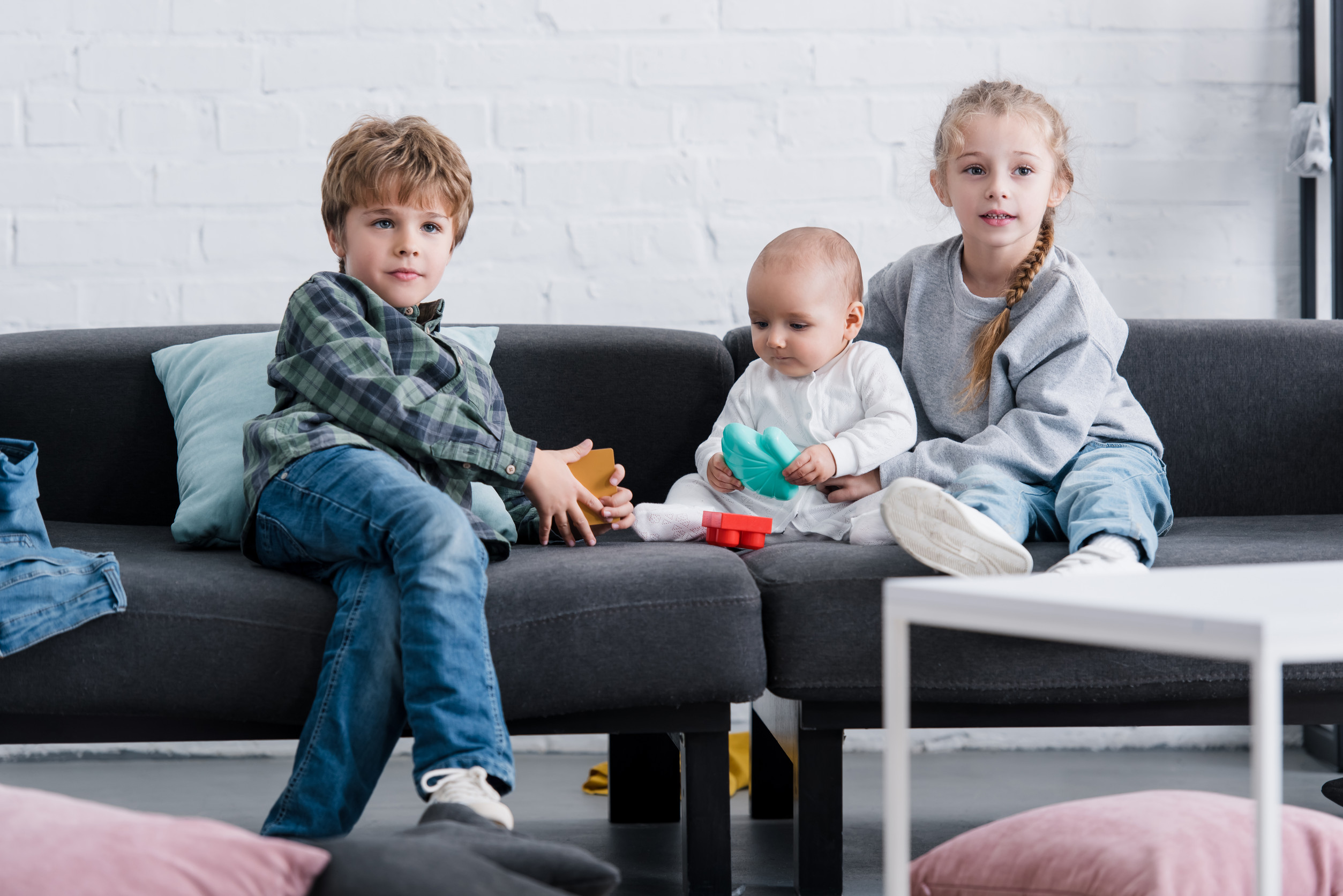
adorable siblings and infant baby sitting together on couch
Image Source: 123rf.com

Instead of relying on Santa to enforce discipline, parents can adopt strategies that build intrinsic motivation. Open discussions about values and the reasons behind rules encourage children to understand and internalize good behavior. Positive reinforcement and clear communication can be more effective and ethical. These methods promote self-discipline rather than obedience driven by fear. A balanced approach helps children develop a genuine sense of right and wrong.

Manipulating Behavior Raises Concerns

While the Santa narrative adds a magical element to the holiday season, using it as a tool to manipulate behavior raises significant concerns. Balancing enchantment with honesty is key to nurturing both good behavior and trust. Reflect on whether your approach supports genuine moral development and consider alternatives that emphasize open dialogue.

How do you incorporate Santa into your family’s traditions without relying on him as a behavioral tool? Share your insights in the comments below!

Read More:

Is It Appropriate to Bribe Children for Good Behavior?

Stop Now! 12 Behaviors That Say You’ve Crossed The Line From Discipline to Abuse

Tamila McDonald
Tamila McDonald

Tamila McDonald is a U.S. Army veteran with 20 years of service, including five years as a military financial advisor. After retiring from the Army, she spent eight years as an AFCPE-certified personal financial advisor for wounded warriors and their families. Now she writes about personal finance and benefits programs for numerous financial websites.

Filed Under: Parenting Tagged With: child behavior, ethics, manipulation, Parenting, Santa Claus

The ‘Stranger Danger’ Myth: Teaching Kids About Real Safety Risks

March 29, 2025 | Leave a Comment

danger warnung
Image Source: 133rf.com

For decades, the mantra “don’t talk to strangers” has been drilled into children as a universal safety rule. Parents have used this simple phrase in hopes of protecting their little ones from harm. However, as children grow, they need a more nuanced understanding of safety that goes beyond simply avoiding strangers. The majority of dangerous situations involve people the child already knows, not an unknown face. By rethinking safety education, we can equip our children with the skills to assess risks based on behavior, not just appearance.

Understanding the Limitations of ‘Stranger Danger’

The traditional concept of stranger danger implies that all strangers are threats and familiar people are safe, a view that is both simplistic and potentially harmful. This binary approach ignores the complexity of real-world interactions where danger may come from unexpected sources. Studies show that over 90% of child abuse cases involve someone the child already knows, highlighting the need for a more comprehensive safety strategy. Focusing solely on strangers leaves children unprepared for subtle warning signs in everyday situations. We must teach kids to observe actions and context, not merely labels.

Teaching Children to Recognize Real Danger

Teaching Children
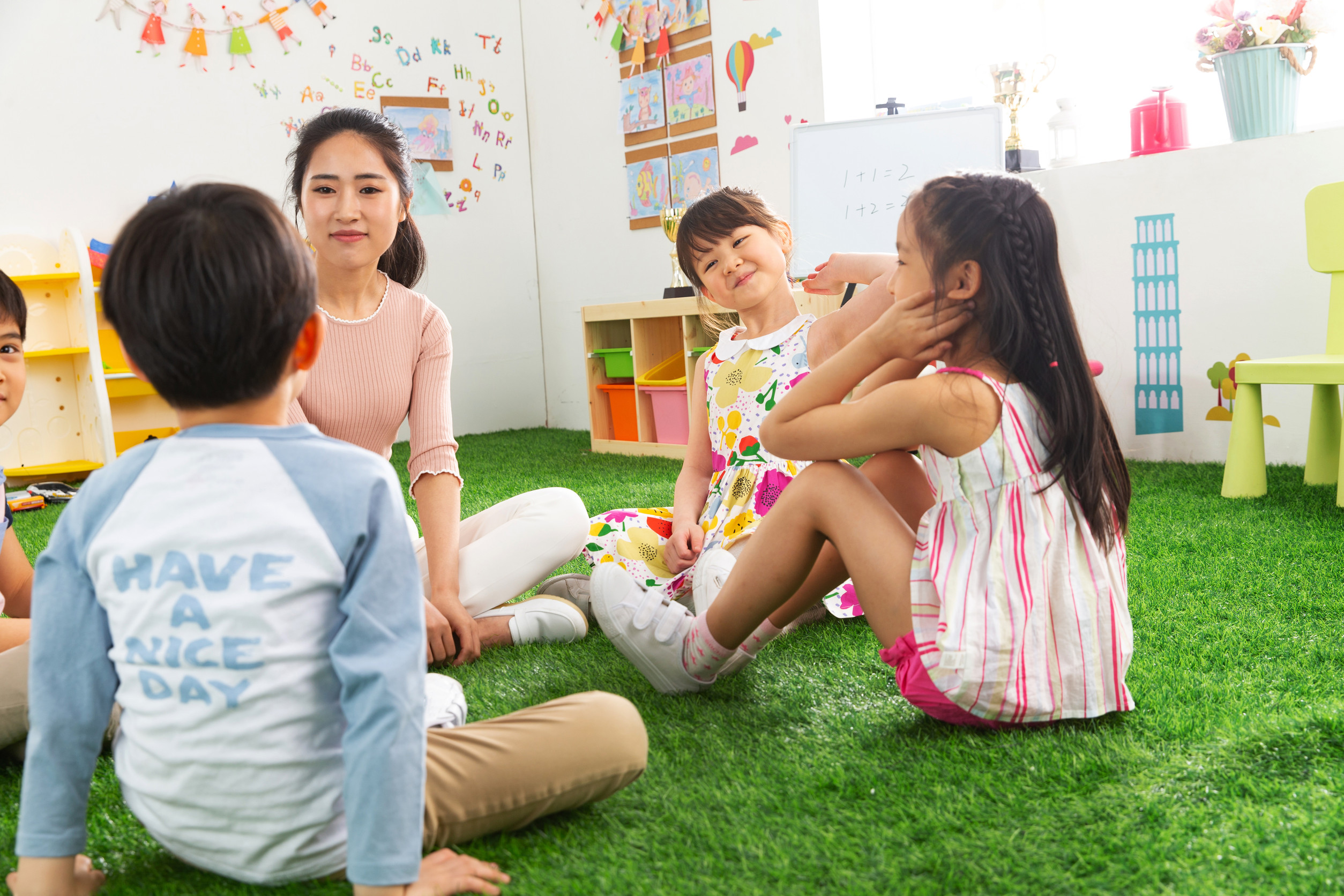
Kindergarten teachers and the children

Instead of simply warning against strangers, it’s more effective to educate children on identifying unsafe behaviors. Discuss real-life scenarios that illustrate what makes an action or behavior unsafe, regardless of who is involved. Encourage children to trust their instincts and assertively say “no” when they feel uncomfortable. This approach empowers them to base their judgments on observed actions rather than appearances. Role-playing various scenarios further reinforces these crucial lessons.

Encouraging Open Communication

Creating a home environment where children feel comfortable discussing their experiences is essential. Regularly engage in conversations about their daily interactions and listen carefully to their concerns. When children know they can talk openly about uncomfortable situations, they are more likely to seek help when needed. This ongoing dialogue fosters trust and reinforces that their feelings are important. Additionally, discussing personal boundaries helps children understand how to protect themselves.

Identifying Trusted Adults

Help your children identify reliable adults they can turn to in times of need, such as teachers, police officers, or close family friends. Discuss how to recognize these trusted figures and why they are dependable. Role-playing scenarios where children practice asking for help can be a useful strategy. Establishing a family code word for emergencies adds an extra layer of security. Regularly reviewing and updating this list ensures that your child always knows where to turn for help.

Prepare Children with Real Safety Skills

Moving beyond the simplistic “stranger danger” message allows us to prepare our children for the complexities of the real world. By teaching them to recognize genuine warning signs, fostering open communication, and identifying trusted adults, we build a more effective safety net. This balanced approach not only protects them but also empowers them with confidence and critical thinking skills. Our goal is to cultivate a realistic understanding of risk that prepares children for all aspects of life.

How do you balance teaching safety without instilling unnecessary fear? Share your experiences in the comments below.

Read More:

Trouble Online: 10 Dangerous Activities Your Kids Are Participating In Online

10 Hidden Dangers of Social Media Every Parent Should Know

Tamila McDonald
Tamila McDonald

Tamila McDonald is a U.S. Army veteran with 20 years of service, including five years as a military financial advisor. After retiring from the Army, she spent eight years as an AFCPE-certified personal financial advisor for wounded warriors and their families. Now she writes about personal finance and benefits programs for numerous financial websites.

Filed Under: Parenting Tagged With: child development, child safety, Parenting, safety education, stranger danger

5 Baby Names That Could Set Your Child Up for a Lifetime of Bullying

March 29, 2025 | Leave a Comment

Baby Names Bullying
Image Source: 123rf.com

Naming your child is a milestone filled with excitement, anticipation, and often a bit of anxiety. Many parents desire uniqueness in the names they choose, hoping their child will stand out from the crowd. However, sometimes the pursuit of originality can unintentionally lead to lifelong difficulties for the child. It’s essential to strike a balance between creativity and practicality, especially considering how easily names can become targets for teasing and bullying. Here are five highly unusual baby names that might unwittingly set your child up for unwanted attention.

When selecting a name, think about how it will sound in every setting—from the classroom to the playground. Unique names can create memorable first impressions, but they can also invite continuous questions and comments. The weight of a name can follow a child into adolescence and even adulthood. Consider potential mispronunciations and the possibility of ridicule from peers. Thoughtful reflection and feedback from trusted friends or family can be invaluable during this decision-making process.

1. Abcde

Pronounced “ab-suh-dee,” Abcde has occasionally surfaced in name registries, surprising many who encounter it. The novelty of choosing a name composed of the first five letters of the alphabet might seem whimsical at first. Unfortunately, most people seeing it written down will assume it’s either a typo or a joke. Children named Abcde might endure endless teasing or confusion every time they’re introduced. Though creativity is admirable, consider the emotional weight your child will carry with such an unconventional choice.

2. Hashtag

In the digital age, it’s tempting to infuse tech-inspired creativity into baby names. Hashtag emerged in recent years as an overly enthusiastic nod to social media culture. While it may seem trendy and clever initially, your child might struggle to be taken seriously in everyday situations. Imagine the frequent explanations your child will have to provide, and how tiresome these interactions could become over time. Choosing a name based on a fleeting internet trend may not age gracefully.

3. Lucifer

Although rooted in historical and literary contexts, Lucifer carries unavoidable negative connotations. Some parents may select it for its original meaning—light-bringer—but society overwhelmingly associates it with darker symbolism. A child with this name could face continuous, unwanted attention, misunderstandings, or even hostility from peers and adults alike. Regardless of personal beliefs, it’s crucial to consider how such a heavily loaded name might impact your child’s emotional and social well-being. The lifelong struggle of constantly defending their name can be deeply exhausting.

4. Felony

Felony
Image Source: 123rf.com

Surprisingly, Felony has appeared in a few rare instances on birth certificates. Parents who select it may do so for shock value or uniqueness, but they overlook significant implications. Naming a child after a crime could invite unfair judgment or biased expectations from teachers, peers, and employers throughout life. Consider how challenging it would be to overcome the negative impressions associated with a criminal reference. A child bearing the name Felony might unnecessarily carry a burden they never chose.

5. Nimrod

Originally a Biblical name meaning “great hunter,” Nimrod has evolved negatively in modern slang to describe someone foolish or incompetent. Despite the name’s strong historical roots, popular culture has irreversibly altered its meaning. A child named Nimrod will likely encounter ridicule, mockery, and teasing from classmates who interpret the name differently from its traditional meaning. The gap between historical respectability and contemporary slang could lead to significant social hardships for your child. It’s vital to be aware of evolving language and slang to avoid unintentional harm.

Thoughtful Naming for a Positive Future

Choosing a baby name is thrilling, but your child’s future social and emotional well-being should guide your decision-making. While distinctive names may seem appealing, always consider the potential implications for teasing or bullying. Your child’s name should empower them, not subject them to lifelong struggles. Before settling on an unconventional name, ask yourself how your child might feel explaining it throughout their life.

Have you come across unusual names that left you puzzled? Share your thoughts and experiences in the comments below!

Read More:

Naming Regrets: 8 Types of Names That Could Spell Trouble for Your Child’s Future

15 Baby Names Handed Down From The Rich to The Poor

Latrice Perez

Latrice is a dedicated professional with a rich background in social work, complemented by an Associate Degree in the field. Her journey has been uniquely shaped by the rewarding experience of being a stay-at-home mom to her two children, aged 13 and 5. This role has not only been a testament to her commitment to family but has also provided her with invaluable life lessons and insights.  As a mother, Latrice has embraced the opportunity to educate her children on essential life skills, with a special focus on financial literacy.

Filed Under: Baby Stuff Tagged With: baby names, bullying, Parenting

The Biggest Lie Parents Tell Their Kids—And How It Backfires

March 28, 2025 | Leave a Comment

photo of two cute hipsters eating icecream
Image Source: 123rf.com

Parents mean well. Most of them lie to protect, motivate, or comfort their children. But there’s one lie that’s been told for generations—and it’s done more harm than good: “If you work hard, you can be anything you want.” Sounds empowering, right? The truth is more complicated.

This well-intended phrase can set kids up for disappointment, self-blame, and confusion when life doesn’t play out the way they were promised. Let’s break down why this message often backfires—and what to say instead.

1. It Ignores Real-World Barriers

Hard work is important, but it isn’t always enough. Many kids grow up believing that effort alone guarantees success. But what about systemic barriers? What about financial hardship, access, privilege, or plain bad luck? When we tell kids they can “be anything” without also teaching them how the world really works, we leave them unprepared for setbacks.

2. It Ties Their Worth to Achievement

This lie subtly teaches children that if they don’t “make it,” they must not have worked hard enough. It creates a toxic connection between effort and identity. Kids grow up feeling like failures when their dreams hit real-world limits. They might internalize the idea that their value depends on performance. That’s not motivation—that’s pressure disguised as praise.

3. It Can Lead to Burnout and Shame

Chasing an ideal that may not be realistic can push children to ignore their needs. They may overwork, overextend, and overachieve—all to prove they’re “enough.” When the results don’t match the effort, they often blame themselves. Burnout becomes a badge of honor. But deep down, they’re running on empty, trying to live up to a fantasy.

4. It Makes Failure Feel Like the End

If kids are taught that success is inevitable with hard work, failure can feel like a dead end. Instead of learning that failure is part of the journey, they see it as proof they’re not good enough. They may stop trying altogether, afraid to disappoint themselves or others. Resilience isn’t born from perfection—it’s born from falling and getting back up.

5. It Overlooks Unique Strengths and Paths

Smiling little boy in glasses standing near concrete wall with gears drawn on it. Concept of brainstorming and creative thinking
Image Source: 123rf.com

Not everyone is meant to be a doctor, a CEO, or a millionaire—and that’s okay. When we only celebrate traditional success stories, we ignore the beauty in different lives and callings. Some kids thrive in creative, emotional, or unconventional spaces. When we push a one-size-fits-all dream, we miss out on who they truly are.

6. It Encourages Comparison

“If you work hard, you’ll succeed” can make kids look sideways comparing themselves to those who seem more successful. They wonder, “Why not me?” This mindset fuels jealousy, imposter syndrome, and self-doubt. We unintentionally raise children to see life as a race, instead of a personal journey with unique timing. Everyone blooms differently.

7. It Sets Up Parents for Disappointment, Too

Parents who believe in this lie may struggle when their child doesn’t follow the “successful” path. They may feel confused, frustrated, or even embarrassed. This creates tension in the relationship. Love becomes conditional, and children start hiding their struggles to avoid judgment. Everyone suffers under the weight of unrealistic expectations.

8. It Undermines Emotional Intelligence

When success is framed only around goals and achievements, emotional growth gets left behind. Kids learn to chase external wins instead of internal clarity. They may ignore their feelings, their intuition, and their mental health just to “win.” But a strong, emotionally intelligent child becomes a grounded, fulfilled adult. That should be the real goal.

9. It Creates Adults Who Don’t Know When to Let Go

Adults raised on this message often cling to dead-end jobs, broken dreams, or toxic relationships because “quitting” feels like failure. They stay stuck, thinking if they just work harder, it’ll get better. But sometimes, the healthiest choice is walking away. Knowing when to pivot is a skill—not a weakness.

10. It Can Be Replaced with Something Better

Instead of saying, “If you work hard, you can be anything,” try this: “If you stay curious, kind, and resilient, you’ll find a life that feels like yours.” This message teaches flexibility, growth, and compassion. It encourages children to pursue success and emotional well-being. Most importantly, it frees them to define happiness on their own terms.

Let’s Raise Kids Who Feel Safe to Be Real

We don’t need to sell our kids a dream to support them—we need to tell them the truth with love. Life is beautiful, but it’s also messy and unpredictable. When we give our kids permission to fail, rest, change paths, and be imperfect, we raise emotionally healthy humans. Let’s retire the lies and replace them with wisdom that lasts.

Did your parents tell you this lie growing up? Drop a comment—let’s talk about the messages we heard as kids and how we’re choosing to change them for the next generation.

Read More: 

9 Reasons Your Children Don’t Respect You and How to Fix It

7 Damaging Reasons Children Shouldn’t Participate in Reality TV Shows

Latrice Perez

Latrice is a dedicated professional with a rich background in social work, complemented by an Associate Degree in the field. Her journey has been uniquely shaped by the rewarding experience of being a stay-at-home mom to her two children, aged 13 and 5. This role has not only been a testament to her commitment to family but has also provided her with invaluable life lessons and insights.  As a mother, Latrice has embraced the opportunity to educate her children on essential life skills, with a special focus on financial literacy.

Filed Under: Money and Finances Tagged With: Parenting

9 Reasons Your Children Don’t Respect You and How to Fix It

March 27, 2025 | Leave a Comment

Closeup portrait of cute young boy gesturing anger
Image Source: 123rf.com

Respect is a cornerstone of healthy family dynamics, yet many parents struggle with their children’s disrespectful behavior. This lack of respect can manifest in subtle ways—from ignoring rules to outright defiance—and can strain the parent-child relationship. In this article, we explore nine common reasons why children might not respect their parents and offer actionable strategies to rebuild and strengthen mutual respect. By understanding the root causes of disrespect, you can take steps to create a more harmonious home environment. Let’s uncover these challenges and discover practical solutions for fostering mutual respect in your family.

Inconsistent Discipline

When rules and consequences vary from day to day, children become confused about what is expected of them. Inconsistent discipline weakens parental authority and creates opportunities for misbehavior. Establishing clear, consistent expectations helps children understand boundaries and the importance of following rules. This structure builds trust and reinforces positive behavior over time. Consistency in discipline is the foundation for cultivating mutual respect between parents and children.

Lack of Active Listening

Children need to feel heard and understood, and when parents fail to actively listen, it can lead to feelings of neglect. This lack of engagement may cause children to act out or disregard parental advice. By making an effort to truly listen and validate their feelings, parents can build stronger bonds. Active listening demonstrates that their opinions matter and encourages reciprocal respect. Improved communication is a key step toward rebuilding mutual respect in the home.

Overuse of Negative Language

Constant criticism or harsh language can erode a child’s self-esteem and lead to rebellious behavior. When parents focus solely on what is wrong, children may feel unappreciated and respond with defiance. Balancing constructive feedback with genuine praise creates a more positive environment. This approach helps children understand that mistakes are part of learning rather than reasons for punishment. Positive communication lays the groundwork for a respectful and supportive relationship.

Modeling Disrespectful Behavior

Children often mirror the behavior they see at home. If parents frequently engage in disrespectful interactions, children are likely to adopt similar habits. Modeling calm, respectful communication sets a strong example for the entire family. Demonstrating how to handle disagreements with empathy and fairness reinforces the value of respect. Consistently exhibiting respectful behavior builds a culture of mutual admiration in the home.

Overprotective Parenting

88c47491-8f7a-4180-a0ed-206a8dc0a9c1
Image Source: 123rf.com

Excessively controlling behavior can lead children to rebel and assert their independence in disrespectful ways. When parents are overly protective, children may feel smothered and undervalued. Allowing some degree of independence encourages self-reliance and mutual respect. Balancing guidance with freedom helps children learn to appreciate boundaries. This balanced approach is essential for fostering a respectful and supportive family dynamic.

Failure to Set Clear Boundaries

Without clear rules, children may not understand what behavior is acceptable. Establishing firm boundaries provides a sense of security and structure. When expectations are clearly communicated, children are more likely to adhere to them. Consistent enforcement of rules helps prevent misunderstandings and conflicts. Clear boundaries lay the foundation for mutual respect and healthy family relationships.

Not Acknowledging Mistakes

Parents who refuse to admit their own errors may inadvertently teach children to avoid accountability. Acknowledging mistakes and apologizing when necessary sets a positive example. This practice encourages children to take responsibility for their actions and learn from their errors. Modeling humility fosters an environment where mutual respect can flourish. When both parents and children are accountable, trust and respect are reinforced.

Lack of Quality Time Together

Spending meaningful time with your children is essential for building a strong, respectful bond. When parents are too busy, children may feel neglected and resort to disrespectful behavior. Quality time together helps reinforce the importance of family and shared values. It provides opportunities for open communication and deepens mutual understanding. Investing in quality time can transform the parent-child relationship and restore respect.

Unrealistic Expectations

Setting overly high standards can pressure children and lead to feelings of inadequacy. When expectations are unattainable, children may rebel or lose respect for the authority setting them. Adjusting expectations to be both challenging and achievable fosters a sense of accomplishment and respect. Recognizing your child’s unique abilities helps build confidence and mutual admiration. This balanced approach encourages growth and nurtures a positive family environment.

Building a Foundation of Mutual Respect

Earning and maintaining your child’s respect is a gradual process that requires consistent effort and open communication. By addressing the root causes of disrespect, such as inconsistent discipline and unrealistic expectations, you can create a nurturing environment where mutual respect thrives. Modeling positive behavior, actively listening, and spending quality time together are key strategies in this journey. Over time, these practices will build a solid foundation for a harmonious and respectful relationship.

What strategies have you found most effective in fostering respect in your household? Share your insights in the comments below.

Read More:

No Respect? 13 Ways to Recognize Disrespectful Behavior in Kids

Here’s How Your Teenage Kids Are Getting Away With Breaking The House Rules

Tamila McDonald
Tamila McDonald

Tamila McDonald is a U.S. Army veteran with 20 years of service, including five years as a military financial advisor. After retiring from the Army, she spent eight years as an AFCPE-certified personal financial advisor for wounded warriors and their families. Now she writes about personal finance and benefits programs for numerous financial websites.

Filed Under: Parenting Tagged With: child behavior, discipline, family dynamics, Parenting, respect

10 Reasons It’s Okay For Your Kids to Fail

March 27, 2025 | Leave a Comment

Two happy children playing on the grass at the day time. Concept Brother And Sister Together Forever
Image Source: 123rf.com

In a world that often celebrates perfection, the idea of failure can be intimidating for both children and parents. However, allowing kids to experience failure is a crucial part of learning and growth. This article explores ten compelling reasons why it’s okay for your children to fail and how these setbacks contribute to their development. Failure teaches resilience, critical thinking, and the importance of persistence. Embracing failure helps your child develop the skills they need to thrive in a challenging world.

Failure Teaches Resilience

When children face failure, they learn to bounce back from setbacks. This resilience is essential for overcoming life’s inevitable challenges. Every failure becomes an opportunity to build strength and perseverance. Learning to overcome difficulties fosters a mindset that sees obstacles as temporary hurdles. Over time, resilient children are better equipped to face future challenges without fear.

Failure Encourages Problem-Solving

Each failure provides valuable feedback on what doesn’t work, prompting children to find alternative solutions. This process enhances their critical thinking and creativity. When children analyze their mistakes, they gain insights that lead to better decision-making. Problem-solving skills developed through failure are indispensable in both academic and real-world settings. This method of learning prepares them for complex challenges later in life.

Failure Fosters Independence

Allowing your children to fail helps them develop self-reliance and confidence in their own abilities. When they face setbacks, they learn to trust their judgment without constant parental intervention. This independence is vital for personal growth and prepares them for adulthood. Children who experience failure become more resourceful and self-motivated. Such independence lays the foundation for a future where they can navigate life on their own terms.

Failure Builds Character

Experiencing setbacks helps children understand the importance of humility and perseverance. They learn that mistakes are a natural part of life and an opportunity for growth. This builds character by encouraging them to reflect on their actions and strive for improvement. Learning from failure instills a sense of responsibility and integrity. These experiences contribute to a balanced and mature personality over time.

Failure Promotes a Growth Mindset

businessman holding light bulb for put think growth mindset different fixed mindset concept vector
Image Source: 123rf.com

When children understand that abilities can be developed through effort, they are more likely to embrace challenges. A growth mindset transforms failure into a tool for continuous learning. It encourages them to persist even when success seems distant. This perspective is key to long-term achievement and personal development. Embracing failure as a learning opportunity fosters resilience and lifelong growth.

Failure Teaches Responsibility

Facing the consequences of failure helps children understand that their actions have direct outcomes. This realization reinforces the importance of accountability in everyday decisions. When children take responsibility for their mistakes, they develop a sense of maturity. This accountability is crucial for building ethical behavior and self-discipline. Over time, this lesson prepares them for the responsibilities of adulthood.

Failure Reduces the Fear of Trying

When children learn that failure is not catastrophic, they become more willing to take risks. This reduction in fear encourages exploration and creativity. A willingness to try new things leads to diverse experiences and personal growth. Over time, the fear of failure diminishes, paving the way for innovation and resilience. This brave approach to challenges is essential for long-term success.

Failure Provides Valuable Feedback

Every failure is a learning opportunity that provides insights into what doesn’t work. Analyzing mistakes helps children refine their strategies and make better choices. This feedback is an essential component of continuous improvement. It teaches them that setbacks are temporary and can lead to valuable lessons. Constructive feedback from failure ultimately leads to smarter decision-making.

Failure Encourages Self-Reflection

Experiencing failure prompts children to reflect on their actions and learn from their mistakes. This introspection builds emotional intelligence and self-awareness. Over time, self-reflection fosters personal growth and a deeper understanding of one’s strengths and weaknesses. It encourages a mindset that values improvement over perfection. This habit of reflection is crucial for lifelong learning and development.

Failure Prepares Children for Real Life

Life is filled with ups and downs, and experiencing failure prepares children for the inevitable challenges of adulthood. They learn that setbacks are not permanent, but rather stepping stones to success. This preparation equips them with the resilience needed to navigate an unpredictable world. Embracing failure early on fosters a realistic perspective on success and achievement. Ultimately, these experiences help children become adaptable, resourceful, and self-assured individuals.

Failure as a Stepping Stone to Success

Allowing your kids to fail can be one of the most empowering lessons you teach them. Failure builds resilience, fosters independence, and provides invaluable feedback for growth. By reframing failure as a natural part of life, you equip your children with the tools to overcome future challenges. Embrace every setback as an opportunity for learning and improvement.

How has experiencing failure shaped your child’s character? Share your insights in the comments below.

Read More:

Why Saying ‘I Love You’ Every Day Changes Your Child’s Brain

7 Lessons from Kids That’ll Change How You See the World

Tamila McDonald
Tamila McDonald

Tamila McDonald is a U.S. Army veteran with 20 years of service, including five years as a military financial advisor. After retiring from the Army, she spent eight years as an AFCPE-certified personal financial advisor for wounded warriors and their families. Now she writes about personal finance and benefits programs for numerous financial websites.

Filed Under: Parenting Tagged With: child development, discipline, failure, Growth Mindset, Parenting, resilience

7 Damaging Reasons Children Shouldn’t Participate in Reality TV Shows

March 27, 2025 | Leave a Comment

Surprised children watching TV
Image Source: 123rf.com

The allure of reality TV might promise fame and excitement, but for children, the costs can be deeply damaging. In an environment where every emotion and reaction is scrutinized, the toll on young minds can be significant. This article outlines seven reasons why exposing children to the reality TV spotlight may have harmful long-term effects. From invasion of privacy to distorted self-image, the implications are far-reaching. It’s time to take a hard look at whether the potential benefits are worth the risks.

Invasion of Privacy

Participating in reality TV means surrendering personal moments to a public audience. Every smile, tear, and awkward moment becomes fodder for public consumption. This loss of privacy can have lasting effects on a child’s sense of self and personal boundaries. Constant exposure can lead to a feeling of vulnerability and a diminished sense of security. Protecting a child’s privacy should always be a top priority for parents.

Emotional and Psychological Stress

The pressure to perform and conform to television standards can be overwhelming for young participants. Reality TV environments often induce anxiety and stress that can persist long after the cameras stop rolling. The need to meet external expectations may lead to low self-esteem and emotional distress. Children can struggle to differentiate between their true selves and the persona they are forced to portray. Over time, this disconnect can adversely affect their mental health.

Distorted Sense of Reality

Reality TV often blurs the lines between authentic experiences and scripted drama. Children exposed to such environments may develop a warped perception of normal life. This distortion can influence their expectations about relationships, success, and personal identity. The glamorization of conflict and competition may leave them ill-prepared for real-world challenges. It’s important for parents to ensure that media consumption promotes a healthy understanding of reality.

Exposure to Negative Publicity

Public exposure on reality TV subjects’ children to harsh judgment and criticism. The media spotlight can amplify any missteps, leading to long-term damage to their reputation and self-esteem. Negative publicity can follow them well into adulthood, affecting their social and professional lives. The pressure to maintain a positive image becomes a constant burden. Protecting children from unwarranted public scrutiny is crucial for their overall well-being.

Exploitation for Commercial Gain

Many reality TV shows prioritize profit over the well-being of their young stars. Children are often exploited to boost ratings and generate revenue, with little regard for their emotional or physical safety. The commercial interests behind these shows can lead to an environment that is more about spectacle than nurturing talent. This exploitation can hinder a child’s natural development and stunt their individuality. It’s a stark reminder that the pursuit of entertainment should never come at the expense of a child’s future.

Disruption of Education and Social Life

Female student sleeping at the desk with piles of books. Tired of studying
Image Source: 123rf.com

Constant filming and the demands of reality TV schedules can interfere with a child’s education and social development. Missing school, extracurricular activities, and normal playtime can have lasting impacts on their academic progress and social skills. The irregular routine imposed by a TV schedule disrupts the stability necessary for healthy growth. This can lead to isolation and difficulties in forming genuine peer relationships. Balancing media exposure with a normal childhood is essential for overall development.

Long-Term Impact on Identity

Early exposure to reality TV can lock children into a specific public image that is hard to redefine. As they grow, shedding the label imposed by their early experiences can be a daunting challenge. This predetermined identity may limit their future opportunities and personal growth. The struggle to build an authentic self separate from their televised persona can have profound long-term effects. Protecting children from premature public scrutiny is crucial for fostering a healthy, independent identity.

Protecting Childhood Beyond the Spotlight

While reality TV may offer a glimpse of fame and excitement, the long-term repercussions on a child’s emotional and psychological health are too significant to ignore. It is essential to prioritize the well-being of children over the allure of early exposure to the media. Parents should critically evaluate the potential harms and consider the lasting impact on their child’s identity and development. The focus must remain on nurturing a safe, balanced, and authentic childhood. How do you think media exposure affects a child’s development? Share your thoughts and experiences in the comments below.

Thought-Provoking Question: Do you believe the pursuit of entertainment justifies the potential long-term harm to children on reality TV? Share your thoughts in the comments below.

Read More: 

Understanding the Costs of Early Childhood Special Education and How to Save

Is Your Parenting Style Shaped by Your Own Childhood Experiences?

Tamila McDonald
Tamila McDonald

Tamila McDonald is a U.S. Army veteran with 20 years of service, including five years as a military financial advisor. After retiring from the Army, she spent eight years as an AFCPE-certified personal financial advisor for wounded warriors and their families. Now she writes about personal finance and benefits programs for numerous financial websites.

Filed Under: Parenting Tagged With: child development, child safety, media ethics, Parenting, reality TV

7 Reasons Parents Must Enforce Chores

March 27, 2025 | Leave a Comment

Photo of pretty cheerful young lady wear casual shirt enjoying weekend cleaning wiping furniture indoors room home house.
Image Source: 123rf.com

Chores are more than just tasks—they are a vital part of a child’s development. Many parents debate whether enforcing chores is too harsh, but the benefits often extend far beyond a tidy home. In this article, we explore seven compelling reasons why assigning chores to children is crucial for teaching responsibility and life skills. From fostering independence to building a strong work ethic, chores lay the foundation for future success. Let’s dive into why enforcing chores is a key component of effective parenting.

Chores Teach Essential Life Skills

Engaging in household tasks equips children with practical skills necessary for managing a household. Whether it’s cooking, cleaning, or organizing, these responsibilities prepare them for the independence of adult life. Learning how to manage daily tasks builds confidence and self-reliance. When children master these skills, they’re better prepared to handle challenges on their own. This early training in life skills paves the way for a successful future.

Chores Foster Responsibility and Accountability

When children are given chores, they learn that their contributions matter to the household. This practice instills a sense of responsibility by linking effort with outcome. Enforcing chores helps kids understand the value of following through on commitments. It also instills a sense of pride in contributing to the family. As they grow, these lessons in responsibility become foundational for personal and professional success.

Chores Promote Time Management Skills

Balancing chores with schoolwork and play teaches children how to manage their time effectively. They learn to prioritize tasks and develop a structured routine. Effective time management is a critical skill that benefits academic performance and future career success. Consistent routines help reduce stress and improve overall organization. Over time, these practices lead to better efficiency and productivity.

Chores Encourage Teamwork and Collaboration

Participating in household tasks fosters a sense of shared responsibility among family members. It teaches children the importance of working together toward common goals. Collaborative chores, like setting the table or cleaning communal spaces, promote communication and cooperation. This teamwork builds stronger family bonds and helps children understand the value of contributing to a group. These experiences mirror real-world scenarios where collaboration is key to success.

Chores Build a Strong Work Ethic

Hand writing sign Work Ethics, Word for A set of values centered on the importance of doing work
Image Source: 123rf.com

Regularly completing chores helps children develop a robust work ethic. They learn that success often requires effort and that hard work leads to rewards. A strong work ethic developed early on can lead to better academic performance and career achievements. It also encourages children to take pride in their contributions, no matter how small. Ultimately, a robust work ethic is one of the most valuable gifts a parent can impart.

Chores Enhance Self-Esteem and Confidence

Successfully completing household tasks gives children a tangible sense of accomplishment. This boost in self-esteem is crucial for developing a positive self-image. When kids see that their efforts contribute to the family’s well-being, they feel valued and capable. This positive reinforcement builds confidence that will help them tackle future challenges. Over time, these small victories add up to a resilient and empowered individual.

Chores Teach the Value of Hard Work and Money

Linking chores to allowances or rewards teaches children about the relationship between work and financial gain. They learn that money is earned through effort, not given freely. This understanding encourages responsible spending and saving habits. Children begin to appreciate the value of money and the importance of budgeting. These lessons lay the groundwork for lifelong financial prudence.

The Lifelong Benefits of Enforced Chores

Enforcing chores is not about burdening your child—it’s about preparing them for the realities of adult life. By instilling responsibility, time management, and a strong work ethic, chores offer invaluable lessons that extend beyond the home. A structured approach to household responsibilities paves the way for future success. The benefits of enforced chores are evident in the confidence and independence they foster.

In what ways have enforced chores positively impacted your child’s development? Let us know in the comments below!

Read More:

How Much, If Any, Should You Pay Your Kids For Chores?

The Best Money Lessons Kids Learn From Chores

Tamila McDonald
Tamila McDonald

Tamila McDonald is a U.S. Army veteran with 20 years of service, including five years as a military financial advisor. After retiring from the Army, she spent eight years as an AFCPE-certified personal financial advisor for wounded warriors and their families. Now she writes about personal finance and benefits programs for numerous financial websites.

Filed Under: Parenting Tagged With: child development, chores, Parenting, Responsibility, work ethic

Are ‘Leash’ Backpacks for Toddlers a Safety Necessity or Overkill?

March 27, 2025 | Leave a Comment

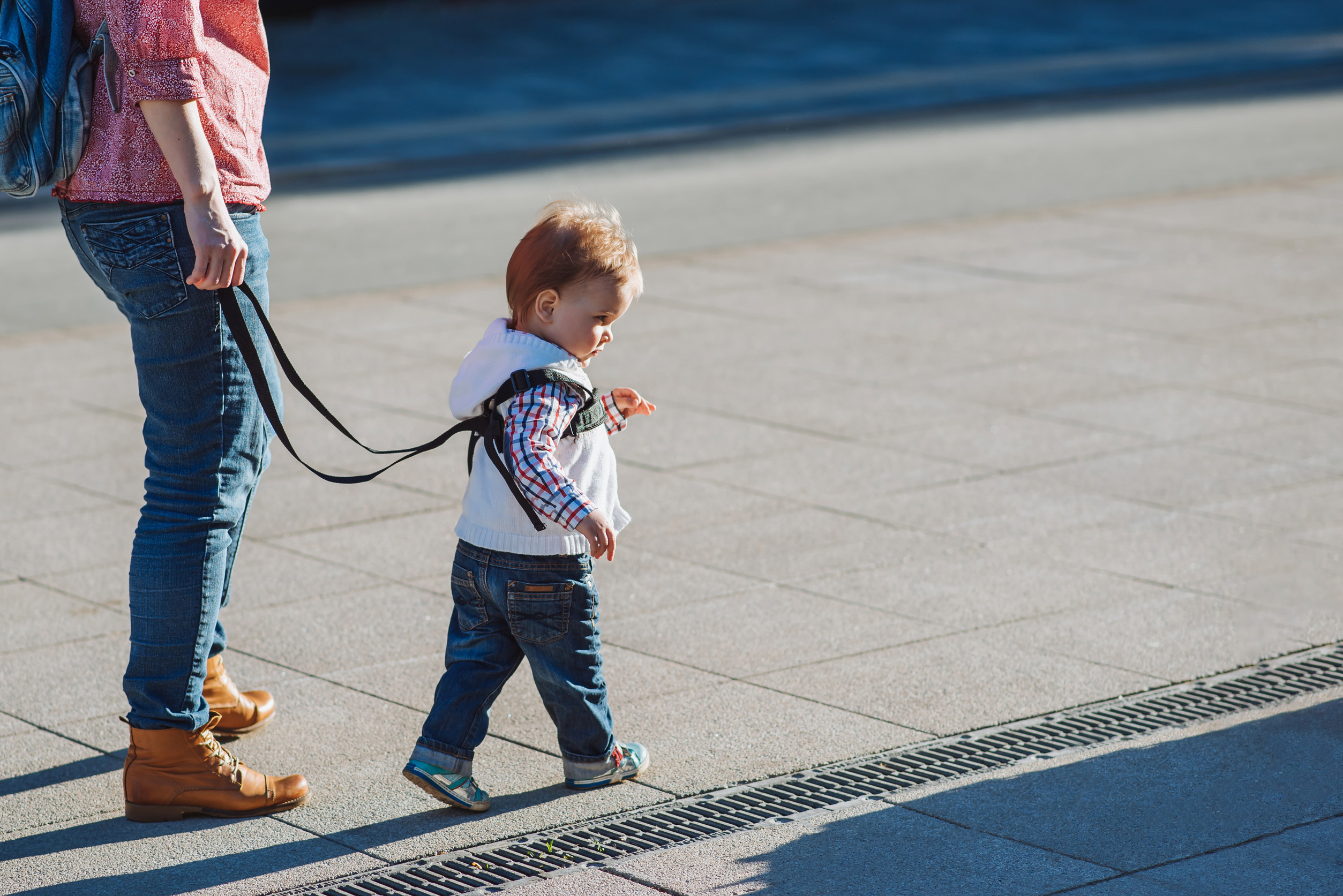
Mothers teach to walk on the road
Image Source: 123rf.com

Navigating crowded spaces with an energetic toddler can be one of the most challenging aspects of parenting. Many parents face moments of panic when their little ones dash off unexpectedly. To help manage these situations, some caregivers turn to ‘leash’ backpacks—child harnesses that tether a toddler to an adult. While the promise of enhanced safety is appealing, the concept has sparked intense debate. In this article, we explore whether these devices are a genuine safety necessity or simply overkill.

Understanding Leash Backpacks

Leash backpacks are designed to keep toddlers close by providing a secure harness attached to a tether. They come in various styles, from discreet straps to more visible harnesses, and are used in busy environments like airports and shopping centers.

Many parents appreciate the peace of mind these devices offer, especially in crowded or unfamiliar places. However, the design and use of these products vary widely, leading to a spectrum of opinions about their necessity. Experts argue that while they can prevent runaway incidents, they may also limit a child’s natural independence.

Safety Benefits

One of the primary benefits cited by supporters is enhanced safety. Leash backpacks can reduce the risk of a child running into traffic or getting lost in large public areas. They provide a physical link that allows a child to explore while still staying within a safe range. Parents feel that the extra security is invaluable in stressful situations. However, it’s important to balance safety with fostering independence, a key developmental milestone for toddlers.

Potential Downsides

Critics argue that using leash backpacks can be demeaning, comparing it to treating a child like a pet rather than as an independent individual. This practice may also hinder the development of self-regulation and decision-making skills. There are concerns that over-reliance on such devices could stunt a child’s confidence in navigating the world. Additionally, social stigma and judgment from onlookers can add stress for both parent and child. Such negative effects raise questions about whether the safety benefits outweigh the potential harm.

Parental Perspectives and Alternatives

Happy Young Family Playing Together at home on the floor using a tablet and a children's drawing set
Image Source: 123rf.com

Many parents find themselves torn between the need for safety and the desire to encourage independence. Some choose leash backpacks for short periods in high-risk environments, while others prefer traditional hand-holding or close supervision. Alternatives such as child-friendly walking groups or enhanced education on safety measures are also gaining popularity. Every family’s needs are different, making it important to consider what works best for your child. The decision should ultimately be tailored to the child’s temperament and the specific context.

Striking a Balance

Choosing whether to use a leash backpack is a deeply personal decision that hinges on balancing safety with independence. Parents must weigh the potential benefits against possible developmental drawbacks. It is crucial to monitor how such tools affect your child’s behavior and adjust your approach as needed. Open discussions with other caregivers and professionals can offer valuable insights into best practices. Ultimately, ensuring your toddler’s safety while fostering their growth is the key to making the right choice.

How do you balance keeping your toddler safe with encouraging their independence in public spaces? Share your thoughts and experiences in the comments below.

Read More:

7 Secrets to Stopping Toddler Tantrums—And It’s Not What You Think

Is Your Toddler’s Biting Habit Normal or a Red Flag?

Tamila McDonald
Tamila McDonald

Tamila McDonald is a U.S. Army veteran with 20 years of service, including five years as a military financial advisor. After retiring from the Army, she spent eight years as an AFCPE-certified personal financial advisor for wounded warriors and their families. Now she writes about personal finance and benefits programs for numerous financial websites.

Filed Under: Parenting Tagged With: child independence, leash backpacks, Parenting, safety measures, toddler safety

Three and Still In Pampers? Do This To Get Them Potty Trained Immediately

March 27, 2025 | Leave a Comment

Children accompany the ducks to the river. Kids graze a poultry on village at summer. High quality photo
Image Source: 123rf.com

Potty training is a major milestone that every parent eagerly anticipates, yet for some, it seems to be delayed. If your three-year-old is still in diapers, you might be feeling a mix of frustration and concern. However, with the right strategies and a patient approach, you can help your child transition smoothly from diapers to the toilet. This article outlines practical steps to expedite the potty training process and ensure a successful transition. Let’s explore proven methods to help your child become potty trained immediately.

Assessing Readiness

Before beginning potty training, it’s important to determine if your child is truly ready for this transition. Look for signs like showing interest in the toilet, staying dry for longer periods, and expressing discomfort with a soiled diaper. Recognizing these cues ensures that both you and your child are prepared for the process. Starting too early can lead to frustration for both parties, while waiting too long might delay progress further. A careful assessment sets the stage for a smoother and more successful training experience.

Creating a Positive Environment

Establishing a supportive atmosphere is crucial for effective potty training. Introduce the concept through engaging, age-appropriate books or videos that explain the process in a fun way. Provide a child-friendly potty chair in a familiar and comfortable space to reduce anxiety. Celebrate small successes, such as sitting on the potty, to reinforce positive behavior. Avoid punishing accidents—instead, use them as learning opportunities to build confidence and encourage progress.

Implementing a Consistent Routine

Consistency is key to successful potty training. Set specific times throughout the day for your child to sit on the potty, such as after meals and before bedtime. A predictable routine helps your child associate certain times with using the toilet, reducing anxiety and resistance. Consistency in practice reinforces the habit and gradually builds confidence. Over time, this structured approach will lead to steady progress and increased independence.

Encouraging Independence

Using the potty
Image Source: 123rf.com

Empower your child by involving them in the potty training process. Let them choose their own underwear or decorate their potty chair to make it more inviting. Teach them how to pull their pants up and down, promoting self-sufficiency. This active participation boosts their confidence and makes the process more engaging. Independence in this task not only accelerates training but also builds important life skills.

Handling Setbacks Gracefully

Accidents are an inevitable part of potty training, and handling them calmly is crucial. When setbacks occur, reassure your child that mistakes are a normal part of learning. Offer gentle guidance and encourage them to try again without fear of punishment. Maintaining a patient and supportive attitude helps preserve their self-esteem. Consistent, positive reinforcement will ultimately lead to success in this transition.

The Potty Training Journey

Potty training is a significant milestone that requires patience, consistency, and a nurturing approach. By assessing readiness, creating a positive environment, and encouraging independence, you can help your child transition from diapers to the toilet with confidence. Remember, every child’s journey is unique, and setbacks are merely stepping stones to success. Celebrate each small victory along the way and provide unwavering support.

What strategies have you found effective in potty training your child? Share your experiences and tips in the comments below.

Read More:

Is Your Child Still Peeing in the Bed? Here Are the Best Tools for Potty Training

Sleeping, Outings and Other Tips to Remember During Potty Training


Tamila McDonald
Tamila McDonald

Tamila McDonald is a U.S. Army veteran with 20 years of service, including five years as a military financial advisor. After retiring from the Army, she spent eight years as an AFCPE-certified personal financial advisor for wounded warriors and their families. Now she writes about personal finance and benefits programs for numerous financial websites.

Filed Under: Parenting Tagged With: child development, Diapers, Parenting, potty training, toilet training

Should Parents Force Kids to Apologize? Teaching Genuine Remorse

March 27, 2025 | Leave a Comment

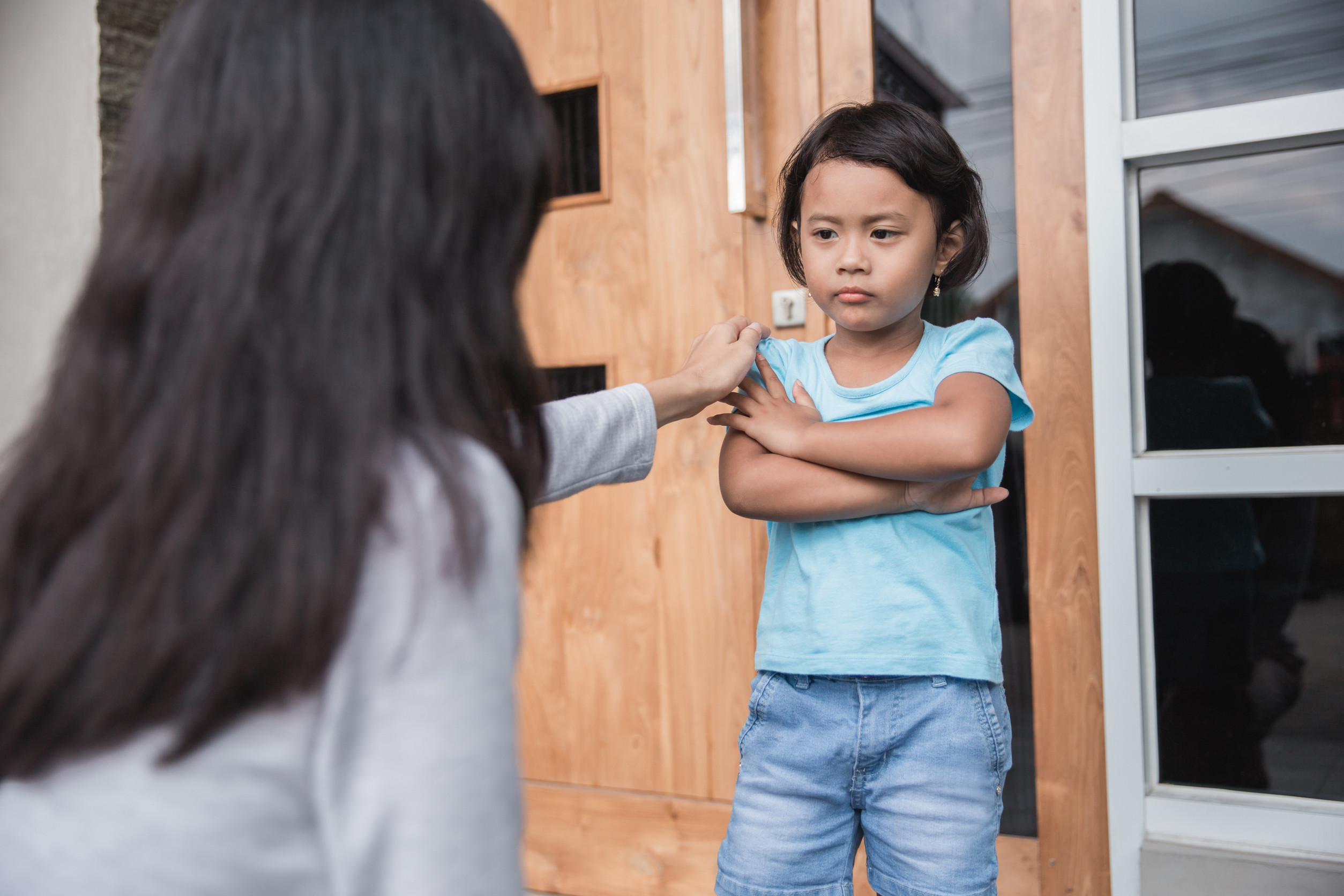
mother rebuking a little child for bad behavior. scolding her daughter
Image Source: 123rf.com

Parenting is filled with tough decisions, and one of the most debated is whether to force children to apologize. While apologies are essential for repairing relationships, compelling a child to say ‘I’m sorry’ may not foster genuine remorse. Instead, it might result in a hollow expression of regret that leaves both parties unsatisfied. In this article, we explore the difference between forced apologies and authentic contrition, and how to nurture real empathy in your child. Our aim is to provide actionable strategies to help your child understand the true meaning of an apology.

The Difference Between Forced and Genuine Apologies

Forced apologies are often delivered under pressure rather than out of true regret. They can feel insincere and may even breed resentment over time. In contrast, a genuine apology is an expression of understanding, empathy, and accountability. When children understand why they are apologizing, they learn to take responsibility for their actions. Teaching this distinction is key to developing a strong moral foundation.

The Impact on Emotional Development

Forcing a child to apologize can lead to emotional disconnection and misunderstanding. When children are made to say sorry without truly understanding their mistakes, they may not grasp the real impact of their actions on others. This practice can hinder the development of genuine empathy and self-awareness. It may also cause the child to view apologies as mere formalities rather than heartfelt expressions of regret. Over time, this can damage the parent-child relationship.

Strategies for Teaching Genuine Remorse

Instead of compelling an apology, engage your child in a discussion about their behavior and its impact on others. Ask open-ended questions like, ‘How do you think that made your friend feel?’ and encourage reflection. Use role-playing or storytelling to illustrate the importance of empathy. Praise and reinforce sincere expressions of regret when they occur naturally. This method nurtures a deeper understanding of accountability.

Modeling Appropriate Behavior

Pretty little girl holding keys to a new home with house keychain her parents smiling at her with love posing outdoors.Happy parents smiling at their daughter as she is posing with a key to their new home
Image Source: 123rf.com

Children learn a great deal by observing their parents. When you acknowledge your own mistakes and offer genuine apologies, you set a strong example. Modeling vulnerability and accountability teaches children that everyone is capable of error and that taking responsibility is a sign of strength. It also creates a safe space for children to express their own remorse without fear of punishment. Consistently demonstrating empathy encourages your child to follow suit.

Essential to Nurture

In the journey of parenting, it is essential to nurture genuine emotional growth rather than simply enforcing rules. Forced apologies can be counterproductive, while teaching children to understand and feel true remorse builds character. Encourage reflection, model accountability, and create an environment where sincere apologies become a natural part of growth. Ultimately, genuine remorse paves the way for healthier relationships and better conflict resolution.

Do you believe that the way a child apologizes can shape their future relationships? Let us know your thoughts in the comments!

Read More:

What Is Positive Discipline? A Cost-Effective Approach to Parenting

12 Parenting Mistakes You’re Making Right Now: Learn How to Save Your Child’s Happiness Before It’s Too Late

Tamila McDonald
Tamila McDonald

Tamila McDonald is a U.S. Army veteran with 20 years of service, including five years as a military financial advisor. After retiring from the Army, she spent eight years as an AFCPE-certified personal financial advisor for wounded warriors and their families. Now she writes about personal finance and benefits programs for numerous financial websites.

Filed Under: Parenting Tagged With: apologies, child development, discipline, empathy, Parenting

8 People You Should Want Your Kids to Look Up To

March 26, 2025 | Leave a Comment

8 People You Should Want Your Kids to Look Up To
Pexels

Role models can profoundly shape a child’s development, influencing everything from behavior to aspirations. In a world filled with distractions, the people your child admires can provide invaluable guidance and inspiration. While celebrities and social media influencers are often in the spotlight, true role models come in many forms. This article highlights eight individuals who embody qualities worth emulating, offering lessons that extend beyond fame. Discover how these figures can positively impact your child’s future.

Teachers

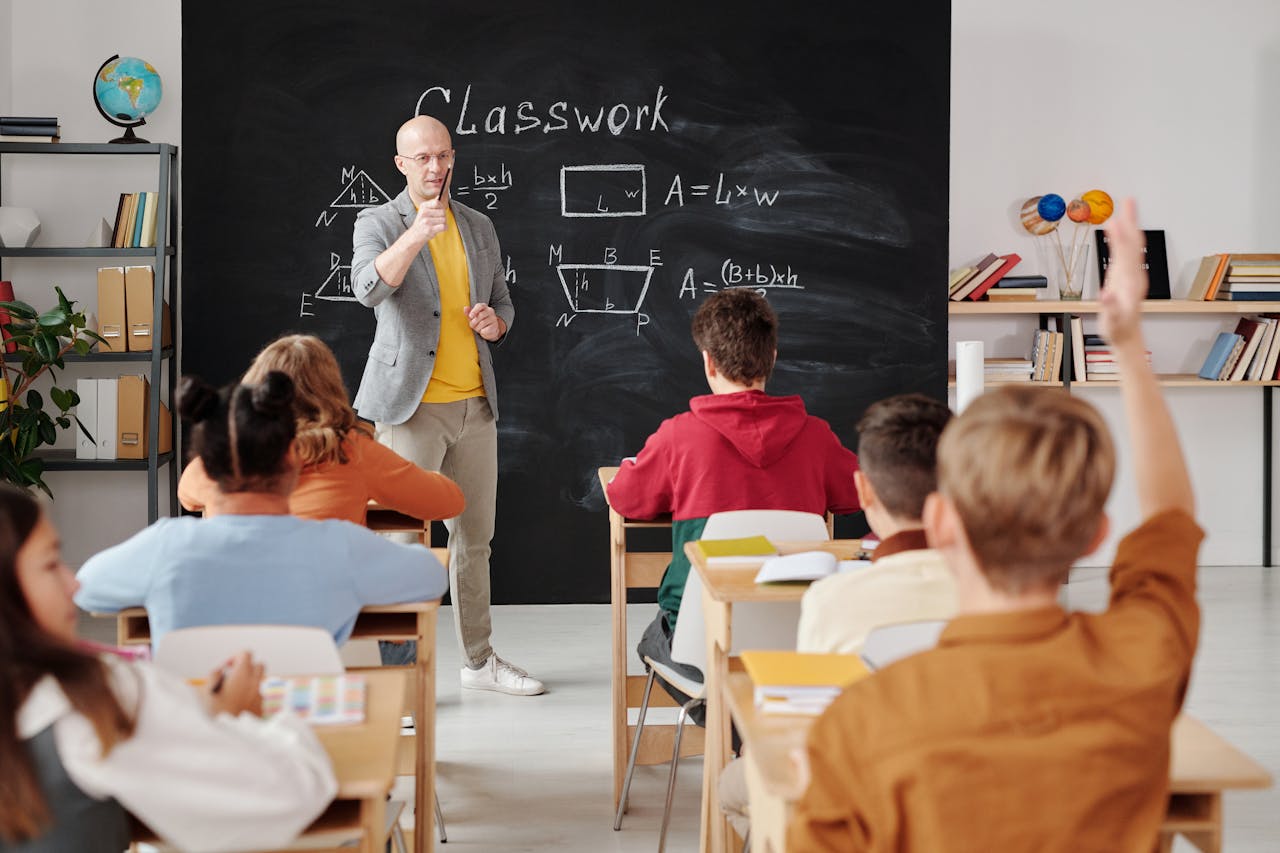
Teachers are at the heart of a child’s learning experience, providing not only education but also life lessons. They demonstrate patience, dedication, and empathy on a daily basis. A great teacher inspires a love for learning and critical thinking. When children look up to their educators, they gain a sense of confidence and curiosity. This admiration helps instill values that extend far beyond the classroom.

Healthcare Professionals

Doctors, nurses, and other healthcare workers exemplify compassion and resilience. Their commitment to saving lives and caring for patients sets a powerful example for young minds. By witnessing the dedication of these professionals, children learn the importance of empathy and hard work. Healthcare professionals also model problem-solving and critical thinking under pressure. Their selfless service can inspire children to value caring for others and contribute positively to society.

Scientists and Innovators

Innovators in science, from Marie Curie to modern-day researchers, inspire children with their curiosity and determination. They show that questioning the world and seeking answers can lead to groundbreaking discoveries. This encourages a mindset of innovation and resilience. Learning about scientists can spark a passion for knowledge and creativity. Their achievements remind children that persistence and creativity can change the world.

Activists

Activists like Malala Yousafzai and Martin Luther King Jr. demonstrate the power of standing up for what is right. Their courage in the face of adversity teaches children about justice, equality, and empathy. These figures inspire a sense of responsibility to help others and make a difference. Exposure to activism can instill strong values and motivate children to work for positive change. Their legacies offer timeless lessons in bravery and moral integrity.

Artists and Creatives

Artists and musicians, whether it’s a beloved musician or a local artist, show children the importance of self-expression and creativity. Their work can challenge conventional thinking and encourage innovative problem-solving. Celebrating creativity helps children embrace their uniqueness and express themselves freely. Art teaches emotional intelligence and the value of perspective. Role models in the creative field inspire a lifelong appreciation for beauty and originality.

Entrepreneurs

Entrepreneurs exemplify the rewards of hard work, innovation, and resilience. They demonstrate that taking risks and learning from failures are integral parts of success. A role model who has built a business from scratch can inspire children to pursue their dreams fearlessly. These individuals show that determination and creative thinking can lead to real-world achievements. Their stories encourage a strong work ethic and a positive, problem-solving mindset.

Athletes with Character

Athletes who combine physical prowess with sportsmanship and humility can be powerful role models. Their dedication to training, teamwork, and fair play teaches children valuable life lessons about discipline and perseverance. Watching these athletes overcome challenges can motivate kids to strive for excellence. They show that success is about more than winning—it’s about how you play the game. Their resilience and commitment can inspire a balanced approach to both competition and personal growth.

Family Members

Often, the most influential role models are found within our own families. Parents, grandparents, and even older siblings can embody the values of kindness, perseverance, and integrity. These personal connections offer relatable examples of how to navigate life’s challenges. Family members who lead by example can instill a strong sense of identity and belonging. Their everyday actions provide lessons that are both practical and deeply meaningful.

Shaping the Future Through Positive Role Models

8 People You Should Want Your Kids to Look Up To
Pexels

Choosing the right role models for your children is a powerful step in guiding their development. Whether it’s through teachers, healthcare professionals, or family members, the individuals they admire will help shape their character and aspirations. Embracing diverse examples from various fields can provide a well-rounded perspective on success and responsibility. Encourage open conversations about the qualities you value and why these figures inspire you.

Who are the role models that have made a difference in your life? Share your insights in the comments below.

Read More:

7 Positive Parenting Tips for Building Strong Bonds With Your Kids

Oops… They Did It Again! 12 Mistakes That Are Secretly Boosting Your Child’s Development

Latrice Perez

Latrice is a dedicated professional with a rich background in social work, complemented by an Associate Degree in the field. Her journey has been uniquely shaped by the rewarding experience of being a stay-at-home mom to her two children, aged 13 and 5. This role has not only been a testament to her commitment to family but has also provided her with invaluable life lessons and insights.  As a mother, Latrice has embraced the opportunity to educate her children on essential life skills, with a special focus on financial literacy.

Filed Under: Parenting Tagged With: child development, family values, inspiration, Parenting, positive influences, role models

« Previous Page
Next Page »
  • Facebook
  • Pinterest
  • RSS
  • Twitter

Basic Principles Of Good Parenting

Here some basic principles for good parenting:

  1. What You Do Matters: Your kids are watching you. So, be purposeful about what you want to accomplish.
  2. You Can’t be Too Loving: Don’t replace love with material possessions, lowered expectations or leniency.
  3. Be Involved Your Kids Life: Arrange your priorities to focus on what your kid’s needs. Be there mentally and physically.
  4. Adapt Your Parenting: Children grow quickly, so keep pace with your child’s development.
  5. Establish and Set Rules: The rules you set for children will establish the rules they set for themselves later.  Avoid harsh discipline and be consistent.
  6. Explain Your Decisions: What is obvious to you may not be evident to your child. They don’t have the experience you do.
  7. Be Respectful To Your Child: How you treat your child is how they will treat others.  Be polite, respectful and make an effort to pay attention.
Best Parenting Blogs

Most Popular

Baby Girl

12 “Grandma” Baby Names That Are Suddenly Cool Again

Evan Morgan
Baby

9 Baby Names That Sound Rare Without Being Hard to Spell

Evan Morgan
Target Store

Choking Incident Prompts Recall of 49,000 Target Gigglescape “Under the Sea” Popping Toys

Evan Morgan
Frustrated Girl

Why Some Students on the Spectrum Are Labeled With ODD

Evan Morgan
Coke Bottles

12 Things Kids Took to School in the ’70s That Would Never Be Allowed Today

Evan Morgan

All content on Kids Ain’t Cheap is for entertainment purposes only. By reading this blog, you agree that Kids Ain’t Cheap is not responsible for any actions taken after reading this blog. For the full disclaimer, see our privacy policy.

Please note that Kids Ain’t Cheap has financial relationships with some of the merchants mentioned here. Kids Ain’t Cheap is funded by banner advertising, commission sales and search optimization consulting.

Copyright © 2006–2026 | District Media | All Rights Reserved | Privacy Policy

Copyright © 2026 Runway Pro Theme by Viva la Violette