• Home
  • About Us
  • Toolkit
  • Archives
  • Advertise
  • Privacy Policy

Kids Ain't Cheap

But They Sure Are Worth It

  • Parenting
    • Baby Stuff
    • Books and Reading
      • Aesops Fables
      • Comic Books
    • Education
    • Family Time
    • Green Living
    • Growing Up
    • Healthy Living & Eating
    • Holidays
    • Parenting
    • Random Musings
    • Shopping
    • Stuff to Do
  • Money
  • Product Reviews
    • Books and Magazines
    • Discount Sites
    • Furniture
    • House Keeping
    • Reviews News
    • Toys and Games
  • Contact Us
  • Our Editorial Commitment
  • Search

Think Again: 5 Vaccinations Parents Are Skipping Putting Kids At Risk

July 22, 2025 | Leave a Comment

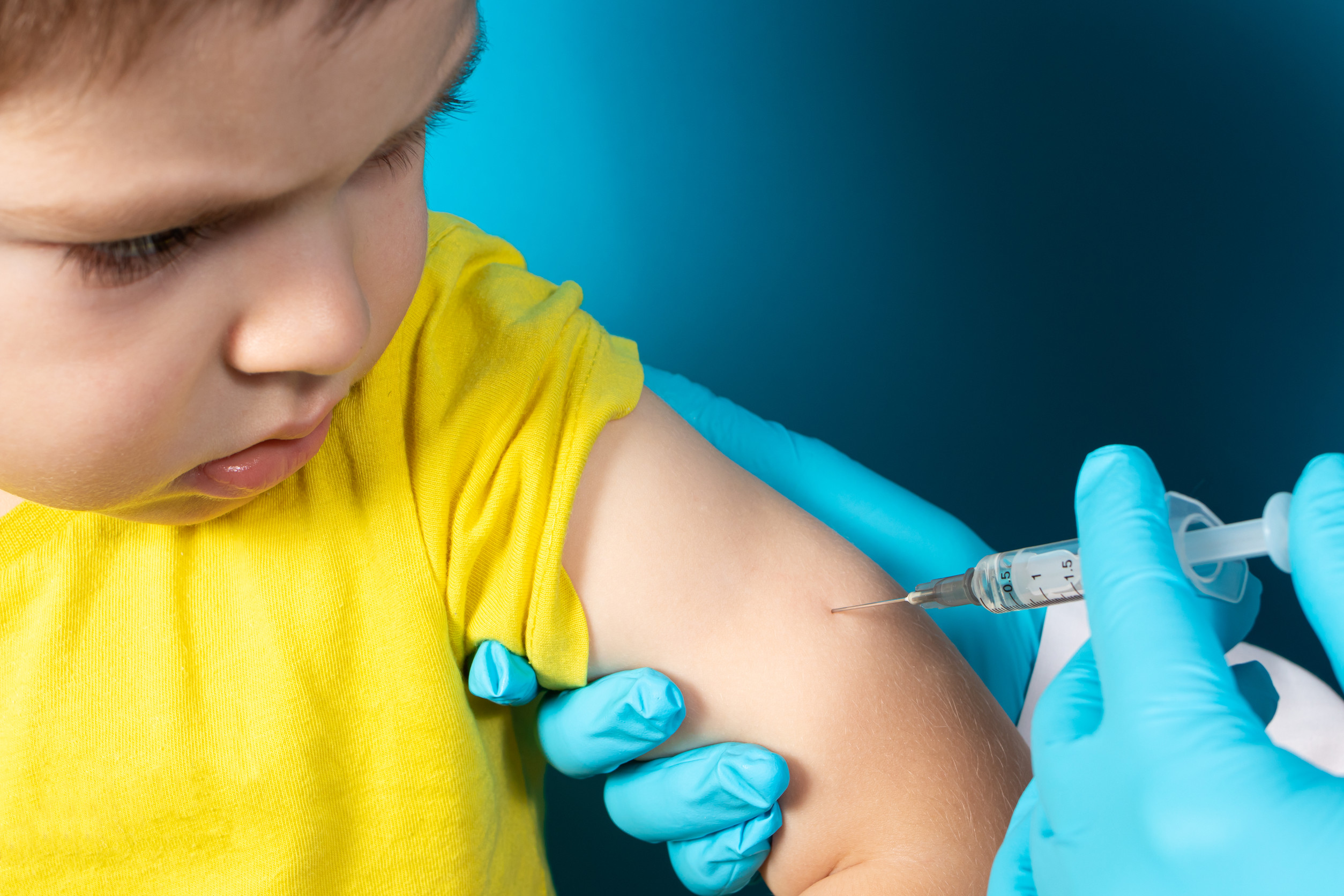
Think Again 5 Vaccinations Parents Are Skipping Putting Kids At Risk
Image source: 123rf.com

Vaccines have helped eliminate some of the world’s most dangerous childhood diseases, but a growing number of families are opting out of certain shots. Whether it’s due to misinformation, fear of side effects, or thinking a disease is no longer a threat, vaccinations parents are skipping can quietly open the door to serious outbreaks. What seems like a personal decision actually has community-wide consequences, especially for vulnerable children who can’t be vaccinated for medical reasons. Some of the shots being skipped aren’t new—they’re simply being overlooked. If you’re considering a delayed or selective schedule, here are five vaccines that deserve a second look.

1. MMR (Measles, Mumps, Rubella)

Measles may feel like a disease from the past, but recent outbreaks prove it’s still very much a threat. The MMR vaccine protects against three dangerous viruses that can lead to pneumonia, brain swelling, and long-term complications. Among vaccinations parents are skipping, MMR is often passed up due to debunked claims linking it to autism. Pediatricians and scientists around the globe have repeatedly confirmed the vaccine’s safety and importance. Skipping it not only puts your child at risk but also endangers infants and immunocompromised individuals who depend on herd immunity.

2. HPV (Human Papillomavirus)

The HPV vaccine isn’t just for teens—it’s for cancer prevention. It protects against the types of HPV that cause most cervical, throat, and other cancers later in life. Because it’s associated with sexual transmission, it’s one of the vaccinations parents are skipping, often due to discomfort discussing the topic. But the vaccine is most effective when given before any exposure, which is why it’s recommended for kids starting as early as age 9. Protecting your child from future health battles starts with making smart decisions now.

3. Hepatitis A

While Hep A is less well-known than other childhood illnesses, it can cause serious liver disease. Spread through contaminated food and close contact, this highly contagious virus is a real concern for kids in daycare or group settings. Since it’s not part of the original newborn schedule, Hepatitis A is one of the vaccinations parents are skipping either by accident or because they don’t understand the risk. But outbreaks have happened in schools, restaurants, and even playgrounds. This two-dose series offers strong protection against a disease that’s far more common than many parents realize.

4. Flu Shot (Seasonal Influenza)

Some parents think the flu is just a bad cold, but influenza can lead to hospitalization—even death—in children. Despite being updated and offered yearly, the flu shot remains one of the top vaccinations parents are skipping. Reasons range from thinking it’s ineffective to assuming their healthy child doesn’t need it. But flu viruses mutate quickly, and even a mild case can spread to others who are more vulnerable. A yearly flu shot protects your child and helps protect grandparents, classmates, and babies in the community.

5. DTaP Booster (Tetanus, Diphtheria, Pertussis)

Many parents follow the early DTaP schedule for babies but then forget about the booster that’s needed between ages 4 and 6. Without it, protection fades, leaving kids open to whooping cough—a disease that’s made a dangerous comeback in recent years. Tetanus and diphtheria are rare in the U.S., but they’re deadly if contracted, which is why boosters remain important. Of all the vaccinations parents are skipping, the DTaP booster often flies under the radar simply because it’s not tied to a well-known illness anymore. Keeping your child up to date on boosters is key to lifelong protection.

Skipping One Can Risk Them All

When it comes to vaccinations parents are skipping, the real danger isn’t just in one missed shot—it’s in the pattern. Each skipped vaccine creates a gap in protection, not just for your child but for every child they come into contact with. Pediatricians aren’t pushing vaccines to scare you—they’re trying to help families prevent suffering that’s entirely avoidable. Immunizations are one of the most well-researched tools in medicine, and staying informed is the best defense. Don’t let old myths or outdated fears steer you away from proven protection.

Have you ever reconsidered a vaccine after talking with your child’s doctor? Share your experience or questions in the comments below!

Read More:

Shocking Data: 6 Car Seat Errors Still Causing Fatal Accidents

Before You Buy: 10 Popular Kids’ Toys With Cancer-Causing Materials

Catherine Reed
Catherine Reed

Catherine is a tech-savvy writer who has focused on the personal finance space for more than eight years. She has a Bachelor’s in Information Technology and enjoys showcasing how tech can simplify everyday personal finance tasks like budgeting, spending tracking, and planning for the future. Additionally, she’s explored the ins and outs of the world of side hustles and loves to share what she’s learned along the way. When she’s not working, you can find her relaxing at home in the Pacific Northwest with her two cats or enjoying a cup of coffee at her neighborhood cafe.

Filed Under: Parenting Tagged With: childhood vaccines, immunization safety, kids' health, parenting decisions, pediatric care, Public Health, vaccinations parents are skipping, vaccine schedule

Why Some Parents Still Believe Vaccines Cause Autism—Despite All the Evidence

April 1, 2025 | Leave a Comment

Smiling loving young african american woman holding baby in her arms, looks at doctor hand with syringe on white background, blurred. Mother and child, vaccination, medical health care
Image Source: 123rf.com

The vaccine-autism debate refuses to die, even though science has repeatedly shut it down. Ask a few parents, and you’ll hear stories laced with concern, confusion, and outright fear. It’s easy to dismiss this as ignorance, but it’s often more complicated than that. At its heart, this belief is wrapped in emotion, past trauma, and a desire to protect children at all costs. So, why does this myth still have such a powerful grip?

1. It All Started With a Discredited Study

The myth took root in 1998 when British doctor Andrew Wakefield published a study claiming a link between the MMR (measles, mumps, rubella) vaccine and autism. The paper was later retracted for manipulating data, and Wakefield lost his medical license. But by then, the narrative had spread like wildfire. It gave worried parents a villain—and a reason—for their child’s diagnosis. That single, fraudulent study has haunted vaccine discourse for decades.

2. Celebrity Voices Amplified the Fear

Celebrities like Jenny McCarthy gave the theory a loud and emotional voice. McCarthy claimed vaccines caused her son’s autism and became a public face of the anti-vaccine movement. When someone famous shares a personal story, it feels more convincing, even if it’s not backed by science. People assume celebrities have access to secret truths or inside knowledge. In reality, fame doesn’t equal fact—but it sure gets attention.

3. Social Media Keeps the Myth Alive

Social media is a breeding ground for vaccine misinformation. Platforms like Facebook and TikTok make it easy for emotional stories to go viral, regardless of their accuracy. Algorithms push similar content to users, creating echo chambers that reinforce beliefs. If you’re already skeptical, social media will serve up even more content to validate your fears. It’s not just about facts anymore—it’s about how fast falsehoods can spread.

4. Parental Instinct Meets Confirmation Bias

When parents are scared, they search for answers—and sometimes, they find exactly what they want to believe. If a child starts showing signs of autism after a vaccine appointment, the timing alone can feel like proof. That’s confirmation bias at work: we notice what supports our beliefs and ignore what doesn’t. It’s human nature to connect dots, even when science tells us there’s no real link. And when it comes to their kids, parents often trust their gut more than statistics.

5. Autism’s Complexity Adds to the Confusion

Word AUTISM with colorful puzzle pieces on white background
Image Source: 123rf.com

Autism is a spectrum, with no single cause or clear explanation. Symptoms often emerge between ages one and three—right around the time kids get several vaccines. This overlap in timing can create a strong emotional connection between the two events. When science can’t offer a neat answer, myths step in to fill the void. Parents just want to understand what happened—and simple answers are easier to accept.

6. A Deep Distrust in Big Pharma

Pharmaceutical companies have a long history of putting profits over people. Scandals, lawsuits, and shady practices have made it hard for many to trust the industry. When vaccines come from these same companies, suspicion naturally follows. For some parents, it’s not about the science—it’s about questioning the motives behind it. This distrust can be powerful enough to outweigh even the strongest scientific consensus.

7. Misinterpreting Scientific Language

Scientific studies are often filled with jargon and statistical nuance that can confuse non-experts. Media headlines may oversimplify or misrepresent the findings, leading to panic instead of understanding. Some parents read summaries or secondhand reports and come away with the wrong idea. Others may cling to studies that support their beliefs while ignoring more credible research. Without proper science education, it’s easy to get lost in the noise.

8. Fear Often Overpowers Facts

Let’s face it—fear is stronger than logic in many cases. Autism is a lifelong condition, and the idea of “causing” it through a medical choice feels unbearable. Anti-vaccine advocates tap into that fear with emotionally charged language and heartbreaking anecdotes. Once fear takes hold, it can be hard to let go—even when evidence says otherwise. The emotional weight of “what if” can feel heavier than scientific facts.

9. Media Sensationalism Makes It Worse

News outlets often prioritize clicks over clarity. A headline suggesting a possible link between vaccines and autism will get more attention than one that debunks it. Even balanced articles can be misread if the title sparks fear. The result? Misinformation spreads further and faster than the truth. Media literacy is just as important as medical knowledge in this fight.

10. Changing Minds Requires Compassion

Shaming parents won’t make them trust science. What they need is empathy, education, and time to process. Many of these parents are acting from a place of love and worry, not malice. Helping them understand the real facts means listening first, not lecturing. Public health efforts should focus on support, not scolding.

We Can Break the Cycle

The myth linking vaccines and autism won’t vanish overnight. But we can challenge it—with facts, empathy, and better communication. Parents deserve to feel informed, not judged. The more we open conversations instead of shutting them down, the better chance we have to change minds. And protecting our kids—all of them—starts with the truth.

Have you had conversations about this topic with other parents? What helped you feel more confident about vaccines? Drop your thoughts in the comments—we’d love to hear your perspective!

Read More:

Is Your Parenting Style Shaped by Your Own Childhood Experiences?

What’s Your Parenting Style?

Latrice Perez

Latrice is a dedicated professional with a rich background in social work, complemented by an Associate Degree in the field. Her journey has been uniquely shaped by the rewarding experience of being a stay-at-home mom to her two children, aged 13 and 5. This role has not only been a testament to her commitment to family but has also provided her with invaluable life lessons and insights.  As a mother, Latrice has embraced the opportunity to educate her children on essential life skills, with a special focus on financial literacy.

Filed Under: Parenting Tagged With: autism, Misinformation, Parenting, Public Health, science, vaccine safety, vaccines

Why Do So Many Parents Think Vaccines Cause Autism?

June 11, 2024 | Leave a Comment

Why Do So Many Parents Think Vaccines Cause Autism
Canva

Vaccines are one of the most effective public health tools in history, but they’ve also been the subject of intense debate and misinformation. One of the most persistent myths is that vaccines cause autism. This belief has caused a lot of anxiety among parents. Let’s unpack the reasons behind this widespread misconception and why it’s crucial to rely on science.

1. The Andrew Wakefield Study

The Andrew Wakefield Study
Canva

In 1998, Andrew Wakefield published a study suggesting a link between the MMR (measles, mumps, and rubella) vaccine and autism. Although the study was small and poorly conducted, it garnered massive media attention.

Parents, understandably concerned about their children’s health, were alarmed. Wakefield’s findings were later debunked, and his medical license was revoked. However, the fear he ignited continues to influence public perception.

2. Media Amplification

Media Amplification
Canva

The media played a significant role in spreading the vaccine-autism myth. Sensational headlines and news stories often prioritize shocking claims over scientific accuracy.

When Wakefield’s study was published, it received extensive media coverage, perpetuating the idea that vaccines could be harmful. Even after the study was discredited, the initial panic had already taken root. The media’s focus on controversy rather than correction only deepened the confusion.

3. Celebrity Influence

Celebrity Influence
Wikimedia Commons

Celebrities have a powerful influence on public opinion. When high-profile figures such as Jenny McCarthy voiced concerns about vaccines causing autism, their followers listened.

McCarthy, a vocal critic of vaccines, claimed her son developed autism after receiving the MMR vaccine. Despite lacking scientific evidence, her advocacy gained traction. Celebrity endorsements of the anti-vaccine movement contributed to widespread distrust in vaccines.

4. Fear of the Unknown

Fear of the Unknown
Canva

Parenting comes with a natural desire to protect one’s child from harm. The cause of autism remains unknown, which can make parents anxious and desperate for answers.

When a plausible-sounding explanation, like vaccines, is presented, it can seem like a clear culprit. This fear of the unknown often leads parents to cling to any possible answer, even without solid evidence. The uncertainty around autism’s causes leaves room for misinformation to take hold.

5. Misinterpretation of Coincidence

Misinterpretation of Coincidence
Canva

Autism diagnoses often occur around the same time children receive vaccinations, typically between 12 and 18 months. This timing can lead to the misinterpretation that vaccines cause autism.

Parents might notice symptoms shortly after vaccinations and assume a causal link. However, correlation does not imply causation. The overlap in timing is purely coincidental, but it fuels the misconception that vaccines are to blame.

6. The Role of Confirmation Bias

The Role of Confirmation Bias
Canva

Confirmation bias is the tendency to seek out information that supports one’s existing beliefs. Parents worried about vaccines might focus on anecdotes and articles that confirm their fears. They might ignore or dismiss evidence that contradicts their views.

This selective attention reinforces their belief in the vaccine-autism link. Overcoming confirmation bias requires a conscious effort to consider all evidence, not just what aligns with preconceived notions.

7. Misinformation on Social Media

Misinformation on Social Media
Canva

Social media platforms have become breeding grounds for misinformation. Anti-vaccine groups and influencers use these platforms to spread fear and doubt about vaccines. The viral nature of social media allows misinformation to spread rapidly and widely.

Parents can easily come across false claims and compelling anecdotes that seem credible. The constant bombardment of misleading information makes it challenging to discern fact from fiction.

8. Lack of Trust in Pharmaceutical Companies

Lack of Trust in Pharmaceutical Companies
Canva

Pharmaceutical companies often have a reputation for prioritizing profit over people. This perception fuels distrust in the products they produce, including vaccines. High-profile cases of corporate misconduct and drug recalls contribute to this skepticism.

Parents might believe that vaccine safety data is manipulated to protect profits. Rebuilding trust requires transparency and accountability from both pharmaceutical companies and regulatory bodies.

9. Influence of Anti-Vaccine Movements

Influence of Anti-Vaccine Movements
Canva

Organized anti-vaccine movements have a significant impact on public opinion. These groups use various tactics to spread their message, including fearmongering and pseudoscience. They often present themselves as champions of parental rights and informed choice.

The anti-vaccine movement’s efforts to discredit vaccines have been effective in sowing doubt. Combating these movements requires a concerted effort to promote accurate information and science-based evidence.

10. Emotional Testimonies and Anecdotes

Emotional Testimonies and Anecdotes
Canva

Personal stories of children supposedly harmed by vaccines are powerful and persuasive. These emotional testimonies resonate with parents and can overshadow scientific data.

Hearing a firsthand account of a child developing autism after vaccination can be deeply unsettling. However, anecdotes are not evidence and can be misleading. It’s essential to rely on large-scale studies and scientific research to understand the true effects of vaccines.

Trusting Science and Protecting Children

Trusting Science and Protecting Children
Canva

The belief that vaccines cause autism is a complex issue rooted in misinformation, fear, and distrust. Understanding the origins of this myth and the reasons it persists can help address parents’ concerns.

Vaccines are crucial for public health, and the overwhelming scientific evidence supports their safety and effectiveness. By promoting accurate information and fostering trust in science, we can protect children and communities from preventable diseases.

Read More:

13 Parenting Tips from Cultures Around the World

Here’s What to Know if Your Child Is Autistic

Vanessa Bermudez
Vanessa Bermudez
Vanessa Bermudez is a content writer with over eight years of experience crafting compelling content across a diverse range of niches. Throughout her career, she has tackled an array of subjects, from technology and finance to entertainment and lifestyle. In her spare time, she enjoys spending time with her husband and two kids. She’s also a proud fur mom to four gentle giant dogs.

Filed Under: Parenting Tagged With: autism, Misinformation, Parental Concerns, Public Health, Vaccine Myths

  • Facebook
  • Pinterest
  • RSS
  • Twitter

Basic Principles Of Good Parenting

Here some basic principles for good parenting:

  1. What You Do Matters: Your kids are watching you. So, be purposeful about what you want to accomplish.
  2. You Can’t be Too Loving: Don’t replace love with material possessions, lowered expectations or leniency.
  3. Be Involved Your Kids Life: Arrange your priorities to focus on what your kid’s needs. Be there mentally and physically.
  4. Adapt Your Parenting: Children grow quickly, so keep pace with your child’s development.
  5. Establish and Set Rules: The rules you set for children will establish the rules they set for themselves later.  Avoid harsh discipline and be consistent.
  6. Explain Your Decisions: What is obvious to you may not be evident to your child. They don’t have the experience you do.
  7. Be Respectful To Your Child: How you treat your child is how they will treat others.  Be polite, respectful and make an effort to pay attention.
Best Parenting Blogs

Most Popular

Baby names

Teachers Admit: These 6 Baby Names Create Instant Bias in the Classroom

Latrice Perez
6 Baby Names That Sound Cute Now but Cause Problems Later

6 Baby Names That Sound Cute Now but Cause Problems Later

Brandon Marcus
11 Ways Kids Are Outsmarting Parental Controls 1. Using Alternate Devices One common trick is simply turning to another device. If a child’s main phone or tablet is restricted, they may borrow a sibling’s, friend’s, or even a school laptop. This instantly gives them access to content outside of parental oversight. Parents often focus on one device, forgetting that others in the household can serve as loopholes. Knowing this tactic helps families tighten controls across all electronics. 2. Clearing Browsing Histories Many kids quickly learn that clearing browsing history hides evidence of restricted activity. With just a few clicks, they can erase any trace of websites visited. This makes it harder for parents to notice when rules are being broken. Parents may assume no history means no browsing, but the reality is often the opposite. Kids are outsmarting parental controls by making it seem like nothing happened at all. 3. Using Private Browsing Modes Most browsers offer “incognito” or private browsing features. Kids use this mode to access websites without leaving a record in the history. To parents checking later, everything looks clean and safe. This simple trick is often one of the first ways kids discover how to bypass restrictions. Conversations about private browsing can help close this gap. 4. Guessing or Resetting Passwords Children who are persistent may try to guess passwords to parental control apps or accounts. Others may find ways to reset them through email prompts or security questions. Once inside, they can disable restrictions entirely. Parents may not even realize controls have been altered until much later. Stronger, less predictable passwords can make this more difficult. 5. Using VPNs to Hide Activity Virtual private networks, or VPNs, let kids disguise their online locations. With one downloaded app, they can bypass geographic or parental restrictions. Some children learn about VPNs through friends or even social media. This makes it easy for them to reach content that should be blocked. Parents often underestimate just how simple it is for kids to use these tools. 6. Creating Fake Accounts When parents monitor social media, kids may create hidden accounts. These “finstas” or fake profiles allow them to interact freely without parental oversight. While their main account appears harmless, the secondary one tells a different story. Kids are outsmarting parental controls by playing both sides at once. Checking for duplicate accounts can help parents stay more aware. 7. Exploiting Time Zone Settings Some kids change the time zone on their devices to bypass screen time limits. This trick allows them to gain extra hours of usage undetected. Parents may assume controls are working, but in reality, the child is bending the clock. It’s a clever loophole that highlights just how resourceful kids can be. Monitoring device settings regularly can catch this tactic. 8. Disabling or Uninstalling Apps Parental control apps can be deleted or disabled with surprising ease. Some kids even reinstall them before a parent checks, making it seem like nothing changed. Others may simply restrict permissions to prevent apps from functioning properly. When apps aren’t monitored closely, parents may not notice they’ve been tampered with. This shows the importance of consistent follow-up. 9. Turning to Friends for Access If a child can’t get past restrictions on their own, they may rely on friends. Visiting a friend’s house or borrowing their phone can give them a free pass. Parents often forget that peer environments can override restrictions set at home. This kind of social workaround is especially common with gaming or social media. Open conversations about trust and responsibility are essential. 10. Hiding Apps in Plain Sight Kids sometimes download apps that look innocent but serve as gateways to hidden activity. These apps may disguise themselves as calculators or utilities. In reality, they allow file storage, private messaging, or browser access. Parents glancing at a home screen may overlook them entirely. Learning to recognize these disguised apps can help parents stay informed. 11. Outpacing Parents’ Tech Knowledge Finally, kids often know more about devices than their parents do. Whether through YouTube tutorials, TikTok hacks, or peer groups, they quickly learn advanced workarounds. This knowledge gap means controls can be bypassed before parents even realize the loophole exists. Staying informed and continually learning about new technology is the best defense. Kids are outsmarting parental controls because they adapt faster than most adults. The Real Solution Lies Beyond Restrictions While controls and filters are important, no system is perfect. Kids will always find creative ways around barriers, making communication the strongest safeguard. Setting clear expectations, building trust, and having ongoing conversations about online behavior matter more than apps alone. Parents who combine technology with open dialogue create a safer digital environment. The goal isn’t to win a battle of wits but to build a relationship that keeps kids both safe and honest. Do you think kids are outsmarting parental controls faster than parents can keep up? Share your experiences in the comments below. What to Read Next... 6 Parenting Tech Shortcuts That Can Expose Your Child to Strangers How Much Screen Time Is Too Much—Legally Speaking? Is Your Child’s School Quietly Tracking Their Location Without Your Consent? How Much Screen Time Is Quietly Reshaping Childhood Behavior? Why Some Parents Are Being Investigated Over Homeschooling Records

11 Ways Kids Are Outsmarting Parental Controls

Catherine Reed
Smiling grandfather holding a happy baby indoors.

Why Grandparents Shouldn’t Babysit Their Grandkids Every Week – The Unspoken Issue

Samantha
birthday gifts

7 Birthday Gifts Your Child Should Never Bring to a Party

Latrice Perez

All content on Kids Ain’t Cheap is for entertainment purposes only. By reading this blog, you agree that Kids Ain’t Cheap is not responsible for any actions taken after reading this blog. For the full disclaimer, see our privacy policy.

Please note that Kids Ain’t Cheap has financial relationships with some of the merchants mentioned here. Kids Ain’t Cheap is funded by banner advertising, commission sales and search optimization consulting.

Copyright © 2006–2026 | District Media | All Rights Reserved | Privacy Policy

Copyright © 2026 Runway Pro Theme by Viva la Violette