• Home
  • About Us
  • Toolkit
  • Archives
  • Advertise
  • Privacy Policy

Kids Ain't Cheap

But They Sure Are Worth It

  • Parenting
    • Baby Stuff
    • Books and Reading
      • Aesops Fables
      • Comic Books
    • Education
    • Family Time
    • Green Living
    • Growing Up
    • Healthy Living & Eating
    • Holidays
    • Parenting
    • Random Musings
    • Shopping
    • Stuff to Do
  • Money
  • Product Reviews
    • Books and Magazines
    • Discount Sites
    • Furniture
    • House Keeping
    • Reviews News
    • Toys and Games
  • Contact Us
  • Our Editorial Commitment
  • Search

Why Some Parents Still Believe Vaccines Cause Autism—Despite All the Evidence

April 1, 2025 | Leave a Comment

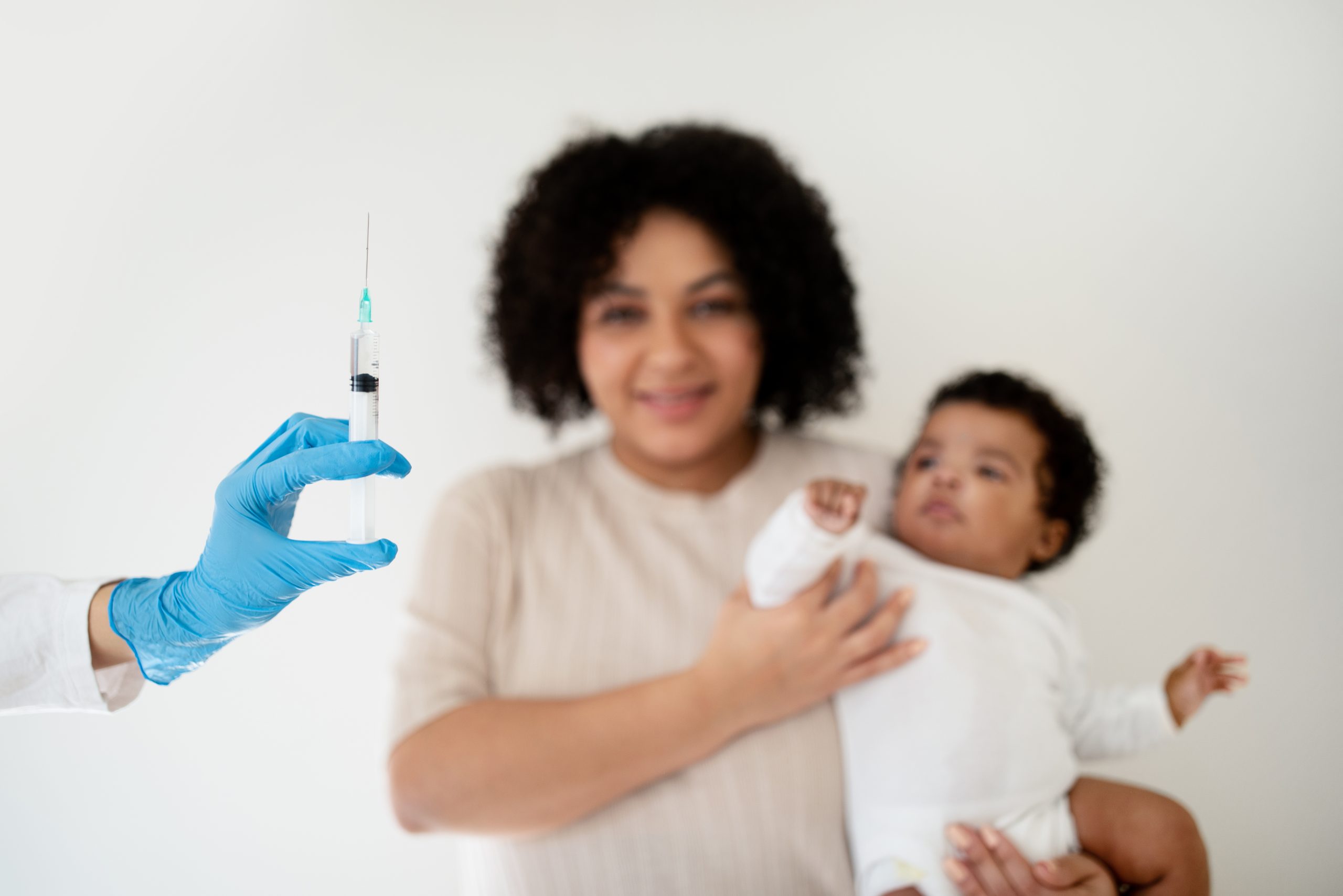
Smiling loving young african american woman holding baby in her arms, looks at doctor hand with syringe on white background, blurred. Mother and child, vaccination, medical health care
Image Source: 123rf.com

The vaccine-autism debate refuses to die, even though science has repeatedly shut it down. Ask a few parents, and you’ll hear stories laced with concern, confusion, and outright fear. It’s easy to dismiss this as ignorance, but it’s often more complicated than that. At its heart, this belief is wrapped in emotion, past trauma, and a desire to protect children at all costs. So, why does this myth still have such a powerful grip?

1. It All Started With a Discredited Study

The myth took root in 1998 when British doctor Andrew Wakefield published a study claiming a link between the MMR (measles, mumps, rubella) vaccine and autism. The paper was later retracted for manipulating data, and Wakefield lost his medical license. But by then, the narrative had spread like wildfire. It gave worried parents a villain—and a reason—for their child’s diagnosis. That single, fraudulent study has haunted vaccine discourse for decades.

2. Celebrity Voices Amplified the Fear

Celebrities like Jenny McCarthy gave the theory a loud and emotional voice. McCarthy claimed vaccines caused her son’s autism and became a public face of the anti-vaccine movement. When someone famous shares a personal story, it feels more convincing, even if it’s not backed by science. People assume celebrities have access to secret truths or inside knowledge. In reality, fame doesn’t equal fact—but it sure gets attention.

3. Social Media Keeps the Myth Alive

Social media is a breeding ground for vaccine misinformation. Platforms like Facebook and TikTok make it easy for emotional stories to go viral, regardless of their accuracy. Algorithms push similar content to users, creating echo chambers that reinforce beliefs. If you’re already skeptical, social media will serve up even more content to validate your fears. It’s not just about facts anymore—it’s about how fast falsehoods can spread.

4. Parental Instinct Meets Confirmation Bias

When parents are scared, they search for answers—and sometimes, they find exactly what they want to believe. If a child starts showing signs of autism after a vaccine appointment, the timing alone can feel like proof. That’s confirmation bias at work: we notice what supports our beliefs and ignore what doesn’t. It’s human nature to connect dots, even when science tells us there’s no real link. And when it comes to their kids, parents often trust their gut more than statistics.

5. Autism’s Complexity Adds to the Confusion

Word AUTISM with colorful puzzle pieces on white background
Image Source: 123rf.com

Autism is a spectrum, with no single cause or clear explanation. Symptoms often emerge between ages one and three—right around the time kids get several vaccines. This overlap in timing can create a strong emotional connection between the two events. When science can’t offer a neat answer, myths step in to fill the void. Parents just want to understand what happened—and simple answers are easier to accept.

6. A Deep Distrust in Big Pharma

Pharmaceutical companies have a long history of putting profits over people. Scandals, lawsuits, and shady practices have made it hard for many to trust the industry. When vaccines come from these same companies, suspicion naturally follows. For some parents, it’s not about the science—it’s about questioning the motives behind it. This distrust can be powerful enough to outweigh even the strongest scientific consensus.

7. Misinterpreting Scientific Language

Scientific studies are often filled with jargon and statistical nuance that can confuse non-experts. Media headlines may oversimplify or misrepresent the findings, leading to panic instead of understanding. Some parents read summaries or secondhand reports and come away with the wrong idea. Others may cling to studies that support their beliefs while ignoring more credible research. Without proper science education, it’s easy to get lost in the noise.

8. Fear Often Overpowers Facts

Let’s face it—fear is stronger than logic in many cases. Autism is a lifelong condition, and the idea of “causing” it through a medical choice feels unbearable. Anti-vaccine advocates tap into that fear with emotionally charged language and heartbreaking anecdotes. Once fear takes hold, it can be hard to let go—even when evidence says otherwise. The emotional weight of “what if” can feel heavier than scientific facts.

9. Media Sensationalism Makes It Worse

News outlets often prioritize clicks over clarity. A headline suggesting a possible link between vaccines and autism will get more attention than one that debunks it. Even balanced articles can be misread if the title sparks fear. The result? Misinformation spreads further and faster than the truth. Media literacy is just as important as medical knowledge in this fight.

10. Changing Minds Requires Compassion

Shaming parents won’t make them trust science. What they need is empathy, education, and time to process. Many of these parents are acting from a place of love and worry, not malice. Helping them understand the real facts means listening first, not lecturing. Public health efforts should focus on support, not scolding.

We Can Break the Cycle

The myth linking vaccines and autism won’t vanish overnight. But we can challenge it—with facts, empathy, and better communication. Parents deserve to feel informed, not judged. The more we open conversations instead of shutting them down, the better chance we have to change minds. And protecting our kids—all of them—starts with the truth.

Have you had conversations about this topic with other parents? What helped you feel more confident about vaccines? Drop your thoughts in the comments—we’d love to hear your perspective!

Read More:

Is Your Parenting Style Shaped by Your Own Childhood Experiences?

What’s Your Parenting Style?

Latrice Perez

Latrice is a dedicated professional with a rich background in social work, complemented by an Associate Degree in the field. Her journey has been uniquely shaped by the rewarding experience of being a stay-at-home mom to her two children, aged 13 and 5. This role has not only been a testament to her commitment to family but has also provided her with invaluable life lessons and insights.  As a mother, Latrice has embraced the opportunity to educate her children on essential life skills, with a special focus on financial literacy.
Filed Under: Parenting Tagged With: autism, Misinformation, Parenting, Public Health, science, vaccine safety, vaccines

Health Tips that Cost Nothing

December 26, 2010 | Leave a Comment

Low cost Health Tips
Found on Pixabay

Every Christmas season, there is nothing like seeing family and friends share in the fun, food, and presents. This year though, more and more people have been tightening their belts with everything from Christmas Eve and Christmas day menus to presents.  So it is especially important to take note of all the things we can do to save a buck or two.

Funnily enough, this is not relegated to food and gifts only. There are so many things we can do to avoid unnecessary expenses that are not really related only to the Christmas season. I don’t know how it is in other countries, but in the Philippines, the couple of months leading to Christmas are usually the coldest in the year. And because of this, people tend to stay indoors more and up getting sick more often because of the increased time in close quarters.  We can save a lot from medicines and doctors visits if we just pay attention and plan ahead.  Here are some tips to help avoid health-related expenses during the Christmas season.

Get your kids’ vaccines updated

If you have an infant, this tip might be an unnecessary one for you. This is because infants have a regular list of vaccines they need to be given in the first 12 months of life.  But if you have a toddler or preschooler, you might want to rethink some traditional plans.  Before, it would be enough to have one or two chicken pox vaccines between the infant year to the eighteenth.  These days, a lot of pediatricians recommend another shot in between due to the mutation of the chicken pox strain.  Sounds scary, true. But a shot will allay fears.  Thankfully, my son and daughter are really good about shots.  A simple distraction and a promise of a lollipop is enough to ensure a cry-free session at the doctor.

Make sure you get your kids checked while you’re at the doctors

Since you’re at your doctor’s anyway, it would be a good idea to do an overall check-up.  Get their eyes, ears, throat, tummy, weight, and height checked.  Not only is this one way to make sure they are in tip-top shape before the Holidays, but it also keeps YOU updated as to how your kids are growing.  Since I don’t need to visit the doctor ever three months anymore and really only see her bi-annually or if the kids are really sick (which, thankfully, has been very rare), I use these visits to keep track of their growth in general. It is also a great time to do it since I have the info every end of the year –for the start of the next year- and every mid-year- for comparison.

Teach the kids the value of cleanliness and being organic

I live in a tropical country so we have wet and humid weather all the time.  For kids, this means a lot of rainwater and mud.  While I am all for the kids building a natural immunity to dirt, I also am very mindful of the millions of diseases you can get from being carelessly dirty.  I try to avoid such serious illnesses like Typhoid fever and Hepatitis from teaching my kids to always wash their hands after using the bathroom and before every meal.  They bathe three times a day, especially before they go to bed as they need to wash away all the dirt and grime collected over the day.  Some people don’t think this is necessary, but I believe otherwise, especially in a tropical country.

I try to avoid other less serious illnesses like skin rashes or diarrhea by monitoring closely what they eat.  This is a tough one since Christmas time is all about caroling and parties for kids and both activities naturally come with food.  I just stick to my one rule and it has served me well, so far.  As much as possible, the kids can eat food prepared with as little additives as possible.  So if we are eating at someone else’s house, I stay away from food from the can or cooked with MSG, and any and all sodas.  Of course, there is no keeping the kids away from chips and candy so I allow this within reason. A deal with the kids usually works.  They can have a handful of 1 kind of chip (choices screened by moi) and 2 pieces of candy per house, and as much juice as they want as long as they drink the same amount of water (which I bring from home). This has gotten me through this season, food-allergy free.

On the whole I try to keep them to drinking fresh fruit juices but I do also take the bottled ones if the fruits just can’t be had here- like grape or strawberry or peach juice all of which are very tough or expensive to come by.

In my country, good healthy care is not free so you really have to pay attention to what the kids are exposed to and to their vaccine records not only to keep them consistently healthy but also to keep yourself from drowning in medical expenses otherwise.  I hope these simple tips are helpful, even a bit.

How do you keep your kids healthy?

Brian
Brian

Brian is the founder of Kids Ain’t Cheap and is now sharing his journey through parenthood.

 
Email • Google + • Facebook • Twitter

Filed Under: Healthy Living & Eating Tagged With: cleanliness, doctor visits, Health Tips, organic, vaccines

  • Facebook
  • Pinterest
  • RSS
  • Twitter

Basic Principles Of Good Parenting

Here some basic principles for good parenting:

  1. What You Do Matters: Your kids are watching you. So, be purposeful about what you want to accomplish.
  2. You Can’t be Too Loving: Don’t replace love with material possessions, lowered expectations or leniency.
  3. Be Involved Your Kids Life: Arrange your priorities to focus on what your kid’s needs. Be there mentally and physically.
  4. Adapt Your Parenting: Children grow quickly, so keep pace with your child’s development.
  5. Establish and Set Rules: The rules you set for children will establish the rules they set for themselves later.  Avoid harsh discipline and be consistent.
  6. Explain Your Decisions: What is obvious to you may not be evident to your child. They don’t have the experience you do.
  7. Be Respectful To Your Child: How you treat your child is how they will treat others.  Be polite, respectful and make an effort to pay attention.
Best Parenting Blogs

Most Popular

Baby Girl

12 “Grandma” Baby Names That Are Suddenly Cool Again

Evan Morgan
Baby

9 Baby Names That Sound Rare Without Being Hard to Spell

Evan Morgan
Target Store

Choking Incident Prompts Recall of 49,000 Target Gigglescape “Under the Sea” Popping Toys

Evan Morgan
Frustrated Girl

Why Some Students on the Spectrum Are Labeled With ODD

Evan Morgan
Coke Bottles

12 Things Kids Took to School in the ’70s That Would Never Be Allowed Today

Evan Morgan

All content on Kids Ain’t Cheap is for entertainment purposes only. By reading this blog, you agree that Kids Ain’t Cheap is not responsible for any actions taken after reading this blog. For the full disclaimer, see our privacy policy.

Please note that Kids Ain’t Cheap has financial relationships with some of the merchants mentioned here. Kids Ain’t Cheap is funded by banner advertising, commission sales and search optimization consulting.

Copyright © 2006–2026 | District Media | All Rights Reserved | Privacy Policy

Copyright © 2026 Runway Pro Theme by Viva la Violette