• Home
  • About Us
  • Toolkit
  • Archives
  • Advertise
  • Privacy Policy

Kids Ain't Cheap

But They Sure Are Worth It

  • Parenting
    • Baby Stuff
    • Books and Reading
      • Aesops Fables
      • Comic Books
    • Education
    • Family Time
    • Green Living
    • Growing Up
    • Healthy Living & Eating
    • Holidays
    • Parenting
    • Random Musings
    • Shopping
    • Stuff to Do
  • Money
  • Product Reviews
    • Books and Magazines
    • Discount Sites
    • Furniture
    • House Keeping
    • Reviews News
    • Toys and Games
  • Contact Us
  • Our Editorial Commitment
  • Search

Would You Make Your Kids Pay You Back For Their Braces?

March 25, 2015 | 1 Comment

make kids pay for their bracesOrthodontic treatment (aka ‘’braces’’) are expensive. The materials aren’t cheap and it’s a long process- usually 12-24 months’ worth of adjustments, fittings, elastics, retainers, it’s a lot of work. I see it every day from pre-treatment to end of treatment. It’s a big topic in dentistry for both kids and adults. Though there is a large population of adults who wear braces, most clients I see are children (or young teens) who are going through treatment, basically because their parents signed them up for it.

The dentist I work for will not place braces on a patient until they (the patient and parents) have full understanding (regardless of age) of the importance of retaining after the treatment is done. 9.5 times out of 10 a person MUST wear their retainers, at least weekly for the rest of their lives, if they want to keep teeth perfectly straight. Yes there are some miracle cases that stay even though the retainer has never been in the mouth, but there’s a slim to none chance teeth will stay straight without some retention. Teeth want to go back to their original position no matter how ‘’right’’ the corrected position is.

Given that most of the ortho people we see are young kids, who despite us reminding them constantly, rarely wear their retainers properly and end up with relapse. Sometimes it’s mild and doesn’t bother them but we see a few cases of almost 100% relapse too where the braces are removed and they simply never bother retaining the teeth.

I had one of these cases in last week. He was a 22 year old male who went through full ortho treatment six years ago. Admittedly he never bothered with the retainers and his teeth have almost totally relapsed. He was complaining because his mom made him pay her back.

His mom paid cash for his braces. Their insurance didn’t cover it so for two years his mom and step dad made monthly payments on his account for his $5,000+case.  He explained that she was mad at him for allowing his teeth to relapse and because he didn’t hold up his end of the bargain by wearing his retainers and she wanted a refund now that he was working full-time.

It got me thinking, though I work in the industry so I feel like our situation may be a little different, the fact remains that if (and likely, when) our daughter gets braces, she will be 100% informed the entire process. Unless medically necessary (there are some instances and there almost a 0% chance she will fall into one) I will not put braces on her until she agrees to follow all directions, including wearing retainers. Though I will gently remind her to wear them occasionally (how could I not being a mom and dental hygienist?) I will not hound her. It’s her responsibility and if I don’t think she could handle it, I won’t do it.

If she agrees and commits 100%, but ultimately fails due to neglect, I’d be super disappointed and may come up with an ultimatum. Though certainly not for everyone, I don’t necessarily think this mom in question was wrong for asking for her son to pay her back as he had made promises to her- as a young adult.

Would you ever ask your kids to pay back for such an expense?

Catherine
Catherine

Catherine is a first time momma to a rambunctious toddler. When she isn’t soaking up all that motherhood has to offer, you can find her blogging over at Plunged in Debt where she chronicles her and her husbands journey out of debt. You can also follow her on Twitter.


plungedindebt.com

Filed Under: Medical Tagged With: braces, Kids, kids pay for their braces

Is Your Family Prepared For an Emergency?

July 9, 2014 | Leave a Comment

prepare for an emergencyThough it’s early in the season, we currently have our first hurricane among us.

Where I live geographically doesn’t get many hurricanes, and when we do they’re usually quite downgraded, but we do still get a few tail-ends and post tropical storms being on the coast. It wasn’t long ago that we were hit quite hard and had thousands of dollars worth of damage done. Our city as a whole received a huge wakeup call from Mother Nature and we no longer mess around!

Since living through the first bad hurricane 11 years ago, and many post tropical and winter storms, we have become quite educated in the emergency preparedness department. There are the basics that most people remember like having food and water on hand but there are many more steps into assuring your family will be safe and sustainable for a few days with potentially no power for you, or your entire city.

Prep Your Property

Make sure you ”baton down all the hatches”. Clear your decks, porches and yards of any debris. A lot of the damage done in our last storm was from flying debris. If you have time and can predict stuff like low-lying tree branches that may break, deal with them. Bring outdoor plants inside and secure all furniture that can’t move.

Medication/Medical Supplies

During the hurricane a few years ago, pretty much our entire city was without power for at least a few days. Pharmacies had to close, and people were running out of medication. I remember my mom, who is a pharmacist, going into work and losing thousands of dollars worth of refrigerated stock.  She was also playing ”catch up” and dealing with people who had run out and may not have been in the best medical condition. In today’s technology, storms are usually pretty well predicted. Listen to any warnings and make sure you stock up on any medication for you and your family at least for a few days. Also have a first aid kit on hand.

Baby Supplies

If you have a baby, stock up on supplies like diapers, wipes, Tylenol, Advil and benedryl, you never know what may happen! If you cloth diaper, buy disposable to have on hand since you may not be able to do laundry to wash your cloth.

Propane/Gas

If you have access to a BBQ, even a small camping stove, make sure you have some propane on hand. We relied on this mode of cooking for almost a full week during the last bad storm and as we prepare today for power loss I know we had a mode to cook some food. Also make sure you have a full tank of gas because there’s a possibility the gas stations may not be open!

Power Sources

Obviously power loss is a big deal in storms. Have backup batteries, candles, lighters, solar chargers and ideally a solar-powered radio. You can really never have enough batteries on hand. Also think about kids toys which may require batteries, if you have no power and need to keep them entertained, batteries may be required for your sanity 😉

Entertainment

Make sure you know where family fun stuff is. Books, games, cards, coloring books. This is also good in case you are required to leave your house and need to grab some things relatively quick.

Pet Supplies

This is all too overlooked. Heck, I just did it this week. Though I didn’t forget the food I did forget to buy kitty litter so hoping if we lose power it isn’t for long and can get to a store in the next day or so! Again, if you have to leave make sure you’re not looking for the pets cage or carrier. I know our cat carrier is often buried in a closet somewhere.

Though storms, no matter how well predicted can still be very unpredictable when they actually hit it doesn’t hurt to be prepared! And no, I don’t believe you can ever be too prepared.

How do you stay prepared for emergencies?


Catherine
Catherine

Catherine is a first time momma to a rambunctious toddler. When she isn’t soaking up all that motherhood has to offer, you can find her blogging over at Plunged in Debt where she chronicles her and her husbands journey out of debt. You can also follow her on Twitter.

plungedindebt.com

Filed Under: Medical, Parenting Tagged With: having an emergency kit, natural disasters, preparing for emergencies

5 Essential Health Exams for Men & Women Over 40

February 20, 2014 | Leave a Comment

medical examsMaintaining good health is essential throughout our life, but as we get older it becomes more and more imperative. Many diseases and illnesses can be avoided by properly maintaining health, whether that is by eating right, maintaining a good weight, or keeping essential exams for individuals over the age of 40 up to date. There are a couple health exams that men and women over the age of 40 should get to ensure lasting health.


Blood Pressure

A leading cause in death of both men and women over the age of 40 is heart disease. There are often times no signs that lead to high blood pressure, so it is important for men and women over the age of 40 to get their blood pressure checked regularly. The only way to truly know whether an individual has high blood pressure or not is to get their blood pressure checked. If high blood pressure is found and proper steps to treat it are taken, it can greatly reduce the risks of stroke, heart disease and kidney issues.


Measuring Waist Size

Health risks greatly increase for individuals who are overweight, whether it is mildly overweight or severely overweight. Women who have waist sizes greater than 35 inches or men who have waist sizes greater than 40 inches are at health risks such as heart disease and diabetes that average weight individuals typically are not. Keeping waist size in check can reduce these health risks significantly. If an individual’s waist size does get in the risk category, a doctor can help get that individual on the right track to weight loss to get in the healthy weight range.


MRI

Men and women over the age of 40 who experience chronic headaches should have an MRI performed. Chronic headaches can have a wide array of causes, but an MRI can narrow those causes down. By having an MRI performed, individual’s can not only learn the cause of their headaches, but also learn whether or not brain surgery to reduce the headaches is needed. Cortical thickness that is reduced on the brain can be the cause of chronic headaches. If the thickness is extremely reduced, brain surgery can sometimes be needed to give the individual relief, so patients should find a surgeon like Dr Timothy Steel with plenty of experience so they can be confident that their precious brain will be in a safe pair of hands.


Cholesterol

High cholesterol can have negative impacts not only on an individual’s heart, but also their overall cardiovascular health. Having a test run at the doctor’s office to determine good cholesterol and bad cholesterol is essential to keep an individual’s heart and cardiovascular system healthy.


Blood Sugar

Diabetes is also one of the leading causes of death in both men and women over the age of 40. A simple blood sugar test at the doctor’s office can determine if an indbloodividual either has diabetes or is in the pre-diabetes stage. Not only is diabetes also a leading cause in death, but it is also a leading disease in the cost to maintain it. Although all cases of diabetes are not avoidable, it is much easier to stay healthy and eat right to reduce the risks of developing diabetes than to live life trying to maintain it.

Both men and women over the age of 40 can keep their health in check by having these five essential exams performed. The best way to maintain lifelong health is to take steps to avoid illnesses that can be avoided.

Brian
Brian

Brian is the founder of Kids Ain’t Cheap and is now sharing his journey through parenthood.

 
Email • Google + • Facebook • Twitter

Filed Under: Medical Tagged With: exams, medical exams, medical exams over 40

How to Ease Back Pain During Pregnancy

January 30, 2014 | Leave a Comment

planning for a babyPregnancy is such a wonderful time. The happiness you feel about carrying your unborn child is hard to put into words.

However, along with the good side of pregnancy also comes the less desirable side: pains and aches throughout your body, especially in your back.

If you’ve been experiencing back pain you need to let your doctor know. With your doctors consent here are five things that may help ease your pain.

Don’t Sit or Stand Too Long

Many women work throughout their pregnancy or are taking care of other little ones at home.

If you fall into one of these two categories then sitting or standing for an extended period of time can take a toll on your back. Try switching up your routine. If you normally stand at work ask your boss for a chair. If you sit in an office all day take a walk every couple of hours. If you’re looking after little ones then you need reinforcement. Ask a friend or family member to pitch in when your back pain spikes.

Rest When Needed

Women have the tendency to want to do it all. But during pregnancy this train of thought should be prevented.

If you’re in pain don’t worry about the house being a mess or the dishes needing done- rest. If you have other children ask your spouse to pitch in. You need to take care of yourself and your baby. Pregnancy can drain you of energy. Pair low energy levels with sharp back pain and rest is required.

Consider Physiotherapy

Contrary to popular belief physiotherapy is not just for those recovering from an injury. Physiotherapy can be used to treat many different types of pain.

If your back pain is becoming unmanageable ask your doctor about physiotherapy. Physiotherapists can design a program specifically for you to help relieve the back pain you’re feeling during pregnancy. Talk to your doctor and get recommendations. A physiotherapy clinic like Canadian Back Institute Operating LP can work with you to help relieve your pain.

Work on Your Posture

When you’re pregnant your center of gravity shifts. Along with weight gain and stress this can be the culprit of your back pain.

Work on your posture – stand up straight and roll your shoulders back. Resist the urge to slouch. If you pay attention to your posture during your entire pregnancy you’ll be able to minimize back pain.

Do Prenatal Exercises

If your back pain is mild doing prenatal exercises can help you manage or eliminate the pain. During pregnancy there are a few basic exercises and stretches you can perform. Ask your doctor for a list of recommended exercises. You might also want to look into therapeutic massage in Lexington, KY or other areas for a prenatal massage that can help reduce joint pain.

If the pain doesn’t subside or worsens consult with your doctor. You may need to have a physiotherapist develop a custom plan for you.

If the pain doesn’t subside or worsens consult with your doctor. You may need to have a physiotherapist develop a custom plan for you.

Get Support

Pregnancy is different for every woman. Some women breeze right through never feeling an ache or pain. Others deal with aches and pains throughout the entire pregnancy. No matter what position you’re in make sure have a good support team who can help you out when needed.

When you need to take a break, do it. If you’re dealing with constant pain consult with a doctor to see what options you have.

Catherine
Catherine

Catherine is a first time momma to a rambunctious toddler. When she isn’t soaking up all that motherhood has to offer, you can find her blogging over at Plunged in Debt where she chronicles her and her husbands journey out of debt. You can also follow her on Twitter.

plungedindebt.com

Filed Under: Medical Tagged With: back pain, Pregnancy, pregnant back pain

Sensory Integration Strategies for Children with Autism

January 22, 2014 | Leave a Comment

sensesA classic symptom of autism in children is the difficulty they find in processing and integrating sensory information. When occupational therapy is linked with sensory integration, there is a significant improvement in the child’s ability to function in daily life. As parents increase their demand for this successful combined strategy, the need for occupational therapy assistants has also increased.

The autism spectrum is so broad, of course, that not all children benefit from such therapy, and some may not need it at all, but an educated therapy assistant will make the therapy engaging for the child and helpful to the parents.


Extreme Sensitivity

Many autistic children demonstrate extreme sensitivity to sensory stimulation. They show extreme sensitivity to touch, loud noises, bright lights, quick movements, and background noises. The sensory input overloads their systems creating stress, panic, and confusion. They often appear unfocused or distracted, but such behaviors are defensive. Likewise, some demonstrate obsessive behaviors or self-stimulating behaviors to manage the sensory overload.


Sensory Processing

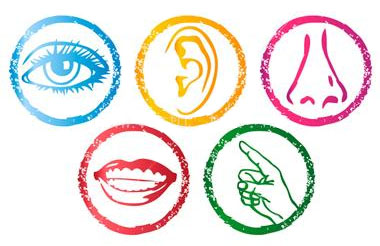
You process sensory impacts all the time. Stimuli impinge upon your physical senses, reporting and interpreting your surroundings. Your system delivers messages to your brain and to your central nervous system where integration and interpretation occur simultaneously. If those impacts are too strong, frequent, or loud, you can be overwhelmed and express emotional or psycho-physical symptomatology. Likewise a 3-year old may be “short-circuited” by an assaultive environment like an amusement park. This mechanism is analogous to that endured by the autistic child, but the disconnect between sensory sensitivity and integration/interpretation can be enormous.

Children with autism apparently have a dysfunctional sensory system; for whatever reason, the senses over- or under-react to stimuli. For example:

  • Visual stimuli may prompt children to spin repeatedly or avoid eye contact.
  • Auditory effects cause autistic children to cover their ears or runs with anxiety from noises.
  • Tactile input may present itself as fear of being touched or failure to react to pain.
  • Taste may provoke refusal to eat certain foods.
  • Smell may show in child’s refusal to use public restroom.


Sensory Integration

A occupational therapy assistant will structure experiences for the autistic child that appear to be play. For example, the child may be tasked to balance on an exercise ball or sit among styrofoam popcorn in a tub. The games involve textures and/or physical pressure points that intentionally distract the child from obsessive concerns. The therapy structures and organizes the child’s sensory experience through focused exercises. The strategy creates routine and personal interaction.


The Role of The Occupational Therapy Assistant

Therapy services evaluate, intervene, and measure outcomes of therapeutic “games.” The therapist will work with child, family, teachers, and caregivers to learn, replicate, and measure the intervention and outcomes. The occupational therapy assistant will provide sensory stimulation in an organized, prioritized, and engaging way to model behaviors that organize the central nervous system. The therapy will modulate erratic behavior by balancing and integrating the sensory experience. And, the occupational therapy assistant will develop additive behaviors that organize responses to stimuli.

The strategic approach identifies and addresses the strength and nature of a specific sensory response, rather than not assume there is a standard behavior to train to. The strategy says, “One size does not fit all,” and adapts the therapy to that need. This adds to the engagement and student/child’s success. Children with autism display unique personal, social, and communicative relationships that follow paths specific to the child. Addressing those identified needs with relevant therapies remains the most effective strategy for helping the child navigate those waters.

Brian
Brian

Brian is the founder of Kids Ain’t Cheap and is now sharing his journey through parenthood.

 
Email • Google + • Facebook • Twitter

Filed Under: Medical Tagged With: autism, sensory integration

The Cost of Caring For a Child with Autism

January 15, 2014 | Leave a Comment

autism awarenessIt really scares me how common autism and autism-spectrum disorders are becoming.  I have two friends that have children with autism, and everyday is a struggle for them.  It hurts my heart because their kids are so cute and amazing, they just can’t communicate and interact with other kids their age, and their parents have trouble getting through to them as well.

It’s estimated that about 1 in 88 children will be diagnosed with some type of autism disorder.  That’s a huge increase from past generations.  The costs of caring for a child with autism are something that many families haven’t considered.


Healthcare Costs

The fact is that autism increases healthcare costs for children because parents seek diagnoses and cures for their children.  Furthermore, the healthcare for children with autism is more difficult because children with autism have trouble communicating what is wrong.

If you have a child with autism, you’re going to seek healthcare that specializes in autism care. For example, You may require the services of a disability support worker who meets NDIS compliance for additional support, which can be an essential resource in your child receiving the best care possible. However, navigating these systems can sometimes present challenges, as many of these places are universities or programs that are difficult to be a part of. You may want to join a speech-language pathology program at the local university, but it could be difficult to get a spot for your child since funds and resources are limited.

Therapy Options

The best thing that parents of autistic children can do is enroll them in therapy programs to help them understand the world and communicate with others better.  While it’s not a solution, it can help with dedication and focus.

For example, Boomerang Health offers a great speech-language pathology program that can help children communicate better, and also understand things better.  That way, your child has a better chance of being to keep up with their peers in school and not feel like an outcast.  No child wants to be different, even if they don’t fully understand.


The Emotional Toll

Finally, you can’t talk about the costs of caring for an autistic child if you don’t talk about the emotional toll it takes.  It’s a lot of work, and it’s tough.  I see it in my friends faces every day, and I know that’s its a challenge.  For me, I can simply tell my child what to do and they usually understand, but that’s not the cast for parents of children with autism.  It takes a lot of work to get through to them on even the basic things they need to communicate – and that’s hard.

Plus, no matter how common autism becomes, there’s still a stigma attached.  It sucks, but it is true.  The best we can do is be accepting of others, and help when needed.

Do you know a child with autism?

Brian
Brian

Brian is the founder of Kids Ain’t Cheap and is now sharing his journey through parenthood.

 
Email • Google + • Facebook • Twitter

Filed Under: Medical Tagged With: autism, autism costs, autism spectrum

Preparing for Baby: The Hospital Bag

November 20, 2013 | 1 Comment

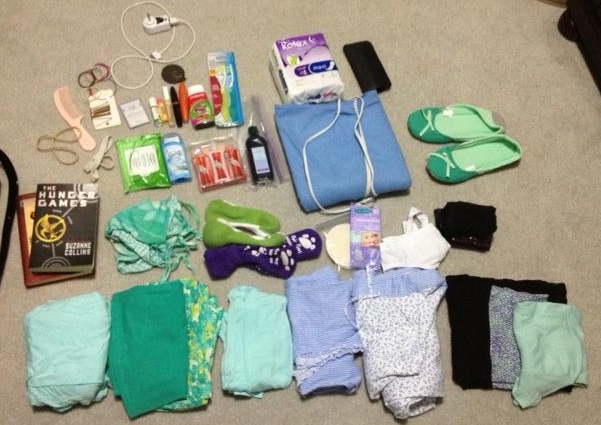
hospital bagA friend of mine recently called to ask for some advice about what exactly to pack for her hospital bag as she and her husband are prepping for the arrival of their first baby. The hospital bag can save your sanity. I honestly don’t think you can ever be prepared enough. I’d rather have too much of something than not enough, especially if you’re a long way from home. Here is a list of things that you should remember to pack in your hospital bag.


Prepping the Hospital Bag for Mom

I forgot a lot of stuff for myself, I was so concentrated on making sure everything for baby was packed I didn’t remember everything for myself. Lesson learned. Things that a mom will need include:

  • Comfortable, loose, clothes of your own. I was hospitalized for a week due to c/section complications, after a few days I was more than ready to get out of a hospital gown and put my own clothes on. Especially if you have a c/section, make sure they’ve very loose-fitting. If you’re breastfeeding, make sure your clothes are easily accessible since in the early days you will be nursing often and need easy access. I bought two t-shirts at Old Navy that were light, loose and had button snaps to open and close it at the neckline. I wasn’t concerned about fashion but more functionality and comfort. I opted to wear PJ pants that I could get on and off easily.
  • Nursing Bra
  • Toiletries
  • Snacks for you and spouse. Though I had access to yummy food of my own at the push of a button, my husband, who stayed with me, did not. I also didn’t want to call for small snacks or a drink so we brought a bag of our own snacks and it was very helpful! {This is also a great gift idea for expecting moms. Find out what their favorite snacks and drinks are and put a little bag together for their hospital!}
  • Nursing pillow. Not everyone uses a nursing pillow, I personally found it helpful, especially when first learning.
  • Camera/cell phone plus all required chargers.


What You Need for Baby

  • Warm clothes. Though there are a ton of cute newborn clothes, stick with practicality. Newborn sleepers that button or zip work well and most have feet and hand covers. Remember a small hat too, regardless of season (our daughter was born in June) since babies are used to a very warm environment.
  • Diapers/wipes. Our hospital had a full stash of newborn diapers in our room for use but it’s always nice to have your own and not all hospitals provide them. If you’re cloth diapering, you may want to wait until you get home to start since you likely won’t have access to laundry.
  • Swaddling blankets. Again, the hospital provided blankets for us but not to take home and we wanted to get comfortable using the ones we would be using at home.
  • Car seat. We were not allowed to leave the hospital until the nurse signed off on her placement within a car seat. This is for both her and our safety.

Though we forgot our camera, I was glad we had our phones to snap her first pictures. You can never be too prepared for baby’s arrival if you think you’ll need it, bring it!

Catherine
Catherine

Catherine is a first time momma to a rambunctious toddler. When she isn’t soaking up all that motherhood has to offer, you can find her blogging over at Plunged in Debt where she chronicles her and her husbands journey out of debt. You can also follow her on Twitter.
plungedindebt.com

Filed Under: Medical Tagged With: Hospital, Hospital Bags, preparing for baby, The Hospital

My Wife’s Pregnant – Now What?

July 11, 2013 | 1 Comment

wife's pregnantCongratulations!  You’re having a baby!  Holy shit!  You’re having a baby!

Even if you’ve been trying for a long time, getting a positive pregnancy test is a huge deal!  It mean’s your wife is pregnant.  You’re excited.  You’re nervous.  You really have no fucking idea what to expect!  That’s great and exciting.  You’re in for a wild ride.

Here’s the next steps on what to do once you find out your wife’s pregnant, and what you can expect as a husband or partner.


Is This For Real?

Your first instinct may be to dismiss the positive pregnancy test for a bit.  Guess what – there’s really no point.  In fact, these test are 99.9% accurate, especially if it has been a few weeks since your wife’s missed period.  These tests are over 90% accurate even before she was supposed to have her period.  The bottom line is that if you took a home pregnancy test and it was positive, you’re pregnant.

The big if is this – the test simply detects the hormone her body emits when there is a fertilized egg.  Her body starts producing it very early on, and there is still a chance it won’t be a viable pregnancy.  That’s why you still need to go to the doctor to confirm.


Setting Up a Dr. Appt

Once you get a positive pregnancy test, you should setup a doctor appointment between 6 and 8 weeks (or 2 to 4 weeks after her missed period). During this time, the doctor will do a trans-vaginal ultrasound to confirm the pregnancy (yes, that is an ultrasound where they stick the wand up the ho-ha).  The cool thing is that this will be the first glimpse you’re going to get of your baby!

It’s going to look like 6th grade biology – a little round circle of a cell, that has a little flutter in the middle – your baby’s heartbeat.

However, this appointment may not be all good news.  Many early detected pregnancies are not viable – upwards of 33%.  In many cases, you’ll never know – it ends like a regular period even though the egg was fertilized.  However, some can go longer, and you may make it to this point.  That’s why confirming the baby is essential when moving forward.


Telling Your Family

For all the reasons above, the standard for telling people you’re pregnant is 12 weeks.  Once you get past the 12 week mark, the odds of having a miscarriage are extremely low – so it’s safe to let people know.  It’s also the time when you can be a little less worried about whether everything is okay, and start worrying about what you’re going to do when you have a little one in a few months.


Be Supportive

You just need to be supportive during the whole process.  Your wife’s body is going to be taken over by the little guy or girl, and hormones are running wild.  You’re in for a wild ride, and you’re going to be surprised by it all.  Just be there, as best you can.


Be Prepared

Finally, you just need to have a basic level of education about pregnancy and child rearing. Pregnancy is a time of extreme change and its going to impact both your current relationship and your future with your partner.  The best thing to do is pick up a copy of Dr. Spock’s Baby and Child Care. Its a classic that’s had something like nine revisions in the past 60 years, and its sold millions of copies. Get it in paper back on amazon for like $6 bucks.

For help on what to teach your children as they grow check out these articles.

Raising Polite, Responsible Kids
Raising Money Smart Kids
Raising A Child On A Budget: How To Save Money And Be A Happy Family

If you’ve been through this with your wife or husband, what advice do you have?

Brian
Brian

Brian is the founder of Kids Ain’t Cheap and is now sharing his journey through parenthood.

 
Email • Google + • Facebook • Twitter

Filed Under: Medical Tagged With: pregnant, we're pregnant, wife's pregnant

Oral Care for Older Children and Adults

April 16, 2013 | Leave a Comment

Source: Free Digital Photos
Source: <a href="http://www.freedigitalphotos.net/images/Healthy_Living_g284-Smiling_Woman_With_Toothbrush_p116390.html">Free Digital Photos</a>

To continue with April’s oral health month series, today I’m discussing oral care for older children and adults. In case you missed it last week, I did a post on oral hygiene for children and what to expect from their first dental visit. 

At the office I work at, I see all walks of life. The richest and poorest of our great city. The diversification is refreshing and keeps my job interesting. Our health doesn’t discriminate based on our financial background. I see very wealthy people with terrible oral hygiene and people living in poverty with fantastic oral health. Some things are the same regardless of our socioeconomic status. Like having to care for our teeth.


The Basics of Older Children Oral Care

Good oral hygiene starts with the basics of brushing and flossing. Brush at least twice a day, floss once. Do it well. Brushing and flossing are not areas to slack. If done properly it won’t take more than five minutes total out of your entire day. A set of healthy teeth and gums is worth five minutes.

Electric toothbrushes really do live up to their hype. For the average individual, brushing with an electric toothbrush will be more effective than manual brushing.

Flossing is important. Your toothbrush is unable to reach in between your teeth where a majority of the bacteria laden plaque lives. We ask you to floss at least once every 24 hours to disturb the plaques formation not allowing it to harden into calculus (or tartar).

You don’t have to use traditional floss. Individual flossers, soft picks, tooth picks, anything that fits in between your teeth. I don’t care, just do it everyday. Before or after brushing, it doesn’t matter just do it! This is a great visual resource about proper brushing and flossing.


Caring for Orthodontics

Caring for teeth while wearing braces is a bit more of a challenge but it is more important than ever to care for your teeth. If you don’t effectively remove the plaque from the area around the brackets on your tooth’s surface, decay can happen. There is nothing worse than seeing beautiful straight teeth, and years worth of work, be overshadowed by bright white squares on the tooth from decalcification.

While there are special orthodontic toothbrushes (both manual and electric) a regular toothbrush, with a slightly modified technique will work just fine. My personal favorite tool for helping remove plaque and small food particles from braces, is an ‘end tuft’ brush. Essentially it is a tiny toothbrush but works well to get around the brackets and wires.

Once braces are removed and you’re into a retainer keeping it clean and plaque free is equally important. Rinse it in water and use a toothbrush to remove soft plaque. Bring it to all future dental appointments so they can observe how it is fitting and professionally clean it for you in their ultrasonic cleaner while you are in your appointment.


I Have No Teeth!

I have two edentulous patients who see me once a year. Just because they have no teeth doesn’t mean the may not have other issues. Unfortunately dentures are not just for older people. You would be surprised at the number of young individuals in partial or complete dentures.

Dentures need to be maintained and oral exams are very important. Even if you have no teeth, I recommend seeing a dentist once a year for a quick exam and denture fitting or adjustment.

Complete dentures need to be removed for a few hours everyday. Ideally overnight but I respect that some people, women especially, aren’t comfortable removing their teeth in front of their spouse. It can be a very self conscious thing. If you can’t remove your dentures overnight, take them out for a few hours while cleaning the house, cooking, bathing. It is important to allow your tissues to breath.

Clean dentures regularly to remove plaque and food debris.


Sports

Mouthguards are invaluable. Having a custom mouthguard made by your dentist or hygienist ensures your teeth and head are protected. I don’t think I need to explain the detriments of concussions, or the importance of having a family photo done without a gap toothed smile.

Good oral hygiene at all ages is so important for your overall health. Though starting young is ideal, it is never too late to start caring for your teeth and overall oral health!

Money saving tip: Clean retainers, dentures, mouth guards and bite plates with a regular toothbrush and mouthwash or dish soap. Rinse well!

Catherine
Catherine

Catherine is a first time momma to a rambunctious toddler. When she isn’t soaking up all that motherhood has to offer, you can find her blogging over at Plunged in Debt where she chronicles her and her husbands journey out of debt. You can also follow her on Twitter.
plungedindebt.com

Filed Under: Medical Tagged With: dental care, Oral Care

Oral Health Month: The First Dental Visit

April 9, 2013 | 1 Comment

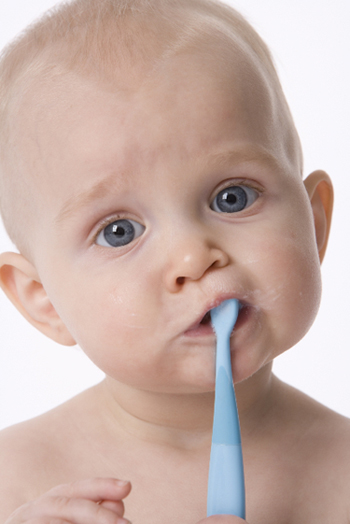
baby teeth
Source: Mek Dental

As a dental hygienist, I get a lot of questions from parents about how to care for their children’s teeth. April being Oral Health month I decided to share some knowledge based on common questions received and what you should expect for the first dental visit and how to gear the kids up for going to the dentist.


Baby Teeth

There is a misunderstanding that baby teeth will fall out and therefore not important. WRONG. If you don’t teach your children to care for their baby (primary) teeth, what makes you think they will suddenly take an interest in caring for their adult teeth? Good habits start early.


Caring for Tiny Mouths

  • Before teeth erupt, wipe the inside of the mouth and gums with a damp cloth once per day.
  • Never put a child to bed with a bottle, especially if it contains milk, formula or juice. If your child insists on having something, water is the only option.
  • If the child is a thumb or finger sucker, break the habit by the third birthday or permanent damages could occur needing orthodontic correction. By this age a child can self-sooth in other ways.
  • Introduce the toothbrush and start using it daily as soon as the first tooth is fully erupted.
  • Your child only needs a tiny, thin smear of toothpaste on the tip of the toothbrush, even a ‘pea sized’ amount is too much.
  • If you live in an area with a regulated fluoridated water supply, fluoridated toothpaste doesn’t need to be introduced until closer to three years of age though introducing earlier won’t harm them. Just watch how much they swallow and apply only a tiny amount.
  • It is important that children are allowed to practice brushing but parents should always go back and check and make sure all the food and plaque is being removed properly. The rule of thumb is that until a child can tie their shoes they need supervision with brushing.
  • Until a child has confidently mastered brushing, hold off on flossing. I would rather they be very good at one thing than ”ok” at both. Once they are confident in brushing, introduce the flossing.


The First Dental Visit

Starting your child off on the right foot requires dental visits early in their life. While most professionals will tell you, and what I have been taught, the first dental visit should happen by ”first tooth or first birthday” whichever comes first. My professional experience has taught me differently though.

The logic behind this early visit is more for the parents. To educate on things to look out for and answer questions. Sometimes the dentist or hygienist manages to have a quick peek at the tiny teeth the baby may have, but realistically this won’t happen until two to three years of age.

For this reason, I usually tell my patients unless they have a concern, to hold off bringing their child until two to three years. While you should do whatever you and your dentist are comfortable with, until your child is old enough to sit still (either alone or on a caregiver’s lap) and allow a stranger to look in their mouth, the visit is usually not productive.


What to Expect

The main reason I like to hold off on the first dental visit until closer to three in age is that the child now has all their teeth and can interact in the appointment. After any questions and potential concerns are addressed with the parents, I like to engage with the child. Show them that coming to the dentist isn’t to be feared in any way. If I do nothing else in the appointment other than gain the child’s trust enough to convince them to return on their own terms, I’m happy and consider it a success. I don’t always get to ”clean” their teeth the first time. My primary focus is to make sure they’re comfortable and they trust me. I hate hearing stories of adults who were scarred as children and have terrible experiences at the dentist. Your job as a parent is to find a practitioner who you trust. If you like and trust them that will make your child’s life much easier.

I like to interact with the child by asking them about their teeth, how they like to brush, if mom and dad are helping, and usually ask them to show me how they do it, correcting any potential errors. Sometimes I manage to polish a few teeth but other times we just talk and do oral hygiene instruction.

Once all the teeth are erupted (between two and three). I always have a good look at the condition and health of the teeth and tissues and observe how their bite is coming together. If the parent has held off on their visit past the first birthday, this is almost always accomplished during their first appointment. By me showing them that I’m just going to have a look with a small mirror to look around, kids usually respond pretty positively and are quite proud of their little chompers.


Final Thoughts

As parents it is important to instill trust in whoever you see to treat your children. If the parent is hesitant or fearful in any way kids pick up on it! Starting good dental care early will help your kids the rest of their life.

Come back next week to learn about caring for older children and adult teeth!

Catherine
Catherine

Catherine is a first time momma to a rambunctious toddler. When she isn’t soaking up all that motherhood has to offer, you can find her blogging over at Plunged in Debt where she chronicles her and her husbands journey out of debt. You can also follow her on Twitter.
plungedindebt.com

Filed Under: Medical Tagged With: First dental visit, Good Dental Care, Oral Health Month, The Dentist

Bed Rest is a Lot of Things; but it is Not a Myth!

February 17, 2011 | Leave a Comment

Sidelines is a support group for high risk prgnancies and provides information about bed restAs I have mentioned before, I was placed on bed rest when I was 24 weeks pregnant with our boys. I  am also a volunteer for Sidelines National High Risk Pregnancy Support Network, a wonderful organization which supports women who are experiencing a high risk pregnancy and who are on bed rest. So as you can imagine, I am a huge proponent for bed rest. I strongly advise any woman to listen and obey her doctors orders when bed rest is prescribed.

So when I received an e-mail from Sidelines, which contained a link to an article that was printed in the Chicago Tribune on January 29, 2011 — I immediately tensed up after I read the headline:

The title of the article only made matters worse, Value of Bed Rest Questioned; Data don’t back up prescriptions of bed rest. Just typing that makes me mad all over again.

Bed rest is not easy

It’s not that I disagreed, with everything that was mentioned in the article. I actually did agree with some of the points that were made. Bed rest is not easy. It is huge financial, emotional, physical, and psychological strain. It’s not how anyone envisions their pregnancy to be. It’s certainly not how I envisioned it…

I told people, I was planning on working right up until the day I went into labor.  Actually, only a month before I was placed on bed rest, I had purchased a bunch of new, super cute, super stylish, maternity clothes to wear to work (let me tell you, I looked fantastic during my weekly visits to see my OB. It was always my big outing for the week; where I could see and be seen).

I also had visions of decorating the nursery and doing all of the “nesting” things moms-to-be do, but that’s not how my pregnancy went and that’s totally okay.

My experience with bed rest

After I was prescribed modified bed rest, told I could not work, and that I was only leave the bed/couch to fix myself something to eat, shower and use the restroom — my pregnancy days changed dramatically. I would spend my time watching TV, reading, unsuccessfully trying to crochet, and praying – with each and every breath I took – that my babies would stay put.

I did exactly what I was told by my doctor. There was so much uncertainty during that time, so many things out of my control, and even though bed rest wasn’t a promise that nothing bad would happen, it was something I would do. Something I could do for my babies, so that I would know – for better or worse – I did absolutely everything I could.

I am happy to report that after being diagnosed with placenta previa at 8 weeks, bleeding at 13 weeks, having mild contractions starting at 19 weeks and being placed on bed rest at 24 weeks  — our boys were born at 39 weeks 4 days (36 weeks is considered full term for twins). The boys were completely healthy. In that moment, I knew that the sacrifices my husband and I made, were so minimal compared to the blessings we received. I would do it a thousand times over!!!

So, although the article wasn’t one-hundred percent wrong, it didn’t tell the whole story. The thing that concerned me the most about it — was that someone might read it – who is high risk or may one day have a high risk pregnancy – and then disregard their doctors recommendation.

Sidelines offered this statement after the article was published:

This debate has raged for 20 years and belongs in the hands of individual women and their doctors.
Our concern is that women who truly have medical need to decrease activity or rest in bed will take this article as a message to them to ignore their very specific conditions and medical advice. Publishing an article which provides such a one-sided view is irresponsible. And if a baby is born prematurely because of it, then it is down right dangerous.

We urge all mothers who read this and question the efficacy of bed rest to discuss your concerns with your health care provider.

Candace Hurley, Director Founder Sidelines www.sidelines.org

I am pleased to say that on February 8, 2011, the Chicago Tribune did publish some letters from women, who had been on bed rest.  You can read those letters here Voice of the People

If you or someone you know is experiencing a high risk pregnancy, I urge you to contact www.sidelines.org. They offer free support and information to anyone who needs it.


Brian
Brian

Brian is the founder of Kids Ain’t Cheap and is now sharing his journey through parenthood.

 
Email • Google + • Facebook • Twitter

Filed Under: Medical, Uncategorized Tagged With: Bed Rest, Chicago Tribune, high risk pregnancy, Pregnancy, Sidelines

« Previous Page
  • Facebook
  • Pinterest
  • RSS
  • Twitter
Best Parenting Blogs

Most Popular

Baby

9 Unusual Baby Names That Sound Like They Belong to Future CEOs

Evan Morgan
Baby

10 Baby Names That Were Once Considered “Grandparent Names” but Feel Cool Again

Evan Morgan
Baby

9 Baby Names Inspired by Fall Without Naming Your Child Autumn

Evan Morgan
Target Store

Choking Incident Prompts Recall of 49,000 Target Gigglescape “Under the Sea” Popping Toys

Evan Morgan
Frustrated Girl

Why Some Students on the Spectrum Are Labeled With ODD

Evan Morgan

All content on Kids Ain’t Cheap is for entertainment purposes only. By reading this blog, you agree that Kids Ain’t Cheap is not responsible for any actions taken after reading this blog. For the full disclaimer, see our privacy policy.

Please note that Kids Ain’t Cheap has financial relationships with some of the merchants mentioned here. Kids Ain’t Cheap is funded by banner advertising, commission sales and search optimization consulting.

Copyright © 2006–2026 | District Media | All Rights Reserved | Privacy Policy

Copyright © 2026 Runway Pro Theme by Viva la Violette